
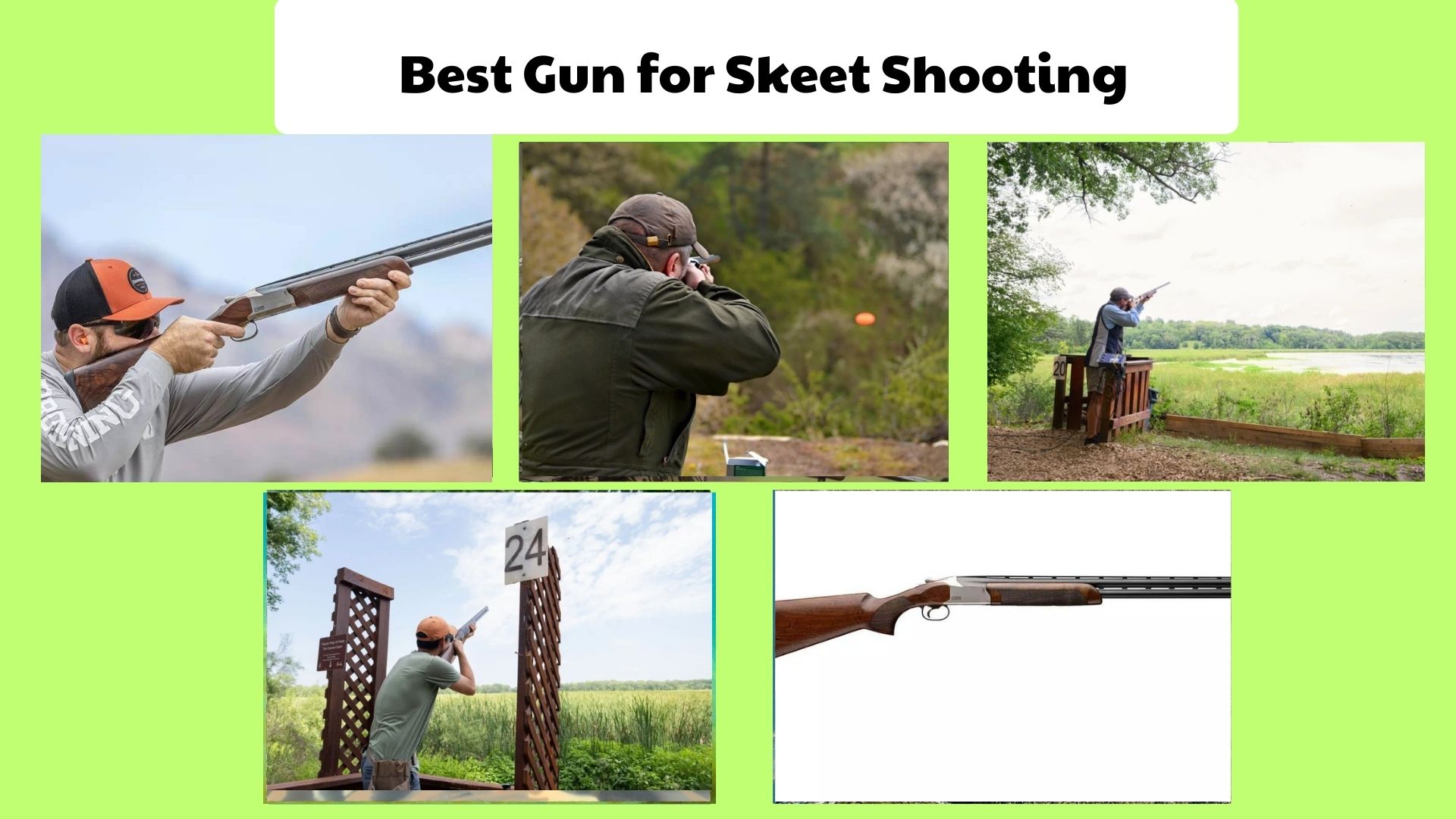
Skeet shooting is both a competitive sport and a recreational activity that challenges shooters to hit clay targets launched at varying angles and speeds. Whether participating in local clubs, national competitions, or casual backyard practice, success in skeet relies on precision, timing, and consistency. Each station presents unique trajectories, requiring shooters to quickly judge lead and swing for accurate hits.
Choosing the right firearm is critical for consistency, comfort, and accuracy. A well-fitted shotgun allows the shooter to smoothly track targets, maintain proper follow-through, and manage recoil over extended shooting sessions. The right gun can make the difference between a frustrating day on the range and a rewarding experience of clean hits and personal improvement.
This guide focuses on shotguns, the essential firearm for skeet shooting. It will cover popular gauge options, action types, key features, top recommended models, ammunition tips, and practical advice for both beginners and experienced shooters. By understanding the fundamentals of shotgun selection and handling, you can improve your performance and enjoyment in this precision-driven sport.
What Is Skeet Shooting?
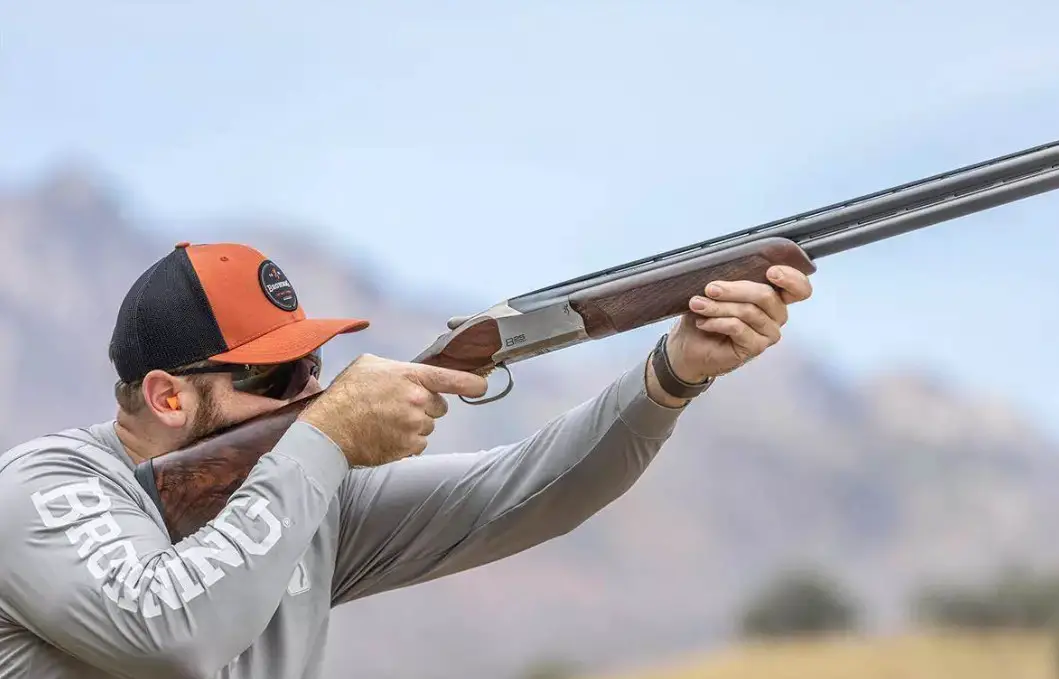
Skeet shooting is a precision sport in which participants use shotguns to break clay targets launched into the air at varying angles. The standard skeet field consists of eight shooting stations arranged in a semicircle between two trap houses: a high house and a low house. Targets are thrown from these houses, crossing in front of the shooter at consistent heights and speeds. The shooter moves between stations, aiming to hit each clay target as it flies along its predictable path.
Basic Rules of Skeet
Competitors typically shoot a series of singles and doubles, following a set rotation around the eight stations. Points are awarded for each target successfully broken. In formal competitions, strict rules govern the sequence of stations, the number of shots allowed, and the order of shooting. While recreational skeet is more flexible, the fundamentals remain the same: track the target smoothly, lead appropriately, and maintain consistent follow-through.
Differences Between Skeet, Trap, and Sporting Clays
While all three are shotgun sports, they differ in target trajectory and field setup:
- Skeet: Targets cross at fixed angles from high and low houses; emphasizes horizontal tracking and lead adjustment.
- Trap: Targets fly away from the shooter at variable angles; focuses on reaction speed and judging target distance.
- Sporting Clays: “Golf with a shotgun” — targets are launched from varied locations, angles, and speeds to simulate hunting scenarios.
Skeet’s predictable crossing targets make it ideal for developing precision, timing, and smooth shotgun handling.
Why Shotguns Are Essential for Skeet
Shotguns are uniquely suited for skeet shooting due to their ability to fire multiple pellets in a wide pattern, increasing the likelihood of breaking fast-moving clay targets. Rifles or handguns are impractical because they rely on a single projectile and require pinpoint accuracy, which is nearly impossible against small, fast-moving clay targets. Shotguns allow shooters to adjust lead, maintain follow-through, and manage fast sequences, making them the only practical firearm for both recreational and competitive skeet shooting.
Why Shotguns Are the Best Choice for Skeet
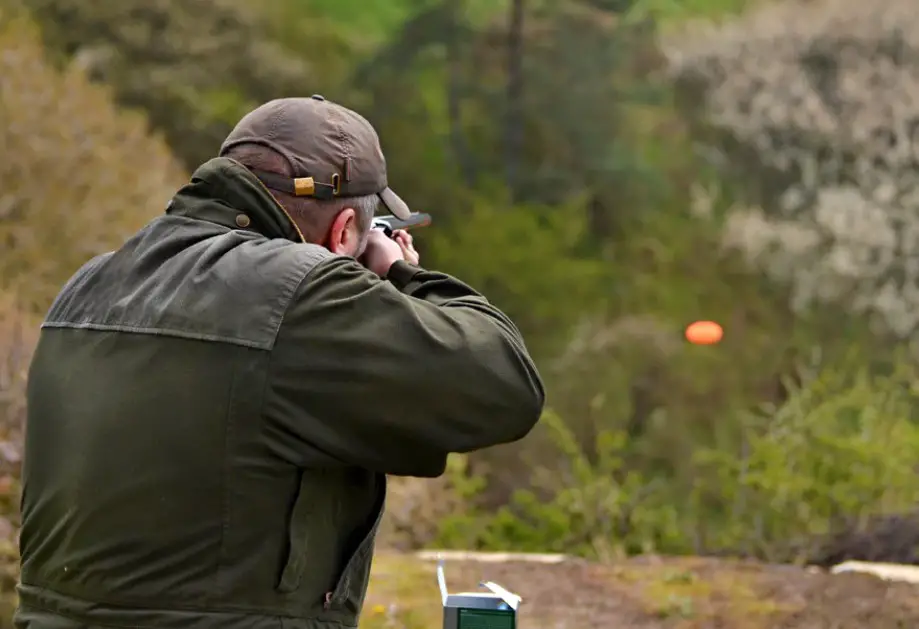
Shotguns are the firearm of choice for skeet shooting because they are specifically designed to deliver multiple projectiles, or pellets, with each shot. This multi-pellet delivery increases the likelihood of hitting fast-moving clay targets, which can travel at speeds of 40 to 60 miles per hour across the shooting field. Unlike rifles or handguns, which rely on a single projectile, shotguns create a dense pattern that covers a wider area, making them far more forgiving and effective for the dynamic angles encountered in skeet.
Shotgun Patterns and Clay Targets
The pattern of a shotgun—how the pellets spread after leaving the barrel—plays a crucial role in skeet shooting. A tight, dense pattern increases the chance that enough pellets strike the clay to break it cleanly. Understanding how your gun patterns at different distances is essential. For example, at the standard 21-yard distance for singles or doubles, most over/under and semi-automatic shotguns deliver consistent patterns that allow shooters to calculate the necessary lead and adjust their swing accordingly. Practicing patterning with your chosen ammunition helps shooters learn how their gun performs, ensuring predictable and reliable results during competition or recreational practice.
Lead, Swing, and Timing
Hitting a crossing clay requires proper lead—the distance in front of the target where you aim to account for its speed. The right shotgun allows the shooter to execute smooth, controlled swings that match the trajectory of the target. Timing is critical: a gun that is balanced and easy to mount ensures that follow-through remains fluid, allowing the shooter to maintain proper lead and avoid jerky or rushed movements. Repetition and familiarity with your shotgun build muscle memory, which is key for consistent performance.
Consistency, Balance, and Follow-Up Shots
In skeet shooting, consistency is just as important as raw firepower. A well-balanced shotgun enables a smooth swing and stable mount from station to station. Balance helps reduce fatigue during extended practice sessions and keeps the shooter in control of the barrel path. Additionally, quick follow-up shots are essential during doubles or sequences of fast targets. Semi-automatic and over/under shotguns excel in this regard, offering reliable cycling and predictable recoil management that allows shooters to stay on target for successive shots. Overall, the shotgun’s combination of multi-pellet delivery, consistent patterns, and ergonomic balance makes it the only practical and effective firearm for skeet shooting.
Best Gauge for Skeet Shooting
Selecting the correct shotgun gauge is one of the most important decisions in skeet shooting. The gauge affects recoil, handling, pattern density, and overall shooting comfort. While skeet targets are thrown at consistent distances and angles, different gauges offer distinct advantages depending on experience level, physical comfort, and competitive goals. Understanding how each gauge performs helps shooters choose a setup that supports accuracy and long-term consistency.
12 Gauge — The Industry Standard
The 12 gauge is the most widely used and accepted gauge in skeet shooting. It offers the best balance between pellet count, manageable recoil, and versatility. Because of its popularity, 12-gauge ammunition is widely available in a broad range of target loads, making it easy for shooters to find shells that pattern well with their shotgun.
In skeet, the 12 gauge provides dense and forgiving patterns, which can be especially helpful when learning lead and timing. The larger payload increases the margin for error without encouraging sloppy shooting habits. Modern target loads also allow recoil to be tuned down, making extended practice sessions comfortable even for newer shooters.
For competitive shooters, the 12 gauge remains the primary choice due to its consistency and flexibility across all stations. It is equally effective for recreational skeet and formal competition, which is why it is often recommended as the first and long-term gauge for most shooters.
20 Gauge — Lighter Recoil and Handling
The 20 gauge is a popular alternative for skeet shooters who prefer reduced recoil and lighter firearm weight. This makes it an excellent option for beginners, younger shooters, or anyone sensitive to recoil. A lighter gun can also improve comfort during long practice sessions.
While the 20 gauge carries fewer pellets than a 12 gauge, modern ammunition and proper choke selection allow it to perform very well at standard skeet distances. Many shooters find that the reduced recoil helps them maintain smoother swings and better follow-through, which can improve overall consistency.
In competitive skeet, the 20 gauge is also used in sub-gauge events, where shooters test their precision and timing with smaller payloads. It rewards disciplined technique and reinforces good fundamentals without sacrificing enjoyment.
28 Gauge and .410 Bore — Niche and Specialized Options
The 28 gauge and .410 bore are considered specialized gauges in skeet shooting. They offer very light recoil and exceptional handling but demand a higher level of precision from the shooter. With smaller shot charges and tighter margins for error, these gauges emphasize timing, accuracy, and smooth gun movement.
The 28 gauge is often praised for its efficiency, delivering surprisingly effective patterns with minimal recoil. The .410 bore, on the other hand, is the most challenging option, carrying the smallest payload and requiring near-perfect lead and follow-through to break targets consistently.
These sub-gauge options are commonly used in advanced competition and training scenarios. While not ideal for beginners, they are excellent tools for experienced shooters looking to refine their skills and test their consistency. When used correctly, both gauges offer a rewarding and highly technical skeet shooting experience.
Types of Shotgun Actions for Skeet
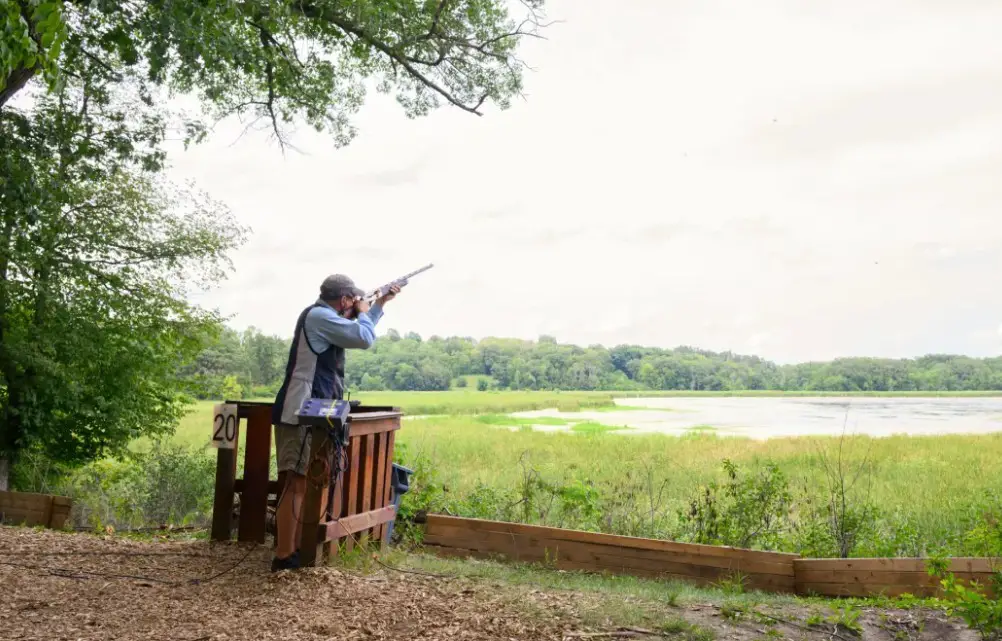
Choosing the right shotgun action is critical for skeet shooting performance. The action type determines how the gun cycles shells, manages recoil, and allows for follow-up shots. While several actions are available, over/under, semi-automatic, and pump-action shotguns each offer distinct advantages depending on experience level, budget, and competition requirements.
Over/Under Shotguns
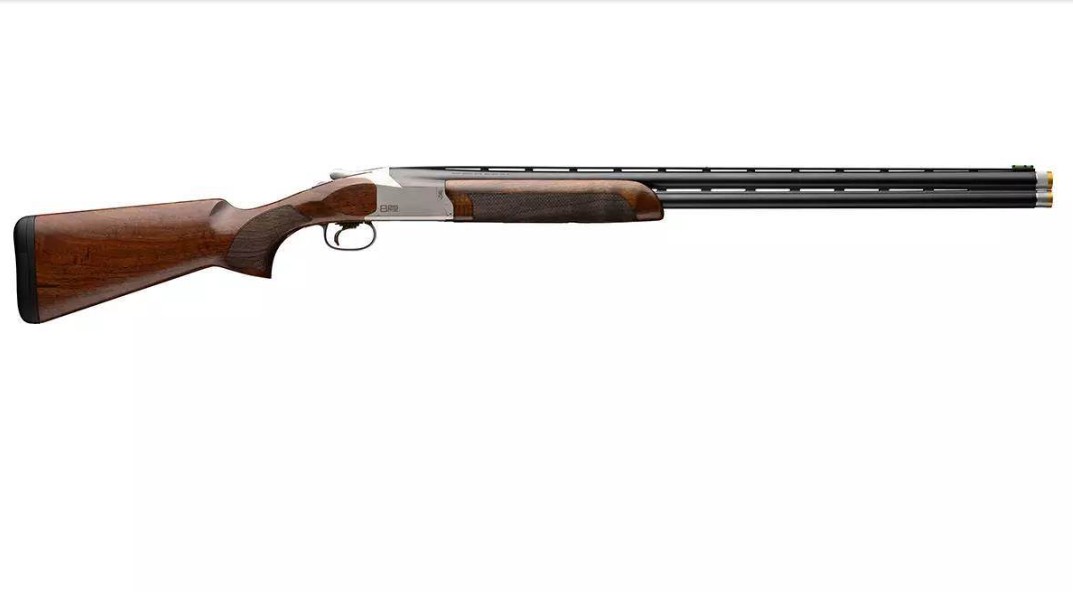
Over/under shotguns are the most popular choice in competitive skeet shooting. These firearms have two barrels stacked vertically, providing a single sighting plane that aligns naturally with the shooter’s eye. This configuration enhances target acquisition and follow-through, allowing for smooth swings across crossing clay targets.
The balance and weight distribution of over/under shotguns make them ideal for maintaining consistent swing speed and mount at all eight stations. Additionally, having two barrels allows shooters to quickly fire a second shot without cycling an action, which is especially useful for doubles. While typically higher in price, their precision, reliability, and ergonomics make them the standard in professional skeet competitions.
Semi‑Automatic Shotguns
Semi-automatic shotguns use either gas or inertia systems to cycle the next round automatically, reducing felt recoil and allowing for rapid follow-up shots. This can be advantageous during intense practice sessions or for recreational shooters who want comfort and efficiency. Semi-autos also provide smooth shooting for those who may be recoil-sensitive or shoot multiple rounds consecutively.
Despite these benefits, semi-automatic shotguns are less common in high-level skeet competitions. Some competitive events restrict or prefer over/under configurations due to their consistent sighting plane and traditional handling. However, for casual shooters or certain club-level matches, semi-automatic shotguns offer a practical, comfortable alternative without compromising performance.
Pump‑Action Shotguns
Pump-action shotguns are mechanically simple, reliable, and generally more affordable than over/under or semi-automatic models. They are excellent training tools for beginners learning swing mechanics, lead estimation, and timing. The manual action requires the shooter to cycle the shotgun after each shot, which encourages deliberate shooting and discipline.
While durable and budget-friendly, pump-action shotguns have limited use in competitive skeet shooting. The slower rate of fire and the need to cycle the action between shots make them less practical for doubles or rapid sequences. Nonetheless, they remain a solid option for recreational practice, casual skeet outings, or shooters on a budget.
Key Features to Consider
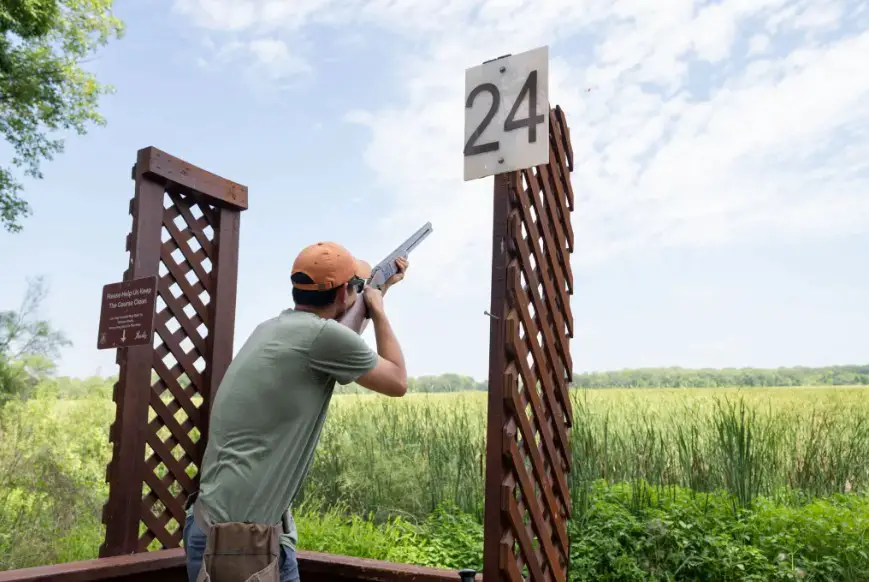
Selecting the right shotgun for skeet shooting goes beyond gauge and action type. Specific features such as barrel length, rib design, choke selection, and stock fit directly affect how smoothly the gun swings, how consistently targets are tracked, and how comfortable the shooter feels over long practice sessions or competitions. These details often separate an average skeet setup from an excellent one.
Barrel Length
For skeet shooting, barrel length typically falls between 26 and 28 inches. This range offers the best balance between smooth swing dynamics and precise target tracking. Longer barrels help maintain momentum during the swing, making it easier to follow crossing targets without stopping the gun prematurely.
A 26-inch barrel is often preferred by shooters who value slightly quicker handling and faster transitions between stations. A 28-inch barrel, on the other hand, provides a steadier swing and is commonly favored by competitive shooters who prioritize consistency and follow-through. Both lengths perform well in skeet, and personal comfort often determines the final choice.
Rib Type & Sight
The rib and sight system of a skeet shotgun play a crucial role in natural alignment and visual focus. Most skeet shotguns feature ventilated or flat ribs that promote consistent sight pictures while reducing heat distortion during extended shooting sessions. A clean, uninterrupted rib helps the shooter maintain focus on the clay rather than the barrel.
Skeet shotguns typically use a simple front bead sight, sometimes paired with a mid-bead for reference. The goal is not precise aiming but consistent bead alignment that supports smooth follow-through. When properly fitted, the shooter should see the bead naturally without consciously adjusting head position.
Chokes for Skeet
Skeet shooting involves relatively close crossing targets, which makes open choke patterns ideal. Improved Cylinder (IC) and Skeet chokes are the most commonly used options, as they provide wider shot patterns that increase forgiveness on fast-moving clays.
Some shooters may experiment with Light Modified chokes depending on personal preference or specific target presentations, but overly tight chokes are generally unnecessary for skeet. Interchangeable choke systems allow shooters to fine-tune patterns and adapt to different ranges or shooting styles without changing barrels.
Stock Fit & Recoil Management
Proper stock fit is one of the most important factors in skeet shooting performance. A shotgun that fits correctly aligns the shooter’s eye naturally with the rib, reduces the need for conscious adjustments, and improves consistency from station to station. Comb height, length of pull, and cast all influence how naturally the gun mounts.
Recoil management also contributes to comfort and endurance, especially during long practice sessions or tournaments. Balanced weight distribution, quality recoil pads, and proper gun fit help reduce felt recoil and fatigue. A comfortable shooter maintains better focus, smoother swings, and more consistent results throughout the round.
Top Recommended Shotguns for Skeet Shooting
Choosing the right shotgun for skeet shooting can have a significant impact on your consistency, comfort, and overall success on the range or in competition. The best guns for skeet are balanced for smooth swings, pattern predictably with target loads, and fit the shooter’s body and style. Below are expert recommendations grouped by skill level and budget, ranging from high‑end competition guns to reliable beginner options.
1. Premium Choices
Premium over/under shotguns are typically the first choice for serious skeet competitors. These firearms offer exceptional balance, refined ergonomics, excellent out‑of‑the‑box feel, and reputations for durability and reliability. Many also feature adjustable stock components and finely tuned triggers that help experienced shooters maximize performance.
Browning Citori 725 Field
The Browning Citori 725 Field is widely regarded as one of the top over/under options for skeet shooters. It combines classic fit and balance with modern reliability. Its robust build, crisp triggers, and smooth break make it a standout for competitive shooters. Adjustable comb and stock options help fit a variety of shooters, and Browning’s reputation for quality means this gun will serve well through years of clay target practice and competition.
Beretta 686 Silver Pigeon I/II
The Beretta 686 Silver Pigeon series has long been a favorite among clay target shooters. It offers excellent balance, a smooth action, and reliable performance. The Silver Pigeon II adds upgraded aesthetics and finishes without sacrificing functionality, making it a great choice for shooters who want both performance and classic styling. Its responsive triggers and well‑paced swing make breaking clay targets feel natural and consistent.
Caesar Guerini Summit Sporting
The Caesar Guerini Summit Sporting series is designed for high‑end performance with a focus on premium balance and craftsmanship. While slightly more expensive than some competitors, these shotguns provide excellent ergonomics, refined balance, and smooth cycling that many competitive shooters appreciate. The attention to detail in fit and finish helps deliver confident shots throughout long skeet sessions.
2. Mid‑Range & All‑Around Options
Mid‑range shotguns offer high performance for both practice and casual competition without the premium price tag. These guns often balance quality construction with features that help both intermediate shooters and serious hobbyists improve their game.
Winchester SX4 Sporting
The Winchester SX4 Sporting is a gas‑operated semi‑automatic that provides smooth cycling and reduced recoil. While semi‑automatics are less common in high‑level skeet, the SX4 delivers dependable performance with light target loads and is often praised for its comfortable handling and reliability during practice sessions and club shoots.
Mossberg 940 JM Pro
The Mossberg 940 JM Pro is another semi‑automatic that works well for shooters who want quick follow‑up shots and softer recoil. Designed in part with input from professional shooters, it balances handling and dependable cycling. Its all‑weather design and soft shooting characteristics make it a popular choice in the mid‑range category.
Benelli 828U
The Benelli 828U is an over/under shotgun that delivers competitive performance without a premium price. Its Balanced Action system provides soft recoil and smooth handling. The 828U’s design and balance help it function well for skeet shooters seeking a refined yet all‑around capable shotgun for both practice and matches.
Stoeger Condor Competition
The Stoeger Condor Competition is another strong mid‑range over/under option. It offers reliable performance, solid balance, and good ergonomics at a friendly price point. While not as finely tuned as premium models, it provides excellent value for shooters who want competition‑ready performance without spending top dollar.
3. Budget & Beginner Shotguns
For shooters new to skeet or those on a budget, several shotguns offer reliable performance without high upfront cost. These options are well suited for learning fundamentals, frequent practice, and casual club use.
Mossberg 500 Series
The Mossberg 500 is a classic pump‑action shotgun known for reliability and simplicity. While pump actions are less common in formal skeet competition, the 500 series is a great training tool for new shooters learning swing mechanics and lead. Its rugged design and widespread aftermarket support make it a practical choice for beginner skeet shooters.
Remington 870 Express
The Remington 870 Express is another timeless pump‑action shotgun. Known for durability and ease of maintenance, the 870 is a solid starter gun that introduces new shooters to break‑in‑hand fundamentals without significant investment. Many skeet clubs use the 870 for rental or instructional programs because of its reliability.
Mossberg Silver Reserve 2
The Mossberg Silver Reserve 2 is an affordable over/under shotgun suitable for beginners and weekend shooters. It offers reasonable balance and handling for skeet practice without the higher cost of premium options. While trim and finish are simpler, its performance is more than adequate for recreational skeet.
Stoeger P3000
The Stoeger P3000 is a budget‑friendly semi‑automatic shotgun that can handle standard skeet target loads with reliability. Its simple design and decent ergonomics make it a good choice for beginners who want the ease of a semi‑auto without breaking the bank.
| Model | Action | Gauge | Barrel Length | Price Range |
|---|---|---|---|---|
| Browning Citori 725 Field | Over/Under | 12 | 28″ | Premium |
| Beretta 686 Silver Pigeon II | Over/Under | 12 | 28″ | Premium |
| Caesar Guerini Summit | Over/Under | 12 | 28″ | Premium |
| Winchester SX4 Sporting | Semi‑Auto | 12 | 28″ | Mid‑Range |
| Mossberg 940 JM Pro | Semi‑Auto | 12 | 28″ | Mid‑Range |
| Benelli 828U | Over/Under | 12 | 28″ | Mid‑Range |
| Stoeger Condor Competition | Over/Under | 12 | 28″ | Mid‑Range |
| Mossberg 500 Series | Pump | 12 | 26–28″ | Budget |
| Remington 870 Express | Pump | 12 | 26–28″ | Budget |
| Mossberg Silver Reserve 2 | Over/Under | 12 | 26–28″ | Budget |
| Stoeger P3000 | Semi‑Auto | 12 | 28″ | Budget |
Whether you are stepping into competitive skeet for the first time, upgrading your practice gun, or investing in a high‑end competition shotgun, there are excellent options at every level. Try to handle different models at ranges and consider pattern testing with your preferred ammunition before making a final choice.
Ammunition Basics for Skeet
Ammunition selection plays a major role in skeet shooting performance. Unlike hunting applications that require penetration and range, skeet shooting focuses on consistency, pattern density, and predictable shot behavior at relatively short distances. Choosing the right shells helps ensure clean breaks, smooth recoil, and repeatable results across all eight stations.
Standard Shells Used in Skeet
Skeet shooting typically uses light target loads designed for clay breaking rather than power. Lead shot remains the standard choice for skeet at most shooting ranges due to its consistent patterns and lower barrel wear compared to steel. Lead pellets deform slightly on firing, which helps create even shot patterns that are ideal for breaking clays.
Most skeet shells are 2¾-inch in length and loaded to produce manageable recoil for extended shooting sessions. These loads allow shooters to maintain focus and proper technique without fatigue, which is especially important during competitive rounds or long practice days.
Shot Sizes for Skeet
The most common shot sizes for skeet shooting are #7½, #8, and #9. These smaller pellets provide high pellet counts, which increases the probability of striking fast-moving clay targets. Since skeet targets are engaged at close to moderate ranges, deep penetration is unnecessary, making smaller shot sizes highly effective.
Shot size #9 offers the highest pellet count and is often preferred for very close targets, particularly at stations with quick crossing shots. Shot size #8 provides a balance of pellet count and energy, making it one of the most popular all-around choices. Shot size #7½ delivers slightly more energy and can be useful for longer presentations, although it produces fewer pellets than smaller sizes.
Matching Ammo to Gauge and Choke
Matching ammunition to your shotgun’s gauge and choke is essential for consistent patterns. Twelve-gauge skeet shooters typically use 1-ounce or 1⅛-ounce loads with open chokes such as Skeet or Improved Cylinder. This combination produces wide, forgiving patterns that help break clays reliably.
For sub-gauge skeet shooting, such as 20 gauge, 28 gauge, or .410 bore, lighter payloads are common. These require careful pattern testing to ensure adequate pellet density at target distances. Selecting the correct choke and load combination allows the shooter to maximize pattern coverage while maintaining comfortable recoil and consistent target breaks.
Pattern testing your skeet ammunition at known distances is a valuable practice. It confirms how your chosen shell performs through your specific barrel and choke setup, helping you build confidence and consistency every time you step onto the skeet field.
Maintenance & Care for Skeet Shotguns
Proper maintenance is crucial for keeping a skeet shotgun performing consistently and safely. Unlike hunting shotguns, skeet guns are fired frequently during practice sessions, sometimes shooting hundreds of rounds in a single day. Regular care ensures reliable cycling, accurate patterns, and a longer service life.
Cleaning Frequency
After every session, or at minimum after shooting several hundred rounds, it’s important to clean the barrel, action, and choke tubes. Clay target debris, powder residue, and wadding can accumulate quickly, especially when using light target loads. A clean bore and action reduce the risk of misfires, improve pellet patterns, and maintain consistent performance from station to station.
Field stripping your shotgun for thorough cleaning should include removing the barrels (for over/under and break-action shotguns), wiping down the chambers, and lightly lubricating the moving parts. Semi-automatic shooters should pay special attention to gas ports and operating systems to prevent buildup that could affect cycling reliability.
Protecting Finishes, Bore, and Action
Frequent shooting can lead to wear on metal finishes and wooden stocks. Protecting your shotgun involves wiping down the exterior with a soft cloth after each session, applying gun oil or a protective coating to prevent rust, and storing the firearm in a dry, ventilated area. Avoid excessive moisture exposure, which can corrode steel components and damage wood stocks.
The bore should be inspected regularly for fouling, pitting, or scratches. Lightly cleaning with a bore brush and solvent helps maintain smooth patterns and prolong barrel life. Neglecting bore maintenance can lead to inconsistent patterns and reduced performance.
Checking Sights and Chokes
Regularly inspect your front bead or other sighting components to ensure proper alignment. Misaligned beads can affect follow-through and accuracy during rapid target engagement. Over/under and semi-automatic guns with interchangeable choke tubes should also be checked for proper fit and function. A loose or damaged choke can drastically alter pellet patterns and reduce effectiveness.
Routine maintenance not only preserves performance but also enhances safety. A well-cared-for skeet shotgun is more predictable, easier to handle, and less likely to malfunction, giving shooters confidence to focus on swing mechanics and target acquisition rather than worrying about reliability.
Training Tips for Skeet Success
Skeet shooting is a skill-based sport where consistent practice and proper technique are essential for success. While having the right shotgun and ammunition matters, training routines, drills, and deliberate practice are what separate competent shooters from competitive ones. Focused training helps build muscle memory, timing, and smooth swings across all stations.
Dry Practice: Mount, Swing, and Follow-Through
Dry practice, or practicing without live ammunition, is an effective way to reinforce proper gun handling. Begin by mounting the shotgun to your shoulder in a natural position, ensuring the comb aligns with your eye and your stance is balanced. Practice smooth, controlled swings following an imaginary clay target along its crossing path. Follow-through is key: continue the swing even after the target point where the shot would have occurred. This builds consistency and ensures your eye and body move together with the barrel.
Repeating this process regularly improves muscle memory, helping shooters achieve a fluid mount and swing during live firing. Dry practice also reduces fatigue and allows shooters to focus on perfecting mechanics without worrying about recoil or recoil-induced flinch.
Drills for Lead Estimation and Rhythm
Accurate lead estimation is critical in skeet shooting. To develop this skill, use drills that simulate the target speed and crossing angles of live clay targets. One common method is to practice tracking a moving object, such as a small ball or clay target launcher set at reduced speed, and focus on aiming slightly ahead of the object’s path. This teaches the brain to predict the correct lead distance.
Rhythm is another essential element. The swing should have a natural tempo, starting with a smooth acceleration as the target emerges from the trap house and following through past the point of contact. Practicing sequences of singles and doubles helps internalize this rhythm, improving timing and reducing reaction errors during actual shooting.
Using Different Stations and Cross Angles
Skeet courses consist of multiple stations, each presenting targets from different angles. Training should include moving through all stations and shooting both high and low house targets. Focus on cross angles and varying speeds to simulate real competition conditions. Practicing from each station ensures that you can maintain proper lead and swing mechanics regardless of the target path.
Incorporating varied drills, such as rapid doubles, incoming targets from different heights, or alternating station sequences, strengthens adaptability and helps shooters respond quickly and accurately in competition or recreational rounds. Consistent practice with attention to detail builds confidence and improves overall skeet performance over time.
Safety Tips for Skeet Shooting
Skeet shooting is a safe and enjoyable sport when proper precautions are followed. Observing fundamental safety rules protects both the shooter and those around them. Even experienced shooters must remain vigilant and adhere to range protocols.
Range Safety Rules
Muzzle discipline is the first and most important rule: always keep the shotgun pointed in a safe direction, downrange, and never at another person. Keep your finger off the trigger until ready to shoot, and ensure the gun is unloaded when not in use or when moving between stations.
Ear and eye protection are mandatory. Shotgun blasts are loud enough to cause permanent hearing damage, and clay fragments or debris can easily injure your eyes. Well-fitted shooting glasses and quality ear protection are essential for every session.
Communication on the Line
Clear communication with other shooters and range officers is critical. Wait for the command to shoot and confirm when ready. Announce when you are going forward to retrieve targets or when there is a malfunction. Following established range signals ensures everyone remains aware of each other’s actions and minimizes accidents.
Handling Misfires and Malfunctions
In the event of a misfire or malfunction, keep the gun pointed downrange and wait at least 30 seconds before attempting to clear it. Engage the safety, and follow the manufacturer’s instructions for unloading and inspecting the firearm. Never attempt to fire again until you are certain the gun is safe.
Range Etiquette
Respect other shooters by maintaining safe distances, avoiding distractions, and ensuring your movements do not interfere with their shots. Handle your firearm responsibly at all times and follow any specific rules posted by the shooting range. Good etiquette not only ensures safety but also fosters a positive and enjoyable experience for everyone on the line.
Conclusion
Choosing the right shotgun for skeet shooting is a key factor in developing consistency, accuracy, and confidence on the range. While technique and practice are essential, the correct firearm—matched to your skill level, physical comfort, and shooting style—can make a significant difference in performance.
A well-balanced shotgun with the proper gauge, action type, barrel length, choke, and fit enhances your ability to track and break clay targets efficiently. Coupled with quality ammunition, regular maintenance, and dedicated training, these factors combine to create a rewarding skeet shooting experience.
Before making a purchase, test different shotguns to evaluate patterning, weight distribution, and overall comfort. Handling several models at the range allows you to find the shotgun that feels natural, swings smoothly, and matches your shooting rhythm. Ultimately, combining the right gear with focused practice ensures both safety and long-term improvement in skeet shooting.
Skeet Shooting FAQ
1. What is skeet shooting?
Skeet shooting is a competitive and recreational sport where participants aim to break clay targets launched from fixed stations at various angles.
2. What type of shotgun is best for skeet?
Over/under shotguns are the most popular for skeet due to their balance and single sighting plane, but semi-automatics and pumps can also be used.
3. Which gauge is recommended for skeet?
12 gauge is the industry standard for skeet, offering the best balance of power, pellet count, and recoil. 20 gauge, 28 gauge, and .410 are also used for beginners or smaller shooters.
4. What is the ideal barrel length for skeet?
Barrels between 26–28 inches are ideal, providing a balance between smooth swing and accurate target tracking.
5. What type of chokes should I use?
Improved Cylinder (IC) or Skeet chokes are most common for skeet, as they provide wide patterns suitable for close-range clay targets.
6. Can I use a semi-automatic shotgun for skeet?
Yes, semi-automatic shotguns reduce recoil and allow fast follow-up shots, but over/under shotguns remain more common in high-level competition.
7. Are pump-action shotguns suitable for skeet?
Pump-action shotguns are reliable and affordable for practice and beginners but are limited in competitive use due to slower follow-up shots.
8. What ammunition is best for skeet?
Light target loads with lead shot, typically #7½, #8, or #9, are standard. These provide high pellet counts for close-range clay targets.
9. How do I match ammo to choke and gauge?
Select the appropriate shot size and load for your gun’s gauge and choke. Test patterning at the range to ensure even spread and consistent results.
10. How often should I clean my skeet shotgun?
After each shooting session or several hundred rounds, clean the barrel, action, and choke tubes to maintain consistent performance.
11. How important is stock fit?
Proper stock fit aligns the eye with the rib, reduces fatigue, and improves swing mechanics, essential for consistent skeet performance.
12. Do I need special sights for skeet?
Most skeet guns use a simple front bead. Ventilated or flat ribs improve sight alignment and follow-through.
13. What is follow-through in skeet?
Follow-through is continuing the gun swing past the target’s point of contact, ensuring smooth tracking and accurate breaks.
14. How do I practice lead estimation?
Practice tracking moving targets and aiming slightly ahead to anticipate where the clay will be when the shot arrives. Dry swings and drills help build this skill.
15. How many rounds should I carry for a practice session?
Depending on skill level, 100–200 rounds are typical for practice, allowing ample repetition without excessive fatigue.
16. Can women and youth participate in skeet?
Yes, lighter gauges like 20, 28, and .410 make the sport accessible to women and younger shooters while maintaining safety and control.
17. How do I maintain recoil comfort?
Use proper stock fit, recoil pads, and lighter target loads. Semi-automatic shotguns also reduce felt recoil.
18. What is the difference between skeet and trap?
Skeet targets cross from side to side at fixed angles, while trap targets move away from the shooter. Different skills and shotgun setups apply for each sport.
19. Are adjustable stocks necessary?
Adjustable combs and cast can improve fit and eye alignment for shooters of different heights and body types, enhancing consistency.
20. How do I choose between over/under and semi-auto?
Over/under shotguns provide superior balance and sighting for competitive skeet, while semi-autos offer reduced recoil and faster follow-up for practice or casual shooting.
21. Can I use steel shot for skeet?
No, steel shot is typically not used for skeet because it is harder on barrels and unnecessary for clay targets.
22. How do I swing properly in skeet?
Mount the gun naturally, track the target smoothly, and follow through past the break point while maintaining balance and consistent rhythm.
23. What drills help with crossing shots?
Practice singles and doubles at each station, varying angles, and speeds to improve timing, lead estimation, and swing rhythm.
24. How do I handle misfires?
Keep the gun pointed downrange, wait at least 30 seconds, engage the safety, and follow manufacturer instructions to safely clear the round.
25. Is dry firing safe for practice?
Yes, dry firing (with snap caps if required) is safe for practicing mounts, swings, and follow-through without ammunition.
26. How do I clean my choke tubes?
Remove them from the barrel, wipe off debris, lightly oil threads, and reinsert carefully to maintain pattern consistency.
27. Can I use my hunting shotgun for skeet?
Yes, as long as the barrel length, choke, and ammunition are appropriate. Many hunters use over/under shotguns for both purposes.
28. How often should I inspect my sights?
Check sights before each practice session or competition to ensure alignment and proper bead placement.
29. Are ventilated ribs better than flat ribs?
Ventilated ribs help dissipate heat during long sessions and reduce mirage, but both types are suitable depending on personal preference.
30. What is the difference between IC and Skeet chokes?
Improved Cylinder (IC) offers slightly tighter patterns than a Skeet choke. Both are ideal for close-range clay targets but Skeet choke is the widest for forgiving hits.
31. How do I build consistency?
Regular practice with focus on mount, swing, follow-through, and lead estimation builds muscle memory and consistent performance.
32. How important is gun weight?
Gun weight affects swing stability and fatigue. A well-balanced weight helps smooth follow-through and control during extended sessions.
33. How do I handle doubles?
Practice sequencing two quick swings with controlled follow-through, using either the second barrel in over/under shotguns or rapid semi-auto cycling.
34. Can beginners compete in skeet?
Yes, most clubs have beginner divisions. Starting with 20-gauge or 12-gauge with open chokes helps develop skill safely.
35. What is pattern testing?
Pattern testing involves shooting at paper targets at known distances to observe pellet distribution. It helps match ammo, choke, and barrel for consistent hits.
36. How do I maintain my shotgun’s finish?
Wipe down metal and wood surfaces after each session, use gun oil to prevent rust, and store in a dry location.
37. Can I use different ammo brands?
Yes, but test patterning to ensure consistency. Different brands can produce slightly different spread and recoil characteristics.
38. How do I improve reaction time?
Practice frequently from all stations and use varying target speeds to train your eye and brain to react quickly to changing angles.
39. What is the best way to mount a shotgun?
Bring the shotgun smoothly to the shoulder with a natural head position, aligning the eye with the rib, before the target appears.
40. Should I adjust my stance?
Yes, a slightly forward lean with knees relaxed and feet shoulder-width apart promotes balance and smooth swing through targets.
41. How do I handle fatigue?
Use proper stance, comfortable gun fit, and lighter loads during long sessions. Take breaks to prevent sloppy swings and injuries.
42. Can I use recoil pads?
Yes, recoil pads reduce felt recoil, improve comfort, and allow longer practice sessions without flinching or fatigue.
43. How many rounds are in a standard skeet match?
Regulation skeet matches often involve 25 to 50 targets per round, with competitions including multiple rounds for scoring.
44. Are eye and ear protection mandatory?
Yes, safety regulations require eye and ear protection on all ranges to prevent injury from pellets, debris, and noise.
45. Can I modify my shotgun for skeet?
Adjustable stocks, choke tubes, and sight beads can be modified, but always ensure compliance with range and competition rules.
46. What is the best practice for follow-up shots?
Maintain swing rhythm and proper lead, mount quickly, and focus on smooth continuation through the second target or barrel.
47. How do I prevent flinching?
Practice dry swings, use proper recoil management, and focus on consistent mount and trigger control to reduce anticipation flinches.
48. Are there differences between outdoor and indoor skeet?
Yes, outdoor ranges may introduce wind and lighting challenges, while indoor ranges offer controlled environments. Adjust swings and lead accordingly.
49. How do I know if my gun fits me?
Proper fit allows natural eye alignment with the rib, comfortable shoulder mount, and smooth swings without adjusting head or grip force.
50. Can I use my skeet skills for trap or sporting clays?
Yes, while the target angles and speeds differ, the fundamentals of mount, swing, lead estimation, and follow-through are transferable across shotgun sports.
51. How often should I replace recoil pads?
Recoil pads should be inspected regularly and replaced if worn or compressed, as they directly affect comfort, recoil absorption, and consistent gun mount.
52. Is it necessary to pattern my shotgun regularly?
Yes, regular patterning ensures your ammunition and choke combination consistently produces even spreads, which is essential for accuracy and confidence in skeet shooting.