
Clay pigeon shooting is a widely enjoyed sport that blends skill, precision, and quick reflexes. Whether pursued recreationally at local clubs or competitively in organized tournaments, the goal remains the same: hit moving clay targets launched at varying angles and speeds. The sport challenges shooters to master timing, aim, and smooth gun handling, making it both exciting and rewarding for participants of all skill levels.
Choosing the right shotgun is crucial to success in clay shooting. The correct firearm directly impacts accuracy, comfort, and consistency throughout long practice sessions or competitive rounds. A gun that fits well, balances correctly, and suits the shooter’s discipline can make the difference between missed targets and a satisfying score.
This guide focuses on helping shooters select the best shotgun for their needs. We will compare different action types, gauge options, and key features, recommend specific guns for beginners through professionals, and discuss essential equipment and accessories. By understanding the nuances of shotgun selection and setup, shooters can improve their performance, enjoy the sport safely, and make informed purchasing decisions.
What is Clay Pigeon Shooting?
Clay pigeon shooting, also known as clay target shooting, is a sport where participants aim to hit small, flying clay discs launched from mechanical machines. These discs simulate the flight patterns of birds, providing shooters with moving targets that test timing, accuracy, and reaction speed. The sport is enjoyed both recreationally and competitively, making it accessible to a wide range of enthusiasts.
There are several disciplines within clay shooting, each offering unique challenges. Trap shooting involves targets launched away from the shooter at varying angles, emphasizing reaction time and consistency. Skeet shooting features crossing targets from two houses, requiring precise tracking and smooth swings. Sporting clays mimic hunting scenarios with targets launched at different speeds, angles, and elevations, often over natural terrain, demanding adaptability and varied shooting techniques.
Choosing the right equipment is essential, as different disciplines favor specific gun features. A shotgun optimized for trap may differ in barrel length, choke, and balance compared to one suited for skeet or sporting clays. By matching your firearm and gear to the discipline, shooters can maximize performance, improve accuracy, and enjoy the sport safely and effectively.
Why Gun Selection Matters in Clay Shooting
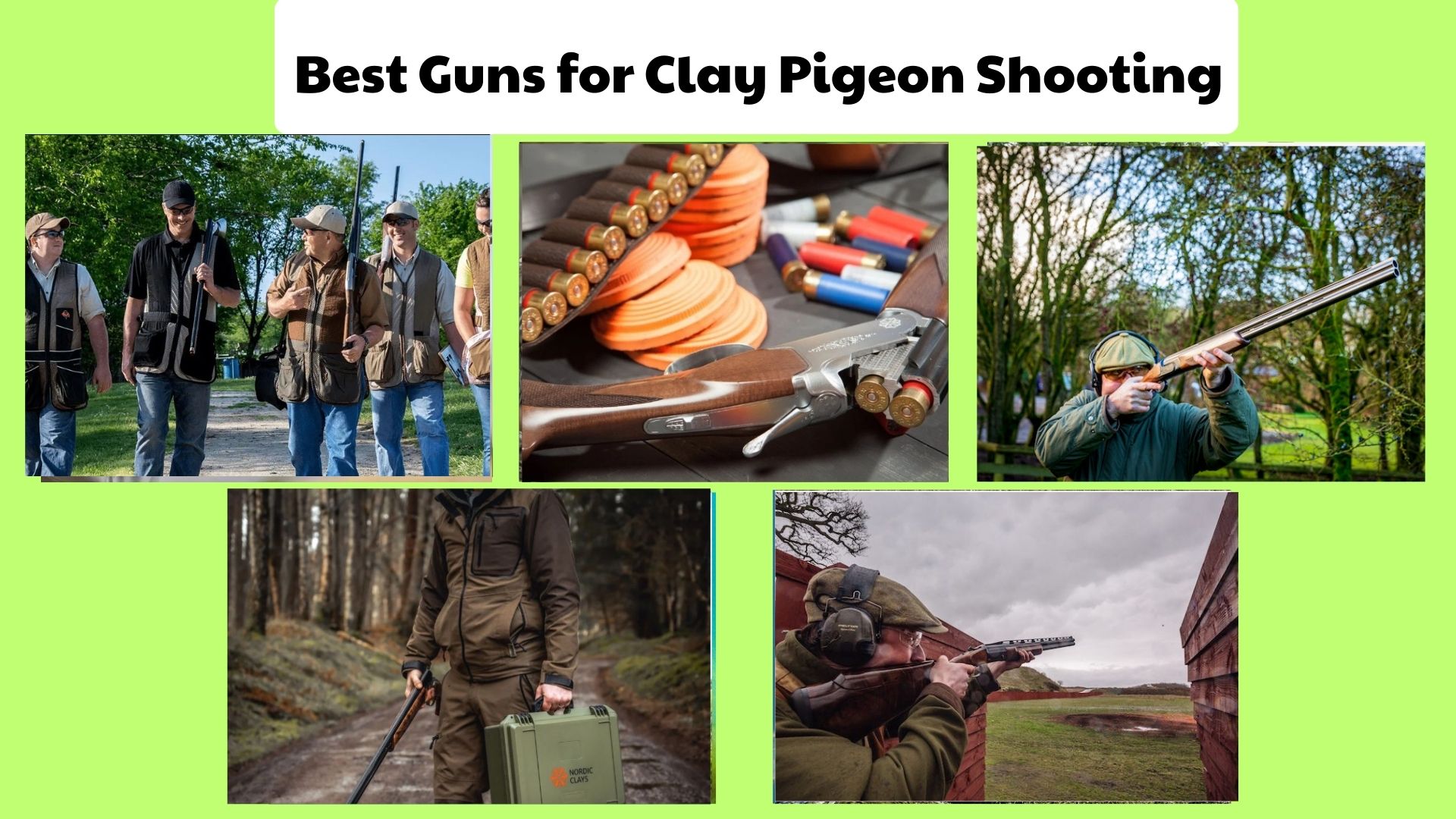
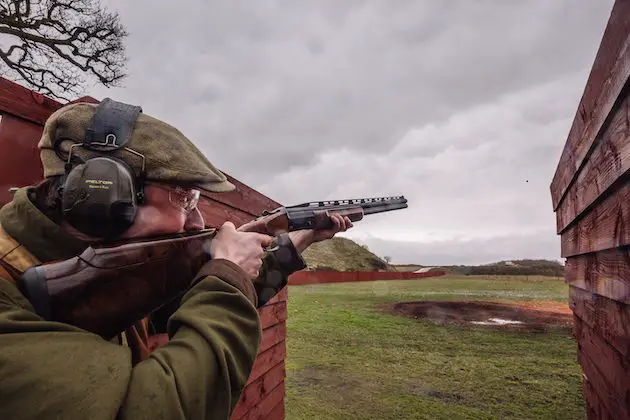
Selecting the right gun is one of the most important decisions a clay shooter can make. The firearm directly affects the swing, accuracy, and patterning of each shot, which are critical for consistently hitting moving clay targets. A well-suited shotgun allows for smooth follow-through, proper lead on crossing targets, and predictable shot placement, all of which are essential for both recreational enjoyment and competitive performance.
Comfort and recoil control are also major factors. Long practice sessions or tournament rounds can be physically demanding, and a poorly fitted or heavy gun can lead to fatigue, inconsistent swings, and reduced accuracy. A shotgun that balances properly, has manageable recoil, and fits the shooter’s body allows for longer, more effective sessions while minimizing strain and improving overall shooting consistency.
Additionally, matching the firearm to the shooter’s skill level is crucial. Beginners benefit from lighter, easier-to-handle guns that encourage proper mount and swing techniques, while advanced shooters often prefer specialized competition shotguns designed for rapid follow-up shots and precise patterning. Understanding your own experience, comfort, and goals ensures
Types of Shotgun Actions for Clay Shooting
The action type of a shotgun plays a major role in how it handles, cycles, and performs on the clay range. Different actions offer distinct advantages depending on shooting style, experience level, and discipline. Understanding these differences helps shooters choose a platform that supports consistent swings, reliable operation, and long-term comfort.
1. Over/Under Shotguns
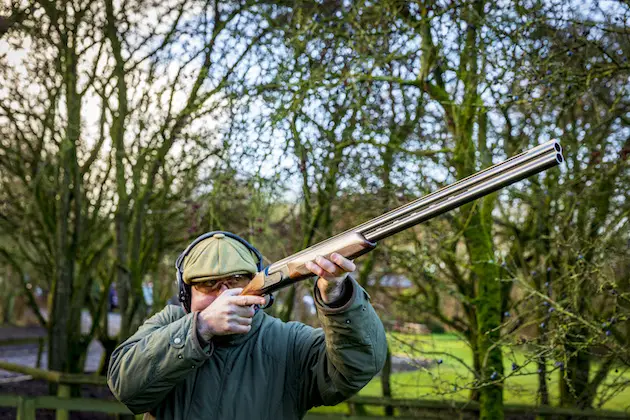
Over/under shotguns are the most popular choice for clay shooting across all major disciplines, including trap, skeet, and sporting clays. With two vertically stacked barrels, they offer excellent balance and a clean, uninterrupted sighting plane that naturally guides the eye to the target.
One of the biggest advantages of over/under shotguns is their crisp, predictable trigger breaks and mechanical simplicity. They allow shooters to select different chokes for each barrel, making them highly adaptable to varying target distances. Their durability and consistency make them a favorite among competitive shooters, despite generally higher cost compared to other action types.
2. Semi‑Automatic Shotguns
Semi‑automatic shotguns are widely used in clay shooting, particularly by recreational shooters and those sensitive to recoil. By using gas or inertia systems to cycle the action, these shotguns absorb a portion of the recoil, resulting in a softer shooting experience during high‑volume sessions.
Fast follow‑up shots and reduced fatigue are key benefits, especially for beginners or shooters practicing extended rounds. While semi‑autos may require more maintenance than break‑action guns, modern designs are highly reliable and offer excellent performance at a more accessible price point.
3. Pump‑Action Shotguns
Pump‑action shotguns are known for their rugged reliability and affordability. Their simple mechanical design functions well in a wide range of conditions and with various ammunition types, making them a practical choice for beginners or shooters on a budget.
In clay shooting, pump‑actions are most commonly used for practice rather than competition. The need to manually cycle the action between shots can disrupt rhythm and timing, but they remain excellent training tools for learning fundamentals such as gun mount, swing, and follow‑through.
4. Side‑by‑Side Shotguns
Side‑by‑side shotguns feature two horizontally aligned barrels and offer a traditional shooting experience with strong historical appeal. While less common in modern competitive clay shooting, they are still appreciated by enthusiasts who value classic styling and handling.
Their wider sighting plane and different balance characteristics require adaptation, which is why they are considered a niche option. In the right hands, however, side‑by‑side shotguns can perform well and provide a unique, rewarding clay shooting experience.
Best Shotgun Gauges for Clay Shooting
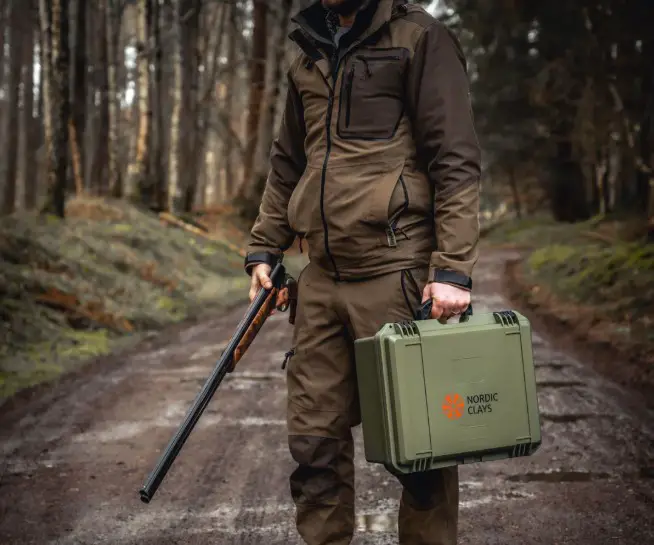
The gauge of a shotgun significantly influences recoil, pattern density, and overall handling. Choosing the right gauge ensures that shooters can maintain control, consistency, and comfort during extended clay shooting sessions. Below are the most common gauges used in the sport and their benefits.
1. 12 Gauge – Industry Standard
The 12-gauge shotgun is the most widely used gauge in clay pigeon shooting, offering an ideal balance between power, pellet count, and recoil. Its versatility makes it suitable for all disciplines, including trap, skeet, and sporting clays. Ammunition is widely available and comes in a variety of shot sizes, allowing shooters to adapt to different target speeds and distances.
For both beginners and experienced competitors, the 12-gauge provides reliable patterns and consistent performance. Its widespread use also makes it easier to find accessories such as choke tubes, recoil pads, and barrels tailored for clay shooting.
2. 20 Gauge – Light Recoil Option
The 20-gauge shotgun is an excellent choice for beginners, younger shooters, or those who prefer lighter recoil. While it delivers slightly fewer pellets than the 12-gauge, it is more manageable for long practice sessions and helps develop proper shooting techniques without fatigue.
Modern 20-gauge shotguns and ammunition offer sufficient performance for all clay shooting disciplines at standard ranges. They are particularly effective for skeet and sporting clays where fast swings and quick follow-up shots are critical.
3. 28 Gauge & .410 Bore – Precision and Challenge
The 28-gauge and .410 bore are niche options favored by skilled shooters seeking precision and a greater challenge. These smaller gauges produce tighter patterns with fewer pellets, requiring more accurate aim and careful lead on moving targets.
While they are less forgiving than larger gauges, mastering the 28-gauge or .410 can improve shooting discipline, timing, and overall accuracy. They are often used in competitive scenarios or by enthusiasts who enjoy refining their skill with a more demanding setup.
Key Features to Consider in a Clay Gun
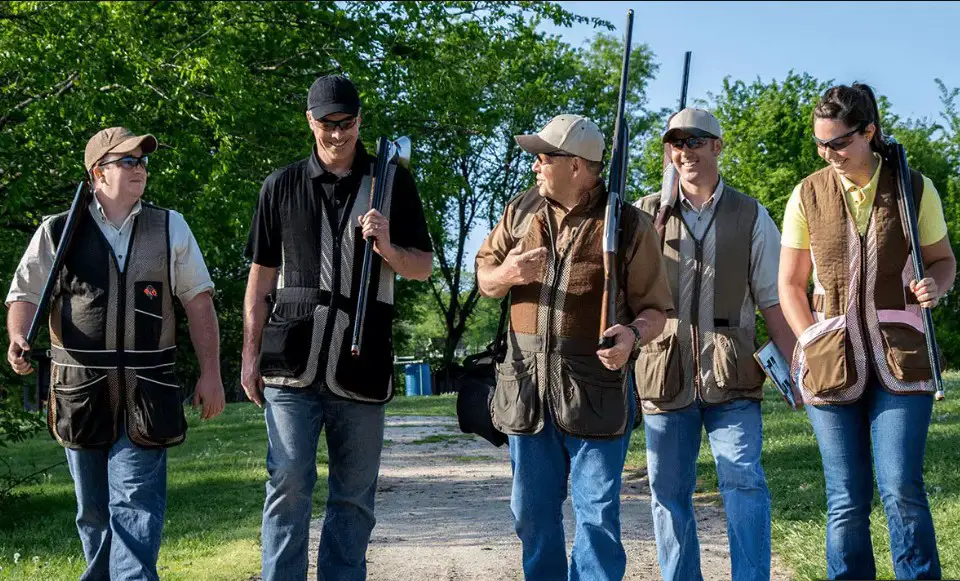
Beyond action type and gauge, several key features directly influence how a shotgun performs on the clay range. These elements affect swing smoothness, target tracking, recoil control, and long‑term shooting comfort. Paying close attention to these details helps shooters select a clay gun that feels natural and performs consistently across different disciplines.
1. Barrel Length & Balance
Barrel length plays a major role in how a shotgun swings and tracks moving targets. For sporting clays, barrels in the 28″ to 30″ range are common, as they provide a smooth, controlled swing for varied target presentations. Skeet and trap shooters often prefer slightly shorter barrels, typically between 26″ and 28″, which allow faster target acquisition and responsive handling.
Balance is just as important as length. A well‑balanced shotgun should feel steady without being front‑heavy or awkward. Proper balance promotes smooth follow‑through, which is essential for maintaining accuracy on crossing or rising clays.
2. Sight & Rib Design
Clay shotguns rely on natural pointing rather than precise aiming, making rib design and sight configuration critical. Ventilated ribs are popular because they help dissipate heat and provide a clear sighting plane. Flat ribs are also common, offering a consistent line of sight for disciplined shooters.
Most clay guns use a simple front bead, often paired with a mid‑bead, to assist with alignment and gun mount consistency. These minimal sights encourage shooters to focus on the target rather than the gun, improving instinctive shooting and fluid motion.
3. Choke Selection
Interchangeable choke systems are a key feature of modern clay shotguns. Chokes control shot pattern spread, allowing shooters to adapt to different target distances and presentations. Open chokes are often favored for close‑range skeet targets, while tighter chokes are useful for longer trap or sporting clay shots.
Having multiple choke options gives shooters flexibility and ensures optimal pattern density for each discipline, contributing to more consistent breaks and better overall scores.
4. Recoil Management & Stock Fit
Effective recoil management is essential for maintaining comfort and consistency, especially during high‑volume shooting sessions. Recoil pads, gas‑operated actions, and proper gun weight all help reduce felt recoil and minimize shooter fatigue.
Stock fit is equally important. Features such as adjustable combs and customizable length of pull allow shooters to tailor the gun to their body, ensuring proper eye alignment with the rib and improved control. A well‑fitted stock enhances accuracy, comfort, and confidence on the clay range.
Top Recommended Shotguns for Clay Shooting
Choosing the right shotgun can make a substantial difference in your clay pigeon performance, whether you’re just getting started or competing at a high level. Below are expert‑recommended shotguns divided into three key categories: premium competition guns, versatile mid‑range models, and reliable budget‑friendly options. Each selection balances performance, reliability, and value for its intended audience.
1. Premium Competition Choices
These high‑end over/under shotguns are engineered for serious clay shooters who demand refined balance, crisp triggers, and exceptional build quality. They excel in trap, skeet, and sporting clays at competitive levels.
Browning Citori 725 Sporting
The Browning Citori 725 Sporting consistently ranks among top competition guns. With excellent balance, a refined action, and interchangeable chokes, it delivers smooth swings and reliable performance over extended sessions. Its adjustable stock options help shooters achieve a personalized fit, enhancing follow‑through and accuracy.
Beretta 687 Silver Pigeon III
The Silver Pigeon III combines classic Italian craftsmanship with modern reliability. Its elegant design, excellent balance, and durable construction make it a favorite in both competitive and recreational shooting circles. The responsive trigger and consistent break help build confidence at the line.
Perazzi MX8 Sporting
For top‑tier competitors, the Perazzi MX8 is a benchmark over/under shotgun. Customizable features, superb balance, and precision engineering give elite shooters the consistency and control needed for high‑stakes competition. Though at a premium price, its performance is hard to match.
2. Mid‑Range & All‑Around Guns
Mid‑range shotguns offer a strong blend of quality, reliability, and value. These guns perform well across all clay disciplines and remain comfortable for regular practice without the high cost of premium competition models.
Benelli 828U Sporting
The Benelli 828U Sporting is a versatile over/under with excellent balance and soft recoil. Its innovative design and Comfort Tech stock help shooters stay relaxed during long sessions. A reliable choice for regular trap, skeet, and sporting clays.
Winchester SX4 Sporting
The Winchester SX4 Sporting is a gas‑operated semi‑automatic shotgun known for smooth cycling and reduced recoil. While semi‑autos are less traditional in competition, the SX4’s all‑around performance and ease of use make it a strong choice for shooters who value comfort and speed.
Mossberg 940 Pro Sporting
The Mossberg 940 Pro Sporting combines reliability with a comfortable feel. Its gas system handles a range of loads with minimal fuss, and the durable finish stands up to heavy use. This shotgun is ideal for shooters who want consistent performance across diverse clay presentations.
Stoeger Condor Competition
A solid over/under option with great balance and dependable performance at an accessible price. The Condor Competition is an excellent choice for shooters who want quality handling without premium price tags.
8.3. Beginner & Budget Shotguns
For newcomers and shooters on a budget, these shotguns offer reliable performance and forgiving handling. They help beginners build good fundamentals without overwhelming cost or complexity.
Mossberg 500 Field
The Mossberg 500 Field is a classic, rugged pump‑action shotgun. While pump‑actions are less common in competition, they are excellent training tools for mastering basic gun handling, mounts, and follow‑through. Its affordability and reliability make it ideal for beginners.
Remington 870 Express
The Remington 870 Express is another time‑tested pump shotgun. Known for its simplicity and durability, the 870 is often used at ranges for instruction and practice. It’s a great starter gun before moving up to specialized clay models.
Mossberg Silver Reserve 2
An affordable over/under shotgun that offers good balance and handling for new shooters. While not as finely tuned as premium models, it delivers solid performance across all clay disciplines and is ideal for introduction to the sport.
Stoeger M3000
The Stoeger M3000 is a budget‑friendly semi‑automatic that handles standard target loads reliably. Its simple design and forgiving operation make it a good stepping stone for shooters who want the ease of a semi‑auto without significant expense.
Comparison Table – Quick Reference
| Model | Action | Gauge | Barrel Length | Category |
|---|---|---|---|---|
| Browning Citori 725 Sporting | Over/Under | 12 | 30″ | Premium |
| Beretta 687 Silver Pigeon III | Over/Under | 12 | 28″–30″ | Premium |
| Perazzi MX8 Sporting | Over/Under | 12 | 30″ | Premium |
| Benelli 828U Sporting | Over/Under | 12 | 28″–30″ | Mid‑Range |
| Winchester SX4 Sporting | Semi‑Auto | 12 | 28″ | Mid‑Range |
| Mossberg 940 Pro Sporting | Semi‑Auto | 12 | 28″ | Mid‑Range |
| Stoeger Condor Competition | Over/Under | 12 | 28″–30″ | Mid‑Range |
| Mossberg 500 Field | Pump | 12 | 26″–28″ | Beginner |
| Remington 870 Express | Pump | 12 | 26″–28″ | Beginner |
| Mossberg Silver Reserve 2 | Over/Under | 12 | 26″–28″ | Beginner |
| Stoeger M3000 | Semi‑Auto | 12 | 28″ | Beginner |
No matter your experience level or budget, there is a clay shooting shotgun suited to your needs. Try to handle and, if possible, test fire several options before purchase to ensure the best fit for your shooting style and comfort.
Ammunition & Loads for Clay Pigeon Shooting
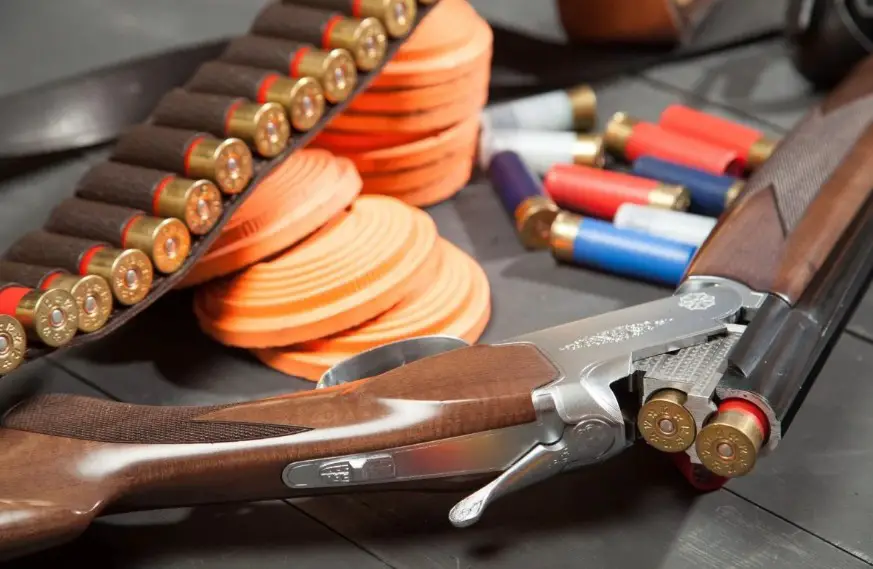
Ammunition for clay pigeon shooting is designed to deliver consistent patterns, manageable recoil, and predictable performance across varying target presentations. Unlike hunting loads, clay target shells focus on pattern uniformity and reduced felt recoil, allowing shooters to maintain accuracy and endurance during long practice sessions or competitions.
Standard Target Loads (#7½, #8, #9 Shot Sizes)
The most common shot sizes for clay pigeon shooting are #7½, #8, and #9. These numbers refer to the diameter of the individual pellets in the shotgun shell. Smaller pellet sizes (higher numbers) mean more pellets per shell and smoother patterns at close to moderate distances:
- #9 shot: Very light pellets with high pellet count — ideal for close, fast targets and excellent pattern density.
- #8 shot: The most widely used size in clay sports, offering a good balance of energy and pellet count for a wide range of targets and distances.
- #7½ shot: Slightly larger pellets with more retained energy — useful for longer shots or in windy conditions where penetration is desirable.
These lighter shot sizes also help control recoil, making them comfortable for high‑volume shooting. Because clay targets are non‑threatening and made of brittle material, these shot sizes provide sufficient energy to break targets without excessive overkill or disruptive recoil.
Shell Lengths (2¾″ vs. 3″) and Performance Balance
Shell length affects both how much shot and powder a shotgun can hold and how the firearm handles recoil. In clay shooting the two most common shell lengths are 2¾″ and 3″:
- 2¾″ shells are the standard choice for most clay pigeon shooters. They offer a comfortable balance of recoil and pellet payload, work reliably with most shotguns, and are widely available.
- 3″ shells carry more shot and provide a denser pattern, which can be helpful when shooting at longer distances or larger targets (e.g., doubles in sporting clays). These shells typically produce more recoil and cost more, so many shooters prefer 2¾″ for regular practice.
Ultimately, most clay shooters stick with 2¾″ target loads unless their discipline or shotgun specifically benefits from the higher payload of a 3″ shell. Barrel length, choke choice, and personal recoil tolerance also influence shell selection.
Importance of Pattern Density and Recoil Considerations
In clay pigeon shooting, pattern density — how tightly the pellets are grouped downrange — is a key factor in breaking targets consistently. Too open a pattern may miss the target entirely, while too tight a pattern may not provide the forgiving coverage needed for fast‑moving clays. Selecting the right shot size, shell length, and compatible choke tube (e.g., skeet or improved cylinder for closer targets) helps achieve optimal patterns for your discipline.
Recoil management is equally important. Clay shooting often involves repeated shots in quick succession. Ammunition that generates excessive recoil can lead to shooter fatigue, flinching, and inconsistent follow‑through. Lighter target loads, quality recoil pads, and even semi‑automatic shotguns designed to reduce felt recoil all contribute to more comfortable and accurate sessions. Practicing with loads similar to what you’ll use in competition or regular outings ensures consistency in feel and performance.
By choosing the appropriate shot size, shell length, and pattern characteristics for your gun and clay discipline, you enhance your accuracy, comfort, and overall success on the range.
Essential Clay Shooting Gear & Accessories
Beyond selecting the right shotgun and ammunition, proper gear and accessories play a vital role in safety, comfort, and overall performance during clay pigeon shooting. Investing in the right equipment ensures that shooters can focus on technique and consistency without distractions or safety risks.
1. Eye & Ear Protection
Eye and ear protection are non-negotiable safety essentials. Clay targets shatter upon impact, sending small fragments and dust into the air, while repeated gunfire can cause permanent hearing damage. Recommended products include:
- Impact-resistant shooting glasses or goggles with clear or tinted lenses for bright conditions.
- Over-ear earmuffs or high-quality in-ear plugs designed for shooting, with noise reduction ratings (NRR) of 25+ dB.
Proper protection ensures safety without impairing visibility or communication on the range.
2. Shooting Vests & Pouches
A shooting vest serves multiple purposes: it provides padding for recoil absorption, extra mobility, and convenient storage for shells. Pouches on the vest allow easy access to ammunition, ensuring smooth follow-up shots during practice or competition. Look for vests that offer:
- Comfortable fit with adjustable straps.
- Ample shell pouches and pockets for scorecards or tools.
- Lightweight, breathable materials for long sessions.
A well-designed vest enhances both comfort and efficiency on the clay field.
3. Slings & Carry Systems
Transporting your shotgun safely and comfortably is important when moving between traps or courses. Slings allow hands-free carrying while keeping the gun accessible for quick use. Key considerations include:
- Adjustable length for shoulder or cross-body carry.
- Padded designs to reduce fatigue during long walks.
- Quick-clip or swiveling attachments for secure and flexible use.
A proper sling helps maintain gun readiness while reducing strain on shoulders and arms.
10.4. Range Shooting Aids
For training and practice, additional accessories can improve accuracy and efficiency:
- Shooting sticks, rests, or tripods to simulate game or support the gun for consistent mounting.
- Target launchers or clay holders for home practice or dry firing drills.
- Scoreboards or markers to track performance and progress during sessions.
These tools help shooters refine swing, follow-through, and timing, ultimately leading to better results in both recreational and competitive clay shooting.
Practice Tips for Skill Development
Mastering clay pigeon shooting requires consistent practice, focusing not just on firing, but on the fundamentals of gun handling, swing mechanics, and target tracking. Structured drills help shooters develop muscle memory, improve accuracy, and build confidence on the range.
Dry Firing Drills: Mount, Swing, Follow‑Through
Dry firing involves practicing the motions of shooting without live ammunition. This technique allows shooters to focus on gun mount, swing, and follow-through without recoil distraction. Key steps include:
- Mount the shotgun to your shoulder, ensuring proper alignment with your eye and target line.
- Smoothly swing along an imaginary target path, maintaining a steady grip and posture.
- Complete a full follow-through motion as if the shot were fired, keeping the barrel moving naturally after the imaginary break.
Regular dry fire drills build consistency, improve gun handling, and reduce flinching when live rounds are introduced.
Lead Estimation and Rhythm Practices
Accurately estimating lead — the distance ahead of the target to aim — is essential for breaking fast-moving clays. Practice exercises include:
- Tracking moving targets or a pendulum system to simulate target speed.
- Focusing on rhythm and timing, ensuring smooth swings and proper anticipation.
- Using markers or visual cues to internalize appropriate lead distances for various shot speeds and angles.
Developing a natural sense of lead helps shooters consistently break targets without over- or under-shooting.
Using Varied Target Presentations
Exposure to multiple target types ensures well-rounded skills. Incorporate different clay presentations such as:
- Trap: Targets moving away in a straight line — practice distance control and lead.
- Skeet: Crossing targets — focus on smooth horizontal swings and timing.
- Wobble or Teal: Irregular flight paths — enhances reaction time and adaptability.
Training with varied presentations improves versatility and prepares shooters for real-world competitions or mixed-course shooting environments.
Consistent practice using these methods develops muscle memory, enhances target tracking, and builds confidence, ultimately leading to improved performance across all clay shooting disciplines.
Safety & Range Etiquette
Safety and proper etiquette are foundational to clay pigeon shooting. Whether practicing casually or competing, every shooter on the range shares responsibility for maintaining a controlled, predictable, and respectful environment. Following established rules protects people, equipment, and the reputation of the sport itself.
Range Rules & Muzzle Discipline
Every shooting range operates under a set of clearly defined safety rules, and these must be followed at all times. The most important principle is muzzle discipline. The shotgun muzzle should always be pointed in a safe direction—typically downrange—regardless of whether the gun is loaded or unloaded. Additional best practices include:
- Keep the action open and the gun unloaded when not actively shooting.
- Only load the shotgun when it is your turn on the shooting station.
- Never swing the muzzle past the shooting line or toward other people.
- Use chamber flags or visibly open actions when walking between stations.
Strict muzzle awareness prevents accidental discharges from becoming dangerous incidents and reinforces safe habits that carry over to all shooting activities.
Communication on the Shooting Line
Clear communication is essential when multiple shooters are sharing a line or rotating through stations. Before stepping into position, ensure all shooters are ready and aware. Common etiquette includes:
- Waiting for verbal or visual confirmation before calling for a target.
- Using standard commands such as “pull” consistently.
- Pausing shooting immediately if someone steps forward of the line.
- Respecting the pace of other shooters and avoiding distractions.
Good communication reduces confusion, keeps shooting orderly, and helps new shooters feel more comfortable on the range.
Handling Misfires & Understanding Range Signals
Misfires and mechanical issues can occur, even with well-maintained shotguns. If a shell fails to fire, keep the muzzle pointed downrange and wait several seconds before opening the action, as delayed ignition is possible. Notify a range officer if assistance is needed. Additional safety guidance includes:
- Do not turn around with a loaded or malfunctioning firearm.
- Remove faulty ammunition and dispose of it according to range rules.
- Follow all cease-fire commands immediately and without question.
Ranges often use visual or audible signals—such as whistles, horns, or flags—to indicate when shooting may begin or must stop. Understanding and reacting promptly to these signals is critical to maintaining a safe shooting environment.
By practicing disciplined safety habits and respectful range etiquette, shooters help ensure that clay pigeon shooting remains a safe, enjoyable, and welcoming sport for everyone involved.
Conclusion
Selecting the right shotgun and gear is fundamental to success and enjoyment in clay pigeon shooting. The combination of firearm action, gauge, barrel length, choke, and supporting equipment directly impacts accuracy, comfort, and consistency on the range.
Before committing to a purchase, it is essential to test multiple guns to evaluate fit, balance, recoil, and patterning. What feels comfortable and performs well for one shooter may not suit another, so hands-on trials ensure the best match for individual needs and shooting style.
Consistent practice, combined with proper safety habits and ethical shooting behavior, is what ultimately separates proficient shooters from casual participants. By focusing on skill development, maintaining equipment, and following range etiquette, shooters can enjoy clay pigeon shooting safely and successfully for years to come.
Frequently Asked Questions (FAQs) About Clay Pigeon Shooting
1. What is clay pigeon shooting?
Clay pigeon shooting is a sport where participants shoot at flying clay targets, often launched by machines, simulating bird or game shooting scenarios. Disciplines include trap, skeet, and sporting clays.
2. What type of shotgun is best for clay shooting?
Over/under shotguns are the most popular for competitive clay shooting due to their balance and sighting plane, though semi-automatics and pump-actions are also suitable for practice or beginners.
3. What gauge shotgun should I use for clay shooting?
12 gauge is the industry standard, offering versatility and ammo availability. 20 gauge is ideal for beginners or those sensitive to recoil, while 28 gauge and .410 are niche options for skilled shooters seeking a challenge.
4. What barrel length is recommended for clay shooting?
Barrel lengths vary by discipline: 28–30 inches for sporting clays, and 26–28 inches for skeet or trap shooting to balance swing and target tracking.
5. What is the importance of choke selection?
Chokes control the spread of pellets. Skeet shooting uses more open chokes like Improved Cylinder, while trap or sporting clays may use Modified or Full chokes for longer targets and tighter patterns.
6. What shot sizes are used for clay pigeon shooting?
Common shot sizes include #7½, #8, and #9. Smaller pellets (#8–#9) provide high pellet counts and smooth patterns for close targets, while #7½ offers more energy for longer distances.
7. Should I use 2¾″ or 3″ shells?
2¾″ shells are standard for most clay shooters due to balanced recoil and pellet count. 3″ shells carry more shot and are used for longer targets or specialized disciplines but produce higher recoil.
8. What are the differences between trap, skeet, and sporting clays?
Trap involves targets moving away in a straight line, skeet has crossing targets from two houses, and sporting clays offer variable target angles and speeds simulating hunting scenarios.
9. How do I manage recoil during long sessions?
Use target loads, quality recoil pads, and proper gun fit. Semi-automatic shotguns can also help reduce felt recoil during high-volume shooting.
10. Why is gun fit important?
A proper fit ensures comfort, accurate mount, and consistent eye alignment. Adjustable combs, weight distribution, and stock length help match the gun to the shooter’s body.
11. What is the difference between over/under and side-by-side shotguns?
Over/under shotguns have vertically stacked barrels for a consistent sighting plane and balance, while side-by-side guns are horizontal and often preferred for traditional aesthetics or niche disciplines.
12. Are semi-automatic shotguns good for competition?
They can be used for speed and reduced recoil, but most high-level clay competitions prefer over/under shotguns for their balance and reliability.
13. Can beginners use pump-action shotguns?
Yes, pump-actions are reliable, affordable, and suitable for practice, though they are less common in competitive clay sports due to slower follow-up shots.
14. What type of sights should I use?
Bead sights or fiber-optic beads are standard. Ventilated or flat ribs improve tracking, while high-level shooters may also customize sighting options for faster acquisition.
15. How do I choose the right choke for skeet?
Use more open chokes like Improved Cylinder (IC) or Skeet for short, crossing targets. Open chokes produce wider patterns, increasing the chance of breaking fast-moving clays.
16. What is the ideal gun balance for clay shooting?
Balance is achieved when the shotgun swings smoothly and naturally along the target path. Proper weight distribution ensures consistent follow-through and reduces fatigue.
17. How often should I clean my clay shotgun?
After every session, wipe down the exterior, clean the bore, and lubricate moving parts to prevent corrosion and maintain reliable performance.
18. Can I shoot different shot sizes in the same gun?
Yes, most shotguns can handle multiple shot sizes, but ensure the choke and barrel can safely accommodate the selected load for optimal patterning.
19. What is the difference between sporting and target loads?
Target loads are lighter, with smaller shot for closer targets, minimizing recoil and increasing pattern density. Sporting loads may be heavier for outdoor or variable conditions.
20. Why is pattern testing important?
Pattern testing ensures your shotgun and choke combination delivers consistent pellet spread for your chosen shot size and distance, improving accuracy and success on the range.
21. How should I carry my shotgun on the range?
Use a sling or hands-free carry system, keeping the muzzle pointed downrange at all times, with the action open when moving between stations.
22. What clothing is recommended?
Wear lightweight, breathable clothes that allow free movement, and consider a shooting vest for padding, shell storage, and recoil absorption.
23. Do I need gloves for clay shooting?
Optional, but shooting gloves can improve grip and comfort, especially during long practice sessions in hot or cold weather.
24. How can I improve follow-up shots?
Practice dry swings, lead estimation, and consistent mounting to build muscle memory and smooth transitions between targets.
25. What is dry firing practice?
Dry firing involves practicing the motions of aiming, mounting, and swinging the gun without live ammunition to improve consistency and technique.
26. How do I estimate lead on clay targets?
Lead is the distance ahead of the moving target where you aim. Practice, target speed familiarity, and understanding swing timing are key to estimating proper lead.
27. How do I practice with different clay targets?
Use trap, skeet, and wobble targets to vary speed, angle, and trajectory, improving adaptability and skill across all clay shooting disciplines.
28. What safety gear is essential?
Always wear eye protection and hearing protection. Ensure glasses are impact-resistant and ear protection meets recommended NRR ratings.
29. What are range etiquette basics?
Follow commands, keep firearms pointed downrange, wait for your turn, and avoid distracting other shooters. Respecting the line keeps everyone safe.
30. How do I handle a misfire?
Keep the muzzle pointed downrange, wait a few seconds, then open the action carefully. Notify range officers if needed.
31. How can I reduce fatigue during long sessions?
Use light target loads, maintain proper posture, and rotate between stations to avoid strain. A well-fitted gun also reduces effort.
32. Should I use a recoil pad?
Yes, recoil pads absorb felt recoil, protect the shoulder, and make repeated shooting more comfortable.
33. Can juniors or beginners shoot 12 gauge?
Yes, with lighter target loads or semi-automatic shotguns that reduce recoil. 20 gauge is often recommended for smaller or younger shooters.
34. Are adjustable combs important?
Adjustable combs help align your eye with the sighting plane, improving mount consistency and accuracy, particularly for over/under shotguns.
35. How do I transport my gun safely?
Keep the action open, use a hard case or gun sleeve, and always muzzle down. Slings allow hands-free movement between stations.
36. What is a ventilated rib?
A ventilated rib is a raised, slotted rib along the barrel that reduces glare, improves sight alignment, and helps dissipate heat during prolonged shooting.
37. How do I select the right choke for trap shooting?
Trap targets often require tighter patterns. Modified or Full chokes allow more pellets to concentrate at longer distances for higher break rates.
38. What is the difference between IC and Skeet chokes?
Improved Cylinder (IC) chokes produce wider patterns for close-range targets, while Skeet chokes are even more open, optimized for very short crossing shots.
39. How important is swing speed?
Consistent swing speed ensures proper lead and pellet coverage on moving targets. Practice and dry-fire drills help develop smooth, repeatable swings.
40. Can I shoot both trap and skeet with the same gun?
Yes, but adjustable chokes, barrel length, and fit may optimize performance for each discipline. Many shooters keep separate guns for competitive advantage.
41. How do I clean my shotgun after clay shooting?
Wipe down the exterior, clean the bore and chambers, lubricate the action, and check screws or mounts. Regular maintenance prevents corrosion and wear.
42. How do I improve target acquisition?
Focus on aligning the bead or sight with the clay before calling for the target, maintaining a smooth swing and proper follow-through.
43. What is the recommended practice frequency?
Frequent, short sessions are more effective than occasional long sessions. Practice 2–3 times per week, focusing on fundamentals and different target angles.
44. Are there competitions for beginners?
Yes, many clubs host beginner-friendly events and leagues to help new shooters gain confidence and learn rules in a supportive environment.
45. What is patterning and why is it important?
Patterning tests how pellets spread at specific distances for a gun and choke combination. Consistent patterns ensure higher target breaks and improved accuracy.
46. How do weather conditions affect clay shooting?
Wind can alter target trajectory; rain may affect visibility and gun handling. Adjust lead and practice in various conditions to maintain performance.
47. Should I use a shooting stick for practice?
Shooting sticks or rests help simulate game scenarios, stabilize the gun, and improve mount and swing during practice sessions.
48. Can I use a semi-automatic for trap doubles?
Yes, semi-automatics allow quick follow-up shots, useful for doubles or rapid target sequences, though over/unders remain popular in competition.
49. How important is footwear?
Wear comfortable, stable shoes with good traction for walking between stations and maintaining balance during swings.
50. How do I track my progress?
Use scorecards, video analysis, and patterning results to identify strengths and weaknesses. Consistent tracking helps improve skill over time.
51. Can I shoot indoors with clay targets?
Yes, indoor ranges or specialized trap facilities allow shooting in controlled environments, usually with lighter loads and safety measures in place.
52. How do I choose the right ammunition brand?
Choose reputable brands with consistent quality. Practice with your preferred shells to ensure reliable patterns, recoil, and performance for your shotgun.