
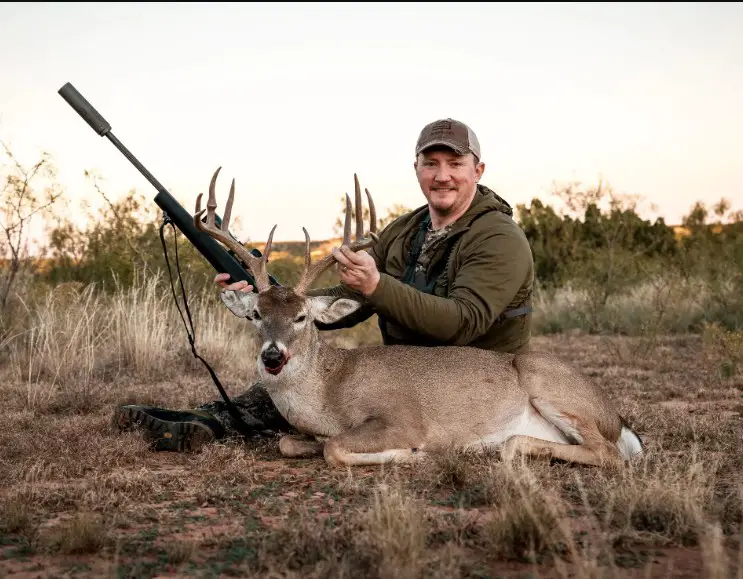
Deer hunting is one of the most popular and time-honored outdoor traditions in North America and many parts of the world. For millions of hunters, it represents a balance of skill, patience, conservation, and respect for wildlife. Whether hunting in dense eastern woodlands, open Midwestern farmland, or rugged mountain terrain, success depends on preparation—and choosing the right firearm is one of the most critical decisions a hunter can make.
Selecting the proper deer hunting firearm is not only about accuracy or personal preference. It directly affects ethical shot placement, humane harvests, and overall hunting safety. The best hunting rifle or firearm for deer hunting should match the terrain, typical shooting distances, local regulations, and the hunter’s experience level. In this guide, we break down what gun to use for deer hunting, explore common deer hunting firearms, and explain how to choose equipment that delivers reliable performance while respecting the responsibility that comes with every hunt.
Understanding Deer Hunting Needs
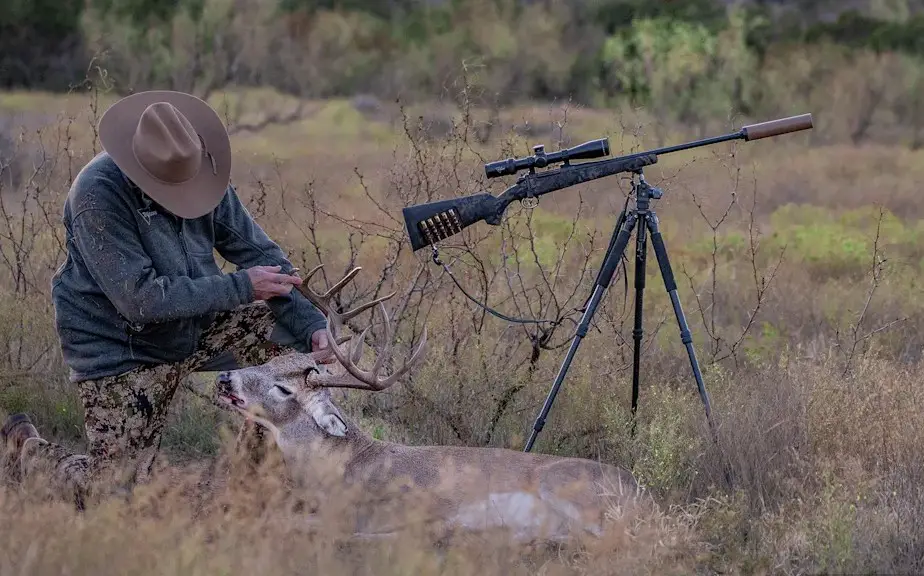
Before choosing a firearm for deer hunting, it is essential to understand the real-world conditions in which that firearm will be used. Deer hunting is not a one-size-fits-all activity. Engagement distances vary widely, terrain can dramatically affect shot opportunities, legal regulations differ by region, and ethical considerations must guide every equipment decision. A clear understanding of these factors helps hunters select a firearm that is effective, legal, and responsible.
Typical Engagement Distances (Range)
One of the most important factors in selecting a deer hunting firearm is the typical shooting distance. Engagement ranges for deer can vary from less than 25 yards to well beyond 300 yards, depending on terrain and hunting style.
In dense forests or wooded areas, especially common in the eastern United States, shots are usually close. Thick brush, trees, and uneven ground often limit visibility, making most shots fall between 30 and 100 yards. In these environments, fast target acquisition and maneuverability matter more than long-range ballistic performance. Firearms such as lever-action rifles, shotguns with slugs, or shorter-barreled bolt-action rifles are commonly favored.
In contrast, open farmland, plains, or mountainous regions often present longer shooting opportunities. Western states frequently involve shots ranging from 150 to 300 yards, and occasionally farther for experienced hunters. In these scenarios, rifles with flatter trajectories, higher muzzle velocities, and better long-range accuracy become more important. Calibers like .270 Winchester, .308 Winchester, and 6.5 Creedmoor are popular choices because they retain energy and accuracy at extended distances.
Understanding your realistic maximum shooting distance—not theoretical capability—is critical. Ethical hunters choose firearms they can shoot accurately and confidently within their personal skill limits, rather than chasing maximum range on paper.
Terrain & Environment Considerations
Terrain and environment heavily influence firearm selection for deer hunting. Forests, hills, swamps, fields, and mountainous terrain all present different challenges.
In wooded or brush-heavy areas, shorter rifles with lighter overall weight are often preferred. Quick handling is valuable when deer appear suddenly at close range. Dense vegetation can also deflect bullets, making controlled shot placement more important than raw power. In these environments, moderate calibers and well-constructed bullets perform reliably without excessive recoil or overpenetration.
Open terrain places a greater emphasis on accuracy, wind resistance, and ballistic consistency. Longer barrels and higher-velocity cartridges help maintain bullet stability over distance. Hunters in these areas often prioritize rifles with good optics mounting options and stable shooting platforms, especially when shots may be taken from prone or supported positions.
Environmental conditions such as weather also matter. Cold temperatures can affect firearm lubrication and battery-powered optics. Rain, snow, and dust demand reliable, corrosion-resistant finishes. A dependable hunting rifle should function consistently regardless of weather, especially during long days in the field.
Legal Regulations & Caliber Restrictions
Legal considerations play a decisive role in determining what gun to use for deer hunting. Hunting laws vary significantly by country, state, and even local management zones. These regulations are designed to promote safety, conservation, and ethical harvests.
Many jurisdictions specify minimum caliber or cartridge energy requirements for deer hunting. Common rules include minimum bullet diameter, minimum muzzle energy, or restrictions on certain cartridge types. For example, some states allow only straight-wall cartridges, while others permit bottleneck rifle cartridges. Shotgun-only zones may restrict hunters to slugs or specific sabot loads.
Magazine capacity, firearm action type, and even optic use can also be regulated. Semi-automatic rifles may be limited in capacity, and some regions prohibit suppressors or certain sighting systems. Ignoring these rules can result in fines, loss of hunting privileges, or worse.
Responsible hunters always review current hunting regulations before selecting a firearm. Legal compliance is not just about avoiding penalties; it ensures hunting practices align with wildlife management goals and public safety standards.
Ethical Shot Placement and Humane Harvest
Ethical shot placement is the foundation of responsible deer hunting. The goal is a quick, humane harvest that minimizes suffering and ensures a clean kill. Firearm selection directly affects a hunter’s ability to achieve this outcome.
A suitable deer hunting firearm should deliver sufficient energy to penetrate vital organs while allowing precise shot placement. Overpowered cartridges do not compensate for poor accuracy, and underpowered firearms increase the risk of wounding rather than harvesting the animal.
Most ethical shots target the heart-lung area, providing a large vital zone and rapid incapacitation. This requires a firearm that the hunter can control comfortably, manage recoil effectively, and shoot accurately under hunting conditions. Excessive recoil can lead to flinching, reduced accuracy, and missed opportunities.
Bullet selection also plays a critical role. Controlled-expansion hunting bullets are designed to transfer energy efficiently while penetrating deeply enough to reach vital organs. Ethical hunters choose ammunition specifically intended for deer rather than relying on general-purpose or inappropriate loads.
Ultimately, understanding deer hunting needs means balancing performance, legality, and ethics. The best deer hunting firearms are those that match the environment, comply with regulations, and allow the hunter to place accurate, responsible shots every time. This foundation ensures not only successful hunts but also respect for the animal and the tradition of hunting itself.
Rifle Actions & How They Matter
When choosing the best hunting rifle for deer, rifle action type is one of the most important — and often misunderstood — considerations. The action determines how the rifle loads, fires, and ejects cartridges, and it directly affects accuracy, reliability, follow-up shot speed, weight, and overall handling. While many calibers can ethically harvest deer, the action type often defines how comfortable and effective a rifle feels in real hunting conditions.
There is no universally “best” rifle action for deer hunting. Instead, each action type offers specific strengths and trade-offs that suit different hunting styles, environments, and shooter preferences. Understanding how bolt-action, lever-action, semi-automatic, and single-shot rifles perform in the field helps hunters make informed, ethical choices.
Bolt-Action Rifles – Pros & Cons
Bolt-action rifles are widely considered the gold standard for deer hunting, and for good reason. They dominate the hunting market due to their accuracy, reliability, and versatility across a wide range of calibers.
A bolt-action rifle operates by manually lifting and pulling back the bolt to eject a spent cartridge, then pushing it forward and locking it to chamber a new round. This simple mechanical design results in fewer moving parts, which contributes to consistent accuracy and excellent reliability in harsh conditions.
One of the biggest advantages of bolt-action rifles is precision. Their rigid action and solid lockup allow for excellent barrel harmonics, making them highly accurate even at extended ranges. This makes bolt-action rifles ideal for open terrain, longer shots, and hunters who prioritize shot placement above all else.
Bolt-action rifles are also extremely versatile. They are available in nearly every popular deer hunting caliber, from mild-recoiling rounds to powerful long-range cartridges. This flexibility makes them a top recommendation for hunters asking what gun to use for deer hunting in varied environments.
However, bolt-action rifles are not without drawbacks. Follow-up shots are slower compared to semi-automatic rifles, as the shooter must manually cycle the action. While experienced hunters can cycle a bolt quickly, it still requires more movement and time than other action types.
Bolt-actions can also feel less intuitive for beginners due to the manual operation, especially under pressure. That said, their simplicity often makes them easier to maintain and less prone to malfunction than more complex systems.
Pros
- Excellent accuracy and consistency
- Highly reliable in all weather conditions
- Wide range of calibers available
- Simple design with fewer moving parts
Cons
- Slower follow-up shots
- Manual operation requires practice
Lever-Action Rifles – Pros & Cons
Lever-action rifles hold a special place in deer hunting tradition. Known for their classic design and quick handling, lever guns are especially popular in wooded areas and brush-heavy terrain.
A lever-action rifle cycles cartridges by moving a lever located beneath the receiver. This motion ejects the spent case and chambers a new round in one smooth action. When mastered, lever-actions allow very fast follow-up shots while maintaining a steady shooting position.
One of the main strengths of lever-action rifles is their compact size and balance. Many models are shorter and lighter than bolt-action rifles, making them easy to carry during long hunts and quick to shoulder when deer appear suddenly.
Lever-actions are typically chambered in moderate-power cartridges that perform well at short to medium ranges. While they may not match bolt-actions for long-distance precision, they are highly effective within typical forest engagement distances.
On the downside, lever-action rifles are more limited in caliber selection. Many traditional designs use tubular magazines, which restrict bullet shape and can limit ballistic performance at longer ranges. Mounting modern optics can also be more challenging on some models.
Despite these limitations, lever-action rifles remain an excellent choice for hunters who value speed, maneuverability, and classic handling over long-range capability.
Pros
- Fast follow-up shots
- Lightweight and easy to handle
- Ideal for wooded and brushy terrain
- Classic design with proven effectiveness
Cons
- Limited long-range performance
- Fewer caliber options
- Optics mounting can be restrictive
Semi-Automatic Rifles – Pros & Cons
Semi-automatic rifles have become increasingly popular for deer hunting in regions where they are legal. These rifles automatically cycle the action using gas or recoil energy, allowing rapid follow-up shots with minimal effort.
The biggest advantage of semi-automatic rifles is speed. After the initial shot, the rifle automatically chambers the next round, allowing the hunter to stay on target and fire again quickly if needed. This can be beneficial in situations involving moving deer or multiple animals.
Semi-automatic rifles also reduce felt recoil by spreading recoil impulse over time. This can improve shooter comfort and accuracy, especially for hunters sensitive to recoil.
However, semi-automatic rifles often sacrifice some accuracy compared to bolt-actions due to more complex internal mechanics. While many modern designs are accurate enough for deer hunting distances, they are typically not chosen for long-range precision.
Legal restrictions are another important consideration. Some states limit magazine capacity or prohibit certain semi-automatic platforms altogether. Weight and maintenance requirements can also be higher due to additional moving parts.
Pros
- Very fast follow-up shots
- Reduced felt recoil
- Easy to stay on target
Cons
- May be restricted by law
- Typically heavier
- Less precise than bolt-actions at long range
Single-Shot & Break-Action Rifles – When They Fit
Single-shot and break-action rifles are the simplest firearm actions available. These rifles hold only one round at a time, requiring the hunter to reload manually after each shot.
While this may seem limiting, single-shot rifles offer unique advantages. Their simplicity makes them extremely reliable, lightweight, and easy to maintain. They also encourage disciplined shot placement, as hunters know they have only one opportunity before reloading.
Break-action rifles are often very accurate due to their rigid barrel alignment and minimal moving parts. They are also commonly used by new hunters in regulated environments where simplicity and safety are emphasized.
The obvious drawback is the lack of fast follow-up shots. These rifles are best suited for controlled environments, experienced hunters, or situations where a single well-placed shot is expected.
Best Fit Scenarios
- You value simplicity and reliability
- Hunting in areas with close, deliberate shots
- Teaching new or youth hunters
- Legal or personal preference for minimal equipment
Understanding rifle actions is essential when deciding what gun to use for deer hunting. Each action type offers strengths that align with specific hunting styles, terrains, and personal preferences. Choosing the right action ensures better performance, greater confidence, and a more ethical hunting experience.
Caliber & Ammunition: What Works Best for Deer Hunting
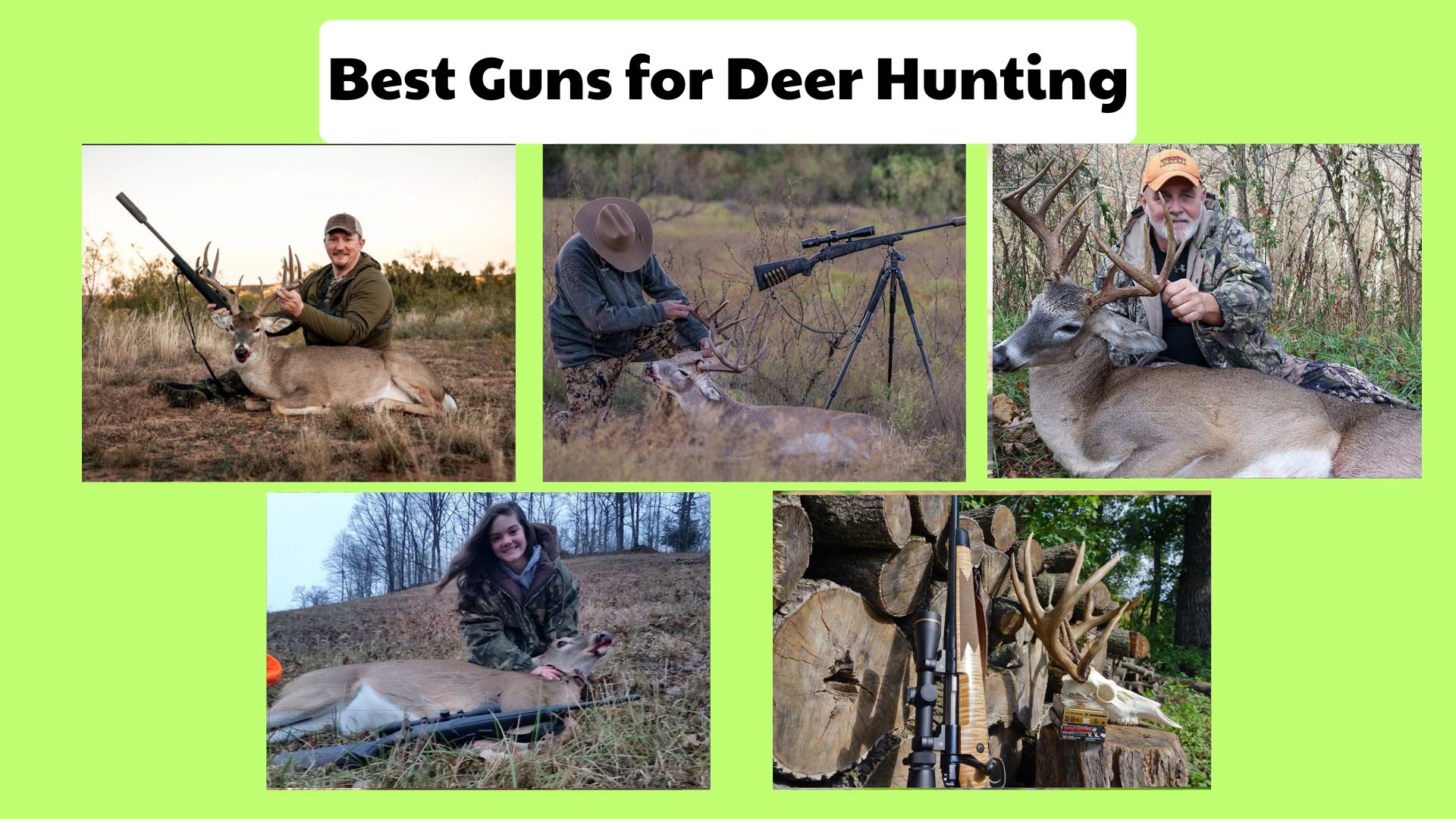
Choosing the right caliber and ammunition is just as important as selecting the rifle itself. While many firearms are legally capable of taking deer, not all calibers offer the same balance of recoil, accuracy, effective range, and ethical terminal performance. The goal in deer hunting is not power alone, but controlled, humane lethality combined with shot placement and shooter confidence.
Modern deer hunting firearms span a wide range of calibers, from light-recoiling options ideal for beginners to powerful cartridges built for long-range environments. Understanding how popular deer calibers perform — and how bullet selection affects results — helps hunters choose a setup that matches their terrain, skill level, and hunting ethics.
.243 Winchester – Best for Beginners & Lighter Game
The .243 Winchester is widely regarded as one of the best entry-level calibers for deer hunting. It offers low recoil, excellent accuracy, and sufficient terminal performance when paired with proper ammunition.
This caliber is especially popular among youth hunters, smaller-framed shooters, and anyone sensitive to recoil. Reduced recoil allows for better shooting fundamentals, improved confidence, and more precise shot placement — all critical factors for ethical deer harvests.
Despite its lighter bullet weight, the .243 Winchester is fully capable of taking whitetail deer within reasonable distances. When used with modern soft-point or controlled-expansion bullets, it provides clean penetration and reliable expansion on deer-sized game.
However, the .243 does have limitations. It is less forgiving of poor shot placement and may not be ideal for larger-bodied deer or extended ranges in windy conditions. Hunters using this caliber should prioritize broadside shots and quality bullet construction.
.270 Winchester – A Versatile Deer Caliber
The .270 Winchester has earned a long-standing reputation as one of the most versatile and effective deer hunting calibers available. Known for its flat trajectory and high velocity, it performs exceptionally well in open terrain and mixed environments.
This caliber offers a strong balance between recoil and performance. While recoil is more noticeable than .243 Winchester, it remains manageable for most shooters with proper rifle fit and technique.
The .270 Winchester excels at medium to long distances, making it a favorite among hunters who may encounter varied shot opportunities during a single hunt. Its ballistic efficiency helps maintain accuracy even when distances stretch beyond typical woodland ranges.
For hunters asking what gun to use for deer hunting across different regions, the .270 Winchester remains one of the safest and most adaptable answers.
.30-06 Springfield – The Classic Deer Hunting Choice
Few cartridges are as iconic as the .30-06 Springfield. For over a century, it has been trusted by hunters worldwide for its versatility, power, and reliability.
The .30-06 is capable of handling a wide range of bullet weights, allowing hunters to tailor loads for different game sizes and distances. This flexibility makes it suitable not only for deer but also for larger game when needed.
In deer hunting applications, the .30-06 delivers decisive terminal performance. It provides deep penetration and reliable expansion, even through heavier bone structures. This makes it more forgiving of less-than-perfect shot angles.
The primary drawback is recoil. While manageable for experienced shooters, recoil can be intimidating for beginners. Proper rifle setup and practice are essential to take full advantage of this caliber’s capabilities.
.308 Winchester – Balanced Performance
The .308 Winchester is often described as a balanced, practical alternative to the .30-06. It offers excellent accuracy, moderate recoil, and efficient ballistics within typical deer hunting distances.
One of the strengths of the .308 is its efficiency. It delivers strong terminal performance without excessive recoil or barrel length requirements. This makes it well-suited for compact hunting rifles and varied terrain.
The .308 Winchester is also known for consistent accuracy and wide ammunition availability. Hunters who value precision and manageable recoil often find this caliber ideal for both woodland and open-field hunting.
While it may not match the .30-06 for extreme versatility, the .308 remains one of the most dependable deer hunting calibers available today.
6.5 Creedmoor – Long Range and Mild Recoil
The 6.5 Creedmoor has rapidly gained popularity among modern hunters, and its strengths translate well to deer hunting. Designed for efficiency and long-range accuracy, this caliber offers impressive ballistic performance with relatively mild recoil.
Its high ballistic coefficient bullets resist wind drift better than many traditional deer calibers. This makes the 6.5 Creedmoor particularly effective in open terrain where longer shots are common.
Recoil is noticeably lighter than .30-caliber cartridges, allowing for better follow-up shots and improved shooter comfort. This combination of accuracy, recoil control, and terminal effectiveness has made it a favorite among newer hunters and precision-oriented shooters alike.
Proper bullet selection is critical. When paired with hunting-specific projectiles, the 6.5 Creedmoor provides clean, ethical harvests on deer-sized game.
Other Viable Options (.300 Win Mag, .280 Rem, and More)
Beyond the most common calibers, many other cartridges are fully capable of harvesting deer. Options like the .280 Remington offer excellent ballistic performance with moderate recoil, while the .300 Winchester Magnum provides extended range and high energy.
Magnum calibers are best suited for experienced shooters and open terrain. While powerful, they often generate more recoil and are unnecessary for typical deer hunting distances.
Hunters should choose these calibers only if their environment and skill level justify the added performance.
Ammunition Types & Bullet Selection for Deer
Caliber selection is only half the equation. Bullet construction plays a critical role in ethical deer hunting. Soft-point, bonded, and controlled-expansion bullets are commonly recommended because they balance penetration and expansion.
Avoid lightweight varmint bullets or full metal jacket ammunition, as they may fail to expand properly or cause excessive penetration without effective energy transfer.
Selecting ammunition designed specifically for deer ensures reliable terminal performance, humane harvests, and compliance with hunting regulations.
Ultimately, the best caliber and ammunition choice is one that the hunter can shoot accurately and confidently. Ethical deer hunting depends less on raw power and more on thoughtful selection, practice, and respect for the game.
Top Deer Hunting Rifles
Choosing the right rifle platform is one of the most important decisions a deer hunter makes. While caliber determines terminal performance, the rifle itself affects accuracy, reliability, handling, and overall confidence in the field. Over decades of practical use, certain rifle types have proven especially well-suited for deer hunting across different terrains and hunting styles.
This section breaks down the most common and effective deer hunting rifle categories. For each type, we’ll look at why it’s popular, typical strengths and limitations, and which hunting scenarios it fits best. Rather than focusing on brand loyalty, the goal is to help hunters understand why these platforms work and how to choose what aligns with their needs.
Bolt-Action Rifles
Bolt-action rifles are widely considered the gold standard for deer hunting. They dominate the field for one simple reason: consistency. Bolt guns are mechanically simple, inherently accurate, and exceptionally reliable in a wide range of weather conditions.
Why Bolt-Action Rifles Dominate Deer Hunting
The bolt-action design locks the cartridge firmly into the chamber, creating a stable firing platform that promotes accuracy. Fewer moving parts mean fewer opportunities for mechanical failure, which is especially valuable during cold, wet, or dusty hunts.
Bolt guns also accommodate a broad range of calibers, from light-recoiling options to powerful long-range cartridges. This versatility makes them suitable for nearly every deer hunting environment, from dense forests to wide-open plains.
Example Choices
- Remington 700: Known for accuracy, aftermarket support, and widespread availability.
- Winchester Model 70: A classic design valued for controlled-round feeding and rugged reliability.
- Tikka T3x: Praised for smooth bolt operation, lightweight design, and excellent out-of-the-box accuracy.
Pros
- Excellent accuracy potential
- High reliability
- Wide caliber selection
- Simple maintenance
Cons
- Slower follow-up shots compared to semi-automatics
- Manual operation requires practice under stress
Bolt-action rifles are best suited for hunters who value precision, deliberate shot placement, and adaptability across multiple terrains.
Lever-Action Rifles
Lever-action rifles hold a special place in deer hunting, particularly in wooded environments where shots are fast and distances are short. Their compact size and quick handling make them ideal for thick cover.
Best Lever-Guns for Woods Hunting
- Marlin 336: A long-standing favorite chambered in traditional deer calibers.
- Henry Big Boy: Known for smooth operation and classic aesthetics.
Caliber and Range Tradeoffs
Lever-action rifles are commonly chambered in straight-wall or traditional cartridges that perform well at moderate distances. While they may lack the flat trajectories of modern high-velocity rounds, they excel where visibility is limited and shots happen quickly.
Their rapid cycling allows for faster follow-up shots than bolt guns, which can be useful when tracking moving deer in dense cover.
Pros
- Fast handling and intuitive operation
- Compact and lightweight
- Excellent for brush and woods hunting
Cons
- Limited long-range performance
- Fewer modern optic mounting options on some models
Semi-Automatic Rifles
Semi-automatic rifles are less traditional in deer hunting but offer clear advantages for certain hunters and environments. These rifles automatically cycle after each shot, allowing for rapid follow-up shots without manual action.
Reliable Semi-Autos for Deer
- Browning BAR: A long-standing semi-auto hunting rifle known for smooth operation.
- Benelli R1: Valued for reliability and reduced recoil impulse.
Action Smoothness and Follow-Up Shot Benefits
The primary advantage of semi-automatic rifles is speed. If a deer moves unexpectedly or a follow-up shot is needed, semi-autos allow the shooter to stay on target with minimal disruption.
Modern hunting-oriented semi-autos are designed for reliability and accuracy, though they are typically heavier and more complex than bolt-action rifles.
Pros
- Fast follow-up shots
- Reduced felt recoil in some designs
- Good for dynamic hunting situations
Cons
- Heavier overall weight
- More moving parts
- Often more expensive
Modern Sporting Rifles (AR Platform)
Modern sporting rifles, particularly AR-style platforms, have become increasingly common in deer hunting where regulations allow. Their modular design and ergonomic controls appeal to many hunters.
Deer-Suitable AR Calibers
- .350 Legend
- 6.8 SPC
- .450 Bushmaster
These calibers are designed to meet hunting regulations while delivering sufficient terminal performance for deer.
Pros and Cons vs Traditional Rifles
AR-style rifles offer customizable ergonomics, adjustable stocks, and familiar controls. They can be lightweight and accurate when properly configured.
However, some hunters find them less traditional, and their effectiveness depends heavily on caliber selection and local regulations.
Other Specialty Options
Not all deer hunters fit into standard categories. Specialty rifles serve niche roles that can be highly effective.
Break-Action Single-Shot Rifles
Single-shot rifles emphasize simplicity and marksmanship. They are lightweight, affordable, and force hunters to focus on shot placement. While follow-up shots are slower, many hunters appreciate the discipline these rifles encourage.
Youth or Compact Hunting Rifles
Compact rifles designed for smaller shooters prioritize reduced length of pull and lighter recoil. These rifles help new hunters build confidence and develop proper shooting habits.
Ultimately, the best deer hunting rifle is the one that fits the hunter, the environment, and the intended hunting style. Understanding the strengths and limitations of each platform allows hunters to make informed, ethical, and effective choices in the field.
Scopes & Optics for Deer Hunting
While the rifle and caliber often get most of the attention, optics play an equally important role in successful deer hunting. A well-chosen scope can improve accuracy, extend effective range, and make ethical shot placement easier under real hunting conditions. At the same time, overly complex or mismatched optics can slow target acquisition and reduce confidence in the field.
Deer hunting optics should balance clarity, durability, and usability. Unlike long-range precision shooting, deer hunting often involves variable lighting, uneven terrain, and limited time to take a shot. Understanding magnification needs, reticle design, durability requirements, and proper mounting helps hunters select optics that genuinely enhance performance rather than complicate it.
Magnification Recommendations for Deer Hunting
Magnification is one of the most misunderstood aspects of hunting optics. Many hunters assume higher magnification is always better, but in practice, excessive magnification can be a disadvantage when hunting deer.
For most deer hunting situations, low to moderate magnification ranges are ideal. Scopes in the 1–6x, 2–7x, or 3–9x range cover the vast majority of real-world scenarios. These ranges provide enough magnification for precise shot placement while maintaining a wide field of view.
In dense woods or close-quarters environments, lower magnification is especially valuable. At ranges under 100 yards, 1x to 3x allows hunters to acquire targets quickly and track moving deer without losing situational awareness. Higher magnification at close range can feel restrictive and slow.
For open terrain or longer shots, magnification in the 6x to 9x range is usually sufficient. Most ethical deer shots occur well within distances where extreme magnification is unnecessary. Higher magnification can magnify movement and make steady shooting more difficult without a solid rest.
Variable-power scopes allow hunters to adapt to changing conditions, making them a popular and practical choice for deer hunting across diverse environments.
Reticle Choices & Turrets for Range
Reticle design directly affects how easily a hunter can aim and make accurate shots. For deer hunting, simplicity is often an advantage.
Traditional duplex reticles remain popular because they are uncluttered, intuitive, and effective in a wide range of lighting conditions. The thicker outer posts draw the eye toward the center, while the fine crosshair allows for precise aiming on the vital zone.
Ballistic reticles with holdover marks or BDC (Bullet Drop Compensation) references are also common in modern hunting scopes. These reticles can be useful for hunters who regularly take longer shots and want a quick reference without dialing adjustments. However, they require familiarity with the specific caliber and load being used.
Turret style matters less in typical deer hunting than in long-range shooting. Most hunters set their zero and rely on holdover rather than dialing elevation in the field. Exposed tactical turrets are generally unnecessary and can be accidentally adjusted while moving through brush. Low-profile or capped turrets are usually better suited for hunting use.
The best reticle is one the hunter understands intuitively and can use confidently under pressure.
Durability, Eye Relief, and Field Use
Deer hunting optics must withstand real-world abuse. Rain, snow, temperature swings, and physical impacts are all common during a hunting season. Durability should never be an afterthought.
A quality deer hunting scope should be waterproof, fog-resistant, and shock-resistant. Internal seals and nitrogen or argon purging help prevent fogging during sudden temperature changes. A solid housing protects internal components from recoil and accidental impacts.
Eye relief is another critical factor. Adequate eye relief protects the shooter from recoil and ensures a comfortable shooting position. This is especially important for higher-recoiling calibers and awkward shooting angles common in hunting scenarios.
Consistent eye relief across the magnification range makes a scope easier to use quickly. Scopes with short or unforgiving eye boxes can slow target acquisition and reduce confidence during snap shots.
Field use also emphasizes clarity in low-light conditions. Many deer are most active during dawn and dusk, making good light transmission essential. High-quality glass and coatings improve visibility during these critical periods.
Mounting Considerations
Even the best scope performs poorly if it is improperly mounted. Secure, correctly aligned mounting ensures reliability and maintains zero throughout the season.
Scope height should allow for a natural cheek weld and comfortable shooting position. A scope mounted too high can force an inconsistent head position, while one mounted too low may interfere with bolt operation or objective clearance.
Quality rings and bases matter more than many hunters realize. Inferior mounting hardware can loosen under recoil, shift zero, or damage the scope tube. Proper torque values and thread-locking compounds help maintain stability.
Hunters should also consider overall balance. Large, heavy scopes can make a rifle feel top-heavy, especially on lightweight hunting rifles. A well-balanced setup is easier to carry and quicker to shoulder in the field.
Ultimately, scopes and optics for deer hunting should enhance confidence and effectiveness, not add complexity. The best optics are those that match the hunting environment, support ethical shot placement, and function reliably in all conditions. When chosen thoughtfully, a good scope becomes a trusted tool rather than just an accessory.
Accessories & Supporting Gear for Deer Hunting
While the rifle, caliber, and optics form the core of a deer hunting setup, accessories and supporting gear play a crucial role in real-world performance. These items do not replace skill or preparation, but they enhance stability, comfort, safety, and decision-making in the field. Well-chosen accessories help hunters make ethical shots, move efficiently through terrain, and stay focused during long days outdoors.
This section covers the most practical supporting gear for deer hunting, with an emphasis on functionality rather than excess. The goal is not to overload a hunter with equipment, but to understand which accessories provide real value and when they matter most.
Bipods & Shooting Rests for Stability
Stability is one of the most important factors in accurate shooting. Even experienced hunters benefit from additional support, especially when shots are taken at longer distances or from awkward positions.
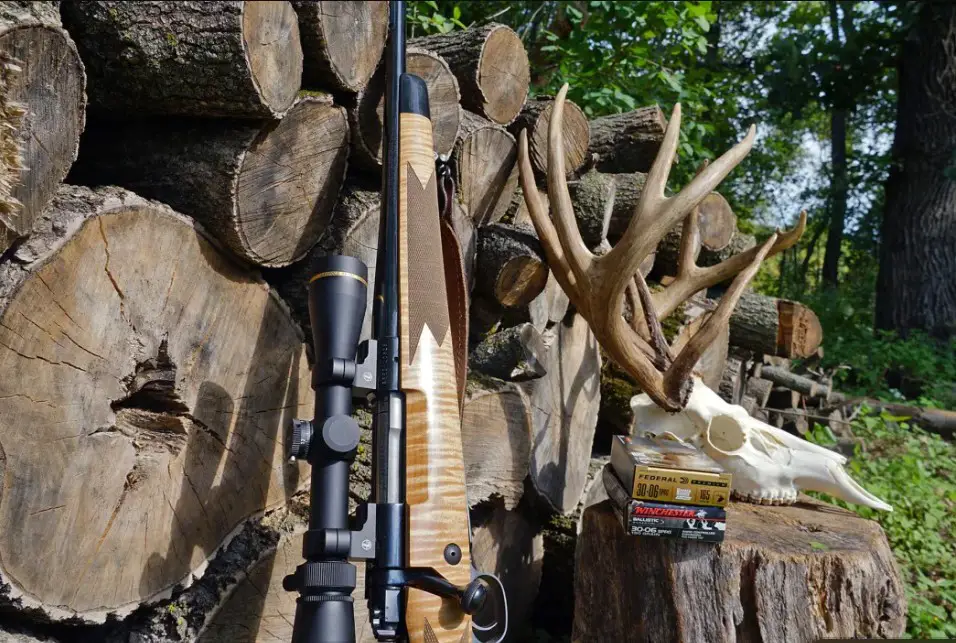
Bipods are a popular choice for hunters who expect to shoot from prone or seated positions. Mounted directly to the rifle, they provide consistent support and allow for quick deployment. Bipods are particularly useful in open terrain where natural rests may be limited. Adjustable-leg models help compensate for uneven ground and varying shooting angles.
Shooting sticks and tripods offer greater versatility. They can be used while standing, kneeling, or seated, making them ideal for still-hunting or spot-and-stalk scenarios. Unlike bipods, they are not attached to the rifle, which keeps overall weight down and allows flexibility across different firearms.
Natural rests should not be overlooked. Trees, rocks, backpacks, and terrain features often provide excellent support when used correctly. Many experienced hunters carry a lightweight shooting bag that can be placed over natural rests to improve stability without adding much bulk.
The key is consistency. Hunters should practice with their chosen support system before the season to ensure smooth deployment and confident use under pressure.
Slings, Cases, and Transport Gear
Transport gear is often underestimated, yet it significantly affects comfort and safety during a hunt. A well-designed sling allows hunters to carry their rifle securely while keeping their hands free for navigation, climbing, or glassing.
Padded slings distribute weight more evenly across the shoulder, reducing fatigue during long walks. Adjustable slings allow quick transitions between carry and shooting positions. Some modern slings also offer shooting support by tightening around the arm, adding stability when taking offhand shots.
Rifle cases protect firearms during travel and storage. Soft cases are lightweight and convenient for short trips or vehicle transport, while hard cases offer superior protection during long-distance travel or rough handling. Weather-resistant materials help prevent moisture damage, especially during wet hunting seasons.
For hunters covering large areas, backpacks designed for hunting are valuable. These packs often include rifle carry systems, hydration compatibility, and compartments for essential gear. Proper weight distribution improves endurance and reduces strain during extended hunts.
Hearing & Eye Protection
Safety gear is just as important in the field as it is at the range. Hearing and eye protection are often overlooked during hunting, but both serve important roles.
Repeated exposure to gunfire can cause permanent hearing damage, even from a limited number of shots. Lightweight electronic hearing protection allows hunters to hear ambient sounds while reducing the impact of gunshots. These devices preserve situational awareness while protecting long-term hearing health.
Eye protection shields against debris, branches, and unexpected hazards. Clear or lightly tinted lenses are ideal for hunting, as they do not distort color perception or reduce visibility in low light. Durable frames and anti-fog coatings are especially useful in cold or humid conditions.
Using proper protective gear ensures that a successful hunt does not come at the cost of long-term health.
Rangefinders and Ballistic Apps
Accurate distance estimation is critical for ethical shot placement, particularly at longer ranges. Rangefinders provide fast, precise distance measurements, removing guesswork from the shooting process.
Modern rangefinders are compact, lightweight, and capable of measuring distances well beyond typical deer hunting ranges. Many models include angle compensation, which is useful in hilly or mountainous terrain. Knowing true horizontal distance helps hunters apply the correct holdover or aiming point.
Ballistic apps and digital tools have become increasingly popular among hunters. These apps allow users to input firearm, caliber, bullet, and environmental data to calculate bullet drop and wind drift. While not always necessary for short-range hunting, they are valuable tools for those who hunt in open terrain or varying conditions.
The most effective approach is to use technology as a supplement, not a crutch. Hunters should verify ballistic data through real-world practice and ensure they understand their equipment before relying on digital assistance in the field.
Accessories and supporting gear should enhance confidence, efficiency, and safety without complicating the hunting experience. When chosen thoughtfully, these tools work quietly in the background, allowing hunters to focus on ethical shot placement, situational awareness, and enjoyment of the hunt itself.
Choosing a Deer Hunting Rifle Based on Hunting Style
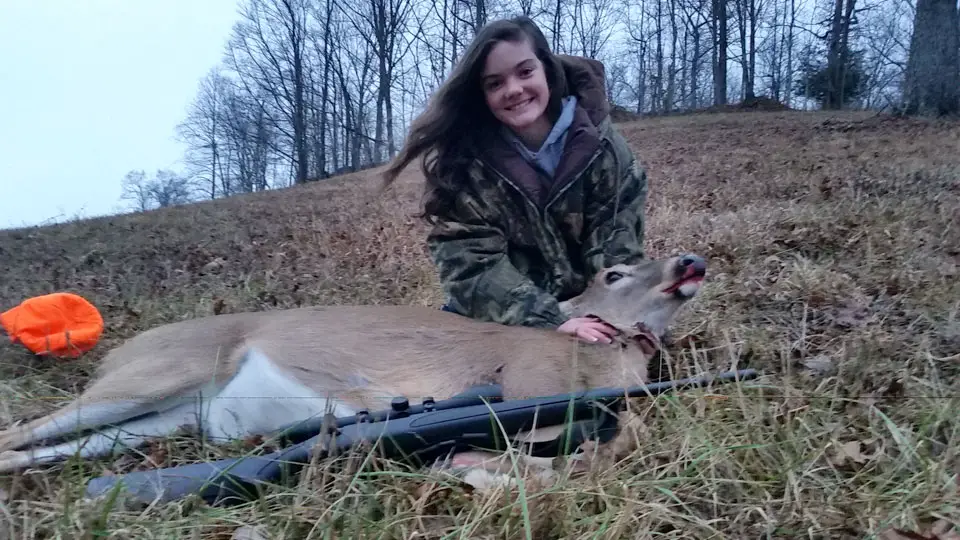
Selecting the right rifle goes beyond caliber and action type—it should also reflect the hunter’s preferred style and environment. Deer hunting presents a variety of scenarios, from slow-paced still hunting to fast-action stalking. Understanding how different rifles perform in each setting helps ensure ethical and effective shots while minimizing fatigue and frustration.
Still Hunting vs Stand Hunting
Still hunting involves moving slowly and quietly through terrain, often pausing to observe and stalk deer. In this scenario, hunters value rifles that are lightweight, easy to maneuver, and quick to bring to the shoulder. Compact bolt-action or lever-action rifles are ideal because they allow precision without compromising mobility. Moderate calibers like .243 Winchester, .270 Winchester, or .308 Winchester balance manageable recoil with reliable terminal performance.
Stand hunting, on the other hand, involves waiting in one location—such as a tree stand or ground blind—often for hours. Since the rifle is largely stationary until the deer approaches, hunters can opt for slightly heavier rifles that offer increased accuracy and stability. Optics become particularly important here; moderate magnification scopes (2–7x or 3–9x) allow precise shot placement while accommodating variable distances.
Forest & Brush vs Open Terrain
Hunting in dense forests or brushy areas favors rifles that are compact and easy to maneuver. Lever-action rifles excel in these settings due to short overall length, quick cycling, and lightweight design. Reducing rifle length makes it easier to pivot and track deer moving through tight spaces. Moderate calibers and low-recoil options help maintain accuracy during rapid or offhand shots.
Open terrain, such as fields or plains, presents different challenges. Longer engagement distances require rifles with flatter trajectories and more precise long-range capabilities. Bolt-action rifles chambered in cartridges like .30-06 Springfield, 6.5 Creedmoor, or .308 Winchester provide the consistency and power needed for ethical shots at extended ranges. Larger scopes with higher magnification improve target acquisition and shot accuracy in these environments.
Youth & Beginner Hunters
For youth or new hunters, rifle choice must prioritize comfort, safety, and ease of handling. Lightweight bolt-action rifles or small-caliber lever-actions help new shooters develop proper form and confidence. Calibers like .243 Winchester or .22-250 Remington offer manageable recoil while still providing sufficient performance on deer-sized game. Shorter length-of-pull rifles prevent strain and allow proper mounting of the scope, improving shooting comfort and accuracy.
Training and repetition are crucial at this stage. Choosing a rifle that encourages consistent practice—without discouraging the hunter through recoil or complexity—lays the foundation for safe, effective hunting as skill levels advance.
Long-Range Mountain Hunting
Mountain hunting often requires shots at extended distances over uneven terrain, demanding rifles that combine precision, power, and reliability. Bolt-action rifles chambered in long-range cartridges like .30-06 Springfield, .300 Winchester Magnum, or 6.5 Creedmoor are ideal due to their flat trajectories and consistent performance.
In this environment, hunters must also consider rifle weight and carry comfort. Lightweight synthetic stocks and compact designs reduce fatigue during long treks while maintaining the stability needed for accurate shots. Scopes with higher magnification, ballistic reticles, and clear glass help hunters judge range and compensate for wind or elevation changes effectively.
Long-range mountain hunting often requires patience and preparation. Hunters may combine advanced optics, quality ammunition, and a steady rest (shooting sticks or bipods) to ensure ethical, precise harvests. The rifle choice must therefore complement endurance, mobility, and the ability to make accurate shots under challenging conditions.
Ultimately, the right deer hunting rifle is not only determined by caliber or action type but also by how the hunter plans to approach the hunt. By matching rifle characteristics to hunting style, terrain, and experience level, hunters improve both performance and safety while ensuring a more enjoyable, successful season.
Safety & Ethical Considerations in Deer Hunting
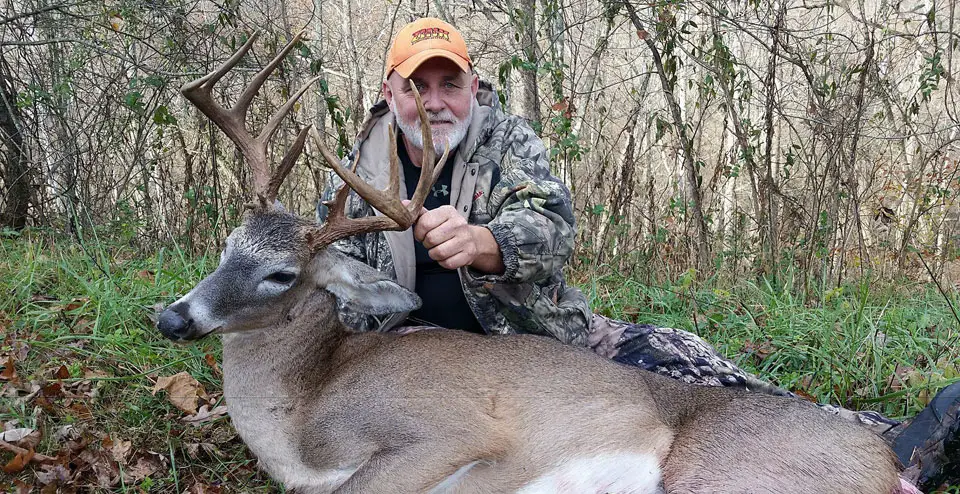
Safety and ethics are the foundation of responsible deer hunting. While equipment and technique matter, they are secondary to proper firearm handling, ethical shot placement, and compliance with hunting laws. Every decision made in the field reflects not only on the individual hunter but also on the broader hunting community. Understanding and applying these principles ensures humane harvests, personal safety, and long-term sustainability of deer populations.
Safe Firearm Handling Principles
Safe firearm handling begins long before entering the field. Hunters must treat every firearm as if it is loaded at all times. This mindset prevents complacency and reduces the risk of negligent discharges.
Muzzle discipline is critical. The firearm should always be pointed in a safe direction, whether at camp, in a vehicle, or while moving through terrain. Even during moments of excitement, such as spotting a deer, maintaining control of the muzzle prevents accidents.
Trigger discipline is equally important. Fingers should remain outside the trigger guard until the sights are on target and the decision to shoot has been made. This simple habit prevents unintended shots during slips, falls, or sudden movements.
Hunters must also be aware of what lies beyond the target. Bullets can travel significant distances after passing through a deer or missing entirely. A safe backstop—such as a hillside or natural terrain—is essential before taking any shot.
When crossing obstacles, climbing into tree stands, or entering vehicles, firearms should be unloaded. Using safety devices and chamber flags where appropriate adds an extra layer of protection.
Shot Placement for Humane Harvest
Ethical hunting centers on delivering a quick, humane harvest. Proper shot placement minimizes suffering and increases the likelihood of a clean recovery.
The most commonly recommended target area is the heart-lung zone, located behind the front shoulder. Shots placed here disrupt vital organs, leading to rapid incapacitation. This area provides a relatively large margin for error compared to head or neck shots, making it the preferred choice for most hunters.
Quartering-away shots are often considered ethical because they allow the bullet to pass through vital organs while avoiding heavy bone. Broadside shots are also highly effective when the shooter has a clear angle.
Poor angles, excessive distance, or unstable shooting positions increase the risk of wounding rather than harvesting the deer. Ethical hunters pass on shots that do not offer a high probability of a clean kill.
Understanding Recoil & Practicing Before the Season
Recoil management plays a major role in accuracy and shot confidence. Firearms that produce excessive recoil can cause flinching, which reduces accuracy and consistency.
Hunters should choose calibers and rifle setups that they can control comfortably. Proper stock fit, recoil pads, and shooting technique help mitigate recoil effects. Understanding how a rifle behaves under recoil builds trust in the equipment.
Pre-season practice is essential. Sight-in sessions ensure the rifle is properly zeroed, while practice from realistic field positions prepares hunters for actual hunting scenarios. Shooting from prone, kneeling, or supported positions helps simulate real-world conditions.
Regular practice also reinforces safe handling habits and builds muscle memory. Confidence developed at the range translates directly to better decision-making in the field.
Legal Requirements and Tagging & Reporting
Compliance with hunting laws is a core ethical responsibility. Regulations govern seasons, legal firearms, ammunition types, bag limits, and tagging requirements. These rules are designed to promote safety, conservation, and fair chase.
After harvesting a deer, hunters are typically required to tag the animal immediately. Proper tagging helps wildlife agencies track harvest data and manage populations effectively. Failing to tag or report a harvest can result in penalties and undermines conservation efforts.
Reporting requirements vary by region and may include online check-ins, physical check stations, or phone-based systems. Hunters should understand these procedures before heading into the field to avoid confusion after a successful hunt.
Ethical hunters view legal compliance as part of the hunting tradition rather than a burden. Following the law demonstrates respect for wildlife, fellow hunters, and the privilege of hunting itself.
By prioritizing safety and ethics, hunters ensure that deer hunting remains a responsible, respected, and sustainable activity. These principles protect people, preserve wildlife populations, and uphold the values that define ethical hunting across generations.
Common Mistakes in Deer Hunting & How to Avoid Them
Even experienced hunters can fall into common pitfalls that reduce success and compromise safety. Understanding these mistakes—and proactively addressing them—ensures ethical, effective, and enjoyable hunting experiences. From rifle selection to gear preparation, avoiding these missteps is essential for both novice and seasoned hunters.
Using Undersized Calibers
One of the most frequent mistakes is choosing a caliber that is too small for deer hunting. While smaller calibers produce less recoil, they may lack sufficient energy for a humane harvest. Undersized cartridges increase the risk of wounding rather than killing the animal quickly.
Hunters should select calibers that balance manageable recoil with adequate stopping power. Popular deer cartridges like .243 Winchester, .270 Winchester, .308 Winchester, and .30-06 Springfield provide reliable terminal performance. Even within these options, bullet selection matters—expanding bullets or soft points are preferred for clean, ethical kills.
Avoiding undersized calibers ensures hunters maintain confidence in their equipment while promoting humane harvest practices.
Improper Optics Matching
Choosing optics that do not suit the hunting environment or style is another common error. Excessive magnification in close-quarters woods hunting, for example, can slow target acquisition. Conversely, low-power scopes may limit precision during longer-range shots.
Hunters should match the scope to typical engagement distances and terrain. Low- to mid-power scopes (1–6x, 3–9x) cover most deer hunting scenarios. Reticle choice is equally important—simple duplex or lightly marked BDC reticles often outperform complex tactical designs in field conditions.
Improperly mounted optics can also compromise accuracy. Ensuring proper eye relief, secure rings, and consistent zero are essential steps before heading into the field.
Neglecting Training and Range Time
Even the best rifle and optics cannot compensate for inadequate practice. Skipping range time is a mistake that affects accuracy, recoil management, and confidence.
Hunters should practice regularly under realistic conditions. Shooting from standing, kneeling, prone, and improvised positions helps simulate field scenarios. Practicing on varied distances builds familiarity with bullet trajectory and effective range.
Training also reinforces safe handling habits, including trigger discipline, muzzle control, and proper loading/unloading procedures. A well-practiced hunter reacts quickly and confidently, minimizing stress and increasing the likelihood of ethical shot placement.
Overlooking Environmental Gear Needs
Hunters often focus entirely on firearms and optics, neglecting essential environmental gear. Lack of appropriate clothing, footwear, or supporting tools can hinder performance and safety.
Weather-appropriate clothing ensures comfort and preserves energy during long hunts. Waterproof boots, insulated layers, and camouflage or scent-control garments reduce distraction and fatigue. Accessories like shooting sticks, bipods, or portable rests improve stability in challenging terrain.
Ignoring these environmental considerations can lead to rushed shots, missed opportunities, or even injury. Preparing adequately for terrain, weather, and long hikes ensures hunters remain focused, effective, and safe throughout the season.
By recognizing these common mistakes—undersized calibers, improper optics, lack of training, and overlooked environmental gear—hunters can take proactive steps to avoid them. Proper preparation and thoughtful decision-making maximize success, safety, and ethical responsibility during deer hunting.
Conclusion
Choosing the right rifle and supporting gear for deer hunting is a combination of understanding your environment, your personal skill level, and the type of hunting you plan to pursue. From action type to caliber selection, optics, and accessories, every choice plays a role in your effectiveness and ethical responsibility in the field.
Bolt-action rifles remain the most popular choice for their precision and reliability, with examples like the Remington 700, Winchester Model 70, and Tikka T3x leading the field. Lever-action rifles excel in dense brush and short-range scenarios, while semi-automatic rifles offer quick follow-up shots for hunters in dynamic conditions. Modern sporting rifles chambered in deer-appropriate calibers provide versatility for various terrains, and specialty options like break-action or youth rifles ensure accessibility for beginners.
Caliber selection directly influences performance, recoil management, and humane harvesting. Cartridges like .243 Winchester, .270 Winchester, .308 Winchester, .30-06 Springfield, and 6.5 Creedmoor cover a wide range of hunting situations, while bullet choice and proper shot placement are critical to ethical hunting.
Optics and accessories further enhance your effectiveness. Scopes with appropriate magnification, clear reticles, and durable construction improve accuracy in varying conditions. Bipods, shooting rests, slings, cases, hearing and eye protection, rangefinders, and ballistic apps all contribute to comfort, stability, and ethical decision-making in the field.
Ultimately, the “best” deer hunting setup is personal. It depends on your preferred hunting style—still hunting, stand hunting, long-range mountain hunts, or forested environments—as well as experience, comfort with recoil, and mobility needs. Safe firearm handling, ethical shot placement, and adherence to legal requirements should always guide every decision.
By thoughtfully combining the right rifle, caliber, optics, and supporting gear, hunters can maximize their success, minimize environmental and ethical risks, and enjoy a safe and rewarding deer hunting experience season after season.
Best Guns for Deer Hunting FAQs
1. What is the best rifle action for deer hunting?
The most common rifle actions for deer hunting are bolt-action, lever-action, semi-automatic, and single-shot. Bolt-action rifles are preferred for precision, lever-action for dense woods, semi-automatic for quick follow-up shots, and single-shot for simplicity and youth hunters.
2. What caliber is recommended for deer hunting?
Popular deer calibers include .243 Winchester, .270 Winchester, .308 Winchester, .30-06 Springfield, and 6.5 Creedmoor. Choose a caliber that balances manageable recoil with sufficient stopping power.
3. Can beginners hunt deer with a .243 Winchester?
Yes, the .243 Winchester is ideal for beginners due to its low recoil and adequate performance for ethical deer harvests.
4. Is a lever-action rifle effective for deer?
Lever-action rifles are effective at short to medium ranges, especially in thick brush or wooded areas. Their fast cycling and compact size make them ideal for stand hunting or close encounters.
5. How far can I ethically shoot a deer?
Ethical shots depend on skill, rifle, caliber, and terrain. Many hunters keep shots within 200 yards for most rifles, ensuring accuracy and humane harvest.
6. Should I use a scope for deer hunting?
Yes, scopes improve accuracy, target acquisition, and shot placement. Choose magnification based on expected shooting distance: 1–6x for close-range, 3–9x for medium-range, and higher for open terrain.
7. What reticle is best for deer hunting?
Simple duplex or BDC reticles are preferred. They allow quick aiming without cluttering the field of view, which is important in dynamic hunting scenarios.
8. Are semi-automatic rifles legal for deer hunting?
Yes, semi-automatic rifles are legal in most areas. Hunters must check local regulations as some regions restrict magazine capacity or specific models.
9. How important is bullet selection?
Bullet type affects expansion and penetration. Soft-point or expanding bullets are recommended for humane kills, ensuring energy transfer and ethical harvest.
10. Can youth hunters use bolt-action rifles?
Yes, youth hunters often benefit from lightweight, short-length bolt-action rifles chambered in manageable calibers like .243 Winchester or .22-250 Remington.
11. What is the ideal rifle weight for deer hunting?
Weight depends on hunting style. Still hunters prefer lighter rifles for mobility, while stand hunters can use heavier rifles with greater stability.
12. Do I need a bipod for deer hunting?
Bipods help stabilize shots, particularly at longer ranges or from prone positions. They are optional for stand or brush hunting.
13. Are lever-actions good for open terrain?
Lever-actions are generally better suited for dense terrain due to shorter effective range. Bolt-action rifles or scoped semi-automatics perform better in open terrain.
14. How often should I practice before deer season?
Regular practice is essential. Shooting at various distances and positions improves accuracy and builds confidence with your rifle.
15. Can I ethically hunt deer with a .22 caliber?
Most regions consider .22 calibers insufficient for deer due to inadequate energy. Always follow local regulations and use appropriate deer calibers.
16. Are AR-style rifles suitable for deer hunting?
Yes, AR-style rifles chambered in deer-appropriate calibers like .350 Legend or 6.8 SPC can be effective, particularly for short- to medium-range engagements.
17. Should I use a heavy or light rifle stock?
Lightweight synthetic stocks are ideal for long treks or dense terrain. Heavier stocks offer stability for stationary shooting and long-range precision.
18. How do I choose the right scope magnification?
Consider shooting distance and terrain. Low magnification is ideal for quick close-range shots, mid-power scopes for medium-range, and high magnification for open fields or mountains.
19. Is a muzzle brake necessary?
Muzzle brakes reduce recoil and improve follow-up shot speed, particularly for larger calibers. They are optional based on recoil tolerance and hunting style.
20. How important is trigger pull weight?
Trigger pull affects accuracy. Lighter, smooth triggers are preferred but must remain safe for field use, especially in youth or beginner rifles.
21. Are telescopic sights better than red dots for deer?
Scopes with magnification generally offer more precision at range. Red dots excel in close-range or dynamic situations but lack long-range magnification.
22. Should I carry multiple rifles?
Carrying multiple rifles can provide versatility, but it increases weight and logistics. Most hunters succeed with a single, well-chosen rifle suited to the terrain and hunting style.
23. How do I manage recoil effectively?
Use proper stock fit, shoulder technique, and recoil pads. Selecting a manageable caliber also ensures better control and accuracy during hunting.
24. What optics features are essential?
Durable construction, clear glass, appropriate magnification, reticle clarity, and secure mounting are essential. Weather resistance and fog-proofing enhance reliability.
25. Can I hunt from a tree stand?
Yes, tree stands are common. Shorter rifles, stable rests, and scoped optics help ensure accurate and safe shots from elevated positions.
26. How do I ethically shoot at long distances?
Practice with your rifle at extended ranges, understand bullet trajectory, and ensure the deer is within your effective, accurate range before shooting.
27. Is a sling useful?
Yes, slings allow safe and comfortable transport of rifles during long hikes, provide quick carry transitions, and can be used for added shooting support.
28. Should I use a synthetic or wooden stock?
Synthetic stocks are durable, lightweight, and weather-resistant. Wood stocks offer aesthetics but may be heavier and less resistant to environmental factors.
29. Can a youth hunter use a semi-automatic rifle?
Yes, but proper supervision, recoil management, and local legal compliance are essential for youth using semi-automatic rifles.
30. What type of bipod is recommended?
Lightweight, adjustable bipods with swivel and tilt options are ideal for uneven terrain. Fixed bipods are simpler but less versatile.
31. How do I maintain accuracy in cold weather?
Cold weather affects powder burn, metal contraction, and optics clarity. Use proper ammunition, keep rifles clean, and ensure scopes are fog-resistant.
32. Are break-action rifles viable for deer?
Yes, single-shot break-action rifles are effective for youth hunters or short-range hunts. They require careful shot selection and follow-through planning.
33. How do I choose ammunition for different ranges?
Select bullets designed for expansion and penetration, considering distance. Heavier bullets perform better at long range, while lighter bullets are suitable for short-range shots.
34. Can I use the same rifle for hunting other game?
Yes, but ensure the caliber and bullet are appropriate for the animal’s size. Ethical harvest requires enough power to ensure a humane kill.
35. What is the ideal rifle length?
Rifle length depends on terrain. Shorter rifles (18–22 inches barrel) are easier to maneuver in woods, while longer rifles (24–26 inches) provide higher velocity and stability for open terrain.
36. How often should I clean my hunting rifle?
Clean the rifle after each hunt or range session, focusing on the barrel, chamber, and action. Proper maintenance preserves accuracy and reliability.
37. Are synthetic or polymer rifles better for wet conditions?
Synthetic and polymer rifles resist moisture, temperature changes, and rough handling better than wood, making them preferable in wet or harsh environments.
38. How important is weight distribution?
Balanced rifles reduce fatigue during long hikes and improve stability for standing or offhand shots. Consider stock length and accessory placement.
39. Should I practice with my scope before hunting?
Yes, sighting in ensures accurate shots, confirms zero retention, and allows the hunter to familiarize with magnification, reticle, and adjustments.
40. Can I use a rifle scope in low light?
Scopes with larger objective lenses, illuminated reticles, and anti-reflective coatings improve visibility during dawn or dusk hunts, which are common deer activity times.
41. How do I choose between iron sights and optics?
Iron sights work for short-range encounters but may limit accuracy at distance. Optics are generally recommended for versatility, especially beyond 50 yards.
42. Are muzzleloaders still used for deer hunting?
Yes, muzzleloaders are permitted in specific seasons. They require preparation and careful shot placement but offer unique challenges for hunters.
43. How does terrain influence rifle choice?
Dense forests favor compact, maneuverable rifles. Open fields or mountains require longer-range rifles with flat-shooting calibers and appropriate optics.
44. What safety gear is recommended?
Hearing protection, eye protection, blaze-orange clothing, and first aid kits are essential for field safety and legal compliance.
45. Should I zero my rifle before every season?
Yes, confirming zero ensures the rifle performs accurately and helps prevent missed or unethical shots.
46. How do environmental factors affect shooting?
Wind, elevation, temperature, and humidity influence bullet trajectory. Hunters should account for these factors through practice and ballistic knowledge.
47. Can I hunt deer with a scoped AR-platform rifle?
Yes, AR-platform rifles in deer-appropriate calibers are effective, especially for medium-range hunting with rapid follow-up shots.
48. How do I carry a rifle safely during hikes?
Use slings, backpack-mounted carry systems, or rifle cases to keep the muzzle pointed in a safe direction and reduce fatigue.
49. Are recoil pads necessary for big calibers?
Recoil pads absorb impact, reduce shoulder fatigue, and improve shooting comfort, particularly for heavy-caliber rifles.
50. How can I ensure ethical hunting?
Use an appropriate rifle and caliber, practice regularly, select proper ammunition, aim for the heart-lung zone, and comply with legal regulations.
51. Should I adjust my rifle for different hunting scenarios?
Yes, zero your rifle for expected distances, adjust optics for lighting and terrain, and practice different shooting positions for accuracy and confidence.
52. Can I use the same rifle for multiple hunting styles?
With careful caliber and optics selection, a single versatile rifle can handle stand, still, or open-terrain hunting. Matching the rifle to predominant conditions is key.
Read more: What Gun to Use for Turkey Hunting ?