
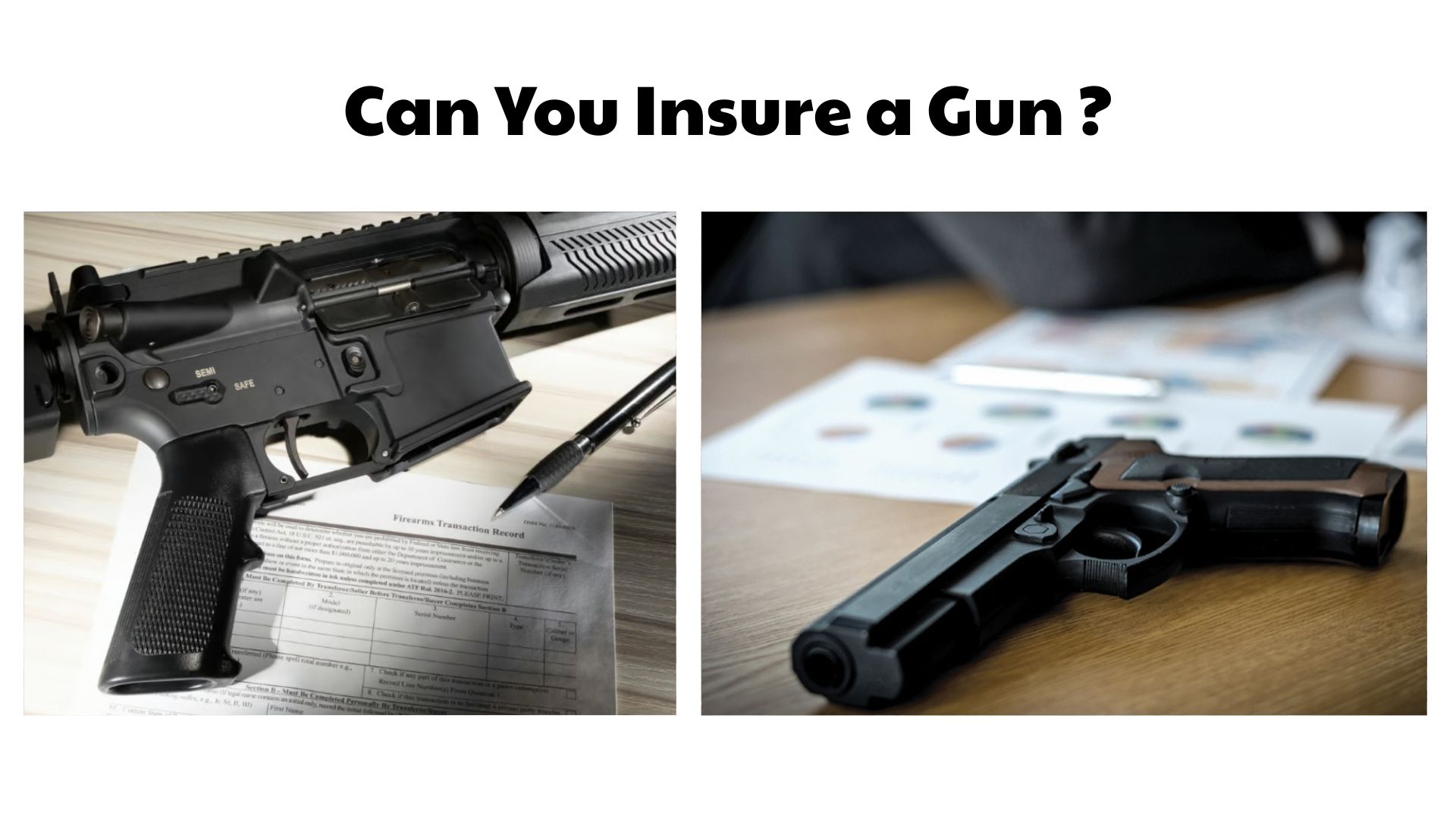
Owning a firearm comes with more responsibility than many people realize. From accidental discharges to theft or damage, firearms carry inherent risks that can have serious financial and legal consequences. This is where firearm insurance becomes essential for responsible gun owners. With proper gun insurance, you can protect yourself from unexpected liabilities and ensure that your firearms are covered against loss, damage, or theft.
In today’s world, the importance of firearm liability coverage is growing as incidents involving guns can lead to significant legal and financial challenges. Whether you are a recreational shooter, a collector, or a hunting enthusiast, having the right insurance plan helps you avoid costly surprises. This article will guide you through the key benefits of firearm insurance, the types of coverage available, the costs involved, and how to choose the best policy tailored to your needs.
What Is Firearm Insurance?
Definition & Purpose
Gun owner insurance, commonly referred to as firearm insurance, is a specialized type of coverage designed to protect gun owners from financial loss and legal liabilities associated with owning firearms. Simply put, it safeguards both the firearm itself and the owner against accidents, theft, or damages that could otherwise lead to significant out-of-pocket expenses. For many, owning a gun is more than a hobby—it’s an investment, a tool for sport or self-defense, or part of a collection. Protecting that investment is crucial, and this is precisely what firearm insurance aims to achieve.
Unlike general home or renter’s insurance, firearm insurance is specifically tailored to cover risks unique to gun ownership. For instance, while a homeowners policy might offer limited protection if a firearm is stolen, it often comes with strict coverage caps, exclusions, or higher deductibles. Additionally, homeowners insurance rarely includes legal defense if an accidental discharge leads to injury or property damage. Firearm insurance steps in to fill these gaps, offering both peace of mind and financial security. This makes it an essential consideration for anyone serious about responsible gun ownership.
The primary purpose of firearm insurance is to provide coverage that addresses the unique liabilities and risks associated with firearms. By obtaining a policy, owners can ensure that they are financially protected in situations such as accidental shootings, theft, loss, or damage to firearms, and even legal disputes that may arise due to ownership. This type of insurance allows gun owners to enjoy their firearms with confidence, knowing that unexpected incidents won’t lead to severe financial hardship.
Key Components
Liability Coverage
One of the most critical elements of any firearm insurance policy is liability coverage. This component protects the gun owner if someone is injured or if property is damaged as a result of the use or mishandling of a firearm. Liability coverage can include medical expenses, property repairs, or compensation claims, depending on the policy. It also often covers situations where a firearm is discharged accidentally during home defense or recreational use, which might otherwise result in costly lawsuits. Having sufficient liability coverage is essential for all gun owners, as even minor accidents can lead to unexpected financial burdens.
Property or Theft Coverage
Another significant aspect of firearm insurance is property protection. This coverage ensures that your firearms are protected against theft, loss, or damage. For collectors or enthusiasts who invest in high-value guns, this coverage is particularly important. Policies typically include replacement cost or actual cash value coverage, which helps cover the cost of replacing or repairing firearms in the event of theft, fire, or accidental damage. Unlike standard homeowners or renters insurance, which may impose strict limits on firearms, specialized gun insurance allows for tailored coverage to meet the needs of serious collectors or frequent users.
Legal Defense Coverage
Firearm ownership comes with legal responsibilities, and in some cases, even responsible owners may face legal challenges. Legal defense coverage is designed to assist gun owners with attorney fees and court costs if they become involved in lawsuits related to firearm use, possession, or accidents. This coverage can include both civil and criminal defense in specific cases, depending on the policy. Many gun owners underestimate the potential cost of legal defense, but having this component can prevent a minor incident from escalating into a financially devastating situation.
Why Gun Owner Insurance Matters
For many, firearm insurance is more than a precaution—it is a necessity. Accidents happen, thefts occur, and even responsible gun owners may face unforeseen legal issues. By investing in a policy that includes firearms liability insurance, owners not only protect their investments but also gain access to crucial support in difficult situations. It allows them to focus on their passion, whether it’s sport shooting, hunting, or collecting, without worrying about the financial repercussions of unexpected incidents.
In short, firearm insurance provides peace of mind. It bridges the gaps left by general insurance policies, covers specific firearm-related risks, and ensures that gun owners are prepared for both accidents and legal matters. For anyone asking, “Can you insure a gun?” the answer is a confident yes, and doing so is a practical step in responsible firearm ownership.
Why Gun Owners Should Consider Insurance ?
Protection from Liability Claims
Owning a firearm comes with responsibilities, and even the most careful gun owners can face unexpected incidents. One of the primary reasons to have firearm insurance is to protect yourself from liability claims. Accidental shootings, whether at home, on the range, or during recreational activities, can result in serious injuries or property damage. Without proper coverage, the financial consequences can be overwhelming. Medical bills, repair costs, and potential lawsuits can quickly escalate into tens of thousands of dollars, leaving the gun owner personally liable.
Liability coverage in a gun insurance policy specifically addresses these situations. It ensures that if an accidental discharge results in injury to another person or damage to property, your insurance can cover the costs associated with claims. For example, if a firearm accidentally discharges at a shooting range and causes harm to another shooter, the liability coverage may pay for medical expenses or property repairs. This protection allows gun owners to focus on responsible use rather than worrying about the financial fallout from unforeseen accidents.
Even minor accidents can lead to liability claims. A child handling a firearm without permission, a misfire during home defense, or a hunting incident where property is damaged are all potential scenarios where liability protection for gun owners is invaluable. Policies vary, but comprehensive firearm insurance often includes coverage for bodily injury and property damage, giving owners confidence and peace of mind.
Legal Defense Costs
Another crucial reason to consider firearm insurance is the cost of legal defense. In cases involving accidental injury or disputes over firearm ownership, attorney fees and court costs can mount quickly. Even if you are confident in your responsible ownership, navigating the legal system without coverage can be intimidating and expensive.
Firearm insurance with legal defense coverage typically provides funds for attorney representation, court costs, and related legal expenses. This coverage may include civil lawsuits or, in certain policies, limited criminal defense related to firearm use. By including legal defense in your insurance plan, you ensure that you are not forced to pay out-of-pocket for legal counsel, which can easily run into thousands of dollars. This is particularly important for collectors, instructors, or those who participate in competitive shooting, where liability risks are higher due to frequent handling and exposure.
Legal defense coverage also provides access to resources and guidance from experts who understand firearms law. Having a knowledgeable attorney available through your policy can be invaluable if a claim or lawsuit arises, helping you resolve the matter efficiently and effectively. This is a clear example of why gun owners need firearm insurance beyond just protection for the firearms themselves.
Theft and Loss Coverage
Firearms are valuable assets, and like any valuable property, they are vulnerable to theft or loss. Another key reason to consider gun insurance is coverage for stolen or damaged firearms. Standard homeowners or renters insurance may provide limited coverage, but it often comes with strict caps, high deductibles, or exclusions for certain types of firearms. Specialized firearm insurance fills these gaps by providing tailored protection for your collection or individual guns.
Replacement cost coverage ensures that if a firearm is stolen, lost, or damaged, you can replace it without significant financial strain. For collectors or enthusiasts who own high-value or rare firearms, this coverage can be particularly critical. Some policies also cover damage caused by accidents, fire, or natural disasters, ensuring your investment is protected under various circumstances.
Documenting firearms is an essential part of theft and loss coverage. Keeping detailed records, including serial numbers, photographs, and receipts, helps streamline claims and ensures that the replacement process is smooth. Insurers rely on accurate documentation to validate claims, so organized record-keeping is a practical step every gun owner should take.
Who Needs Firearm Insurance?
Firearm ownership comes with responsibilities, and understanding who needs coverage is a key part of responsible gun ownership. While anyone with a firearm can benefit from insurance, certain groups are especially encouraged to carry a policy. Firearm insurance helps protect against financial losses, liability claims, and legal challenges, offering peace of mind for gun owners of all types. If you are asking yourself, “Do I really need gun insurance?”, it’s helpful to consider your use, the value of your firearms, and the potential risks involved.
Recreational Shooters
Recreational shooters make up a large portion of firearm owners. These individuals enjoy shooting as a hobby at ranges or in controlled environments. Even though recreational shooting is generally safe when following proper protocols, accidents can happen. A misfire, a stray bullet, or an unintended discharge can cause injuries or property damage. Firearm insurance provides liability coverage for these incidents, protecting the shooter from costly medical bills or repair expenses. Recreational shooters also benefit from coverage for lost or damaged firearms, especially if they own higher-end rifles, shotguns, or handguns used frequently at ranges.
Hunters
Hunting enthusiasts often carry firearms into unpredictable environments. Hunting accidents, property damage, and injuries are risks that come with navigating wilderness areas with firearms. Firearm insurance helps hunters manage these risks by providing liability coverage in case of accidental injury or property damage while hunting. Policies may also cover theft or loss of firearms stored in hunting lodges, vehicles, or temporary camps. For hunters investing in premium rifles, optics, or specialized ammunition, insurance ensures that a lost or damaged firearm does not result in a significant financial burden.
Competitive Shooters
Competitive shooters participate in organized events, such as sport shooting, practical shooting, or Olympic-style competitions. Frequent handling of firearms in high-pressure situations increases exposure to accidents and liability claims. Firearm insurance for competitive shooters typically covers accidental damage at events, theft during travel, and liability if someone is injured during competitions. Policies may also include coverage for transporting firearms to and from events, which is particularly important for shooters who travel extensively. Comprehensive coverage allows athletes to focus on performance rather than worrying about potential financial repercussions from unexpected incidents.
Collectors and Sport Shooters
Collectors often own firearms of significant value, whether for historical, aesthetic, or investment purposes. Sport shooters may have extensive collections of rifles, shotguns, and handguns used for various activities. These firearms are not just tools—they are valuable assets. Specialized firearm insurance provides protection against theft, loss, or accidental damage, which standard homeowners or renters insurance may not fully cover. Policies can be customized to cover high-value or rare firearms, ensuring that collectors and serious sport shooters can preserve their investments. Proper documentation, including photographs and serial numbers, is crucial to facilitate claims and verify the value of each firearm.
Firearms Instructors and Ranges
Firearms instructors and shooting ranges face unique risks due to the frequent handling of multiple firearms by themselves and by others. Liability exposure is higher in these environments because accidents can occur even with careful supervision. Firearm insurance for instructors and ranges often includes coverage for accidental injury, property damage, and legal defense costs. It may also cover firearms owned by the facility, including rental guns, against theft or damage. For instructors, liability protection is essential to maintain professional credibility and safeguard personal finances in case of lawsuits or claims from students or visitors.
Types of Firearm Insurance Coverage
Understanding the different types of gun insurance is essential for anyone looking to protect themselves, their firearms, and their financial wellbeing. Not all policies are the same, and coverage can vary widely depending on your needs, the value of your firearms, and how you use them. In general, firearm insurance policies fall into three main categories: liability coverage, first-party coverage, and legal defense insurance. Many policies also offer additional riders or options for high-value firearms or transport protection. Knowing what each type covers allows gun owners to choose a policy that best matches their lifestyle and risk profile.
Liability Coverage
Liability coverage is the cornerstone of any firearm insurance policy. It protects gun owners if their firearm causes bodily injury or property damage to someone else. For instance, if a firearm accidentally discharges and injures another person, liability coverage can pay for medical bills, settlement costs, or repair of damaged property. This type of coverage also often extends to situations where firearms are used during self-defense or recreational activities, as long as the incident falls within the policy’s terms.
Bodily injury coverage is especially important because medical costs from gun-related incidents can quickly escalate into tens of thousands of dollars. Even minor injuries can result in substantial expenses, legal claims, and long-term financial implications. Property damage coverage ensures that any damage caused to another person’s property, such as a neighbor’s home, vehicle, or equipment, is also covered. Liability coverage is designed to provide peace of mind, allowing responsible gun owners to use their firearms without the fear of devastating financial consequences from accidents.
First‑Party Coverage
First-party coverage, sometimes called property coverage, protects the gun owner’s firearms directly. This includes replacement of firearms that are stolen, lost, or damaged. Unlike general homeowners or renters insurance, which may offer limited protection for firearms, specialized firearm insurance policies allow owners to fully cover their guns based on actual cash value or replacement cost. This is particularly valuable for collectors or enthusiasts who own high-end, rare, or antique firearms.
Theft and vandalism protection ensures that if a firearm is stolen from a vehicle, home, or secure storage, the insurance will cover replacement or repair costs. Policies may also cover accidental damage, such as a firearm dropping and breaking during handling, or damage caused by fire, water, or other unforeseen events. Maintaining documentation, including serial numbers, receipts, and photographs, helps facilitate claims and ensures the insured value is accurately recognized.
Legal Defense Insurance
Even responsible gun owners can face legal challenges. Legal defense insurance is designed to cover the cost of attorney fees and court expenses if the owner becomes involved in a lawsuit related to firearm use, possession, or accidents. This may include both civil and, in some cases, criminal defense coverage, depending on the policy. Legal defense insurance is particularly valuable for instructors, competitive shooters, or anyone whose activities increase the likelihood of exposure to liability claims.
Loss of civil rights coverage is a unique feature in some policies. It protects the insured in situations where their firearm rights could be legally challenged, for instance, following an incident that might result in a temporary or permanent restriction on firearm ownership. Criminal defense coverage helps manage the costs of defending against charges related to firearm use or possession, even when the owner is ultimately found not liable. These protections ensure that gun owners have access to legal resources without incurring prohibitive personal expenses.
Additional Riders & Options
Many firearm insurance policies offer additional riders or options to tailor coverage to specific needs. High-value firearm riders provide extra protection for rare, antique, or expensive guns that exceed standard coverage limits. These riders allow owners to insure their most valuable pieces for their full appraised value. Transport coverage is another optional feature, providing protection when firearms are moved between locations, such as to shooting ranges, competitions, hunting trips, or gun shows. This coverage can include accidental damage, loss, or theft during transit.
By understanding these types of firearm insurance coverage, gun owners can select a policy that aligns with their needs. Liability coverage protects against third-party claims, first-party coverage secures the firearms themselves, and legal defense insurance ensures access to professional support in case of legal disputes. Additional riders provide flexibility for high-value or frequently transported firearms. Together, these elements create a comprehensive safety net for gun owners, answering the common question: “Can you insure a gun?” with confidence and clarity.
What Homeowners/Renters Insurance Covers vs. Firearm Insurance
Many gun owners assume that their homeowners or renters insurance automatically covers their firearms, but the reality is often more complicated. While standard homeowners or renters policies do provide some protection for personal property, including firearms, they typically have limits and exclusions that make additional coverage necessary. Understanding the differences between these insurance types is crucial for anyone looking to fully protect their firearms and personal liability. Comparing homeowners insurance vs gun insurance helps identify coverage gaps and highlights why a dedicated firearm policy is often a smart choice.
Typical Coverage in Homeowners Policies
Homeowners and renters insurance generally cover personal property against risks such as fire, theft, or certain natural disasters. In this context, firearms may be considered personal property and eligible for reimbursement if stolen or damaged. Coverage usually falls under the property section of the policy, which means the payout is subject to overall limits and deductibles. For example, if your policy covers $50,000 in personal property, firearms are included in that total, not as separate items. This can be problematic for collectors or owners of high-value guns, as their firearms may exceed the limits of standard coverage.
Additionally, liability coverage in homeowners or renters policies may extend to accidents that occur on your property. For instance, if a visitor is injured in your home and a firearm is involved, your liability coverage may pay for medical costs or legal claims. However, this coverage can be limited. Many policies exclude injuries resulting from firearms or impose specific conditions on when coverage applies. This is where the differences between general insurance and specialized firearm insurance become important.
Gaps Where Firearm Insurance Is Necessary
Even with a comprehensive homeowners or renters policy, significant gaps exist in coverage for firearms. One major gap is theft. Standard policies may require firearms to be stored in a locked safe to qualify for coverage, and limits on payouts for stolen guns can be far below their actual value. Accidental damage, such as dropping a firearm or a malfunction during use, is often not covered at all under general insurance.
Another critical gap is liability protection. While homeowners insurance may cover some incidents on your property, it rarely provides comprehensive protection for accidents that occur off-premises, such as at a shooting range, hunting trip, or competitive shooting event. Without specific firearm insurance, you could be personally responsible for medical bills, property damage, or legal fees resulting from accidental shootings. Policies that specifically address firearm ownership ensure that both on- and off-premises incidents are covered, providing a level of protection that standard insurance cannot match.
Legal defense coverage is another area where homeowners or renters insurance falls short. Most general policies do not cover legal defense costs arising from firearm-related lawsuits, whether civil or criminal. Firearm insurance policies fill this gap by providing access to attorneys, court costs, and legal resources tailored to gun-related incidents. This ensures that gun owners are not left facing potentially devastating legal expenses without support.
Why Firearm Insurance Is Complementary
Firearm insurance is not meant to replace homeowners or renters insurance; rather, it complements existing policies. While your home policy may cover general property damage or liability, dedicated firearm insurance extends coverage specifically for guns and related incidents. This includes comprehensive protection for high-value firearms, coverage for theft and accidental damage, liability for injuries caused by firearms, and legal defense assistance.
For gun owners, combining homeowners insurance with specialized firearm insurance provides a complete safety net. The home policy protects your overall property and general liability, while the firearm policy covers risks unique to guns. This dual approach ensures that you are protected against both common and specialized incidents. It also allows for more flexible coverage limits, tailored to the value and number of firearms you own, which is particularly important for collectors, competitive shooters, or firearms instructors.
How Much Does Firearm Insurance Cost?
One of the most common questions among gun owners is, “Can you insure a gun, and how much will it cost?” Understanding the cost of firearm insurance is crucial for budgeting and making informed decisions about coverage. The price of a policy depends on multiple factors, and it can vary significantly based on the number of firearms you own, the value of those firearms, your location, and your personal claims history. By exploring these factors, you can better estimate what you might pay and find a policy that balances protection with affordability.
Factors That Influence Pricing
Number of Firearms
The number of firearms you own is a primary factor affecting insurance cost. Policies are typically priced based on the total value of your guns rather than a flat rate per household. A gun owner with a single rifle may pay far less than a collector with dozens of firearms, especially if those guns are high-end or rare. Some insurers offer discounts for bundling multiple firearms under a single policy, while others calculate premiums individually for each gun. Understanding how your insurer handles multiple firearms helps you plan and potentially reduce costs.
Coverage Limits
The amount of coverage you select directly impacts your premium. Higher coverage limits, which are often necessary for collectors or owners of expensive firearms, will increase the cost of your policy. Policies typically offer coverage based on replacement cost or actual cash value. Replacement cost coverage ensures that you can replace your firearm at today’s market price, while actual cash value may pay less, reflecting depreciation. Choosing the right coverage limit is essential to ensure your firearms are adequately protected without overpaying for insurance.
Location
Where you live can also influence your insurance costs. Certain regions may have higher rates of firearm theft, stricter state regulations, or elevated liability risks, which insurers consider when setting premiums. For instance, gun owners in urban areas with higher crime rates may face higher premiums than those in rural areas. Local laws and regulations may also affect liability coverage requirements, influencing both the availability and cost of firearm insurance. Understanding your location’s impact can help you compare policies and make informed choices.
Claims History
Your personal insurance history plays a role in determining premiums. Gun owners with a history of claims or accidents involving firearms may face higher costs due to perceived risk. Conversely, those with clean records and responsible ownership may qualify for lower rates. Insurers may also consider general insurance claims history, not just firearm-specific incidents, to assess overall risk and set pricing. Maintaining a responsible track record can therefore reduce your costs over time.
Typical Price Ranges
While pricing varies widely based on the factors above, general ranges can help gun owners estimate costs. For a single firearm with standard coverage, premiums often start around $100 to $200 per year. For owners with multiple firearms or high-value collections, annual premiums may range from $300 to $1,000 or more. Policies with comprehensive liability, legal defense, and high-value riders can exceed $1,500 annually for extensive collections or professional use. It’s important to compare policies, understand what each covers, and evaluate how coverage limits and riders affect overall cost.
Many insurers offer flexible options, such as multi-firearm discounts, bundled coverage for ranges or instructors, and adjustable deductibles, which can lower premiums. By assessing your needs, understanding coverage types, and considering location and claims history, you can select a policy that provides robust protection at a reasonable price. This approach ensures that your firearms, finances, and legal responsibilities are fully safeguarded.
How to Choose the Right Firearm Insurance
Selecting the best firearm insurance requires careful evaluation of your needs, potential risks, and the options available in the market. Not all policies are created equal, and the wrong choice can leave you underinsured or paying more than necessary. By understanding your risk profile, comparing providers, considering coverage limits, and reading policy details carefully, you can find the right balance between protection and cost. Here’s a step-by-step guide for choosing gun insurance that suits your situation.
Evaluate Your Risks
The first step in choosing the right firearm insurance is to evaluate your personal risk profile. Consider how often you use your firearms, the types of firearms you own, and where you typically handle them. Recreational shooters who visit ranges occasionally may have different needs than hunters who travel frequently with high-powered rifles or competitive shooters participating in events. Assessing your usage patterns helps determine the level and type of coverage necessary.
Another key factor is the number and value of your firearms. Collectors or sport shooters with multiple high-value guns will require higher coverage limits than owners of a single firearm. Make a detailed inventory of all your firearms, noting the make, model, purchase price, and any accessories. This information is essential for selecting an appropriate policy and ensures that your firearms are fully protected in the event of theft, damage, or loss. By evaluating your risks accurately, you can choose a policy that matches both your lifestyle and financial exposure.
Compare Providers
Not all insurance providers offer the same level of service or reliability. Reputation, financial stability, and customer reviews are critical when comparing options. A well-established insurer with a strong track record in firearm insurance is more likely to honor claims and provide quality customer support. Look for companies that specialize in firearm policies or have experience serving gun owners, as they better understand the unique risks and coverage requirements involved.
Customer reviews can also provide insight into how insurers handle claims, respond to inquiries, and manage coverage adjustments. A company with positive feedback for prompt and fair claim resolution is generally a safer choice. Financial stability matters as well; an insurer must have the resources to pay out claims, particularly for high-value firearms. Comparing multiple providers allows you to assess coverage options, premiums, and the overall reliability of each company before making a decision.
Coverage Limits & Deductibles
Choosing appropriate coverage limits and deductibles is an essential part of selecting firearm insurance. Coverage limits determine the maximum payout for a claim, and it’s important to ensure that your limits reflect the value of your firearms and potential liabilities. Policies that are too low may leave you underinsured, while excessively high limits could increase premiums unnecessarily.
Deductibles are the amount you pay out-of-pocket before insurance coverage kicks in. Higher deductibles can reduce premiums but increase your personal expense if a claim occurs. Balancing cost and protection is crucial: select limits that fully cover your firearms and potential liabilities while choosing a deductible that you can comfortably afford. Many insurers allow flexibility in adjusting these parameters, enabling you to tailor coverage to your specific needs.
Read Policy Details Carefully
Even the most well-intentioned insurance policy can have exclusions or limitations that affect your protection. Always read policy details carefully to understand what is covered, what is excluded, and how claims are processed. Key areas to review include theft coverage, accidental damage, off-premises liability, and legal defense provisions. Some policies exclude certain high-value firearms unless a rider is added, or they may limit coverage for firearms used in competitions or professional settings.
Additionally, pay attention to definitions of covered events. For example, how does the policy define “accidental discharge” or “theft”? Clarifying these terms prevents misunderstandings and ensures that you know exactly what protection you are purchasing. By reading policy details carefully and asking questions when necessary, you can avoid surprises and select coverage that aligns with your expectations.
Common Myths & Misconceptions About Firearm Insurance
Despite its growing importance, firearm insurance is often misunderstood. Many gun owners assume they are already protected or that coverage is unnecessary. In reality, these misconceptions can leave firearms and finances vulnerable. Let’s address some of the most common myths surrounding firearm insurance and clarify why responsible gun owners should consider dedicated coverage. Understanding these myths helps prevent costly surprises and highlights the true value of insurance for firearms.
Myth 1: “I Don’t Need It — My Homeowner’s Policy Covers Everything”
One of the most widespread myths is that homeowners or renters insurance automatically provides full protection for firearms. While general property coverage may include firearms, it often comes with strict limitations. Many policies cap payouts for guns at a fraction of their value, exclude high-end or rare firearms, and may require them to be stored in a safe. Additionally, liability coverage under a homeowners policy typically applies only on the insured property and may exclude incidents that occur off-site, such as at ranges, competitions, or hunting trips.
Firearm insurance fills these gaps by providing dedicated protection for guns wherever they are used and by offering higher coverage limits tailored to the actual value of your firearms. It also extends liability protection for accidents and legal issues directly related to firearms. Relying solely on a homeowners policy may leave you underinsured and financially exposed, especially in high-risk scenarios.
Myth 2: “Firearm Insurance Is Too Expensive”
Another common misconception is that firearm insurance is prohibitively expensive. While the cost varies depending on factors such as the number of firearms, their value, location, and coverage limits, premiums are generally modest compared to the potential financial exposure from theft, damage, or liability claims. Basic coverage for a single firearm may start as low as $100–$200 per year, while more comprehensive policies covering multiple firearms, liability, and legal defense may cost several hundred dollars annually. For collectors or professional users, the investment is relatively small compared to the potential cost of replacing firearms or covering medical and legal expenses.
Viewing insurance as an unnecessary expense ignores the risk-reward balance. The modest annual premium offers peace of mind, ensuring that accidental damage, theft, or legal claims do not become financially devastating. In other words, firearm insurance is an affordable safety net for responsible gun owners, and the cost should be weighed against the protection it provides.
Myth 3: “I’m Only Responsible for Theft Coverage”
Some gun owners believe insurance is necessary only for protecting against stolen firearms. While theft coverage is a critical component of any policy, modern firearm insurance extends far beyond this single aspect. Comprehensive policies include liability coverage, legal defense, and protection against accidental damage or loss. For example, if a firearm accidentally discharges and injures someone or damages property, liability coverage ensures you are protected from significant financial obligations. Legal defense coverage provides access to attorneys and court costs if you face lawsuits or criminal proceedings related to firearm use.
Relying solely on theft protection overlooks these other critical risks. Accidents, off-site incidents, and legal challenges are just as likely as theft to result in substantial financial exposure. A well-rounded firearm insurance policy addresses all these areas, offering peace of mind and comprehensive protection for responsible gun owners.
Conclusion
Firearm insurance is an essential component of responsible gun ownership. Whether you are a recreational shooter, hunter, competitive athlete, collector, or firearms instructor, having the right coverage ensures that both your firearms and your personal finances are protected. From liability claims and accidental damage to theft and legal defense, dedicated firearm insurance addresses risks that standard homeowners or renters policies may not fully cover. Understanding the nuances of firearm insurance helps gun owners make informed decisions, safeguard their investments, and enjoy peace of mind.
When evaluating and purchasing coverage, it is important to assess your personal risk profile, including the number and value of firearms you own, how and where you use them, and your exposure to potential liability. Compare multiple providers for reputation, financial stability, and customer service, and carefully review policy details, including coverage limits, deductibles, exclusions, and optional riders. Balancing cost with comprehensive protection ensures that your policy meets your specific needs.
Ultimately, firearm insurance is not just an optional add-on—it is a proactive step toward protecting yourself, your family, and your firearms. By taking the time to choose the right policy and maintain proper documentation, you can confidently manage the risks associated with gun ownership. For anyone asking, “Can you insure a gun?” the answer is yes, and doing so is a practical, responsible choice that brings security and peace of mind in any situation.
Frequently Asked Questions About Firearm Insurance
1. Can you insure a gun?
Yes, you can insure a gun through specialized firearm insurance policies that cover theft, accidental damage, liability, and legal defense. This type of insurance is designed to protect both the firearm and the owner from financial loss.
2. What is firearm insurance?
Firearm insurance is a type of policy that provides coverage for guns against risks like theft, damage, and liability claims. It can include replacement costs for firearms, legal defense, and accidental injury coverage.
3. How does gun insurance differ from homeowners insurance?
While homeowners insurance may offer limited coverage for firearms, it often comes with strict limits and exclusions. Gun insurance provides dedicated coverage for firearms, liability protection, and legal defense, making it more comprehensive for gun owners.
4. Who needs gun insurance?
Recreational shooters, hunters, competitive shooters, collectors, sport shooters, and firearms instructors all benefit from gun insurance due to the increased exposure to liability, theft, and accidental damage.
5. Does homeowners insurance cover firearms?
Some homeowners policies cover firearms, but often with low limits and restrictions. Dedicated firearm insurance ensures full protection, especially for high-value or rare firearms.
6. What does firearm liability insurance cover?
Firearm liability insurance covers bodily injury or property damage caused by your firearm. It may also include legal defense costs if you are sued for an accidental shooting or related incident.
7. Can firearm insurance cover accidental discharges?
Yes, many firearm insurance policies include coverage for accidental discharges, protecting you from liability claims and related expenses.
8. Is gun insurance expensive?
Firearm insurance is generally affordable. Basic policies can start around $100–$200 per year, with more comprehensive coverage for multiple or high-value firearms costing more.
9. How are firearm insurance premiums calculated?
Premiums depend on factors such as the number of firearms, coverage limits, value of firearms, location, and claims history.
10. Does gun insurance cover theft?
Yes, theft coverage is a standard feature in most firearm insurance policies, providing reimbursement for stolen firearms based on replacement cost or actual cash value.
11. Can you insure a gun that is used for competitions?
Yes, competitive shooters can insure guns used in tournaments or training. Many policies offer coverage for firearms while in transit or at events.
12. Do you need firearm insurance for a single gun?
Even a single firearm can benefit from insurance. Coverage protects against theft, damage, and liability, ensuring peace of mind for all gun owners.
13. How do I choose the best firearm insurance?
Evaluate your risks, compare providers, review coverage limits and deductibles, and read policy details carefully. Look for a policy tailored to your firearms, usage, and exposure.
14. What is first-party coverage?
First-party coverage protects the insured’s firearms directly, including replacement for theft, loss, or accidental damage.
15. What is liability coverage?
Liability coverage protects gun owners if their firearm causes injury or property damage to others, including medical expenses, repair costs, and legal fees.
16. Does firearm insurance cover legal defense?
Many policies include legal defense coverage, helping pay attorney fees and court costs if you face lawsuits or legal issues related to your firearm.
17. Are high-value firearms covered?
Yes, policies often offer riders for high-value or rare firearms, providing coverage above standard limits for collectors and enthusiasts.
18. Can you insure antique firearms?
Yes, specialized firearm insurance can cover antique or collectible guns, ensuring protection for rare and valuable items.
19. Is documentation required for insurance?
Yes, insurers typically require photographs, serial numbers, receipts, and descriptions to verify ownership and value for claims.
20. Does firearm insurance cover accidents outside the home?
Many policies extend liability and damage coverage off-premises, such as at ranges, hunting grounds, or competitions.
21. Can renters get firearm insurance?
Yes, renters can purchase standalone firearm insurance to supplement their renters policy, providing dedicated coverage for their guns.
22. Do insurance policies cover firearm accessories?
Some policies include accessories like scopes, holsters, or safes, either as part of the firearm coverage or through additional riders.
23. Can I insure firearms in multiple locations?
Yes, many policies allow coverage for firearms stored in different locations, such as home, safe, or vehicles, especially with transport coverage.
24. Are handguns and rifles both covered?
Yes, most firearm insurance policies cover all types of firearms, including handguns, rifles, shotguns, and air guns if specified in the policy.
25. What is accidental loss coverage?
Accidental loss coverage protects firearms from damage caused by drops, fire, water, or other unexpected events.
26. How long does a firearm insurance policy last?
Policies typically last one year and can be renewed annually. Some insurers offer multi-year or lifetime coverage for collectors.
27. Are firearm instructors covered?
Yes, firearms instructors and range operators can get insurance to cover liability, student accidents, and equipment loss.
28. Can I insure my gun while traveling?
Transport coverage is often available to protect firearms during travel, including hunting trips, competitions, or moving between locations.
29. Are there exclusions in gun insurance?
Yes, policies may exclude intentional misuse, illegal activities, or firearms not properly documented. Always review policy exclusions carefully.
30. Can I insure a gun I just purchased?
Yes, newly purchased firearms can be insured, often with temporary coverage while documentation is completed for full policy inclusion.
31. Does insurance cover firearms damaged in a fire?
Most policies include accidental damage coverage for fire, water, and other events, depending on the terms and riders selected.
32. Can I increase coverage limits later?
Yes, policies often allow you to adjust limits or add riders to cover new firearms or higher-valued collections.
33. Is liability coverage included automatically?
Some policies include liability automatically, but others may require selecting it as an optional rider. Check your policy carefully.
34. How do insurers verify ownership?
Insurers may require serial numbers, receipts, photos, or appraisals to verify firearm ownership and value for coverage.
35. Are there discounts for multiple firearms?
Many insurers offer discounts for insuring multiple firearms under a single policy or bundling coverage for ranges or instructors.
36. Does firearm insurance cover lost firearms?
Some policies include coverage for lost firearms if documented and reported promptly, depending on the terms of the policy.
37. Can I insure firearms in a safe deposit box?
Yes, firearms stored in secure locations like safes or deposit boxes are typically covered, sometimes with discounts for enhanced security.
38. Are temporary or short-term policies available?
Yes, some insurers offer temporary coverage for events, competitions, or travel, providing flexible options for gun owners.
39. Do policies cover shooting accidents at ranges?
Yes, off-premises liability coverage often extends to shooting ranges, protecting against accidents and injuries during practice.
40. Are self-defense incidents covered?
Many policies cover accidents during lawful self-defense, but intentional or illegal misuse is typically excluded.
41. Can you insure a gun collection?
Yes, gun collections can be insured with coverage tailored for high-value or rare firearms, often using riders or appraisals for accurate valuation.
42. Does firearm insurance cover hunting accidents?
Liability coverage often includes incidents that occur during hunting, including accidental injury or property damage.
43. Is coverage state-specific?
Insurance policies may vary by state due to local laws and regulations, so it’s important to select a provider licensed in your state.
44. Can firearm insurance help with legal disputes?
Yes, many policies include legal defense coverage for civil or, in some cases, criminal disputes related to firearm use or ownership.
45. Does insurance cover ammunition?
Some policies may include limited coverage for ammunition, but it is often excluded or only covered as part of the firearm’s overall value.
46. Can you insure firearms for business purposes?
Yes, ranges, instructors, and dealers can obtain commercial firearm insurance for equipment, liability, and legal defense.
47. Are antique or historical firearms covered?
Yes, specialized policies can cover antique, collectible, or historical firearms, often requiring appraisals or riders for full protection.
48. Does insurance cover rental firearms at ranges?
Some policies can include coverage for rented firearms used at ranges, though this may require additional riders or endorsements.
49. Can you insure firearms for theft outside the home?
Yes, off-premises theft coverage protects guns during travel, storage, or while attending events, depending on policy terms.
50. How do I file a claim for firearm insurance?
To file a claim, contact your insurer promptly, provide documentation (receipts, photos, serial numbers), and follow the claims process outlined in your policy. Proper documentation ensures a smooth and timely resolution.
51. Why is firearm insurance important?
Firearm insurance protects gun owners from financial loss, liability, theft, damage, and legal issues. It ensures peace of mind and responsible ownership.
52. Can I bundle firearm insurance with other policies?
Yes, some insurers allow bundling with homeowners, renters, or auto policies, potentially lowering overall premiums while ensuring comprehensive protection.
Read more: 10 Best Firearm Insurance Programs: Legal Protection for Gun Owners