
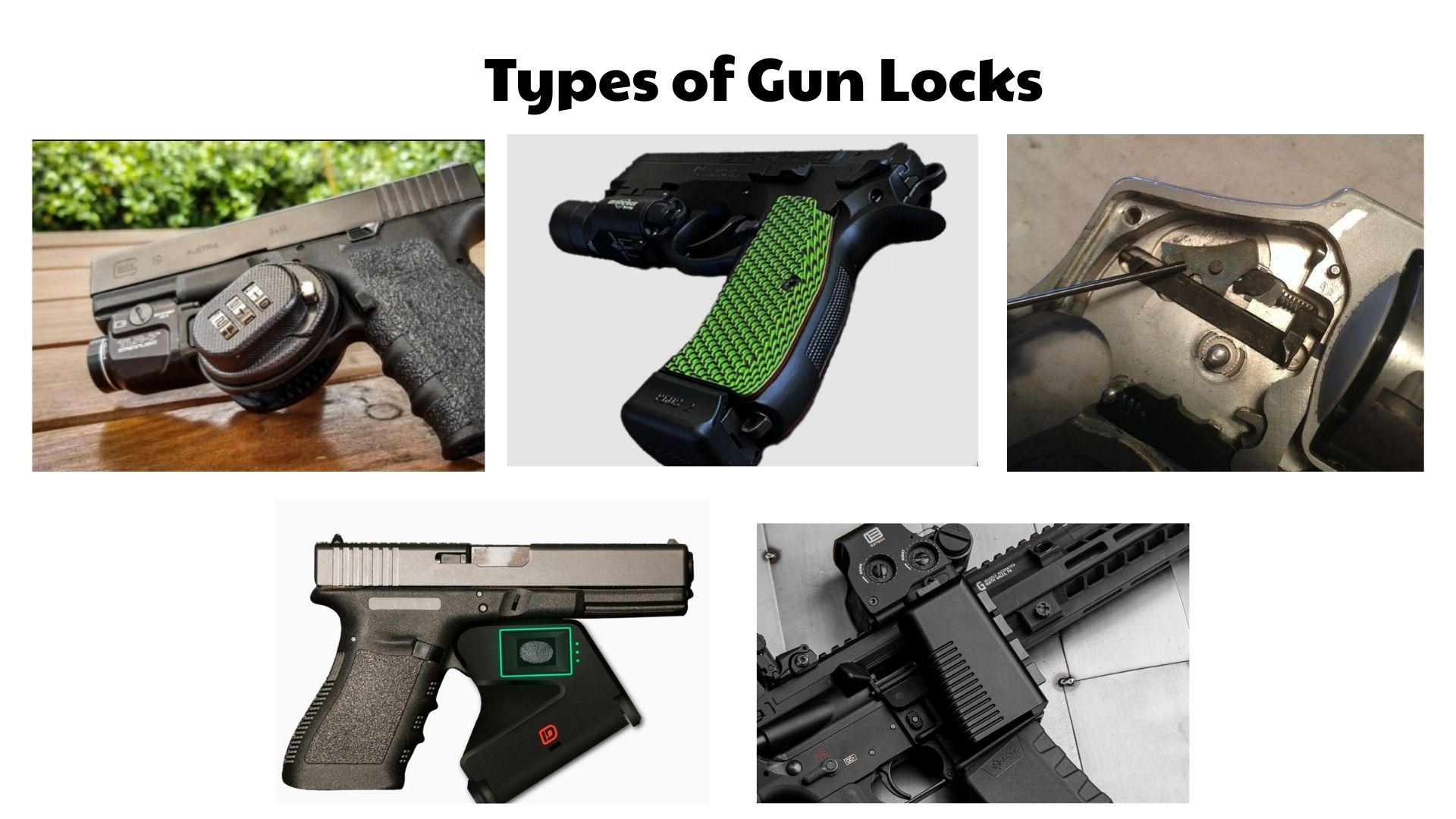
When it comes to responsible firearm ownership, choosing the right safety device matters just as much as selecting the firearm itself. Gun locks are designed to prevent unauthorized access, reduce accidental discharge risks, and support safe storage practices at home, on the road, or during transport. This guide explores the most reliable and widely used types of gun locks, explaining how each design works, what situations it suits best, and why different firearm owners may prefer one option over another. Whether you are a first-time gun owner, a parent focused on household safety, or an experienced shooter upgrading your storage setup, understanding gun locks helps you make informed, practical decisions that align with both safety standards and legal expectations.
1. Trigger Lock
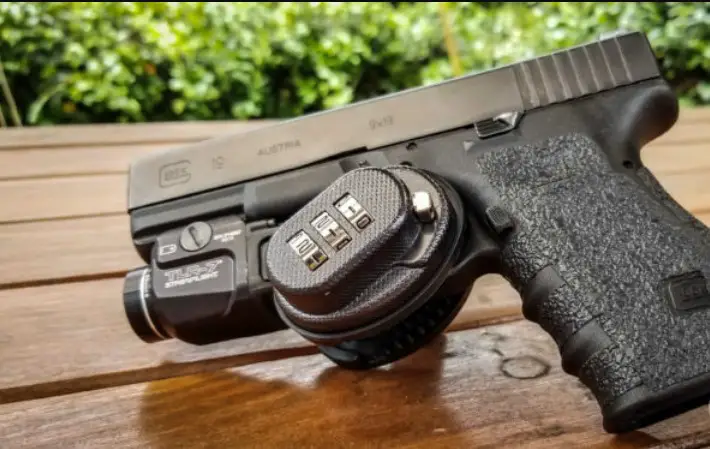
A trigger lock is one of the most recognizable and widely used gun locks, largely because of its simple design and ease of use. This lock clamps directly over the trigger guard, preventing the trigger from being pulled. By immobilizing the trigger mechanism itself, the firearm cannot be fired unless the lock is removed. Trigger locks are commonly included with new firearm purchases and are often recommended for basic at-home safety.
One of the key advantages of a trigger lock is accessibility. Installation typically requires only seconds and minimal technical knowledge. Most models use either a keyed mechanism or a combination dial, allowing owners to choose between traditional physical keys or keyless convenience. This simplicity makes trigger locks popular among casual firearm owners who want a straightforward solution without modifying their firearm or investing in bulky storage equipment.
Trigger locks are compatible with many handgun and long gun designs, although compatibility can vary depending on trigger guard size and shape. Modern designs often include rubberized padding to prevent scratches or cosmetic damage to the firearm’s finish. This feature appeals to collectors and owners who value the appearance of their firearms as much as functionality.
However, trigger locks also have limitations that responsible owners should understand. Because the lock is external, it does not secure the action or chamber of the firearm. This means a firearm could still be loaded when locked, which is why most safety experts recommend unloading the firearm completely before applying a trigger lock. Additionally, some firearms with very small trigger guards or unconventional designs may not accept standard trigger locks safely.
From a legal and educational standpoint, trigger locks are frequently promoted in firearm safety programs and child-access prevention initiatives. They offer a visible reminder that a firearm is secured, which can be reassuring in households with children or guests. While not a substitute for a full safe, trigger locks serve as a practical entry-level safety measure and are often used in combination with other storage solutions.
Overall, trigger locks are best suited for owners seeking an affordable, quick-to-use safety option for short-term storage or travel. They represent a balance between accessibility and basic protection, making them a foundational component among the various types of gun locks available today.
2. Cable Lock
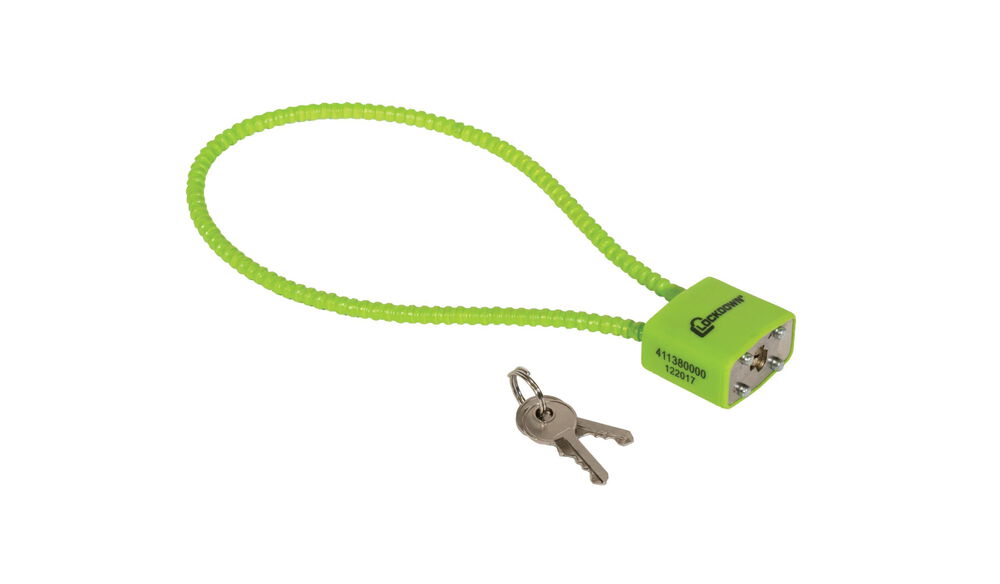
Cable locks offer a versatile and highly adaptable approach to firearm security, making them one of the most commonly recommended safety devices by manufacturers and safety organizations. This type of gun lock uses a steel cable, often coated with vinyl or polymer, that threads through the firearm’s action or chamber, physically preventing it from being fired.
The defining strength of a cable lock lies in its flexibility. Unlike trigger locks, cable locks engage the internal mechanism of the firearm, ensuring that it cannot be loaded or discharged while secured. This makes them particularly effective for preventing accidental firing, even if someone attempts to manipulate the trigger. Cable locks are widely compatible with pistols, rifles, and shotguns, which adds to their popularity among owners with multiple firearm types.
Installation typically involves opening the firearm’s action, feeding the cable through the chamber or magazine well, and securing the lock at the opposite end. This process visually confirms that the firearm is unloaded and disabled, reinforcing safe handling habits. Many owners appreciate this added layer of reassurance, especially in shared living spaces.
Cable locks are available in both keyed and combination formats, allowing users to choose based on personal preference. Combination cable locks are particularly popular for travel or range use, as they eliminate the risk of losing a key. The cable itself is usually long enough to secure multiple firearms together or anchor a firearm to a fixed object, offering flexibility beyond simple locking.
Despite their strengths, cable locks are not without drawbacks. Because they rely on exposed cables, they may not offer the same level of theft resistance as hardened safes or lock boxes. Additionally, repeated use without proper care can lead to wear on the firearm’s finish if protective coatings degrade over time.
In terms of safety education and compliance, cable locks are often distributed through firearm safety programs and are recognized for their effectiveness in preventing unauthorized use. Their visibility also acts as a deterrent, signaling that the firearm is intentionally secured.
Cable locks are an excellent choice for owners seeking a balance between affordability, adaptability, and internal firearm disabling. As part of the broader landscape of gun locks, they stand out for their compatibility across firearm platforms and their emphasis on chamber-level safety.
3. Chamber Lock
A chamber lock is a specialized firearm safety device designed to block the chamber directly, making it physically impossible for a round to be seated or fired. Unlike external locks, chamber locks interact with the most critical part of the firearm’s firing process, which gives them a strong reputation for mechanical reliability and safety. This type of gun lock is commonly used by instructors, ranges, and collectors who want a highly visible and function-focused safety solution.
The basic concept behind a chamber lock is straightforward. The device is inserted into the chamber, where a cartridge would normally sit, and then expanded or secured so it cannot be removed without a key or tool. Because the chamber is obstructed, the firearm cannot be loaded, cycled, or fired in any normal way. This makes chamber locks especially effective for training environments or situations where firearms are frequently handled but must remain completely inoperable.
One of the biggest advantages of a chamber lock is clarity. Anyone inspecting the firearm can immediately see that the chamber is blocked, which reduces uncertainty and reinforces safe handling practices. This visual confirmation is particularly valuable in educational settings or shared storage spaces where multiple people may interact with the firearm.
Chamber locks are typically firearm-specific, meaning they are designed for certain calibers or action types. While this can limit versatility compared to cable locks, it also ensures a precise fit and secure placement. Many designs are made from hardened steel or reinforced alloys, offering durability and resistance to tampering.
However, chamber locks are not ideal for all use cases. Because they require access to the chamber, they may not be suitable for firearms with complex actions or limited chamber access. Additionally, they are generally intended for storage and safety demonstration rather than rapid-access defensive scenarios.
As part of the broader range of types of gun locks, chamber locks excel in environments where safety visibility and mechanical certainty are top priorities. They offer peace of mind through direct interaction with the firearm’s core function, making them a trusted option for responsible owners focused on education and controlled storage.
4. Magazine Lock
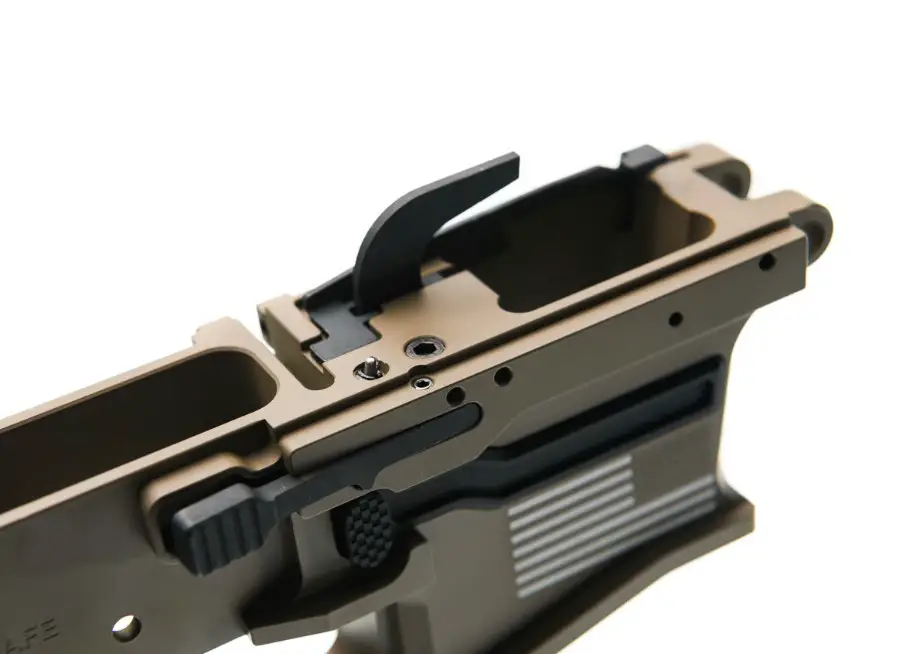
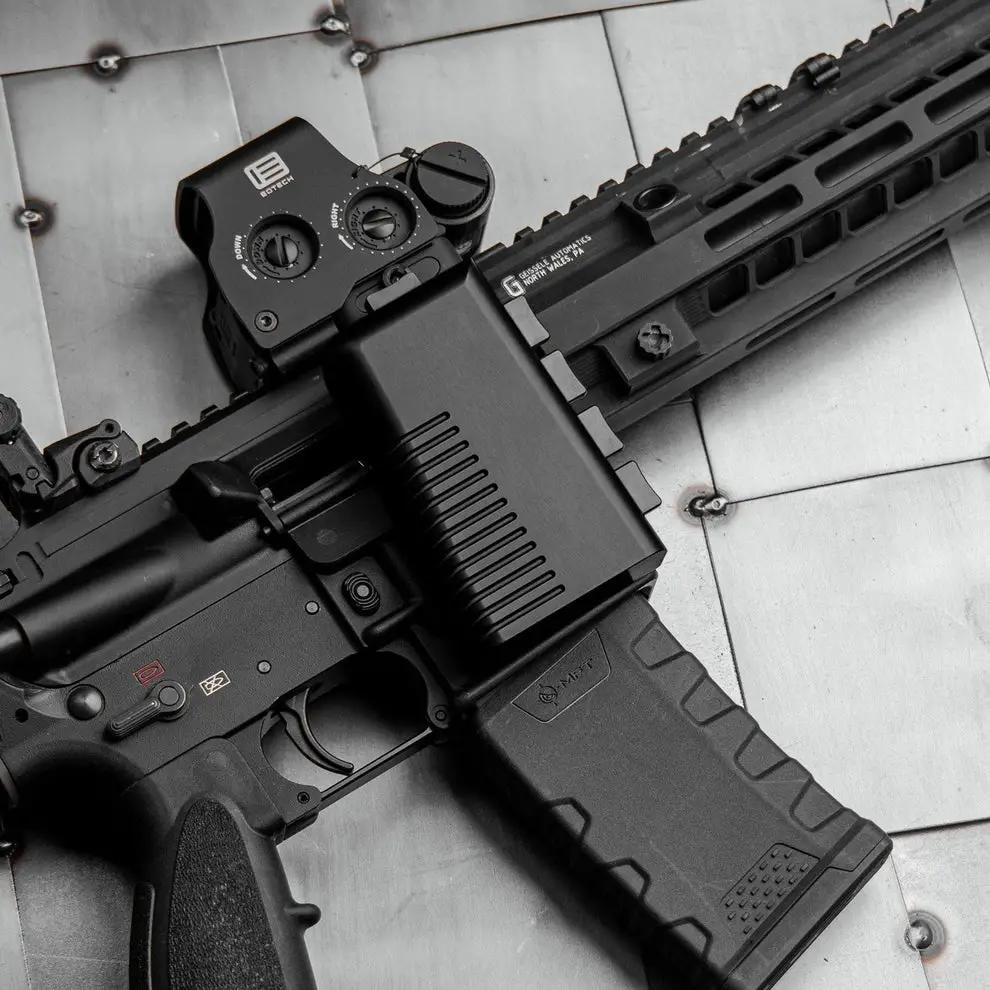
A magazine lock focuses on disabling a firearm by preventing magazine insertion or removal, depending on the design. This type of gun lock is more commonly associated with semi-automatic firearms that rely on detachable magazines for feeding ammunition. By interfering with the magazine system, the firearm is rendered non-functional for practical use.
Magazine locks are often used in jurisdictions with specific compliance requirements, as well as by owners who want to prevent rapid reloading or unauthorized firing. Some designs replace or block the magazine release mechanism, while others physically obstruct the magazine well. In either case, the firearm cannot operate as intended without removing the lock.
The appeal of a magazine lock lies in its targeted approach. Rather than locking the trigger or chamber, it addresses the feeding system, which is central to semi-automatic operation. This makes it particularly effective for modern sporting rifles and pistols that depend on detachable magazines.
From a safety perspective, magazine locks reduce the risk of accidental discharge by limiting ammunition access. Even if a round is chambered, the inability to insert or cycle a magazine significantly restricts firearm operation. This feature is especially useful for storage in environments where full disassembly is not practical.
That said, magazine locks are not universally compatible. They are often model-specific and may require professional installation or modification. This can be a barrier for casual owners who prefer plug-and-play solutions. Additionally, magazine locks are not always visible externally, which means they may not provide immediate visual confirmation of a secured firearm.
Within the landscape of gun locks, magazine locks serve a niche but important role. They are best suited for semi-automatic firearms and owners who prioritize compliance, controlled functionality, and system-level security over universal compatibility.
5. Action Lock
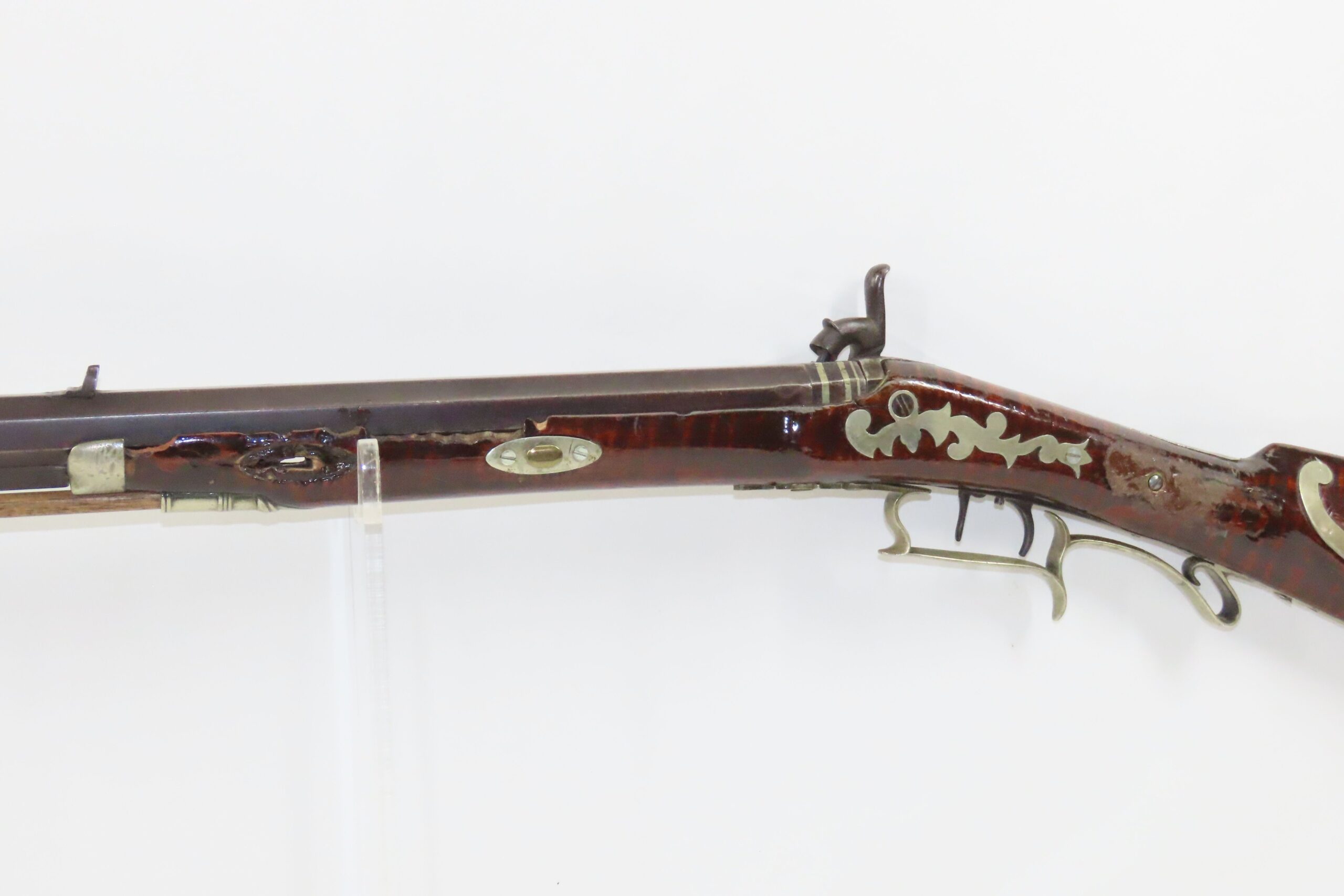
An action lock secures a firearm by immobilizing its action, preventing it from being cycled or fired. This type of gun lock works by blocking the bolt, slide, or other moving components that are essential to loading and firing a round. Because it directly interferes with the firearm’s operating system, an action lock provides a strong level of mechanical security.
Action locks are commonly used with rifles and shotguns, particularly bolt-action and semi-automatic designs. By locking the action open or closed, the firearm cannot chamber a round or complete the firing sequence. This makes action locks a popular choice for storage, transport, and display purposes.
One of the major benefits of an action lock is that it encourages safe storage practices. Many designs lock the action in an open position, making it immediately clear that the firearm is unloaded and inoperable. This visual and mechanical assurance is valuable in households with varying levels of firearm familiarity.
Action locks are typically made from durable metals and are designed to resist tampering. Some models integrate directly with the firearm’s existing components, offering a clean and secure fit. Others are removable and require a key or combination to disengage.
The main limitation of action locks is compatibility. Because firearm actions vary widely, action locks are often designed for specific platforms or action types. This means owners may need different locks for different firearms, which can increase cost and complexity.
Despite these considerations, action locks remain a trusted option among experienced owners. They strike a balance between visibility, mechanical effectiveness, and durability, making them a solid choice within the diverse range of types of gun locks available today.
6. Grip Lock
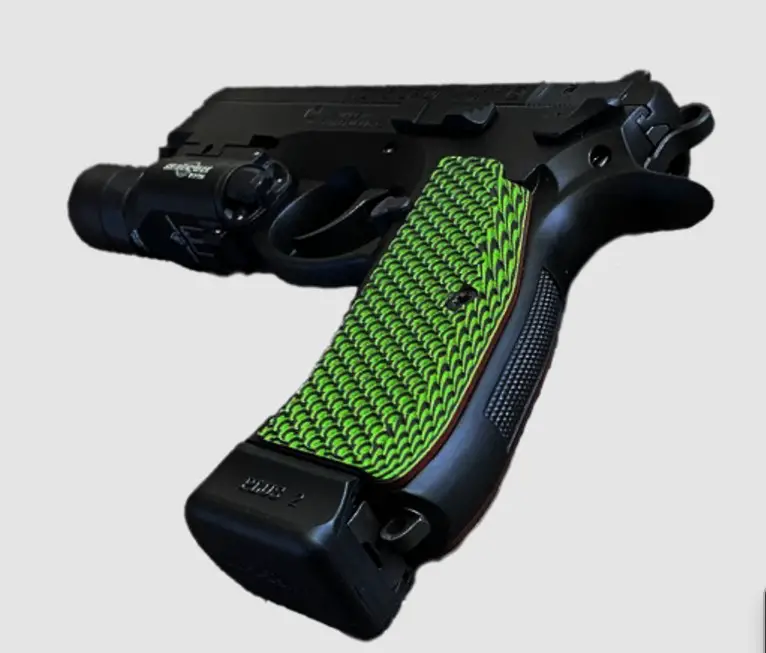
A grip lock is a firearm safety device designed to immobilize the grip area, preventing the firearm from being held or operated in a normal firing position. Unlike trigger locks that focus on the trigger itself, grip locks encase or block the grip, making it physically difficult or impossible to achieve a proper hold. This approach addresses firearm usability at a more fundamental level, which is why grip locks are often favored for handguns kept in shared living environments.
The core idea behind a grip lock is to disrupt ergonomics. Firearms are engineered to be controlled through the grip, and by disabling this contact point, the weapon becomes functionally useless. Most grip locks are made from reinforced polymer or metal-reinforced composites and are secured with a key or combination mechanism. Once locked, the firearm cannot be comfortably or safely held, much less fired.
One advantage of grip locks is their adaptability. Many designs are adjustable to fit a range of handgun sizes and grip shapes, from compact pistols to full-size duty handguns. This makes them more versatile than chamber locks or action locks, which are often caliber- or platform-specific. For owners with multiple handguns, a single grip lock can sometimes serve several firearms.
Grip locks also offer a degree of visual deterrence. When installed, the firearm looks clearly disabled, which can discourage unauthorized handling. This is especially valuable in homes with guests, older children, or individuals unfamiliar with firearms. The lock communicates safety at a glance without requiring technical knowledge to understand its function.
However, grip locks are not without limitations. Because they do not always block the trigger or chamber directly, they may be less secure against determined tampering compared to more invasive locking systems. Additionally, some grip locks can interfere with firearm finishes if improperly fitted or overtightened.
Within the broader category of types of gun locks, grip locks occupy a middle ground. They emphasize usability prevention rather than internal mechanical blockage, making them a practical and user-friendly option for everyday storage scenarios.
7. Cable-and-Padlock Combination Lock
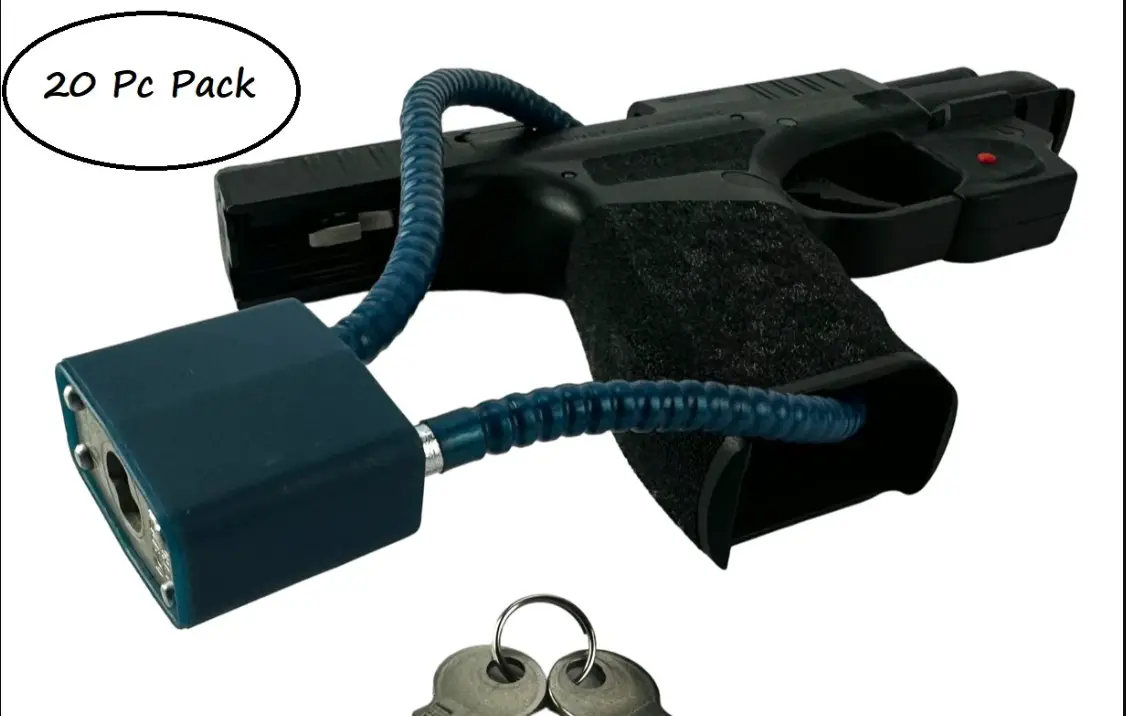
A cable-and-padlock combination lock blends the flexibility of a cable lock with the familiarity of a traditional padlock mechanism. This type of gun lock threads a steel cable through the action or magazine well of a firearm and secures it using a keyed or combination padlock. The result is a simple, adaptable, and widely recognized safety solution.
The strength of this design lies in its modularity. Owners can choose cable length, thickness, and lock type based on their specific needs. This makes cable-and-padlock combinations suitable for a wide range of firearms, including pistols, rifles, and shotguns. It is also a popular choice for temporary storage or transport.
From a practical standpoint, these locks are easy to install and remove. The cable is inserted through a critical opening in the firearm, ensuring that it cannot be loaded or fired. Once locked, the firearm’s action is effectively disabled without requiring permanent modification or disassembly.
Another advantage is accessibility. Combination padlocks eliminate the need for keys, reducing the risk of loss while still providing controlled access. This can be especially useful for owners who want quick access for authorized users while maintaining safety standards.
On the downside, cable-and-padlock locks can be bulkier than integrated locking systems. The exposed cable may also be vulnerable to cutting if low-quality materials are used. For this reason, selecting hardened steel cables and reputable lock mechanisms is critical.
Despite these drawbacks, this lock type remains a staple among gun owners. Its balance of affordability, flexibility, and ease of use makes it a reliable entry in the lineup of gun locks.
8. Integrated Internal Lock
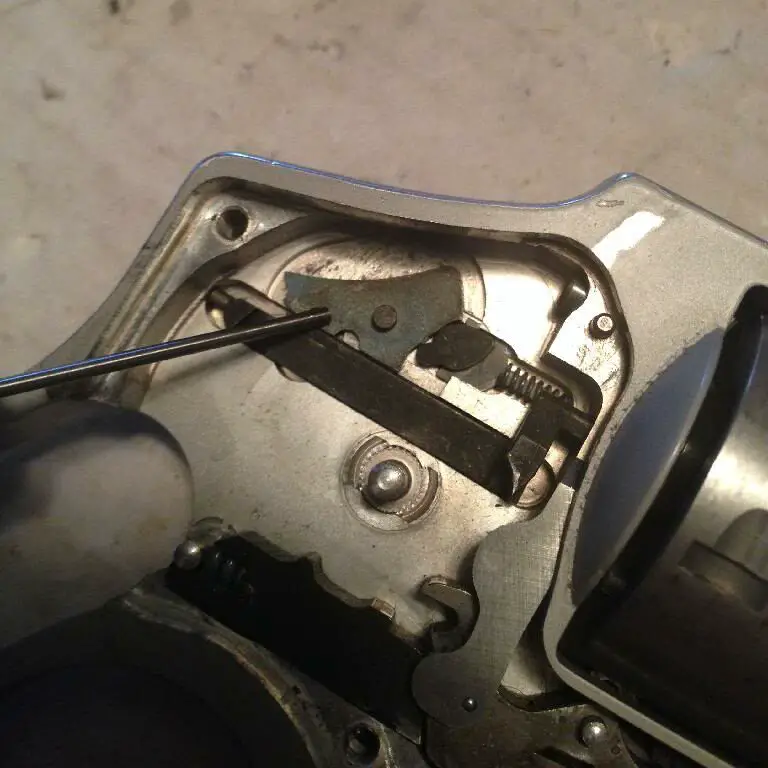
An integrated internal lock is built directly into the firearm by the manufacturer, offering a seamless and permanent safety solution. These locks are typically activated using a proprietary key and are designed to block the firing mechanism internally. Because they are factory-installed, they do not alter the external profile of the firearm.
The primary benefit of an internal lock is convenience. There is no additional accessory to install, remove, or store. When engaged, the firearm is mechanically disabled from the inside, preventing firing regardless of external manipulation. This makes internal locks appealing to owners who value simplicity and clean design.
Internal locks are often found on revolvers and certain semi-automatic pistols. They usually block the hammer or trigger linkage, rendering the firearm inert. When disengaged, the firearm functions normally without interference from external devices.
However, internal locks are not universally popular. Some firearm enthusiasts express concerns about long-term reliability or unintended engagement. Others prefer external locks that can be visually confirmed or removed entirely.
From a safety perspective, internal locks are effective for storage but less ideal for environments requiring visible confirmation of a secured firearm. Because the lock is hidden, it relies on user awareness rather than immediate visual cues.
As part of the wider spectrum of types of gun locks, integrated internal locks represent a manufacturer-driven approach to firearm safety, prioritizing convenience and aesthetics over modular flexibility.
9. Biometric Gun Lock
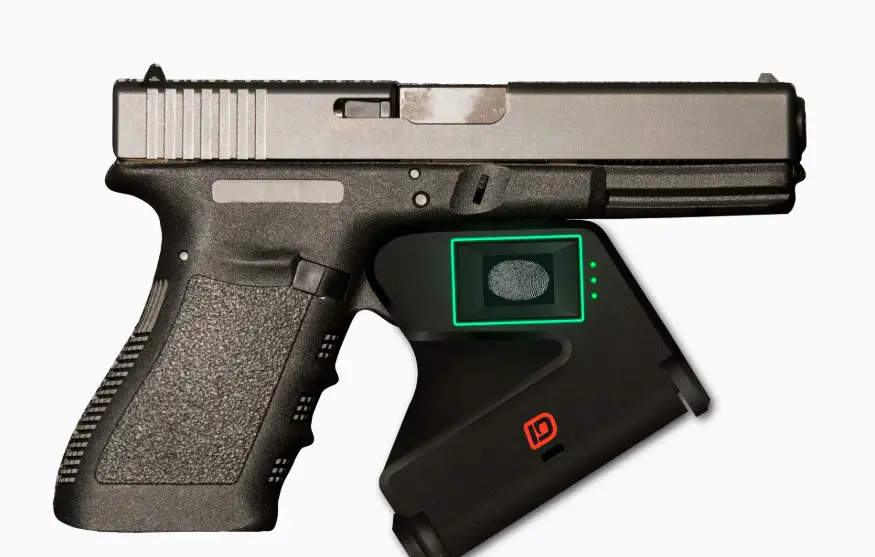
A biometric gun lock uses fingerprint recognition technology to control access to a firearm. This modern locking solution combines electronic security with personalized authorization, allowing only registered users to unlock the firearm. Biometric locks are increasingly popular among owners seeking quick access without sacrificing safety.
The main appeal of biometric locks is speed. Unlike traditional key or combination locks, fingerprint recognition allows near-instant unlocking for authorized users. This makes biometric locks suitable for defensive firearms that must remain secure but accessible.
Biometric gun locks are available in several forms, including trigger locks, cable locks, and lock boxes. The core technology remains the same: a sensor scans the fingerprint and disengages the lock if a match is detected. Many models also include backup access methods, such as PIN codes or physical keys.
Reliability is a key consideration. High-quality biometric locks are designed to function in a range of conditions, but factors like dirty sensors or low battery power can affect performance. Regular maintenance and battery checks are essential for dependable operation.
Despite these considerations, biometric locks offer a compelling blend of security and convenience. They reduce the risk of unauthorized access while minimizing delays for approved users.
In the evolving landscape of gun locks, biometric options represent a shift toward personalized, technology-driven safety solutions.
10. Smart App-Controlled Gun Lock

A smart app-controlled gun lock is the most technologically advanced option among modern firearm safety devices. These locks connect to a smartphone application via Bluetooth or Wi-Fi, allowing users to lock, unlock, and monitor firearm access remotely. This approach integrates firearm safety into the broader smart home ecosystem.
The defining feature of app-controlled locks is control. Users can manage access permissions, receive alerts, and track usage history directly from their mobile devices. This is particularly useful for owners who want detailed oversight of firearm security.
Smart gun locks often include multiple access methods, such as biometric authentication, PIN codes, and physical keys. This redundancy ensures functionality even if the app or network connection is unavailable.
Security concerns are naturally part of the conversation. Reputable smart lock manufacturers employ encryption and secure authentication protocols to protect against unauthorized digital access. As with any connected device, keeping software updated is essential.
These locks are best suited for tech-savvy owners who value integration and monitoring. They may not appeal to traditionalists who prefer purely mechanical solutions, but they offer unmatched customization and insight.
As the final entry among common types of gun locks, smart app-controlled locks highlight the future direction of firearm safety—where technology, personalization, and responsible ownership intersect.
Conclusion
Choosing the right gun lock is a fundamental part of responsible firearm ownership. Across the different types of gun locks, each design reflects a balance between safety, accessibility, and practicality. From traditional mechanical solutions like cable locks and trigger locks to modern innovations such as biometric and smart app-controlled systems, every option serves a specific purpose and user profile.
No single lock is universally “best.” A household with children may prioritize visible, tamper-resistant locks, while a defensive firearm owner might value rapid access through biometric technology. Integrated internal locks offer simplicity, while external locks provide flexibility and clear visual confirmation. Understanding how each lock functions allows owners to match the device to their firearm type, storage environment, and daily routine.
Ultimately, gun locks are not just accessories; they are safety tools that reduce the risk of accidents, unauthorized use, and theft. When combined with proper training, secure storage habits, and respect for local laws, the right locking solution becomes part of a broader culture of safe firearm handling. By investing time in selecting and using an appropriate gun lock, owners take an important step toward protecting themselves, their families, and the community around them.
Frequently Asked Questions About Gun Locks
1. What is a gun lock?
A gun lock is a safety device designed to prevent a firearm from being fired or accessed by unauthorized users. It physically blocks the trigger, action, chamber, or firing mechanism depending on the lock type.
2. Why are gun locks important?
Gun locks reduce the risk of accidental discharge, unauthorized use, theft, and misuse by children or untrained individuals. They are a core element of responsible firearm ownership.
3. Are gun locks required by law?
In some countries, states, or regions, gun locks are legally required, especially in homes with minors. Laws vary widely, so firearm owners should always check local regulations.
4. What are the main types of gun locks?
Common types include trigger locks, cable locks, chamber locks, action locks, magazine locks, biometric locks, and integrated internal locks.
5. What is a trigger lock?
A trigger lock clamps around the trigger guard, preventing the trigger from being pulled. It is simple, visible, and commonly used for basic safety.
6. Are trigger locks safe for all firearms?
Trigger locks are not recommended for firearms with exposed triggers that could still be manipulated or for loaded guns, as installation may pose a risk.
7. What is a cable lock?
A cable lock uses a steel cable threaded through the action or chamber, preventing the firearm from being loaded or fired.
8. Are cable locks reliable?
Cable locks are reliable for preventing immediate use, though they are generally considered less resistant to forced removal than heavy-duty locks.
9. What is a chamber lock?
A chamber lock blocks the chamber directly, ensuring no ammunition can be loaded into the firearm.
10. Do chamber locks work with all calibers?
Most chamber locks are caliber-specific, so choosing the correct size is essential for proper fit and function.
11. What is an action lock?
An action lock immobilizes the firearm’s operating mechanism, such as the bolt or slide, preventing cycling or firing.
12. Are action locks suitable for rifles and shotguns?
Yes, action locks are commonly used on bolt-action rifles, semi-automatic firearms, and shotguns.
13. What is a magazine lock?
A magazine lock prevents insertion or removal of a magazine, rendering magazine-fed firearms inoperable.
14. Do magazine locks affect firearm function?
They do not permanently alter function but restrict magazine use while installed.
15. What is a biometric gun lock?
A biometric gun lock uses fingerprint recognition to allow authorized access while denying others.
16. Are biometric gun locks reliable?
Modern biometric locks are generally reliable, though they require battery maintenance and proper sensor care.
17. Can biometric locks fail?
Like all electronic devices, biometric locks can fail due to low batteries, sensor damage, or environmental conditions.
18. What is a smart gun lock?
A smart gun lock connects to a mobile app via Bluetooth or Wi-Fi, allowing remote monitoring and access control.
19. Are smart gun locks secure?
They offer advanced features but depend on software security, making regular updates important.
20. What is an integrated internal gun lock?
This type is built directly into the firearm, often activated by a key or internal mechanism.
21. Are internal locks permanent?
They are built-in but can usually be disengaged; however, removal may require a gunsmith.
22. Which gun lock is best for homes with children?
Biometric locks, combination locks, and cable locks combined with secure storage are commonly recommended.
23. Can gun locks prevent theft?
They help reduce misuse after theft but are most effective when combined with safes or secure storage.
24. Are gun locks difficult to install?
Most gun locks are designed for easy installation without tools, though care is required.
25. Should firearms be unloaded before applying a lock?
Yes, firearms should always be unloaded and checked before installing any gun lock.
26. Can gun locks damage firearms?
Improper installation or low-quality locks may cause cosmetic wear, but quality locks minimize risk.
27. How long do gun locks last?
Mechanical locks can last many years, while electronic locks depend on battery life and component durability.
28. Do gun locks require maintenance?
Mechanical locks need occasional lubrication, while electronic locks require battery replacement.
29. Can one lock fit multiple firearms?
Cable locks are often versatile, while trigger and chamber locks are more firearm-specific.
30. Are gun locks visible deterrents?
Yes, visible locks like trigger locks can discourage tampering or unauthorized handling.
31. What is a combination gun lock?
A combination gun lock uses a numeric code instead of a key for access.
32. Are key-based locks safe?
They are effective but require secure key storage to avoid unauthorized access.
33. Can gun locks be used for transport?
Yes, many gun locks are suitable for securing firearms during transport.
34. Do airlines require gun locks?
Airlines often require firearms to be unloaded and locked in approved hard cases.
35. Are gun locks childproof?
No lock is fully childproof, but proper use significantly reduces risk.
36. Can gun locks slow emergency access?
Some locks may add seconds to access time, which is why quick-access options are popular.
37. What is a mechanical gun lock?
A mechanical lock uses physical components like keys or combinations, without electronics.
38. Are mechanical locks more reliable than electronic ones?
Mechanical locks are less affected by power issues, while electronic locks offer faster access.
39. Do gun locks affect accuracy?
No, when removed properly, gun locks do not affect firearm accuracy.
40. Can gun locks be reused?
Yes, most gun locks are reusable across compatible firearms.
41. Are free gun locks available?
Many law enforcement agencies and safety programs offer free or discounted gun locks.
42. Do gun safes replace gun locks?
Gun safes provide secure storage, but additional locks can add another safety layer.
43. What lock is best for pistols?
Trigger locks, cable locks, and biometric locks are commonly used for handguns.
44. What lock works best for rifles?
Cable locks and action locks are popular choices for rifles.
45. Can gun locks be picked?
Like any lock, some can be picked, but quality designs make unauthorized access difficult.
46. Do gun locks comply with safety training standards?
Most safety programs encourage or require the use of approved gun locks.
47. How do I choose the right gun lock?
Consider firearm type, household environment, access speed needs, and legal requirements.
48. Are gun locks waterproof?
Most mechanical locks tolerate moisture, while electronic locks may have environmental limits.
49. Can gun locks fail over time?
Wear, corrosion, or electronic failure can occur, making periodic inspection important.
50. Should every firearm have a lock?
Best practice recommends securing every firearm when not in use.
51. Do gun locks replace training?
No, gun locks complement training but do not replace safe handling education.
52. Are gun locks effective for long-term storage?
Yes, especially when paired with proper storage conditions to prevent corrosion.
53. Can gun locks be used on loaded firearms?
This is strongly discouraged due to safety risks.
54. Are gun locks universally sized?
No, some locks are firearm or caliber-specific.
55. Do gun locks affect resale value?
Using gun locks generally does not negatively affect resale value and may reflect responsible ownership.