
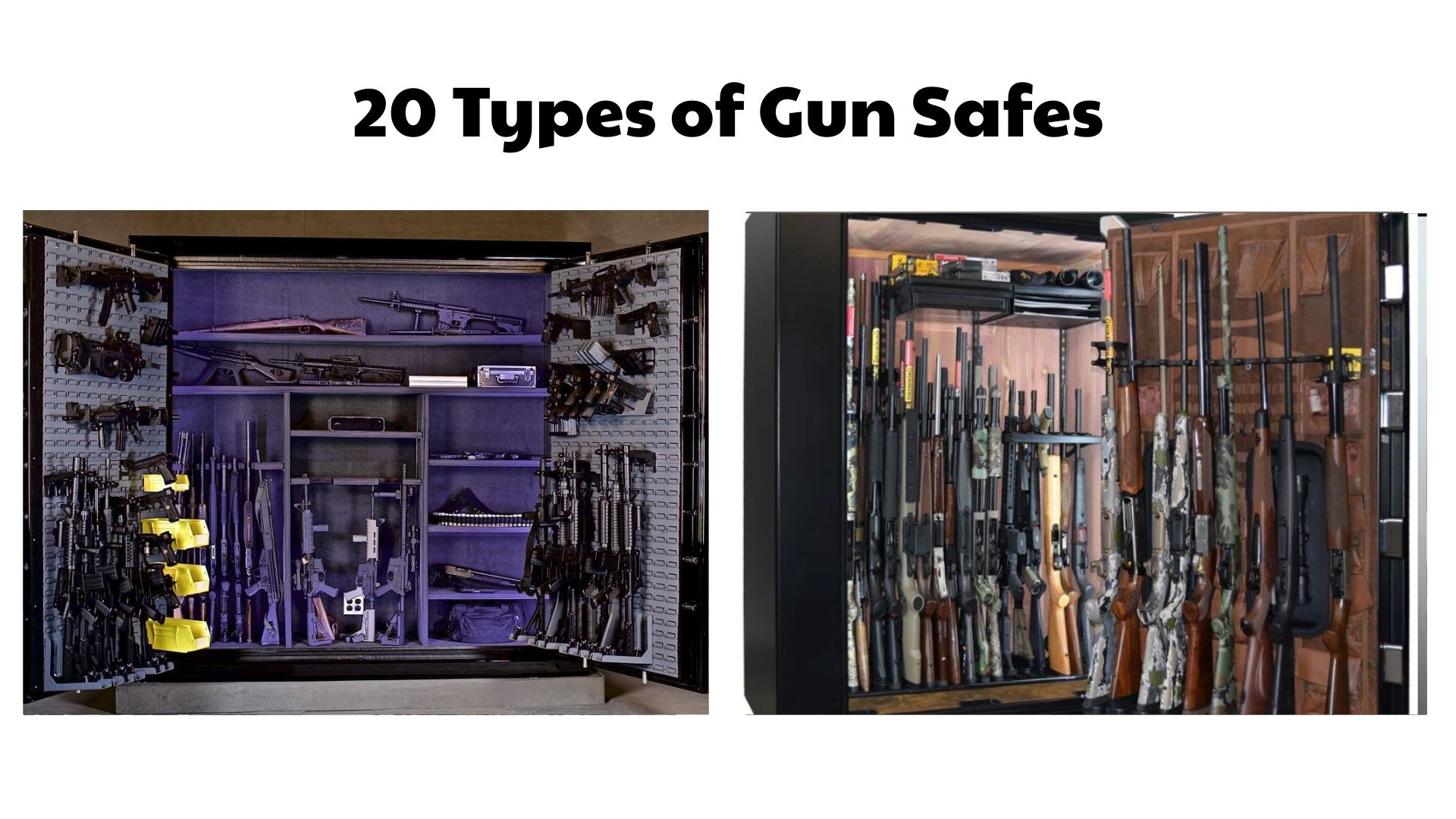
Gun safes are essential for keeping firearms secure, organized, and protected from theft, fire, or accidental access. With so many designs and features available, choosing the right safe can be overwhelming. This guide explores 20 types of gun safes in detail, covering their mechanisms, advantages, and typical uses. Each type is explained with clarity to help you decide which one fits your lifestyle, whether you need a safe for a single handgun, multiple rifles, or a large collection. By the end, you’ll understand the differences between biometric, in-wall, vehicle, and other specialized safes, giving you confidence in securing your firearms safely and efficiently.
20 Types of Gun Safes
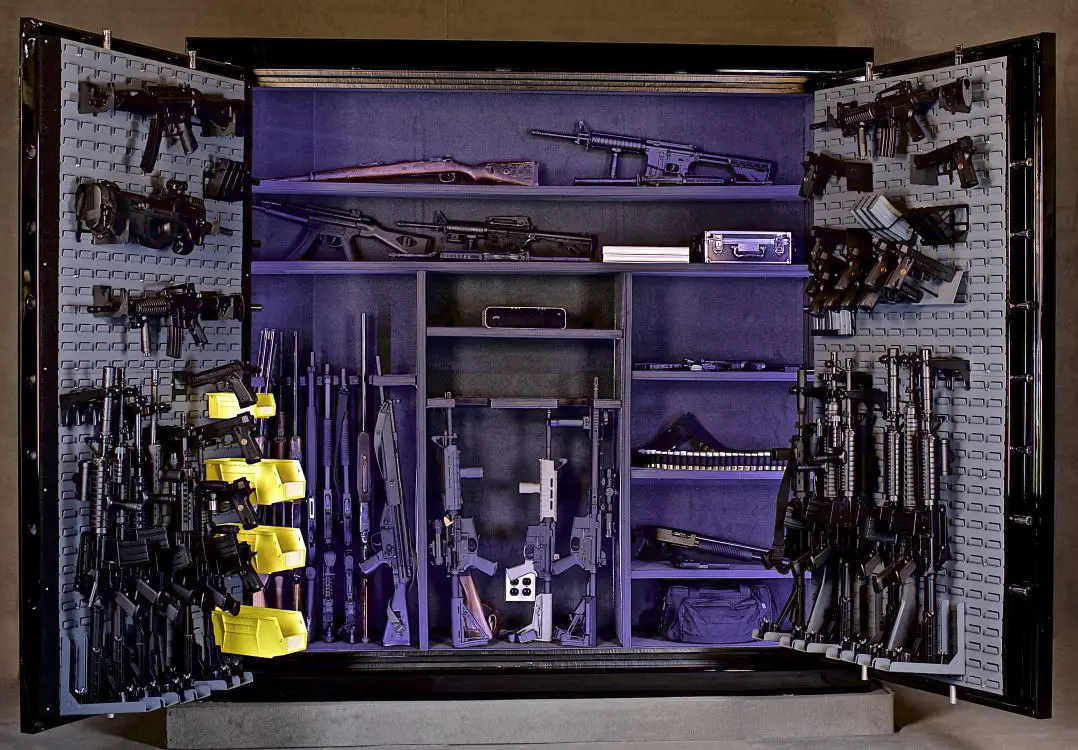
1. Biometric Gun Safe
Biometric gun safes are among the most modern and user-friendly options available. They rely on fingerprint recognition technology to grant access, eliminating the need for keys or combination codes. For gun owners seeking fast and secure access, this type of safe offers a significant advantage. Typically, a biometric safe can store multiple fingerprints, allowing access for family members or trusted individuals while preventing unauthorized entry.
The construction of biometric gun safes usually includes steel walls and a secure locking mechanism that is resistant to tampering. Inside, the safe often features adjustable racks or foam lining to protect firearms from scratches. Many models also include backup keys or override codes in case of power failure or sensor issues. The access time for a quality biometric safe is extremely fast, often under one second, which can be crucial in home defense situations.
Biometric safes vary in size from compact handgun models to larger long-gun versions. Some advanced models integrate with home automation systems, providing alerts when the safe is accessed. The technology is continuously improving, with modern sensors capable of distinguishing between real and fake fingerprints, reducing the risk of accidental access. Maintenance is generally simple—keeping the sensor clean and replacing batteries periodically ensures reliable operation.
While the price point is higher than basic keyed or combination safes, the convenience, speed, and advanced security make biometric gun safes a worthwhile investment. They are ideal for homeowners who value quick access without compromising safety and for families who need to keep firearms away from children. Overall, biometric gun safes represent the cutting edge of firearm security, combining technology with solid construction.
2. Fireproof & Waterproof Gun Safe
Fireproof and waterproof gun safes provide an extra layer of protection against environmental hazards. These safes are designed to withstand high temperatures during a fire and prevent water intrusion in case of flooding or sprinkler system activation. Homeowners with valuable firearms, documents, and other sensitive items often choose this type of safe for its comprehensive protection.
The fireproof rating of a safe is usually measured in minutes at specific temperatures, often ranging from 30 minutes to several hours. The construction includes multiple layers of insulation, steel walls, and specialized door seals. Waterproof safes incorporate gaskets and sealing systems to prevent water entry, ensuring that firearms and paper documents remain dry even in severe conditions.
Inside, these safes often feature modular racks, foam padding, or adjustable shelving to keep firearms organized and protected from impact. Many models also include electronic or mechanical locking systems, offering a combination of convenience and security. Regular maintenance includes checking seals, replacing batteries if the lock is electronic, and occasionally inspecting the safe for damage or wear.
The primary advantage of fireproof and waterproof gun safes is peace of mind. Fire and water are unpredictable, and without such protection, firearms and other valuables can be irreversibly damaged. These safes are typically heavier and more expensive than standard safes, but their ability to protect against extreme events makes them an investment worth considering. Many gun owners also appreciate the durability and long lifespan associated with these reinforced safes.
Fireproof and waterproof safes are ideal for families, collectors, or anyone who wants comprehensive protection. They balance security, environmental protection, and organization, making them one of the most practical and versatile types of gun safes available today.
3. In-Wall Gun Safe
In-wall gun safes are designed to be installed flush with a wall, offering discreet storage for firearms. These safes are ideal for homeowners who want quick access without sacrificing security or aesthetics. Unlike traditional floor safes or free-standing models, in-wall safes are hidden behind a painting, mirror, or cabinet, making them difficult to detect.
Installation typically involves cutting an opening in a stud wall and securing the safe to wall studs with bolts. This provides both stability and a degree of protection against tampering. The construction of in-wall safes includes reinforced steel, tamper-proof locks, and a door designed to blend seamlessly with interior decor. Some models are also fire-rated, providing additional protection for the contents.
Inside, in-wall safes usually feature adjustable racks or foam padding to accommodate different types of firearms, from pistols to rifles. They are often compact compared to traditional safes, so careful planning is required to ensure that the safe can hold all intended firearms comfortably. Some advanced in-wall safes integrate electronic or biometric locks for quick and secure access.
The primary advantage of in-wall gun safes is discretion. Their hidden placement makes them less obvious to intruders while still providing secure storage. They are suitable for bedrooms, offices, or any location where quick access and concealment are priorities. While installation requires planning and possibly professional assistance, the combination of accessibility and stealth makes in-wall safes a popular choice for modern homeowners.
Overall, in-wall gun safes balance security, concealment, and accessibility. They appeal to those who prioritize discretion and quick access, making them a practical solution for a wide range of firearm storage needs.
4. Hidden Gun Cabinet Safe
Hidden gun cabinet safes offer another level of stealth and security, designed to resemble ordinary furniture or household fixtures. Unlike in-wall safes, these models often take the form of bookcases, entertainment centers, or decorative cabinets. The goal is to disguise the safe entirely, reducing the likelihood of detection while providing secure storage.
These safes are typically constructed from steel frames and reinforced materials, with locking mechanisms hidden behind the cabinet’s exterior. Options include electronic keypads, mechanical combination locks, or biometric systems. Inside, shelves and racks keep firearms organized and protected from damage. The design often allows storage of other valuables alongside firearms, providing multi-purpose functionality.
Hidden cabinet safes offer convenience and aesthetics. Because they look like standard furniture, they blend into a room naturally. This type of safe is particularly appealing for homeowners who value interior design or have children in the home, as it adds an extra layer of concealment beyond traditional safes.
Maintenance is straightforward, focusing on keeping the locking mechanism functional and ensuring the cabinet remains stable. While these safes are less portable than small biometric models, they offer better capacity for multiple firearms. The primary advantage is the combination of concealment and secure storage, making hidden gun cabinet safes a favored choice for urban and suburban homes alike.
5. Car/Vehicle Gun Safe
Car or vehicle gun safes are specifically designed for firearm storage while on the move. These safes secure firearms inside cars, trucks, or SUVs, providing theft protection and compliance with legal transport requirements. Typically compact and robust, they are made from steel with reinforced locks and tamper-resistant features.
These safes can be mounted under seats, in the trunk, or other hidden compartments. Some include electronic keypads, combination locks, or biometric access. The primary goal is to prevent unauthorized access while allowing the vehicle owner to retrieve firearms quickly when legally permitted. Many models feature adjustable racks or foam padding to keep firearms secure during travel, preventing movement or damage.
Vehicle gun safes vary in size, accommodating handguns, shotguns, or rifles depending on the model. They are essential for hunters, law enforcement officers, and travelers who need to transport firearms safely. While not suitable as a primary home safe, they offer convenience and compliance with safety laws during transport.
The main advantage of a car gun safe is security during travel. By preventing theft and limiting access, these safes protect firearms while maintaining portability. Maintenance is simple, focusing on lock function and proper mounting. For anyone frequently transporting firearms, a vehicle safe is an invaluable tool, combining practicality with security.
6. Under-Bed Gun Safe
Under-bed gun safes are an excellent choice for firearm owners who need quick access while maintaining discretion. These safes are designed to slide beneath a bed frame, providing hidden storage that is both convenient and secure. Their low-profile design allows them to remain largely invisible to intruders while keeping firearms within easy reach for the owner.
Typically constructed from reinforced steel, under-bed safes feature tamper-resistant locks, including key, combination, or biometric access. Many models include foam-lined interiors or adjustable racks to accommodate handguns, rifles, and other firearms. Some are long enough to fit a standard rifle or shotgun, while smaller models focus solely on handguns and accessories.
The primary advantage of under-bed gun safes is rapid access. In a home-defense scenario, the safe is positioned for immediate retrieval without sacrificing security. Additionally, it keeps firearms out of the hands of children or unauthorized visitors. Maintenance is minimal, usually involving battery replacement for electronic locks or occasional lubrication of mechanical parts.
These safes are particularly popular for bedrooms where stealth and speed are priorities. Despite their discreet appearance, high-quality under-bed safes are robust enough to deter theft, offering peace of mind alongside functionality. They are a practical balance of concealment, security, and accessibility, making them a favorite among responsible gun owners.
7. Heavy-Duty (High-Security) Gun Safe
Heavy-duty or high-security gun safes represent the gold standard in firearm protection. Constructed from thick steel and featuring multiple locking bolts, these safes are designed to resist both forced entry and tampering. They are ideal for serious collectors, families with multiple firearms, or anyone seeking maximum security.
These safes often feature fire and water resistance, adding an extra layer of protection. Inside, adjustable racks, shelves, and foam padding allow for secure storage of long guns, handguns, and accessories. Electronic, mechanical, or biometric locks provide varying levels of access control, with some safes combining multiple locking mechanisms for redundancy.
High-security safes are heavy and require professional installation, but this weight contributes to their resistance against theft. Advanced models may include interior lighting, dehumidifiers, and alarm systems to enhance security and usability. These safes are typically the centerpiece of a firearm storage strategy, offering both physical and environmental protection.
The key advantage of heavy-duty gun safes is peace of mind. They deter break-ins, protect firearms from environmental hazards, and provide organized storage. While they require a larger investment than basic safes, the security and durability make them a practical and long-lasting solution for any gun owner.
8. Corner Gun Safe
Corner gun safes are designed to maximize space in a room while providing secure storage. These safes fit neatly into corners, making them ideal for homes with limited floor space or for owners who want to utilize otherwise unused areas. Despite their compact footprint, corner safes can accommodate multiple rifles, handguns, and accessories.
Construction typically involves thick steel walls, tamper-proof locking bolts, and reinforced doors. The interior features adjustable racks and foam padding to keep firearms organized and protected. Locking options range from mechanical combination locks to electronic keypads and biometric access. Some corner safes are also fire-rated, adding environmental protection.
The main advantage of corner gun safes is space efficiency. By utilizing corners, homeowners can maintain a secure storage solution without cluttering their living area. These safes also offer the same security features as larger free-standing safes, providing a balance between size and protection.
Corner gun safes are popular in apartments, small homes, and offices where space is limited. They offer discreet storage without compromising security, making them a practical choice for any responsible firearm owner seeking both organization and protection.
9. Truck Gun Safe
Truck gun safes are built for firearm owners who need to secure their weapons while traveling. These safes are designed to fit in pickup trucks, SUVs, or utility vehicles, providing a robust storage solution that resists theft and environmental damage. They are particularly popular with hunters, law enforcement officers, and anyone transporting firearms over long distances.
Typically constructed from steel, truck safes feature reinforced locking mechanisms such as electronic keypads, combination locks, or biometric access. They may be bolted to the vehicle’s bed or mounted under seats for stability and security. Interiors often include foam padding or racks to prevent firearm damage during transit.
The primary advantage of truck gun safes is secure mobility. Firearms remain protected while traveling, reducing the risk of theft or accidental access. Many models are compact yet large enough to store rifles, shotguns, or multiple handguns. Additionally, their rugged construction withstands vibrations, bumps, and environmental exposure.
For anyone frequently transporting firearms, a truck safe offers peace of mind. It ensures compliance with legal storage requirements, keeps firearms out of unauthorized hands, and provides convenience without sacrificing security. This combination of portability, durability, and protection makes truck gun safes an essential tool for mobile gun owners.
10. Nightstand/Bedside Gun Safe
Nightstand or bedside gun safes are designed for rapid access in emergencies. Small and compact, these safes can fit on or next to a nightstand, providing firearm storage within arm’s reach. Their discreet design often allows them to blend seamlessly with bedroom furniture while offering high-security protection.
These safes are commonly equipped with biometric or electronic keypad locks, though mechanical options are also available. Interiors are padded or include racks to protect firearms from scratches. Despite their small size, high-quality models are constructed from steel and feature tamper-resistant bolts, ensuring robust security.
The main benefit of bedside safes is accessibility. In situations where immediate access is required, owners can retrieve their firearms quickly without compromising safety. Many models also include features like silent alarms, interior lighting, or quick-open lids for added convenience.
Bedside safes are especially suited for home-defense scenarios or for gun owners with limited mobility. Their discreet, compact design allows them to remain hidden from view, reducing the risk of theft while keeping firearms readily available. This combination of speed, security, and subtlety makes bedside gun safes a popular choice for responsible gun owners.
11. Electronic/Keypad Gun Safe
Electronic or keypad gun safes use a digital code for access, offering a fast and reliable way to secure firearms. They are among the most popular safes for homeowners who want convenience without sacrificing security. Unlike mechanical combination locks, which require manual dialing, electronic locks allow the user to enter a personal code for quick opening. This makes them ideal for emergency access, home defense, or situations where speed is critical.
Construction typically includes reinforced steel walls, tamper-resistant locking bolts, and solid doors. The interior is often padded or includes adjustable racks to prevent scratches and damage to firearms. Many electronic safes come with features like low-battery warnings, auto-locking after a period of inactivity, and override keys in case of malfunction. Some advanced models even offer temporary codes for guests or family members.
The primary advantage of an electronic or keypad safe is speed and convenience. Owners can open the safe in seconds, which is particularly valuable during emergencies. Maintenance involves periodic battery replacement and ensuring the keypad remains clean and functional. These safes vary in size, accommodating anything from a single handgun to multiple long guns with accessories.
Electronic gun safes strike a balance between accessibility and security. Their modern technology, combined with durable construction, makes them suitable for a wide range of firearm owners—from beginners to collectors. They are also versatile, fitting into bedrooms, offices, or closets without drawing attention, making them an excellent choice for contemporary firearm storage.
12. Mechanical Combination Gun Safe
Mechanical combination gun safes rely on traditional dials and internal mechanisms to unlock the safe. Though they lack electronic features, they remain a trusted option for many gun owners due to their reliability, longevity, and resistance to tampering. These safes do not require batteries, ensuring that they remain functional under any circumstances.
Construction is generally robust, with steel walls, reinforced doors, and multiple locking bolts. The interior is often customizable, with foam padding or adjustable racks to protect firearms from scratches and maintain organization. Mechanical combination safes can store multiple firearms securely, including rifles, shotguns, and handguns.
The key advantage of a mechanical combination safe is reliability. There is no risk of dead batteries or electronic malfunction, making them ideal for remote locations or long-term storage. Users must memorize their combination or store it securely to prevent unauthorized access. Some models include emergency override keys for additional security.
Mechanical combination gun safes are particularly popular with traditionalists or collectors who value simplicity and durability. They provide strong physical security and a sense of trustworthiness, ensuring that firearms remain protected over decades of use. Though not as fast as electronic safes for emergency access, they offer peace of mind through proven, time-tested engineering.
13. Keyed Gun Safe
Keyed gun safes are one of the simplest and most accessible firearm storage options. They operate with a physical key, making them easy to use without memorizing combinations or managing electronic codes. Despite their simplicity, high-quality keyed safes can offer robust security when constructed with reinforced steel and tamper-resistant locking bolts.
These safes often include foam padding, adjustable racks, or compartments to organize firearms and accessories. While they may not offer rapid biometric access, they are effective at preventing unauthorized entry. Many keyed safes also include backup key sets, ensuring that access is maintained even if a key is lost.
The primary advantage of a keyed gun safe is simplicity. There is no reliance on batteries, electronics, or complex combinations. This makes them suitable for gun owners who prefer a straightforward, low-maintenance storage solution. However, the security level depends heavily on the quality of the lock and key mechanism, so investing in a reputable model is crucial.
Keyed gun safes are ideal for households that value simplicity, durability, and traditional security. They are also suitable for secondary storage, such as in vehicles, nightstands, or closets, offering a convenient way to secure firearms without the complexities of modern electronics.
14. Redundant Lock Gun Safe
Redundant lock gun safes combine multiple locking mechanisms for enhanced security. These safes may integrate an electronic keypad with a mechanical combination, biometric sensor, or keyed lock. The redundancy ensures that if one locking system fails, the other provides backup security. This design appeals to gun owners who prioritize both access and protection against malfunctions.
Construction is typically heavy-duty, with steel walls, reinforced doors, and multiple locking bolts. Interiors are padded and feature adjustable racks to safely store rifles, handguns, and accessories. Redundant lock safes often include features such as fireproofing, waterproofing, and internal dehumidifiers to protect firearms from environmental hazards.
The main benefit of a redundant lock safe is reliability. It addresses concerns about electronic failure, mechanical issues, or lost keys. The multiple systems allow for flexible access options while maintaining a high level of security. Some models also allow temporary access codes or biometric entry for trusted users, adding versatility to their design.
These safes are particularly suitable for serious collectors, families, and gun owners with valuable firearms who want both convenience and maximum security. The combination of durability, multiple locking systems, and protective features makes redundant lock gun safes a top-tier storage option for modern firearm enthusiasts.
15. Portable/Travel Gun Safe
Portable or travel gun safes are designed for firearm owners who need secure storage on the go. These safes are compact, lightweight, and often feature handles or straps for easy transport. They are ideal for hunters, law enforcement, or anyone traveling with firearms while needing to maintain safety and compliance with legal requirements.
Typically constructed from steel or reinforced materials, portable safes include tamper-resistant locks such as electronic keypads, mechanical combinations, or keyed locks. Interiors are padded or include foam inserts to protect firearms from impact and scratches during transit. Many models are designed to fit under seats, in backpacks, or inside luggage compartments.
The primary advantage of a portable gun safe is mobility combined with security. They allow firearm owners to transport weapons safely while complying with regulations, preventing unauthorized access, and protecting the firearms from damage. Some models include anchor points or cables to secure the safe within a vehicle or to a fixed object.
Portable gun safes are perfect for hunters traveling to remote locations, officers transporting firearms, or individuals attending competitions. Their combination of convenience, durability, and security ensures that firearms remain protected, regardless of location. They represent a practical solution for responsible gun owners who require mobility without compromising safety.
16. Floor Gun Safe
Floor gun safes are installed directly into the floor, providing a discreet and highly secure storage option. By being embedded in the floor, these safes are virtually invisible, making them difficult for intruders to detect. They are ideal for gun owners who value concealment and maximum security while maintaining accessibility. Floor safes are commonly installed in bedrooms, offices, or closets, blending seamlessly into the room.
Construction typically involves thick steel walls, reinforced doors, and tamper-resistant locking bolts. The interior often includes foam lining, adjustable racks, or shelving to safely accommodate rifles, shotguns, and handguns. Many models also include waterproofing to protect firearms from accidental spills or minor flooding, as well as fireproof ratings for added protection.
The main advantage of a floor gun safe is discretion. Unlike free-standing safes, a floor safe is hidden from view and less likely to be targeted during a break-in. They are particularly beneficial for homeowners with children, providing secure storage that is inaccessible without knowledge of the safe’s location and code. Professional installation is recommended to ensure proper mounting and stability.
Floor gun safes offer an excellent combination of concealment, durability, and environmental protection. They are a practical solution for responsible gun owners who prioritize stealth and robust security for their firearms collection. While installation may require effort, the long-term benefits make them a worthwhile investment.
17. Vault-Style Gun Safe (Walk-In)
Vault-style or walk-in gun safes are designed for serious collectors or institutions with large firearm collections. These safes resemble small rooms or vaults, offering maximum storage, security, and organization. They are typically constructed with reinforced steel walls, multi-point locking systems, and thick doors, providing the ultimate protection against theft and environmental damage.
Inside, walk-in safes offer vast storage space with customizable racks, shelving, and compartments. Some models include built-in dehumidifiers, lighting, and alarm systems to maintain firearm condition and alert owners to potential security breaches. Fireproofing and waterproofing are often included, ensuring protection from extreme conditions.
The primary advantage of a vault-style safe is capacity and security. It can store hundreds of firearms, ammunition, and other valuables in a single, centralized location. Walk-in safes are suitable for collectors, law enforcement armories, or gun clubs, where organized storage and maximum protection are essential.
While these safes are expensive and require significant space, the security, organization, and peace of mind they provide are unmatched. Vault-style safes offer a long-term storage solution for serious gun enthusiasts, ensuring that firearms remain secure, accessible, and protected for decades.
18. Pistol/Handgun-Only Safe
Pistol or handgun-only safes are compact safes designed specifically for storing handguns. They offer a focused solution for gun owners who need to secure one or a few small firearms without taking up much space. These safes are ideal for home-defense handguns, carry firearms, or small collections of pistols.
Construction includes reinforced steel, tamper-resistant bolts, and locking options such as electronic keypads, biometric sensors, or traditional keys. Interiors are padded to protect the firearm finish and may include slots for magazines or small accessories. Many models are designed for rapid access, making them suitable for self-defense scenarios.
The main advantage of handgun-only safes is space efficiency and speed. They can be placed on nightstands, desks, or inside drawers, offering quick access without compromising security. These safes are particularly popular among urban dwellers, families, or anyone needing discreet storage for a small firearm.
While limited in capacity, pistol safes excel in accessibility and concealment. They provide a practical, low-cost solution for responsible gun owners seeking secure storage for handguns and essential accessories. Their compact size and focus on speed make them a staple in modern firearm storage strategies.
19. Rifle/Long-Gun Safe
Rifle or long-gun safes are designed to store rifles, shotguns, and other long firearms securely. They are taller and deeper than handgun safes, often accommodating multiple firearms in a single cabinet. These safes are ideal for collectors, hunters, or families with a variety of long guns requiring organized and protected storage.
Construction typically includes heavy steel walls, reinforced doors, and multiple locking bolts. The interior features adjustable racks, foam padding, or shelving to prevent firearm damage and maintain organization. Many rifle safes also include separate compartments for handguns, ammunition, or accessories, offering versatile storage solutions.
The main benefit of a rifle safe is organized security. By storing long guns upright, they prevent warping or damage while keeping them accessible and locked away. Many models are fire-rated, waterproof, or both, ensuring protection against environmental hazards. Locking mechanisms vary, from traditional combination locks to electronic keypads and biometric sensors.
Rifle safes are suitable for homes, cabins, or hunting lodges where multiple long guns need secure storage. They balance accessibility with protection, ensuring firearms remain safe from theft, damage, or unauthorized access. For responsible gun owners, a dedicated rifle safe is an essential investment in firearm security and organization.
20. Multi-Gun Safe (Adjustable Interior)
Multi-gun safes with adjustable interiors offer versatility for gun owners with diverse collections. These safes are designed to store rifles, shotguns, handguns, and accessories in a single, secure location. Adjustable racks, shelving, and foam inserts allow owners to customize the interior layout according to their collection size and firearm types.
Construction includes reinforced steel, multiple locking bolts, and tamper-resistant doors. Locking options may include electronic keypads, mechanical combinations, biometric sensors, or hybrid systems. Many multi-gun safes also feature fireproofing, waterproofing, and dehumidifiers to protect firearms from environmental hazards, ensuring long-term preservation.
The primary advantage of a multi-gun safe is adaptability. Owners can adjust interior storage as their collection grows or changes, accommodating new firearms, ammunition, or accessories. These safes are ideal for collectors, families, or enthusiasts who require flexible storage solutions with maximum security.
Multi-gun safes balance capacity, organization, and protection. By combining adjustable interiors with robust locking systems and environmental safeguards, they provide a comprehensive solution for modern firearm owners. Whether for home defense, hunting, or collecting, these safes ensure firearms remain secure, accessible, and well-maintained.
Conclusion
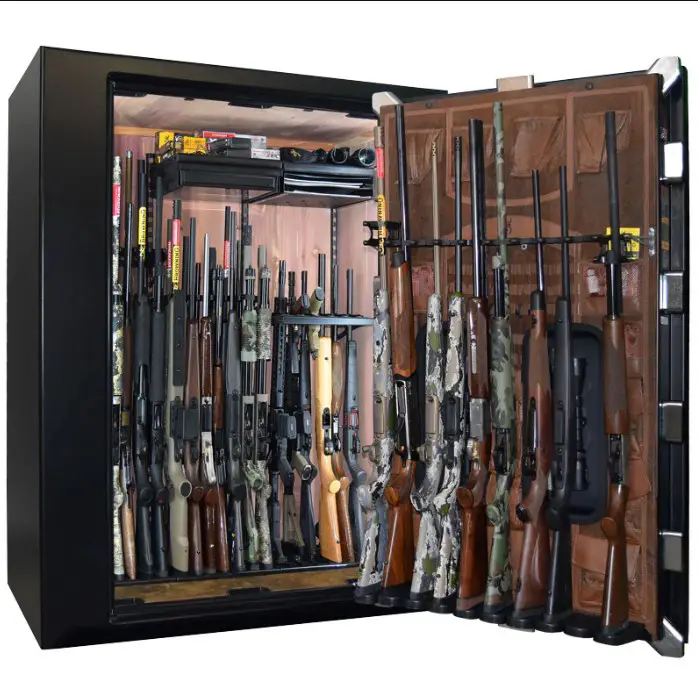
Choosing the right gun safe is an essential step in responsible firearm ownership. With so many options available—from biometric and electronic safes to floor, in-wall, and vault-style models—each type of gun safe offers unique advantages tailored to different needs, spaces, and security preferences. Whether you prioritize rapid access, concealment, environmental protection, or sheer storage capacity, there is a safe designed to meet your requirements.
By understanding the differences between the 20 types of gun safes covered in this guide, you can make an informed decision that balances security, accessibility, and convenience. From compact handgun safes for bedside access to large walk-in vaults for collectors, investing in the right safe ensures your firearms are protected from theft, accidental access, and environmental hazards. Responsible storage not only safeguards your collection but also provides peace of mind for you and your family.
Ultimately, the best safe is one that fits your lifestyle, collection size, and security needs. Take the time to evaluate features like locking mechanisms, fire and water protection, interior organization, and installation requirements. With the right choice, your firearms will remain secure, organized, and ready whenever you need them.
50+ Frequently Asked Questions About Gun Safes
1. What is a gun safe?
A gun safe is a secure storage container designed to protect firearms from theft, unauthorized access, and environmental damage. Gun safes vary in size, locking mechanisms, and features, ranging from small handgun safes to large walk-in vaults.
2. Why do I need a gun safe?
A gun safe is essential for responsible firearm ownership. It keeps firearms away from children, prevents theft, and protects guns from fire, water, or environmental damage. Safely storing firearms also ensures compliance with local laws in many areas.
3. What types of gun safes are available?
There are 20 primary types of gun safes, including biometric, electronic/keypad, mechanical combination, keyed, floor, in-wall, vehicle, under-bed, hidden cabinet, fireproof/waterproof, heavy-duty, corner, nightstand, portable, pistol-only, rifle/long-gun, multi-gun adjustable, vault-style, redundant lock, and truck safes.
4. What is a biometric gun safe?
A biometric gun safe uses fingerprint recognition to grant access. It offers fast entry, often under one second, and allows multiple users. This type is ideal for quick home-defense access while keeping firearms secure from unauthorized users.
5. Are biometric gun safes reliable?
Yes, modern biometric safes are highly reliable. Quality safes include sensors capable of distinguishing real fingerprints from fakes and provide backup access methods, such as keys or codes, in case of power failure or sensor issues.
6. What is an electronic/keypad gun safe?
Electronic or keypad gun safes use a numeric code to unlock. They are convenient for fast access and may include features like low-battery warnings, temporary codes, and auto-locking mechanisms. Many owners prefer them for home-defense purposes.
7. What is a mechanical combination gun safe?
Mechanical combination gun safes use a traditional dial and internal locking mechanism to unlock. They are battery-free, reliable, and durable, making them a great choice for long-term firearm storage or remote locations.
8. What is a keyed gun safe?
Keyed gun safes use a physical key to unlock. They are simple, reliable, and low-maintenance. Security depends on the quality of the lock, and high-quality models are very tamper-resistant.
9. What is a fireproof gun safe?
Fireproof gun safes are designed to withstand high temperatures for a set period, often 30 minutes to several hours. They protect firearms, documents, and valuables from fire damage through insulated walls and heat-resistant materials.
10. What is a waterproof gun safe?
Waterproof gun safes prevent water intrusion, protecting firearms from flooding, spills, or sprinkler systems. Many fireproof safes are also waterproof, offering comprehensive protection for both fire and water hazards.
11. What is an in-wall gun safe?
In-wall safes are installed flush with a wall, often hidden behind pictures or cabinets. They offer discreet storage and quick access while being difficult for intruders to detect. Installation usually requires professional assistance.
12. What is a hidden gun cabinet safe?
Hidden cabinet safes resemble ordinary furniture, such as bookcases or entertainment centers. They blend into a room’s decor while providing secure firearm storage, making them ideal for homes with children.
13. What is an under-bed gun safe?
Under-bed gun safes slide beneath a bed frame for hidden and accessible storage. They are low-profile, discreet, and ideal for bedrooms where rapid access may be necessary.
14. What is a nightstand or bedside gun safe?
These compact safes are designed to fit on or next to a nightstand. They provide immediate access to firearms during emergencies while remaining discreet and secure.
15. What is a heavy-duty or high-security gun safe?
Heavy-duty safes feature thick steel walls, multiple locking bolts, and often fire and water protection. They are ideal for collectors or families who require maximum security for large firearm collections.
16. What is a floor gun safe?
Floor safes are embedded into the floor for discreet, secure storage. They are difficult to detect and provide strong protection against theft and tampering while remaining accessible to authorized users.
17. What is a vault-style or walk-in gun safe?
Vault-style safes are large, walk-in units designed to store hundreds of firearms. They offer maximum security, organization, and environmental protection, making them ideal for serious collectors or institutions.
18. What is a corner gun safe?
Corner safes fit neatly into corners, maximizing space efficiency. They provide the same security as larger safes while using minimal floor space, perfect for smaller rooms or apartments.
19. What is a truck or vehicle gun safe?
Vehicle gun safes secure firearms while traveling. They can be mounted under seats, in trunks, or other hidden compartments. They prevent theft and provide safe storage on the go for hunters and law enforcement officers.
20. What is a portable or travel gun safe?
Portable gun safes are compact and lightweight, designed for mobility. They are suitable for hunters, officers, or travelers who need secure storage while moving between locations.
21. What is a pistol/handgun-only safe?
Pistol safes are compact units designed for one or several handguns. They provide quick access while protecting firearms from unauthorized users and environmental hazards.
22. What is a rifle/long-gun safe?
Rifle safes are taller and deeper than handgun safes, designed to store rifles, shotguns, and other long firearms. They often include adjustable racks, shelves, and compartments for organization and protection.
23. What is a multi-gun safe?
Multi-gun safes store a variety of firearms, including long guns and handguns, in a single secure location. Adjustable interiors allow customization as collections grow or change.
24. What is a redundant lock gun safe?
Redundant lock safes combine multiple locking mechanisms, such as biometric, keypad, and keyed locks. This ensures access even if one system fails, providing high reliability and security.
25. How do I choose the right gun safe for my home?
Consider the number of firearms, type (handgun or long gun), available space, desired access speed, and security level. Environmental protection (fire/water) and budget are also important factors.
26. How do I secure a gun safe to prevent theft?
Secure safes by bolting them to floors or walls, especially heavy-duty and floor safes. Vehicle safes should be mounted using anchor points. Discreet placement also helps prevent tampering.
27. Are gun safes fireproof?
Many gun safes are fire-rated, with the ability to withstand high temperatures for 30 minutes to several hours. Fireproof safes use insulation, steel construction, and special seals to protect firearms and valuables.
28. Are gun safes waterproof?
Some safes are waterproof or water-resistant, protecting firearms from floods, spills, or sprinkler systems. Many fireproof safes also include water protection for added security.
29. How much does a gun safe cost?
Gun safe prices vary widely, from $100 for small handgun safes to $10,000+ for large walk-in vaults. Cost depends on size, locking mechanisms, fire/water protection, and brand reputation.
30. Can children open gun safes?
Properly installed gun safes with secure locks prevent children from accessing firearms. Biometric, electronic, or mechanical safes with strong construction reduce the risk of accidental access.
31. How do I maintain a gun safe?
Regular maintenance includes checking locks, replacing batteries for electronic or biometric safes, cleaning interiors, lubricating mechanical parts, and inspecting seals for fire or water-rated safes.
32. Can I store ammunition in a gun safe?
Yes, many gun safes include compartments or shelves for ammunition. Ensure proper organization and separation of ammunition from firearms to reduce risk of damage or accidents.
33. What is the fastest type of gun safe for home defense?
Biometric and electronic/keypad gun safes are typically the fastest for home defense. Fingerprint recognition or a numeric code allows retrieval in seconds, making them ideal for emergencies.
34. Are small handgun safes effective?
Yes, handgun safes provide security for individual firearms, especially in bedrooms or vehicles. They protect against theft and unauthorized access while offering quick access for the owner.
35. Can gun safes be hacked?
Electronic safes have minimal vulnerability if properly constructed. High-quality safes include encrypted systems, backup keys, and mechanical override to prevent unauthorized access.
36. How do I hide a gun safe in my home?
Use in-wall safes, hidden cabinet safes, under-bed models, or furniture-style safes. Concealment improves security by keeping firearms out of plain sight while remaining accessible to authorized users.
37. Can I install a gun safe myself?
Small or portable safes can often be installed by homeowners. Floor, in-wall, or vault-style safes typically require professional installation to ensure proper bolting and security.
38. Do all gun safes require electricity?
No, mechanical combination and keyed safes do not require electricity. Electronic and biometric safes require batteries but usually include backup methods for emergency access.
39. Can gun safes be used in vehicles?
Yes, vehicle or truck gun safes are designed for secure firearm storage while traveling. They prevent theft and keep guns safe in cars, trucks, or SUVs.
40. What is the difference between fireproof and fire-rated safes?
Fireproof safes are designed to withstand high temperatures without damage, while fire-rated safes have been tested and certified to protect contents for a specified time at a certain temperature.
41. How long does a fireproof gun safe protect firearms?
Fireproof gun safes can protect firearms from 30 minutes up to several hours, depending on the rating. Always check the manufacturer’s fire rating to ensure it meets your safety needs.
42. Can I store multiple types of firearms in one safe?
Yes, multi-gun safes allow storage of rifles, shotguns, handguns, and accessories in one secure location. Adjustable interiors help accommodate different sizes and types of firearms.
43. What is a redundant lock system?
Redundant locks combine multiple access methods, such as biometric, keypad, and keyed locks. This ensures that if one system fails, the safe can still be opened securely.
44. How do I choose between biometric and electronic safes?
Biometric safes offer faster access using fingerprints, while electronic safes use numeric codes. Biometric models are ideal for rapid home-defense access, whereas electronic safes are simple and reliable for everyday use.
45. Are gun safes theft-proof?
No safe is completely theft-proof, but high-quality heavy-duty, floor, or vault-style safes greatly reduce the risk of theft due to thick steel, reinforced bolts, and secure installation.
46. Can I use a gun safe for valuables?
Yes, most gun safes can store valuables like jewelry, documents, or cash. Fireproof and waterproof safes are ideal for multi-purpose protection.
47. How heavy is a typical gun safe?
Weight varies by type. Small handgun safes weigh 20–50 lbs, floor or rifle safes 150–500 lbs, and vault-style walk-ins can weigh thousands of pounds. Heavier safes provide better security against theft.
48. Do gun safes come with warranties?
Many manufacturers offer warranties ranging from 1 year to lifetime coverage, often including protection against defects, fire, and other damages. Always review warranty terms before purchase.
49. Can I upgrade my gun safe’s security features?
Some safes allow upgrades like adding a biometric lock, internal dehumidifiers, alarms, or additional shelving. Always check manufacturer compatibility before modifications.
50. Are gun safes legal?
Gun safes are legal in most countries, and in many places, using a safe is required by law to prevent access by minors. Always check local firearm storage regulations to ensure compliance.
51. How do I clean the inside of a gun safe?
Use a soft cloth, vacuum, or compressed air to remove dust. Avoid harsh chemicals that could damage firearms or interior padding. Regular cleaning helps maintain both firearms and the safe.
52. What is the best type of gun safe for children?
Biometric, electronic, or keyed safes with high-quality locks are ideal. Hidden, in-wall, or under-bed safes also reduce risk by keeping firearms out of reach while providing fast access for adults.
53. How often should I check my gun safe?
Regularly inspect the locking mechanism, interior, and seals. Electronic or biometric safes require periodic battery checks. A monthly inspection is recommended for optimal security and maintenance.