
When people search for types of guns for kids, they are typically looking for safe, age-appropriate toy blasters or beginner-friendly training models designed for supervised learning. These products are built for play, skill development, and in some cases structured safety education. They are not combat weapons, but rather recreational tools meant for entertainment, coordination practice, or introductory safety instruction under adult supervision. In this guide, we explore 20 carefully selected categories of guns for kids, focusing on safety, usability, and age suitability. Each type serves a different purpose — from foam dart blasters for backyard games to structured youth training models for controlled environments.
20 Types of Guns for Kids
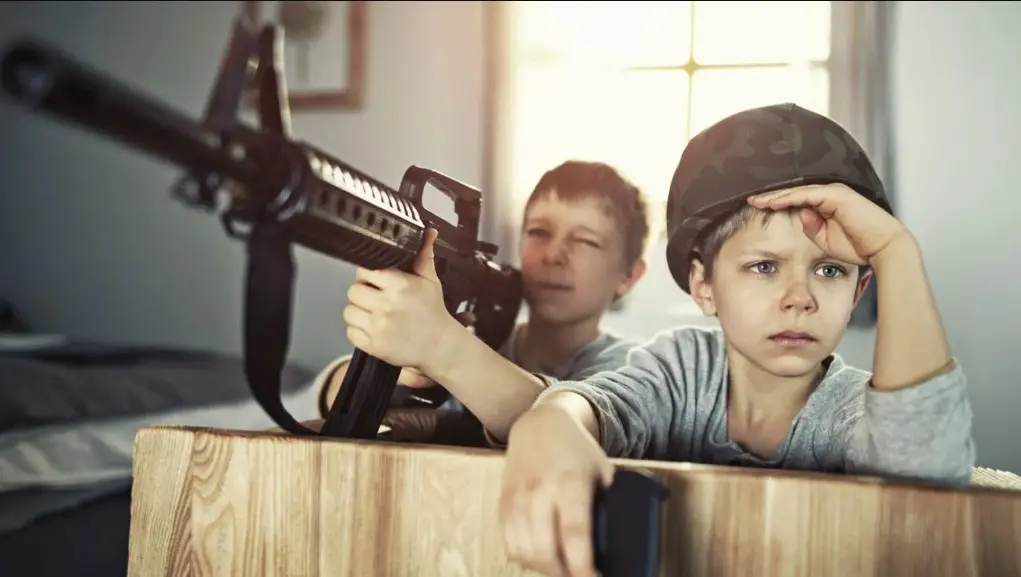
1. Soft Foam Dart Blaster
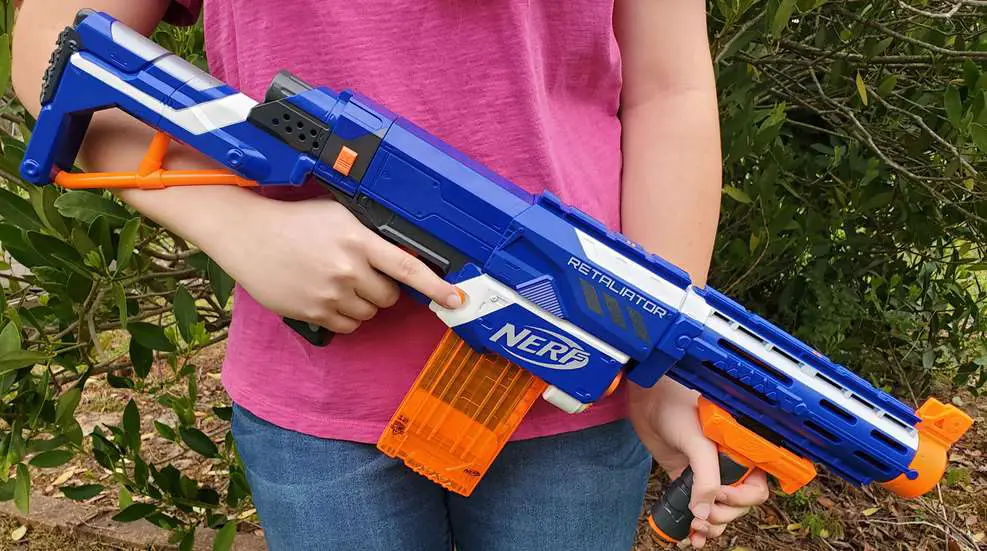
The soft foam dart blaster is one of the most recognized and widely accepted toy categories in the world of guns for kids. Designed to fire lightweight foam darts with soft rubber tips, these blasters prioritize safety while still delivering engaging backyard fun. Most models operate using spring-powered or air-powered mechanisms, which generate low-impact force suitable for supervised play. The foam construction ensures that even when darts make contact, the sensation is mild and unlikely to cause injury when used responsibly.
One of the main reasons foam dart blasters remain popular is their balance between excitement and control. Children can practice hand-eye coordination, target accuracy, and teamwork during organized play sessions. Many sets include structured target boards, promoting focused aim rather than random shooting. Because the ammunition is soft and reusable, cleanup is easy and environmentally manageable. Manufacturers often design these blasters with bright colors to clearly distinguish them from real firearms, reinforcing their identity as toys.
For parents evaluating types of guns for kids, foam dart blasters are often considered an entry-level choice due to their wide age range compatibility. They are best used outdoors or in open indoor spaces with clear boundaries. As with any projectile-based toy, supervision and basic safety rules—such as avoiding shots toward the face—are essential. When used properly, they provide structured, active play that encourages movement rather than passive screen time.
2. Water Blaster (Super Soaker Style)
Water blasters are seasonal favorites, especially during warmer months when outdoor activity becomes more frequent. Unlike projectile toys that fire solid objects, these devices use pressurized water streams, significantly reducing impact risk. In discussions about guns for kids, water blasters stand out because their function is purely recreational and environmentally harmless. They promote outdoor physical activity and social interaction without introducing physical projectiles.
Modern water blasters range from simple pump-action pistols to larger reservoir models capable of sustained spray. The pumping mechanism introduces a small physical challenge that builds arm strength and coordination. Children learn timing and strategy during water-based games, often creating structured team competitions. Because water evaporates and leaves no residue, maintenance requirements are minimal, making them a practical choice for parents seeking low-risk play equipment.
When reviewing types of guns for kids, water blasters consistently rank among the safest options. However, responsible use remains important. Players should avoid aiming directly at faces and ensure that play areas are free of slippery hazards. Used thoughtfully, water blasters offer energetic, laughter-filled experiences that combine movement, strategy, and refreshment in one simple design.
3. Laser Tag Blaster
Laser tag blasters represent a non-projectile alternative within the broader category of types of guns for kids. Instead of firing physical objects, these devices emit infrared signals that register hits electronically through compatible sensors. This system eliminates impact risks entirely while maintaining competitive gameplay. Laser tag technology introduces children to structured team strategy, communication, and movement without any airborne projectiles.
Most laser tag systems include wearable vests or built-in sensors that detect hits and track scoring. The feedback is immediate, often accompanied by light or sound indicators. Because there is no ammunition to reload manually, gameplay flows continuously. Children focus on positioning, coordination, and teamwork rather than dart retrieval or water refilling. This makes laser tag particularly suitable for organized events, birthday parties, or structured group activities.
For families researching guns for kids that emphasize safety and modern technology, laser tag blasters offer a compelling option. They combine physical movement with game-like scoring mechanics. Supervision is still recommended to ensure safe running behavior, but the absence of physical projectiles significantly reduces direct risk. As a category, laser tag promotes active play in a format that feels dynamic yet controlled.
4. Foam Ball Blaster
Foam ball blasters fire soft spherical foam projectiles instead of darts. The round shape reduces sharp impact points and typically lowers projectile velocity. Within the landscape of types of guns for kids, foam ball blasters are valued for their gentle contact and simplified loading mechanisms. Many models use hopper-fed systems that allow multiple foam balls to be loaded at once, creating smooth gameplay.
The spherical ammunition is lightweight and reusable. Because foam balls are larger than darts, they are easier to track visually and retrieve after play. This reduces cleanup time and encourages repeated target practice sessions. Foam ball blasters are often used in indoor environments due to their lower force output, though supervision and protective eyewear remain advisable.
Parents evaluating guns for kids often appreciate foam ball blasters for younger children who may struggle with dart loading or pump mechanics. The emphasis here is on simplicity and accessibility. With proper guidelines, foam ball blasters provide safe recreational shooting games that encourage coordination without introducing complex moving parts.
5. Cap Gun (Plastic Ring Caps)
Cap guns represent a classic toy category built around small, noise-producing caps rather than projectiles. Instead of firing objects, these toys create a harmless popping sound when the trigger strikes a ring of plastic caps containing a minimal ignition compound. In the broader discussion of types of guns for kids, cap guns are unique because they focus on sound simulation rather than physical impact.
The appeal of cap guns lies largely in imaginative play. Children often incorporate them into costume games or theatrical scenarios. Modern designs use brightly colored materials to clearly signal that they are toys. The caps themselves are manufactured to produce a small audible pop without creating sparks or significant force. As always, adult supervision is important to ensure proper use and prevent misuse of cap strips.
While cap guns do not involve projectile risk, they do introduce noise. Therefore, they are best suited for outdoor environments. Among the various guns for kids available today, cap guns remain one of the most traditional forms of pretend play. Their simplicity and nostalgia contribute to their continued presence in toy markets, especially when used responsibly and within safe boundaries.
6. Electric Automatic Foam Dart Blaster
The electric automatic foam dart blaster is a battery-powered evolution of the traditional spring-driven dart shooter, offering a faster firing rate while still using soft foam ammunition designed specifically for child-friendly play. Within the broader range of types of guns for kids, this category stands out for combining modern toy engineering with structured, active gameplay. Instead of manually priming each shot, the internal motor cycles darts automatically when the trigger is pressed, creating a smooth and consistent firing experience. Despite the more advanced mechanism, these blasters are still engineered to maintain low projectile force, keeping safety as a central design principle.
Because they operate electronically, these blasters often include safety features such as jam doors, power switches, and soft-tip darts that reduce impact intensity. The automatic firing capability encourages dynamic team-based games, obstacle courses, and timed target practice sessions. However, the increased firing speed also makes supervision important, particularly for younger players who may need reminders about safe aiming practices. Eye protection is strongly recommended during group play to prevent accidental dart contact.
For families researching guns for kids that feel modern and engaging without crossing into unsafe territory, electric foam dart blasters offer a balanced option. They promote coordination, movement, and structured play while maintaining the soft-ammunition standards that define responsible toy categories. Used thoughtfully, they provide excitement without sacrificing safety fundamentals.
7. Gel Ball Blaster (Low-Impact Water Bead Shooter)
Gel ball blasters, sometimes referred to as water bead shooters, use small hydrated polymer beads that burst harmlessly upon impact. These biodegradable beads are soft, lightweight, and designed to disintegrate after use, reducing cleanup effort. Among the many types of guns for kids, gel ball blasters appeal to older children and teens who want a slightly more advanced outdoor play experience while still operating within a toy framework. The beads are typically soaked in water before use, expanding to a soft texture that minimizes physical impact.
Unlike airsoft or paintball equipment, which require higher protective standards, gel ball systems are generally lower in velocity and intended for backyard recreational use. Even so, supervision and protective eyewear remain essential. Responsible use includes playing only in designated areas and ensuring that all participants understand safety rules before beginning. Many models feature electric or spring-based firing systems similar to foam blasters but calibrated for lightweight bead propulsion.
When evaluating guns for kids that emphasize outdoor group play, gel ball blasters offer a middle ground between simple foam dart games and more structured sport-style activities. Their biodegradable ammunition and low-impact design make them manageable when used responsibly. However, parents should verify local regulations, as some regions classify gel blasters differently. With clear guidelines, they can serve as an engaging outdoor toy category.
8. Toy Bow-Style Dart Launcher
The toy bow-style dart launcher blends elements of archery and projectile play into a soft-impact format suitable for supervised recreation. Rather than mimicking traditional firearm mechanics, this category uses elastic string tension to propel suction-cup or foam-tipped arrows toward lightweight targets. In the context of types of guns for kids, this hybrid option broadens the concept of projectile toys while maintaining safety-focused construction. The arrows are typically oversized and brightly colored to prevent confusion with real equipment.
This category encourages controlled aiming and patience. Because each shot requires manual drawing of the string, children develop arm coordination and focus before release. Target boards often accompany these sets, promoting structured accuracy practice rather than free-form shooting. The suction-cup arrowheads are specifically engineered to stick to smooth surfaces rather than cause harm.
Parents exploring guns for kids that emphasize discipline and precision over rapid firing may appreciate this option. The slower pace encourages thoughtful play and reduces chaotic movement. As always, designated play zones and protective eyewear improve safety. With proper supervision, toy bow-style dart launchers provide an alternative style of active engagement that builds coordination skills.
9. Non-Firing Safety Training Replica (Inert Model)
Non-firing safety training replicas are inert models designed strictly for educational purposes. They do not discharge projectiles, produce noise, or function as operational firearms. Instead, they are used in structured training environments to teach safe handling fundamentals under adult supervision. Within the broader discussion of types of guns for kids, this category applies primarily to older youth participating in formal safety courses. The purpose is education, not recreation.
These replicas allow instructors to demonstrate proper grip, muzzle awareness, safe storage concepts, and responsible handling habits without introducing any firing capability. Because they are completely inert, they eliminate risks associated with live ammunition. Many training organizations use brightly colored models to ensure clear visual differentiation from real firearms.
For families focused on structured firearm education in controlled environments, non-firing replicas offer a safe starting point. They emphasize responsibility, discipline, and awareness. It is important to note that such tools should only be introduced within formal safety programs and under trained supervision. Their inclusion in lists of guns for kids reflects their educational purpose rather than recreational use.
10. Youth .22 Rimfire Training Rifle (Supervised Use Only)
The youth .22 rimfire training rifle is a small-caliber firearm designed specifically for structured instruction and supervised environments such as certified shooting ranges or youth training programs. Unlike toy categories discussed earlier, this platform represents an entry-level firearm for older teens under strict adult guidance. When referencing types of guns for kids in this context, the emphasis is entirely on safety training, proper technique, and responsible education rather than unsupervised access.
These rifles typically feature reduced recoil, lightweight construction, and simplified controls to support beginner learning. The .22 caliber cartridge produces minimal kick compared to larger calibers, making it manageable for supervised instruction. However, professional guidance, certified instructors, and adherence to local laws are mandatory. Safety gear such as eye and ear protection is always required during live-fire sessions.
It is critical to emphasize that youth training rifles are not toys. They belong exclusively in structured programs where safety protocols are rigorously enforced. Their inclusion in this overview reflects the educational pathway some families choose for responsible firearm instruction. When handled appropriately within regulated settings, they can teach discipline, concentration, and respect for safety standards. Outside of those settings, access should remain strictly controlled.
11. Manual Spring-Powered Foam Pistol
The manual spring-powered foam pistol is one of the simplest and most accessible categories within the broader landscape of types of guns for kids. Unlike battery-operated models, this design relies on a basic pull-back or slide-prime mechanism to compress a small internal spring before firing a single soft foam dart. The simplicity of the mechanism reduces complexity, lowers firing speed, and keeps projectile force within safe toy standards. Because each shot requires manual priming, children naturally adopt a slower, more controlled rhythm of play, which can help reduce chaotic rapid firing during group activities.
This category is especially suitable for younger age groups who are just beginning to explore active projectile play. The limited magazine capacity and slower firing rate promote accuracy-focused target practice rather than high-volume shooting. Many sets include lightweight foam targets or stackable cups to encourage structured aim training. The bright plastic construction ensures clear visual distinction from real firearms, reinforcing the product’s identity as a toy.
For parents researching guns for kids with an emphasis on controlled, entry-level design, manual spring-powered foam pistols remain a practical choice. Supervision is still recommended, particularly to reinforce safe aiming habits and discourage face-level targeting. When used responsibly in designated play areas, this category provides straightforward, low-impact recreational fun that prioritizes safety and coordination.
12. Suction Cup Dart Blaster
Suction cup dart blasters differ slightly from traditional foam dart systems by incorporating soft rubber suction tips designed to adhere to smooth surfaces such as windows, plastic boards, or designated target panels. Within the range of types of guns for kids, this category emphasizes target accuracy rather than player-versus-player interaction. The suction mechanism encourages children to focus on hitting marked areas instead of aiming toward other participants.
The darts are typically lightweight and constructed from soft foam shafts, while the suction tips are flexible enough to minimize impact discomfort. Because these darts are intended to stick rather than bounce away, they can make cleanup easier and create measurable scoring systems during practice sessions. Many manufacturers pair suction dart blasters with themed target boards that support structured competition.
Families seeking guns for kids that encourage focus and patience may appreciate this design. As with all projectile toys, protective eyewear and clearly defined play zones remain advisable. Used correctly, suction cup dart blasters transform casual shooting games into more deliberate accuracy challenges, reinforcing hand-eye coordination in a controlled environment.
13. Lever-Action Style Foam Rifle (Toy Version)
The lever-action style foam rifle is a toy adaptation inspired by historical rifle designs, modified entirely for soft foam ammunition and child-safe construction. Instead of firing any metallic projectile, it uses oversized foam darts or balls powered by low-tension springs. Within discussions of types of guns for kids, this category represents how traditional design aesthetics can be reimagined in safe, brightly colored plastic formats.
The manual lever cycling mechanism introduces an extra physical motion between shots, encouraging deliberate pacing and mechanical engagement. Children learn to coordinate movement with aim, reinforcing motor skills in a structured manner. Because each shot requires cycling the lever, rapid firing is naturally limited, which supports safer group play. Many models feature textured grips and lightweight stocks sized appropriately for smaller users.
For parents evaluating guns for kids that blend imaginative play with controlled operation, lever-action style foam rifles offer a unique balance. Supervised use remains important, particularly to ensure that children understand safe target direction rules. When integrated into backyard target games, this category promotes slower, more intentional play while maintaining a playful, non-threatening design.
14. Light-and-Sound Toy Blaster (Non-Projectile)
The light-and-sound toy blaster eliminates projectile elements entirely, focusing instead on audio and visual effects to simulate action-oriented play. These devices produce flashing lights and electronic sound effects when the trigger is pressed, but they do not discharge darts, balls, or water. In the spectrum of types of guns for kids, this option represents one of the lowest physical risk categories because there is no flying object involved.
Designed primarily for imaginative scenarios, light-and-sound blasters often incorporate futuristic styling and exaggerated colors. They are typically lightweight and operate on small batteries. Since there are no projectiles to manage, these toys are suitable for indoor use with minimal supervision concerns beyond basic responsible behavior. The main safety consideration is volume level, as prolonged exposure to loud sound effects should be monitored.
Parents who prefer guns for kids that avoid projectile-based play altogether may find this category appealing. It supports creative storytelling and costume-based games without introducing physical impact. While it lacks the coordination training aspect of dart blasters, it compensates with accessibility and minimal cleanup requirements.
15. Foam Rocket Launcher (Soft-Tip Launch System)
The foam rocket launcher is a larger-format outdoor toy that propels oversized foam rockets using air pressure or stomp-powered mechanisms. Unlike small dart blasters, this system typically involves placing a foam rocket onto a launch tube connected to an air bladder or pump. When compressed, air pressure sends the soft rocket upward in a high arc. Among the various types of guns for kids, foam rocket launchers emphasize vertical outdoor play rather than horizontal targeting.
The rockets themselves are lightweight and built with soft foam bodies and rounded tips to minimize injury risk. Because the trajectory often sends rockets high into the air, wide open spaces such as parks or backyards are recommended. This category promotes physical activity, as children must retrieve and reset rockets repeatedly. It also introduces basic cause-and-effect understanding related to air pressure and force.
Families exploring guns for kids that combine science-based curiosity with safe outdoor recreation may appreciate foam rocket systems. As always, adult supervision ensures that launch direction remains clear of bystanders and obstacles. When used responsibly, foam rocket launchers transform projectile play into an energetic outdoor experience centered on upward motion and safe landing zones.
16. Pump-Action Water Cannon (High-Capacity Outdoor Blaster)
The pump-action water cannon is a larger, higher-capacity version of the traditional water blaster, designed for extended outdoor play sessions where refilling breaks are minimized and sustained streams of water are possible. Within the broad category of types of guns for kids, this model stands out because it relies entirely on water propulsion rather than solid projectiles, which significantly reduces impact-related risks. The pump mechanism builds internal pressure through repeated forward-and-back strokes, teaching children simple mechanical cause-and-effect principles while also engaging upper body movement.
These water cannons typically feature larger tanks mounted either directly on the blaster body or connected through backpack-style reservoirs. The extended water supply supports longer team games and coordinated outdoor competitions. Because water disperses on contact, cleanup is naturally handled by evaporation, making it one of the most environmentally manageable categories of guns for kids. However, supervision is still necessary to prevent spraying at close range toward faces or eyes, and to ensure that surfaces do not become slippery during intense play.
Parents evaluating outdoor-friendly guns for kids often consider pump-action water cannons during warm seasons when backyard activity is common. Their emphasis on hydration, physical movement, and teamwork positions them as a recreational tool rather than a precision targeting device. With clear safety boundaries and designated play areas, they provide energetic, summer-focused entertainment.
17. Foam Ball Gatling-Style Blaster (Manual Rotation)
The foam ball Gatling-style blaster is a manually operated toy inspired by rotating barrel aesthetics, adapted completely for low-impact foam ammunition. Instead of high-velocity output, these models use lightweight foam balls propelled by internal spring or low-powered air systems. The rotating barrel mechanism is typically hand-cranked, which naturally limits firing speed and keeps projectile force within toy-grade standards. In discussions about types of guns for kids, this category represents imaginative design combined with controlled mechanical pacing.
Because the foam balls are spherical and soft, they distribute impact energy across a broader surface area compared to pointed darts. This design choice reduces sting sensation and makes them easier to spot and collect after play. The manual rotation feature also introduces an interactive element that requires coordination between cranking and aiming, reinforcing motor skill development. As with all projectile toys, safe distances and eye protection should be maintained.
Families looking for visually dynamic guns for kids that still adhere to soft ammunition standards may find the manual Gatling-style blaster engaging. While it appears more elaborate than basic foam pistols, its hand-powered mechanism ensures that firing remains moderate and supervised. Proper usage guidelines help keep this category firmly within safe recreational boundaries.
18. Target-Integrated Smart Foam Blaster (Electronic Scoring System)
The target-integrated smart foam blaster combines soft dart propulsion with electronic scoring technology, transforming traditional backyard shooting into a structured accuracy game. Instead of encouraging player-to-player engagement, this system pairs a foam dart launcher with digital target boards that register hits through light sensors or impact switches. Within the growing list of types of guns for kids, this option stands out because it shifts the focus from rapid firing to measurable performance improvement.
The electronic target may display scores, countdown timers, or sound cues when specific zones are hit. This creates a game-like learning environment where children can set personal records or compete in controlled skill-based challenges. The darts themselves remain soft foam with rounded tips, ensuring that projectile impact stays within established toy safety levels. The integration of technology supports structured play rather than chaotic movement.
Parents researching guns for kids that encourage discipline and accuracy development may appreciate this design. Because scoring feedback is immediate, children often become more mindful of aim and stance. Supervision remains important to enforce safe firing direction and appropriate distances. When used correctly, target-integrated smart blasters provide a focused and educational play experience.
19. Soft-Plunger Air Blaster (Low-Pressure Launcher)
The soft-plunger air blaster operates through a simple push-and-release air compression mechanism that launches oversized foam or hollow plastic balls at low pressure. Unlike spring-based systems, this design depends on manual air displacement generated by compressing a plunger tube. Within the framework of types of guns for kids, the soft-plunger air blaster emphasizes mechanical transparency and minimal complexity. Children can clearly see how pushing air creates motion, reinforcing basic physics understanding.
Because projectile size is often larger and velocity lower, the risk profile remains modest when used responsibly. These launchers are typically recommended for outdoor use where open space reduces the chance of accidental close-range contact. The larger foam balls are easy to retrieve and less likely to become lost. Protective eyewear and supervised boundaries remain advisable.
Families exploring guns for kids that prioritize simplicity over high-speed action may find the soft-plunger air blaster suitable. Its manual design naturally limits overuse and supports controlled, slower-paced games. With clear instructions and adult oversight, it becomes a manageable option for recreational target activities.
20. Biodegradable Confetti Pop Blaster (Celebration Toy)
The biodegradable confetti pop blaster differs significantly from dart or ball launchers because it uses compressed air to release lightweight paper confetti rather than solid projectiles. Designed primarily for celebrations, parties, or theatrical performances, this toy emphasizes visual effect rather than target practice. Among the various types of guns for kids, this category carries one of the lowest physical impact risks due to the soft, falling nature of confetti material.
The mechanism typically involves a spring-loaded or twist-activated chamber that disperses paper pieces upward into the air. Because the output is decorative rather than directional, it reduces the likelihood of direct contact with participants. However, supervision ensures that devices are not aimed toward faces at close range. Many manufacturers use biodegradable paper to simplify cleanup and reduce environmental concerns.
For parents who want guns for kids that focus on celebration rather than competition, confetti pop blasters offer a festive alternative. They maintain the trigger-activated novelty aspect while eliminating projectile force entirely. Used responsibly in open spaces, they provide a colorful conclusion to events without introducing unnecessary risk.
Conclusion: Choosing Safe and Responsible Types of Guns for Kids
When exploring different types of guns for kids, the most important factor is not appearance or popularity, but safety, supervision, and age-appropriate design. From foam dart blasters and gel bead shooters to water cannons and confetti pop blasters, each category offers a different style of play, mechanical interaction, and developmental benefit. Some emphasize coordination and target accuracy, while others focus on outdoor movement, teamwork, or celebratory fun. What they all share, however, is the need for clear boundaries, responsible handling, and active adult guidance.
Not all guns for kids are the same, and understanding how each mechanism works—whether spring-powered, air-compressed, electronic, or water-propelled—helps parents make informed decisions. Low-impact materials such as foam, soft gel beads, water streams, or biodegradable paper significantly reduce physical risk when compared to harder projectile systems. Still, eye protection, safe distances, and designated play zones should always be part of the setup. Teaching children to treat toy blasters with respect reinforces broader lessons about responsibility and awareness.
Ultimately, the best types of guns for kids are those that match a child’s maturity level, encourage structured play, and prioritize safety over speed or power. When selected carefully and used properly, these toys can support coordination, social interaction, and imaginative storytelling without compromising well-being. Thoughtful supervision turns recreational blaster play into a controlled, educational, and positive experience that remains focused on fun rather than risk.
FAQ’s
1. What are the safest types of guns for kids?
The safest types of guns for kids are typically foam dart blasters, water guns, and low-pressure bubble or confetti shooters. These use soft or non-solid projectiles and are designed specifically for supervised recreational play.
2. Are foam dart blasters safe for young children?
Foam dart blasters are generally safe when used according to age recommendations and with proper eye protection. They should never be modified to increase power.
3. At what age can kids start using toy guns?
Most manufacturers recommend toy blasters for children aged 6 and up, but maturity level and supervision are more important than age alone.
4. Do kids need eye protection when using toy blasters?
Yes, protective eyewear is strongly recommended, especially for foam dart, gel bead, or air-powered toys.
5. What are gel bead blasters?
Gel bead blasters shoot small water-absorbing beads that burst on impact. They are designed to be lower impact than plastic BB-style projectiles.
6. Are gel bead guns safe for backyard play?
They can be safe when used in a controlled environment with protective eyewear and clear boundaries.
7. What is the difference between toy guns and airsoft guns?
Toy guns typically use soft foam, water, or harmless materials, while airsoft guns fire plastic BBs and require stricter safety measures.
8. Should children use airsoft guns?
Airsoft guns are generally recommended only for older teens with proper supervision and protective gear.
9. Are water guns considered safe?
Yes, water guns are among the safest recreational blaster toys when used responsibly.
10. Can toy guns help develop coordination?
Yes, aiming and movement during supervised play can improve hand-eye coordination and motor skills.
11. Are toy guns educational?
They can be educational when paired with lessons about responsibility, boundaries, and safety.
12. What materials are safest in toy projectiles?
Soft foam, water, soap bubbles, and biodegradable paper are among the safest materials.
13. Should parents supervise all toy gun play?
Yes, adult supervision helps ensure rules are followed and prevents unsafe behavior.
14. Can toy guns cause injuries?
Minor injuries can occur if used improperly, especially without eye protection.
15. Are battery-powered blasters safe?
They are safe if used as designed and not modified for increased power.
16. What are cap guns?
Cap guns are toy guns that create a small popping sound using paper caps.
17. Are cap guns safe for hearing?
They can be loud at close range, so children should avoid firing near ears.
18. What safety rules should kids follow?
Kids should never aim at faces, always wear eye protection, and only play in designated areas.
19. Are toy guns suitable for indoor play?
Some low-power foam or bubble shooters may be suitable indoors, depending on space and supervision.
20. What is a suction dart blaster?
It fires foam darts with suction tips designed to stick to smooth surfaces.
21. Are toy guns realistic-looking safe?
Brightly colored toys are safer because they reduce confusion with real firearms.
22. Should toy guns look realistic?
It is generally recommended that children’s toys be brightly colored and clearly distinguishable from real firearms.
23. Can toy guns teach responsibility?
Yes, when parents explain safe handling and respectful behavior.
24. Are there biodegradable ammo options?
Yes, some gel beads and paper-based projectiles are biodegradable.
25. How far can foam darts travel?
Most foam darts travel between 20 and 70 feet depending on the model.
26. What is a spring-powered blaster?
It uses a manually compressed spring to launch soft projectiles.
27. Are electronic blasters stronger?
Some may shoot faster, but reputable brands design them within safe power limits.
28. How should toy guns be stored?
They should be stored separately from real firearms and kept in a safe place.
29. Can toy guns be used in public spaces?
It is best to avoid public areas to prevent misunderstandings.
30. What are bubble blasters?
Bubble blasters shoot streams of soap bubbles for harmless outdoor fun.
31. Are bubble blasters safe for toddlers?
They are generally safe if labeled for toddler use and supervised.
32. What is a confetti blaster?
It releases lightweight paper confetti using air pressure.
33. Are toy guns gender-specific?
No, toy blasters can be enjoyed by any child regardless of gender.
34. Do toy guns promote aggression?
Research suggests supervised imaginative play does not automatically lead to aggression.
35. Should schools allow toy guns?
Most schools prohibit them to avoid safety concerns and misunderstandings.
36. Are rubber band guns safe?
They can be safe if used responsibly and not aimed at faces.
37. What is a lever-action toy blaster?
It mimics a lever mechanism and typically fires foam darts.
38. Are high-capacity dart blasters safe?
They are safe if used responsibly, but supervision remains important.
39. Can toy guns be modified safely?
Modifying toy blasters to increase power is not recommended.
40. What is the safest outdoor environment for play?
An enclosed backyard with clear boundaries is ideal.
41. Are biodegradable gel beads environmentally friendly?
Many are designed to break down naturally, but cleanup is still recommended.
42. How do parents set safe play rules?
Parents should establish clear rules about distance, targets, and protective gear.
43. Are toy crossbows safe for kids?
Only soft foam projectile versions designed for children should be used.
44. Should kids aim at animals?
No, toy blasters should never be used to target animals.
45. Are water gel blasters messy?
They can leave residue, so outdoor use is recommended.
46. What is a pump-action water blaster?
It uses manual pumping to pressurize water before release.
47. Are toy guns safe for birthday parties?
Yes, with supervision, eye protection, and clearly explained rules.
48. How can parents reduce risks?
By choosing age-appropriate models and supervising play.
49. Are glow-in-the-dark blasters safe?
They are safe if used in well-lit areas to maintain visibility.
50. What is the most important safety rule?
Never aim at the face or eyes, and always supervise play.
51. Should kids understand the difference between toys and real firearms?
Yes, clear education about the difference is essential for safety awareness.
52. Can toy guns be part of team games?
Yes, structured team games with safety rules can encourage teamwork and exercise.
Read more: 50 Types of Guns: Comprehensive Guide to Pistols, Rifles, Shotguns & More