
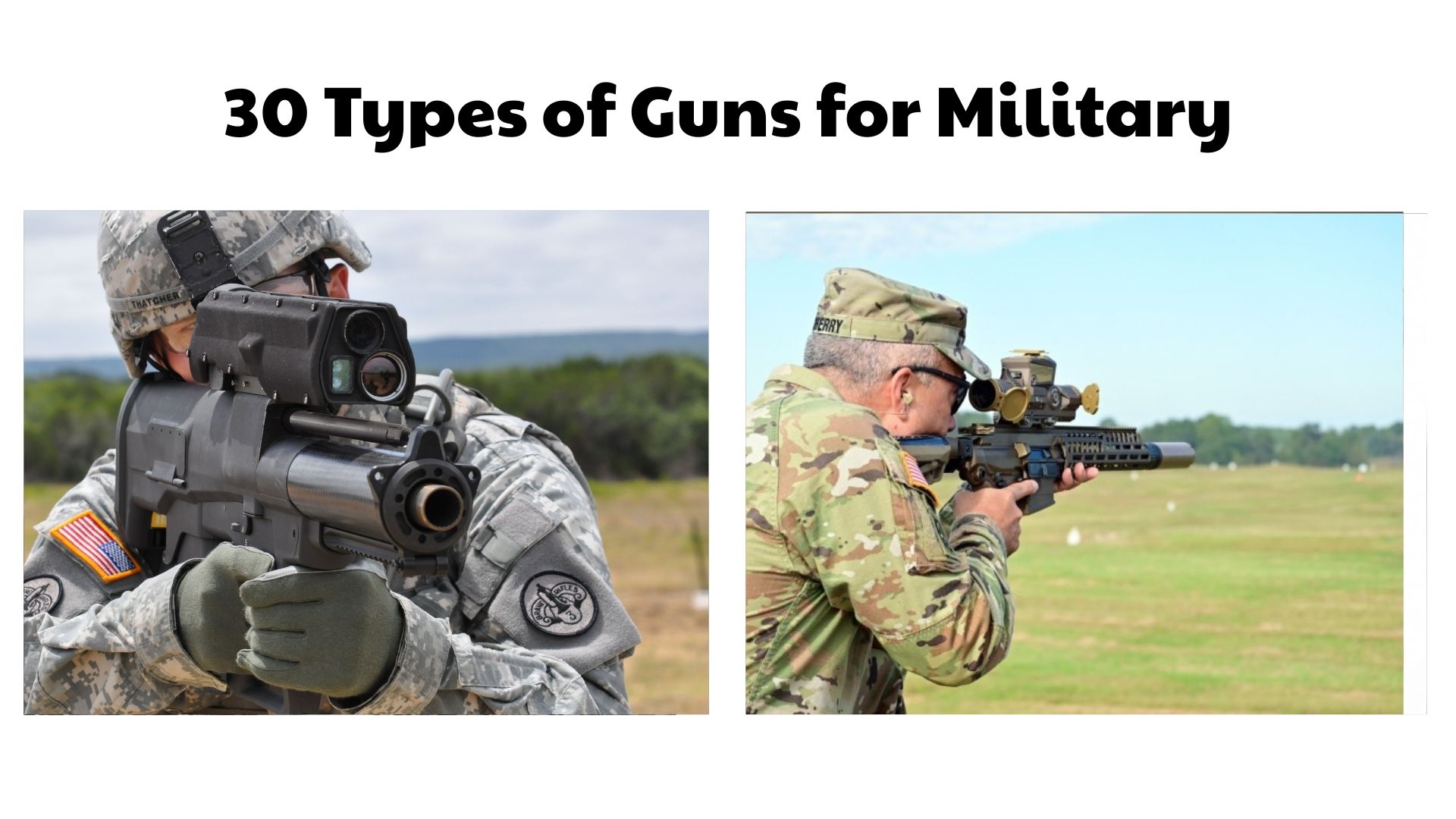
Modern armed forces rely on a wide range of firearms designed for different battlefield roles, from compact rifles used in close‑quarters combat to powerful machine guns that provide sustained suppressive fire. Understanding the various types of guns for military helps illustrate how military units structure their firepower and adapt to different tactical environments. Some weapons emphasize mobility and rapid engagement, while others focus on precision or heavy support.
In this guide, we will explore several important guns for military use, focusing on widely recognized firearms that have served in modern armed forces. Each weapon reflects a specific design philosophy—balancing reliability, accuracy, firepower, and ergonomics. While technology continues to evolve, many of these platforms remain influential because of their proven performance in real‑world operations.
Below, we begin with the first group of rifles commonly discussed among the most recognized types of guns for military. Each section highlights the design purpose, operational context, and practical characteristics that define these firearms in modern service.
30 Types of Guns for Military
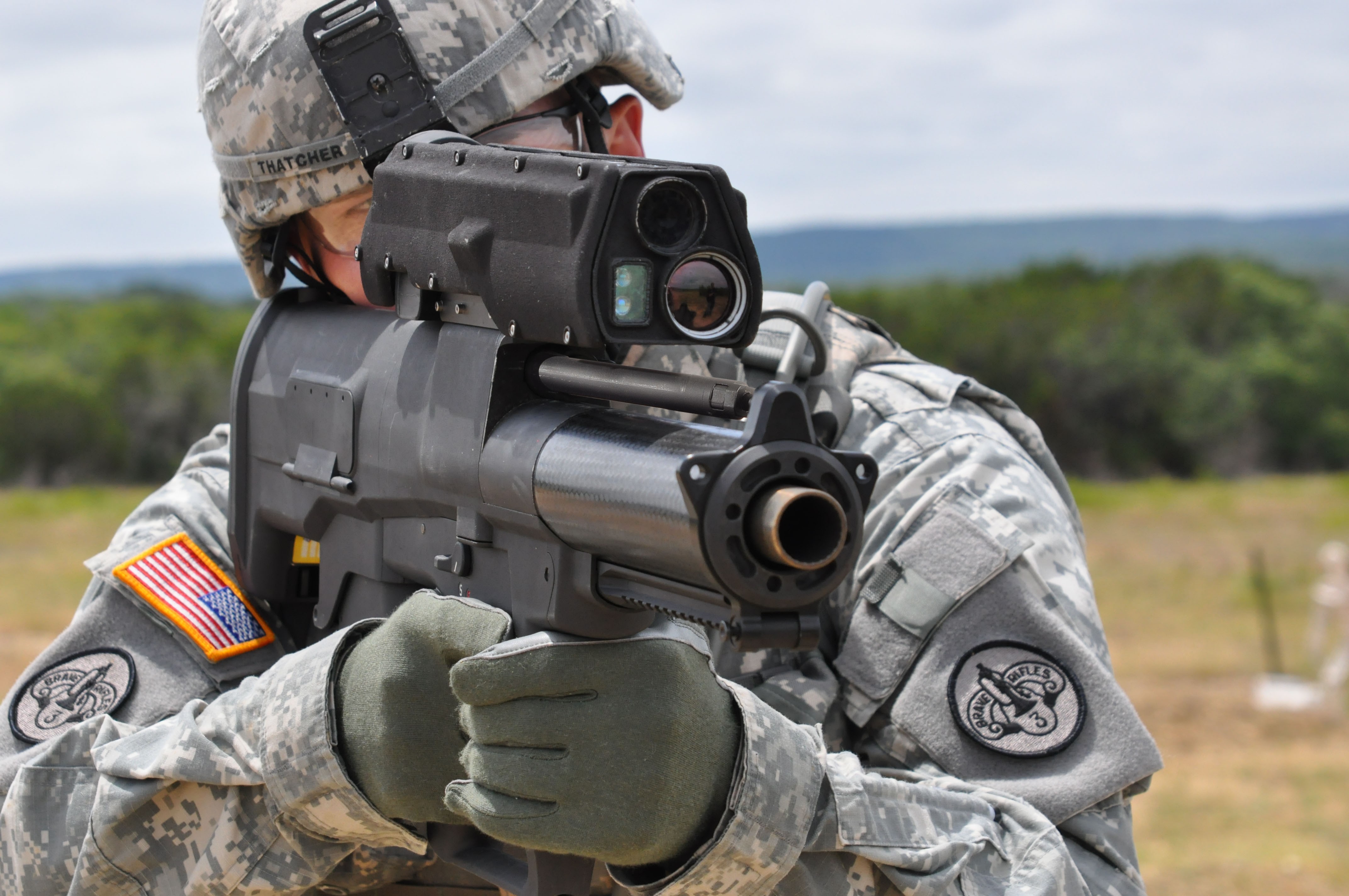
1. M4A1 Carbine
The M4A1 Carbine stands as one of the most recognizable rifles in modern military service, widely adopted by the United States armed forces and many allied nations around the world. As a compact variant of the earlier M16 rifle platform, the M4A1 was designed to provide soldiers with a lighter, shorter, and more maneuverable firearm suitable for modern combat environments that frequently involve urban terrain, vehicles, and confined operational spaces. Over time, the rifle has become a defining example among modern types of guns for military use, balancing reliability, modularity, and practical firepower. The design philosophy behind the M4A1 focuses on versatility, allowing soldiers to adapt the weapon to different mission requirements while maintaining consistent performance in diverse environments.
One of the most significant advantages of the M4A1 is its modular rail system, which allows operators to attach a variety of accessories such as optical sights, flashlights, laser aiming devices, foregrips, and suppressors. This modular capability has helped transform the rifle from a simple infantry weapon into a flexible combat platform that can be customized for individual soldiers and specialized units. In modern combat operations, adaptability is critical, and the M4A1 demonstrates how a well‑designed rifle can evolve alongside technological advancements. Because of its manageable recoil and ergonomic controls, the rifle is accessible to a wide range of soldiers, making it one of the most widely issued guns for military personnel in modern armies.
Operational reliability is another reason the M4A1 has remained in service for decades. Military rifles must perform in challenging conditions that include dust, rain, extreme temperatures, and prolonged operational use. While earlier generations of the platform faced criticism regarding maintenance requirements, continuous improvements in materials, manufacturing processes, and internal components have strengthened the weapon’s reliability in the field. Today, the M4A1 continues to serve as a standard infantry rifle in many units, providing a balance of portability, accuracy, and sustained firepower that reflects the evolving needs of modern military forces.
Beyond its technical characteristics, the M4A1 represents a broader shift in how military firearms are designed. Instead of focusing solely on raw power or maximum range, modern rifles prioritize adaptability and integration with other systems such as optics and electronic targeting devices. This philosophy places the M4A1 among the most influential types of guns for military forces today. Its widespread adoption has influenced the development of numerous other rifles around the world, demonstrating how a well‑balanced platform can shape military small‑arms design for generations.
2. M16A4 Rifle
The M16A4 rifle represents the later evolution of the long‑serving M16 family, a series of firearms that have shaped modern infantry combat for more than half a century. Known for its longer barrel and improved sighting systems, the M16A4 provides enhanced accuracy and effective range compared with more compact carbines. Within the broader landscape of types of guns for military service, the rifle illustrates how design continuity can coexist with gradual technological upgrades. Instead of replacing earlier models entirely, the M16A4 refined the original platform with modern features while preserving the accuracy and reliability that soldiers had come to trust.
One notable improvement in the M16A4 is the integration of a full‑length rail system, which allows modern optics and accessories to be mounted directly onto the rifle. This capability dramatically improves target acquisition and situational awareness, especially during complex operations where soldiers must engage targets at varying distances. Optical sights have become an essential part of modern infantry equipment, and the M16A4’s design supports this integration seamlessly. As a result, the rifle continues to function effectively alongside newer firearms in many military units, demonstrating that well‑designed guns for military use can remain relevant for decades.
Accuracy has always been one of the defining traits of the M16 platform. The longer barrel length of the M16A4 allows for improved bullet velocity and stability, contributing to consistent performance at medium to long distances. For soldiers operating in open environments where engagements may occur beyond typical urban ranges, this added reach provides a valuable advantage. Despite the emergence of newer rifles, many marksmen and infantry units still appreciate the M16A4 for its precision and controllability. In this way, the rifle continues to stand as a respected example among established types of guns for military operations.
The longevity of the M16A4 also highlights an important aspect of military equipment development: evolutionary improvement rather than constant replacement. Military organizations often prefer to refine proven platforms rather than introduce entirely new systems that require extensive retraining and logistical adjustments. Through careful upgrades and modernization, the M16A4 remains an effective and reliable firearm that complements other rifles in service. Its role within modern armed forces demonstrates how thoughtful design and incremental improvement can extend the operational life of military firearms for many years.
3. M7 Rifle (XM7)
The M7 rifle, previously known as the XM7 during its developmental phase, represents one of the newest rifles introduced into modern military service. Developed as part of the Next Generation Squad Weapon program, the M7 reflects a shift toward improved ballistic performance and enhanced soldier protection capabilities. As emerging threats evolve, military forces seek firearms capable of maintaining effectiveness against advanced equipment and longer engagement distances. In the context of modern types of guns for military service, the M7 demonstrates how technological innovation continues to reshape infantry weapons for the next generation of combat environments.
Unlike earlier service rifles that relied on traditional intermediate cartridges, the M7 was designed around a new ammunition concept intended to improve penetration and long‑range effectiveness. This change illustrates the broader strategy behind modern firearm development, where advances in materials science, ballistics, and optics combine to produce more capable weapons. While the rifle maintains familiar ergonomic controls, many of its internal components and supporting systems represent a significant leap forward compared with earlier platforms. These improvements place the M7 among the most forward‑looking guns for military forces currently entering service.
Another defining feature of the M7 rifle is its integration with advanced optics and electronic systems. Modern soldiers increasingly rely on sophisticated targeting devices that provide enhanced situational awareness and improved accuracy in complex environments. By designing the rifle to work seamlessly with these technologies, engineers have ensured that the M7 functions as part of a broader combat system rather than as a standalone weapon. This approach reflects the modern philosophy behind many types of guns for military applications, where firearms operate in coordination with digital equipment and communication systems.
Although the M7 is still being introduced into service, it already symbolizes a transition toward future battlefield requirements. As military organizations evaluate its performance and refine training procedures, the rifle is expected to play an important role in shaping infantry capabilities for years to come. Its development highlights how military firearms must evolve continuously to address changing threats, environmental challenges, and technological opportunities.
4. M27 Infantry Automatic Rifle
The M27 Infantry Automatic Rifle occupies a unique role within modern infantry units, blending the characteristics of a standard service rifle with the sustained fire capability typically associated with light machine guns. Originally adopted by the United States Marine Corps, the M27 was designed to provide accurate, controlled automatic fire while remaining lightweight enough for individual soldiers to carry comfortably during extended operations. Within the broader family of types of guns for military service, the M27 represents a hybrid approach that prioritizes precision and maneuverability alongside traditional support fire functions.
Unlike heavier machine guns that require dedicated crews or additional equipment, the M27 allows a single infantryman to deliver suppressive fire while maintaining mobility with the rest of the unit. This capability enhances squad flexibility during combat operations, enabling rapid transitions between defensive and offensive positions. The rifle’s design emphasizes accuracy, with a high‑quality barrel and refined internal components that support consistent performance even during sustained firing. As a result, the M27 has gained recognition as one of the most adaptable guns for military units seeking a balance between firepower and mobility.
Another advantage of the M27 lies in its ergonomic design and compatibility with modern accessories. Like many contemporary rifles, it features a modular rail system that supports optics, grips, and other attachments. This flexibility allows soldiers to tailor the weapon to specific operational needs while maintaining a familiar handling experience. In practical terms, the rifle functions as both a precision firearm and a squad support weapon, demonstrating how modern types of guns for military use increasingly blur the boundaries between traditional weapon categories.
The adoption of the M27 also reflects a broader shift in infantry doctrine. Rather than relying exclusively on heavy machine guns for suppressive fire, some military units now emphasize distributed firepower across multiple soldiers. This approach increases resilience and adaptability within the squad, allowing soldiers to respond quickly to changing battlefield conditions. The M27 embodies this philosophy, providing a versatile firearm that strengthens the overall effectiveness of modern infantry formations.
5. FN SCAR‑H (Mk 17 Mod 0)
The FN SCAR‑H, also known in military service as the Mk 17 Mod 0, is a battle rifle designed to deliver powerful performance in demanding operational environments. Developed for special operations forces, the rifle emphasizes durability, modularity, and adaptability. Among modern types of guns for military applications, the SCAR‑H stands out because of its ability to handle a larger caliber cartridge while maintaining manageable recoil and ergonomic controls. This combination allows soldiers to engage targets at greater distances while retaining the versatility needed for dynamic combat situations.
A key design feature of the SCAR‑H is its robust construction and modular configuration. The rifle includes multiple rail sections that allow the attachment of optics, night‑vision devices, foregrips, and other accessories commonly used by specialized military units. This adaptability ensures that the firearm can be configured for a variety of mission profiles, from close‑quarters engagements to longer‑range precision shooting. As modern combat scenarios become increasingly diverse, such flexibility has become a defining characteristic of many guns for military forces.
Another notable aspect of the SCAR‑H is its emphasis on reliability. Military rifles must perform consistently in harsh conditions, including sand, mud, and extreme temperatures. The SCAR‑H was engineered with these challenges in mind, using durable materials and simplified mechanical systems to reduce the likelihood of malfunctions. For special operations units that often operate in remote or unpredictable environments, reliability is just as important as raw firepower. This reputation for dependability has helped secure the rifle’s place among respected types of guns for military use.
Beyond its operational performance, the SCAR‑H also illustrates how modern firearm development focuses on adaptability and mission‑specific design. Instead of relying on a single universal rifle, many military organizations now employ specialized platforms tailored to particular roles. The SCAR‑H fits within this strategy by offering enhanced range and power while remaining flexible enough for diverse combat scenarios. As a result, it continues to serve as a valuable tool for units that require both precision and strength in a modern battlefield environment.
6. HK416
The HK416 is widely regarded as one of the most refined modern service rifles developed for professional military forces. Designed by Heckler & Koch, the rifle was created to improve upon the widely used AR‑style platform while addressing reliability concerns encountered in harsh combat environments. Over time, the HK416 has earned a reputation for durability, accuracy, and consistent performance, making it one of the most respected types of guns for military units around the world. Its design philosophy focuses on maintaining the familiar ergonomics of traditional service rifles while introducing mechanical improvements that enhance long‑term reliability during extended operations.
One of the most notable features of the HK416 is its gas‑piston operating system. Unlike earlier rifles that rely on direct gas systems, the piston mechanism helps reduce heat and carbon buildup inside the rifle’s internal components. This improvement contributes to smoother operation and less frequent maintenance requirements during sustained firing. In real combat situations where soldiers may operate in dusty deserts, humid jungles, or freezing mountain terrain, reliability becomes a critical factor. Because of this mechanical advantage, the HK416 has gained recognition as one of the most dependable guns for military personnel working in demanding conditions.
Another strength of the HK416 lies in its modular design and ergonomic handling. The rifle supports modern optical sights, laser aiming modules, and tactical accessories through its integrated rail system. This adaptability allows soldiers to tailor the firearm to specific missions, whether that involves urban operations, night engagements, or long patrols in remote environments. The ability to customize equipment has become a defining feature of modern types of guns for military use, and the HK416 demonstrates how thoughtful engineering can combine flexibility with reliability. Many special operations units favor the rifle for this reason, as it balances precision with rapid target engagement capabilities.
Beyond its technical design, the HK416 represents a broader trend in military firearm development. Modern rifles are expected to integrate seamlessly with optics, suppressors, and digital targeting systems, transforming them into versatile platforms rather than simple weapons. The HK416 embodies this modern approach by delivering consistent performance while accommodating advanced equipment used by contemporary soldiers. As a result, it has secured a strong position among the most trusted guns for military forces operating in complex environments across the world.
7. Mk 18 CQBR
The Mk 18 Close Quarters Battle Receiver, often simply called the Mk 18 CQBR, is a compact rifle platform designed specifically for close‑range combat scenarios. Built for environments where maneuverability is essential, the Mk 18 features a shortened barrel and lightweight configuration that allows soldiers to move efficiently in confined spaces such as urban structures, vehicles, and dense terrain. Among modern types of guns for military operations, the Mk 18 is particularly valued by special operations forces and units that frequently conduct close‑quarters missions where speed and agility are critical.
The shorter design of the Mk 18 significantly improves handling in tight environments. Soldiers operating inside buildings or navigating narrow corridors benefit from a firearm that can be quickly raised, aimed, and repositioned without interfering with surrounding obstacles. Despite its compact size, the rifle maintains the core functionality of a full‑size combat weapon, providing reliable firepower and compatibility with standard accessories. This balance between mobility and effectiveness makes the Mk 18 one of the most practical guns for military units tasked with urban operations.
Another advantage of the Mk 18 is its adaptability to modern tactical equipment. The rifle typically includes rail systems that support advanced optics, infrared aiming devices, and suppressors, allowing soldiers to maintain situational awareness even in low‑light or nighttime conditions. In contemporary warfare, the ability to integrate these tools directly onto a weapon platform greatly enhances operational efficiency. As a result, the Mk 18 fits naturally within the evolving family of types of guns for military forces that prioritize both modularity and performance.
While the Mk 18 may sacrifice some long‑range performance due to its shorter barrel, its strengths lie in rapid target acquisition and exceptional maneuverability. These qualities make it particularly valuable during specialized missions that demand quick reactions and precise engagement at close distances. For many elite units, the Mk 18 represents a highly effective solution for environments where traditional full‑length rifles would be less practical.
8. Mk 12 Special Purpose Rifle
The Mk 12 Special Purpose Rifle was developed to bridge the gap between standard infantry rifles and dedicated sniper platforms. Designed primarily for designated marksmen, the rifle offers improved accuracy and effective range while remaining lighter and more mobile than traditional sniper systems. Within the spectrum of types of guns for military service, the Mk 12 represents an important category known as the designated marksman rifle. These firearms allow trained soldiers within a squad to engage targets at longer distances while still operating alongside conventional infantry.
One of the defining characteristics of the Mk 12 is its emphasis on precision shooting. The rifle features a carefully engineered barrel and enhanced trigger system that support consistent accuracy over extended distances. Combined with high‑quality optical sights, the platform allows marksmen to observe and engage targets with greater confidence than standard service rifles typically provide. This added capability expands the operational reach of infantry units, enabling them to respond effectively to threats beyond the range of typical assault rifles.
The Mk 12 also incorporates a modular design that supports a variety of accessories used in modern combat environments. Suppressors, bipods, and advanced optics can be attached to enhance both stealth and stability during firing. These features help transform the rifle into a versatile precision platform while maintaining the familiar handling characteristics that soldiers already understand. Because of this balance between accuracy and practicality, the Mk 12 has earned a respected place among the most specialized guns for military marksmen.
Although newer designated marksman rifles have since entered service, the Mk 12 remains an influential example of how military firearms evolve to meet specific tactical roles. By combining the mobility of an infantry rifle with the precision of a sniper weapon, the platform demonstrated how adaptable modern types of guns for military forces could become when designed with clear operational goals in mind.
9. M14 Enhanced Battle Rifle
The M14 Enhanced Battle Rifle, commonly known as the M14 EBR, represents a modernized version of the classic M14 rifle that originally served as a standard infantry weapon during the mid‑twentieth century. Through extensive upgrades, the platform was transformed into a more adaptable and capable firearm suitable for contemporary military operations. Within the broad landscape of types of guns for military use, the M14 EBR stands as an example of how older weapon systems can be revitalized through thoughtful modernization rather than complete replacement.
One of the most noticeable improvements in the M14 EBR is the addition of a modern chassis system that replaces the traditional wooden stock found on earlier models. This new framework provides enhanced stability, improved ergonomics, and multiple mounting points for accessories such as optical sights and tactical grips. These updates allow soldiers to integrate the rifle more effectively with modern equipment, significantly expanding its capabilities compared with the original design. As a result, the M14 EBR continues to function as a practical tool among certain guns for military units that require extended range and powerful performance.
Another advantage of the M14 EBR is its ability to engage targets at longer distances compared with many standard service rifles. The rifle’s powerful cartridge and longer barrel contribute to greater bullet velocity and consistent accuracy. For designated marksmen or specialized units operating in open terrain, this extended reach provides an important tactical advantage. Although newer precision rifles have since emerged, the M14 EBR remains a capable firearm that demonstrates the enduring value of well‑designed platforms within the family of types of guns for military forces.
The continued use of the M14 EBR also highlights the adaptability of military equipment. By upgrading an existing rifle with modern materials and accessories, engineers were able to extend its operational life while maintaining the reliability that soldiers had trusted for decades. This approach illustrates how innovation often involves improving proven systems rather than replacing them entirely.
10. M39 Enhanced Marksman Rifle
The M39 Enhanced Marksman Rifle is another modernized adaptation of the classic M14 platform, specifically tailored for the needs of designated marksmen within infantry units. Developed by the United States Marine Corps, the M39 was designed to provide accurate long‑range capability while maintaining compatibility with existing training and logistical systems. Among the various types of guns for military service, the M39 illustrates how precision rifles can be integrated directly into standard infantry squads, giving units greater flexibility during combat operations.
A defining feature of the M39 is its emphasis on accuracy and stability. The rifle includes improved internal components, a reinforced stock, and high‑quality optics that support consistent shot placement at extended distances. These enhancements allow marksmen to engage targets beyond the typical range of standard rifles, helping infantry units maintain control over larger areas of the battlefield. Because modern combat often involves varied terrain and unpredictable engagement distances, rifles like the M39 play an important role within the broader collection of guns for military forces.
The design of the M39 also reflects the growing importance of optics and observation in modern warfare. With a powerful scope mounted on the rifle, marksmen can not only engage targets but also gather valuable information about the surrounding environment. This dual function transforms the rifle into both a precision weapon and a reconnaissance tool, supporting the situational awareness of the entire squad. Such versatility has become increasingly important among modern types of guns for military operations.
Although newer rifles have gradually replaced some of its roles, the M39 remains a respected example of how traditional firearm platforms can be adapted to modern requirements. By combining reliable mechanics with updated materials and optics, the rifle demonstrates how thoughtful upgrades can transform a historic design into a capable tool for contemporary military use.
11. M110 Semi‑Automatic Sniper System
The M110 Semi‑Automatic Sniper System, commonly abbreviated as the M110 SASS, represents an important evolution in modern military precision rifles. Developed to provide sniper teams with a reliable semi‑automatic platform, the M110 combines the accuracy traditionally associated with bolt‑action sniper rifles with the faster follow‑up shot capability of a semi‑automatic system. Within the broad spectrum of types of guns for military use, the M110 illustrates how sniper weapons have evolved to meet the demands of contemporary combat environments, where speed, adaptability, and precision are equally important. The rifle was designed to support both long‑range engagements and dynamic combat scenarios where snipers may need to reposition quickly or engage multiple targets in rapid succession.
One of the defining features of the M110 system is its integration with modern optics and suppressor technology. The rifle typically operates with a high‑magnification scope that allows marksmen to observe distant targets while maintaining a clear field of view. In addition, suppressors are often used with the platform to reduce muzzle flash and sound signature, making it more difficult for opponents to identify the shooter’s position. These capabilities highlight how contemporary guns for military snipers are not simply firearms but parts of a larger operational system that includes optics, support equipment, and advanced ammunition.
The semi‑automatic design of the M110 offers a practical advantage during prolonged engagements. Unlike bolt‑action rifles, which require manual cycling after each shot, the M110 automatically chambers the next round, allowing the shooter to maintain focus on the target area. This capability can be valuable during complex battlefield conditions where multiple threats appear in quick succession. Although bolt‑action rifles still dominate certain sniper roles, the M110 demonstrates why semi‑automatic precision rifles have become an increasingly important category among types of guns for military snipers.
Beyond its operational advantages, the M110 also reflects broader trends in modern military firearm design. Reliability, modularity, and compatibility with advanced accessories are now essential elements of precision rifles used by professional marksmen. The M110 embodies these qualities by offering a stable platform that integrates seamlessly with modern tactical equipment. As a result, the rifle continues to serve as an influential example of how sniper systems are evolving to meet the needs of modern armed forces.
12. M110A1 CSASS
The M110A1 Compact Semi‑Automatic Sniper System, or M110A1 CSASS, represents the next step in the evolution of the M110 platform. Developed to provide greater mobility and improved reliability, the rifle was designed with modern combat requirements in mind. In contrast to earlier sniper systems that prioritized maximum range above all else, the M110A1 balances precision with maneuverability, allowing marksmen to operate effectively in both open terrain and urban environments. Among the various types of guns for military snipers, the M110A1 stands out as a modern precision platform built specifically for flexible battlefield roles.
A key advantage of the M110A1 is its compact and lightweight design. Modern military operations often involve rapid movement between positions, sometimes across challenging terrain or inside densely built areas. A lighter rifle allows marksmen to maintain mobility without sacrificing accuracy or firepower. The M110A1 was engineered to address this need while still providing the long‑range performance expected from a sniper system. As a result, the rifle has become an increasingly important part of the arsenal of guns for military units that require precision capability within highly dynamic combat scenarios.
Another notable feature of the M110A1 is its compatibility with advanced optics and modern targeting systems. High‑quality scopes, night‑vision devices, and laser range‑finding technology can all be integrated with the rifle’s rail system. These tools help snipers gather detailed information about the battlefield while maintaining precise shot placement. In contemporary warfare, the ability to observe and identify targets is often just as important as the act of firing itself. This integration of observation technology highlights how modern types of guns for military snipers are designed as complete precision systems rather than isolated firearms.
The M110A1 CSASS demonstrates how incremental improvements in firearm design can significantly enhance operational effectiveness. By refining ergonomics, improving durability, and integrating advanced accessories, engineers created a sniper platform that meets the evolving demands of modern combat. As militaries continue to adapt to new challenges, rifles like the M110A1 will likely remain central examples of the ongoing development of guns for military precision roles.
13. Mk 20 Sniper Support Rifle
The Mk 20 Sniper Support Rifle, often referred to as the Mk 20 SSR, was designed to provide specialized military units with a highly accurate semi‑automatic precision rifle capable of supporting both sniper teams and designated marksmen. Built on the SCAR platform, the rifle combines modular design with long‑range capability, creating a versatile firearm suited for multiple operational roles. Within the diverse landscape of types of guns for military forces, the Mk 20 SSR represents a modern attempt to merge precision shooting with the adaptability required by special operations units.
One of the strengths of the Mk 20 SSR lies in its exceptional accuracy at medium to long ranges. The rifle features a carefully engineered barrel and precision components that allow trained shooters to engage distant targets with confidence. This capability is particularly valuable in situations where traditional assault rifles may lack the necessary range. By providing extended reach while remaining lighter than many dedicated sniper systems, the Mk 20 offers a balanced solution for military units that require both precision and mobility.
The rifle’s modular architecture is another defining characteristic. Like many contemporary guns for military service, the Mk 20 includes multiple mounting points for optics, bipods, suppressors, and other accessories. These attachments allow soldiers to configure the weapon according to specific mission requirements. Whether used in reconnaissance operations, overwatch positions, or designated marksman roles, the Mk 20 can be adapted to perform effectively in a variety of combat scenarios.
The Mk 20 SSR highlights the increasing emphasis on flexibility in modern firearm development. Rather than designing a single weapon for a narrow purpose, engineers now aim to create platforms that can adapt to different tasks through modular components. This philosophy has become common among many types of guns for military forces, reflecting the complex and unpredictable nature of modern warfare.
14. M24 Sniper Weapon System
The M24 Sniper Weapon System has long been recognized as one of the most respected bolt‑action sniper rifles used by military forces. Introduced to provide highly accurate long‑range capability, the rifle became a standard precision platform for trained snipers operating in a wide range of environments. Within the broader category of types of guns for military use, the M24 represents the classic bolt‑action sniper rifle—simple, reliable, and exceptionally precise. Its design prioritizes stability and consistent shot placement, making it particularly well suited for deliberate long‑distance engagements.
One of the defining characteristics of the M24 is its precision‑focused design. The rifle features a heavy barrel, a carefully tuned trigger system, and a stable stock that helps minimize movement during firing. These elements work together to support exceptional accuracy when used by a trained marksman. While modern semi‑automatic sniper rifles offer faster follow‑up shots, many snipers continue to appreciate the reliability and consistency provided by bolt‑action platforms like the M24. For this reason, the rifle remains an important reference point among traditional guns for military sniper teams.
Another strength of the M24 is its adaptability to different operational environments. Snipers may operate in deserts, mountains, forests, or urban areas, and their equipment must perform reliably under all of these conditions. The M24’s durable construction and straightforward mechanical design allow it to function effectively even in challenging environments. In addition, modern optics and support equipment can be mounted on the rifle to enhance observation and target engagement capabilities.
The enduring reputation of the M24 illustrates the importance of precision and reliability in sniper systems. Even as newer rifles enter service, the fundamental design principles embodied by the M24 continue to influence the development of modern types of guns for military snipers. Its legacy demonstrates that careful engineering and simplicity can produce a firearm capable of remaining effective for decades.
15. M40 Sniper Rifle
The M40 Sniper Rifle is another legendary bolt‑action precision weapon that has served military marksmen for many years. Used extensively by the United States Marine Corps, the rifle has undergone multiple upgrades while retaining its core design philosophy: delivering exceptional accuracy through a robust and reliable platform. Among the many types of guns for military sniper teams, the M40 is widely respected for its consistent performance and its long history of successful operational use.
A key feature of the M40 platform is its emphasis on precision craftsmanship. The rifle includes a high‑quality barrel, carefully fitted components, and an adjustable stock that allows the shooter to maintain a stable firing position. These design elements help ensure that each shot remains predictable and repeatable, which is essential for long‑range marksmanship. Although the rifle does not rely on complex mechanical systems, its simplicity contributes to its reputation as one of the most dependable guns for military snipers.
Another advantage of the M40 is its adaptability through continuous modernization. Over the years, the rifle has received improved optics, updated stock designs, and other refinements that keep it relevant in modern combat environments. These upgrades demonstrate how traditional firearms can evolve to meet new operational requirements without abandoning the proven characteristics that originally made them successful.
The enduring service life of the M40 reflects the importance of reliability and precision in sniper equipment. Even as technology introduces new rifle platforms, the principles embodied by the M40 remain central to modern sniper doctrine. Its legacy continues to influence the design of contemporary types of guns for military marksmen, reinforcing the idea that accuracy and consistency will always remain fundamental priorities in precision shooting.
16. M2010 Enhanced Sniper Rifle
The M2010 Enhanced Sniper Rifle was developed as an upgrade to the earlier M24 sniper platform, with the goal of extending the effective range and improving the overall performance of military sniper teams. Modern battlefields often require engagement distances that go beyond what traditional sniper rifles were originally designed to handle. To meet this challenge, the M2010 was engineered with improvements that enhance long‑range accuracy while maintaining the reliability expected from precision firearms. Within the broader family of types of guns for military snipers, the M2010 represents a modernized precision platform built to deliver consistent performance in demanding operational environments.
One of the most noticeable improvements of the M2010 is its enhanced long‑range capability. The rifle was specifically configured to support powerful cartridges that allow snipers to engage targets at significantly greater distances than earlier systems. Combined with a high‑quality precision barrel and advanced optics, this setup allows trained marksmen to maintain accuracy even when engaging targets far beyond standard infantry rifle ranges. These characteristics make the M2010 an important addition to the collection of guns for military forces that rely on long‑range overwatch and reconnaissance missions.
The rifle also incorporates modern ergonomic features designed to improve shooter comfort and stability. Adjustable stocks, improved trigger systems, and compatibility with modern bipods allow snipers to maintain consistent firing positions during extended observation periods. In many real‑world missions, sniper teams may spend hours monitoring an area before taking a single shot. The design of the M2010 reflects this reality by emphasizing stability, precision, and long‑term usability.
Beyond its technical upgrades, the M2010 highlights the importance of continuous improvement in military equipment. As engagement distances increase and battlefield technology evolves, precision rifles must adapt to maintain effectiveness. The M2010 Enhanced Sniper Rifle demonstrates how careful engineering updates can transform an existing design into a highly capable modern weapon, ensuring that sniper teams continue to operate effectively with advanced types of guns for military precision roles.
17. Barrett M107
The Barrett M107 is one of the most recognizable large‑caliber sniper rifles used by military forces around the world. Designed for extreme long‑range performance, the rifle is often categorized as an anti‑materiel sniper system due to its powerful cartridge and ability to engage targets at remarkable distances. Among the many types of guns for military operations, the M107 stands out because of its size, power, and unique role on the battlefield. Rather than serving only as a traditional sniper rifle, the M107 is frequently used to disable equipment, vehicles, or fortified positions.
A defining characteristic of the Barrett M107 is its large‑caliber ammunition, which provides exceptional range and impact power. This capability allows trained marksmen to engage targets that would be difficult or impossible for smaller rifles to reach effectively. The rifle’s semi‑automatic design also allows shooters to fire follow‑up shots more quickly than traditional bolt‑action sniper rifles. This combination of power and rapid firing capability has helped establish the M107 as one of the most formidable guns for military sniper teams operating in open terrain.
Despite its considerable size, the M107 was designed with practical battlefield use in mind. Features such as recoil‑reducing components and durable construction allow the rifle to function reliably under harsh conditions. Military snipers often operate in extreme environments, from desert landscapes to mountainous regions, and their equipment must withstand these challenges without compromising accuracy. The robust design of the M107 ensures that it remains effective even under demanding circumstances.
The Barrett M107 demonstrates how sniper rifles can fulfill specialized roles beyond traditional precision shooting. Its combination of extreme range, powerful ammunition, and semi‑automatic operation makes it a unique member of the modern family of types of guns for military forces. By expanding the capabilities of sniper teams, the M107 continues to play a significant role in modern long‑range operations.
18. M249 Squad Automatic Weapon
The M249 Squad Automatic Weapon, often referred to simply as the M249 SAW, is a light machine gun designed to provide sustained automatic fire for infantry squads. Unlike rifles used by individual soldiers, the M249 serves a support role by delivering continuous firepower that can suppress enemy positions and protect advancing troops. Within the diverse categories of types of guns for military service, the M249 is recognized as a key element of infantry fire support, allowing small units to maintain battlefield control during combat engagements.
One of the most important characteristics of the M249 is its ability to fire large numbers of rounds without losing reliability. The weapon is designed for sustained automatic fire, which helps soldiers maintain pressure on opposing forces while their teammates maneuver into advantageous positions. This role is critical during coordinated infantry operations where suppressive fire allows other members of the squad to move safely across open terrain or approach fortified positions.
The design of the M249 emphasizes durability and adaptability. The weapon can be equipped with bipods, optical sights, and other accessories that enhance its effectiveness in different combat environments. In addition, its relatively lightweight construction allows it to be carried and operated by a single soldier while still providing the firepower expected from a machine gun. This balance between mobility and firepower is one of the reasons the M249 has become one of the most widely recognized guns for military infantry units.
Although newer machine gun systems continue to emerge, the M249 remains an influential example of the role that light machine guns play in modern combat. By providing sustained automatic fire in a portable format, the weapon illustrates how different types of guns for military forces work together to create a balanced and effective battlefield arsenal.
19. M240 Machine Gun
The M240 Machine Gun is a general‑purpose machine gun widely used by military forces to provide heavy sustained firepower during combat operations. Known for its reliability and strong construction, the M240 has become one of the most trusted support weapons in modern military service. Among the various types of guns for military use, the M240 occupies a critical role by delivering consistent automatic fire that can suppress enemy forces and support advancing infantry units.
A defining feature of the M240 is its ability to maintain stable and reliable operation during extended firing sequences. Machine guns used in combat must withstand high rates of fire while continuing to function without interruption. The M240 was engineered with durable components that allow it to perform under demanding conditions, making it a dependable option for soldiers who rely on sustained firepower during intense engagements.
The versatility of the M240 is another important reason for its widespread use. The weapon can be mounted on vehicles, aircraft, or tripods, and it can also be operated by infantry soldiers in the field. This flexibility allows the M240 to serve multiple roles across different branches of the military. Whether used to defend a position, support a patrol, or provide covering fire during an assault, the weapon consistently demonstrates the value of adaptable guns for military forces.
Over time, the M240 has earned a reputation for durability and effectiveness in a wide variety of combat environments. From desert deployments to mountainous operations, the weapon has proven capable of maintaining performance under challenging conditions. This reliability has secured the M240’s place among the most respected types of guns for military support roles.
20. M250 Light Machine Gun
The M250 Light Machine Gun represents a new generation of infantry support weapons designed to improve both firepower and mobility for modern soldiers. Developed as part of a broader modernization effort, the M250 aims to provide greater range and effectiveness while remaining manageable for individual operators. Within the evolving landscape of types of guns for military service, the M250 reflects the ongoing effort to balance power, weight, and reliability in modern infantry equipment.
One of the primary goals behind the M250’s development was to create a machine gun that offers enhanced performance without significantly increasing the burden placed on soldiers. Infantry units often carry large amounts of equipment, and reducing the weight of individual weapons can improve mobility during long missions. The M250 addresses this challenge by using modern materials and engineering techniques that reduce weight while maintaining structural strength.
In addition to its lighter construction, the M250 provides improved accuracy and range compared with earlier light machine guns. These characteristics allow soldiers to engage targets more effectively across varied terrain, from open landscapes to urban environments. As modern combat continues to evolve, weapons like the M250 demonstrate how advanced engineering can enhance the capabilities of guns for military personnel while preserving the core principles of reliability and effectiveness.
The introduction of the M250 also highlights the importance of continuous innovation in military firearm design. As new technologies emerge and operational requirements change, armed forces must adapt their equipment accordingly. The M250 stands as a modern example of how types of guns for military support roles continue to evolve, ensuring that infantry units remain well equipped to meet the challenges of future battlefields.
21. Mk 48 Machine Gun
The Mk 48 Machine Gun is a powerful belt‑fed weapon designed to provide sustained automatic fire in demanding combat environments. Developed by FN Herstal, the Mk 48 is chambered in 7.62×51mm NATO and was specifically created to give special operations units a lighter alternative to traditional medium machine guns while still maintaining serious firepower. When discussing modern types of guns for military, the Mk 48 stands out because it balances mobility and destructive capability, allowing infantry units to carry a weapon that can dominate medium‑range engagements without the excessive weight normally associated with heavy machine guns.
One of the defining characteristics of the Mk 48 is its relatively lightweight design compared with other 7.62mm machine guns. Soldiers can maneuver with it more easily during patrols, urban operations, or mountainous missions where mobility is critical. The weapon uses a belt‑fed system that allows continuous fire from ammunition belts stored in boxes or pouches attached to the weapon. This design ensures a high volume of fire, which is essential for suppressing enemy forces and protecting advancing troops. Like many modern guns for military, the Mk 48 also includes a modular rail system that allows operators to mount optics, laser designators, and night‑vision devices.
In combat scenarios, the Mk 48 is valued for its reliability and versatility. It can be fired from a bipod for mobile operations or mounted on a tripod for increased stability and accuracy. This flexibility makes it suitable for both offensive and defensive roles. Special operations forces often rely on the Mk 48 during missions that require rapid movement but still demand the heavy firepower of a larger weapon. Because of this balance between portability and firepower, the Mk 48 continues to be recognized as one of the most effective machine guns used by modern military forces.
Overall, the Mk 48 represents the evolution of infantry support weapons. It combines modern engineering, modular accessories, and powerful ammunition into a platform that supports troops in diverse combat environments. As military technology advances, weapons like the Mk 48 demonstrate how designers continue to refine types of guns for military to meet the changing needs of modern warfare.
22. M2 Browning Heavy Machine Gun
The M2 Browning Heavy Machine Gun is one of the most iconic weapons in military history. Originally designed by the legendary firearms engineer John Moses Browning, the M2 has remained in continuous service for nearly a century. Chambered in the powerful .50 BMG cartridge, the weapon delivers extraordinary range, penetration, and stopping power. Among the many types of guns for military, the M2 stands out because of its long service record and unmatched versatility on the battlefield.
The design of the M2 is robust and relatively simple, which has contributed to its legendary reliability. It is commonly mounted on vehicles, armored platforms, naval vessels, and aircraft. In infantry roles, the weapon is typically placed on a tripod to provide heavy suppressive fire against enemy positions, light vehicles, and fortified structures. The .50‑caliber ammunition used by the M2 is capable of penetrating armor and disabling equipment at long distances, making it extremely valuable in modern combat environments where threats vary widely.
Another reason the M2 remains relevant is its adaptability. Over the decades, the weapon has been upgraded with improved barrels, mounting systems, and optics. Modern versions allow operators to change barrels more safely and quickly, which is important during extended firing sessions when the weapon can become extremely hot. These upgrades have ensured that the M2 continues to perform effectively alongside newer guns for military developed in the 21st century.
Despite its age, the M2 Browning continues to serve with military forces around the world. Its reliability, firepower, and adaptability have made it a cornerstone of heavy weapons systems. Few firearms have influenced battlefield tactics as profoundly as the M2, and its enduring presence demonstrates how well‑designed types of guns for military can remain relevant for generations.
23. M17 Modular Handgun System
The M17 Modular Handgun System is the current standard sidearm used by the United States military. Based on the SIG Sauer P320 platform, the M17 was selected to replace the long‑serving Beretta M9 pistol. This modern handgun was chosen because of its modular design, improved ergonomics, and enhanced reliability in demanding combat conditions. In discussions about modern types of guns for military, the M17 represents the new generation of service pistols designed with adaptability and user comfort in mind.
One of the most important features of the M17 is its modularity. The weapon’s internal fire control unit can be removed and placed into different grip frames or configurations. This allows the pistol to be customized to suit different hand sizes and operational requirements. Soldiers can also attach accessories such as weapon lights, suppressors, and optics thanks to the pistol’s accessory rail and optics‑ready slide. These features reflect a broader trend in modern guns for military, where flexibility and customization are increasingly important.
The M17 is chambered in 9×19mm NATO, a widely used cartridge that balances manageable recoil with effective performance. The pistol typically comes with a 17‑round magazine, providing soldiers with ample ammunition capacity in a compact platform. Additionally, the M17 includes a manual safety and improved trigger system, offering both safety and ease of use under stressful conditions. These features make it suitable for a wide range of military roles, from close‑quarters defense to backup support during combat operations.
Overall, the M17 Modular Handgun System reflects the modernization of military sidearms. By combining reliability, modularity, and ergonomic design, the pistol meets the needs of modern soldiers operating in diverse environments. As a result, the M17 has quickly become one of the most recognized types of guns for military in active service today.
24. M18 Service Pistol
The M18 Service Pistol is closely related to the M17 and forms part of the same Modular Handgun System adopted by the U.S. military. Essentially a more compact version of the M17, the M18 offers the same reliability and modular design but in a slightly smaller frame. This makes it easier to carry for personnel who require a lighter sidearm, such as pilots, vehicle crews, and certain support units. Among modern types of guns for military, the M18 demonstrates how weapon systems can be adapted for different roles while maintaining consistent performance.
Like the M17, the M18 is based on the SIG Sauer P320 platform and is chambered in 9×19mm NATO. The pistol features a shorter slide and barrel, which reduces its overall size and weight. Despite its compact design, the M18 retains many of the same features as its larger counterpart, including the modular fire control unit, accessory rail, and optics‑ready configuration. These capabilities ensure that the pistol remains versatile and effective in a variety of operational scenarios.
The M18 is particularly valued for its ease of carry and rapid deployment. Soldiers who operate vehicles or aircraft often need a handgun that does not interfere with movement or equipment. The smaller dimensions of the M18 make it ideal for these situations while still providing the firepower expected from modern guns for military. Its 17‑round magazine capacity also ensures that operators have sufficient ammunition for self‑defense in emergency situations.
As part of the Modular Handgun System, the M18 represents a modern approach to military pistol design. It offers the same technological advantages as the M17 while providing greater portability. Because of these qualities, the M18 continues to serve as an important sidearm for many specialized roles within today’s armed forces.
25. Beretta M9 Pistol
The Beretta M9 Pistol served as the standard sidearm of the United States military for more than three decades. Introduced in the 1980s, the M9 replaced the venerable M1911 pistol and became one of the most widely recognized types of guns for military in modern history. Manufactured by the Italian company Beretta, the pistol is based on the Beretta 92 design and is chambered in 9×19mm NATO ammunition.
The M9 quickly gained a reputation for reliability, accuracy, and smooth operation. Its open‑slide design helps reduce the risk of jamming, while the double‑action/single‑action trigger system allows for both safe carry and precise shooting. The pistol typically uses a 15‑round magazine, providing a balanced combination of capacity and control. For many years, the M9 was carried by soldiers, sailors, airmen, and marines across a wide range of missions around the world.
During its long service life, the M9 was used in numerous military operations, from peacekeeping missions to large‑scale conflicts. Although newer pistols such as the M17 and M18 have begun to replace it, the M9 remains an important part of military firearms history. Many service members remember it as a dependable sidearm that performed reliably under harsh conditions. Its influence can still be seen in the design of modern guns for military that prioritize durability and ease of use.
Even as newer handgun systems enter service, the Beretta M9 continues to hold a respected place among military firearms. Its decades of service demonstrate how a well‑designed weapon can remain effective and trusted for generations of soldiers. As a result, the M9 remains one of the most recognizable types of guns for military ever issued to armed forces.
26. Mossberg 590 Shotgun
The Mossberg 590 Shotgun is a rugged and dependable pump‑action shotgun widely used by military forces for close‑quarters combat and specialized tactical roles. Manufactured by Mossberg, the Model 590 is an evolution of the earlier Model 500 platform but was specifically designed to meet stringent military requirements for durability and reliability. When examining modern types of guns for military, the Mossberg 590 stands out because of its simplicity, toughness, and effectiveness in situations where short‑range stopping power is essential.
One of the defining features of the Mossberg 590 is its pump‑action operation, which is known for its reliability in harsh environments. Unlike semi‑automatic firearms that rely on gas or recoil systems, a pump shotgun is manually cycled by the user. This design reduces the chances of mechanical failure and allows the weapon to function reliably even when exposed to dirt, sand, or extreme weather conditions. For soldiers operating in challenging combat zones, this reliability is extremely valuable. The Mossberg 590 typically uses 12‑gauge ammunition and can fire a variety of rounds, including buckshot, slugs, breaching rounds, and less‑lethal munitions, making it one of the most versatile guns for military operations.
In military use, the Mossberg 590 is commonly deployed during urban operations, building entry missions, and security patrols. The shotgun’s powerful close‑range performance makes it highly effective for breaching doors and quickly neutralizing threats in confined spaces. Many versions of the weapon also feature extended magazine tubes, heat shields, and accessory rails that allow soldiers to attach optics, lights, or other tactical equipment. These enhancements improve the shotgun’s adaptability and make it suitable for modern combat scenarios where flexibility is important.
Overall, the Mossberg 590 remains a trusted tool in military arsenals around the world. Its rugged construction, straightforward operation, and powerful performance make it a valuable addition to the range of types of guns for military used in specialized missions. Even in an era dominated by advanced rifles and high‑tech equipment, the Mossberg 590 proves that a simple, well‑designed shotgun can still play a crucial role on the modern battlefield.
27. Benelli M1014 Shotgun
The Benelli M1014 Shotgun, also known as the M4 Super 90, is a semi‑automatic shotgun developed by the Italian manufacturer Benelli specifically for military use. It was adopted by the United States Marine Corps and quickly became one of the most advanced combat shotguns in service. Among the many types of guns for military, the Benelli M1014 is notable for combining the raw power of a 12‑gauge shotgun with modern semi‑automatic technology that allows rapid and controlled follow‑up shots.
The M1014 operates using Benelli’s patented Auto‑Regulating Gas‑Operated (ARGO) system. This system uses self‑cleaning gas pistons located near the chamber to cycle the action reliably with a wide variety of ammunition types. As a result, the shotgun can handle everything from standard buckshot to powerful slugs without requiring manual adjustments. This adaptability makes the weapon highly practical for military missions where different ammunition types may be needed depending on the situation.
Another advantage of the Benelli M1014 is its modular design and modern ergonomics. The shotgun features a Picatinny rail that allows operators to mount optics or night‑vision equipment, and many variants include adjustable stocks for improved handling. The weapon’s semi‑automatic operation allows soldiers to fire multiple rounds quickly while maintaining accuracy and control. These capabilities are especially valuable during close‑quarters combat where reaction speed can determine the outcome of an encounter. For this reason, the M1014 has earned a strong reputation among modern guns for military used by elite units.
The Benelli M1014 represents the evolution of combat shotguns in the modern era. By combining traditional shotgun firepower with advanced operating systems and ergonomic improvements, it provides soldiers with a powerful and reliable weapon for specialized missions. As military technology continues to advance, the M1014 remains a prime example of how modern engineering can enhance classic types of guns for military.
28. M26 Modular Accessory Shotgun System
The M26 Modular Accessory Shotgun System, often referred to as the M26 MASS, is a unique firearm designed to provide soldiers with the capabilities of a shotgun while maintaining the versatility of a standard rifle platform. Developed by C‑More Systems, the M26 can function either as a standalone shotgun or as an under‑barrel attachment mounted beneath an assault rifle such as the M4 carbine. This innovative design makes the M26 one of the most distinctive types of guns for military used in modern combat.
The primary purpose of the M26 system is to provide breaching capability without requiring soldiers to carry an additional full‑size shotgun. During urban operations or building entry missions, troops often need a weapon capable of destroying door locks or hinges quickly. By attaching the M26 beneath a rifle, a soldier can switch between rifle fire and shotgun breaching rounds almost instantly. This saves weight and space while still giving units access to the specialized firepower required for tactical operations.
The M26 typically fires 12‑gauge shells from a detachable box magazine, which is somewhat unusual for a shotgun. This magazine‑fed system allows faster reloading compared with traditional tube‑fed shotguns. When used as a standalone weapon, the M26 can be fitted with its own stock and pistol grip, effectively turning it into a compact combat shotgun. This dual‑purpose capability highlights the innovative thinking behind many modern guns for military, where adaptability and modularity are key design priorities.
Overall, the M26 Modular Accessory Shotgun System demonstrates how military weapon designers continue to explore creative solutions to battlefield challenges. By combining the functions of a rifle and shotgun in one platform, the M26 enhances operational efficiency and flexibility. As a result, it has become a valuable tool among the diverse types of guns for military used by modern armed forces.
29. Heckler & Koch MP5
The Heckler & Koch MP5 is one of the most famous submachine guns ever developed. Created by the German firearms manufacturer Heckler & Koch in the 1960s, the MP5 quickly gained a global reputation for precision, reliability, and excellent handling. Although it is often associated with law enforcement and counter‑terrorism units, the MP5 has also been widely used by military forces around the world. Within the broader category of types of guns for military, the MP5 stands out as a highly refined weapon designed for close‑quarters engagements.
The MP5 operates using a roller‑delayed blowback system, a mechanism derived from earlier Heckler & Koch rifle designs. This system helps reduce recoil and improves accuracy during automatic fire. Chambered in 9×19mm ammunition, the weapon provides controllable firepower at short ranges, making it ideal for urban warfare, hostage rescue operations, and security missions. Its compact size allows soldiers to maneuver easily in confined environments such as buildings, vehicles, or aircraft interiors.
Another reason the MP5 remains popular among military units is its exceptional ergonomics and adaptability. The weapon can be equipped with suppressors, optical sights, tactical lights, and specialized stocks. Numerous variants of the MP5 exist, including compact models designed for concealed carry and versions optimized for suppressed fire. These features make the MP5 one of the most versatile guns for military used in specialized operations around the world.
Even though newer submachine guns and compact rifles have been introduced in recent years, the MP5 continues to maintain a legendary reputation. Its precision, reliability, and smooth handling have made it a favorite among elite units for decades. As a result, the Heckler & Koch MP5 remains one of the most iconic types of guns for military ever produced.
30. Colt 9mm Submachine Gun
The Colt 9mm Submachine Gun is a compact automatic weapon developed by Colt as a variant of the famous AR‑15/M16 rifle platform. Designed to fire 9×19mm pistol ammunition, the weapon offers controllable automatic fire in a lightweight and familiar configuration. Among modern types of guns for military, the Colt 9mm SMG represents an effort to combine the ergonomics of an assault rifle with the practicality of a submachine gun.
One of the main advantages of the Colt 9mm Submachine Gun is its compatibility with the AR‑style controls that many soldiers are already trained to use. The weapon retains the same general layout as the M4 carbine, including the safety selector, charging handle, and magazine release. This familiarity reduces training time and allows soldiers to transition quickly between different firearms within the same system. Because of this design approach, the weapon integrates easily into military units that already rely heavily on AR‑platform rifles.
The Colt 9mm SMG is particularly effective in close‑quarters situations where a full‑power rifle may produce excessive recoil or over‑penetration. The 9mm cartridge allows for controlled automatic bursts while maintaining sufficient stopping power for defensive engagements. The weapon can also be fitted with suppressors, optics, and tactical accessories, making it adaptable to various mission requirements. These qualities highlight the continuing evolution of guns for military, where designers aim to create weapons that are both efficient and user‑friendly.
Although many newer submachine guns have been introduced over the years, the Colt 9mm Submachine Gun remains an important example of modular firearm design. By adapting the proven AR platform to fire pistol ammunition, Colt created a weapon that bridges the gap between rifles and traditional submachine guns. As part of the broader landscape of types of guns for military, the Colt 9mm SMG illustrates how innovation often comes from reimagining existing designs for new tactical roles.
Conclusion
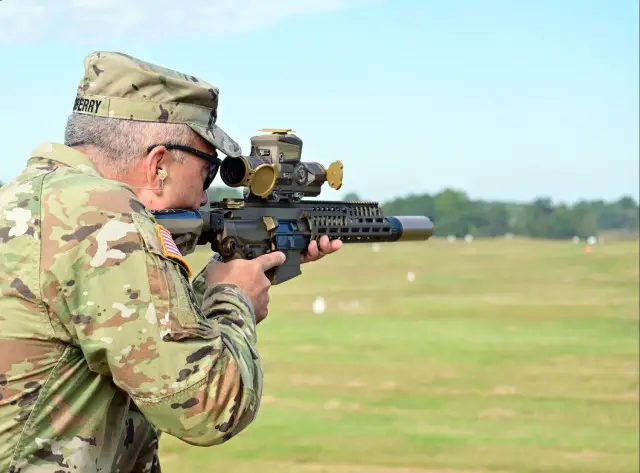
Modern armed forces rely on a wide range of firearms designed for specific roles, environments, and tactical objectives. Throughout this guide, we explored 30 different types of guns for military, covering everything from standard infantry rifles and precision sniper systems to machine guns, shotguns, pistols, and compact submachine guns. Each category serves a unique purpose on the battlefield, and together they form a carefully balanced ecosystem of weapons that allow military units to respond effectively to many different combat situations.
Infantry rifles such as the M4A1 Carbine, M16A4, and the newer M7 Rifle represent the backbone of most military forces. These rifles are designed to be versatile, lightweight, and reliable in a wide range of conditions. Soldiers depend on them for everyday combat operations, patrols, and defensive engagements. Their modular designs also allow the addition of optics, lights, suppressors, and other accessories, which significantly improves the adaptability of these guns for military in modern combat environments.
Precision rifles and sniper systems form another critical part of military firepower. Weapons such as the M24 Sniper Weapon System, M110 Semi‑Automatic Sniper System, and M2010 Enhanced Sniper Rifle provide long‑range accuracy that standard rifles cannot match. These firearms are carefully engineered to deliver consistent performance over great distances, allowing trained marksmen to engage targets with exceptional precision. Within the broader category of types of guns for military, sniper rifles represent the specialized tools used when accuracy and distance become the most important factors.
Machine guns and automatic support weapons also play an essential role in military operations. Platforms like the M249 Squad Automatic Weapon, M240 Machine Gun, and the powerful M2 Browning Heavy Machine Gun are designed to provide sustained firepower that supports infantry units during combat. These weapons are capable of delivering high volumes of fire to suppress enemy forces and protect advancing troops. Their presence highlights the importance of balancing mobility, firepower, and reliability in the design of modern guns for military.
In addition to rifles and machine guns, many specialized firearms contribute to military capability. Combat shotguns such as the Mossberg 590 and Benelli M1014 are highly effective for breaching and close‑quarters engagements. Submachine guns like the Heckler & Koch MP5 offer excellent control in confined environments. Meanwhile, sidearms such as the M17 and M18 pistols provide soldiers with reliable backup weapons when primary firearms are unavailable. These specialized systems demonstrate how different types of guns for military complement each other in a comprehensive arsenal.
Another important theme that emerges from examining these weapons is the increasing emphasis on modularity and adaptability. Many modern military firearms are designed with interchangeable components, adjustable stocks, and accessory rails that allow operators to customize their equipment for specific missions. This approach reflects a broader trend in military technology, where flexibility and efficiency are essential for responding to rapidly changing operational demands.
Ultimately, understanding the many types of guns for military offers valuable insight into how modern armed forces operate and prepare for diverse challenges. Each weapon in this list reflects decades of engineering, battlefield experience, and technological development. While no single firearm can meet every tactical requirement, the combination of rifles, sniper systems, machine guns, shotguns, pistols, and submachine guns ensures that military units are equipped with the tools needed to perform their missions effectively.
As military technology continues to evolve, future firearms will likely focus even more on precision, modularity, and advanced materials. Yet the fundamental goal will remain the same: providing soldiers with reliable and effective guns for military that support their safety, efficiency, and operational success in the field.
Frequently Asked Questions About Types of Guns for Military
1. What are the most common types of guns for military use?
The most common types of guns for military include assault rifles, sniper rifles, machine guns, pistols, shotguns, and submachine guns. Each category serves a specific tactical purpose. Assault rifles are typically used by infantry soldiers, while machine guns provide suppressive fire. Sniper rifles deliver precision at long distances, and pistols serve as backup weapons. Shotguns and submachine guns are often used in close‑quarters combat.
2. What is the primary role of assault rifles in the military?
Assault rifles serve as the standard issue firearm for most infantry soldiers. They are designed to be lightweight, versatile, and capable of firing both semi‑automatic and automatic or burst modes. These rifles allow soldiers to engage targets effectively at medium distances while remaining mobile in combat situations.
3. Why does the military use different types of guns?
Different types of guns for military operations exist because combat scenarios vary widely. Long‑range engagements require sniper rifles, while close‑quarters battles may favor submachine guns or shotguns. Machine guns provide sustained firepower, and pistols offer a compact secondary option. This diversity ensures soldiers have the right tool for each mission.
4. What is the difference between a military rifle and a civilian rifle?
Military rifles are designed specifically for combat environments. They often include select‑fire capabilities, meaning they can switch between semi‑automatic and automatic fire. Civilian rifles are usually restricted to semi‑automatic operation and may have design modifications to comply with firearm regulations.
5. What is a sniper rifle in military use?
A sniper rifle is a precision firearm designed for extreme accuracy at long distances. Military sniper rifles often feature heavy barrels, specialized optics, and advanced trigger systems. These weapons allow trained marksmen to engage targets hundreds or even thousands of meters away.
6. Why are machine guns important in military combat?
Machine guns provide sustained firepower that can suppress enemy movement and support advancing troops. They are often used to control large areas of the battlefield, giving infantry units tactical advantages during combat.
7. What is the purpose of a military shotgun?
Military shotguns are commonly used for breaching doors, clearing rooms, and engaging targets at very close range. Their wide spread pattern makes them particularly effective in confined environments such as buildings.
8. What is a submachine gun used for in the military?
Submachine guns fire pistol‑caliber ammunition and are designed for close‑quarters combat. They are compact and easy to control during rapid fire, making them ideal for special operations forces and urban environments.
9. What caliber ammunition do military rifles typically use?
Many modern military rifles use intermediate cartridges such as 5.56×45mm NATO or 7.62×51mm NATO. These calibers provide a balance between recoil control, effective range, and ammunition weight for soldiers carrying large quantities of rounds.
10. What is the difference between a light machine gun and a heavy machine gun?
Light machine guns are portable weapons designed to be carried and operated by infantry soldiers. Heavy machine guns are larger and usually mounted on vehicles, tripods, or defensive positions because of their size and recoil.
11. Why do modern guns for military have rail systems?
Rail systems allow soldiers to attach accessories such as optics, lasers, flashlights, foregrips, and grenade launchers. This modular design improves the adaptability of military firearms for different missions.
12. What is a designated marksman rifle?
A designated marksman rifle (DMR) fills the gap between standard infantry rifles and sniper rifles. It provides greater accuracy and range than typical service rifles while maintaining semi‑automatic fire capability.
13. Why do military pistols still exist if soldiers have rifles?
Pistols serve as secondary weapons when a soldier’s primary firearm is unavailable or malfunctions. They are compact and can be drawn quickly in emergency situations.
14. What is the typical effective range of military rifles?
Most standard military rifles have an effective range between 300 and 500 meters. However, specialized rifles such as sniper systems can reach much greater distances.
15. How are military firearms designed for durability?
Military firearms are built using durable materials such as steel and advanced polymers. They are tested to withstand extreme temperatures, dirt, moisture, and heavy use during prolonged operations.
16. Why do some military guns have suppressors?
Suppressors reduce the noise and muzzle flash of a firearm. This can help soldiers remain less visible during nighttime operations and improve communication within a unit.
17. What is the role of automatic fire in military combat?
Automatic fire allows a weapon to continuously fire rounds while the trigger is held. This capability is useful for suppressing enemy forces and providing covering fire for teammates.
18. What is a carbine in military terms?
A carbine is a shorter and lighter version of a standard rifle. Carbines are easier to handle in tight spaces and are commonly issued to soldiers who need mobility, such as vehicle crews or paratroopers.
19. Why do sniper rifles often have bolt‑action systems?
Bolt‑action rifles are known for their mechanical simplicity and exceptional accuracy. Many military snipers prefer bolt‑action systems because they allow precise control over each shot.
20. What materials are used in modern military guns?
Modern guns for military often use aluminum alloys, steel, and reinforced polymer materials. These components provide strength while reducing overall weight.
21. What is a modular firearm system?
A modular firearm system allows parts such as barrels, stocks, and optics to be changed easily. This flexibility allows one weapon platform to adapt to multiple mission requirements.
22. How important are optics on military weapons?
Optics significantly improve accuracy and target identification. Many modern soldiers use advanced scopes, red‑dot sights, or magnified optics to enhance shooting performance.
23. What training is required to use military firearms?
Soldiers receive extensive training in firearm safety, marksmanship, and tactical use. Training includes both classroom instruction and live‑fire exercises.
24. Why are some military weapons belt‑fed?
Belt‑fed systems allow machine guns to fire large numbers of rounds without frequent reloading. This is useful for sustained suppressive fire during combat.
25. What is recoil and why does it matter?
Recoil is the backward force generated when a firearm is discharged. Managing recoil is important because it affects accuracy and the speed of follow‑up shots.
26. Why do military weapons have adjustable stocks?
Adjustable stocks allow soldiers to customize the length of the rifle to fit their body size and equipment, improving comfort and shooting stability.
27. What is the purpose of a bipod?
A bipod is a support device attached to the front of a firearm. It stabilizes the weapon when shooting from prone or supported positions, improving accuracy.
28. What is the difference between semi‑automatic and automatic fire?
Semi‑automatic fire releases one round per trigger pull, while automatic fire continues firing as long as the trigger is held down.
29. Why do military guns undergo rigorous testing?
Military firearms must function reliably in extreme conditions. Testing ensures they operate correctly in environments such as deserts, jungles, and freezing climates.
30. What is the typical lifespan of a military firearm?
The lifespan varies depending on usage and maintenance, but many military firearms remain in service for decades with proper care and periodic upgrades.
31. How do soldiers maintain their weapons?
Regular cleaning, lubrication, and inspection are essential for keeping firearms reliable. Soldiers are trained to maintain their weapons in both field and base environments.
32. Why do some guns for military have folding stocks?
Folding stocks make firearms more compact for transport and storage. They are useful for paratroopers, vehicle crews, and special operations units.
33. What is the importance of weapon balance?
Good balance improves weapon handling and accuracy. Designers carefully distribute weight to ensure firearms remain stable during firing.
34. What is muzzle flash?
Muzzle flash is the bright burst of light that occurs when a firearm is discharged. Flash suppressors are often used to reduce this effect.
35. Why are military firearms often black or dark colored?
Dark finishes help reduce reflections and improve camouflage during combat operations.
36. What is the role of suppressive fire?
Suppressive fire is used to limit enemy movement and keep opposing forces under pressure while friendly units maneuver.
37. What is a grenade launcher attachment?
Some rifles can mount grenade launchers underneath the barrel, allowing soldiers to fire explosive rounds in addition to standard ammunition.
38. How do modern guns for military improve accuracy?
Improved barrel manufacturing, better optics, and advanced trigger systems all contribute to increased accuracy in modern military firearms.
39. What is a combat optic?
A combat optic is a durable sighting system designed for battlefield conditions. These optics allow faster target acquisition and improved accuracy.
40. Why are compact weapons important for special forces?
Special forces often operate in confined environments such as buildings, aircraft, or ships. Compact weapons improve maneuverability in these situations.
41. What is the difference between military and police firearms?
Military firearms are designed primarily for combat scenarios, while police firearms are typically intended for law enforcement duties and public safety operations.
42. What is the importance of ergonomics in military gun design?
Ergonomics ensures firearms are comfortable and intuitive to operate, which improves efficiency and reduces fatigue during extended missions.
43. Why are magazines detachable in most military rifles?
Detachable magazines allow soldiers to reload quickly and carry multiple loaded magazines for extended engagements.
44. What is the role of training simulators in weapon training?
Simulators allow soldiers to practice weapon handling and tactical scenarios without using live ammunition, improving safety and reducing costs.
45. What is a suppressor-ready weapon?
Suppressor‑ready weapons include threaded barrels or mounting systems that allow suppressors to be attached easily.
46. How do military weapons balance power and portability?
Designers must ensure firearms provide sufficient firepower while remaining lightweight enough for soldiers to carry during long operations.
47. What is the importance of weapon reliability?
Reliability ensures firearms function consistently during combat. A malfunction at a critical moment can have serious consequences.
48. What role does technology play in modern guns for military?
Technology has improved materials, optics, targeting systems, and manufacturing techniques, making modern military firearms more accurate and reliable.
49. Why are military firearms constantly updated?
Advances in technology and changing battlefield conditions require continuous improvements to weapons and equipment.
50. What makes a firearm suitable for military use?
A suitable military firearm must be reliable, durable, accurate, and adaptable to different combat environments. It should also be easy to maintain and compatible with modern accessories.
51. How do different types of guns for military work together?
Each weapon category supports a different tactical role. Rifles provide general firepower, machine guns deliver sustained fire, sniper rifles handle long‑range targets, and specialized weapons address unique combat needs.
Read more: 30 Types of Guns for Snipers | Ultimate Guide to Precision Rifles