
Long guns are a broad category of firearms designed with extended barrels and shoulder stocks, offering improved accuracy, stability, and effective range compared to handguns. They have been used for centuries in hunting, sport shooting, self-defense, and military service, evolving alongside changes in technology, materials, and shooting techniques. From classic bolt-action rifles to modern semi-automatic designs, long guns serve many purposes and skill levels.
This guide explores 50 types of long guns, breaking down how each one works, what it is best suited for, and why it continues to play a role in today’s shooting world. Whether you are a beginner trying to understand firearm categories or an experienced shooter looking to deepen your knowledge, this article provides a clear, practical overview. Hop in, and let’s start with some of the most common and influential long guns ever made.
50 Types of Long Guns: Classic and Modern Designs
1. Bolt-Action Rifle
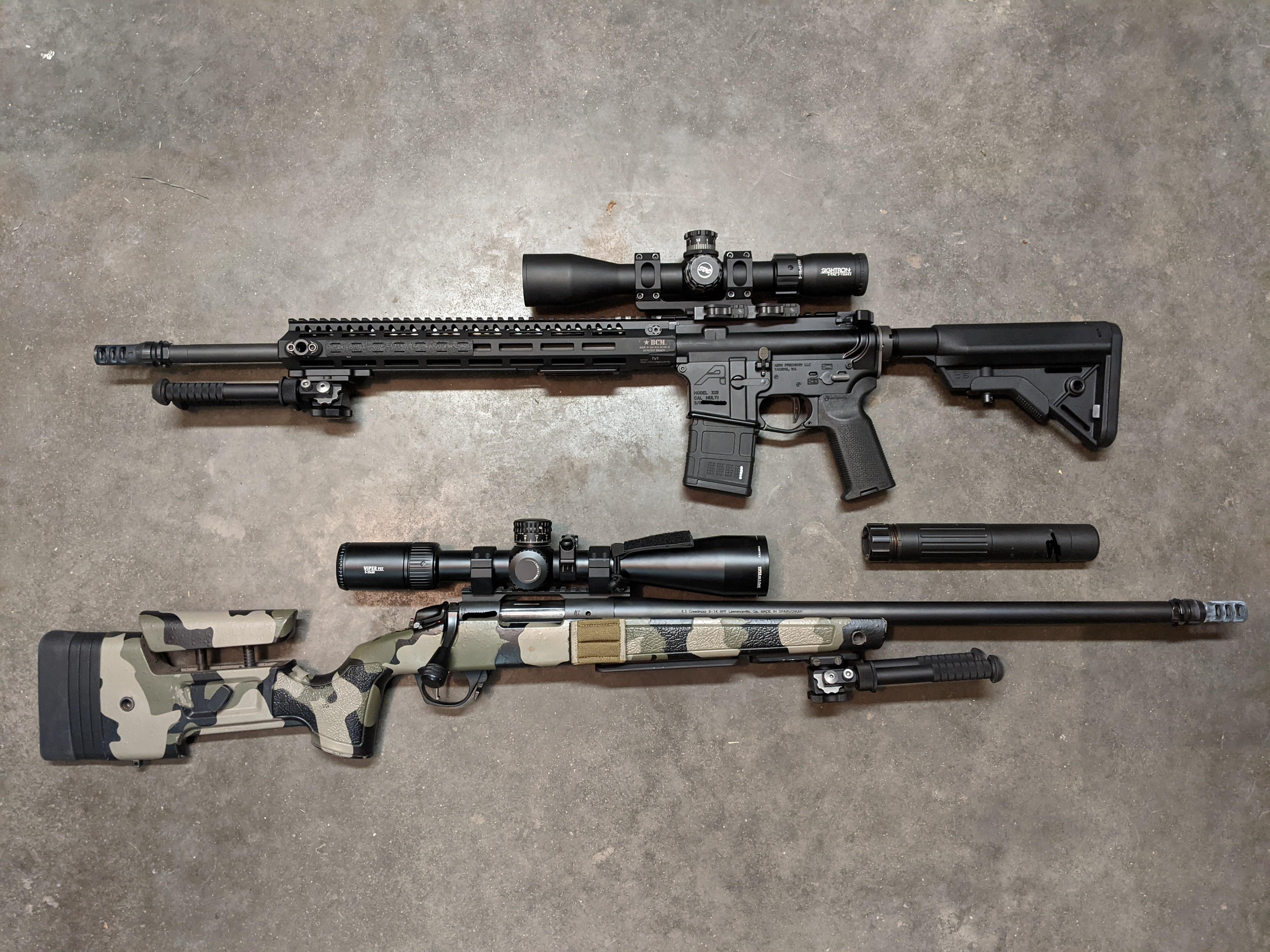
The bolt-action rifle is one of the most recognizable and widely respected types of long guns. Its defining feature is a manually operated bolt that the shooter cycles between shots. This simple mechanism extracts the spent cartridge, chambers a new round, and locks the action securely before firing. Because of this controlled process, bolt-action rifles are known for their reliability and precision.
Accuracy is the main reason bolt-action rifles remain popular today. With fewer moving parts during firing, there is less vibration and mechanical disturbance, allowing the bullet to travel more consistently down the barrel. This makes bolt-action rifles a top choice for hunting, target shooting, and long-range precision work. Many of the world’s most accurate civilian rifles fall into this category.
Bolt-action rifles are commonly chambered in a wide range of calibers, from small .22 rimfire rounds used for training to powerful big-game cartridges designed for elk or moose. This versatility makes them accessible to beginners while still appealing to seasoned shooters. The slower rate of fire also encourages deliberate shooting habits and strong fundamentals.
From a maintenance standpoint, bolt-action rifles are straightforward. Their simple design makes them easy to clean and less prone to malfunction under harsh conditions. That is why bolt-action systems have historically been used in military sniper rifles and rugged hunting environments. Even in an age of advanced firearms, the bolt-action rifle remains a benchmark for precision among long guns.
2. Semi-Automatic Rifle
A semi-automatic rifle fires one round with each trigger pull and automatically chambers the next cartridge using the energy generated from the previous shot. This design allows for faster follow-up shots without manual cycling, making semi-automatic rifles one of the most popular types of long guns worldwide.
These rifles are widely used in recreational shooting, hunting (where legal), competition, and home defense. Their appeal lies in their balance of speed and control. Shooters can maintain a steady shooting rhythm while still aiming carefully between shots. Modern semi-automatic rifles often feature detachable magazines, adjustable stocks, and optics-ready platforms.
Semi-automatic rifles come in many calibers and configurations. Lightweight models chambered in .22 LR are ideal for training and plinking, while centerfire versions are capable of hunting medium-sized game. The modular nature of many semi-automatic designs allows shooters to customize grips, stocks, and sights to suit their needs.
While they require slightly more maintenance than bolt-action rifles, semi-automatic rifles are generally reliable when properly cared for. Their widespread use has made them one of the most influential long guns in modern firearm design, shaping how people think about versatility and adaptability.
3. Lever-Action Rifle
The lever-action rifle is a classic long gun design that uses a lever located near the trigger guard to cycle the action. By moving the lever downward and back up, the shooter ejects the spent cartridge and chambers a new round. This mechanism allows for relatively quick follow-up shots while maintaining a traditional shooting experience.
Historically associated with the American frontier, lever-action rifles played a major role in hunting and ranch life. Today, they remain popular for their smooth operation, compact handling, and nostalgic appeal. Many shooters appreciate how naturally a lever-action rifle balances and points.
Lever-action rifles are often chambered in medium-powered cartridges suitable for hunting deer-sized game. Their tubular magazines typically run beneath the barrel, contributing to their slim profile. This design makes them comfortable to carry for long periods in the field.
Although they may not match the long-range precision of bolt-action rifles, lever-action rifles excel at short to medium distances. Their combination of speed, reliability, and classic styling ensures they remain a respected type of long gun among hunters and enthusiasts alike.
4. Single-Shot Rifle
The single-shot rifle represents the most minimalist approach to firearm design. As the name suggests, it holds and fires only one round at a time. After firing, the shooter must manually reload before taking another shot. This simplicity gives the single-shot rifle a unique place among long guns.
Single-shot rifles are valued for their mechanical simplicity and inherent accuracy. With no magazine or complex feeding system, the action can be extremely rigid, which contributes to consistent shot placement. Many precision shooters and traditional hunters appreciate this purity of design.
These rifles are commonly used for hunting, training, and marksmanship practice. They encourage careful shot selection and disciplined shooting habits, as there is no opportunity for rapid follow-up shots. For beginners, single-shot rifles provide a safe and controlled way to learn firearm fundamentals.
While less common today, single-shot rifles remain relevant due to their reliability and elegance. They remind shooters that accuracy and skill matter more than firepower, earning them a lasting spot in the long gun category.
5. Sniper Rifle
A sniper rifle is a specialized type of long gun designed for extreme accuracy at long distances. These rifles are typically built on bolt-action or semi-automatic platforms and feature heavy barrels, precision triggers, and advanced optics. Every component is engineered to minimize variables that affect shot placement.
Sniper rifles are most commonly associated with military and law enforcement roles, but civilian precision shooters also use similar platforms for long-range competitions. These rifles are capable of engaging targets at distances far beyond typical hunting ranges, often exceeding several hundred meters.
Due to their specialized nature, sniper rifles are usually heavier than standard rifles. This added weight helps stabilize the firearm and reduce recoil. Adjustable stocks and bipods further enhance shooter comfort and consistency during extended shooting sessions.
Although not practical for everyday use, sniper rifles represent the pinnacle of precision in the world of long guns. They showcase what is possible when engineering, marksmanship, and ballistics come together with a single goal: accuracy.
6. Assault Rifle
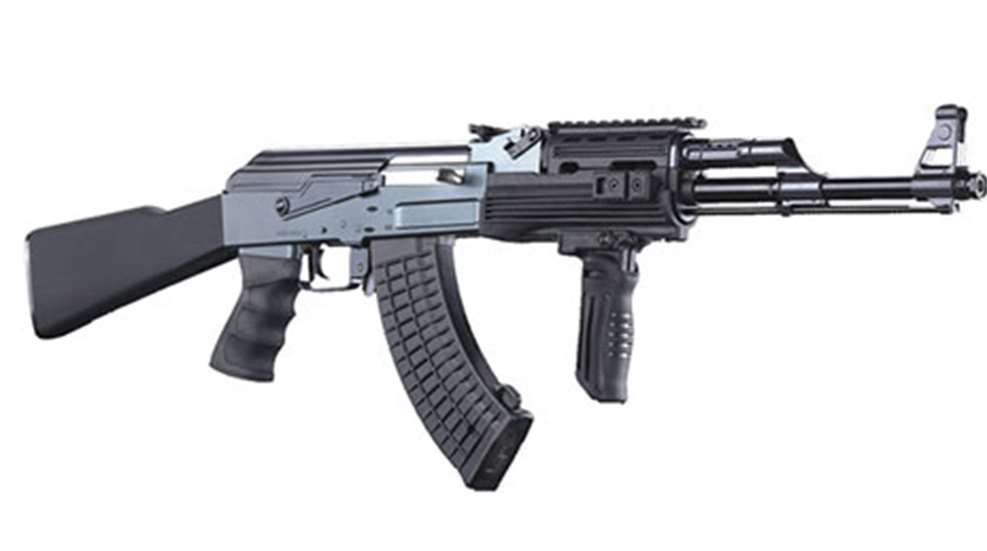
The assault rifle is one of the most discussed and often misunderstood types of long guns. In technical terms, an assault rifle is a selective-fire rifle that can switch between semi-automatic and automatic or burst-fire modes and uses an intermediate cartridge. This definition is specific and differs from how the term is commonly used in everyday conversation.
What makes assault rifles unique among long guns is their balance between firepower, controllability, and range. They are designed to be effective in a wide variety of conditions, including close-quarters combat and medium-range engagements. The use of intermediate cartridges allows soldiers to carry more ammunition without excessive recoil or weight.
From a design standpoint, assault rifles typically feature detachable magazines, shoulder stocks, and ergonomic controls that allow for quick handling. These rifles are built for durability, often functioning reliably in harsh environments such as dust, mud, or extreme temperatures. This reliability has made them standard issue for many military forces around the world.
Although true assault rifles are primarily military firearms, their influence on civilian long gun design is significant. Many semi-automatic rifles used for sport shooting and hunting are inspired by assault rifle platforms, borrowing features like modular stocks and accessory mounting systems. Understanding assault rifles helps explain how modern long guns evolved into versatile, adaptable tools.
7. Battle Rifle
The battle rifle predates the assault rifle and represents an earlier philosophy in military firearm design. Battle rifles are typically chambered in full-power rifle cartridges, offering greater range and stopping power compared to intermediate rounds. These long guns were designed for engagements at longer distances.
Unlike assault rifles, battle rifles are usually heavier and produce more recoil. This makes them less controllable in fully automatic fire, which is why many battle rifles are semi-automatic only. Their strength lies in accuracy and power rather than volume of fire.
Battle rifles often feature longer barrels and robust actions to handle higher-pressure cartridges. This construction contributes to their durability and effectiveness in open terrain. Historically, battle rifles were standard issue during the mid-20th century, bridging the gap between older bolt-action service rifles and modern assault rifles.
In civilian use, battle rifles are appreciated by shooters who value long-range performance and traditional rifle characteristics. They occupy a distinct place among types of long guns, offering power and precision at the cost of increased weight and recoil.
8. Designated Marksman Rifle
The designated marksman rifle, often abbreviated as DMR, fills the gap between standard infantry rifles and dedicated sniper rifles. This type of long gun is optimized for accuracy at extended ranges while still allowing for relatively rapid follow-up shots.
DMRs are usually semi-automatic rifles equipped with magnified optics and enhanced triggers. They are intended to support standard rifle units by engaging targets beyond the effective range of typical service rifles. This role requires both precision and flexibility.
One of the defining traits of a designated marksman rifle is its adaptability. Unlike sniper rifles, which are often heavy and specialized, DMRs are designed to integrate seamlessly with standard infantry gear. This makes them lighter and more versatile.
In civilian shooting sports, rifles inspired by the DMR concept are popular for precision competitions and practical marksmanship. They highlight how modern long guns can combine accuracy, speed, and usability in a single platform.
9. Service Rifle
A service rifle is a long gun officially issued to military personnel for standard use. The term does not refer to a single design but rather a category of rifles that meet military requirements for reliability, durability, and effectiveness.
Service rifles are built to perform consistently under demanding conditions. They must function reliably with minimal maintenance and be suitable for a wide range of soldiers. This emphasis on practicality shapes every aspect of their design.
Over time, service rifles have evolved from bolt-action designs to semi-automatic and selective-fire platforms. Each evolution reflects changes in combat tactics, technology, and battlefield requirements.
For civilian shooters, service rifle competitions offer a way to experience historically significant long guns in a controlled sporting environment. These rifles represent the backbone of military small arms history.
10. Anti-Materiel Rifle
The anti-materiel rifle is one of the most powerful types of long guns ever developed. Unlike standard rifles designed to engage personnel, these firearms are intended to disable equipment, vehicles, and hardened targets.
Anti-materiel rifles are characterized by their large calibers, long barrels, and substantial weight. They are built to deliver extreme energy at long distances, often exceeding what is necessary for typical shooting applications.
Due to their size and recoil, these rifles are usually fired from supported positions using bipods or tripods. Precision remains critical, as these rifles are often used to engage specific components rather than broad targets.
While primarily military tools, anti-materiel rifles demonstrate the upper limits of long gun design. They showcase how engineering can push firearms into roles that extend far beyond traditional marksmanship.
11. Muzzleloader Rifle
The muzzleloader rifle is one of the earliest and most historically significant types of long guns. As the name suggests, this rifle is loaded from the muzzle, or front end of the barrel, rather than from a breech or magazine. Powder, projectile, and ignition components are all inserted manually, making the loading process deliberate and methodical.
Muzzleloaders played a foundational role in the development of firearms. For centuries, they were the standard weapon for hunting, warfare, and personal defense. Early muzzleloader rifles introduced rifling—spiral grooves inside the barrel—which dramatically improved accuracy compared to smoothbore firearms. This innovation helped shape modern rifle design.
From a shooting perspective, muzzleloader rifles demand patience and skill. Each shot requires careful preparation, precise measurement of powder, and proper seating of the projectile. This slower pace encourages shooters to focus on fundamentals such as breathing, trigger control, and follow-through. Many enthusiasts appreciate muzzleloaders for this reason alone.
Modern muzzleloader rifles have evolved significantly while retaining their traditional operating principles. Today’s designs often incorporate stainless steel barrels, synthetic stocks, and advanced ignition systems. These upgrades improve reliability and ease of use without removing the historical charm that defines muzzleloaders.
In contemporary shooting culture, muzzleloader rifles are commonly used during special hunting seasons and historical reenactments. They represent a direct connection to the origins of long guns, offering a hands-on experience that modern firearms cannot replicate.
12. Flintlock Musket
The flintlock musket is one of the most iconic long guns in history. It uses a flint striking a steel surface to create sparks, igniting the priming powder and firing the main charge. This system replaced earlier matchlock designs and became the dominant firearm technology for centuries.
Flintlock muskets are smoothbore firearms, meaning they lack rifling inside the barrel. As a result, accuracy is limited compared to rifles, especially at longer distances. However, their simplicity and reliability made them well-suited for mass production and military use.
Historically, flintlock muskets were standard issue for armies around the world. Soldiers were trained to fire in volleys rather than aim precisely, relying on coordinated firepower. This doctrine shaped battlefield tactics and influenced the evolution of military long guns.
Today, flintlock muskets are primarily used by collectors, historical reenactors, and black powder enthusiasts. Shooting a flintlock musket offers a unique experience that highlights the challenges faced by early firearm users. Each shot involves smoke, sound, and a tangible connection to history.
As a type of long gun, the flintlock musket represents a pivotal stage in firearm evolution. It bridges the gap between early ignition systems and more modern designs, reminding shooters how far firearm technology has progressed.
13. Percussion Musket
The percussion musket marked a major improvement over flintlock technology. Instead of relying on sparks, it uses a percussion cap that detonates when struck by the hammer. This system provides more consistent ignition and better reliability, especially in wet or windy conditions.
Percussion muskets retained the smoothbore barrel of their flintlock predecessors, but their improved ignition system made them more dependable in combat. This advancement extended the effective service life of muskets during a transitional period in firearm history.
From a handling standpoint, percussion muskets are easier to operate than flintlocks. Misfires are less common, and ignition is faster. These benefits made percussion systems highly attractive to military forces and civilians alike.
Although eventually replaced by rifled muskets and cartridge-based firearms, percussion muskets played a crucial role in shaping modern long guns. They represent a key step toward self-contained ammunition and breech-loading systems.
Today, percussion muskets are appreciated for their historical significance and shooting characteristics. They remain a popular choice for reenactments and black powder shooting disciplines.
14. Musketoon
The musketoon is a shortened version of a standard musket, designed for easier handling in confined or mobile environments. Its compact size made it particularly useful for cavalry, naval forces, and troops operating in tight spaces.
While musketoons sacrificed some range and accuracy due to their shorter barrels, they offered improved maneuverability. This trade-off was acceptable for users who prioritized speed and convenience over long-distance performance.
Historically, musketoons filled specialized roles rather than serving as general-issue long guns. Their lighter weight and reduced length made them suitable for soldiers who needed a firearm without the bulk of a full-sized musket.
From a design perspective, musketoons highlight early efforts to adapt firearms to specific operational needs. They demonstrate how long guns were customized long before modern modular systems existed.
Today, musketoons are rare and mostly encountered in collections or historical displays. Nevertheless, they represent an important example of how firearm design responds to practical challenges.
15. Wall Gun
The wall gun is one of the most unusual types of long guns ever produced. Essentially an oversized rifle, it was designed to be mounted on walls, fortifications, or fixed supports. These firearms were intended for defensive use rather than portability.
Wall guns typically feature extremely long barrels and large calibers, allowing them to engage targets at extended ranges. Their size made them impractical for shoulder firing, necessitating a mounted or supported position.
Historically, wall guns were used in castles, ships, and fortified positions to defend against enemy forces. They filled a niche between small arms and artillery, providing powerful fire without the complexity of larger weapons.
Although obsolete today, wall guns demonstrate the experimental nature of early long gun development. Designers were willing to push boundaries in search of greater range and effectiveness.
As historical artifacts, wall guns offer insight into how long guns evolved to meet specific defensive needs. They stand as a reminder that firearm innovation has always been driven by real-world challenges.
16. Pump-Action Shotgun
The pump-action shotgun is one of the most widely recognized and versatile types of long guns in the world. Its defining feature is a sliding fore-end that the shooter manually cycles to eject a spent shell and chamber a new one. This simple but effective mechanism has earned pump-action shotguns a reputation for reliability across a wide range of conditions.
Pump-action shotguns are commonly used for hunting, sport shooting, law enforcement, and home defense. Their popularity comes from their ability to function with many different types of shotgun loads, from light target shells to heavy hunting rounds. This flexibility allows one firearm to serve multiple roles without modification.
From a handling perspective, pump-action shotguns encourage deliberate shooting. Each shot requires a manual cycling motion, which reinforces rhythm and control. This makes them excellent training tools for new shooters while still appealing to experienced users who value mechanical simplicity.
Another advantage of pump-action shotguns is their durability. With fewer gas-operated or recoil-operated components, they tend to function reliably even when dirty or exposed to harsh environments. This reliability has made them a staple among working firearms.
As a type of long gun, the pump-action shotgun represents a balance between power, adaptability, and dependability. Its continued use across generations highlights its effectiveness in both traditional and modern shooting roles.
17. Semi-Automatic Shotgun
The semi-automatic shotgun uses energy from the fired shell to automatically cycle the action, ejecting the spent casing and chambering the next round. With one shot fired per trigger pull, these long guns offer faster follow-up shots compared to manually operated shotguns.
Semi-automatic shotguns are popular in hunting, competition shooting, and recreational use. Their reduced recoil, achieved through gas or inertia systems, makes them more comfortable to shoot during extended sessions. This recoil management is especially beneficial for high-volume shooting sports.
Modern semi-automatic shotguns often feature adjustable stocks, interchangeable chokes, and optics-ready receivers. These design elements allow shooters to fine-tune their firearm for specific applications, from waterfowl hunting to clay shooting.
While semi-automatic shotguns require more maintenance than pump-action models, advancements in engineering have greatly improved their reliability. When properly maintained, they offer smooth operation and consistent performance.
Among types of long guns, semi-automatic shotguns stand out for combining speed, comfort, and versatility. They reflect how shotgun design has evolved to meet modern shooting demands.
18. Break-Action Shotgun
The break-action shotgun is one of the simplest and most traditional shotgun designs. It operates by hinging the barrel downward to expose the chamber, allowing the shooter to manually load and unload shells. This straightforward mechanism has been used for generations.
Break-action shotguns are prized for their reliability and ease of use. With very few moving parts, they are less prone to malfunction and easy to maintain. This makes them ideal for beginners and shooters who value mechanical simplicity.
These shotguns are commonly used for hunting and sport shooting, particularly in environments where safety and control are prioritized. The visible open action clearly indicates whether the firearm is loaded.
Although break-action shotguns typically hold fewer shells than repeating designs, their balance and handling characteristics are excellent. Many shooters appreciate the deliberate pace they encourage.
As a type of long gun, the break-action shotgun represents elegance and reliability. Its continued popularity proves that simple designs can remain effective even as technology advances.
19. Double-Barrel Shotgun
The double-barrel shotgun is a classic long gun design featuring two barrels mounted side by side or stacked vertically. Each barrel can fire a separate shell, offering immediate access to two shots without reloading.
Double-barrel shotguns are often associated with hunting and clay shooting sports. Their balance and natural pointing characteristics make them highly effective for fast-moving targets. The ability to use different chokes or loads in each barrel adds versatility.
There are two main configurations: side-by-side and over-under. Each offers distinct handling traits, but both emphasize precision and timing rather than volume of fire.
While limited in capacity, double-barrel shotguns excel in reliability. With minimal mechanical complexity, they are unlikely to malfunction, even after long periods of storage.
In the world of long guns, the double-barrel shotgun symbolizes tradition, craftsmanship, and refined shooting technique. It remains a favorite among enthusiasts who appreciate form as much as function.
20. Lever-Action Shotgun
The lever-action shotgun adapts the classic lever-action mechanism commonly associated with rifles to shotgun platforms. By cycling a lever, the shooter ejects the spent shell and chambers a new one from a tubular magazine.
Lever-action shotguns offer a unique shooting experience that blends tradition with practicality. Their operation is smooth and intuitive, allowing for reasonably quick follow-up shots without the complexity of semi-automatic systems.
These shotguns are less common than pump-action or semi-automatic designs, but they hold a niche appeal. Many shooters are drawn to their historical styling and mechanical simplicity.
Lever-action shotguns are often used for recreational shooting and hunting. Their tubular magazines and manual cycling encourage deliberate shot placement.
As a type of long gun, the lever-action shotgun demonstrates how classic firearm mechanisms can be adapted to different platforms. It stands as a functional reminder of firearm innovation rooted in tradition.
21. Tactical Shotgun
The tactical shotgun is a purpose-built long gun designed for defensive and professional use. Unlike traditional sporting shotguns, tactical models prioritize maneuverability, durability, and adaptability in high-stress environments. They are commonly configured with shorter barrels, extended magazines, and rugged furniture.
One of the defining features of a tactical shotgun is its modular design. Many models include accessory rails for mounting optics, lights, or shell carriers. Adjustable stocks and pistol grips are also common, allowing the shooter to tailor the firearm to their body and intended use.
Tactical shotguns are widely used by law enforcement and military units due to their close-range effectiveness. Shotgun loads provide significant stopping power, making these long guns suitable for breaching, room clearing, and defensive roles where precision at extreme distance is not required.
From a civilian perspective, tactical shotguns are often chosen for home defense. Their simple manual of arms, especially in pump-action configurations, makes them accessible to a wide range of users. Training and responsible handling remain essential, as the power of a shotgun demands respect.
Within the broader category of long guns, the tactical shotgun stands out as a tool optimized for protection and readiness. It reflects how shotgun platforms have evolved beyond hunting and sport into specialized defensive roles.
22. Trench Shotgun
The trench shotgun is a historically significant type of long gun that originated during early 20th-century warfare. Designed for close-quarters combat, it featured a short barrel and was often equipped with a bayonet lug and heat shield.
Trench shotguns earned their reputation in confined environments where rapid target engagement was critical. The spread of shotgun pellets made them effective at short distances, particularly in narrow trenches and enclosed spaces.
From a design standpoint, trench shotguns were typically pump-action models adapted for military use. Their rugged construction and simple operation made them reliable under harsh battlefield conditions.
Today, trench shotguns are mostly encountered as historical reproductions or collectibles. They offer insight into how long guns were adapted to meet the demands of early modern warfare.
As a category, trench shotguns highlight the adaptability of shotgun platforms. They serve as an important chapter in the evolution of long guns designed for specialized combat roles.
23. Hunting Shotgun
The hunting shotgun is one of the most widely used types of long guns in the world. Designed primarily for harvesting game, these shotguns are optimized for reliability, balance, and versatility across a range of hunting environments.
Hunting shotguns are used for upland birds, waterfowl, and small game. Their ability to fire different types of shotgun loads allows hunters to tailor performance to specific species and regulations.
Most hunting shotguns feature longer barrels to improve swing and shot pattern consistency. Interchangeable chokes are common, giving hunters greater control over pellet spread at varying distances.
In terms of handling, hunting shotguns emphasize comfort and natural pointing. Stocks are shaped to promote smooth mounting and steady tracking of moving targets.
Among long guns, hunting shotguns represent practicality and tradition. They remain essential tools for ethical and effective hunting across diverse terrains.
24. Competition Shotgun
The competition shotgun is a specialized long gun designed for shooting sports such as trap, skeet, and sporting clays. Precision, consistency, and shooter comfort are the primary design goals.
These shotguns often feature finely tuned triggers, adjustable stocks, and high-quality barrels. Balance is carefully engineered to support smooth swings and rapid target acquisition.
Competition shotguns are commonly over-under or semi-automatic designs. Each configuration offers advantages depending on the discipline and shooter preference.
Durability is another key consideration. Competition shotguns are built to withstand high round counts while maintaining consistent performance.
As long guns, competition shotguns showcase the refinement possible when firearms are optimized for a specific purpose. They demonstrate how subtle design changes can enhance shooting performance.
25. Youth Shotgun
The youth shotgun is designed specifically for younger or smaller-framed shooters. These long guns focus on reduced weight, manageable recoil, and simplified operation.
Youth shotguns often feature shorter stocks and lighter barrels, making them easier to handle safely. Many are single-shot or break-action designs to promote responsible shooting habits.
Training and safety are central to youth shotgun design. These firearms help introduce new shooters to fundamentals such as stance, trigger control, and firearm awareness.
Despite their smaller size, youth shotguns are fully functional long guns. They are capable of hunting small game and participating in introductory shooting sports.
In the broader long gun landscape, youth shotguns play an essential role in education and skill development. They help ensure that firearm knowledge is passed on responsibly to future generations.
26. Carbine
The carbine is a shortened version of a standard rifle, designed to be lighter, more compact, and easier to handle. As a type of long gun, carbines strike a balance between the portability of smaller firearms and the accuracy of full-length rifles. This balance has made them popular across military, law enforcement, and civilian use.
Carbines typically feature shorter barrels and reduced overall length, which improves maneuverability in confined spaces. This makes them well-suited for environments where quick movement and fast target acquisition are essential. Despite their compact size, carbines still offer effective range and accuracy for most practical shooting needs.
Historically, carbines were issued to troops who needed a lighter weapon, such as support personnel or mounted units. Over time, advances in ammunition and barrel design allowed carbines to perform nearly as well as full-length rifles at moderate distances.
In civilian contexts, carbines are commonly used for home defense, recreational shooting, and hunting small to medium game. Their manageable size makes them approachable for shooters of different experience levels.
Among types of long guns, the carbine stands out for its versatility. It offers a practical middle ground that continues to influence modern firearm design.
27. Cavalry Carbine
The cavalry carbine is a historically specialized long gun developed for mounted troops. Its compact design allowed soldiers to carry and operate a firearm while on horseback, where full-length rifles would be cumbersome.
Cavalry carbines were designed with shorter barrels and simplified controls to accommodate rapid deployment. Sling attachments and lighter construction made them easier to manage during mounted operations.
Although their shorter barrels reduced long-range performance, cavalry carbines were effective at close to medium distances. This trade-off was acceptable given the mobility requirements of cavalry units.
As warfare evolved and mounted combat declined, cavalry carbines became less common. However, their influence can still be seen in modern compact rifle designs.
Within the broader category of long guns, cavalry carbines illustrate how firearm design adapts to specific tactical needs and environments.
28. Battle Carbine
The battle carbine is a modern adaptation of the carbine concept, optimized for combat effectiveness. It combines the compact dimensions of a carbine with features intended for durability and versatility in demanding conditions.
Battle carbines often include reinforced components, modular accessory mounting options, and ergonomic controls. These features allow the firearm to be configured for different roles without sacrificing reliability.
Unlike traditional carbines designed purely for portability, battle carbines are expected to perform across a wide range of scenarios. They must balance accuracy, handling, and sustained use.
In civilian shooting, battle carbines are popular for training and competitive disciplines that emphasize practical shooting skills. Their design reflects modern expectations of what a long gun should be capable of.
As a type of long gun, the battle carbine represents the evolution of compact rifles into highly adaptable platforms suited for modern use.
29. Compact Carbine
The compact carbine emphasizes minimal size and weight while retaining the essential characteristics of a long gun. These firearms are designed for maximum maneuverability in tight spaces.
Compact carbines often feature collapsible or folding stocks, short barrels, and streamlined profiles. These design choices make them easy to transport and deploy.
Despite their reduced dimensions, compact carbines remain effective within their intended range. Advances in ammunition and optics help compensate for shorter barrels.
These carbines are frequently chosen for defensive roles and recreational shooting where space is limited. Their user-friendly handling appeals to a broad range of shooters.
Within the family of long guns, compact carbines highlight how size reduction can be achieved without sacrificing core functionality.
30. Lightweight Carbine
The lightweight carbine is designed with one primary goal: reducing overall weight. By using lighter materials and simplified construction, these long guns minimize fatigue during extended use.
Lightweight carbines are especially valued in situations where the firearm must be carried for long periods. Reduced weight improves comfort and allows for faster handling.
Manufacturers achieve weight savings through materials such as aluminum alloys and polymer components. Barrel profiles may also be optimized to remove unnecessary mass.
In civilian shooting, lightweight carbines are popular among hunters, new shooters, and those who prioritize ease of handling. Their approachable nature makes them versatile tools.
As a category of long guns, lightweight carbines demonstrate how thoughtful engineering can enhance usability without compromising performance.
31. Automatic Rifle
An automatic rifle is a type of long gun capable of continuous fire as long as the trigger is held down and ammunition remains. Unlike standard semi-automatic rifles, automatic rifles are designed to deliver sustained firepower, making them historically significant in military contexts.
Automatic rifles typically fire full-power rifle cartridges and are built with reinforced components to withstand heat and mechanical stress. Heavier barrels and robust receivers help manage the demands of automatic fire.
Historically, automatic rifles bridged the gap between standard service rifles and machine guns. They provided infantry units with mobile suppressive fire without requiring a dedicated crew.
Due to legal restrictions, automatic rifles are rarely encountered in civilian ownership. However, their design principles strongly influence modern semi-automatic rifles.
Among the many types of long guns, automatic rifles stand out as a milestone in the evolution of infantry firepower and battlefield tactics.
32. Squad Automatic Rifle
The squad automatic rifle, often abbreviated as SAR, is a specialized automatic long gun designed to support small infantry units. Its primary role is to provide sustained, accurate fire to suppress enemy movement.
Squad automatic rifles are engineered for durability and prolonged use. Features such as quick-change barrels and high-capacity magazines help maintain continuous fire during extended engagements.
Unlike heavier machine guns, squad automatic rifles are portable enough for a single operator. This mobility allows them to move with the squad and adapt quickly to changing conditions.
While civilian shooters rarely use true squad automatic rifles, their influence is seen in modern tactical rifle designs and training doctrines.
Within the category of long guns, squad automatic rifles represent the tactical emphasis on teamwork, mobility, and sustained fire support.
33. Precision Rifle
The precision rifle is a long gun built for accuracy above all else. These rifles are designed to deliver consistent, repeatable shots at extended distances, often under challenging conditions.
Precision rifles feature heavy barrels, refined triggers, and rigid stocks to minimize movement and vibration. Optics play a critical role, allowing shooters to make precise adjustments for distance and wind.
Unlike general-purpose rifles, precision rifles are optimized for deliberate, calculated shooting rather than rapid fire. Every design element supports shot consistency.
In civilian use, precision rifles are popular in long-range shooting sports and target competitions. They also appeal to shooters who enjoy technical marksmanship.
Among types of long guns, the precision rifle embodies the pursuit of accuracy and control at the highest level.
34. Match Rifle
A match rifle is a long gun specifically built for competitive shooting. These rifles are tuned to meet strict competition standards, emphasizing precision, balance, and shooter ergonomics.
Match rifles often feature adjustable stocks, fine-tuned triggers, and carefully selected barrels. These components allow shooters to tailor the rifle to their body and shooting style.
Unlike hunting or tactical rifles, match rifles prioritize consistency over versatility. They are designed for controlled environments where precision is measured in fractions of an inch.
Competitive shooters value match rifles for their predictable performance and refined handling. Mastery of a match rifle often comes down to technique and discipline.
Within the landscape of long guns, match rifles represent the pinnacle of sport-focused firearm engineering.
35. Express Rifle
The express rifle is a powerful long gun traditionally associated with dangerous game hunting. It is designed to deliver massive stopping power at moderate ranges.
Express rifles typically fire large-caliber cartridges capable of penetrating thick hide and bone. Reliability and immediate impact are critical design priorities.
Many express rifles feature iron sights optimized for fast target acquisition rather than long-range precision. This reflects their intended use in close, high-stakes encounters.
In modern times, express rifles remain niche firearms, valued for their craftsmanship and historical significance. They are often seen as functional works of art.
Among types of long guns, the express rifle stands apart for its focus on raw power, tradition, and decisive performance.
36. Air Rifle
An air rifle is a type of long gun that uses compressed air or gas rather than gunpowder to propel a projectile. This fundamental difference makes air rifles quieter, lower recoil, and generally more accessible than traditional firearms.
Air rifles are commonly used for target shooting, training, pest control, and recreational shooting. Their relatively low operating cost and minimal maintenance requirements contribute to their widespread popularity.
Modern air rifles vary widely in power. Some are designed strictly for backyard practice, while others generate enough energy for small-game hunting under appropriate regulations.
Accuracy is a defining trait of quality air rifles. Rifled barrels, consistent air pressure, and precision pellets allow skilled shooters to achieve impressive results at moderate distances.
Among the many types of long guns, air rifles stand out as a versatile and approachable platform suitable for beginners and experienced shooters alike.
37. Pellet Rifle
A pellet rifle is a specific category of air rifle designed to fire diabolo-shaped pellets. These pellets are engineered for stability and accuracy, making them ideal for precision shooting.
Pellet rifles typically use rifled barrels that spin the projectile, enhancing accuracy compared to spherical ammunition. This makes them well-suited for target competitions and controlled pest management.
Shooters appreciate pellet rifles for their predictable performance and wide ammunition availability. Pellets come in various weights and materials, allowing customization for different shooting goals.
Pellet rifles are commonly used in indoor ranges and backyard environments due to their controlled power levels and reduced noise.
Within the broader category of long guns, pellet rifles emphasize precision, consistency, and refined shooting technique.
38. BB Rifle
A BB rifle is an air-powered long gun designed to shoot small spherical projectiles known as BBs. These BBs are typically made of steel or coated metal and differ significantly from pellets in shape and behavior.
BB rifles often feature smoothbore barrels, prioritizing ease of use and rapid firing over ultimate accuracy. This makes them popular for casual shooting and training purposes.
Many BB rifles are designed to replicate the look and handling of traditional rifles, making them useful for introductory firearms training and safe handling practice.
Due to their lighter projectiles, BB rifles generally have shorter effective ranges and lower impact energy than pellet rifles.
Among types of long guns, BB rifles are valued for simplicity, affordability, and recreational appeal.
39. Spring-Piston Air Gun
The spring-piston air gun is one of the most common and mechanically straightforward air-powered long guns. It uses a compressed spring to generate air pressure when fired.
When the trigger is pulled, the spring releases, driving a piston forward and compressing air behind the projectile. This system requires no external air source.
Spring-piston air guns are known for durability and self-contained operation. Shooters only need pellets and basic maintenance to keep them running.
Recoil in spring-piston rifles is unique, featuring both forward and rearward movement. Mastery of shooting technique is essential for consistent accuracy.
Within the world of long guns, spring-piston air guns represent mechanical simplicity combined with reliable performance.
40. PCP Air Rifle
A PCP air rifle, or pre-charged pneumatic rifle, is a high-performance air-powered long gun that stores compressed air in an onboard reservoir.
This stored air provides consistent pressure for each shot, resulting in excellent accuracy and minimal recoil. PCP rifles are often considered the most precise air rifles available.
PCP air rifles typically require an external air source, such as a hand pump or compressed air tank. While this adds complexity, it also enables higher power levels.
These rifles are commonly used in competitive shooting and regulated hunting environments where air rifles are permitted.
Among types of long guns, PCP air rifles stand at the top of the air-powered category in terms of performance and refinement.
41. .22 Rimfire Rifle
A .22 rimfire rifle is one of the most widely used long guns in the world, known for its affordability, low recoil, and versatility. Chambered primarily in .22 Long Rifle (.22 LR), this rifle is often the first firearm many shooters learn to use.
The defining characteristic of a rimfire rifle is its ignition system. The primer compound is distributed around the rim of the cartridge, allowing reliable ignition with a lightweight firing pin strike.
.22 rimfire rifles excel in training, plinking, and small-game hunting. Their minimal recoil encourages proper shooting fundamentals, including trigger control and sight alignment.
Accuracy is a major strength of quality .22 rifles. At short to medium distances, they deliver consistent precision with modest ammunition costs.
Among types of long guns, the .22 rimfire rifle stands out as a practical, approachable, and endlessly useful platform.
42. Varmint Rifle
A varmint rifle is a precision-oriented long gun designed for controlling small to medium-sized pests at extended ranges. These rifles prioritize accuracy, flat trajectories, and optical compatibility.
Varmint rifles typically feature heavy barrels that reduce vibration and maintain accuracy during sustained shooting. This design also improves heat dissipation.
Calibers commonly used in varmint rifles are optimized for speed and precision, allowing shooters to engage small targets with confidence.
Optics play a critical role in varmint rifles. High-magnification scopes enable precise shot placement at distances where minor errors matter.
Within the category of long guns, varmint rifles represent specialization, precision, and technical shooting discipline.
43. Big Game Rifle
A big game rifle is built for hunting large, robust animals where reliability, power, and accuracy are essential. These long guns are engineered to deliver controlled penetration and ethical performance.
Big game rifles often use larger calibers designed to maintain energy over longer distances. Their actions are built to withstand higher pressures and repeated field use.
Ergonomics are a priority. Stock design, balance, and recoil management are carefully considered to ensure accurate shooting under real-world hunting conditions.
Durability is another defining feature. Big game rifles are expected to perform in harsh weather, rugged terrain, and remote environments.
Among types of long guns, the big game rifle symbolizes tradition, responsibility, and deliberate marksmanship.
44. Scout Rifle
The scout rifle is a lightweight, general-purpose long gun designed for versatility and mobility. It emphasizes quick handling, situational awareness, and practical accuracy.
Scout rifles often feature forward-mounted optics that allow both-eyes-open shooting. This setup enhances target acquisition and field awareness.
Weight reduction is central to the scout rifle concept. Short barrels and streamlined stocks make these rifles easy to carry over long distances.
The scout rifle excels in scenarios where adaptability matters more than specialization. It performs adequately across hunting, defense, and field utility roles.
Within the broader family of long guns, the scout rifle reflects efficiency, balance, and real-world practicality.
45. Survival Rifle
A survival rifle is a compact, lightweight long gun designed for emergency preparedness and remote living situations. Its purpose is utility rather than specialization.
These rifles often feature simple mechanisms, breakdown designs, or folding components for easy transport and storage.
Survival rifles are commonly chambered in practical calibers that balance effectiveness with ammunition availability.
Reliability is paramount. A survival rifle must function with minimal maintenance and perform consistently under uncertain conditions.
Among types of long guns, the survival rifle represents adaptability, self-reliance, and preparedness.
46. Elephant Gun
An elephant gun is a specialized type of long gun designed historically for hunting the largest and most dangerous land animals on Earth. Its defining characteristic is immense stopping power, intended to neutralize massive targets quickly and decisively.
Elephant guns emerged during the colonial hunting era, when professional hunters required firearms capable of penetrating thick hide, dense muscle, and heavy bone. These rifles were engineered for reliability over refinement.
Barrel construction on elephant guns is typically heavy and rigid, ensuring stability when firing extremely powerful cartridges. This mass also helps absorb recoil, which would otherwise be unmanageable.
Accuracy expectations for elephant guns differ from precision rifles. Engagement distances are generally short, and shot placement focuses on vital structures rather than long-range precision.
Modern elephant guns are rarely used today due to conservation laws and ethical hunting standards. However, they remain an important part of firearms history.
Among types of long guns, the elephant gun represents the extreme upper limit of power, purpose-built for scenarios where failure was not an option.
47. Dangerous Game Rifle
A dangerous game rifle is designed specifically for hunting large, aggressive animals capable of charging and causing serious harm. Reliability, rapid follow-up shots, and deep penetration are essential features.
These rifles are engineered to function flawlessly under high stress. Mechanical simplicity is often prioritized over complex features to reduce failure points.
Barrels are usually optimized for durability rather than lightweight performance. Heat resistance and structural integrity are critical during repeated firing.
Stock design emphasizes control and balance. A dangerous game rifle must remain stable during recoil while allowing quick target reacquisition.
Sights on dangerous game rifles are typically robust and easy to acquire, favoring visibility over magnification. Speed matters more than fine precision.
Within the spectrum of long guns, dangerous game rifles embody seriousness, responsibility, and respect for the power they deliver.
48. Straight-Pull Rifle
A straight-pull rifle is a type of long gun that allows the shooter to cycle the action without rotating the bolt handle. This design enables faster operation while maintaining strong lockup.
The straight-pull mechanism reduces movement during cycling, helping shooters stay on target between shots. This makes the platform appealing for both hunting and sport shooting.
Engineering complexity is higher compared to traditional bolt-action rifles. Precision manufacturing is essential to ensure reliability and smooth operation.
Straight-pull rifles often feature refined ergonomics and premium materials. These rifles are designed for shooters who value efficiency and craftsmanship.
Accuracy remains comparable to conventional bolt-action rifles, as the barrel remains fixed and rigid during firing.
Among types of long guns, the straight-pull rifle represents innovation focused on speed without sacrificing precision.
49. Falling-Block Rifle
A falling-block rifle is a single-shot long gun characterized by a vertically sliding breech block that opens to load a cartridge. Its simplicity is its greatest strength.
This action type offers exceptional strength and reliability. The solid breech design allows the rifle to handle a wide range of cartridge pressures safely.
Falling-block rifles encourage deliberate shooting. With only one round available at a time, shot placement becomes the primary focus.
Barrels on falling-block rifles are often free from mechanical interference, contributing to excellent accuracy potential.
These rifles are popular among precision shooters and traditionalists who appreciate craftsmanship and mechanical clarity.
Within the family of long guns, the falling-block rifle symbolizes discipline, simplicity, and timeless engineering.
50. Bullpup Rifle
A bullpup rifle is a modern long gun design where the action and magazine are located behind the trigger group. This configuration allows a full-length barrel in a compact overall package.
Bullpup rifles excel in confined environments where maneuverability is critical. Short overall length improves handling without sacrificing ballistic performance.
Weight distribution differs from traditional rifles, placing more mass toward the rear. This can improve balance but requires adaptation for some shooters.
Trigger systems in bullpup rifles are often more complex due to extended linkages. Modern designs have significantly improved trigger feel.
Bullpup rifles are widely used in military and tactical roles where space efficiency and barrel length matter.
Among types of long guns, the bullpup rifle represents modern efficiency, compact design, and evolving firearm ergonomics.
Conclusion
Exploring the diverse types of long guns reveals the incredible versatility and purpose-driven design that firearms offer. From historical muskets and cavalry carbines to modern tactical rifles and precision platforms, each long gun serves a specific role, whether for hunting, competition, defense, or training. Understanding these differences is essential for enthusiasts, hunters, and shooters seeking the right tool for their needs. Long guns vary not only in size, caliber, and mechanism but also in ergonomics, handling, and specialized applications. Knowing the distinctions between .22 rimfire rifles, big game rifles, bullpup configurations, and air-powered options allows shooters to select the firearm that best aligns with their objectives. Moreover, appreciating the engineering behind specialized designs, such as falling-block rifles or straight-pull actions, highlights how innovation continues to shape firearm performance and usability. By learning about the full spectrum of types of long guns, individuals gain insight into both historical significance and modern advancements, enabling informed decisions and safe, effective use. Whether for practical shooting, sporting endeavors, or professional purposes, long guns remain indispensable tools in the world of firearms.
50+ Frequently Asked Questions (FAQ) about Long Guns
1. What is a long gun?
A long gun is a firearm with a longer barrel than a handgun, designed to be fired from the shoulder. Examples include rifles, shotguns, and carbines.
2. What are the main types of long guns?
The main types include rifles, shotguns, carbines, and air rifles, each with specific uses, calibers, and action types.
3. What is the difference between a rifle and a shotgun?
Rifles have rifled barrels for accuracy with bullets, while shotguns fire multiple projectiles or slugs and often have smooth barrels.
4. What is a carbine?
A carbine is a shorter, lighter version of a rifle, designed for mobility and ease of handling without greatly compromising accuracy.
5. What is a bullpup rifle?
A bullpup rifle places the action and magazine behind the trigger, allowing a full-length barrel in a more compact design for better maneuverability.
6. What is a .22 rimfire rifle used for?
.22 rimfire rifles are used for training, small-game hunting, and recreational shooting due to their low recoil and affordable ammunition.
7. What is a precision rifle?
A precision rifle is engineered for long-range accuracy, often featuring heavy barrels, adjustable stocks, and high-quality optics for target shooting.
8. What is a match rifle?
A match rifle is a competition-focused firearm optimized for consistent, precise shooting in formal target or benchrest competitions.
9. What is an elephant gun?
An elephant gun is an extremely powerful rifle historically used to hunt large animals, emphasizing stopping power over range or portability.
10. What is a falling-block rifle?
A falling-block rifle has a single-shot action where the breech block drops vertically to load a cartridge, offering strength and simplicity.
11. What is a straight-pull rifle?
A straight-pull rifle allows the bolt to be cycled without rotating it, enabling faster follow-up shots while maintaining accuracy.
12. What is a squad automatic rifle?
A squad automatic rifle is a portable automatic long gun designed to provide suppressive fire to support infantry squads in combat.
13. What is a dangerous game rifle?
A dangerous game rifle is designed for hunting large and aggressive animals, built to deliver high stopping power and reliable performance.
14. What is a survival rifle?
A survival rifle is compact and lightweight, intended for emergency situations, survival scenarios, and easy transport.
15. What is a scout rifle?
A scout rifle is a versatile long gun that prioritizes mobility and quick handling, suitable for field use and general-purpose shooting.
16. What is a varmint rifle?
A varmint rifle is a precision firearm designed for small or pest animals, featuring accurate barrels and scopes optimized for long-distance shots.
17. What is a big game rifle?
A big game rifle is designed for large animals, emphasizing power, penetration, and reliability in rugged hunting environments.
18. What is a compact carbine?
A compact carbine is a shortened rifle designed for maneuverability in tight spaces while retaining effective firepower.
19. What is a lightweight carbine?
A lightweight carbine reduces weight using alloys and polymers, making it easier to carry without sacrificing core performance.
20. What is an automatic rifle?
An automatic rifle fires continuously as long as the trigger is held and ammunition remains, typically used in military operations.
21. What is an air rifle?
An air rifle propels projectiles using compressed air or gas, ideal for training, pest control, and recreational shooting.
22. What is a pellet rifle?
A pellet rifle is an air rifle designed to shoot diabolo-shaped pellets for precision shooting and controlled hunting.
23. What is a BB rifle?
A BB rifle fires small steel spheres called BBs, usually smoothbore, suitable for recreational shooting and training.
24. What is a spring-piston air gun?
A spring-piston air gun uses a spring to compress air that propels a projectile, offering a self-contained, reliable shooting experience.
25. What is a PCP air rifle?
A PCP (pre-charged pneumatic) air rifle stores compressed air in a reservoir, offering consistent high-power shots for precision and hunting.
26. What is a muzzleloader rifle?
A muzzleloader rifle is loaded from the muzzle end, using black powder or modern substitutes, historically significant for early firearms enthusiasts.
27. What is a flintlock musket?
A flintlock musket uses a flint striking mechanism to ignite the powder charge, historically used in military conflicts before the 19th century.
28. What is a percussion musket?
A percussion musket uses percussion caps to ignite the charge, replacing flintlocks with a more reliable ignition system.
29. What is a musketoon?
A musketoon is a short-barreled musket designed for close-quarters combat, offering portability and easier handling than standard muskets.
30. What is a wall gun?
A wall gun is a large-caliber firearm used historically to defend fortifications, essentially a scaled-up musket for mounted or stationary use.
31. What is a pump-action shotgun?
A pump-action shotgun uses a sliding forearm to chamber rounds, allowing fast follow-up shots and reliable operation for hunting and defense.
32. What is a semi-automatic shotgun?
A semi-automatic shotgun cycles automatically with each shot, offering rapid fire without manually pumping after every round.
33. What is a break-action shotgun?
A break-action shotgun opens at the hinge to load shells, typically single or double-barrel, known for simplicity and reliability.
34. What is a double-barrel shotgun?
A double-barrel shotgun has two barrels, either side-by-side or over-under, allowing two shots before reloading, common in hunting and sport shooting.
35. What is a lever-action shotgun?
A lever-action shotgun uses a lever under the receiver to chamber rounds, combining classic rifle action with shotgun versatility.
36. What is a tactical shotgun?
A tactical shotgun is designed for defense or law enforcement, featuring short barrels, extended magazines, and accessory rails for customization.
37. What is a trench shotgun?
A trench shotgun is a historically military shotgun with a short barrel, used in close combat situations such as World War I trench warfare.
38. What is a hunting shotgun?
A hunting shotgun is optimized for game hunting, with barrel lengths and chokes suited for birds or small game, balancing range and spread.
39. What is a competition shotgun?
A competition shotgun is designed for sports like skeet, trap, or sporting clays, emphasizing fast follow-up shots, balance, and accuracy.
40. What is a youth shotgun?
A youth shotgun is sized for young shooters, with lighter weight, reduced recoil, and appropriate stock length for easier handling and safety.
41. What is a cavalry carbine?
A cavalry carbine is a short rifle designed for mounted soldiers, providing mobility while maintaining firepower in horseback combat.
42. What is a battle carbine?
A battle carbine is a compact rifle used in combat scenarios, combining portability with effective range and reliable performance.
43. What is a compact carbine?
A compact carbine emphasizes minimal size for maneuverability in tight spaces, maintaining enough firepower for defense or hunting.
44. What is a lightweight carbine?
A lightweight carbine reduces mass with alloys and polymers, ideal for shooters needing portability without sacrificing performance.
45. What is an express rifle?
An express rifle is a powerful long gun traditionally used for dangerous game hunting, emphasizing immediate impact and high stopping power.
46. What is a training rifle?
A training rifle is used for instruction, often chambered in .22 or air-powered rounds, helping shooters develop skills safely and efficiently.
47. What is a drill rifle?
A drill rifle is typically non-firing, used for ceremonial or practice drills, focusing on handling, safety, and movement techniques.
48. What is a survival rifle?
A survival rifle is compact and versatile, intended for emergency use or survival scenarios, emphasizing reliability, portability, and simplicity.
49. What is a scout rifle?
A scout rifle prioritizes mobility, light weight, and general-purpose use, often with forward-mounted optics for quick target acquisition.
50. What is a experimental rifle?
An experimental rifle is a prototype long gun developed to test new actions, materials, or calibers before commercial production or military adoption.