

Shotgun stocks play a far bigger role in shooting performance than many people realize. While barrels and ammunition often get most of the attention, the stock is the primary point of contact between the shooter and the firearm. It affects comfort, recoil control, accuracy, and even long-term shooting fatigue. Choosing the right stock can make a shotgun feel like a natural extension of the body rather than a tool you have to fight against.
This guide explores four widely used types of shotgun stocks, focusing on how each design works, where it excels, and who benefits most from it. Rather than diving into overly technical measurements, the article emphasizes real-world use, handling characteristics, and practical advantages. Whether you shoot for sport, hunt in the field, or rely on a shotgun for defensive purposes, understanding these stock designs helps you make smarter, more confident equipment choices.
4 Types of Shotgun Stocks Explained
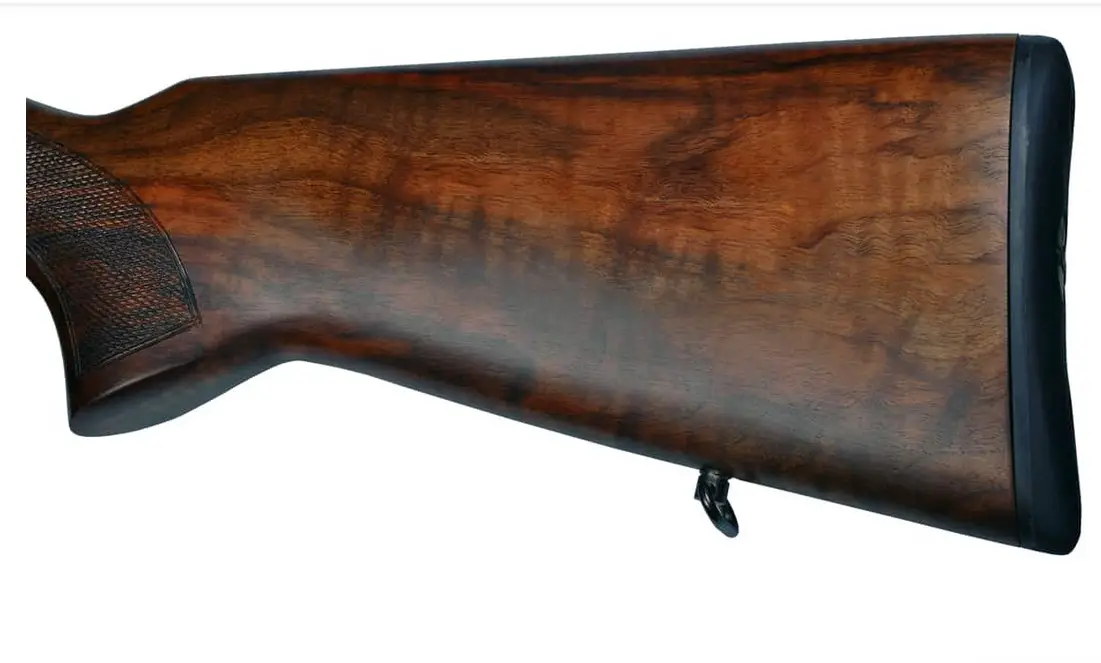
1. Traditional Stock
The traditional stock is the most recognizable and historically established shotgun stock design. It features a gently curved grip area, a straight or slightly angled wrist, and a full-length butt designed to rest comfortably against the shoulder. This configuration has remained popular for decades because it naturally supports instinctive shooting and smooth target tracking.
One of the defining characteristics of a traditional stock is balance. The shape encourages a relaxed hand position, allowing the shooter to focus on pointing rather than consciously aiming. This makes it particularly effective for moving targets, such as clay pigeons or upland birds, where fluid motion matters more than precision sight alignment.
Traditional stocks are commonly made from hardwoods such as walnut, although modern versions may use synthetic materials for durability. Wooden stocks offer a warm, organic feel and often absorb recoil in a smooth, predictable way. Synthetic variants, on the other hand, resist moisture, temperature changes, and rough handling, making them suitable for harsh field conditions.
In terms of recoil management, the traditional stock spreads recoil evenly across the shoulder. The straight-line design helps prevent excessive muzzle rise, allowing for faster follow-up shots. This is especially valuable in sporting environments where consistency matters over extended shooting sessions.
Another advantage lies in versatility. Traditional stocks work well across a wide range of shooting disciplines, including trap, skeet, sporting clays, and hunting. Their neutral geometry fits many shooters without requiring extensive adjustments. While not customizable to the same degree as adjustable stocks, they offer a reliable, “fits-most” solution.
However, traditional stocks are not without limitations. Shooters with unique body proportions may find the fixed dimensions less forgiving. Length of pull, drop, and cast are predetermined, which can affect comfort if the stock does not match the shooter’s build. Still, many manufacturers offer variations in size to address this issue.
For beginners, the traditional stock provides an excellent starting point. Its intuitive handling reduces the learning curve, allowing new shooters to develop proper technique without unnecessary complications. Experienced shooters also appreciate its familiarity and timeless design.
Overall, the traditional stock remains a cornerstone of shotgun design. Its enduring popularity is not accidental; it continues to deliver comfort, control, and reliability across generations of shooters.
2. Pistol Grip Stock
The pistol grip stock introduces a more vertical grip angle, similar to what is found on handguns or modern tactical rifles. This design changes how the shooter’s hand interfaces with the shotgun, emphasizing control and leverage rather than purely instinctive pointing.
One of the primary benefits of a pistol grip stock is enhanced control during recoil. The vertical grip allows the shooter to maintain a firmer hold, reducing hand fatigue and improving stability, especially when firing heavier shotgun rounds. This is particularly noticeable in defensive or tactical contexts where rapid, controlled shots may be required.
Pistol grip stocks are commonly paired with synthetic materials. These materials provide durability and often include textured surfaces that improve grip in wet or stressful conditions. Many designs also incorporate recoil pads or shock-absorbing systems to further enhance shooting comfort.
From an ergonomic standpoint, the pistol grip promotes a more squared shooting stance. This can be advantageous in confined environments, such as home defense scenarios, where maneuverability and control take priority over swing dynamics. The grip angle allows the wrist to remain in a neutral position, reducing strain during extended use.
Another advantage is compatibility with accessories. Pistol grip stocks often integrate seamlessly with adjustable components, such as collapsible buttstocks or cheek risers. This modularity makes them popular among shooters who value customization and adaptability.
Despite these strengths, pistol grip stocks may feel less natural for traditional field shooting. The grip can interrupt smooth swing motion, making it less ideal for wing shooting or clay sports. Shooters accustomed to traditional stocks may require time to adjust their technique.
Weight distribution is another consideration. Pistol grip stocks can add mass to the rear of the shotgun, altering balance. While this can improve recoil control, it may also affect how quickly the shotgun moves between targets.
For defensive use, however, the pistol grip stock excels. It offers confidence-inspiring control, consistent handling, and compatibility with modern shotgun setups. Shooters who prioritize control over tradition often find this design highly appealing.
In summary, the pistol grip stock represents a modern evolution in shotgun ergonomics. While not universally suited for every shooting discipline, it provides clear advantages in control, stability, and adaptability for specific applications.
3. Adjustable Stock
The adjustable stock represents a modern approach to shotgun ergonomics, focusing on fit customization rather than a one-size-fits-all design. Unlike fixed stocks, adjustable stocks allow shooters to modify key dimensions such as length of pull, cheek height, and sometimes even cast and drop. This flexibility helps tailor the shotgun to the shooter’s body, shooting style, and intended use.
One of the most important advantages of an adjustable stock is improved shooting consistency. When a shotgun fits properly, the shooter naturally aligns their eye with the barrel or sighting system without conscious effort. This repeatable alignment reduces errors caused by poor mounting and leads to more consistent shot placement over time.
Adjustable stocks are particularly popular in competitive shooting disciplines. In sports like sporting clays and trap, minor fit adjustments can significantly affect performance. Shooters often fine-tune their stocks to accommodate changes in posture, clothing layers, or shooting conditions, ensuring optimal comfort throughout long sessions.
From a comfort perspective, adjustable stocks help reduce fatigue. Proper length of pull prevents the shooter from overreaching or crowding the shotgun. Adjustable cheek risers support a natural head position, minimizing neck strain and maintaining visual alignment. These features become increasingly valuable during extended shooting days.
Materials used in adjustable stocks vary widely. Many designs rely on synthetic frames combined with aluminum or steel adjustment hardware. This combination offers strength, durability, and precise adjustability. While slightly heavier than traditional stocks, the added weight is often balanced by improved recoil absorption and stability.
Another key benefit is adaptability across different shooters. Adjustable stocks are ideal for shared firearms used by multiple people. A single shotgun can be configured for different body sizes with minimal effort, making it a practical choice for families, training environments, or shooting clubs.
In hunting scenarios, adjustable stocks allow shooters to adapt to seasonal changes. Wearing heavier clothing in colder months often alters how a shotgun mounts. A quick adjustment restores proper fit, maintaining accuracy and comfort without changing equipment.
There are, however, some trade-offs. Adjustable stocks typically cost more than fixed designs due to their complexity. The added mechanical components also require occasional maintenance to ensure settings remain secure. For shooters who prefer simplicity, this may feel unnecessary.
Despite these considerations, adjustable stocks provide unmatched personalization. They empower shooters to optimize their setup rather than adapt themselves to the firearm. For those seeking precision, comfort, and long-term performance, adjustable stocks offer clear advantages.
Overall, the adjustable stock bridges the gap between traditional craftsmanship and modern ergonomics. It reflects a growing emphasis on fit as a cornerstone of effective shotgun use.
4. Folding / Collapsible Stock
Folding and collapsible stocks are designed with mobility and space efficiency in mind. Unlike traditional fixed stocks, these designs allow the shooter to reduce the overall length of the shotgun, making it easier to store, transport, and maneuver in tight environments.
A folding stock typically pivots to the side or underneath the shotgun, while a collapsible stock telescopes inward to shorten length of pull. Both approaches serve the same core purpose: increasing versatility without permanently altering the shotgun’s configuration.
One of the primary advantages of folding and collapsible stocks is compactness. These designs are well suited for situations where space is limited, such as vehicle storage or confined indoor environments. The reduced length improves handling in narrow hallways or dense terrain.
Control is another notable benefit. Collapsible stocks often feature adjustable length of pull, allowing shooters to tailor fit based on body armor, clothing, or personal preference. This adaptability makes them popular in tactical and defensive shotgun setups.
Modern folding and collapsible stocks are usually constructed from reinforced polymers or lightweight metals. These materials provide durability without excessive weight. Many designs incorporate recoil pads and ergonomic grips to maintain comfort despite the compact form.
Recoil management can vary depending on design quality. Well-engineered stocks distribute recoil effectively, while lower-quality options may transmit more force to the shooter. Choosing a reputable design is essential to avoid discomfort or reduced control.
One potential drawback is balance. Folding mechanisms and telescoping components add weight to the rear of the shotgun, which may affect swing dynamics. This makes folding stocks less ideal for traditional wing shooting or clay sports where smooth motion is critical.
Another consideration is mechanical complexity. Folding and collapsible stocks include moving parts that require proper locking mechanisms. Regular inspection ensures these components remain secure and functional over time.
Despite these trade-offs, folding and collapsible stocks excel in specialized roles. For defensive use, they offer flexibility, compact storage, and rapid deployment. For users prioritizing maneuverability, these stocks provide clear, practical benefits.
In summary, folding and collapsible stocks emphasize adaptability and convenience. While not designed for every shooting discipline, they serve a distinct purpose and continue to grow in popularity among modern shotgun users.
Conclusion

Understanding the different types of shotgun stocks is essential for choosing a shotgun that truly fits your needs. While barrels and shotgun rounds often take center stage, the stock plays a critical role in comfort, control, and shooting consistency. A well-matched stock allows the shooter to mount the shotgun naturally, manage recoil effectively, and maintain accuracy across different shooting scenarios.
Traditional stocks remain a reliable choice for sport shooting and hunting thanks to their balance and intuitive handling. Pistol grip stocks emphasize control and stability, making them well suited for defensive and tactical applications. Adjustable stocks stand out for their ability to tailor fit, offering long-term comfort and consistency for shooters who demand precision. Folding and collapsible stocks prioritize mobility and adaptability, providing compact solutions for confined spaces and modern use cases.
Each of these types of shotgun stocks serves a distinct purpose. There is no universally perfect option, only the right stock for a specific shooting style and environment. By understanding how each design functions and what it offers, shooters can make informed decisions that enhance performance and confidence. In the end, the best shotgun stock is the one that fits your body, your shooting goals, and the way you use your shotgun.
Frequently Asked Questions About Shotgun Stocks
1. What is a shotgun stock?
A shotgun stock is the rear portion of the firearm that the shooter holds against the shoulder. It supports proper mounting, helps manage recoil, and plays a major role in comfort, control, and accuracy during shooting.
2. Why are shotgun stocks important?
Shotgun stocks directly affect how the gun fits the shooter. A well-designed stock improves stability, reduces felt recoil, and allows consistent eye alignment, all of which contribute to better shooting performance.
3. What are the main types of shotgun stocks?
The main types of shotgun stocks include traditional stocks, pistol grip stocks, adjustable stocks, and folding or collapsible stocks. Each design serves different shooting purposes and preferences.
4. Which shotgun stock is best for beginners?
Traditional stocks are often best for beginners because they offer natural handling, balanced weight distribution, and an intuitive shooting experience that supports skill development.
5. Are adjustable stocks worth the extra cost?
Adjustable stocks are worth the cost for shooters who value fit and comfort. They allow fine-tuning for body size, shooting style, and seasonal clothing, leading to improved consistency over time.
6. How does stock length affect shooting?
Stock length, or length of pull, affects how comfortably the shotgun mounts to the shoulder. Incorrect length can cause poor recoil control, inconsistent aiming, and increased fatigue.
7. What materials are shotgun stocks made from?
Shotgun stocks are commonly made from wood, synthetic polymers, or composite materials. Wood offers classic aesthetics, while synthetic materials provide durability and weather resistance.
8. Are wooden shotgun stocks still practical?
Yes, wooden stocks remain practical and popular. They offer excellent balance and recoil absorption, though they require more care in wet or extreme conditions.
9. Do pistol grip stocks reduce recoil?
Pistol grip stocks help manage recoil by improving grip control and wrist alignment, allowing shooters to maintain stability during repeated firing.
10. Are pistol grip stocks good for hunting?
Pistol grip stocks are less common in hunting because they can disrupt smooth swing motion, which is important for tracking moving targets in the field.
11. What is length of pull?
Length of pull is the distance from the trigger to the end of the stock. Proper length ensures comfortable mounting and consistent shooting posture.
12. Can shotgun stocks affect accuracy?
Yes, stock fit affects eye alignment and recoil control, both of which influence accuracy. A poor-fitting stock can cause inconsistent shot placement.
13. Are folding stocks reliable?
High-quality folding stocks are reliable when properly maintained. They include locking mechanisms that secure the stock during firing.
14. Do collapsible stocks change balance?
Collapsible stocks can shift weight toward the rear of the shotgun, which may affect balance and swing dynamics depending on the design.
15. What shotgun stock is best for home defense?
Pistol grip or collapsible stocks are commonly chosen for home defense due to their control, compactness, and adaptability in confined spaces.
16. Can one shotgun stock fit multiple shooters?
Adjustable stocks are ideal for multiple shooters because they can be easily reconfigured to match different body sizes and preferences.
17. How do adjustable cheek risers help?
Cheek risers support proper eye alignment with the barrel or sights, reducing neck strain and improving consistency.
18. Are shotgun stocks interchangeable?
Some shotgun stocks are interchangeable, but compatibility depends on the firearm model and manufacturer.
19. Do shotgun stocks require maintenance?
Yes, stocks require basic maintenance such as cleaning, inspection for cracks, and checking adjustment hardware on adjustable models.
20. What is cast in a shotgun stock?
Cast refers to the lateral offset of the stock, which helps align the shooter’s dominant eye with the barrel.
21. Is stock weight important?
Stock weight affects balance and recoil management. Heavier stocks may reduce recoil but can slow handling.
22. Are synthetic stocks better than wood?
Neither is universally better. Synthetic stocks excel in durability, while wood stocks offer traditional feel and aesthetics.
23. Can stock design affect fatigue?
Yes, poor ergonomics can increase muscle strain and fatigue during long shooting sessions.
24. What stock is best for clay shooting?
Traditional or adjustable stocks are preferred for clay shooting due to their balance and swing characteristics.
25. Are folding stocks legal everywhere?
Laws regarding folding stocks vary by location, so shooters should always check local regulations.
26. Can a stock change improve recoil control?
Yes, changing to a stock that fits better can significantly improve recoil management and comfort.
27. How does stock angle affect shooting?
Stock angle influences wrist comfort and how the shotgun aligns with the shoulder during mounting.
28. Do adjustable stocks loosen over time?
Quality adjustable stocks maintain settings well, but periodic checks ensure hardware remains secure.
29. Is a folding stock good for long-distance shooting?
Folding stocks are not ideal for long-distance shooting because stability and cheek weld may be reduced.
30. What is cheek weld?
Cheek weld refers to how the shooter’s cheek contacts the stock, affecting eye alignment and consistency.
31. Can shotgun stocks affect follow-up shots?
Yes, a stable stock helps manage recoil, allowing quicker and more accurate follow-up shots.
32. Are adjustable stocks heavy?
They are often slightly heavier due to adjustment mechanisms, but many shooters find the added weight manageable.
33. Which stock is best for smaller shooters?
Adjustable stocks are ideal for smaller shooters because they can be shortened and tailored for comfort.
34. Does stock material affect recoil?
Yes, material influences how recoil energy is absorbed and transferred to the shooter.
35. Can I replace my shotgun stock myself?
Many shotgun stocks can be replaced with basic tools, but professional installation ensures proper fit.
36. Are pistol grip stocks comfortable?
They are comfortable for many shooters, especially in tactical use, though personal preference varies.
37. Do stocks affect shotgun rounds performance?
Stocks do not change the ballistics of shotgun rounds, but they affect how recoil and control are managed.
38. Is a longer stock better?
Longer stocks are not always better. Proper fit matters more than length alone.
39. How do I know if my stock fits?
A proper-fitting stock allows natural mounting, clear sight alignment, and comfortable recoil control.
40. Can stock fit improve confidence?
Yes, a well-fitting stock makes shooting feel more natural and controlled, increasing shooter confidence.
41. Are collapsible stocks adjustable?
Most collapsible stocks offer multiple length settings to accommodate different users.
42. Do folding stocks affect accuracy?
They can if not properly locked, but quality designs maintain accuracy when fully deployed.
43. Are shotgun stocks customizable?
Many stocks can be customized with pads, risers, or spacers to improve fit.
44. Should hunters choose traditional stocks?
Traditional stocks remain popular among hunters for their balance and smooth handling.
45. Can stock upgrades extend shooting sessions?
Yes, improved ergonomics reduce fatigue and discomfort, allowing longer practice or hunting days.
46. Do shotgun stocks affect gun safety?
A secure, well-designed stock helps maintain control, reducing the risk of mishandling.
47. Are lightweight stocks better?
Lightweight stocks improve maneuverability but may increase felt recoil if not properly designed.
48. Can weather affect stock performance?
Extreme temperatures and moisture can affect wooden stocks more than synthetic ones.
49. Is stock fit more important than brand?
Yes, proper fit has a greater impact on performance than brand name alone.
50. How often should stock adjustments be checked?
Adjustments should be checked periodically, especially before extended shooting sessions.
51. Can the right stock improve shooting enjoyment?
Absolutely. A comfortable, well-fitting stock makes shooting more enjoyable and less physically demanding.
52. Should I upgrade my stock or buy a new shotgun?
Upgrading the stock is often a cost-effective way to improve fit and performance without replacing the entire firearm.