
Shotguns remain one of the most versatile and practical firearms ever designed for the field. From flushing pheasants in tall grass to calling in spring gobblers or waiting in a duck blind at sunrise, the right shotgun can adapt to almost any hunting scenario. In this guide, we explore 10 types of shotguns for hunting, breaking down how each action works, where it shines, and what kind of hunter benefits most from it. Whether you are new to shotguns for hunting or refining your setup after years in the field, this educational review will help you understand the strengths, trade-offs, and best applications of each design.
10 Types of Shotguns for Hunting
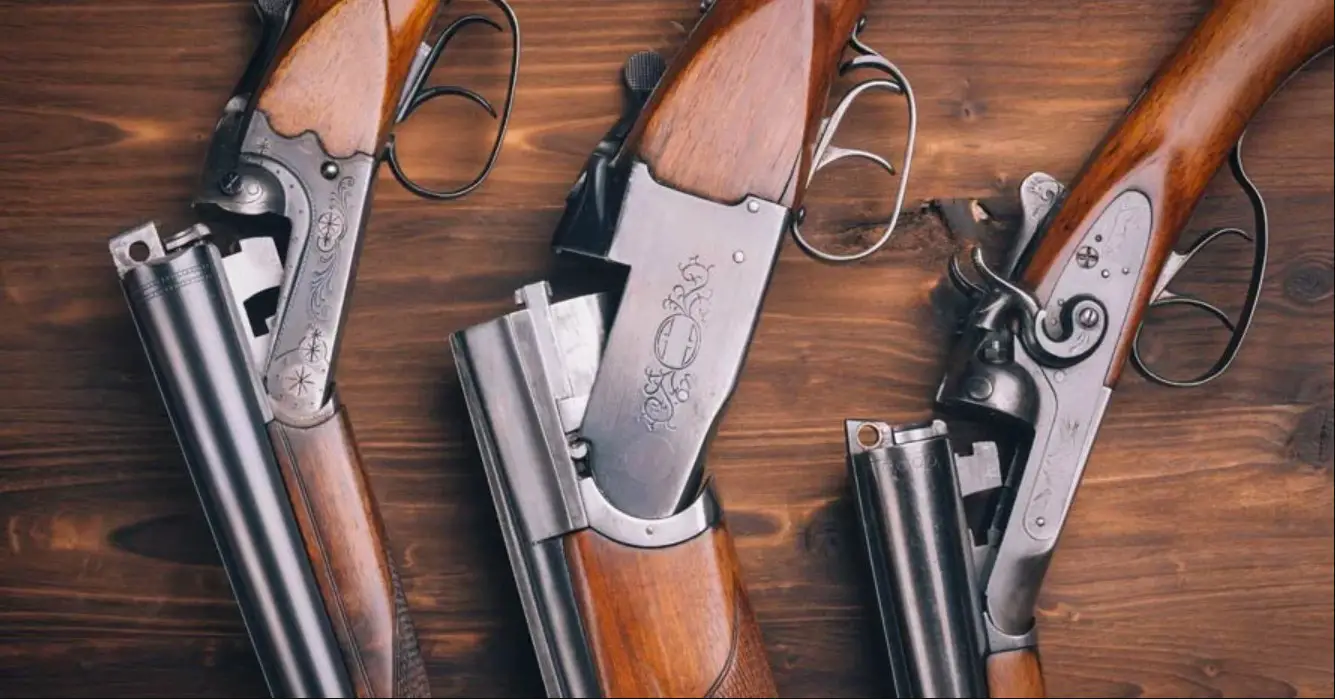
When discussing types of shotguns for hunting, we are usually referring to the firearm’s action—the mechanical system that loads, fires, and ejects shells. Each action affects reliability, recoil, speed, balance, and overall user experience. Some designs prioritize rugged simplicity. Others focus on fast follow-up shots or refined handling. None is universally “best.” The right choice depends on terrain, game species, budget, and personal shooting style.
1. Pump-Action Shotguns
Overview
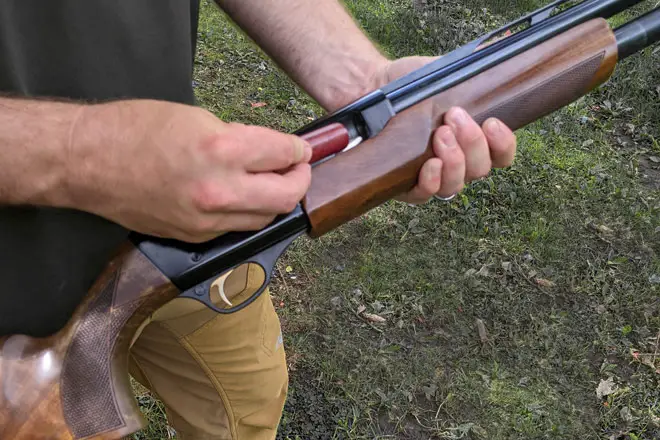
Pump-action shotguns are among the most recognizable and widely used shotguns for hunting. They operate through a sliding fore-end that the shooter manually cycles after each shot. This motion ejects the spent shell and chambers a fresh one from the magazine tube. The design is mechanically straightforward and has earned a reputation for durability in harsh field conditions.
How It Works
After firing, the shooter pulls the fore-end rearward to eject the spent shell. Pushing it forward chambers the next round. Because the shooter supplies the cycling force, pump guns are less sensitive to ammunition type compared to semi-automatics. They reliably handle light target loads and heavy magnum shells alike.
Field Performance
In real-world hunting scenarios, pump-action shotguns excel in versatility. Waterfowl hunters appreciate their reliability in wet blinds. Upland hunters value their adaptability to different loads. Turkey hunters often prefer pumps for their ability to cycle heavy 3-inch or even 3.5-inch shells without concern for gas system adjustments.
Another advantage is cost. Pump guns are typically more affordable than semi-autos or premium over-under models. This makes them an excellent entry point for beginners or a dependable backup gun for experienced hunters.
Strengths
- Extremely reliable in adverse weather
- Compatible with a wide range of loads
- Generally more affordable
- Simple maintenance
Limitations
The main trade-off is recoil. Since pump guns lack a gas or inertia system to absorb energy, felt recoil can be sharper than in semi-automatic models. Follow-up shots are also slightly slower because cycling is manual. Still, with practice, most hunters operate a pump very efficiently.
For many outdoorsmen, the pump-action remains the practical backbone of types of shotguns for hunting. It may not be flashy, but it works—season after season.
2. Semi-Automatic Shotguns
Overview
Semi-automatic shotguns use energy from the fired shell to automatically cycle the action. After each shot, the gun ejects the spent shell and chambers a new one without manual input from the shooter. This allows for faster follow-up shots and reduced felt recoil.
Operating Systems
There are two primary systems: gas-operated and inertia-driven. Gas systems redirect expanding gases to cycle the bolt, often softening recoil. Inertia systems rely on recoil force itself, resulting in cleaner operation with fewer internal parts exposed to carbon buildup.
Field Performance
For waterfowl hunting, semi-autos are particularly popular. Fast-moving ducks or geese sometimes require quick second or third shots. A semi-auto allows the shooter to stay on target without breaking cheek weld to pump the action. Recoil reduction also helps during long days in the blind.
In upland hunting, semi-autos provide smooth swing dynamics and lighter perceived recoil, especially useful when carrying the gun across uneven terrain for hours.
Strengths
- Faster follow-up shots
- Reduced felt recoil
- Smooth shooting experience
Limitations
Semi-automatic shotguns generally cost more than pump guns. They also require more maintenance to ensure reliable cycling, particularly gas-operated models. Ammunition selection can influence performance, although modern designs are highly adaptable.
Among modern shotguns for hunting, the semi-automatic platform is often considered the most balanced blend of speed, comfort, and versatility.
3. Over-Under Shotguns
Overview
The over-under shotgun features two barrels stacked vertically. It is a break-action design, meaning the gun opens at the breech for loading and unloading. This configuration has long been favored for upland bird hunting and clay shooting.
Design Characteristics
Each barrel typically has its own choke. Hunters can select which barrel fires first, allowing for two different shot patterns in quick succession. The vertical barrel alignment creates a single sighting plane, which many shooters find intuitive.
Field Performance
Over-under shotguns shine in upland fields where quick target acquisition and balance are critical. Their slim profile and even weight distribution contribute to smooth swings on flushing birds like quail and pheasant.
Because there are no reciprocating parts, recoil impulse is direct but predictable. The simplicity of the break-action also enhances reliability.
Strengths
- Excellent balance and swing
- Two choke options
- Reliable and mechanically simple
Limitations
Capacity is limited to two shells. Reloading requires breaking open the action, which can be slower than cycling a repeating shotgun. Additionally, quality over-under models can be expensive due to craftsmanship and materials.
For hunters who value tradition, clean lines, and precision handling, the over-under remains one of the most respected types of shotguns for hunting.
4. Side-by-Side Shotguns
Overview
Side-by-side shotguns place two barrels horizontally next to each other. Like over-unders, they are break-action firearms and typically hold two shells. Their design reflects classic sporting heritage.
Handling and Feel
The wider sighting plane gives a distinctive visual profile. Some hunters appreciate the broader peripheral view of the barrels when swinging on close-range birds. These guns are often lighter and carry comfortably over long walks.
Field Performance
Side-by-sides are particularly well-suited for upland bird hunting in dense cover where shots are quick and often within moderate range. Their fast handling characteristics complement instinctive shooting styles.
Strengths
- Lightweight and easy to carry
- Classic aesthetics
- Simple and reliable operation
Limitations
The horizontal barrel alignment may require adjustment for shooters accustomed to single-plane sights. Like other double guns, capacity is limited to two shots.
Among traditional shotguns for hunting, the side-by-side carries undeniable charm. It performs efficiently while connecting hunters to generations past.
5. Single-Shot Break-Action Shotguns
Overview
Single-shot shotguns are the simplest of all hunting shotgun designs. They feature one barrel and hold a single shell at a time. The action breaks open for loading and unloading.
Practical Applications
These firearms are often used by beginners learning firearm safety and marksmanship fundamentals. They are lightweight, affordable, and easy to maintain. In small-game hunting, a single well-placed shot is often sufficient.
Field Performance
Although limited in capacity, single-shot shotguns encourage deliberate shooting. Many experienced hunters appreciate the discipline this platform reinforces. In areas where regulations restrict capacity, single-shot models are practical and compliant.
Strengths
- Extremely simple design
- Lightweight and affordable
- Low maintenance
Limitations
The obvious limitation is having only one shot before reloading. This requires careful shot selection and situational awareness.
Despite their simplicity, single-shot designs remain relevant within the broader landscape of types of shotguns for hunting. They prove that effectiveness does not always require complexity.
6. Bolt-Action Shotguns
Overview
Bolt-action shotguns occupy a unique space among the many types of shotguns for hunting. Inspired by bolt-action rifles, these firearms use a rotating bolt system that the shooter manually operates between shots. Although not as widely produced today as pump or semi-automatic shotguns, bolt-action models once enjoyed steady popularity—especially in regions where hunters needed a reliable platform for slug-based deer hunting. Their straightforward design and strong lock-up system made them dependable tools in the field.
Mechanical Design and Operation
The bolt-action shotgun functions in a deliberate and controlled manner. After firing, the shooter lifts the bolt handle upward to unlock the action. Pulling the bolt rearward extracts and ejects the spent shell. Pushing the bolt forward chambers a new round from the magazine, and rotating the handle downward locks the bolt securely into place. This mechanical simplicity ensures consistent chamber alignment and reliable ignition.
Many bolt-action shotguns were built with detachable box magazines rather than tubular magazines, which distinguished them from most traditional shotguns for hunting. This magazine configuration allowed for easier loading and unloading, particularly when switching between different types of ammunition such as birdshot and slugs.
Performance in Hunting Applications
Where bolt-action shotguns truly shine is in slug hunting for deer. In areas where rifle hunting is restricted due to safety concerns or state regulations, slug guns are often the primary legal option. A bolt-action platform provides exceptional stability when paired with rifled barrels and sabot slugs. The solid bolt lock-up contributes to consistent accuracy, often outperforming smoothbore shotguns firing traditional rifled slugs.
Hunters in wooded environments appreciate the rifle-like familiarity of the bolt system. For those already accustomed to bolt-action rifles, transitioning to a bolt shotgun feels natural. The manual cycling encourages careful shot placement rather than rapid follow-up firing.
Advantages
- Strong and secure bolt lock-up
- Excellent compatibility with rifled barrels and optics
- Reliable with heavy slug loads
- Simple mechanical construction
Drawbacks
The primary limitation is speed. Cycling a bolt is slower than operating a pump or firing a semi-automatic shotgun. This makes bolt-action shotguns less suitable for upland bird hunting or waterfowl hunting, where fast follow-up shots are often necessary. Additionally, modern production of bolt-action shotguns is limited, so availability can be restricted compared to other types of shotguns for hunting.
Despite these limitations, bolt-action shotguns remain respected for their accuracy, durability, and role in slug-based deer seasons. They are not the most common option today, but in the right context, they are extremely effective.
7. Lever-Action Shotguns
Overview
Lever-action shotguns represent a fascinating blend of tradition and function. Borrowing their operating system from classic lever-action rifles, these shotguns use a lever beneath the receiver to cycle the action. Though not as widely used as pump or semi-automatic models, lever-action shotguns have maintained a loyal following among hunters who appreciate heritage designs and hands-on operation.
Mechanical Operation
After firing, the shooter pushes the lever downward and forward. This motion unlocks the action and ejects the spent shell. Returning the lever to its original position chambers the next round from the tubular magazine. The system is entirely manual, meaning it does not rely on gas pressure or recoil energy to function.
The movement can be smooth and surprisingly fast with practice. However, unlike pump shotguns, the lever motion requires the shooter to slightly adjust grip position. For experienced users, this becomes second nature.
Hunting Performance
Lever-action shotguns can handle a range of loads, including birdshot, buckshot, and slugs. They are most commonly used for small game, predator hunting, and occasionally deer hunting in thick brush. In moderate-range environments, their reliability and straightforward design serve hunters well.
One appealing aspect of lever-action shotguns for hunting is their balance. Many models feature slim fore-ends and moderate barrel lengths, making them comfortable to carry during long days in the field. While they may not be the first choice for high-volume waterfowl hunts, they perform adequately in controlled shooting situations.
Advantages
- Classic and distinctive design
- Reliable manual cycling
- Compatible with multiple load types
- Balanced and comfortable to carry
Limitations
Lever-action shotguns are relatively rare in modern production. Replacement parts and service options may be less accessible compared to more mainstream designs. Additionally, cycling the lever can slightly disrupt shooting rhythm during rapid engagements.
Still, among the broader types of shotguns for hunting, lever-action models offer a unique combination of nostalgia and practicality. They remind us that effective hunting tools do not always follow modern trends.
8. Slug Guns (Dedicated Deer Shotguns)
Overview
Slug guns are purpose-built shotguns designed for firing single-projectile slugs with improved accuracy. While many standard shotguns can fire slugs, dedicated slug guns include features specifically optimized for deer hunting. In states where rifle hunting is limited, slug guns are often the preferred and sometimes required choice.
Design and Configuration
The defining characteristic of a slug gun is its rifled barrel. Unlike smoothbore barrels used for birdshot, rifled barrels contain spiral grooves that spin the projectile, stabilizing it in flight. This dramatically enhances accuracy when shooting sabot slugs. Many slug guns also include cantilever scope mounts attached directly to the barrel, ensuring consistent zero retention.
Slug guns can be built on pump, semi-automatic, or bolt-action platforms. What sets them apart is not the action alone but the barrel and sighting system. Optics are common, as slug hunting often involves aiming at defined vitals rather than pattern-based shooting.
Field Effectiveness
Modern slug guns can deliver impressive accuracy within 100 to 150 yards, depending on ammunition and barrel configuration. In wooded environments where shots are typically short to moderate in distance, this performance is more than sufficient for ethical deer harvesting.
The heavier projectile of a slug delivers substantial energy transfer. Combined with proper shot placement, slug guns provide reliable stopping power for medium-sized game. Their familiarity also appeals to hunters already comfortable with shotgun platforms.
Advantages
- Enhanced accuracy with rifled barrels
- Strong performance in shotgun-only zones
- Optics-ready configurations
- Effective energy transfer on deer-sized game
Limitations
Slug guns are specialized tools. Rifled barrels are not suitable for traditional birdshot hunting because they negatively affect shot patterns. This means slug guns are typically dedicated to deer season rather than year-round versatility.
Within the landscape of shotguns for hunting, slug guns stand out as focused instruments designed for a specific purpose—and they perform that role exceptionally well.
9. Tactical-Style Hunting Shotguns
Overview
Tactical-style shotguns are often associated with defensive roles, but certain configurations adapt effectively to hunting scenarios. Built on pump or semi-automatic platforms, these shotguns incorporate adjustable stocks, rail systems, and compact barrel lengths that can enhance performance in specific field conditions.
Design Features
Adjustable stocks allow shooters to customize length of pull and cheek weld. Rail systems enable mounting of red-dot optics, which can improve target acquisition during turkey or predator hunting. Shorter barrels increase maneuverability in dense brush or wooded terrain.
While not traditional in appearance, these shotguns for hunting prioritize adaptability. In hog hunting, for example, quick handling and optic compatibility can provide advantages during fast-moving encounters.
Practical Applications
Tactical-style shotguns are most commonly used for predator control, hog hunting, and certain turkey setups. Their modular design allows hunters to tailor the firearm to specific tasks. However, balance and swing characteristics may differ from sporting-oriented models.
Advantages
- Highly adaptable configurations
- Optic-ready platforms
- Compact and maneuverable
Limitations
Additional accessories can increase weight. Traditional upland hunters may prefer the smoother lines and balance of classic sporting shotguns. Tactical designs serve niche roles rather than replacing conventional field guns.
Even so, they demonstrate how types of shotguns for hunting continue evolving alongside modern technology and changing hunting practices.
10. Youth and Compact Shotguns
Overview
Youth and compact shotguns are designed to fit smaller-framed shooters. Proper firearm fit plays a crucial role in safe handling, recoil management, and accuracy. These scaled-down shotguns make hunting more accessible to younger hunters and individuals who find full-size models uncomfortable.
Design Considerations
Youth shotguns typically feature shorter stocks, reduced length of pull, and lighter overall weight. Many models come in 20 gauge or .410 bore to reduce recoil. Some manufacturers include adjustable stock spacers so the firearm can grow with the shooter over time.
Compact shotguns are not limited to young hunters. Adults of smaller stature often benefit from improved ergonomics provided by these designs.
Field Performance
A properly fitted shotgun improves control and confidence. In upland or small game hunting, lightweight compact models reduce fatigue during long walks. Recoil sensitivity is also better managed when the shotgun aligns correctly with the shooter’s shoulder and cheek.
Advantages
- Improved ergonomics and fit
- Lighter weight for extended carry
- Encourages safe and proper shooting habits
Limitations
Lighter guns can sometimes produce sharper felt recoil despite smaller gauges. Additionally, stock dimensions may need adjustment as the shooter grows or changes preference.
Youth and compact models complete this comprehensive look at 10 types of shotguns for hunting. They highlight an essential truth: the best shotguns for hunting are not defined solely by action type or power, but by fit, purpose, and the confidence they inspire in the field.
Conclusion
Understanding the different types of shotguns for hunting is not about choosing the most expensive model or the newest design. It is about matching the firearm to your hunting style, environment, and experience level. Each platform—whether pump-action, semi-automatic, over-under, side-by-side, bolt-action, lever-action, slug gun, tactical-style, or youth model—serves a distinct purpose in the field. No single shotgun dominates every situation.
Pump-action shotguns offer rugged reliability and broad versatility. Semi-automatic models reduce recoil and allow faster follow-up shots. Over-under and side-by-side shotguns emphasize balance, tradition, and instinctive shooting. Bolt-action and dedicated slug guns shine in deer hunting scenarios where precision matters most. Tactical-style configurations provide adaptability in specialized conditions. Youth and compact shotguns ensure proper fit, which is often the most overlooked factor in shooting success.
When evaluating shotguns for hunting, consider where you hunt, what species you pursue, how much recoil you are comfortable managing, and how often you plan to practice. A well-fitted, well-understood shotgun will always outperform a poorly chosen one, regardless of price or brand reputation. Reliability, comfort, and familiarity matter more than marketing claims.
In the end, the best shotgun is the one that feels natural in your hands and performs consistently when the moment arrives. Hunting is about preparation, patience, and ethical decision-making. Choosing the right type of shotgun simply ensures you are equipped to make that one clean, responsible shot when it counts.
Frequently Asked Questions About Types of Shotguns for Hunting
1. What are the main types of shotguns for hunting?
The main types of shotguns for hunting include pump-action, semi-automatic, over-under, side-by-side, single-shot, bolt-action, lever-action, slug guns, tactical-style hunting shotguns, and youth or compact models.
2. Which shotgun action is most reliable for hunting?
Pump-action shotguns are widely considered the most mechanically reliable because they rely on manual cycling rather than gas or recoil systems.
3. Are semi-automatic shotguns good for beginners?
Yes, semi-automatic shotguns can be beginner-friendly due to reduced recoil and easier follow-up shots, though they may require more maintenance.
4. What is the best shotgun gauge for hunting?
The 12 gauge is the most versatile, but 20 gauge is also popular for lighter recoil and upland hunting.
5. What is the difference between over-under and side-by-side shotguns?
Over-under shotguns stack barrels vertically, while side-by-side shotguns place barrels horizontally. Both are break-action designs.
6. Are double-barrel shotguns good for bird hunting?
Yes, both over-under and side-by-side shotguns are excellent for upland bird hunting due to balance and quick handling.
7. What is a slug gun?
A slug gun is a shotgun configured specifically for firing slugs, often featuring a rifled barrel for improved accuracy in deer hunting.
8. Can I use the same shotgun for deer and birds?
Yes, but you may need interchangeable barrels or chokes. Slug guns with rifled barrels are not suitable for birdshot.
9. What shotgun is best for waterfowl hunting?
Semi-automatic and pump-action shotguns are commonly preferred for waterfowl because of reliability and capacity.
10. Are tactical-style shotguns suitable for hunting?
Some tactical-style shotguns can be adapted for hunting, especially for hog or predator control.
11. How many shells can a hunting shotgun hold?
Most hunting shotguns hold two to five shells, depending on magazine capacity and local regulations.
12. What is the advantage of a pump shotgun?
Pump shotguns are durable, affordable, and compatible with a wide range of loads.
13. Why choose a semi-auto over a pump?
Semi-autos offer reduced recoil and faster follow-up shots, making them comfortable for extended shooting sessions.
14. Is a 20 gauge enough for deer hunting?
Yes, a 20 gauge with proper slug ammunition is effective for deer within moderate distances.
15. What choke should I use for turkey hunting?
A tight choke such as a full or extra-full turkey choke is commonly used for dense shot patterns.
16. Do youth shotguns differ mechanically?
No, they operate similarly to standard shotguns but have shorter stocks and lighter frames.
17. Are bolt-action shotguns still made?
They are less common today but may still be found in specialty or used markets.
18. What is felt recoil?
Felt recoil refers to the perceived kick experienced by the shooter when firing a shotgun.
19. Which shotgun is best for upland hunting?
Over-under, side-by-side, and lightweight semi-automatic shotguns are popular for upland birds.
20. Are break-action shotguns reliable?
Yes, break-action shotguns are mechanically simple and highly reliable.
21. What makes slug guns accurate?
Rifled barrels and sabot slugs provide spin stabilization, improving projectile accuracy.
22. Can beginners use a 12 gauge?
Yes, though some beginners may prefer 20 gauge for reduced recoil.
23. How important is shotgun fit?
Proper fit is crucial for comfort, recoil control, and consistent accuracy.
24. What is the most versatile shotgun type?
Pump-action shotguns are often considered the most versatile overall.
25. Are semi-autos harder to clean?
They can require more cleaning due to gas or inertia systems, but maintenance is manageable.
26. What is the effective range of a shotgun?
Effective range varies by load, but birdshot is typically effective within 20–40 yards, while slugs can reach 100+ yards.
27. Can I mount optics on a hunting shotgun?
Yes, many slug guns and tactical-style shotguns allow optic mounting.
28. Are lever-action shotguns practical?
They are functional but less common compared to pump or semi-auto designs.
29. What is a choke tube?
A choke tube is a removable constriction at the muzzle that controls shot pattern spread.
30. Do all shotguns use the same ammunition?
No, ammunition must match the gauge and chamber length of the shotgun.
31. What gauge is best for small game?
Both 12 and 20 gauge are effective for small game, depending on shooter preference.
32. Is recoil stronger in lighter shotguns?
Yes, lighter shotguns often produce sharper felt recoil.
33. How often should I clean my shotgun?
Cleaning after each hunting trip is recommended to maintain reliability.
34. What barrel length is best for hunting?
Barrel lengths between 24 and 28 inches are common for most hunting applications.
35. Are single-shot shotguns still useful?
Yes, they are simple, lightweight, and effective for deliberate hunting scenarios.
36. What is the difference between smoothbore and rifled barrels?
Smoothbore barrels are for shot patterns, while rifled barrels are for stabilizing slugs.
37. Can I hunt hogs with a shotgun?
Yes, shotguns using buckshot or slugs are commonly used for hog hunting.
38. Is a semi-auto more expensive than a pump?
Generally, yes. Semi-automatic shotguns typically cost more than pump models.
39. What safety features do hunting shotguns have?
Most include manual safeties, trigger blocks, and secure locking mechanisms.
40. Are compact shotguns less powerful?
No, power depends on gauge and ammunition, not stock size.
41. What shotgun is best for turkey?
Many hunters use pump or semi-automatic shotguns with tight chokes for turkey.
42. Can I switch barrels on a shotgun?
Some models allow interchangeable barrels for different hunting purposes.
43. What is the lightest hunting shotgun type?
Single-shot and some side-by-side shotguns are among the lightest options.
44. Are semi-autos safe in cold weather?
Yes, though proper lubrication and maintenance are important in extreme temperatures.
45. Why are over-under shotguns expensive?
They often require precise craftsmanship and higher-quality materials.
46. Is a shotgun effective for home defense and hunting?
Some shotguns can serve both purposes, but hunting configurations may differ.
47. What is the recoil difference between 12 and 20 gauge?
20 gauge generally produces less recoil than 12 gauge.
48. Do I need a special shotgun for waterfowl?
No, but many hunters prefer corrosion-resistant finishes for wet conditions.
49. What is the most beginner-friendly shotgun type?
Pump-action and youth models are often recommended for beginners.
50. How long does a hunting shotgun last?
With proper maintenance, a quality shotgun can last decades.
51. Are modern shotguns more accurate than older models?
Advances in barrel design, choke systems, and materials have improved consistency and reliability.
52. Should I choose shotgun type based on game species?
Yes, selecting the right type of shotgun for hunting depends heavily on the species, terrain, and typical shooting distance.
Read more: 20 Types of Guns for Women: Complete Guide to Comfort, Control & Confidence