
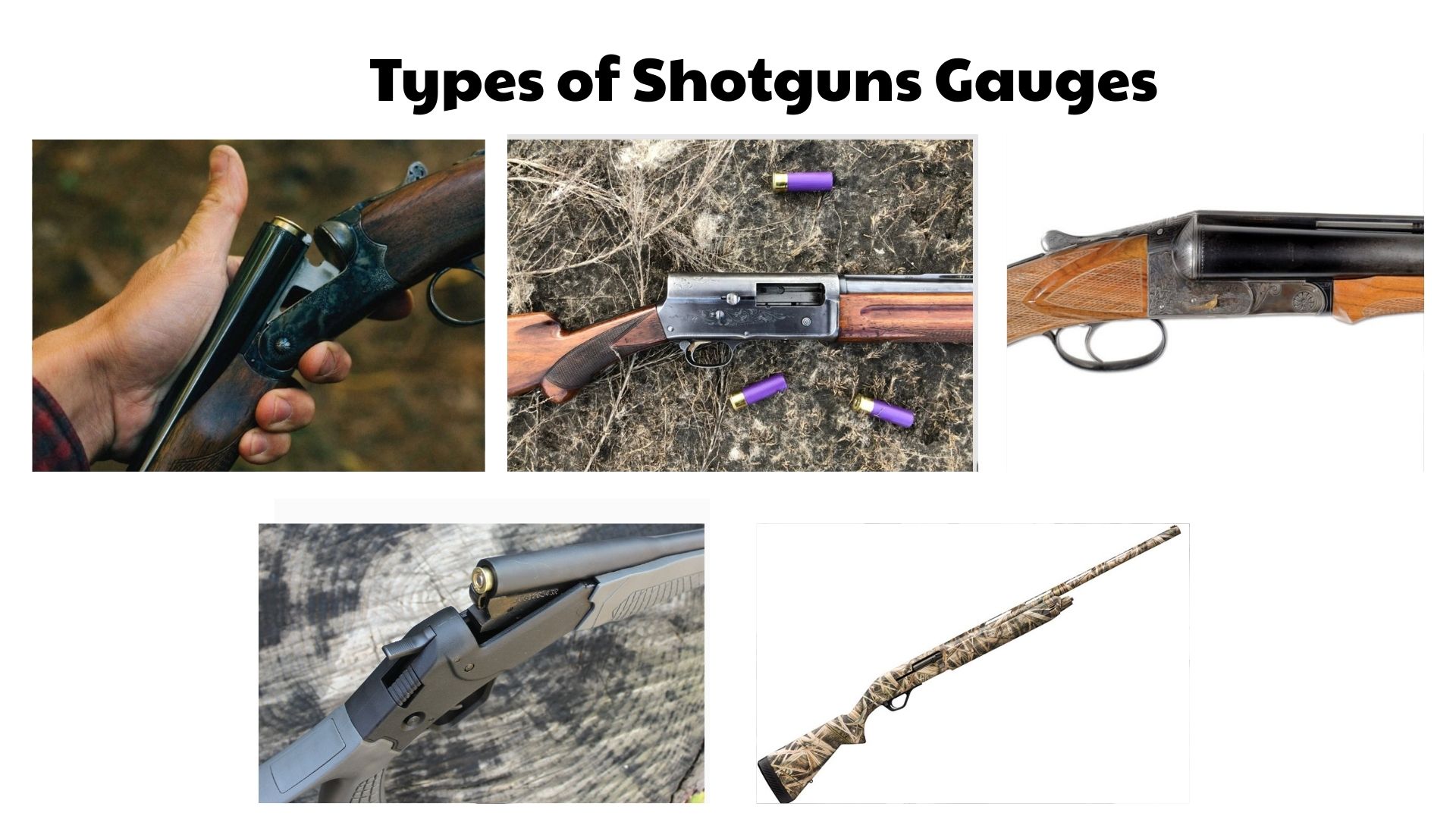
Shotgun gauges can feel confusing at first, especially for newcomers who expect the numbers to follow a logical size order. In reality, shotgun gauges are rooted in history rather than modern measurement logic. This guide breaks down the most widely used types of shotguns gauges in a clear, practical way. Instead of drowning in formulas and charts, we focus on how each gauge behaves in real-world shooting—recoil, handling, typical use, and why certain shooters swear by one gauge over another. Whether you hunt, shoot clays, or simply enjoy understanding firearms better, this article will help you choose a gauge with confidence rather than guesswork.
Types of Shotguns Gauges Explained
1. 10 Gauge Shotgun
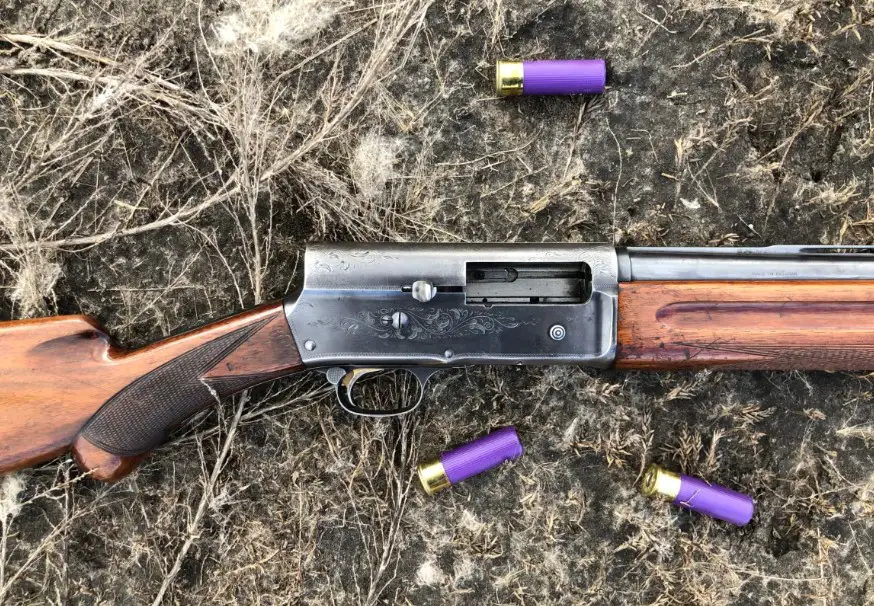
The 10 gauge sits at the top end of commonly discussed shotgun gauges, both in size and in reputation. It is large, powerful, and unapologetically specialized. While it once dominated waterfowl hunting in the 19th century, modern regulations and advancements in ammunition have made it less common today. Still, the 10 gauge remains relevant for shooters who value maximum pellet payload and long-range effectiveness.
Physically, a 10 gauge shotgun is heavier and longer than most others. That extra mass is not accidental. It helps absorb recoil and stabilize the gun during firing, which matters when launching heavy loads. One might describe the shooting experience as firm but steady, rather than sharp and punishing. This is a gun that prefers deliberate movement, not quick snapshots.
In practical use, the 10 gauge excels in waterfowl hunting, especially for geese. Large steel-shot loads pattern well, and the extended effective range can be useful in open wetlands. Many hunters liken it to bringing a heavy-duty truck to a job site—it is not subtle, but it gets demanding work done with confidence.
That said, the 10 gauge is not beginner-friendly. Ammunition is more expensive and less available than smaller gauges. The guns themselves are bulkier, making them tiring to carry for long hunts. For most shooters, it is a specialist’s tool rather than a daily companion.
Still, for those who appreciate raw capability and traditional craftsmanship, the 10 gauge offers a sense of authority that smaller gauges simply cannot replicate.
2. 12 Gauge Shotgun
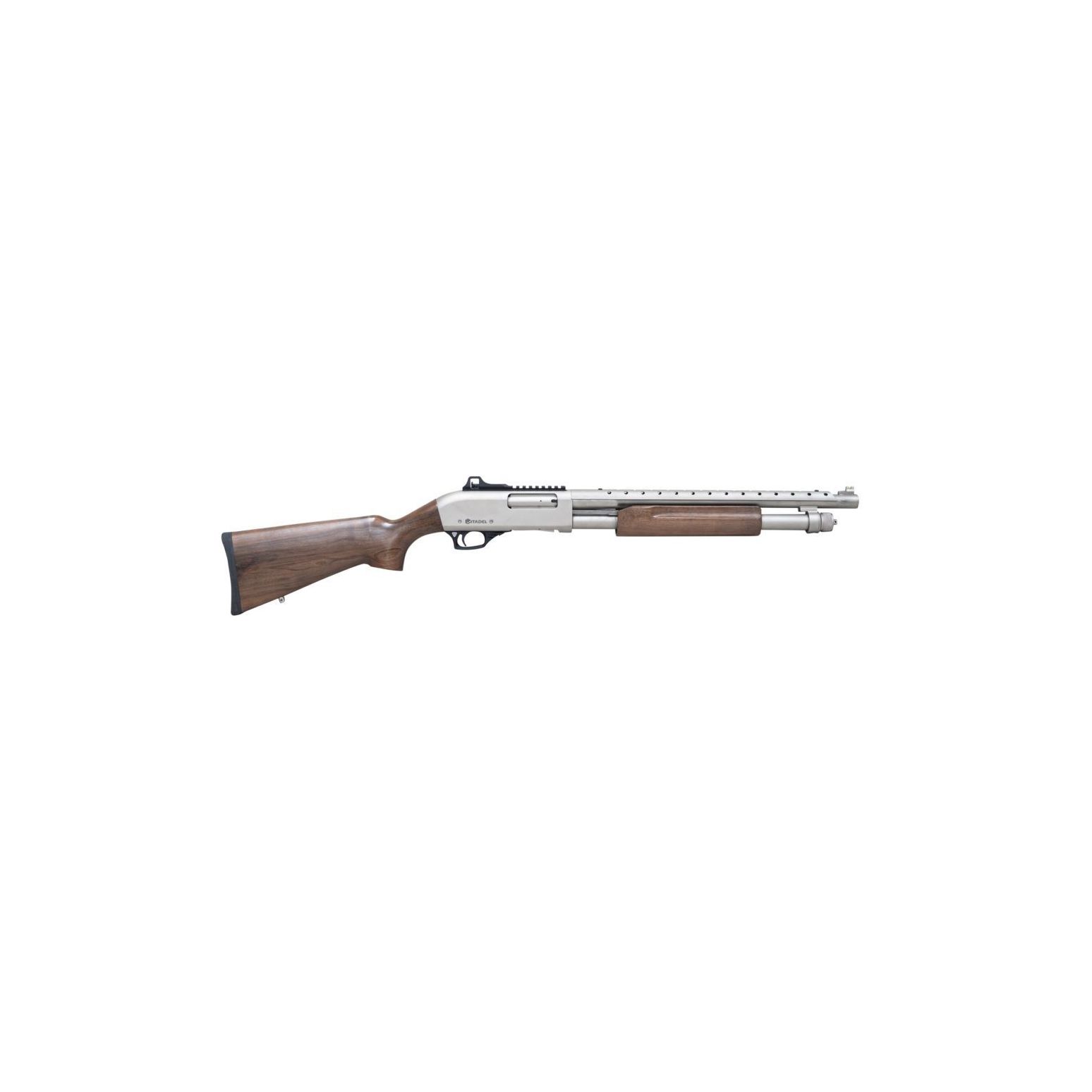
If the shotgun world had a universal language, the 12 gauge would be its default dialect. It is by far the most popular and versatile of all shotguns gauges. From home defense to clay sports to nearly every type of hunting, the 12 gauge does it all—and does it well.
The strength of the 12 gauge lies in balance. It offers enough power for large game birds and even deer (with slugs), yet remains manageable for most adult shooters. Recoil varies widely depending on the load, which is both a blessing and a curse. Light target loads are soft-shooting, while heavy hunting loads can feel assertive without being overwhelming.
Another major advantage is availability. Walk into almost any gun store, and you will find shelves full of 12 gauge shells in countless configurations. This abundance also keeps prices competitive, making practice more accessible.
In clay shooting, the 12 gauge dominates competitions due to its consistent patterns and forgiving shot spread. In hunting, it adapts effortlessly—from upland birds to waterfowl. One could say the 12 gauge is like a well-rounded athlete: not the fastest sprinter or strongest lifter, but excellent at almost everything.
Because of its adaptability, the 12 gauge often becomes a shooter’s first shotgun—and many never feel the need to move on.
3. 16 Gauge Shotgun
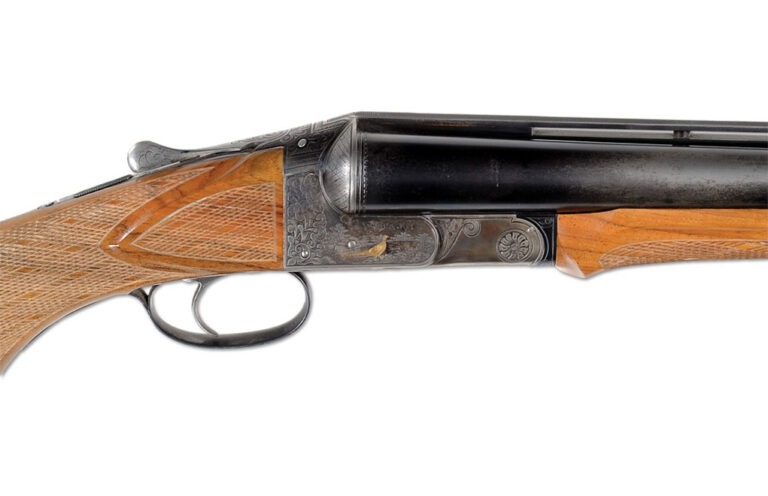
The 16 gauge is sometimes called “the forgotten gauge,” yet that nickname does not reflect its actual performance. Sitting neatly between the 12 and 20 gauge, it offers a graceful compromise that appeals to traditionalists and experienced hunters alike.
Historically, the 16 gauge was prized for upland bird hunting. It delivered near-12-gauge effectiveness with a trimmer, lighter gun. Carrying one through fields all day felt less tiring, while still providing enough punch for pheasants and similar game.
Recoil in a 16 gauge is typically smoother than a 12 gauge firing comparable loads. Many shooters describe it as more “polite,” a term often spoken with a small smile. The gun moves naturally, swings well, and feels intuitive in the hands.
The downside, unfortunately, is market support. Ammunition choices are limited compared to mainstream gauges. This scarcity has kept the 16 gauge from reclaiming its former popularity.
For those willing to seek out shells and appreciate classic handling, the 16 gauge remains a deeply satisfying option—quietly effective, never flashy.
4. 20 Gauge Shotgun
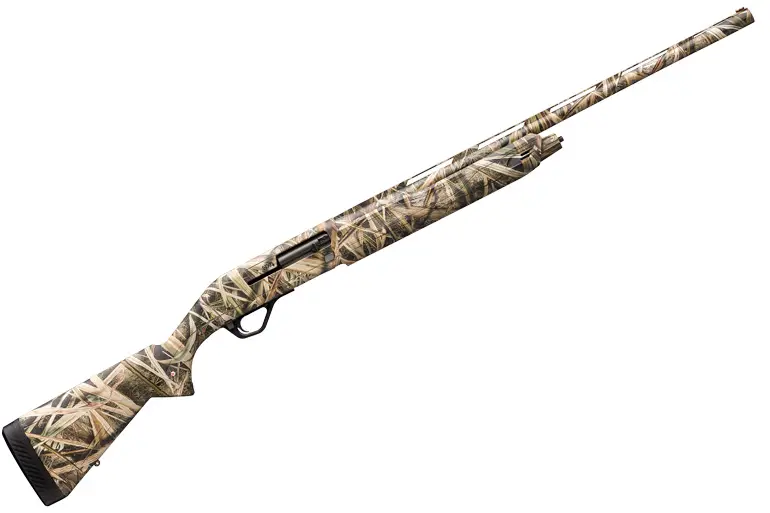
The 20 gauge is often labeled a “lightweight alternative,” but that description sells it short. It is a capable, efficient gauge that shines in both hunting and sport shooting. Many shooters discover that it delivers everything they need, without excess.
Compared to the 12 gauge, a 20 gauge shotgun is typically lighter and slimmer. This makes it easier to carry and quicker to mount. Recoil is noticeably reduced, which helps new shooters build confidence and experienced shooters enjoy longer sessions without fatigue.
In the field, the 20 gauge performs exceptionally well for upland birds and smaller waterfowl. Modern ammunition has expanded its range, allowing it to punch above its perceived weight. One might think of it as a well-trained boxer—compact, efficient, and surprisingly effective.
The 20 gauge is also popular among younger shooters and those with smaller frames. Yet it is by no means limited to beginners. Many seasoned hunters intentionally downsize to a 20 gauge, valuing finesse over brute force.
Its growing popularity has ensured strong ammunition availability, making it a practical long-term choice.
5. 28 Gauge Shotgun
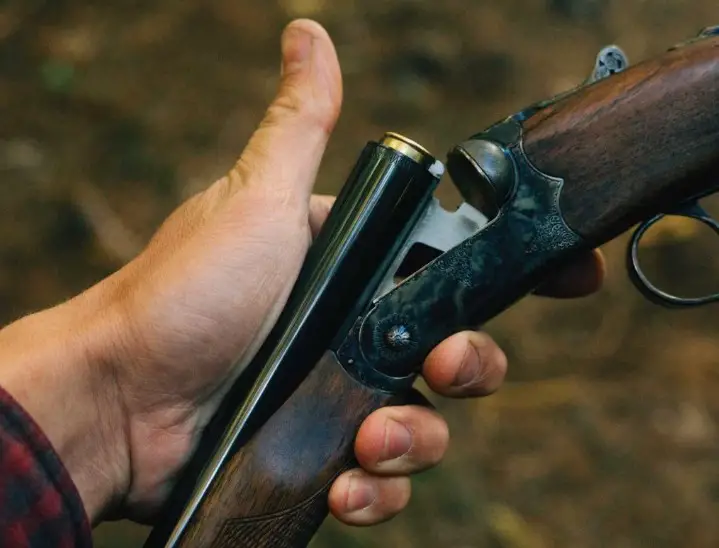
The 28 gauge occupies a special niche among shotgun enthusiasts. It is elegant, light, and surprisingly capable within its intended range. Often associated with upland bird hunting, it rewards accuracy and timing rather than raw power.
A 28 gauge shotgun feels almost effortless to carry. Its recoil is gentle, often described as a soft push rather than a kick. This makes shooting enjoyable, even during long days in the field. Many shooters joke that a 28 gauge teaches patience—it does not forgive sloppy shots.
Despite its smaller payload, the 28 gauge patterns efficiently. Within appropriate distances, it performs with impressive consistency. Quail, dove, and woodcock hunters often favor it for this reason.
The main limitation is cost and availability. Ammunition tends to be pricier, and not every store keeps it in stock. As a result, the 28 gauge feels a bit like a connoisseur’s choice.
For shooters who value precision, balance, and understated charm, the 28 gauge offers a uniquely rewarding experience.
6. .410 Bore Shotgun
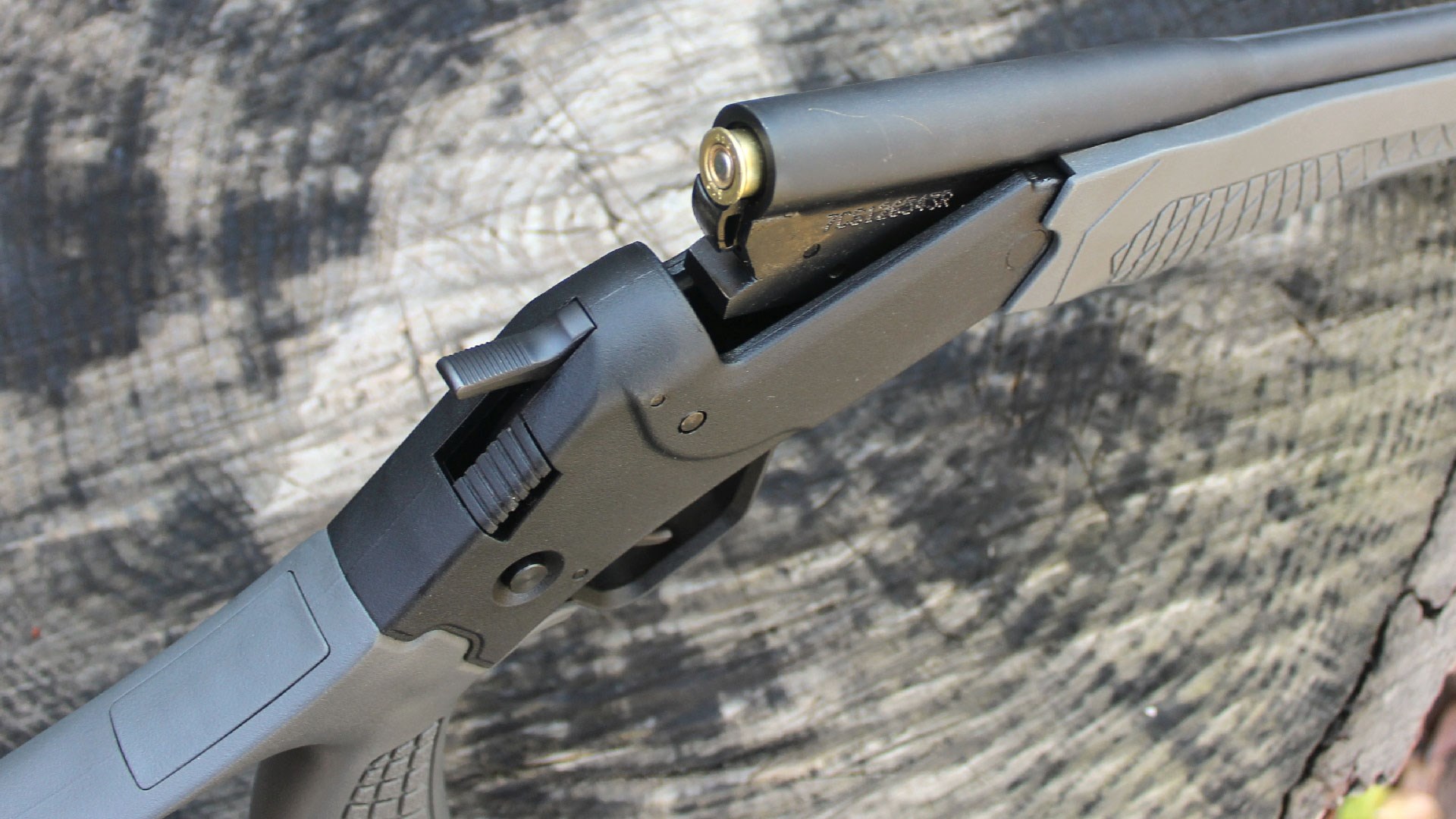
The .410 bore often surprises new shooters, mostly because it refuses to behave like a traditional gauge. Technically speaking, it is not a gauge at all, but a bore measurement expressed in inches. Still, it earns its place among the most discussed types of shotguns gauges due to its distinctive shooting characteristics and devoted following.
At first glance, the .410 bore appears gentle and forgiving. The recoil is minimal, and the guns chambered for it are usually slim and lightweight. This combination makes it appealing to young shooters, recoil-sensitive users, and anyone who values a relaxed shooting experience. However, appearances can be misleading.
What the .410 lacks in payload, it demands back in precision. The shot column is narrow, which means patterns are less forgiving than those of larger gauges. In simple terms, the shooter must do their part. Misses are more likely if timing or aim is off. Many experienced shooters describe the .410 as “honest”—it rewards skill and exposes mistakes without apology.
In hunting, the .410 bore is best suited for small game and close-range birds. Within its comfort zone, it performs cleanly and efficiently. Step beyond that zone, and its limitations become clear. This is not a gauge meant for stretching distances or heavy targets.
In clay shooting, particularly skeet, the .410 has a cult-like following. Competitors enjoy the challenge it presents, often treating it as a test of refinement rather than power. Shooting a .410 well feels a bit like playing a familiar song on a smaller instrument—every note matters.
Ammunition availability is moderate, though prices tend to be higher than mainstream gauges. Still, for shooters who appreciate finesse and discipline, the .410 bore offers a uniquely satisfying rhythm.
Understanding Shotguns Gauges in Everyday Use
Shotgun gauges are more than numbers stamped on barrels. They influence how a shotgun feels, how it handles, and how it performs in the field or on the range. Larger gauges generally offer heavier payloads and broader patterns, while smaller ones emphasize control and accuracy.
Choosing the right gauge often comes down to honest self-assessment. Are you walking miles through upland fields, or standing still in a duck blind? Do you enjoy long practice sessions, or short, focused outings? These questions quietly guide many shooters to the gauge that fits them best.
It is also worth noting that comfort matters as much as capability. A gauge that feels good in the hands tends to get used more, and familiarity builds skill. Many seasoned shooters will tell you that confidence behind the trigger often outweighs raw ballistic advantage.
Conclusion: Choosing the Right Shotgun Gauge
The wide variety of types of shotguns gauges reflects the diversity of shooting styles and preferences. From the commanding presence of the 10 gauge to the refined challenge of the .410 bore, each gauge offers a distinct personality.
The 12 gauge stands as the all-rounder, adaptable and dependable. The 20 gauge balances efficiency with comfort. The 16 gauge appeals to tradition and balance, while the 28 gauge celebrates precision and grace. At the extremes, the 10 gauge delivers raw authority, and the .410 bore invites careful, deliberate shooting.
Rather than chasing trends or assumptions, the best approach is to match the gauge to your purpose and temperament. A shotgun should feel like a natural extension of the shooter, not a compromise. When that harmony exists, shooting becomes less about calculation and more about instinct.
In the end, understanding shotguns gauges is less about memorizing specifications and more about appreciating how design choices shape experience. Once that connection is made, choosing the right gauge becomes a surprisingly personal decision—one that often sticks for a lifetime.
FAQ’s
1. What does “shotgun gauge” actually mean?
Shotgun gauge refers to the diameter of the shotgun’s bore. Historically, it represents how many solid lead balls of that bore size equal one pound. Fewer balls mean a larger bore, which is why a 10 gauge is larger than a 20 gauge. It sounds backwards at first, but it makes sense once you know the origin.
2. Why is .410 called a bore and not a gauge?
The .410 is measured directly in inches rather than by the traditional lead-ball system. Its bore diameter is roughly .410 inches, which is why it stands apart from other shotgun gauges.
3. Which shotgun gauge is the most popular?
The 12 gauge is the most widely used shotgun gauge in the world. Its versatility, wide ammunition selection, and suitability for hunting, sport shooting, and home defense make it the go-to choice for many shooters.
4. Is a bigger gauge number more powerful?
No. In shotgun terms, a smaller number means a larger bore and typically more power. A 12 gauge is generally more powerful than a 20 gauge, even though the number is smaller.
5. What gauge is best for beginners?
Many beginners start with a 20 gauge because it offers manageable recoil and lighter firearms. That said, a lightly loaded 12 gauge can also work well with proper technique.
6. Does gauge affect recoil?
Yes. Larger gauges usually produce more recoil, especially with heavy loads. However, gun weight, stock design, and ammunition choice play just as big a role.
7. Is a 12 gauge too much for small-framed shooters?
Not necessarily. With light target loads and a properly fitted shotgun, many smaller shooters handle a 12 gauge comfortably. Fit matters more than raw gauge size.
8. What gauge is best for upland bird hunting?
The 20 gauge and 28 gauge are popular for upland birds due to their lighter weight and quick handling. The 12 gauge also works well, especially in mixed hunting conditions.
9. Why do some hunters still use 10 gauge shotguns?
The 10 gauge excels at handling large steel-shot loads, making it effective for waterfowl like geese. It offers long-range performance that some hunters still value.
10. Is the 16 gauge making a comeback?
Interest in the 16 gauge has grown among enthusiasts, but it remains a niche option. Limited ammunition availability keeps it from returning to mainstream popularity.
11. Are shotgun gauges interchangeable with shells?
No. You must always use shells that match your shotgun’s gauge. Firing the wrong gauge shell can be dangerous and should never be attempted.
12. Can a 20 gauge shell fit into a 12 gauge shotgun?
Yes, and that is exactly why it is dangerous. A 20 gauge shell can slip into a 12 gauge barrel and cause a serious obstruction if fired.
13. Which gauge has the least recoil?
Generally, the .410 bore produces the least recoil. However, reduced-recoil 20 gauge loads can feel similarly soft in heavier shotguns.
14. Is the .410 bore good for beginners?
Despite low recoil, the .410 is often harder to shoot accurately due to its small shot pattern. It rewards precision rather than forgiving mistakes.
15. What gauge is best for clay shooting?
The 12 gauge dominates clay sports due to consistent patterns and ammunition variety. The 20 gauge is also popular, especially in recreational shooting.
16. Why do competitive shooters prefer 12 gauge?
The 12 gauge offers predictable patterns, manageable recoil with light loads, and easy access to competition-grade ammunition.
17. Does a smaller gauge mean shorter range?
In general, yes. Smaller gauges carry fewer pellets, which limits effective range. Modern ammunition has narrowed the gap, but physics still applies.
18. What gauge is best for home defense?
The 12 gauge is the most common choice due to availability and stopping power. The 20 gauge can also be effective with less recoil.
19. Are shotgun gauges regulated by law?
Gauge size itself is usually not restricted, but local hunting laws may regulate which gauges can be used for certain game or seasons.
20. Does gauge affect shotgun weight?
Typically, larger gauges require heavier guns. A 10 gauge shotgun is usually heavier than a 20 gauge, which affects carry comfort.
21. Is ammunition cost affected by gauge?
Yes. Common gauges like 12 and 20 are cheaper due to mass production. Niche gauges such as 28 and .410 tend to cost more.
22. Why is 28 gauge ammunition expensive?
Lower demand means less production, which raises costs. The 28 gauge remains popular with enthusiasts despite the price.
23. Can gauge affect accuracy?
Gauge influences pattern density rather than accuracy. A shooter’s skill and gun fit have a much larger impact on hitting targets.
24. What gauge is best for youth shooters?
Many youth shooters start with a 20 gauge or .410. The choice depends on physical size, supervision, and intended use.
25. Is a 12 gauge always better than a 20 gauge?
Not always. A 12 gauge offers more flexibility, but a 20 gauge can be more comfortable and just as effective in many situations.
26. Why do gauges feel different even with similar loads?
Gun weight, stock geometry, and balance all influence how recoil feels. Two shotguns of the same gauge can feel very different.
27. Are there gauges larger than 10 gauge?
Historically, yes, but they are extremely rare today. The 10 gauge is generally considered the practical upper limit.
28. Is the 16 gauge lighter than the 12 gauge?
Often yes, but it depends on the firearm. Many 16 gauge shotguns were designed on lighter frames for better handling.
29. Can gauge affect follow-up shots?
Heavier recoil can slow follow-up shots. Smaller gauges often allow quicker recovery, especially for less experienced shooters.
30. What gauge is best for walking long distances?
The 20 gauge and 28 gauge are favored for long hunts due to lighter gun weight and reduced fatigue.
31. Does gauge affect pellet count?
Yes. Larger gauges generally fire more pellets, increasing pattern density and margin for error.
32. Is the .410 bore suitable for hunting?
Yes, within limits. It works well for small game and close-range birds but requires careful shot placement.
33. Why do experienced shooters enjoy small gauges?
Smaller gauges demand precision. Many seasoned shooters enjoy the challenge and refined shooting style they encourage.
34. Are shotgun gauges universal worldwide?
Yes, gauge designations are recognized globally, though ammunition availability varies by region.
35. Does gauge influence noise level?
Larger gauges often produce louder reports, though barrel length and load type also affect sound.
36. What gauge is best for recoil-sensitive shooters?
A 20 gauge or .410 bore is often more comfortable, especially when paired with low-recoil ammunition.
37. Can gauge affect gun price?
Yes. Common gauges usually cost less. Specialty gauges can command higher prices due to limited production.
38. Why do some shooters collect different gauges?
Each gauge offers a distinct shooting experience. Collectors enjoy exploring these differences firsthand.
39. Is gauge more important than choke selection?
Both matter, but choke selection often has a greater impact on pattern spread at specific distances.
40. What gauge is best for beginners in clay shooting?
The 12 gauge with light target loads is often recommended due to availability and forgiving patterns.
41. Does gauge affect shotgun durability?
Not directly. Durability depends more on build quality, materials, and maintenance.
42. Are semi-auto shotguns gauge-specific?
Yes. Semi-autos are built for specific gauges and cannot be converted safely.
43. What gauge offers the best balance overall?
Many shooters consider the 12 gauge the best balance of power, versatility, and availability.
44. Is it common to own multiple gauges?
Yes. Many enthusiasts own different gauges for different purposes, much like having multiple tools.
45. Can gauge affect confidence?
Absolutely. Shooting a gauge that feels comfortable often boosts confidence and consistency.
46. Why does gauge selection feel personal?
Because it combines physical comfort, intended use, and shooting style. What feels right varies from shooter to shooter.
47. Is there a “perfect” shotgun gauge?
No single gauge fits everyone. The best gauge is the one that matches your needs and feels natural to use.
48. Do professional hunters favor certain gauges?
Professionals often choose gauges based on efficiency rather than tradition, commonly favoring 12 or 20 gauge.
49. Can gauge choice evolve over time?
Yes. Many shooters start with one gauge and gradually explore others as skills and interests change.
50. What is the biggest mistake when choosing a shotgun gauge?
Choosing based on assumptions rather than experience. Trying different gauges often reveals unexpected preferences.
51. How should someone decide on their first shotgun gauge?
Consider intended use, recoil tolerance, and availability. When in doubt, starting with a 12 or 20 gauge is a safe bet.