
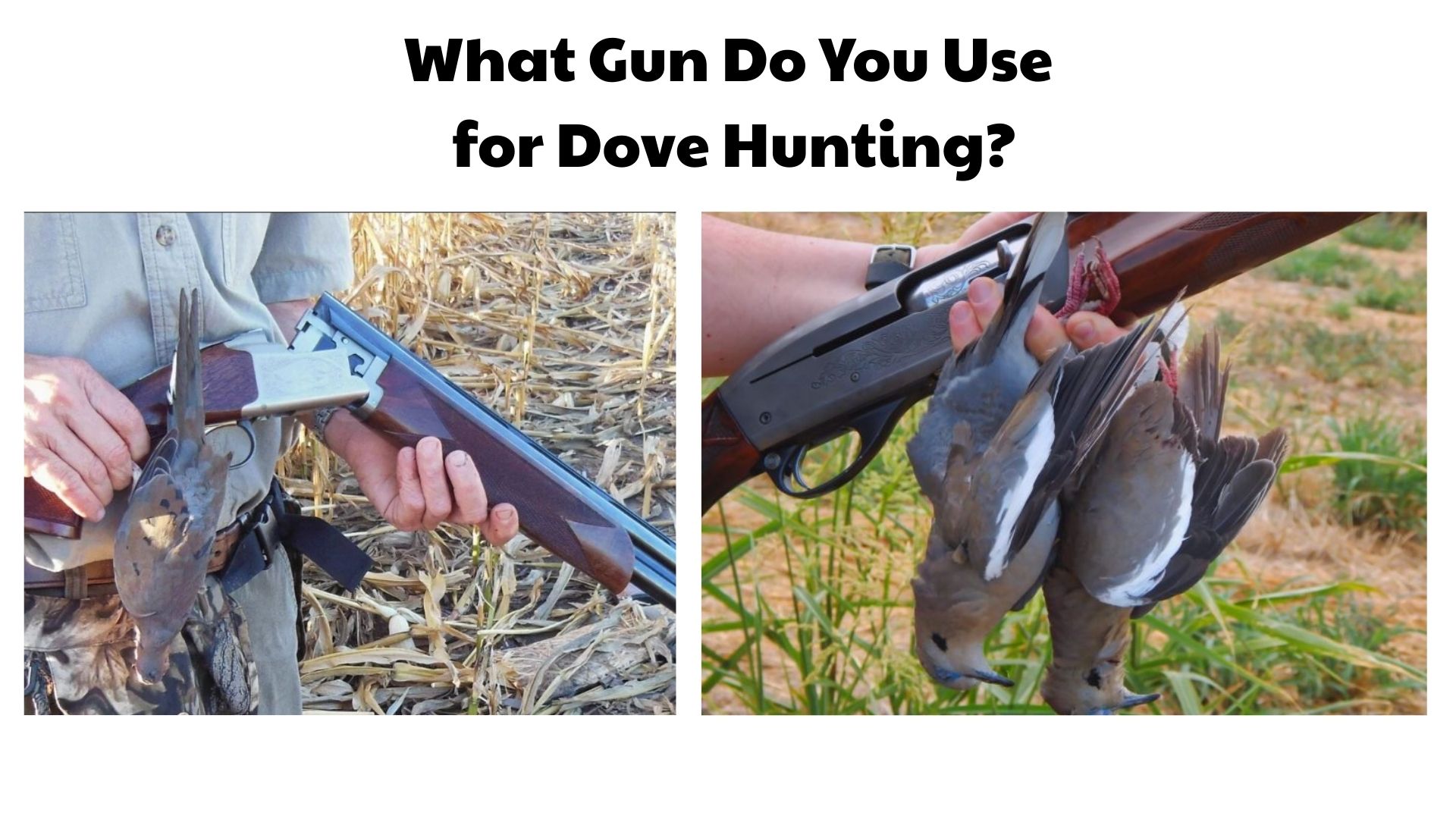
Dove hunting is one of the most popular forms of upland bird hunting in North America. It is fast-paced, social, and accessible to both beginners and experienced hunters. Unlike big game pursuits that require long tracking sessions, dove hunting centers on quick reflexes, smooth shotgun handling, and consistent shooting fundamentals. Because doves are small, agile birds with unpredictable flight patterns, choosing the right firearm plays a major role in overall success. Many hunters ask the same question at the beginning: what gun do you use for dove hunting?
The answer depends on several practical factors, including gauge, fit, recoil, and personal comfort. In this guide, you will learn how to select the best shotgun for dove hunting, understand gauge options, compare action types, and choose appropriate ammunition. You will also gain insight into field strategy, safety considerations, and equipment tips that help you become more confident and effective in the dove field.
Understanding Dove Hunting
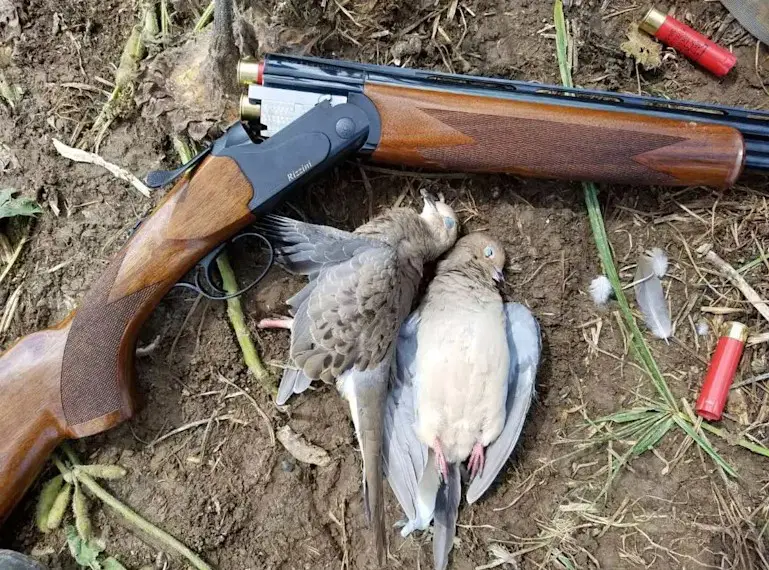
Dove hunting holds a unique place in the world of upland bird hunting. It is often the first season to open in many regions, marking the unofficial start of fall hunting traditions. The pace is steady, the action can be fast, and the learning curve is approachable for new hunters. At the same time, experienced shooters appreciate the technical challenge that doves present. Their small size, quick wingbeats, and erratic flight patterns demand precision and consistency. Understanding these characteristics is essential before deciding what gun do you use for dove hunting, because the bird’s behavior directly shapes firearm and ammunition choices.
What Makes Dove Hunting Different from Other Upland Game
Unlike pheasant or grouse hunting, dove hunting typically does not involve walking long distances behind dogs through thick cover. Instead, hunters are often positioned in a fixed location, waiting for birds to fly overhead or across open areas. This creates a style of shooting that resembles pass shooting rather than flushing birds at close range.
Doves are smaller and lighter than many other upland birds. A mature mourning dove, for example, presents a compact target with rapid wing movement and frequent direction changes. They can dart, climb, dive, and angle unpredictably. This demands a shotgun that swings smoothly and allows quick follow-up shots. It also means that pattern density and shot placement matter more than raw power.
Another difference is volume. During an active flight period, multiple birds may approach within minutes. Hunters often take several shots in short intervals. As a result, recoil management becomes important. A gun that feels comfortable after one shot may feel very different after a box of shells. This is one reason many experienced hunters carefully evaluate gauge and gun weight when deciding what gun do you use for dove hunting.
Typical Dove Hunting Scenarios
Open Agricultural Fields
One of the most common dove hunting environments is an agricultural field. Sunflower fields, cut grain fields, and harvested cornfields attract doves looking for food. Hunters position themselves along tree lines, fence rows, or natural cover where birds enter and exit the field.
Shots in these settings are often crossing or quartering. Birds may fly 20 to 40 yards overhead, sometimes higher depending on pressure. This influences choke selection and shot size. A moderate choke that provides a balanced pattern is often preferred, as extremely tight patterns can make hitting fast-moving birds more difficult at moderate distances.
Water Sources and Ponds
Doves need water regularly, especially in warm early-season conditions. Small ponds, stock tanks, or creek crossings can become high-traffic areas. Birds may approach lower and slower as they prepare to land, offering different shooting angles than field pass shooting.
In these situations, lighter loads and slightly more open patterns can be effective. Since many areas require non-toxic shot near water, ammunition selection must also comply with local regulations. Responsible hunters confirm legal requirements before the season begins.
Tree Lines and Flight Corridors
Doves follow predictable travel routes between feeding and roosting areas. These flight paths often run along tree lines, hedgerows, and fence rows. Hunters who identify these corridors can position themselves for consistent action.
Shots here may be closer and faster. Birds often appear suddenly from behind trees. A well-balanced shotgun that mounts quickly becomes valuable. When people ask what gun do you use for dove hunting, experienced hunters often emphasize gun fit over brand or model. A shotgun that aligns naturally with your eye allows faster target acquisition in these quick-reaction scenarios.
The Influence of Weather Conditions
Weather plays a significant role in dove movement and shooting conditions. Warm early-season temperatures can mean lighter clothing and comfortable shooting sessions, but heat also affects stamina and hydration. Wind can push birds off their normal lines, changing flight speed and direction.
On windy days, doves may fly lower or adjust their angles. Shooters may need to lead birds differently and consider slightly heavier loads to maintain consistent patterns in breezy conditions. Cloud cover can also influence visibility. Bright sun may require tinted shooting glasses, while overcast conditions may benefit from lighter lenses for contrast.
Because dove hunting often takes place in early fall, hunters should prepare for varying conditions. A reliable shotgun that performs consistently in dust, light rain, or warm temperatures is important. Simplicity and durability are advantages in the field.
How Dove Behavior Influences Firearm Selection
Doves are fast and agile. They rarely fly in straight lines for long. Their speed demands a shotgun that swings smoothly and allows fluid tracking. Heavy firearms can become tiring during extended sessions. Extremely light guns, however, may swing too quickly and feel less stable for some shooters. Balance is key.
Gauge selection is also influenced by bird size. Doves do not require heavy loads designed for larger game. Many hunters prefer gauges that offer manageable recoil and sufficient pattern density without excessive power. This balance helps maintain shooting comfort while ensuring ethical harvests.
Action type also matters. Since multiple birds may approach at once, some hunters prefer firearms that allow quick follow-up shots. Others value simplicity and lightweight handling. The right choice depends on personal comfort and shooting style, rather than a single universal answer.
How Bird Behavior Influences Ammunition Choice
Shot size plays an important role in dove hunting success. Because doves are small, hunters typically use smaller shot sizes that create dense patterns. Dense patterns increase the likelihood of clean hits on fast-moving birds. However, effective range must be considered. Extremely small shot may lose energy at longer distances.
Pattern testing before the season is a practical step. Every shotgun performs slightly differently with various loads. Testing at realistic field distances provides clarity on how your setup performs. This removes guesswork when birds are overhead.
Another consideration is legal compliance. Many regions require non-toxic shot for dove hunting, particularly near water. Hunters should verify regulations for their area before purchasing ammunition.
Why Understanding Dove Hunting Matters
Choosing equipment without understanding the environment often leads to frustration. Dove hunting rewards preparation and thoughtful decision-making. By studying typical shooting distances, flight behavior, and local conditions, hunters can select a shotgun and ammunition combination that supports consistent performance.
When someone asks what gun do you use for dove hunting, the most accurate answer begins with context. The best firearm is one that fits the shooter, handles smoothly in realistic field conditions, and pairs well with appropriate ammunition for dove hunting. Understanding the sport itself makes that decision clear and practical.
Key Considerations When Choosing a Dove Hunting Gun
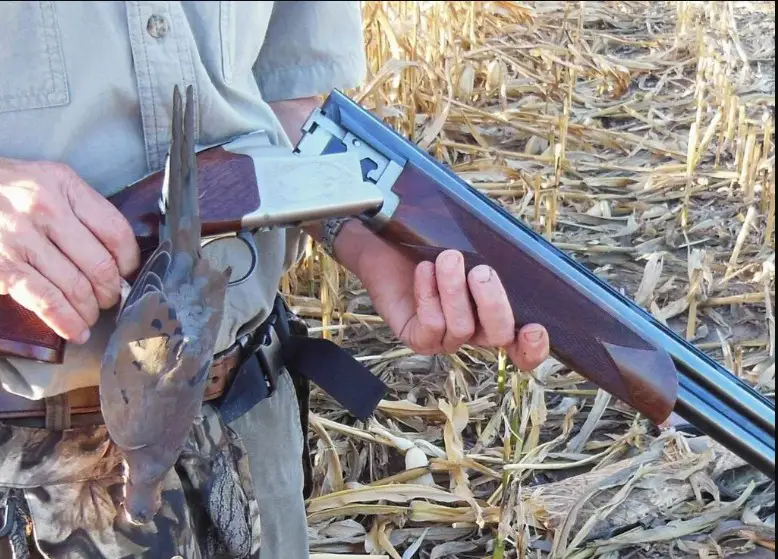
Selecting the right firearm is one of the most important steps in preparing for dove hunting. While many beginners focus first on brand or gauge, experienced hunters understand that comfort, balance, and reliability matter far more in the field. When someone asks, what gun do you use for dove hunting, the most accurate answer often begins with: “The one that fits you best.” Dove hunting involves quick shots at fast-moving birds, repeated swings throughout the day, and extended time outdoors. The right shotgun should feel natural in your hands and dependable under real hunting conditions.
Comfort and Proper Fit
Comfort starts with gun fit. A shotgun that does not fit properly can make even simple shots feel awkward. Unlike rifles, shotguns are pointed rather than carefully aimed. Your eye acts as the rear sight. This means the stock must align naturally with your shoulder and cheek to create a straight sighting plane. If the gun fits correctly, it should mount smoothly and place your dominant eye directly along the rib without adjustment.
Length of pull is a key factor in fit. This refers to the distance from the trigger to the end of the buttstock. If it is too long, the shooter may struggle to mount the gun quickly. If it is too short, recoil can feel sharper and control may suffer. For dove hunting, where fast target acquisition is essential, proper stock length supports consistent shooting mechanics.
Drop at comb and drop at heel also affect alignment. These measurements determine how high or low your eye sits relative to the barrel. A poorly fitted stock may cause you to shoot consistently high or low, even with good technique. Many modern shotguns offer adjustable stocks or spacers to fine-tune fit. Even small adjustments can make a noticeable difference over the course of a full dove hunting session.
Recoil comfort should also be considered. Although dove loads are generally lighter than waterfowl or turkey loads, hunters often fire multiple boxes of shells in a single outing. A comfortable recoil pad and proper stock design reduce fatigue and help maintain focus throughout the day.
Weight and Balance for Upland Shooting
Weight is another critical factor when deciding what gun do you use for dove hunting. Dove hunting may involve standing in one location, but that does not eliminate the need for a well-balanced firearm. You will mount, swing, and track birds repeatedly. A shotgun that is too heavy can become tiring, especially during warm early-season hunts.
On the other hand, extremely lightweight shotguns may feel whippy or unstable during swings. A bit of weight can help smooth out movement and maintain a steady follow-through. The goal is balance. A well-balanced shotgun distributes weight evenly between the hands, allowing fluid motion without strain.
Barrel length also influences balance. Slightly longer barrels can promote smoother swings and improved follow-through on crossing shots. Shorter barrels may feel faster but can encourage rushed shooting if not controlled properly. For dove hunting, where smooth tracking is more important than rapid stopping power, balanced handling often outperforms sheer speed.
Ultimately, the ideal weight depends on your physical build and personal preference. Smaller-framed hunters may prefer lighter gauges or compact field models. Others may appreciate the stability of a slightly heavier setup. Testing different shotguns before purchase is always helpful when possible.
Ease of Handling and Quick Target Acquisition
Doves are known for their speed and unpredictable flight patterns. They twist, climb, and change direction quickly. A shotgun for dove hunting must allow rapid mounting and natural pointing. Complicated controls or unfamiliar ergonomics can slow reaction time.
Grip design and forend shape affect handling comfort. A natural, secure grip helps maintain control during quick swings. Controls such as safeties and bolt releases should be intuitive and easy to access without shifting your focus from the bird.
Trigger quality also matters. A consistent, smooth trigger pull supports accuracy and confidence. While extremely light triggers are not necessary for dove hunting, predictability helps maintain proper timing.
Quick target acquisition depends heavily on how naturally the gun aligns with your line of sight. When mounted, the shotgun should feel like an extension of your body. You should not need to adjust your head position to find the sight plane. If you do, the fit may need correction.
Because dove hunting often presents multiple birds at once, the ability to reset quickly for follow-up shots is valuable. Regardless of action type, familiarity and practice improve speed and efficiency.
Durability and Reliability in Outdoor Settings
Dove hunting typically takes place in early fall. Conditions may include heat, dust, dry fields, or occasional rain. A reliable shotgun must function consistently despite environmental factors.
Field conditions can introduce debris into moving parts. Simpler designs often perform well with minimal maintenance during the day. However, any firearm benefits from proper cleaning before and after each hunt. Regular inspection ensures continued reliability throughout the season.
Materials and finish also matter. Protective coatings help resist rust and wear, especially in humid climates. Synthetic stocks may offer weather resistance and lower maintenance, while traditional wood stocks provide classic aesthetics and solid durability when properly cared for. The choice depends on personal preference and climate.
Reliability builds confidence. When birds approach quickly, you should focus entirely on the shot—not on whether your firearm will function. Choosing a reputable, well-maintained shotgun supports consistent performance season after season.
Bringing It All Together
When evaluating what gun do you use for dove hunting, it becomes clear that no single model suits every hunter. The best choice balances fit, weight, handling, and durability. A comfortable shotgun reduces fatigue. Proper balance supports smooth swings. Easy handling improves reaction time. Reliability ensures confidence in the field.
Dove hunting rewards preparation and thoughtful equipment selection. By prioritizing comfort and performance over trends or brand names, hunters can build a setup that feels natural and effective. In the end, the right shotgun is the one that helps you shoot safely, consistently, and confidently throughout the season.
Shotgun Basics for Dove Hunting
When discussing dove hunting, one question appears repeatedly: what gun do you use for dove hunting? The clear answer is a shotgun. While other firearms exist for different types of hunting, the shotgun is uniquely suited for small, fast-moving birds like doves. To understand why, it helps to review the basic operation of a shotgun, why it performs so well in upland bird hunting, and how different gauges influence performance in the field.
Overview of Shotgun Operation (Non-Technical)
A shotgun is designed to fire a shell that contains multiple small pellets, commonly referred to as “shot.” When the trigger is pulled, the shell ignites and propels these pellets down the barrel. As they exit the muzzle, the pellets spread outward in a pattern. This spreading pattern increases the likelihood of hitting a moving target, especially one as quick and agile as a dove.
Unlike rifles, which fire a single bullet and require precise aiming at a stationary or distant target, shotguns are pointed rather than carefully aimed. The shooter focuses on the bird, mounts the gun smoothly, and swings through the target. The expanding shot pattern provides a margin of error, which is important when engaging small birds in flight.
Most shotguns used for dove hunting are smoothbore, meaning the inside of the barrel does not contain rifling grooves. This design supports even pellet spread. Many models also accept interchangeable chokes, which slightly adjust how tightly the pellets stay grouped as they travel. While we will not go into technical depth here, understanding that chokes influence pattern spread helps hunters match their setup to typical shooting distances.
Shotguns are available in several action types, but the core principle remains the same: load a shell, fire, and cycle the next shell if needed. For dove hunting, the emphasis is on smooth handling, quick follow-up capability, and consistent reliability.
Why Shotguns Are the Preferred Choice for Dove Hunting
Doves are small birds with rapid wingbeats and unpredictable flight paths. They twist, climb, and dart with little warning. A single projectile would require extremely precise timing and aim. The shotgun’s multiple-pellet pattern compensates for these quick changes in direction.
Another advantage is range flexibility. Most dove shots occur between 20 and 40 yards. Within this range, a properly selected shotgun load creates a pattern dense enough to ensure clean, ethical harvests without excessive power. The goal in dove hunting is not maximum impact but balanced performance.
Shotguns also allow faster follow-up shots when birds approach in groups. During peak flight periods, multiple doves may pass within seconds. The ability to take a controlled second shot increases opportunities while maintaining safe and responsible shooting practices.
Finally, shotguns are versatile. The same firearm used for dove hunting can often be adapted for other upland birds or small game with simple adjustments in load selection. This flexibility makes it a practical investment for many hunters.
Understanding Shotgun Gauges
Gauge refers to the internal diameter of the shotgun barrel. In simple terms, a smaller gauge number indicates a larger bore diameter. For dove hunting, the most common gauges are 12, 20, 28, and .410 bore. Each offers distinct advantages and trade-offs.
12 Gauge
The 12 gauge is the most popular and widely available shotgun gauge. It offers versatility and broad ammunition selection. Because of its larger bore, it can handle a variety of loads suitable for different hunting scenarios.
Pros:
– Widely available ammunition options
– Strong pattern density at common dove ranges
– Versatile for multiple types of hunting
Cons:
– Slightly heavier recoil compared to smaller gauges
– Firearms may be heavier, which can lead to fatigue over long sessions
For many hunters asking what gun do you use for dove hunting, the 12 gauge remains a reliable and practical choice, especially for beginners who want flexibility.
20 Gauge
The 20 gauge is a popular alternative known for reduced recoil and lighter overall firearm weight. It provides sufficient performance for dove hunting while improving comfort for many shooters.
Pros:
– Lighter recoil, easier for extended shooting
– Typically lighter guns, improving handling
– Effective within common dove hunting distances
Cons:
– Slightly less forgiving pattern density compared to 12 gauge
– May offer fewer load variations in some regions
For hunters who prioritize comfort and smooth handling, the 20 gauge often represents an excellent balance.
28 Gauge
The 28 gauge is appreciated by experienced upland hunters who value light weight and minimal recoil. It produces efficient patterns with lighter payloads.
Pros:
– Very light recoil
– Lightweight, easy-to-carry firearms
– Efficient patterning at moderate distances
Cons:
– Ammunition can be more expensive or less available
– Requires precise shooting technique due to smaller shot payload
The 28 gauge rewards consistent fundamentals. It is often favored by hunters who enjoy the added challenge.
.410 Bore
Technically referred to as a bore rather than a gauge, the .410 is the smallest commonly used option for dove hunting. It fires a smaller payload of shot, demanding accurate shooting.
Pros:
– Very low recoil
– Lightweight and easy to carry
– Suitable for skilled shooters seeking challenge
Cons:
– Limited pattern density
– Less forgiving on marginal hits
– Not ideal for beginners
While some experienced hunters enjoy using a .410 for dove hunting, it requires disciplined shooting and close-range opportunities.
Choosing the Right Gauge for Your Needs
Selecting the best gauge depends on personal comfort, experience level, and typical shooting conditions. Larger gauges provide more forgiving patterns, which can benefit beginners. Smaller gauges offer lighter recoil and often lighter firearms, improving comfort during extended hunts.
There is no universal answer to what gun do you use for dove hunting. The right choice supports safe handling, consistent performance, and personal confidence. Many hunters begin with a 12 or 20 gauge because of availability and versatility. Others transition to smaller gauges as their skills develop.
Bringing Shotgun Basics Together
Understanding shotgun fundamentals allows hunters to make informed decisions rather than relying on trends or assumptions. Shotguns are preferred for dove hunting because they provide effective patterns for small, fast-moving birds. Gauge selection influences recoil, weight, and pattern density. Each option offers distinct advantages, and the best choice is one that matches the hunter’s comfort and shooting style.
As you continue exploring dove hunting equipment, remember that proper fit and familiarity matter more than sheer power. A well-chosen shotgun supports smooth swings, confident shots, and enjoyable time in the field.
Choosing the Best Gauge for Your Needs
When hunters ask, what gun do you use for dove hunting, the conversation almost always turns to gauge. Gauge selection influences recoil, pattern density, firearm weight, and overall shooting comfort. While all common gauges can be effective for dove hunting, the right choice depends on your experience level, physical build, and personal preference. There is no universal answer. Instead, there is a practical balance between performance and comfort.
In this section, we will take a closer look at the 12 gauge, 20 gauge, 28 gauge, and .410 bore. Each has its place in the dove field. Understanding their strengths and limitations helps you choose confidently.
12 Gauge – Versatility, Power, and Availability
The 12 gauge is the most widely used shotgun gauge in North America. Its popularity comes from versatility and ammunition availability. Nearly every sporting goods store carries a wide selection of 12 gauge loads, making it convenient for new and experienced hunters alike.
For dove hunting, the 12 gauge offers forgiving pattern density. Because it can carry a larger payload of shot, it creates fuller patterns at typical shooting distances. This does not mean it guarantees hits, but it can provide a slightly wider margin for minor aiming errors. For beginners still refining their swing and lead, this can be helpful.
Another advantage is flexibility. The same 12 gauge shotgun used for dove hunting can often be used for other upland birds or even waterfowl with appropriate ammunition adjustments. This makes it an efficient, multi-purpose option.
However, the 12 gauge typically produces more recoil than smaller gauges. While modern loads are manageable, extended shooting sessions during active dove flights can lead to fatigue. Firearms chambered in 12 gauge may also be slightly heavier, depending on the model. For some shooters, especially those of smaller stature, this can reduce comfort over time.
Despite these considerations, the 12 gauge remains a reliable and practical choice. If someone is new to dove hunting and wants a widely supported option, the 12 gauge is often recommended.
20 Gauge – Lighter Recoil and Easier Handling
The 20 gauge is a favorite among many dove hunters for one simple reason: balance. It offers sufficient pattern density for typical dove ranges while producing noticeably lighter recoil than most 12 gauge loads.
Because 20 gauge firearms are often built on smaller frames, they tend to be lighter and easier to handle. This improves comfort during long hunts and supports quicker, smoother swings on crossing birds. When doves appear suddenly along a tree line or flight path, a lightweight shotgun can feel more responsive.
Recoil management is especially important during dove hunting. Shooters may fire dozens of shells in a single outing. Reduced recoil helps maintain consistency and prevents flinching, which can negatively affect accuracy.
In terms of effectiveness, the 20 gauge performs very well within normal dove hunting distances. With proper ammunition selection and good shooting technique, it is fully capable of clean, ethical harvests.
The main trade-off is slightly reduced pattern density compared to the 12 gauge. This difference is usually minor at common ranges, but it does mean consistent fundamentals matter. For many hunters, the benefits of lighter recoil and easier handling outweigh the small reduction in payload.
28 Gauge and .410 – Specialized Alternatives
The 28 gauge and .410 bore are often chosen by experienced hunters seeking lighter recoil or a greater technical challenge. These smaller gauges fire lighter shot payloads, requiring precise shooting and careful distance judgment.
28 Gauge
The 28 gauge has earned a strong reputation among upland enthusiasts. It is known for producing efficient shot patterns with relatively light recoil. Many shooters appreciate its smooth handling and lightweight feel.
For dove hunting, the 28 gauge can be highly effective within moderate distances. It encourages disciplined shooting and proper follow-through. However, ammunition may be more expensive or less widely available compared to 12 and 20 gauge options.
The 28 gauge often appeals to hunters who already have solid shooting fundamentals and want a lightweight firearm that remains comfortable throughout the day.
.410 Bore
The .410 bore is the smallest commonly used option for dove hunting. It produces very light recoil and is often chambered in lightweight shotguns. However, it carries a smaller payload of shot, resulting in less forgiving patterns.
Because of this, the .410 is typically recommended for skilled shooters who are confident in their accuracy and distance estimation. It can be rewarding but demands consistency. Beginners may find it less forgiving during fast dove flights.
While both the 28 gauge and .410 have their place, they are often considered specialty choices rather than general recommendations for newcomers.
How Personal Preference and Physical Build Affect Gauge Choice
Physical build plays a meaningful role in gauge selection. Shooters with smaller frames or lower upper-body strength may prefer lighter gauges that reduce fatigue. A heavy shotgun combined with higher recoil can lead to discomfort over time.
At the same time, some larger shooters prefer the steadiness of a slightly heavier firearm. A bit of added weight can smooth out swings and improve follow-through on crossing shots.
Experience level also influences choice. New hunters often benefit from forgiving patterns and widely available ammunition. More experienced shooters may prioritize handling characteristics or seek a new challenge with smaller gauges.
Personal shooting style matters as well. Some hunters value minimal recoil above all else. Others prefer the confidence that comes from larger shot payloads. Comfort builds confidence, and confidence improves performance.
Finding the Right Balance
Ultimately, the question what gun do you use for dove hunting does not have a single correct answer. The 12 gauge offers versatility and availability. The 20 gauge provides a balance of comfort and performance. The 28 gauge and .410 serve as lighter, more specialized options.
The best gauge is the one that fits your body, matches your experience level, and allows you to shoot safely and consistently. By prioritizing comfort and practical performance, you can select a shotgun that supports enjoyable and successful dove hunting season after season.
Action Types and Their Advantages
When discussing what gun do you use for dove hunting, gauge is only part of the equation. The action type — how the shotgun loads, fires, and cycles shells — also plays a significant role in overall performance. While all common shotgun actions can be effective for dove hunting, each offers distinct advantages and trade-offs in terms of recoil, speed, simplicity, and field reliability.
For dove hunters, the most common action types include pump action, semi-automatic, and break-action shotguns (single-shot or double-barrel). Understanding how each operates in practical terms helps you choose a firearm that aligns with your shooting style and comfort level.
Pump Action Shotguns
Pump action shotguns operate manually. After firing a shell, the shooter cycles the fore-end backward and forward to eject the spent shell and chamber a new one. This simple mechanical design has made pump shotguns popular for decades.
One of the main advantages of pump actions is reliability. Because the shooter manually cycles the action, these shotguns are often dependable in dusty, warm early-season conditions common during dove hunting. Agricultural fields can be dry and windy, and pump guns tend to tolerate debris well when properly maintained.
Pump shotguns are also typically more affordable than semi-automatic models. This makes them accessible for new hunters entering the sport. In addition, they can handle a wide range of ammunition types without requiring adjustments.
However, the manual cycling process does require practice. While experienced shooters can operate a pump very quickly, beginners may find it slightly slower for follow-up shots compared to semi-automatic options. Dove hunting sometimes presents multiple birds in rapid succession, so speed can be a factor.
Recoil management is another consideration. Pump shotguns do not use gas or inertia systems to absorb recoil energy. As a result, felt recoil may be more noticeable compared to semi-automatics firing similar loads.
Overall, pump action shotguns offer durability, simplicity, and affordability. For hunters who appreciate straightforward mechanics and proven reliability, they remain a solid option in the dove field.
Semi-Automatic Shotguns
Semi-automatic shotguns automatically cycle the next shell after each shot. They use either gas pressure or inertia from the fired shell to eject the spent casing and chamber a new round. The shooter only needs to pull the trigger for each shot without manually operating the action.
For dove hunting, this provides a clear advantage in speed. When birds approach in pairs or small groups, quick follow-up shots can increase opportunity. The reduced need for manual movement also allows the shooter to maintain focus on the target.
Another major benefit is recoil reduction. Many semi-automatic shotguns use gas systems that help absorb some recoil energy. This can make extended shooting sessions more comfortable, especially during active flights when dozens of shots may be taken.
Semi-automatic models often weigh slightly more than pump or break-action guns, depending on design. The added weight can contribute to smoother swings, but it may also increase fatigue during long days in the field.
Maintenance is an important consideration. Semi-automatic shotguns have more moving parts and may require regular cleaning to ensure consistent performance, particularly in dusty environments. With proper care, however, they are highly dependable.
For many hunters evaluating what gun do you use for dove hunting, the semi-automatic stands out for comfort and speed. It is especially appealing for those who value recoil reduction and efficient follow-up capability.
Break-Action Shotguns (Single and Double)
Break-action shotguns open at the breech, allowing direct loading of shells into the chamber. They come in single-shot, side-by-side, and over-under configurations. After firing, the action is opened again to remove spent shells and reload.
Single-Shot Break Action
Single-shot shotguns are simple and lightweight. They hold one shell at a time. This design encourages deliberate shooting and careful shot selection.
For dove hunting, single-shots offer minimal weight and straightforward operation. However, the lack of immediate follow-up shots can be limiting during high-volume flight periods. They are often used for training new shooters because of their simplicity.
Double-Barrel (Side-by-Side and Over-Under)
Double-barrel shotguns hold two shells and allow two quick shots before reloading. Over-under models stack barrels vertically, while side-by-side models position barrels horizontally.
These shotguns are appreciated for balance and natural pointing characteristics. Many upland hunters value their smooth swing and clean design. With fewer moving parts than semi-automatics, they can also be highly reliable.
One advantage in dove hunting is the ability to use two different chokes — one in each barrel. This provides flexibility for varying shot distances. However, double-barrel shotguns typically hold only two shells, requiring frequent reloading compared to pump or semi-automatic options.
Recoil in break-action shotguns may feel more noticeable, as there is no gas system to absorb energy. Gun fit and stock design become especially important for comfort.
Pros and Cons in the Context of Dove Hunting
Each action type serves a purpose in the dove field. Pump actions are reliable and budget-friendly but require manual cycling. Semi-automatics offer faster follow-up shots and reduced recoil, though they demand regular maintenance. Break-action shotguns provide balance and simplicity but limit capacity.
The right choice depends on personal shooting style, comfort with firearm mechanics, and the typical pace of hunts in your area. Some hunters prefer the dependable rhythm of a pump. Others appreciate the soft recoil and speed of a semi-automatic. Traditionalists may favor the clean lines and balance of a double-barrel.
Ultimately, the question what gun do you use for dove hunting comes down to fit, familiarity, and confidence. Any of these action types can perform well when paired with proper technique and safe handling. Selecting the one that feels most natural ensures a more enjoyable and productive dove hunting experience.
Shot Size and Ammunition Tips
Selecting the right ammunition is just as important as choosing the right shotgun. When hunters ask, what gun do you use for dove hunting, the conversation should always include shot size and load selection. Even the best shotgun will underperform if paired with the wrong ammunition. In dove hunting, the goal is clean, ethical harvests on small, fast-moving birds. That requires the right balance of pellet count, pattern density, and effective range.
Understanding how shot size works — and how to match it to your typical shooting distances — helps you make informed decisions before stepping into the field.
Why Shot Size Matters
Shot size refers to the diameter of individual pellets inside a shotgun shell. Smaller numbers indicate larger pellets, while larger numbers represent smaller pellets. For example, #7.5 shot pellets are slightly larger than #8 or #9.
The size of the pellets influences two key factors: pattern density and retained energy. Smaller pellets allow more individual pellets to fit into a shell. This increases pattern density, meaning more pellets spread across the target area. For small birds like doves, this dense pattern improves the likelihood of making multiple pellet hits.
Larger pellets carry slightly more energy and may retain effectiveness at longer distances. However, because fewer pellets fit into the shell, the pattern may be less dense. With a small target like a dove, consistent pellet coverage is often more important than individual pellet size.
Range also plays a role. At typical dove hunting distances — often between 20 and 40 yards — the goal is to use a shot size that provides reliable pellet coverage without excessive recoil or unnecessary power. Choosing the correct shot size ensures ethical performance while maintaining comfort.
Common Shot Sizes for Dove Hunting
Most dove hunters use shot sizes in the #7.5 to #9 range. These sizes provide a balance between pattern density and effective range.
#7.5 Shot
#7.5 shot is slightly larger than #8 or #9 and carries a bit more energy per pellet. It performs well at moderate distances, especially when birds are flying slightly higher or when wind may affect pattern spread.
Many hunters prefer #7.5 for early season hunts when shots may stretch toward the upper end of typical dove distances. It provides dependable performance while still offering solid pellet count.
#8 Shot
#8 shot is one of the most popular choices for dove hunting. It offers excellent pattern density and performs effectively at common field distances. Because it contains more pellets than #7.5, it increases the chances of multiple hits on fast-moving birds.
For many hunters, #8 shot represents the ideal middle ground. It balances energy and coverage in a way that supports consistent results.
#9 Shot
#9 shot contains even smaller pellets, resulting in very dense patterns. It is often used when birds are flying lower or when shots are taken at closer ranges.
While #9 may lose energy slightly faster than larger shot sizes, it can be highly effective within normal dove distances. Shooters who prefer very light recoil and close-range setups sometimes favor this option.
Lead vs. Non-Toxic Shot Considerations
In some areas, regulations require non-toxic shot for dove hunting, particularly near water sources. Hunters should always verify local laws before purchasing ammunition.
Lead shot has traditionally been popular because of its density and consistent performance. It patterns well and retains energy effectively. However, environmental considerations have led to increased use of non-toxic alternatives.
Steel is one of the most common non-toxic options. Because steel is less dense than lead, it may require slight adjustments in shot size to maintain similar performance. Many manufacturers offer specialized loads designed specifically for upland bird hunting.
Other non-toxic materials exist as well, often offering improved density compared to steel. Availability and cost may vary by region.
Regardless of material, the key is pattern testing your chosen load in your specific shotgun. Different firearms respond differently to various loads. Testing removes guesswork and builds confidence.
How to Pattern Test Your Shotgun
Pattern testing is one of the most overlooked steps in dove hunting preparation. It allows you to see how your shotgun and chosen load perform at realistic distances.
To pattern test, use a large paper target placed at a typical dove hunting distance, such as 30 or 35 yards. Fire a single shot while aiming at the center of the target. Then examine how evenly the pellets are distributed.
Look for consistent coverage across the target area. Large gaps in the pattern may indicate the need to adjust choke selection or try a different load. Repeat the process with different shot sizes if possible.
Pattern testing also confirms point of impact. Ideally, the densest portion of the pattern should align with where you aim. If the pattern consistently hits high or low, stock fit may need adjustment.
Spending time on the pattern board before the season begins can dramatically improve field performance. It eliminates uncertainty and allows you to focus entirely on the bird during actual hunts.
Matching Ammunition to Your Gauge
Gauge and shot size work together. A 12 gauge can carry a larger payload, offering dense patterns even with slightly larger shot sizes. Smaller gauges like 20 or 28 may benefit from careful selection of pellet size to maintain coverage.
Comfort is also important. Lighter loads reduce recoil and help maintain consistency during high-volume shooting sessions. For dove hunting, extreme power is unnecessary. Clean hits come from pattern density and proper lead, not excessive force.
Final Thoughts on Ammunition Selection
Choosing the right ammunition completes the answer to what gun do you use for dove hunting. The shotgun itself matters, but pairing it with appropriate shot size and legal materials is equally important.
For most dove hunting situations, #7.5, #8, or #9 shot provides effective performance. Verifying local regulations ensures compliance with non-toxic requirements. Pattern testing builds confidence and consistency.
In the end, successful dove hunting comes from preparation. A well-matched combination of gauge, shot size, and proper technique creates the balance needed for clean, ethical harvests throughout the season.
Top Shotguns Recommended for Dove Hunting
When considering what gun do you use for dove hunting, many hunters naturally wonder which shotguns perform best in the field. Rather than focusing on specific brand names or model names, this section highlights **general categories of firearms and features** that consistently deliver reliable, comfortable performance for dove hunters. The goal is to help you understand the kinds of shotguns that work well for upland bird shooting and what characteristics to prioritize when evaluating options. This approach keeps the advice practical, experience‑based, and broadly applicable — whether you are a first‑time hunter or someone looking to refine your setup.
General Categories of Shotguns for Dove Hunting
1. Classic Field Guns
Field guns are what many hunters think of when imagining a dove hunting shotgun. These firearms are designed for general upland use — balanced handling, moderate weight, and straightforward controls. They typically fall into the 12 or 20 gauge range, though lightweight field models in smaller gauges are also common for those who prioritize ease of carry and reduced recoil.
A good field gun offers a smooth swing, predictable weight distribution, and a reliable feeding system. This makes them easy to mount and point when birds appear suddenly overhead or quartering across your field of vision. Repetition and comfort are hallmarks of this category, and they make excellent first choices for many hunters.
2. Youth and Compact Options
Not every hunter fits the same physical profile, and that’s where youth or compact shotguns shine. These are designed with shorter stocks, reduced overall length, and lighter weight. Smaller framed shooters — including youth, smaller adults, or those who prefer quick mounting with minimal effort — often appreciate these characteristics.
The advantages of youth or compact options extend beyond size. Reduced weight helps prevent fatigue during long sits or extended walking, and shorter stock lengths help maintain proper eye alignment with the barrel. Many successful dove hunters started with a youth‑sized gun and kept it for its comfort and intuitive handling.
3. Lightweight Upland Specialists
Lightweight upland focused shotguns emphasize ease of carry and swift handling. These are ideal for hunters who walk long distances, traverse fields, or swing repeatedly to break shots on fast, unpredictable doves. Because dove hunting often involves long periods of anticipation punctuated by rapid target engagement, light weight and balanced handling make a noticeable difference.
These options typically come in 20, 28 gauge, or similar configurations where reduced recoil and mobility are key. They may feature streamlined designs, shortened barrels for enhanced agility, and recoil‑friendly stocks. If comfort and extended carry are priorities, this category offers excellent performance without sacrificing pattern quality at typical field distances.
What to Look for in Popular Shotgun Designs
As you explore options that fall into the categories above, certain features consistently improve performance and comfort for dove hunting. Rather than focusing on specific model names, experienced hunters evaluate these attributes to determine whether a shotgun will perform reliably in the field.
Balanced Weight and Smooth Swing Dynamics
A shotgun that feels balanced when shouldered supports fluid movement and reduces fatigue. This is especially important in dove hunting, where birds often appear unpredictably and require instinctive shooting. Uneven weight distribution or “front‑heavy” designs can slow follow‑through and decrease consistency.
Try holding potential firearms in a shooting stance. A well‑balanced gun should feel like a natural extension of your body when raised. It should not require conscious effort to maintain alignment with your line of sight.
Ergonomic Stock and Comfortable Recoil Management
Recoil pads and ergonomic stock shapes contribute significantly to comfort, especially during sessions with many shots. A comfortable stock absorbs recoil efficiently and helps protect your shoulder and cheek from fatigue or discomfort.
Stock geometry also affects how naturally your eye aligns with the barrel. A properly fitted stock improves accuracy and reduces the need to “hunt” for the sight plane before each shot. Adjustable recoil pads or spacer systems can help fine‑tune fit for individual shooters.
Sights and Bead or Rib Options
Dove hunting typically involves instinctive shooting or point‑and‑shoot mechanics rather than precision aiming. However, a clear front bead or rib enhances visual alignment, helping your eye focus on the target line. Some shotguns include contrasting front beads or fiber optic elements to improve visibility in varying light conditions.
Rib design — the raised section running along the top of the barrel — affects how easily you acquire targets. A well‑designed rib supports quick mounting and provides a natural reference line for your eye. For many dove hunters, a simple, uncluttered rib works best.
Interchangeable Chokes and Pattern Control
Chokes control how shot spreads after leaving the barrel. For dove hunting, moderate chokes are often preferred because they balance pellet density with sufficient pattern width at typical shooting distances. Interchangeable choke systems allow you to adjust your setup based on the situation and personal comfort.
Testing your choke choices (discussed in later sections) before the season helps you understand how your specific shotgun patterns with different loads. This practical information is more valuable than theoretical specs because it reflects real‑world performance.
Features That Improve Performance in the Field
Beyond action type and gauge, specific shotgun features can enhance field performance for dove hunting. These characteristics often determine how confident and comfortable a hunter feels once birds are overhead.
Reliable Feeding and Ejection Systems
Whether you choose a pump, semi‑automatic, or break‑action design, reliable feeding and ejection help maintain rhythm and confidence. Inconsistent feeding can interrupt your focus and timing, which are critical in fast‑paced dove flights. Smooth, predictable operation reduces distraction and supports instinctive shooting.
Quality Finish and Weather Resistance
Dove hunting often takes place in early fall conditions, which can include dust, dew, light rain, and varying temperatures. Shotguns with durable finishes resist corrosion and wear. While no firearm is immune to environmental effects, a resilient exterior reduces maintenance demands and protects performance over time.
Ease of Maintenance
Shotguns used for upland hunting benefit from routine cleaning and inspection. A firearm with straightforward disassembly and accessible parts encourages consistent maintenance. This leads to long‑term reliability, which becomes especially important when you depend on your gear season after season.
Responsible, Experience‑Based Guidance
Choosing a shotgun for dove hunting is a personal decision informed by comfort, handling, and confidence in the field. Rather than seeking a “magic model” or chasing trends, focus on the characteristics discussed here: balance, recoil management, handling ease, and durability. These attributes matter more than marketing names or specific product labels.
Experienced hunters emphasize that familiarity with your shotgun improves performance more than any single specification. Spending time shouldering the gun, practicing mounting and swings, and patterning ammunition all contribute to success. A well‑matched setup — one that feels natural and comfortable — can make the difference between a good day in the field and a frustrating one.
In the end, the best answer to what gun do you use for dove hunting is one that combines thoughtful selection with hands‑on experience. Prioritize comfort, reliability, and practical performance, and your dove hunting season will be more enjoyable and productive.
Mounting, Carrying, and Comfort in the Field
Choosing the right firearm is only part of the equation in dove hunting. Once you’ve decided what gun do you use for dove hunting, the next step is learning how to handle it efficiently in real hunting conditions. Proper mounting technique, comfortable carry methods, and supportive accessories all influence success. Doves are fast, reactive birds. Opportunities can appear and disappear in seconds. Smooth gun handling and physical comfort allow you to respond confidently without fatigue or hesitation.
How to Mount Your Shotgun for Quick, Consistent Shots
Mounting refers to the motion of bringing the shotgun from a ready position to your shoulder while aligning your eye with the barrel. In dove hunting, this movement must be smooth, natural, and repeatable. Unlike rifle shooting, where careful aiming is common, shotgun shooting relies heavily on instinctive pointing and fluid tracking.
The key to a proper mount begins with stance. Stand with your feet shoulder-width apart, with your lead foot slightly forward. Your weight should lean slightly toward the front foot. This position provides stability and supports follow-through when swinging on crossing birds.
When a dove approaches, bring the shotgun up to your cheek first, then into your shoulder pocket. This sequence is important. Placing the stock firmly against your cheek ensures your dominant eye aligns naturally with the rib. If you mount to your shoulder first and then lower your head, you may misalign your sight picture.
The movement should be one smooth motion. Avoid jerking the gun upward or rushing the mount. A rushed mount often results in lifting your head off the stock at the moment of the shot, which can cause misses over the top of the bird.
Practice mounting at home with an unloaded shotgun. Repetition builds muscle memory. The goal is consistency. When birds appear unexpectedly, you want the motion to feel automatic.
Carrying Your Shotgun in the Field
Dove hunting often involves extended periods of standing, sitting on buckets, or repositioning along field edges. How you carry your shotgun between flights affects both safety and readiness.
One common method is the “low ready” position. The shotgun is held comfortably with the muzzle pointed in a safe direction, slightly below shoulder height. This allows quick mounting without excessive movement. It also keeps the firearm under control while scanning the sky.
Some hunters prefer resting the shotgun over the shoulder when birds are not actively flying. While comfortable, this position requires more movement to bring the gun into action. It is best used when activity is low.
Regardless of carry method, always maintain muzzle awareness. Safe handling remains the top priority. Even during relaxed moments, treat the shotgun with full respect and discipline.
Fatigue management is also important. Holding a shotgun in ready position for extended periods can strain the arms and shoulders. Resting the firearm safely when flights slow helps conserve energy for peak movement periods.
The Importance of Proper Stock Fit
Stock fit directly affects mounting speed, recoil comfort, and accuracy. A poorly fitted stock forces the shooter to adjust head position or compensate mid-swing. This slows reaction time and reduces consistency.
When properly fitted, the shotgun should align with your eye naturally upon mounting. You should not need to tilt your head or shift your shoulder to see down the rib. Your cheek should rest comfortably on the comb, forming a consistent contact point.
Length of pull plays a central role. If the stock is too long, it can catch on clothing during mounting. If it is too short, recoil may feel sharper and control may suffer. Adjustments such as recoil pad spacers can fine-tune length to match your build.
Drop at comb and cast (slight angle of the stock) also influence alignment. Some modern shotguns allow for small adjustments to improve personal fit. Even subtle improvements in stock fit can noticeably improve performance during dove hunting.
Because dove hunting often involves high shot volume, proper fit also reduces fatigue. A comfortable, well-aligned stock spreads recoil evenly and supports smoother follow-through.
Accessories That Enhance Comfort and Performance
While the shotgun itself is central, certain accessories improve both comfort and effectiveness in the field.
Recoil Pads and Stock Inserts
Upgraded recoil pads can significantly reduce felt recoil. During active flights where multiple shots are taken in succession, reduced shoulder impact helps maintain focus and consistency.
Adjustable stock inserts or spacers allow shooters to refine length of pull and alignment. These minor changes can dramatically improve comfort over long sessions.
Shooting Glasses
Eye protection is essential in dove hunting. Shooting glasses protect against stray pellets and debris. Different lens colors can enhance contrast in bright sunlight or overcast conditions, helping you track birds more clearly against the sky.
Hearing Protection
Even in open fields, shotgun reports can be loud. Electronic hearing protection allows you to hear conversation and approaching birds while protecting against harmful noise levels. Comfort and safety go hand in hand.
Sling (Used Carefully)
While slings are more common in other types of hunting, some dove hunters use lightweight slings for walking between positions. If used, they should not interfere with mounting speed or safe muzzle control.
Comfort Seating and Hydration Gear
Dove hunting often involves sitting for extended periods. A stable stool or bucket with back support reduces fatigue. Hydration is especially important during warm early-season hunts.
Bringing It All Together
Knowing what gun do you use for dove hunting is only the starting point. Proper mounting technique ensures consistent target alignment. Smart carry habits balance readiness and safety. A well-fitted stock improves comfort and shooting precision. Supportive accessories enhance both protection and endurance.
Dove hunting rewards preparation and thoughtful handling. When your shotgun feels like a natural extension of your body, you respond more confidently to each opportunity. Smooth mounts, balanced carry, and physical comfort create a foundation for steady performance throughout the season.
Practical Tips for First-Time Dove Hunters
For hunters asking, what gun do you use for dove hunting, the equipment choice is only part of the story. First-time dove hunters also need to develop field skills, understand bird behavior, and adopt safe, ethical hunting practices. This section covers practical tips for newcomers, emphasizing scouting, positioning, shooting fundamentals, and safety. By integrating these strategies, beginners can maximize both success and enjoyment while minimizing mistakes or accidents in the field.
Scouting and Positioning
Effective dove hunting begins long before birds appear. Observing patterns and selecting the right location significantly increases opportunities. Start by scouting fields and open areas where doves feed, loaf, or use flight corridors. Agricultural fields, grain stubble, and areas with natural cover often attract birds, especially early in the season.
Positioning within the field is equally important. Hunters typically set up along expected flight paths rather than directly in feeding zones. This allows for natural bird movement and reduces the chance of spooking flocks before a shot. Using natural cover or brush for concealment can improve the element of surprise, though doves are wary and require stealthy approaches.
Timing also matters. Early morning and late afternoon are peak activity periods. Birds often move between feeding and roosting areas, creating predictable flight lines. Experienced hunters observe these patterns over several days to select the most productive spots.
Lead and Follow-Through Basics
Shooting at doves requires understanding lead and follow-through. Lead refers to aiming ahead of a moving bird so that your shot intersects its flight path. The exact amount of lead depends on speed, angle, and distance. For first-time hunters, practice is essential — both in the field and at the range.
Follow-through is the motion of continuing the swing after firing. Many misses occur when hunters stop the swing immediately after the shot, causing pellets to pass behind or above the target. A smooth, continuous swing increases the likelihood of clean hits and helps maintain control and balance.
Beginners benefit from dry-fire practice or shooting clay targets before heading out. These exercises reinforce instinctive aiming, proper lead, and consistent follow-through, all without live birds in the air.
Shot Discipline and Ethical Considerations
Shot discipline is a cornerstone of responsible dove hunting. Avoid taking long, uncertain shots. Instead, wait for the bird to enter a range where you are confident in your accuracy. This ensures ethical harvests and reduces wounding of birds.
Many hunting areas have bag limits, daily quotas, and restrictions on non-toxic ammunition. Understanding and respecting these rules is essential. Ethical hunters also consider the environment and other wildlife, maintaining clean shooting areas and packing out spent shells.
Remember that ethical hunting is about more than legality. It reflects respect for the sport, the land, and the game itself. Following these principles builds habits that last throughout a lifetime of upland hunting.
Safety Protocols Before, During, and After Shooting
Safety is the most important consideration for first-time hunters. Before heading into the field, ensure your shotgun is unloaded until ready to shoot, check that your ammunition is appropriate for your firearm, and wear proper eye and ear protection.
During shooting, always maintain muzzle awareness — never point the gun at anything you do not intend to shoot. Keep your finger off the trigger until ready to fire. Communicate clearly with any hunting partners, establishing clear zones of fire to prevent accidents.
After shooting, unload your shotgun immediately and inspect it for debris or damage. Transport firearms safely in cases or slings and store them according to local laws. Proper cleaning and maintenance after each outing ensure consistent performance and prolong the life of your shotgun.
Bringing It All Together
First-time dove hunters who combine scouting knowledge, proper shooting fundamentals, shot discipline, and safety awareness set themselves up for successful experiences. Your choice of shotgun matters, but equally important is how you carry, aim, and manage your hunting environment. With preparation and respect for the sport, beginners can enjoy productive, safe, and ethically responsible dove hunting seasons for years to come.
Maintaining Your Shotgun for Longevity
Choosing the right firearm is only the beginning of successful dove hunting. Proper maintenance ensures your shotgun remains reliable, accurate, and safe for many seasons. Whether you are a first-time hunter or a seasoned upland enthusiast, consistent cleaning, inspection, and storage practices protect both your investment and your safety. In this section, we’ll cover the fundamentals of shotgun maintenance, inspection routines, storage best practices, and essential safety checks before heading to the field.
Cleaning Basics
Regular cleaning is crucial to prevent rust, corrosion, and performance issues. Even a few rounds of ammunition can leave powder residue, debris, and moisture inside the barrel and action. Neglecting this can degrade patterns and create reliability problems over time.
Start by unloading your shotgun completely. Remove all shells and visually inspect the chamber and magazine tube to ensure the gun is empty. Using a cleaning rod, attach a bore brush appropriate for your gauge. Run the brush through the barrel to loosen debris and powder residue. Follow with a clean patch soaked in a recommended bore solvent, running it through until patches come out clean.
Pay attention to the chamber, action, and magazine tube. A small brush or cotton swab can help remove dirt, dust, and residue from these areas. Wipe down the exterior metal surfaces with a lightly oiled cloth to protect against rust. Avoid excessive oil, which can attract dirt and affect handling.
After cleaning, reassemble the firearm according to the manufacturer’s instructions. Operate the action a few times to ensure smooth movement and proper lubrication without over-greasing.
Inspection Routines
Routine inspections help catch issues before they become serious problems. Check the following areas regularly:
- Barrel and bore: Ensure no obstructions, cracks, or pitting are present.
- Action and trigger group: Look for smooth operation and absence of excessive wear or binding.
- Stock and recoil pad: Inspect for cracks, loose fittings, or worn padding.
- Chokes and fittings: Verify that chokes are secure, properly installed, and free of debris.
Addressing minor issues early prevents costly repairs and keeps your shotgun performing optimally. Even if no visible problems exist, routine inspections build good habits and enhance field safety.
Storage Best Practices
Proper storage protects your shotgun from environmental damage and unauthorized access. Store firearms in a dry, temperature-controlled area, away from moisture or extreme heat. Using a gun safe or lockable cabinet ensures security and complies with legal requirements in many regions.
When storing for long periods, lightly coat metal surfaces with a protective oil to prevent rust. Avoid storing ammunition inside the firearm, especially in humid conditions, as this can affect both the gun and the rounds. Keep cleaning supplies and tools organized, allowing for easy maintenance between hunting outings.
Safety Checks Before Hunting Outings
Before heading to the field, perform a quick safety and function check. Ensure your shotgun is unloaded until you are in a safe shooting area. Verify that the barrel is free of obstructions, and confirm that the action and trigger operate smoothly. Check your ammunition to ensure it matches the gun’s gauge and chamber specifications.
Inspect any accessories, such as recoil pads, slings, or sights, to ensure they are secure and functional. Proper eye and ear protection should always be ready for use. This final check reinforces safe handling and reduces the risk of accidents during hunting.
Bringing It All Together
Maintaining your shotgun is as critical as selecting the right gauge or action type for dove hunting. Routine cleaning, careful inspections, proper storage, and pre-hunt safety checks ensure reliability, accuracy, and longevity. A well-maintained shotgun not only performs better in the field but also protects you and others, enhancing both safety and confidence during every hunt. By integrating these habits into your routine, you can enjoy many seasons of ethical, productive, and enjoyable dove hunting.
Dove Hunting Etiquette and Regulations
Success in dove hunting is not measured solely by the number of birds harvested. Following proper etiquette and understanding regulations ensures safety, ethical behavior, and the preservation of hunting opportunities for future seasons. Hunters asking, what gun do you use for dove hunting, should also be well-versed in responsible conduct and compliance with local laws. This section outlines key principles related to land access, season rules, conservation ethics, and ammunition requirements.
Respecting Landowners and Other Hunters
Much of dove hunting takes place on private property. Always seek permission from landowners before entering fields or using hunting grounds. Respect any rules they provide, including designated hunting areas, parking spots, and retrieval of harvested birds. Courteous behavior helps maintain good relationships, which can expand access over time.
When hunting with friends or in organized groups, coordinate positions to ensure safety. Avoid crossing shooting lanes or standing too close to fellow hunters. Communicate clearly and follow a system of signals if necessary. Maintaining a respectful distance and awareness of others reduces accidents and promotes an enjoyable experience for everyone.
Local Season Dates and Bag Limits
Regulations vary by state, region, and even by property type. Local wildlife authorities publish annual dove season dates, which dictate when hunting is legal. These dates often differ for morning and afternoon hunting periods, so consult official resources to ensure compliance.
Bag limits establish how many birds a hunter may legally take in a day or season. Adhering to these limits preserves local populations and supports sustainable hunting practices. Overharvesting not only threatens wildlife but can result in fines or loss of hunting privileges. First-time hunters should always review current regulations before heading into the field.
Ethics of Bird Shooting and Conservation
Ethical hunting emphasizes respect for wildlife and the environment. Avoid taking long, uncertain shots, as wounding birds is both inhumane and wasteful. Only harvest what you can cleanly recover and process. Minimize environmental impact by packing out spent shells, avoiding damage to crops or natural habitats, and leaving no litter behind.
Conservation-minded hunters also consider bird populations and habitat health. Many dove species rely on managed agricultural lands and wetlands. Supporting conservation programs, including habitat restoration and sustainable hunting initiatives, ensures future generations can enjoy upland game hunting.
Why Non-Toxic Shot is Required in Many Areas
Regulations often require non-toxic shot, especially in wetlands, waterfowl areas, and regions where birds or wildlife may ingest spent pellets. Lead shot can accumulate in soil and water, posing risks to other animals and the ecosystem. Common non-toxic alternatives include steel, bismuth, and tungsten-based alloys.
Even in areas where lead is allowed, using non-toxic shot may be preferred for environmental responsibility. Modern non-toxic shells perform well at dove hunting distances, providing dense patterns with minimal recoil. Following these guidelines not only ensures compliance but supports broader conservation efforts.
Bringing It All Together
Dove hunting is more than a test of skill; it is a practice in responsibility and ethics. Respecting landowners, following season and bag limits, adhering to safe and humane shooting practices, and using non-toxic shot where required all contribute to sustainable hunting. By combining knowledge of regulations with proper technique and equipment, hunters can enjoy productive, safe, and ethically responsible dove hunting experiences year after year.
Conclusion
Choosing the right firearm is a central part of successful dove hunting, but it is just one piece of the puzzle. Throughout this guide, we’ve explored what makes dove hunting unique, how to select the proper shotgun and gauge, and the importance of action type, shot size, and ammunition. We also discussed mounting techniques, carry methods, field comfort, and the value of accessories that enhance performance. Equally important are ethical considerations, safety protocols, and adherence to regulations, all of which protect both hunters and the environment.
Safety, comfort, and ethical shooting form the foundation of a responsible hunting experience. Proper stock fit, consistent practice, and careful attention to recoil management improve accuracy and confidence in the field. Following local laws, respecting landowners, and using non-toxic shot where required ensures that your hunting practices remain sustainable and responsible.
Finally, practice and preparation cannot be overstated. Regular patterning, mount drills, and simulated flight exercises sharpen instincts and improve performance. By combining a well-chosen firearm with mindful technique, consistent practice, and respect for the sport, hunters can enjoy productive, safe, and rewarding dove hunting seasons for years to come.
Remember, the best answer to what gun do you use for dove hunting is the one that fits you, performs reliably, and allows you to hunt safely, comfortably, and ethically. Preparation and knowledge are just as critical as the firearm itself, ensuring every outing is both enjoyable and responsible.
Dove Hunting FAQs
1. What gun do you use for dove hunting?
The most common choice for dove hunting is a shotgun. Popular gauges include 12, 20, 28, and .410. The choice depends on comfort, recoil tolerance, and the distances you plan to shoot.
2. Can beginners hunt doves effectively?
Yes. With proper guidance on gun handling, shot size, and positioning, beginners can enjoy a productive and safe dove hunting experience.
3. What is the best gauge for a first-time dove hunter?
Many new hunters start with a 20 gauge because it offers manageable recoil, good shot patterns, and versatility for various distances.
4. Should I use lead or non-toxic shot?
Non-toxic shot, such as steel or bismuth, is required in many regions, especially near wetlands, and is safer for the environment while performing well for dove hunting.
5. How do I choose the right shot size?
Common dove hunting shot sizes are #7.5, #8, and #9. Smaller pellets create denser patterns ideal for small, fast-moving birds at typical field distances.
6. What is pattern testing, and why is it important?
Pattern testing involves shooting at a target to see how your shotgun spreads pellets. It ensures consistent coverage and helps you adjust choke and load for best performance.
7. What action types are suitable for dove hunting?
Pump, semi-automatic, and break-action shotguns all work well. Choose based on personal preference, comfort, and how quickly you want to cycle shots.
8. How should I mount my shotgun?
Mount smoothly to your shoulder with your cheek resting on the stock comb and your eye aligned with the rib. Practice consistency to improve instinctive shooting.
9. How do I carry a shotgun in the field?
Carry in a low-ready position or over the shoulder when birds are not active. Always keep the muzzle pointed in a safe direction and maintain control.
10. How important is stock fit?
Proper stock fit ensures comfort, recoil control, and accurate eye alignment. Adjustments to length of pull or recoil pads can improve performance.
11. What accessories improve comfort?
Recoil pads, shooting glasses, ear protection, and comfortable seating enhance both safety and performance during long hunting sessions.
12. How do I scout for dove hunting?
Look for fields, grain areas, and flight paths used by doves. Observing bird behavior over several days helps identify optimal hunting positions.
13. What time of day is best for dove hunting?
Early morning and late afternoon are peak times, as birds move between feeding and roosting areas during these periods.
14. How much lead should I use when shooting?
Lead depends on bird speed and angle. Start with a moderate lead and adjust based on practice and observation. Always prioritize clean, ethical shots.
15. Can youth hunters participate in dove hunting?
Yes. Youth-sized or lightweight shotguns with proper supervision are ideal for smaller shooters learning the basics.
16. How do weather conditions affect hunting?
Wind, sun, and rain affect dove flight patterns and visibility. Adjust your positioning and aim accordingly.
17. Is it necessary to practice before the season?
Yes. Dry-fire drills, clay targets, and pattern testing improve instinctive shooting and increase success during actual hunts.
18. What is the ethical way to hunt doves?
Take clean shots within your effective range, respect bag limits, and recover all harvested birds. Avoid wounding birds unnecessarily.
19. Are there bag limits for dove hunting?
Yes. Local wildlife agencies set daily and season limits to ensure sustainable populations. Always check regulations before hunting.
20. Why is non-toxic shot required in some areas?
Lead can accumulate in soil and water, harming wildlife. Non-toxic alternatives like steel or bismuth reduce environmental impact while performing well.
21. How long does a typical dove hunt last?
Hunts often last a few hours during peak flight periods, but preparation, scouting, and setup may require additional time.
22. Can I use the same shotgun for other upland game?
Yes. Shotguns for dove hunting often work well for quail, pheasant, and other upland birds, adjusting shot size as needed.
23. How do I maintain my shotgun?
Regular cleaning, inspection, and proper storage protect your firearm from rust and ensure reliable performance season after season.
24. How often should I clean my shotgun?
Clean after every hunting session or significant use. Check the barrel, action, and exterior to remove residue and prevent corrosion.
25. What is the best way to store a shotgun?
Store unloaded in a dry, secure location, ideally in a gun safe or lockable cabinet. Keep ammunition separate and follow local laws.
26. How should I inspect my gun before hunting?
Ensure the barrel is clear, the action cycles smoothly, and accessories like sights and recoil pads are secure. Always handle the firearm safely.
27. Can I hunt doves on private land?
Yes, but always obtain landowner permission. Respect property boundaries and follow any rules set by the owner.
28. How do I track dove flight patterns?
Observe feeding areas, roosts, and movement between fields. Note common flight paths and adjust your position accordingly.
29. Is camouflage necessary?
Subtle camouflage or neutral clothing helps you blend into the environment, reducing the chance of spooking birds.
30. How many shots can I take safely during a hunt?
Follow bag limits and avoid unnecessary shots. Focus on quality over quantity for ethical and efficient hunting.
31. Can I hunt doves in all seasons?
No. Only hunt during designated dove seasons set by wildlife authorities. Off-season hunting is illegal and harmful to populations.
32. What is the typical effective range for dove hunting?
Most shots occur between 20–40 yards. Choosing the right shot size and choke is critical for success at these distances.
33. How do I choose the right choke?
Moderate chokes are commonly used for dove. Testing different chokes during practice sessions allows you to select the best for your firearm and conditions.
34. Should I practice shooting at moving targets?
Yes. Clay target practice simulates moving birds and helps you develop lead and follow-through techniques.
35. How do I stay comfortable during long hunts?
Use ergonomic stocks, recoil pads, appropriate clothing, seating, and hydration. Comfort supports focus and endurance.
36. Are semi-automatic shotguns better than pump guns?
Both are effective. Semi-automatics allow faster follow-up shots with reduced recoil, while pump guns offer reliability and simplicity.
37. Can I hunt with a break-action shotgun?
Yes. Single or double-barrel break-action shotguns are suitable for dove hunting, offering light weight and straightforward operation.
38. How do I avoid missing fast-moving birds?
Practice lead, swing technique, and follow-through. Pattern testing and proper mount speed improve accuracy significantly.
39. Should I carry a backup gun?
Not usually necessary for dove hunting. Focus on mastering one reliable shotgun and practicing with it extensively.
40. How do I clean after hunting in wet or dusty conditions?
Wipe down the exterior, clean the barrel and action, and apply light oil to prevent rust. Moisture and dust accelerate corrosion if neglected.
41. What clothing is best for dove hunting?
Lightweight, breathable layers with neutral or camouflage colors work best. Consider hats and sunglasses for sun protection.
42. Can I hunt with friends?
Yes. Coordinate positions, communicate clearly, and follow safety rules to prevent accidents and maintain an enjoyable group experience.
43. How do I transport my shotgun safely?
Unload the firearm, use a case or sling, and ensure the muzzle points in a safe direction during travel.
44. How do I identify legal doves?
Learn local species regulations and identification guides. Many regions have specific species restrictions and size limits.
45. Can I use decoys in dove hunting?
Yes. Decoys can attract birds to specific areas, making shots more predictable. Placement and realism are key.
46. What is the best way to retrieve downed birds?
Move cautiously, scan the area, and retrieve birds quickly to avoid loss. Consider carrying a small bag or pouch for easy transport.
47. How do I avoid over-shooting?
Only take shots within your effective range. Focus on one bird at a time and maintain awareness of background and surroundings.
48. Is it okay to use electronic hearing protection?
Yes. Electronic hearing protection allows you to hear conversation and approaching birds while protecting your hearing from shotgun blasts.
49. How can I improve follow-through?
Continue the swing after firing, keeping the shotgun moving in line with the bird’s flight path. Practice on clay targets or with dry-fire exercises.
50. How do I know when I’m ready for my first hunt?
Comfort with mounting, carry, safety procedures, and shooting fundamentals is key. Practice extensively, understand local regulations, and feel confident handling your shotgun before heading out.
51. What common mistakes should beginners avoid?
Rushing shots, improper lead, poor mount, neglecting safety, using inappropriate shot size, or ignoring local regulations are frequent errors. Preparation and patience mitigate these risks.
Read more: What Gun Do You Use to Hunt Grouse? Best Shotguns, Gauges & Chokes Guide