
Grouse hunting is one of the most exciting and challenging upland pursuits in the world of game sports. Unlike open-field bird hunting, grouse hunting often takes place in dense forests, thick brush, and uneven terrain, demanding sharp reflexes, patience, and keen observation. Birds can flush suddenly, often at close range, leaving little margin for error. Success relies not only on skill and knowledge but also on selecting the right equipment for the unique demands of this sport.
Choosing the right gun is critical when hunting grouse. Shotguns designed for maneuverability, quick follow-up shots, and consistent patterning give hunters a significant advantage. The proper gauge, action type, barrel length, and choke setup can mean the difference between a clean, ethical harvest and a missed opportunity. Hunters must also consider ammunition, recoil management, and how the firearm handles in forested, sometimes wet conditions.
This comprehensive guide covers everything an upland hunter needs to know about grouse hunting. We will explore the best shotguns for different situations, ideal gauges and chokes, ammunition choices, essential field gear, and tips for reading terrain and bird behavior. Additionally, we’ll look at different grouse species and how their habits influence hunting strategies. Whether you are a beginner or an experienced upland hunter, this guide will help you make informed decisions and enhance your grouse hunting experience.
Understanding Grouse Hunting
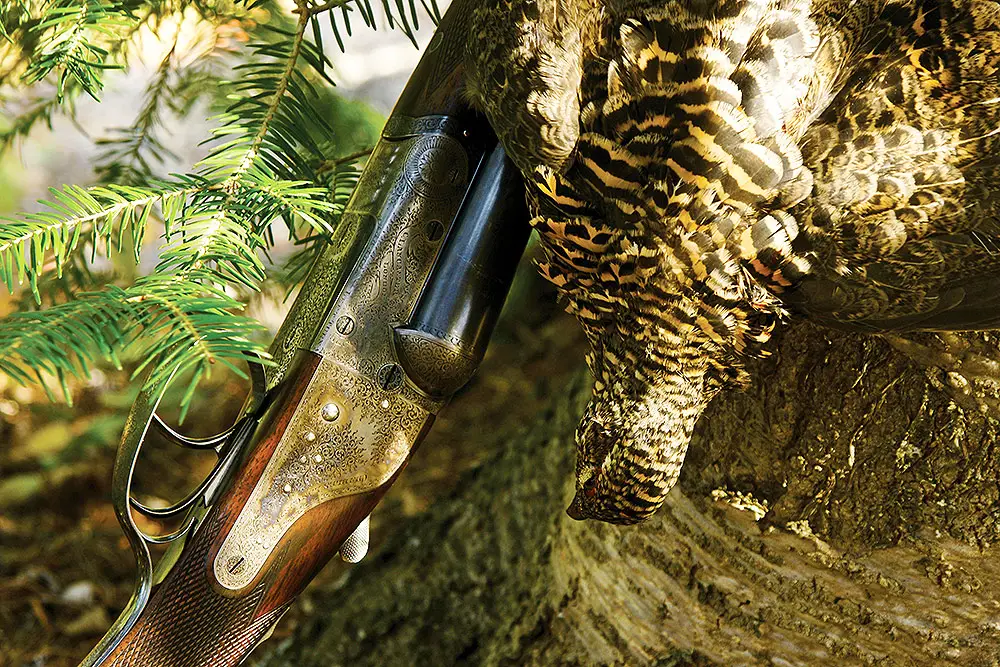
Grouse hunting stands out among upland sports due to the unique challenges posed by the birds’ behavior and habitat. Unlike quail or pheasants that are often found in open fields or edge habitats, grouse are primarily forest dwellers. Their natural cover includes dense woods, thick underbrush, and brushy thickets. Hunters must navigate uneven terrain, fallen logs, rocky slopes, and wet conditions while maintaining stealth and readiness for sudden flushes.
What Makes Grouse Hunting Unique
Grouse are known for their explosive, low-to-the-ground flight patterns. When flushed, they often zigzag unpredictably through trees, making quick target acquisition and accurate follow-up shots essential. This rapid, erratic movement distinguishes grouse hunting from other upland games and requires a shotgun setup optimized for speed, balance, and maneuverability. Hunters must also rely heavily on keen observation and sound recognition, as grouse can be difficult to spot among the dense vegetation.
Typical Terrain and Habitats
Grouse inhabit a variety of forest types, including hardwoods, coniferous forests, and mixed woods. Areas with young trees, thick undergrowth, and brush piles provide ideal cover for feeding and nesting. Hunters often find grouse near streams, wetland edges, or open glades within forests. Trails and logging roads can also serve as predictable movement corridors. Knowledge of these habitats allows hunters to anticipate where birds are likely to be and plan their approach accordingly.
Common Challenges and Bird Behavior
Several factors make grouse hunting particularly demanding. First, visibility is often limited, so hunters must move cautiously while avoiding making noise that could spook the birds. Second, grouse are highly sensitive to wind direction, often taking flight into the wind to escape, which can make shots unpredictable. Third, the dense vegetation means missed shots are more likely if the gun is not properly mounted or balanced. Finally, hunters must contend with the physical demands of walking steep, uneven terrain while carrying gear and maintaining focus over long periods.
Understanding these unique aspects of grouse behavior and habitat is essential for success. By anticipating flight patterns, recognizing preferred cover, and adapting your movement, you can improve your reaction time and accuracy. Mastering these elements ensures you are well-prepared to hunt grouse effectively and ethically, even in the most challenging upland environments.
Grouse Species & Their Impact on Equipment Choices
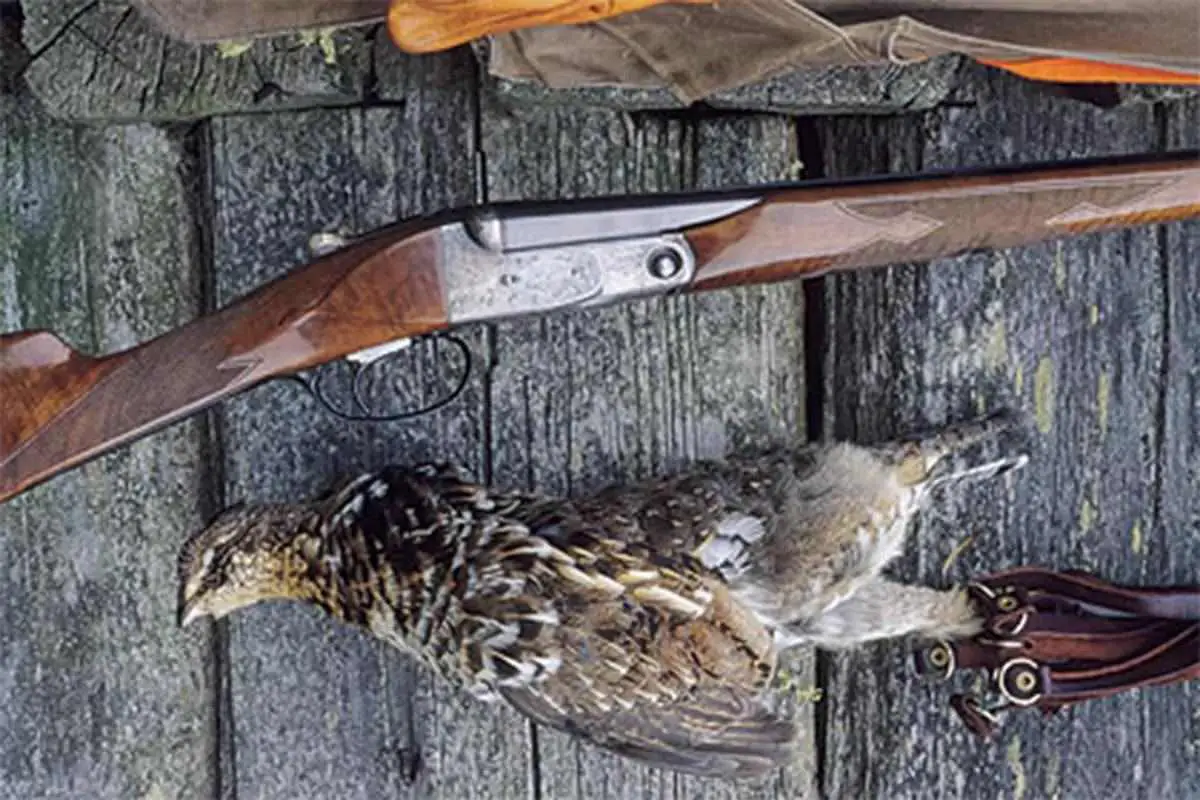
Understanding the species of grouse you intend to hunt is crucial for selecting the right equipment and developing effective tactics. Different species exhibit distinct behaviors, habitat preferences, and flight patterns that can influence the choice of shotgun, ammunition, and even field gear. By tailoring your approach to the specific grouse species, you increase your chances of success and ensure ethical, clean harvests.
Ruffed Grouse
Ruffed Grouse are among the most commonly hunted upland birds in North America. They prefer mixed hardwood forests, often near young aspen, birch, or spruce. These birds are known for sudden, explosive flushes that are fast and low to the ground. Because of their quick takeoff and erratic flight, hunters benefit from a lightweight, maneuverable shotgun, typically a 12- or 20-gauge, with a shorter barrel for quick swings in dense cover. A moderate choke, such as improved cylinder or modified, balances pellet spread for the short to medium distances where most ruffed grouse are encountered. Hunters may also carry lighter loads to reduce fatigue during extensive forest walks.
Spruce Grouse
Spruce Grouse inhabit dense coniferous forests, including spruce, fir, and pine stands. These birds are more sedentary than ruffed grouse but still flush suddenly when approached. Their slower flight allows for a slightly longer follow-through, but visibility is limited by thick needles and branches. Shotguns that are well-balanced and compact help hunters navigate the tight spaces without snagging on vegetation. Ammunition with smaller pellet sizes (#5 or #6) is effective, given the typically short-range encounters within the forest understory. Hunters often move quietly and slowly, making stealth and patience as important as equipment choice.
Blue Grouse / Dusky
Blue Grouse, also known as dusky grouse, are larger and tend to inhabit mountainous regions, open forests, and higher elevation areas. Their flushes are higher and longer than ruffed or spruce grouse, which may necessitate slightly heavier loads to maintain pellet energy at increased distances. A 12-gauge shotgun with a modified or full choke is common for these birds. Hunters may also encounter windier and more open terrain, so the shotgun’s balance and swing smoothness are critical for tracking these faster-moving targets.
How Species Differences Influence Shotgun Selection and Tactics
Species behavior and habitat directly affect shotgun choice and hunting strategy. Birds that flush low and erratically in dense cover, like ruffed and spruce grouse, require shorter barrels, lighter guns, and quick-handling features. Birds in more open or elevated terrain, such as blue grouse, benefit from longer barrels, slightly tighter chokes, and ammunition that maintains pattern density over longer distances.
Additionally, species determine movement patterns and scouting strategies. Ruffed and spruce grouse necessitate careful walking, stealthy approaches, and sometimes the use of hunting dogs to locate hidden birds. Blue grouse, while easier to spot at distance, demand precision and proper lead on higher-speed flights. By understanding the distinctions among these species, hunters can match their shotgun, choke, and ammunition choices to the environment and behavior of the birds, creating a more effective and enjoyable grouse hunting experience.
What Gun Do You Use to Hunt Grouse?
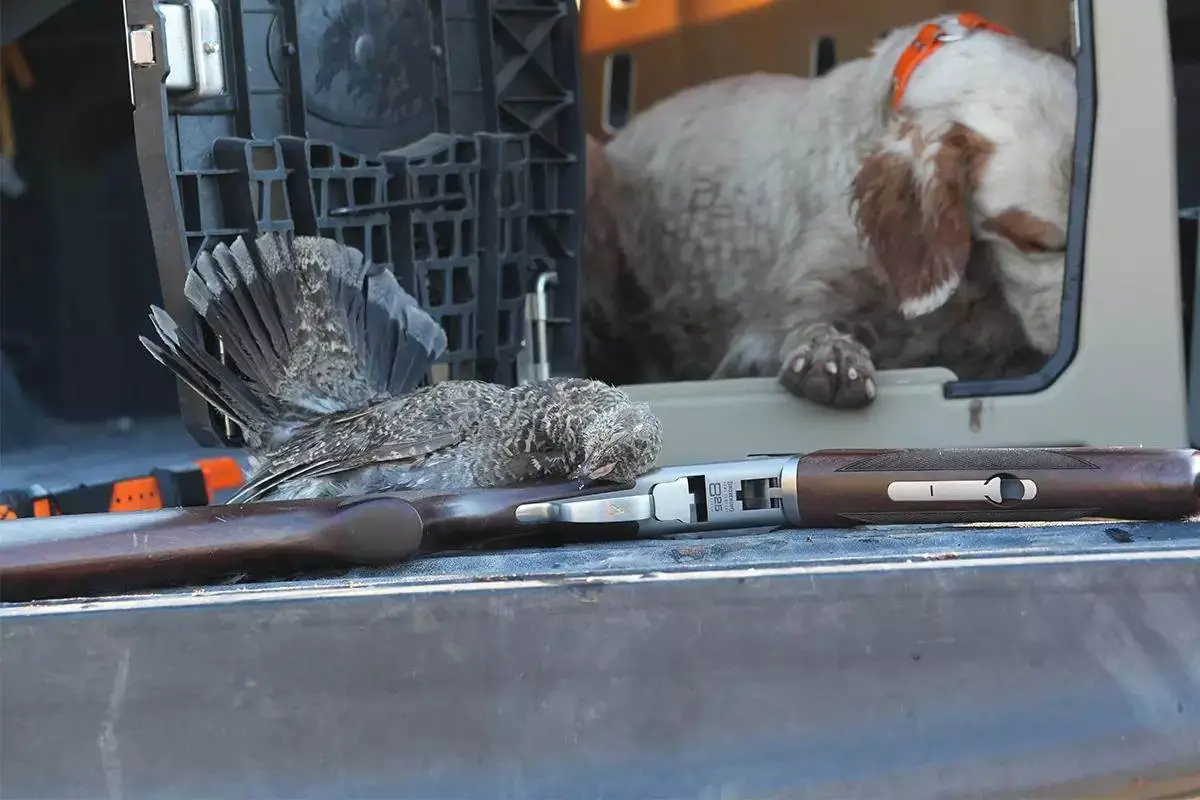
When it comes to grouse hunting, the question “what gun do you use to hunt grouse?” is central. Shotguns are essential because grouse are upland birds that require a spread of pellets for ethical and effective harvesting. Rifles are not suitable due to the close-range, dense forest environments where grouse are most commonly found. A properly chosen shotgun allows hunters to react quickly to sudden flushes and maintain accuracy in the unpredictable terrain of forests and thickets.
Shotgun Action Types
Understanding different shotgun actions helps hunters choose the right firearm for grouse hunting. The three main types are:
- Pump-action: Known for reliability, pump-action shotguns are simple, durable, and perform well in dense forest conditions. The manual operation ensures consistent cycling regardless of ammunition type. They are ideal for hunters who prioritize dependability over speed of follow-up shots.
- Semi-automatic: Semi-automatic shotguns use gas or inertia systems to cycle shells automatically. This action allows for faster follow-up shots with less recoil, which is useful when birds flush quickly or in groups. Semi-autos are generally lighter on felt recoil, making them comfortable for long days in the field.
- Break-open (Over/Under & Side-by-Side): Break-open shotguns are simple, reliable, and easy to maintain. Over/under models provide dual barrels with separate chokes for versatile shot placement, while side-by-side shotguns offer classic handling and quick pointing in close-range situations. These guns are particularly appreciated by traditionalists and those hunting in dense cover where only one or two precise shots are typically needed.
Pros and Cons for Grouse Terrain
Each shotgun action type has advantages and drawbacks depending on the environment and style of hunting:
- Pump-action: Pros: Extremely reliable, works with any shell, and requires minimal maintenance. Cons: Slightly slower follow-up shots, heavier cycling may tire the hunter during long walks.
- Semi-automatic: Pros: Fast follow-up shots, reduced recoil, smooth operation for multiple flushes. Cons: More complex mechanism requires careful cleaning; some models may be sensitive to low-power loads.
- Break-open: Pros: Lightweight, easy to carry, simple maintenance, and dual-choke flexibility in over/under guns. Cons: Limited to two shots before reloading, which can be a disadvantage if multiple birds flush simultaneously.
In dense forests or brushy areas typical of ruffed or spruce grouse habitats, a short, maneuverable gun is ideal. For more open or mountainous terrain where blue grouse may flush farther, slightly longer barrels and tighter chokes help maintain accuracy and pattern density. Ultimately, selecting the right action type depends on the hunter’s personal comfort, preferred style, and the specific species and terrain they plan to hunt.
Choosing the proper shotgun not only enhances performance but also contributes to a safer and more enjoyable hunting experience. A well-selected firearm paired with the appropriate ammunition and field strategy ensures hunters are prepared for the rapid, unpredictable behavior of grouse.
Shotgun Gauge & Caliber for Grouse Hunting
Choosing the correct gauge is one of the most important decisions when deciding what gun do you use to hunt grouse. Unlike waterfowl or turkey hunting, where longer distances and heavier payloads dominate the conversation, grouse hunting typically involves close-range shots in dense cover. Engagement distances often range between 15 and 35 yards, depending on species and terrain. Because of this, maneuverability, recoil control, and pattern spread matter just as much as raw pellet count. The ideal gauge balances sufficient pattern density with comfortable handling during long walks through forests and thick brush.
Why 12 Gauge Is Common
The 12 gauge remains the most popular shotgun gauge for upland hunters, including those who hunt grouse. Its versatility is unmatched. A 12 gauge can handle a wide range of loads, from light target shells to heavier upland hunting loads. This flexibility allows hunters to tailor ammunition to specific species and conditions without switching firearms.
One reason the 12 gauge is common is pattern reliability. With a larger bore diameter, it throws more pellets per shell compared to smaller gauges. At typical grouse distances, this increases the probability of clean hits, especially when birds flush unpredictably through tree cover. In more open terrain—such as when hunting dusky or blue grouse at slightly longer ranges—the 12 gauge provides additional pellet energy and pattern density.
However, the trade-off is weight and recoil. While modern shotgun designs have reduced overall mass, many 12 gauge models are heavier than smaller gauges. After several hours of walking through uneven forest terrain, that additional weight becomes noticeable. Still, for hunters who value flexibility and consistent performance across different upland scenarios, the 12 gauge remains a dependable choice.
When 20 Gauge Makes Sense
The 20 gauge is often considered the ideal balance for grouse hunting. It offers reduced recoil, lighter overall firearm weight, and excellent maneuverability in dense cover. For hunters navigating thick woods where quick mounts and fast swings are critical, the 20 gauge shines.
In close-range flush situations common with ruffed or spruce grouse, the slightly smaller payload of the 20 gauge is more than sufficient. With proper choke selection and quality ammunition, it produces effective patterns within standard engagement distances. Many experienced upland hunters prefer the 20 gauge because it reduces fatigue during long hunts while still delivering ethical performance.
Recoil management is another advantage. Less recoil means quicker recovery for potential follow-up shots and improved comfort over a full day in the field. For smaller-framed hunters or those sensitive to recoil, the 20 gauge offers a practical and efficient solution without sacrificing effectiveness.
28 Gauge and .410 Considerations for Lightweight Hunters
The 28 gauge and .410 bore represent specialized options for hunters who prioritize lightweight firearms and minimal recoil. These gauges are typically favored by experienced shooters who are confident in their accuracy and understand the limitations of smaller payloads.
The 28 gauge delivers surprisingly efficient patterns at close range. Within 25 to 30 yards, it performs admirably on grouse when paired with the correct shot size and choke. Its light weight makes it ideal for covering steep or remote terrain. Many upland enthusiasts appreciate its smooth handling and reduced recoil.
The .410 bore, while capable, requires precise shooting. Its smaller pellet count leaves less margin for error. In very dense cover where shots are extremely close, it can be effective in skilled hands. However, beginners may find the limited pattern density challenging. The .410 is best suited for hunters who prioritize challenge and precision over versatility.
Shot Patterns and Typical Engagement Distances
Understanding shot patterns is critical when selecting a gauge. Grouse are typically encountered at short to moderate distances. In thick woods, flushes may occur at 15 to 20 yards. In more open areas or mountainous terrain, shots may extend to 30 or occasionally 35 yards.
Larger gauges such as the 12 gauge maintain denser patterns at extended ranges, which can be beneficial for birds flushing across open lanes or over small clearings. The 20 gauge provides excellent pattern coverage within standard forest ranges. Smaller gauges require careful choke and ammunition selection to ensure adequate pellet distribution.
Ultimately, the best gauge for grouse hunting depends on terrain, personal comfort, and shooting ability. Hunters who value versatility may choose the 12 gauge. Those seeking lighter carry weight and reduced recoil often prefer the 20 gauge. Skilled shooters looking for a refined, minimalist setup may opt for the 28 gauge or .410.
No matter the choice, success comes from matching gauge selection to realistic engagement distances and practicing consistent shot placement. When your shotgun fits well and patterns effectively within typical grouse ranges, you gain confidence—and that confidence makes all the difference when a bird bursts from cover without warning.
Barrel Length, Chokes & Ammunition for Grouse Hunting
Once you’ve chosen the right gauge, the next step in answering the question what gun do you use to hunt grouse involves fine-tuning your setup with the proper barrel length, choke selection, and ammunition. Grouse hunting typically happens in dense forests, brushy cover, and uneven terrain. Because birds flush quickly and often at close range, your shotgun must be quick to mount, easy to swing, and capable of producing effective patterns within 15 to 35 yards. Barrel length, choke constriction, and shell selection all work together to determine how well your shotgun performs in these fast, reactive situations.
Optimal Barrel Lengths for Forest and Dense Cover
Barrel length directly affects handling characteristics, sight plane, and swing dynamics. In open-field hunting, longer barrels—such as 28 inches—can provide smoother swings and slightly improved velocity. However, grouse hunting is rarely an open-field sport. Most encounters occur in tight spaces filled with saplings, brush, and overhanging branches.
For this reason, shorter barrels are often preferred. Barrel lengths between 24 and 26 inches are considered ideal for most grouse hunters. A 24-inch barrel offers excellent maneuverability in thick cover, allowing for quick target acquisition without snagging on vegetation. A 26-inch barrel provides a slightly longer sighting plane while still remaining manageable in wooded environments.
Hunters pursuing ruffed or spruce grouse in especially dense cover may favor the shorter end of that range. In contrast, those targeting dusky or blue grouse in more open mountainous terrain may prefer a 26-inch barrel for smoother tracking on longer crossing shots. Ultimately, the goal is balance. The shotgun should feel natural when mounted and should swing smoothly without feeling front-heavy or sluggish.
Choke Selection Specific to Grouse
Choke selection is critical in upland hunting because it determines how tightly the shot pattern spreads. Since grouse are typically flushed at close range, tighter chokes are rarely necessary and can actually reduce effectiveness by creating patterns that are too dense at short distances.
The most common choke for grouse hunting is Improved Cylinder. This choke provides a wide, forgiving pattern that increases the likelihood of connecting with fast, erratic birds within 20 to 30 yards. It is particularly effective for ruffed and spruce grouse in heavy forest cover.
Modified chokes are also used, especially in areas where shots may stretch slightly farther. A modified choke tightens the pattern just enough to maintain pellet density at 30 to 35 yards. Hunters pursuing blue or dusky grouse in more open environments may prefer this option.
Some hunters using over/under shotguns choose a dual-choke setup. For example, the first barrel may be Improved Cylinder for close flushes, while the second barrel is Modified for longer follow-up shots. This configuration offers flexibility without changing equipment mid-hunt.
Full chokes are generally not recommended for grouse. At typical engagement distances, they can produce overly tight patterns that reduce margin for error. Since grouse flush unpredictably, a slightly more open pattern increases hit probability and supports ethical harvests.
Steel vs. Lead Shot: Regulations and Performance
Ammunition choice depends partly on local regulations. In some areas, non-toxic shot such as steel is required. In others, traditional lead shot remains legal for upland game. Hunters must always verify current regulations before heading into the field.
Lead shot has long been favored for grouse hunting because of its density. It retains energy effectively and produces consistent patterns at typical upland distances. Common shot sizes include #5, #6, and occasionally #7½ for close-range woodland hunts.
Steel shot, while lighter than lead, can still perform well when properly matched with choke and distance. Because steel patterns tighter than lead, hunters often choose a slightly more open choke when using steel ammunition. Shot sizes may also be adjusted—often selecting one size larger than the equivalent lead load to maintain sufficient energy.
Performance differences between steel and lead are most noticeable at longer ranges. For standard forest grouse distances, both can be effective when used responsibly and within appropriate limits.
Shell Length and Payload
Most grouse hunters rely on 2¾-inch shells. These provide adequate payload without excessive recoil. Magnum 3-inch shells are generally unnecessary for grouse and may increase recoil without offering meaningful benefits at short woodland distances.
Payload weights typically range from 7/8 ounce to 1¼ ounces, depending on gauge. Lighter payloads reduce recoil and fatigue, making them ideal for extended hunts. Heavier payloads may offer denser patterns but are rarely required unless hunting larger grouse species in open terrain.
Matching payload to gauge and distance is key. A balanced load that patterns well within 30 yards will outperform an unnecessarily heavy shell that produces excessive recoil and slows recovery for follow-up shots.
Balancing the Complete Setup
Barrel length, choke selection, and ammunition must work together as a system. A short, well-balanced shotgun with an Improved Cylinder choke and appropriate upland load is often the most practical answer to what gun do you use to hunt grouse in dense forest conditions. Hunters targeting more open terrain may slightly adjust barrel length and choke constriction to match longer shots.
Ultimately, the best setup is one that feels comfortable, patterns consistently, and matches the typical engagement distances in your hunting area. When your equipment aligns with terrain and bird behavior, your confidence increases—and that confidence translates into cleaner shots and more successful days in the uplands.
Gear Beyond the Gun
While selecting the right shotgun is critical, success in grouse hunting also depends on the gear you carry into the field. Dense forests, uneven terrain, and rapidly flushing birds demand not only precision shooting but also comfort, safety, and preparedness. Proper equipment ensures that hunters can move efficiently, react quickly, and maintain endurance over long days in challenging upland conditions.
Clothing & Safety
Clothing choices are essential for both comfort and safety. Layered, weather-appropriate clothing allows hunters to adapt to changing temperatures and wet conditions. Breathable fabrics prevent overheating during active hiking while providing insulation when the forest canopy blocks sunlight.
Blaze orange is legally required in many regions and serves a critical safety function. A blaze orange vest or jacket ensures visibility to other hunters, reducing the risk of accidents in thick cover. Durable, waterproof boots with good traction are essential for navigating uneven ground, slippery leaves, or muddy trails. Gloves protect hands from cold and brush, while eye and ear protection safeguard against branches, debris, and repeated shotgun discharge.
Navigation Tools
Grouse often inhabit large tracts of forest, making navigation critical. A reliable compass or GPS device allows hunters to track locations, mark productive areas, and avoid getting lost. Maps of the hunting area help plan routes, identify potential flush zones, and locate water sources or open glades where grouse may feed. Even in familiar terrain, navigation tools can save time and reduce fatigue by guiding efficient movement through dense forest.
Dog Gear
Many upland hunters rely on bird dogs to locate and flush grouse. Spaniels, pointers, and retrievers are commonly used, depending on hunting style and terrain. Essential dog gear includes training collars, a field vest for carrying water and first-aid supplies, and boots or paw protection for rough terrain. Portable water and a collapsible bowl ensure the dog stays hydrated during extended hunts. Properly equipped and trained dogs enhance efficiency, improve bird retrieval, and make hunting more enjoyable.
Backpacks, Shells & Field Tools
Hunters should carry a quality backpack or vest with ample storage for shells, tools, and essential gear. Organizing ammunition in accessible compartments allows quick reloads during fast flushes. Multi-tools or knives are necessary for field dressing birds and handling unexpected equipment issues. Binoculars help spot movement at a distance, while small first-aid kits provide readiness for minor injuries to either hunter or dog.
Other field tools, such as a whistle or GPS beacon, enhance safety, especially when hunting in groups or remote areas. Adequate preparation ensures that hunters can focus on tracking and shooting grouse rather than improvising solutions in the field. By combining protective clothing, navigation aids, dog support, and essential field tools, you create a comprehensive setup that maximizes both safety and hunting efficiency.
Grouse Hunting Tactics & Field Skills
Mastering grouse hunting is as much about strategy and field skills as it is about choosing the right gun. Grouse are fast, unpredictable, and often well-camouflaged, so hunters must learn to read terrain, understand bird behavior, and move efficiently through forests to maximize success. Developing these skills improves reaction times, shot accuracy, and overall enjoyment of the hunt.
Scouting Forests and Reading Terrain
Effective grouse hunting begins long before the first flush. Scouts and hunters must become familiar with forested areas, paying attention to habitat features where grouse are likely to feed or roost. Look for young aspen stands, dense brush piles, wetland edges, and open glades—these are hotspots for ruffed and spruce grouse. Trails, logging roads, and natural corridors often serve as movement paths for birds. Identifying these areas in advance allows hunters to plan efficient routes, anticipate flushes, and position themselves strategically.
Using Scent and Wind to Your Advantage
Grouse have keen senses, particularly their eyesight and awareness of human scent. Approaching birds from downwind reduces the likelihood of detection. Even small changes in wind direction can affect a flush, so hunters should constantly monitor the breeze. Some hunters take it further by walking quietly through areas where wind carries their scent away from expected bird positions. By considering wind patterns and scent dispersion, hunters increase their chances of getting within effective shooting range without spooking the birds prematurely.
How to Move Quietly and Surprise Birds
Silent movement is a hallmark of successful upland hunting. Dense forests amplify the sound of footsteps, snapping twigs, and rustling leaves. Hunters should wear soft-soled or padded boots and move deliberately, stepping on softer surfaces where possible. Staying low and using natural cover such as fallen logs, bushes, or tree trunks allows hunters to remain partially concealed. Slow, methodical movement combined with keen observation often results in closer and cleaner shots on flushed grouse.
Working with Hunting Dogs Effectively
Bird dogs are invaluable for locating, pointing, and retrieving grouse. Hunters must understand how to read their dog’s behavior to anticipate bird locations. Commands and hand signals should be clear and consistent, allowing the dog to work efficiently without constant verbal direction. Retrievers can bring back downed birds quickly, while pointers or spaniels help locate flushes in thick cover. The key to effective dog use is teamwork: the hunter and dog must operate in sync, moving quietly while covering ground systematically. A well-trained dog increases the number of clean shots and enhances the overall hunting experience.
By integrating scouting, wind awareness, stealthy movement, and skilled use of hunting dogs, upland hunters develop a strategic approach that complements their equipment choices. Combining these field skills with the right shotgun and ammunition ensures a more successful, ethical, and enjoyable grouse hunting experience.
Safety, Ethics & Responsible Harvesting
Grouse hunting is an exhilarating upland sport, but it comes with responsibilities. Dense forests, unpredictable bird flushes, and group hunts require strict attention to firearm safety, ethical decision-making, and adherence to regulations. By prioritizing safety and responsible practices, hunters protect themselves, their companions, and the environment while maintaining the integrity of the sport.
Firearm Safety in Dense Forests
Safety is paramount when hunting in thick cover where visibility is limited. Always keep the shotgun’s muzzle pointed in a safe direction and your finger off the trigger until ready to shoot. Identify your target clearly, ensuring there is a safe backdrop behind it. In dense forests, shots may be obscured by brush or trees, so extra caution is necessary. Carry firearms in a manner that prevents snagging or accidental discharge while navigating through fallen logs, brambles, or uneven terrain.
Negotiating Obstacles and Group Hunting Etiquette
Upland hunting often involves working with partners or in small groups. Maintaining spatial awareness is crucial. Communicate positions and movement plans before entering the field to prevent accidents. Keep safe distances from other hunters and ensure everyone is wearing appropriate blaze orange or safety clothing. When crossing paths or moving through thick cover, verbal alerts such as calling out “on me” or “moving through” help maintain safety and coordination. Respecting fellow hunters’ lines of fire and personal space ensures a smooth and secure hunt.
Legal Bag Limits, Seasons, and Regulations
Responsible hunting requires compliance with local regulations. Familiarize yourself with the season dates, bag limits, and any species-specific rules before heading out. Different states or regions may have unique restrictions on hunt duration, required permits, and hunting methods. Adhering to these laws preserves wildlife populations, ensures fair hunting practices, and prevents legal complications. Always carry your license or permit and follow reporting or tagging requirements as mandated by local authorities.
Shot Placement and Ethical Kills
Ethical hunting emphasizes clean, humane kills. Grouse hunting often involves fast, close-range shots in dense cover, but hunters should never rush or take unsafe shots. Aim for the bird’s vital areas, such as the head or upper chest, to ensure a quick, humane harvest. Avoid shooting birds that are beyond your effective range, as poor shot placement can result in unnecessary suffering or lost game. Practicing shooting skills and understanding patterning with your chosen choke and ammunition are essential to maintaining high ethical standards.
By combining firearm safety, group communication, regulatory compliance, and ethical shot placement, hunters demonstrate respect for the sport and the environment. These principles not only protect lives but also ensure sustainable and rewarding upland hunting experiences for years to come.
Maintenance & Care for Your Grouse Gun
A dependable shotgun is essential for upland success, but reliability does not happen by accident. Grouse hunting places unique stress on firearms. Dense forests, moisture, fallen leaves, pine needles, and temperature swings can all affect performance. Whether you carry a lightweight over/under, a rugged pump, or a semi-automatic shotgun, proper maintenance ensures that your gun functions smoothly every time you step into the woods. If you have ever wondered what gun do you use to hunt grouse, the better question might be: how well do you maintain it? Even the finest shotgun will fail if neglected.
Cleaning After Hunts
Cleaning your shotgun after each hunt is one of the most important habits you can develop. Grouse hunting often involves walking through damp cover, crossing small streams, and brushing against wet vegetation. Moisture combined with powder residue can quickly lead to corrosion if left untreated.
Begin by confirming that the firearm is completely unloaded. Check the chamber and magazine visually and physically. Follow the manufacturer’s instructions to field-strip the shotgun. For most break-open guns, this means separating the barrel from the receiver. Pump and semi-automatic shotguns may require removal of the barrel and partial disassembly of the action.
Use a cleaning rod with a solvent-soaked patch to run through the bore. This removes powder residue and plastic wad fouling. Follow with a bore brush to scrub away stubborn buildup. Continue alternating clean patches and solvent until they come out free of residue. Finish with a lightly oiled patch to protect the bore from rust. Avoid over-oiling, as excess lubricant can attract dust and debris during your next outing.
For semi-automatic shotguns, pay particular attention to the gas system or inertia components. Carbon buildup can interfere with reliable cycling. Clean pistons, rings, and ports carefully. Pump-action shotguns should have their action bars wiped down and lightly lubricated. Break-open guns require cleaning of the breech face, extractor or ejector mechanisms, and hinge points.
Routine cleaning not only prevents malfunctions but also allows you to inspect parts for wear. Small issues—such as loose screws or worn springs—are easier to address early than during a hunt.
Protecting Finishes from Harsh Conditions
Grouse habitats can be tough on a shotgun’s exterior. Walking through thick brush can scratch metal surfaces and wear down finishes over time. Exposure to sweat, rain, and humidity increases the risk of rust.
After cleaning, wipe down all external metal parts with a lightly oiled cloth. This creates a thin protective barrier against moisture. Pay special attention to areas you handle frequently, such as the receiver and trigger guard. Fingerprints can leave behind salts that promote corrosion if not removed.
If your shotgun has a wood stock, apply a quality wood conditioner occasionally to prevent drying and cracking. Wood absorbs moisture, so allowing it to dry completely after wet hunts is important. Never store a damp shotgun in a soft case for extended periods. Soft cases can trap moisture and accelerate rust formation. Instead, let the firearm air-dry fully before storage.
Synthetic stocks require less maintenance but still benefit from regular wiping and inspection. Matte or camo finishes commonly used in upland guns help reduce glare and minor cosmetic wear, but they still require care to maintain long-term durability.
Field Maintenance Tips
Proper maintenance does not stop at home. Simple field habits can prevent problems before they start. Carry a small cloth to wipe off rain, mud, or debris during the hunt. If you stumble or the muzzle contacts the ground, check the barrel immediately to ensure it is clear of obstructions. Even small amounts of dirt or snow inside the barrel can create dangerous pressure when firing.
Inspect choke tubes before heading out. Ensure they are tightened properly using the appropriate wrench. Loose choke tubes can affect pattern performance and potentially damage barrel threads. It is wise to check them again midway through the day, especially after heavy shooting.
If you experience a malfunction in the field, keep calm. Engage the safety, point the muzzle in a safe direction, and clear the chamber before diagnosing the issue. Familiarity with your shotgun’s mechanics makes troubleshooting quicker and safer.
Storage also plays a major role in long-term reliability. Store your shotgun in a cool, dry environment. A gun safe with a dehumidifier helps prevent rust during the off-season. Periodically inspect stored firearms and refresh protective oil coatings if necessary.
Reliability Builds Confidence
In grouse hunting, opportunities happen in seconds. A bird flushes unexpectedly, and you have only a brief moment to mount and fire. Confidence in your equipment allows you to focus entirely on the shot. That confidence comes from disciplined care and maintenance.
Regardless of what gun you use to hunt grouse, consistent cleaning, proper finish protection, and smart field habits ensure that your shotgun remains reliable season after season. A well-maintained firearm not only performs better but also reflects respect for the sport and the responsibility that comes with carrying it into the field.
Common Grouse Hunting Mistakes & How to Avoid Them
Even experienced hunters can make mistakes that reduce success in the field. Grouse hunting is a demanding sport, requiring precise equipment, keen observation, and physical readiness. Recognizing common errors and learning how to avoid them can dramatically improve your efficiency, accuracy, and overall enjoyment. Here are the most frequent mistakes and strategies to prevent them.
Wrong Choke Selection
Choosing the wrong choke is a common pitfall. An overly tight choke, such as a full choke, produces a concentrated pattern that may be too dense for close-range forest flushes. Birds can escape the narrow pellet spread, leading to missed shots and potential wounding. Conversely, a choke that is too open can disperse pellets too widely, reducing the effective pattern at slightly longer distances.
To avoid this mistake, select a choke appropriate for your typical engagement range. Improved Cylinder or Modified chokes are often ideal for ruffed and spruce grouse, balancing pellet spread and density. Test your shotgun with your chosen load before hunting to ensure the pattern suits your shooting style and the birds’ behavior in your hunting area.
Overlooking Terrain
Many hunters underestimate the importance of terrain analysis. Dense forests, brush piles, and uneven ground affect movement, visibility, and shooting angles. Failing to study the landscape can result in poor positioning, noisy approaches, and missed opportunities.
Mitigate this by scouting ahead. Identify trails, feeding areas, and natural corridors where grouse are likely to move. Walk the terrain before the season to familiarize yourself with obstacles and ideal shooting positions. By understanding your environment, you can anticipate flushes and approach birds without spooking them prematurely.
Poor Shotgun Fit
A shotgun that does not fit your body can hinder accuracy and reaction time. Too long or too heavy a gun can slow mounts, while an improperly fitted stock can throw off your aim and consistency. Even small mismatches can reduce confidence during fast flushes in dense cover.
Ensure your shotgun is properly fitted for your height, arm length, and shoulder placement. Adjust recoil pads or consider a different stock style if necessary. Spend time practicing mounts and swings before the season. A well-fitted gun feels natural, allowing for faster, more accurate shots under the stress of sudden flushes.
Neglecting Physical Preparation
Grouse hunting is physically demanding. Hunters walk long distances over uneven terrain, climb hills, and carry gear, sometimes in wet or cold conditions. Fatigue reduces reaction time, accuracy, and endurance, which can lead to missed shots and discomfort.
Prepare by building stamina and strength before the season. Regular cardio, hiking with a loaded backpack, and practicing shooting while standing or walking improves readiness. Additionally, staying hydrated and properly nourished during hunts helps maintain focus. Physical preparation allows hunters to move confidently, react quickly, and enjoy longer, more productive days in the uplands.
Final Thoughts on Avoiding Mistakes
By addressing choke selection, terrain awareness, gun fit, and physical fitness, hunters can significantly reduce common errors in grouse hunting. Each adjustment enhances precision, safety, and overall effectiveness. Combining proper equipment, field knowledge, and physical readiness ensures that every opportunity counts, leading to a more successful and satisfying grouse hunting experience.
Conclusion
Grouse hunting is a dynamic and challenging upland sport that combines skill, strategy, and the right equipment. Selecting the proper gun—considering action type, gauge, barrel length, and choke—is critical for success in dense forests and unpredictable flushes. Equally important are field gear essentials, including appropriate clothing, navigation tools, dog equipment, and backpacks with ammunition and tools. Mastery of scouting, movement, wind awareness, and working with dogs enhances your ability to anticipate bird behavior and take clean, ethical shots.
Every hunter has a personal style, and your setup should reflect your comfort, experience, and the terrain you pursue. Experiment with different gauges, chokes, and ammunition until you find a combination that feels natural and effective. Pairing the right firearm with proper maintenance, safety practices, and strategic field skills ensures both enjoyable and successful hunts.
Finally, grouse hunting is as much about the experience as it is about the harvest. Sharing stories, tips, and lessons learned with fellow hunters enriches the community and helps everyone improve. Whether you are a seasoned upland hunter or just starting, match your gear and tactics to your style, respect the birds and regulations, and enjoy the thrill of this exciting pursuit.
Frequently Asked Questions (FAQ) About Grouse Hunting
1. What gun do you use to hunt grouse?
Shotguns are the preferred choice for grouse hunting. Common gauges include 12 and 20, with action types ranging from pump, semi-automatic, to break-open designs. Barrel length and choke selection should match the terrain and typical flush distances.
2. Can I use a rifle for grouse hunting?
No. Grouse are upland birds that require a spread of pellets to ensure ethical kills. Rifles are not suitable for the close-range, dense cover typical of grouse habitat.
3. What gauge is best for grouse hunting?
12 gauge is most versatile and popular, while 20 gauge offers lighter weight and reduced recoil. Experienced hunters may also use 28 gauge or .410 for lightweight, precision-focused setups.
4. What choke should I use for grouse?
Improved Cylinder or Modified chokes are ideal for most grouse hunts, providing balanced pellet patterns at 15–35 yards.
5. What is the best barrel length for grouse hunting?
Barrel lengths between 24 and 26 inches provide a good balance between maneuverability in dense cover and smooth swing for tracking birds.
6. Can I use steel shot for grouse?
Yes, where regulations allow. Steel is lighter than lead and requires slightly more open chokes for effective patterning at typical upland ranges.
7. What shot size is recommended for grouse?
Sizes #5, #6, or #7½ are commonly used depending on gauge and engagement distance. #6 is a versatile choice for most scenarios.
8. Should I use 12 gauge or 20 gauge?
12 gauge is versatile and provides more pattern density at longer distances. 20 gauge is lighter, easier to carry, and offers reduced recoil for long hunts in dense cover.
9. Is an over/under or semi-automatic shotgun better?
It depends on personal preference. Over/under shotguns offer simplicity and reliability for two quick shots, while semi-automatics provide faster follow-up shots and reduced recoil.
10. Can I hunt grouse without a dog?
Yes, but hunting dogs improve efficiency in locating and flushing birds, especially in dense forest or brushy areas.
11. What clothing is best for grouse hunting?
Layered, breathable clothing with moisture-wicking fabrics works best. Blaze orange is recommended or legally required for safety.
12. How do I move quietly through forest cover?
Step carefully on soft ground, avoid snapping twigs, and use natural cover for concealment. Slow, deliberate movement increases chances of close-range flushes.
13. How do I read grouse terrain?
Look for young forests, dense brush, wetland edges, and natural corridors. Trails and clearings often guide bird movement.
14. What is the best way to flush grouse?
Approach quietly, using dogs if available, and anticipate sudden explosive flight patterns. Be ready for low, fast, zigzagging movements.
15. How do wind and scent affect grouse hunting?
Grouse are sensitive to human scent. Approaching from downwind reduces detection and increases the chance of a successful flush.
16. Should I carry extra ammunition?
Yes. Carry enough shells for the day, organized in a backpack or vest, to avoid delays during multiple flushes.
17. What footwear is best for grouse hunting?
Durable, waterproof boots with good traction help navigate uneven, wet, and slippery forest terrain safely.
18. Can I hunt grouse in winter?
Yes, but be aware of snow, ice, and frozen ground. Dress in warm layers and ensure your shotgun and ammunition function reliably in cold conditions.
19. How should I maintain my grouse gun in the field?
Wipe off moisture and debris, check choke tubes, ensure the barrel is clear, and lightly oil moving parts as needed.
20. How often should I clean my shotgun?
Clean thoroughly after every hunt. Regular maintenance prevents corrosion and ensures reliable function.
21. What species of grouse are common in North America?
Ruffed grouse, spruce grouse, and blue/dusky grouse are the primary species hunted in various habitats.
22. How does species affect shotgun choice?
Ruffed and spruce grouse in dense forests favor lightweight, short-barreled guns. Blue/dusky grouse in open or mountainous terrain may require longer barrels and tighter chokes for longer-range shots.
23. Is 28 gauge or .410 effective?
Yes, for experienced hunters in close-range, dense cover. These gauges are lightweight and provide less recoil but require precise shot placement.
24. How do I ethically harvest grouse?
Aim for vital areas, avoid shooting beyond effective range, and ensure a clean kill. Practice and pattern testing improve ethical shot placement.
25. Can I use a pump-action shotgun for grouse?
Yes, pump-action shotguns are reliable, handle any load, and perform well in thick cover, though follow-up shots are slower than semi-automatics.
26. How do I prevent fatigue on long hunts?
Use a lightweight gun, wear comfortable boots, carry essential gear only, and maintain physical fitness prior to the season.
27. What accessories are helpful for grouse hunting?
Binoculars, GPS, field knife, first-aid kit, and a reliable backpack for shells and gear improve efficiency and safety.
28. How do I train a dog for grouse hunting?
Begin with obedience, introduce upland scenting, practice pointing and retrieving, and reinforce commands consistently in the field.
29. Can I hunt grouse in groups?
Yes, but always communicate positions, maintain safe distances, and wear blaze orange to prevent accidents.
30. How important is physical fitness?
Very important. Walking rough terrain for hours requires stamina and strength for safe and effective hunting.
31. What are common mistakes hunters make?
Common errors include wrong choke selection, poor gun fit, overlooking terrain, and inadequate physical preparation.
32. How do I avoid getting lost in forests?
Use a compass, GPS, or pre-marked maps. Familiarize yourself with landmarks and carry a whistle or beacon for emergencies.
33. What is the best season to hunt grouse?
Season dates vary by region and species. Check local regulations to comply with legal dates and bag limits.
34. How many shots should I carry?
Carry enough shells for multiple flushes—typically 20–30 rounds for a full-day hunt.
35. How do I maintain stealth while hunting?
Move slowly, avoid breaking twigs, stay low, and use natural cover to conceal movement.
36. Can I hunt without blaze orange?
Only if local regulations allow. Blaze orange is recommended for safety, especially in group hunts or areas with other hunters.
37. How do I pattern my shotgun?
Test your gun with your chosen ammunition at known distances. Observe pellet spread to ensure effective coverage for typical flush ranges.
38. Should I adjust choke for steel shot?
Yes. Steel patterns tighter than lead, so using a slightly more open choke improves hit probability at typical grouse distances.
39. How do I carry my gun in dense forests?
Keep the muzzle pointed in a safe direction, use a sling, and maintain awareness of branches and brush to prevent snags.
40. Are over/under shotguns heavy?
Over/under shotguns vary in weight but are generally manageable. Their balance and swing dynamics make them effective for quick forest flushes.
41. Can beginners hunt grouse effectively?
Yes, with practice, proper gun selection, knowledge of terrain, and understanding of grouse behavior. Starting with lighter gauges can reduce recoil and increase confidence.
42. How do I flush grouse without scaring them prematurely?
Move slowly and quietly, watch for cover that birds use, and approach downwind. Dogs help locate birds without alerting them prematurely.
43. What is the typical engagement distance?
Grouse flushes usually occur between 15 and 35 yards. Knowing your effective range helps in choke and ammunition selection.
44. How do I maintain a shotgun in wet conditions?
Wipe moisture off metal surfaces, lightly oil moving parts, and ensure the bore is dry. Protect wooden stocks from water damage.
45. Are there differences between hunting ruffed vs spruce grouse?
Yes. Ruffed grouse flush explosively in mixed hardwoods, while spruce grouse are more sedentary in coniferous forests. These differences affect gun handling and movement strategy.
46. Should I carry a first-aid kit?
Absolutely. Include supplies for minor injuries, both for yourself and your hunting dog, to ensure safety during remote outings.
47. How do I select shell payload?
Use lighter loads for comfort during long hikes, and heavier payloads only if longer-range shots are expected. Balance pattern density with recoil.
48. Can I hunt grouse at night?
No. Grouse are diurnal, and night hunting is typically illegal and unsafe. Daylight hours are best for observation and ethical shooting.
49. How do I retrieve downed birds?
Use a trained dog for efficiency, or locate them carefully by following blood trails and observing flight paths. Ensure quick retrieval to avoid spoilage.
50. Is it necessary to scout before hunting?
Yes. Pre-season scouting identifies productive areas, reduces wasted effort, and increases the chance of encountering flushes in familiar terrain.
51. How do I reduce recoil for comfortable shooting?
Use lighter loads, a semi-automatic shotgun, or properly fitted stock with recoil pad. Correct stance and grip also help manage felt recoil.
52. Can I hunt grouse without a dog?
Yes, though dogs improve efficiency by locating hidden birds, pointing, and retrieving. Hunters without dogs must rely on careful walking and terrain knowledge.
53. How should I store my grouse gun off-season?
Clean thoroughly, lightly oil metal parts, and store in a cool, dry gun safe. A dehumidifier is recommended to prevent rust and corrosion.
54. How important is lead vs steel shot awareness?
Very important. Compliance with local regulations is mandatory, and performance differs slightly between the two. Adjust chokes and shot sizes accordingly.
55. What is the best way to practice for grouse hunting?
Practice swinging, mounting, and shooting at clay targets or moving targets to simulate flushes. Familiarity with your gun and ammunition builds confidence and accuracy.
Read more: What Gun Do You Use to Hunt Pheasant? Complete Shotgun & Gear Guide