
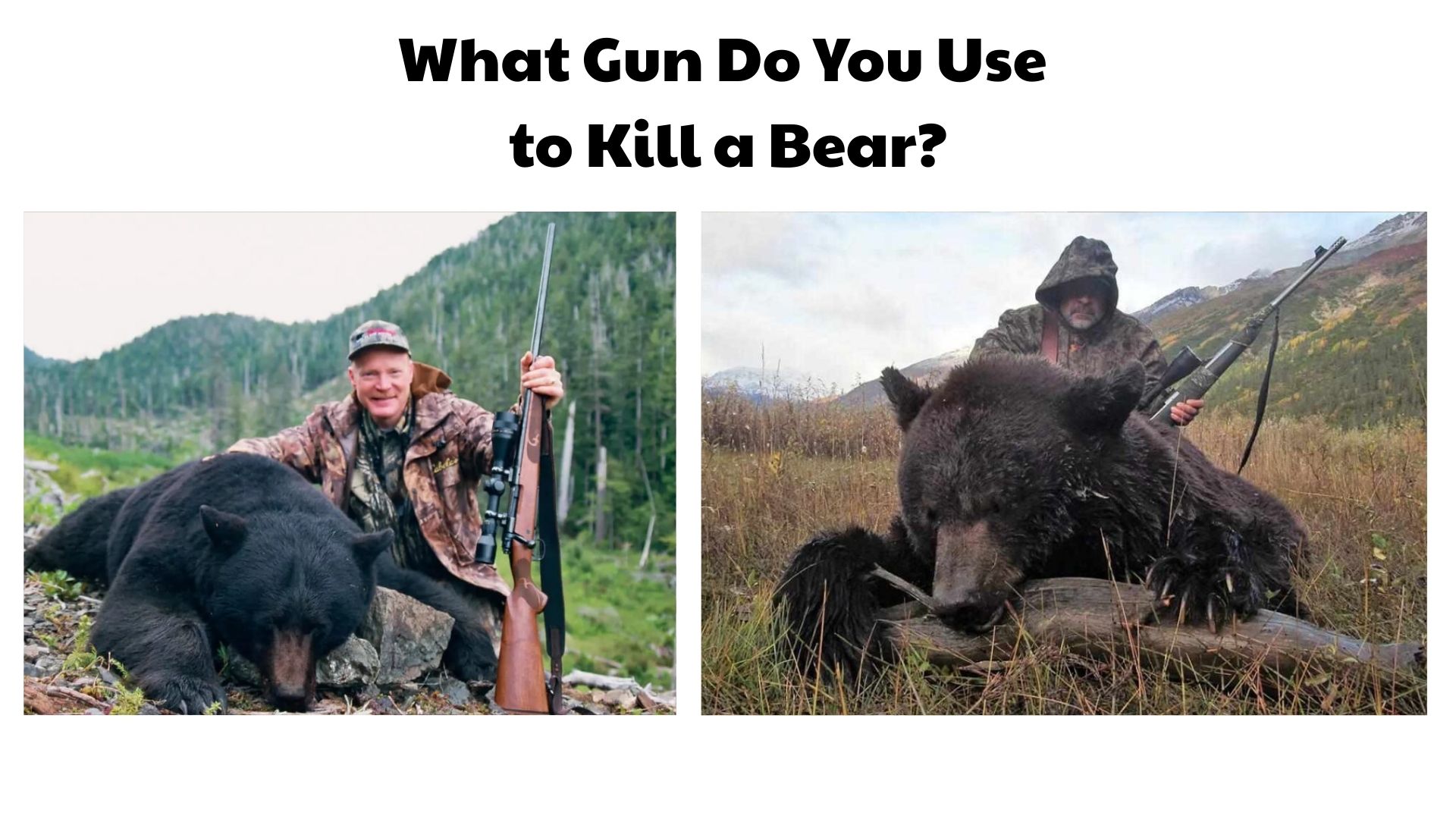
Encounters with bears, whether in the wilderness or near populated areas, can be unpredictable and potentially dangerous. Understanding bear defense is an essential part of outdoor preparedness, particularly for hikers, campers, hunters, and anyone spending extended time in bear country. While this guide does not encourage harming wildlife, it provides critical insight into firearms and other defensive options to help you respond safely if a bear charges or poses a threat.
Bear defense requires more than just owning a firearm; it involves knowledge of bear behavior, proper equipment selection, and effective defensive strategies. Different types of firearms, calibers, and ammunition have varying levels of stopping power, and knowing which options are practical for defense is crucial. Equally important are non-lethal tools like bear spray, situational awareness, and responsible handling.
In this guide, readers will learn about the most effective firearms and cartridges for bear defense, including rifles, handguns, and shotguns. We will discuss key considerations such as stopping power, range, portability, and ease of use. Additionally, we will explore training, safety practices, and ethical and legal considerations that ensure you are prepared without compromising wildlife conservation or personal responsibility.
Understanding Bear Encounters

Encounters with bears can vary widely, and it’s important to distinguish between defensive situations and hunting scenarios. In defensive encounters, the goal is to protect yourself and others from immediate danger, not to pursue the animal. In contrast, hunting is a regulated activity with permits, seasons, and strict ethical guidelines. Recognizing this distinction helps frame the discussion around bear defense firearms and their practical use in life-threatening situations rather than recreational hunting.
Defensive Threats vs. Hunting
A defensive bear encounter occurs when a bear approaches humans aggressively or unexpectedly, such as near campsites, hiking trails, or remote cabins. These situations demand rapid response, situational awareness, and equipment that can reliably stop a charging animal. Unlike hunting, there is no pursuit or tracking involved — the focus is on immediate deterrence and personal safety. In hunting scenarios, firearms are chosen for precision, range, and ethical harvest, while in defense, stopping power, accessibility, and reliability take priority.
Typical Bear Behavior
Understanding bear behavior is essential for selecting appropriate defense options. Bears may act defensively if surprised, threatened, or if protecting cubs, and most charges are bluff charges rather than true attacks. Still, large adult bears, particularly grizzlies or brown bears, can inflict severe injury if contact occurs. Black bears are generally less aggressive but can still pose risks when habituated to human food. Recognizing warning signs — such as huffing, jaw popping, or swatting the ground — helps anticipate potential danger and determine whether to deploy defensive tools.
Certain firearms are discussed in bear defense literature because bears are large, strong animals with thick muscle and bone structures. Effective stopping power requires sufficient caliber, bullet weight, and penetration to neutralize the threat quickly. Rifles, handguns, and shotguns are all considered, but their selection depends on proximity, accessibility, and the type of bear encountered.
Risk Factors: Terrain, Food Sources, and Surprise Encounters
Terrain significantly affects both bear behavior and defensive preparedness. Dense forests, mountainous regions, and river valleys can limit visibility, reduce reaction time, and complicate firearm use. Open areas may allow better visibility but can also expose humans to unexpected bear approaches without natural cover. Understanding the terrain is critical for both prevention and effective response.
Food sources also influence bear movement. Bears are often drawn to areas with berries, salmon runs, garbage, or human food storage. Being aware of these attractants and minimizing risk through proper food storage and campsite practices reduces the likelihood of dangerous encounters.
Surprise encounters are the most common cause of defensive bear incidents. Hiking quietly, making noise, and traveling in groups can help prevent startling a bear. Even with precautions, unexpected close-range encounters can occur, making knowledge of defensive firearms and other deterrents essential for personal safety.
By understanding bear behavior, risk factors, and the distinction between hunting and defensive situations, you are better equipped to make informed decisions about what tools, firearms, and strategies are appropriate for bear defense. Awareness, preparation, and respect for the animal remain the foundation of safe outdoor experiences in bear country.
Fundamentals of Bear Defense Firepower
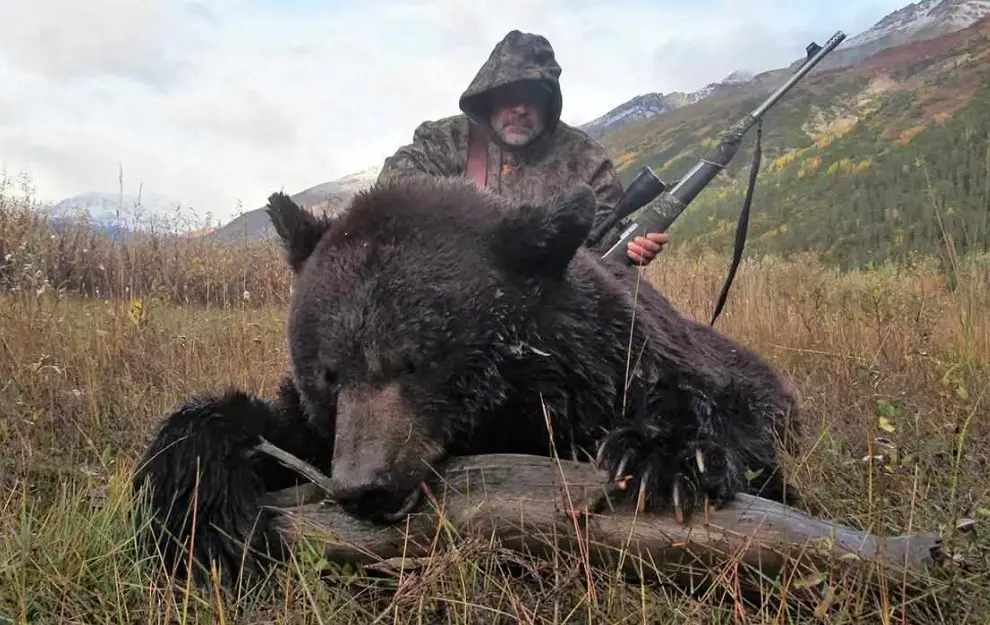
When discussing the question, what gun can kill a bear, the conversation often centers around one phrase: stopping power. In a wildlife defense context, stopping power does not mean excessive force or unnecessary harm. It refers to the ability of a firearm and cartridge combination to immediately stop a charging animal before it reaches you. In defensive encounters, seconds matter. The goal is not precision at long distance, but rapid threat interruption at close range.
Understanding how stopping power works — and why certain calibers and firearm types are discussed for bear defense — requires looking at both ballistics and bear anatomy. Bears are not built like deer or other medium-sized game animals. Their size, muscle density, bone structure, and behavior demand serious consideration when evaluating defensive options.
What “Stopping Power” Means in Bear Defense
In simple terms, stopping power refers to a cartridge’s ability to deliver sufficient energy and penetration to halt forward movement quickly. In a bear charge scenario, the objective is immediate incapacitation. Unlike target shooting or hunting at distance, there is no margin for delayed effect. A round that penetrates deeply and disrupts vital structures is far more important than one that expands rapidly but lacks depth.
Stopping power is influenced by several factors: bullet weight, velocity, penetration, and overall cartridge energy. Heavier bullets tend to penetrate more deeply, especially when designed for controlled expansion or solid construction. Higher velocity can increase energy transfer, but excessive expansion without adequate penetration may be ineffective against large, heavy-boned animals.
It is important to understand that no firearm guarantees instant results in every scenario. Shot placement, reaction time, and the bear’s behavior all influence the outcome. That is why training, awareness, and layered safety strategies — including bear spray — are frequently recommended alongside firearms.
How Bears Differ Structurally from Other Animals
Bears are uniquely built compared to most North American game animals. They have thick fur, dense fat layers (especially in preparation for winter), heavy muscle mass, and large bone structures. The skull is thick, and the shoulder bones are substantial. These physical characteristics create barriers that lighter calibers may struggle to penetrate effectively.
Additionally, bears have a powerful skeletal structure that supports significant body weight and strength. An adult grizzly or brown bear can weigh several hundred pounds, with some exceeding 1,000 pounds. Even black bears, which are typically smaller, remain formidable animals with substantial durability.
Behaviorally, bears may not react the same way as other animals when struck. In defensive scenarios, an adrenaline-charged bear may continue moving even after sustaining serious injury. This reality reinforces the importance of adequate penetration and sufficient cartridge performance.
Why Caliber Matters
Caliber selection plays a central role in bear defense discussions. Larger calibers generally allow for heavier bullets, which improve penetration. While smaller handgun calibers are easier to carry and shoot, they may not provide the depth needed to reach vital organs through thick muscle and bone.
Rifles chambered in larger cartridges typically offer greater energy and penetration than handguns. However, rifles may not always be as accessible in sudden, close-range encounters. Handguns are often chosen for portability and immediate accessibility, but caliber choice becomes even more critical in that context.
Ultimately, the ideal caliber balances three factors: adequate penetration, manageable recoil, and realistic user proficiency. A powerful cartridge is only effective if the shooter can control it accurately under stress.
Bullet Design Considerations
Bullet construction is just as important as caliber size. In bear defense, deep penetration is often prioritized over rapid expansion. Hard-cast lead bullets, bonded bullets, or solid projectiles are frequently discussed because they maintain structural integrity and penetrate heavy bone and muscle effectively.
Highly expanding hollow-point bullets, commonly used for personal defense against human threats, may not be optimal for large wildlife. Excessive expansion can reduce penetration depth. In a bear defense scenario, reaching vital structures quickly is critical.
The goal is controlled performance — enough expansion to transfer energy, but sufficient structural strength to drive deeply into vital areas.
The Role of Shot Placement
Even the most powerful cartridge cannot compensate for poor shot placement. In defensive situations, accuracy under stress becomes the defining factor. Targeting vital areas — typically the central nervous system or major vital organs — increases the likelihood of stopping a charge quickly.
However, shot placement in a real-world bear encounter is extremely challenging. The animal may be moving rapidly, the distance may close in seconds, and terrain may limit visibility. This is why training, familiarity with your firearm, and realistic expectations are essential.
Understanding the fundamentals of bear defense firepower means recognizing that equipment is only one part of the equation. Stopping power, caliber selection, bullet design, and shot placement all interact. Combined with preparation, awareness, and respect for wildlife, these factors help create a responsible and informed approach to bear defense.
Bear Defense Cartridges Overview
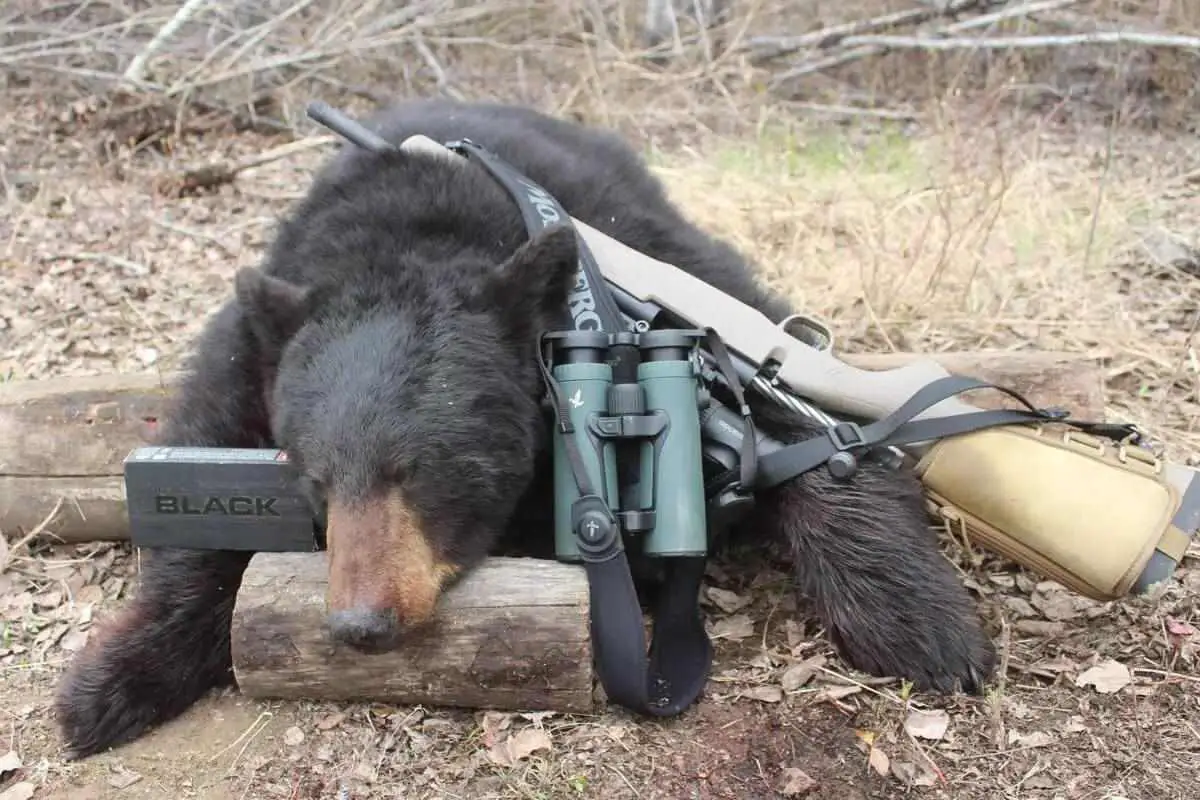
When people ask, what gun can kill a bear, they are often really asking about cartridge performance. The firearm itself matters, but the cartridge — the combination of caliber, bullet weight, velocity, and construction — determines how effectively a round can penetrate thick muscle, heavy bone, and dense tissue. In bear defense scenarios, penetration and reliability take priority over speed or convenience.
This section provides a high-level overview of rifle and handgun cartridges commonly discussed for bear defense. The focus is not on promoting harm, but on understanding why certain calibers are frequently recommended for emergency wildlife protection in bear country.
Rifle Cartridges Commonly Recommended for Bears
Rifles are generally considered the most powerful and effective firearms for bear defense at distance. They offer higher velocity, greater energy, and improved penetration compared to handguns. In areas inhabited by large brown or grizzly bears, hunters and wilderness guides often carry rifles chambered in medium-to-large calibers designed for big game.
Commonly discussed rifle cartridges include those in the .30-caliber class and above, as well as traditional big-bore cartridges developed specifically for large, dangerous game. Examples frequently mentioned in outdoor and hunting literature include .30-06 Springfield, .300 Winchester Magnum, .338 Winchester Magnum, and larger safari-class cartridges such as .375 H&H Magnum.
These cartridges are favored because they combine heavy bullet weights with substantial energy. The heavier projectiles penetrate deeply, which is critical when dealing with thick bone and muscle. Rifles also provide better accuracy at extended ranges, which can be important in remote wilderness settings where visibility allows earlier detection of potential threats.
However, rifles are not always practical in every defensive scenario. In sudden, close-range encounters — especially while hiking, fishing, or camping — a rifle may not be immediately accessible. Carrying a long gun at all times can be cumbersome, which is why some individuals choose handguns as supplemental or primary defensive tools.
Big-Bore Calibers and Penetration
Big-bore rifle cartridges are frequently recommended for large bear species because of their penetration capabilities. Penetration matters more than rapid expansion in bear defense. A heavy, solidly constructed bullet must pass through thick fur, fat, muscle, and bone to reach vital organs or disrupt the central nervous system.
Larger calibers allow for heavier bullets with higher sectional density — a ballistic term referring to how well a bullet maintains forward momentum through resistance. In simple terms, a bullet with greater sectional density is more likely to penetrate deeply rather than fragmenting or stopping prematurely.
This is why traditional dangerous-game cartridges remain relevant in bear country. They are designed to perform reliably against large animals with substantial physical durability. That said, increased caliber usually means increased recoil, heavier firearms, and greater training demands.
Handgun Cartridges for Bear Defense
Handguns are often carried for accessibility. In many real-world encounters, the bear appears at very close range, leaving little time to shoulder a rifle. A holstered handgun may be quicker to deploy, which is why certain powerful handgun cartridges are commonly discussed in bear defense contexts.
Among the most frequently referenced handgun cartridges are .44 Magnum, .454 Casull, .480 Ruger, and 10mm Auto. These calibers are considered because they offer significantly greater penetration than standard defensive handgun rounds typically used for personal protection against human threats.
Hard-cast or bonded bullets are often recommended in these calibers to maximize penetration. As with rifles, the goal is deep, straight-line penetration rather than rapid expansion.
Pros and Cons of Larger Bore Defense Rounds
Larger bore cartridges offer clear advantages in bear defense situations:
- Greater penetration: Heavy bullets can break bone and reach vital organs.
- Higher energy: Increased stopping potential in close-range emergencies.
- Proven track record: Many big-bore calibers have decades of field use in dangerous-game environments.
However, there are trade-offs:
- Increased recoil: More powerful cartridges generate substantial recoil, which can affect follow-up shots and shooter control.
- Heavier firearms: Larger calibers often require heavier guns, which can be burdensome during long treks.
- Training demands: Managing recoil and maintaining accuracy under stress requires consistent practice.
Ultimately, the best cartridge for bear defense balances power with practical usability. A round that is theoretically powerful but difficult to control may not be as effective as one that the user can shoot accurately and confidently.
Understanding rifle and handgun cartridge options provides clarity when evaluating bear defense tools. While no firearm guarantees safety in every situation, selecting a cartridge capable of deep penetration and reliable performance — combined with training and situational awareness — forms the foundation of responsible preparedness in bear country.
Best Rifle Options for Bear Defense
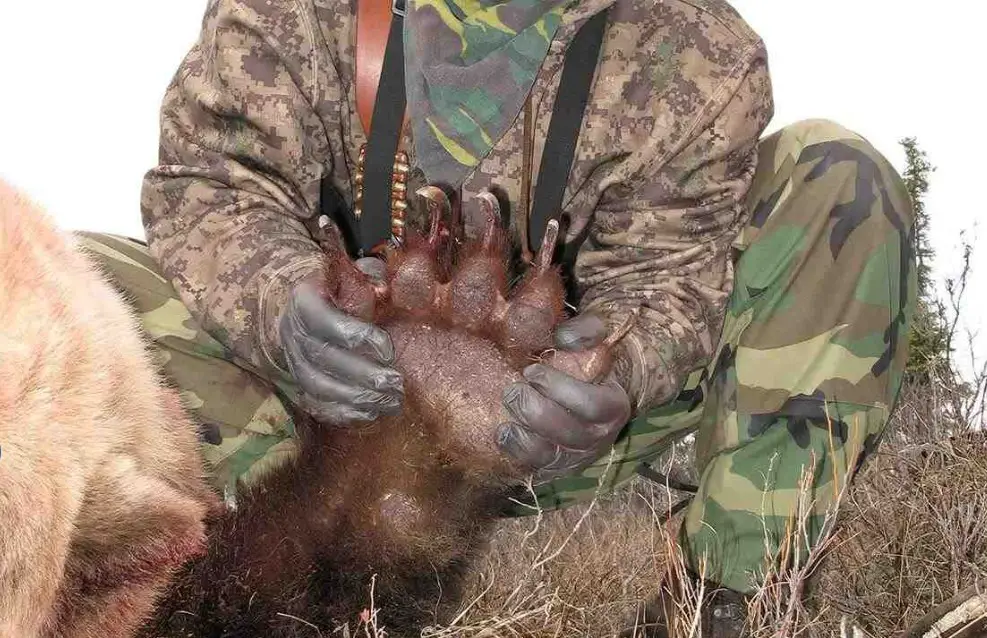
When evaluating what gun can kill a bear in a true defensive emergency, rifles are often considered the most powerful and reliable option. A properly selected rifle offers superior penetration, greater energy, and improved accuracy compared to most handguns. However, power alone is not enough. The ideal bear defense rifle must balance stopping capability with portability, accessibility, and the shooter’s ability to handle it under stress.
This section outlines what to look for in a defensive rifle, discusses common cartridge classes frequently referenced in bear country, and explains how terrain, distance, and training influence practical choices.
What to Look for in a Bear Defense Rifle
A rifle intended for bear defense must meet several key criteria: reliability, sufficient power, manageable recoil, and practical handling characteristics. Reliability is non-negotiable. In a high-stress encounter, the firearm must function without hesitation. Simple, rugged action types are often favored because they perform consistently in harsh environments.
Power and penetration are equally important. Bears possess thick muscle, heavy bone, and dense tissue layers. A defensive rifle must chamber cartridges capable of deep, straight-line penetration. This is why medium-to-large caliber rifles are typically discussed in bear country.
Recoil management is another factor. Extremely powerful rifles can generate substantial recoil, which may reduce accuracy or slow follow-up shots. A balance must be struck between sufficient stopping capability and realistic controllability.
Finally, barrel length and overall weight matter. A defensive rifle should be short enough to maneuver in dense woods but long enough to provide stable ballistic performance. Excessively heavy rifles may become burdensome during long hikes or remote expeditions.
Typical Cartridge Classes for Bear Defense
Rifle cartridges commonly discussed for bear defense generally fall into two broad categories: powerful medium calibers and traditional big-bore cartridges.
Medium-to-large calibers such as .30-06 Springfield, .300 Winchester Magnum, and .338 Winchester Magnum are frequently referenced in bear country. These cartridges offer strong penetration with heavy bullet options and manageable recoil for experienced shooters.
Big-bore cartridges, such as .375 H&H Magnum and similar dangerous-game rounds, are often considered when maximum penetration and stopping power are desired. These calibers are traditionally used for large, heavy-bodied animals and are designed to drive deep through muscle and bone.
Some individuals also reference rifle platforms chambered in handgun-class cartridges, such as .44 Magnum, when discussing compact defensive carbines. While these may offer improved controllability and lighter recoil, they generally do not match the energy of full-power rifle cartridges. Their suitability depends heavily on context and user proficiency.
Situational Considerations: Terrain and Distance
Terrain plays a major role in rifle selection. In open areas with greater visibility, longer-range cartridges may provide additional flexibility. In dense forests or brush, where most defensive encounters occur at close range, maneuverability becomes more important than extended distance performance.
Most defensive bear incidents happen at short distances, often within a few dozen yards. Because of this, rapid accessibility and intuitive handling are critical. A rifle slung over the shoulder may not be as immediately available as one carried in a ready position, yet constant ready carry can be physically demanding over long distances.
Accessibility must be evaluated honestly. If a rifle is too heavy or cumbersome to carry consistently, it may not be present when needed. Practical readiness outweighs theoretical power.
Safety, Portability, and Training Factors
Safety should always remain the primary concern. Any rifle carried in bear country must be handled responsibly, with strict adherence to safe muzzle control and trigger discipline. Awareness of surroundings is essential, particularly in areas shared with other hikers, campers, or hunters.
Portability is another key factor. Lightweight synthetic stocks, corrosion-resistant finishes, and durable construction help ensure reliability in wet or rugged environments. A defensive rifle should be rugged enough to withstand weather exposure without constant maintenance.
Training cannot be overlooked. A powerful rifle is only effective if the user can operate it confidently and accurately under stress. Regular practice builds familiarity with recoil, sight alignment, and follow-up shot control. Training should focus on realistic defensive distances and rapid target acquisition rather than long-range precision shooting.
Ultimately, selecting the best rifle for bear defense involves balancing power, reliability, maneuverability, and personal proficiency. There is no universal answer to what gun can kill a bear in every situation. The most effective choice is one that provides sufficient penetration, can be carried consistently, and can be deployed safely and accurately when seconds matter.
Best Handgun Options for Bear Defense
While rifles are often considered the most powerful tools in bear country, many outdoorsmen still ask, what gun can kill a bear if I only have a handgun? The reason is simple: accessibility. In real-world bear encounters, especially surprise encounters at close range, a handgun carried on the body may be faster to deploy than a rifle slung over the shoulder. That immediacy is why certain large-caliber handguns are frequently discussed in bear defense conversations.
However, choosing a handgun for bear defense involves trade-offs. Power, recoil, ammunition capacity, and user proficiency all matter. This section explores why some people prefer handguns, how large-caliber cartridges compare at a high level, and what practical factors should influence the decision.
Why Some People Choose Handguns for Close Encounters
Most defensive bear incidents occur quickly and at short distances. In dense brush or wooded terrain, visibility can be limited to a few dozen yards — sometimes much less. In these situations, reaction time is measured in seconds.
A handgun carried in a chest holster or on a belt may be immediately accessible, even while fishing, hiking, or performing camp tasks. Rifles, while powerful, may not always be in hand at the critical moment. For this reason, many wilderness guides and backcountry travelers prefer carrying a powerful handgun as either a primary defensive tool or a backup to a long gun.
Portability is another factor. Handguns are lighter, more compact, and easier to carry for extended periods. When weight and mobility are priorities — such as during long backpacking trips — a handgun may be more practical.
Cartridge Performance Comparison
Not all handgun calibers are suitable for bear defense. Standard self-defense rounds commonly used for personal protection against human threats may lack the penetration required for large, heavy-boned animals. As a result, larger, more powerful handgun cartridges are typically discussed in this context.
Among the most frequently referenced calibers are:
- .44 Magnum – Long regarded as a powerful revolver cartridge with strong penetration when paired with appropriate bullet construction.
- .454 Casull – Offers significantly higher energy than .44 Magnum but with increased recoil.
- .480 Ruger – Designed to deliver heavy bullets at moderate velocity with substantial penetration.
- 10mm Auto – A semi-automatic cartridge that, when loaded with hard-cast bullets, provides improved penetration compared to many traditional handgun rounds.
These cartridges are typically paired with heavy, solid, or hard-cast bullets to maximize penetration. In bear defense, penetration is prioritized over rapid expansion. The goal is to reach vital structures through thick muscle and bone rather than rely on expansion alone.
It is important to note that while these calibers are powerful for handguns, they still generally produce less energy than most centerfire rifles. That distinction reinforces the importance of shot placement, training, and realistic expectations.
Pros of Handguns in Bear Defense
- Accessibility: Carried on the body, ready to deploy quickly.
- Portability: Lighter and easier to carry over long distances.
- Convenience: Allows hands-free activity while remaining armed.
- Backup option: Serves as secondary defense if a rifle is unavailable.
Cons of Handguns in Bear Defense
- Reduced energy compared to rifles: Even powerful handgun cartridges do not match the penetration of large rifle calibers.
- Significant recoil: Large-bore revolvers produce heavy recoil, which can affect accuracy and follow-up shots.
- Training demands: Managing recoil and maintaining accuracy under stress requires consistent practice.
- Limited margin for error: Shot placement becomes even more critical with handgun-level energy.
Capacity, Recoil, and Accessibility Considerations
Handgun platform choice often comes down to balancing power and controllability. Large-bore revolvers typically offer substantial penetration but hold fewer rounds and produce heavy recoil. Semi-automatic handguns chambered in powerful cartridges such as 10mm Auto may offer greater capacity and faster follow-up shots, but they generally produce less raw energy than large revolver cartridges.
Recoil management is crucial. A cartridge that is too powerful for the user to control effectively may reduce accuracy in a high-stress encounter. The most powerful round on paper is not always the most practical in real-world use.
Accessibility also includes holster choice. Chest holsters are popular in bear country because they remain accessible while wearing backpacks or waders. Whatever platform is selected, consistent training with that specific firearm is essential.
Ultimately, when considering what gun can kill a bear in a defensive situation, handguns represent a compromise between portability and power. They offer rapid access and practical carry advantages, but demand careful caliber selection, appropriate ammunition, and serious training. In bear country, preparation, awareness, and layered safety strategies — including non-lethal deterrents — remain just as important as the firearm itself.
Shotguns for Bear Defense
When discussing what gun can kill a bear in a defensive emergency, shotguns are frequently mentioned alongside rifles and large-caliber handguns. In many regions, particularly in North America, a 12-gauge shotgun is considered a practical and powerful option for close-range wildlife defense. While not always as specialized as big-bore rifles, shotguns offer a unique balance of stopping capability, versatility, and availability.
Why Shotguns Are Sometimes Selected
Shotguns are commonly chosen for bear defense because they are widely available, relatively simple to operate, and capable of delivering substantial energy at close range. Many outdoorsmen already own a shotgun for hunting birds or deer, making it a familiar platform.
In defensive situations involving bears, encounters often occur at short distances — sometimes under 40 yards. Within that range, a properly loaded 12-gauge shotgun can deliver significant stopping power. The large bore diameter and heavy projectile options provide strong penetration when appropriate loads are selected.
Another advantage is versatility. A shotgun can be configured for different roles by changing ammunition types, allowing it to serve multiple purposes in wilderness settings. However, for bear defense specifically, ammunition choice becomes critical.
Shot Types & Barrel Considerations (Non-Technical Overview)
For bear defense, not all shotgun ammunition is suitable. Birdshot, for example, is designed for small game and lacks the penetration required for large animals. Instead, heavier projectiles are typically discussed in defensive contexts.
Common defensive load types include:
- Slugs: A single, large projectile designed for deep penetration. Slugs are generally considered the most appropriate shotgun load for large-animal defense because they concentrate energy into one heavy projectile.
- Buckshot: Multiple large pellets fired in a spread pattern. While buckshot may offer some effectiveness at very close range, penetration can vary depending on pellet size and distance.
Barrel length also plays a role in maneuverability. Shorter barrels are often easier to handle in dense brush or confined areas, making them more practical for defensive use. Longer barrels may provide improved sighting and balance for hunting but can be less maneuverable in sudden encounters.
Many defensive shotguns use simple sight systems that allow for rapid target acquisition. In high-stress scenarios, straightforward aiming systems are often preferred over complex optics.
When Shotguns Excel
- Close-range encounters: Within typical defensive distances, a 12-gauge slug delivers substantial impact energy.
- Versatility: The ability to change loads depending on the situation.
- Availability: Shotguns are widely owned and commonly used in rural environments.
- Simplicity: Many shotgun platforms are mechanically straightforward and reliable.
In thick vegetation or wooded terrain where visibility is limited, a shotgun’s balance of power and handling can make it a strong defensive tool.
When Shotguns Are Limited
- Range limitations: Shotguns are generally most effective at shorter distances compared to centerfire rifles.
- Recoil: Full-power 12-gauge defensive loads can produce significant recoil, affecting follow-up shot speed.
- Weight and bulk: Shotguns can be heavier and longer than handguns, making constant carry less convenient.
- Ammunition selection sensitivity: Choosing the wrong load significantly reduces effectiveness.
Compared to large-caliber rifles, shotguns may offer less effective range and penetration at extended distances. However, compared to handguns, they typically provide greater raw energy per shot. This places the shotgun in a middle ground within the broader discussion of bear defense firearms.
Ultimately, shotguns can be highly effective for bear defense when properly configured and paired with suitable ammunition. As with any defensive firearm in wildlife settings, success depends on realistic expectations, proper training, safe handling practices, and an emphasis on prevention and awareness before a defensive shot is ever required.
Defensive Gear Beyond Firearms
When discussing what guns can kill a bear or which firearm is best for bear defense, it is equally important to step back and recognize a broader truth: firearms are only one part of a comprehensive wilderness safety plan. In many real-world encounters, non‑lethal deterrents — particularly bear spray — have proven highly effective at stopping aggressive behavior without permanently harming the animal. Understanding when and how to use these tools can dramatically improve both personal safety and wildlife conservation outcomes.
Responsible backcountry travel is not about escalating force. It is about prevention, awareness, and layered safety strategies. Firearms may serve as a last-resort defensive tool, but many encounters are resolved more effectively through preparation and non‑lethal deterrence.
Bear Spray and Non‑Lethal Deterrents
Bear spray is a specialized, high‑concentration capsaicin aerosol designed specifically to deter aggressive bears. Unlike standard personal defense sprays, bear spray creates a wide cloud pattern intended to disrupt a charging animal’s vision and breathing, causing temporary irritation and disorientation.
Multiple field studies and wildlife agency reports suggest that bear spray is highly effective in stopping defensive and predatory charges at close range. It works by overwhelming the bear’s highly sensitive nose and eyes, often causing it to retreat without long‑term injury.
Other non‑lethal deterrents may include:
- Noise deterrents: Air horns or other loud devices used to alert bears before a close encounter occurs.
- Electric fencing: Commonly used around camps in high‑risk areas.
- Proper food storage systems: Bear‑resistant containers and elevated storage methods to prevent attracting wildlife.
Of these options, bear spray remains the most widely recommended primary defensive tool for hikers, anglers, and backcountry travelers in bear country.
When and How Non‑Firearm Deterrents Can Be More Effective
In many surprise encounters at short range, bear spray can be deployed faster than a long gun and with less precision requirement than a firearm. Because it creates a cloud barrier, exact shot placement is not necessary — a critical factor during high‑stress events.
Non‑lethal deterrents may be more effective in situations involving:
- Defensive mother bears protecting cubs
- Food-conditioned bears investigating camps
- Close-range surprise encounters on trails
Additionally, wind direction, terrain, and distance play significant roles in spray effectiveness. Bear spray is typically most effective within a specific range window (often under 30 feet). Users must understand proper deployment technique, including aiming slightly downward to create a rising deterrent cloud.
From a legal and ethical standpoint, non‑lethal deterrents also reduce the potential consequences associated with discharging a firearm in self-defense. In many jurisdictions, using lethal force against wildlife requires investigation and documentation.
Integrating Firearms with Other Safety Strategies
The most responsible approach to bear country safety is layered defense. Rather than viewing firearms and bear spray as competing tools, experienced outdoorsmen often consider them complementary.
A balanced safety strategy may include:
- Situational awareness: Watching for tracks, scat, and food sources that indicate bear activity.
- Traveling in groups: Larger groups are statistically less likely to experience aggressive encounters.
- Making noise in dense terrain: Reducing the chance of startling a bear at close range.
- Carrying bear spray in an immediately accessible position: Such as a chest holster or belt mount.
- Proper firearm carry methods: Ensuring accessibility without compromising safety.
If a firearm is carried, it should be viewed as a last‑resort defensive measure when deterrence fails or when a lethal threat is imminent. Proper training, safe handling, and familiarity with local wildlife regulations are essential.
Ultimately, the goal in any bear encounter is not to prove which tool is more powerful. The goal is to avoid injury — to yourself and, when possible, to the animal. Prevention, preparation, and layered defensive planning remain far more important than caliber alone.
Training, Familiarity & Safe Handling
When it comes to bear defense, understanding what gun can kill a bear is only one piece of the puzzle. Equally important is the shooter’s skill, familiarity, and decision-making framework. A powerful rifle or handgun is ineffective if the user cannot operate it safely under stress. Training, situational awareness, and consistent practice are critical for ensuring that defensive tools function as intended during high-pressure encounters.
Importance of Training with Chosen Defensive Tools
Every firearm or deterrent in bear country should be mastered through deliberate practice before it is relied upon in the field. Training ensures that the user can deploy the tool confidently, manage recoil, and operate safety mechanisms without hesitation. This is especially important for high-caliber rifles or large-bore handguns, which produce substantial recoil and require controlled handling for accurate shot placement.
Familiarity with the weapon extends beyond trigger control. It includes reloading under stress, clearing malfunctions, and understanding the firearm’s limitations. For handguns and shotguns, this might mean practicing draws from a holster, while for rifles it could involve carrying, aiming, and transitioning between ready positions effectively in challenging terrain.
Situational Awareness and Decision Framework
Training is not just about mechanics — it is also about awareness and decision-making. Understanding bear behavior, recognizing warning signs, and anticipating potential encounters are essential skills. A well-prepared individual should have a clear framework for evaluating risk and deciding when and how to deploy defensive tools.
Key aspects of situational awareness include:
- Terrain assessment: Knowing how visibility, cover, and escape routes affect encounters.
- Environmental observation: Recognizing bear tracks, scat, and other signs of activity.
- Distance evaluation: Understanding effective range for firearms and deterrents under realistic conditions.
- Layered response planning: Determining when non-lethal measures (bear spray, noise) should be used before lethal force is considered.
High-Level Guidance on Practice and Readiness
Consistent practice is essential for both firearms and non-lethal deterrents. Range sessions should focus on real-world defensive distances, target acquisition under stress, and follow-up shot control. For bear spray users, practice includes drawing, aiming, and simulating deployment to ensure rapid and effective action.
Readiness also involves mental preparation. Defensive scenarios can be high-adrenaline situations, and maintaining composure is critical. Practicing decision-making under simulated stress helps ensure that response actions are deliberate rather than panicked.
Safety remains paramount. Firearms must always be handled with muzzle discipline, trigger control, and awareness of bystanders. Training should reinforce these habits until they become second nature. Likewise, understanding local laws and wildlife regulations ensures that any defensive action remains legally and ethically responsible.
In sum, the most effective bear defense strategy combines powerful tools with consistent training, situational awareness, and disciplined decision-making. Firearms, bear spray, and other deterrents are only as effective as the person deploying them. By investing in skill, familiarity, and mental readiness, individuals greatly increase their chances of surviving and defusing dangerous bear encounters safely.
Legal & Ethical Considerations
When preparing for bear defense, understanding what gun can kill a bear is only part of responsible wilderness planning. Equally important are the legal and ethical obligations that come with carrying firearms or other deterrents in bear country. Defensive encounters with wildlife are heavily regulated, and misuse of a firearm can have serious legal consequences. Likewise, ethical conduct ensures the safety of both humans and animals and supports long-term conservation efforts.
Legal Obligations in Wildlife Encounters
Laws regarding wildlife defense vary by country, state, and region. In many areas, using lethal force against a bear is only legally justified in an immediate threat to human life or safety. Defensive use of firearms outside of these strict parameters can lead to criminal charges or civil liability.
Key legal considerations include:
- Imminent threat requirement: Lethal force is generally only permissible if the bear poses an immediate danger to humans.
- Jurisdiction-specific regulations: Some areas require permits or specific notification if a firearm is carried in bear country.
- Species-specific rules: Certain bear species may have additional protections, and shooting them outside approved contexts can carry severe penalties.
- Reporting requirements: Many jurisdictions require reporting any wildlife defense incident to local authorities or wildlife agencies.
Understanding local laws before heading into bear country is critical. Pre-trip research, consultation with park rangers or wildlife officers, and adherence to posted guidelines can prevent legal complications.
Ethical Aspects: Responsible Carry and Environmental Respect
Ethical considerations go hand-in-hand with legality. Responsible carry includes safe firearm handling, secure storage when not in use, and minimizing the potential for accidental harm to humans or animals. This extends to proper training and realistic expectations of firearm performance.
Environmental respect involves minimizing disturbances and maintaining a low-impact presence in bear habitats. Practices such as securing food, avoiding surprising bears, and respecting seasonal patterns reduce the likelihood of conflict and support conservation efforts.
Even when a firearm is carried for defense, the objective should be avoidance and deterrence rather than harm. Non-lethal measures like bear spray, noise, and situational awareness often prevent escalation without the use of firearms.
Reporting and Follow-Through After a Defensive Encounter
If a defensive encounter does occur, reporting the incident to local authorities or wildlife agencies is essential. Documentation provides clarity for legal purposes and assists in tracking bear behavior patterns to protect future visitors.
Follow-through steps may include:
- Providing accurate accounts of the encounter, including distance, behavior, and any actions taken.
- Submitting required forms to wildlife authorities as mandated by law.
- Reviewing safety procedures and making adjustments to minimize future risk.
- Participating in community or educational programs if the encounter provides learning opportunities for broader public safety.
Ultimately, legal and ethical considerations ensure that bear defense remains responsible, measured, and consistent with both human safety and wildlife conservation. Combining knowledge of firearms with adherence to laws and ethical guidelines creates a framework for safe outdoor experiences in bear country.
Conclusion
When considering what gun can kill a bear in a defensive context, it is essential to understand that firearm selection is only one part of a larger preparedness strategy. Effective bear defense combines powerful and reliable firearms, appropriate cartridges, and proficiency with non-lethal deterrents such as bear spray. Each tool has strengths and limitations, and the best choice depends on terrain, likely encounter distance, personal proficiency, and accessibility.
Key factors to remember include cartridge performance, firearm type, shot placement, and the user’s ability to operate the tool safely under stress. Rifles offer superior penetration and long-range capability, handguns provide accessibility and quick deployment, and shotguns excel at close-range stopping power. Regardless of platform, familiarity with the weapon and consistent practice are crucial for effective defense.
Safety and preparation must remain the top priorities. Responsible handling, knowledge of local laws, ethical decision-making, and environmental awareness all contribute to minimizing risk to both humans and bears. Layered safety strategies — combining situational awareness, deterrents, and well-practiced defensive tools — are far more effective than relying on a firearm alone.
Finally, training is non-negotiable. Regular practice under realistic scenarios ensures that, if a defensive encounter occurs, the user can respond calmly, accurately, and responsibly. By investing in skill, preparation, and multi-layered safety planning, outdoor enthusiasts can enjoy bear country with increased confidence, while respecting wildlife and maintaining ethical standards.
1. What is the most effective gun for bear defense?
The most effective gun depends on the situation. Rifles in large calibers (.375 H&H, .338 Winchester Magnum) offer maximum penetration, while handguns (.44 Magnum, .454 Casull) provide accessibility in close-range encounters. Shotguns loaded with slugs are also effective at short distances.
2. Can a handgun reliably stop a bear?
Yes, with the right caliber and ammunition, a handgun can stop a bear, particularly at close range. Large-caliber revolvers (.44 Magnum, .454 Casull) or semi-automatics (10mm Auto) are commonly discussed for defensive scenarios, but shot placement is critical.
3. Are rifles always better than handguns for bear defense?
Rifles generally offer higher energy and deeper penetration, making them ideal for distance encounters. However, handguns may be more accessible in close quarters and can serve as a practical secondary defense tool.
4. Is a shotgun effective for bear defense?
Yes, especially at short range. A 12-gauge shotgun loaded with slugs delivers significant stopping power. Shotguns are most effective in dense terrain where visibility is limited.
5. What is the best caliber for a defensive rifle?
Commonly recommended calibers include .30-06 Springfield, .300 Winchester Magnum, .338 Winchester Magnum, and .375 H&H Magnum. These rounds provide high energy and deep penetration suitable for large bears.
6. What handgun caliber is recommended for bear defense?
Powerful revolver calibers like .44 Magnum, .454 Casull, and .480 Ruger are popular choices. 10mm Auto semi-automatics can also be effective when loaded with hard-cast bullets for penetration.
7. Can bear spray replace a firearm?
Bear spray is highly effective and often safer than a firearm in close encounters. It is recommended as a primary deterrent for hikers and campers and should be deployed before resorting to lethal force.
8. How close does a bear need to be to use bear spray?
Bear spray is most effective within 20–30 feet. Deployment should be aimed slightly downward to create a rising cloud that deters the animal without causing permanent harm.
9. Should I carry a rifle or handgun for all bear country trips?
It depends on the environment and your ability to carry and use the firearm safely. In dense terrain, a handgun or short shotgun may be more practical, while open areas may allow for longer-range rifle use.
10. What types of shotgun ammunition work for bear defense?
Slugs are preferred for deep penetration. Buckshot may work at very close range, but birdshot is ineffective against bears.
11. How important is shot placement?
Shot placement is critical. Even the most powerful cartridge may fail if it does not hit vital areas like the central nervous system or vital organs. Training and practice are essential for accuracy under stress.
12. Can a .22 or small-caliber rifle stop a bear?
No, small-caliber rifles lack the penetration and energy required to reliably stop a bear. They should not be considered for defensive purposes against large predators.
13. Are semi-automatic rifles suitable for bear defense?
Semi-automatic rifles can be suitable, particularly for fast follow-up shots. They must be in a caliber capable of deep penetration to be effective.
14. What factors affect rifle choice in bear country?
Terrain, encounter distance, shooter proficiency, portability, and cartridge penetration all influence rifle selection. A balance of power and practical usability is essential.
15. How much does recoil matter in defensive firearms?
Recoil affects follow-up shots and accuracy. Choose a firearm with recoil manageable for your skill level and practice regularly to build control.
16. Are revolvers better than semi-automatic handguns for bears?
Revolvers offer simple, reliable operation and high-caliber options but typically have lower capacity. Semi-automatics provide faster follow-up shots and higher capacity but require familiarity to operate safely.
17. Can a shotgun with buckshot stop a bear?
At very close range, large buckshot may stop a bear, but slugs are generally more reliable due to deeper penetration.
18. How often should I practice with defensive firearms?
Regular practice is essential. Monthly live-fire sessions combined with scenario-based dry-fire drills help maintain accuracy, recoil control, and rapid deployment skills.
19. What role does situational awareness play in bear defense?
Awareness reduces risk by helping detect bears early, avoid surprise encounters, and choose appropriate defensive strategies before lethal force is necessary.
20. Is a lightweight rifle better for hiking?
Yes, lighter rifles are easier to carry, but they should still be powerful enough to provide effective penetration. Consider synthetic stocks and shorter barrels for maneuverability.
21. Should I carry bear spray and a firearm together?
Yes, combining non-lethal deterrents with a firearm provides a layered defense approach. Spray can often stop an encounter before lethal force is required.
22. Are big-bore cartridges always better than medium calibers?
Big-bore cartridges provide maximum penetration but produce heavier recoil and require more training. Medium calibers may offer a better balance between power and manageability for some users.
23. How does terrain affect firearm selection?
Dense forests or brush favor shorter, more maneuverable firearms, while open terrain allows for longer-range rifles. Consider both carry comfort and encounter range.
24. Are lever-action rifles viable for bear defense?
Yes, if chambered in a sufficiently powerful caliber. Lever-actions can be quick to operate and reliable, but their magazine capacity and follow-up speed are limited compared to semi-automatics.
25. What is the most practical handgun for beginners?
Beginners may consider a .44 Magnum revolver due to its reliability and simple operation. Training is still critical to handle recoil and accurate shot placement.
26. Can a 10mm Auto pistol stop a bear?
Yes, when loaded with hard-cast bullets for penetration. While less powerful than a large revolver, it is lighter and has faster follow-up potential.
27. How does ammunition construction affect bear defense?
Hard-cast or bonded bullets maximize penetration, essential for reaching vital organs. Soft lead or expanding bullets may fail to penetrate deeply in large animals.
28. Are double-barrel shotguns effective?
Yes, especially with slugs. Double-barrels allow rapid two-shot follow-up, but limited ammunition and shorter barrels can affect handling in dense terrain.
29. Should I carry extra ammunition?
Yes, but only what you can safely carry and use. Overloading can impede mobility and response time in critical situations.
30. Is training with bear spray different than firearms?
Yes. Training focuses on rapid deployment, aim, wind direction, and range rather than recoil and trigger control. Practice helps ensure effectiveness under stress.
31. How important is mental preparation?
Mental readiness is essential. Stress can impair judgment and accuracy. Scenario-based training and visualization help maintain composure during encounters.
32. Can a shotgun slug overpenetrate?
Yes. Slugs have deep penetration, which is necessary against bears, but users must be aware of backstop safety in wilderness areas.
33. Are semi-auto shotguns better than pump-action?
Semi-autos offer faster follow-up shots, but reliability and ammunition availability should be considered. Pump-actions are simpler, very reliable, and often preferred in harsh conditions.
34. How close is “close range” for bear defense?
Typically, encounters occur within 10–40 yards. At these distances, handguns and shotguns can be effective; rifles may offer more flexibility but require time to deploy.
35. Can a .454 Casull be handled safely by most shooters?
It produces significant recoil and requires practice. Proper stance, grip, and familiarity are essential to shoot safely and accurately.
36. Should I rely on firearms as the first line of defense?
No. Prevention, awareness, and non-lethal deterrents should be prioritized. Firearms are a last-resort option when a bear poses an imminent threat.
37. Are revolvers preferred over semi-autos in bear country?
Many experts prefer revolvers for their simplicity and reliability, though semi-autos can provide faster follow-up shots when handled correctly.
38. How does bullet weight influence effectiveness?
Heavier bullets penetrate deeper, which is critical for reaching vital organs. Light bullets may expand too quickly and fail to stop a large bear.
39. Are there legal restrictions on carrying firearms in bear habitats?
Yes. Local, state, and federal regulations may restrict firearm possession or usage in national parks, wilderness areas, and certain hunting zones. Always research laws before travel.
40. Can bear encounters be avoided entirely?
While not guaranteed, proper planning, making noise, storing food securely, and observing wildlife behaviors significantly reduce the likelihood of an encounter.
41. Is shot placement easier with a rifle than a handgun?
Generally, yes. Rifles provide better sighting, stability, and longer range, making accurate shot placement more achievable under stress.
42. How does wind affect bear spray and firearms?
Wind can disperse bear spray away from the target, reducing effectiveness. Firearms can be affected by crosswinds at longer distances, although less at typical defensive ranges.
43. Should I train at night?
Practicing low-light scenarios can be helpful since many bear encounters occur during dawn, dusk, or nighttime. Training should include flashlight use, situational awareness, and safe handling.
44. Are big-bore rifles always practical in dense woods?
Not always. Their length and weight can reduce maneuverability. Compact rifles or carbines chambered in large calibers may be more practical.
45. How important is carrying firearms safely in bear country?
Extremely important. Muzzle discipline, secure carry methods, and trigger safety prevent accidents and ensure readiness when a threat arises.
46. Can a .30-06 Springfield stop a bear effectively?
Yes. It is a versatile, widely available cartridge capable of deep penetration when paired with heavy bullets, making it suitable for defensive situations.
47. Are muzzleloaders ever used for bear defense?
Rarely. While some historical or survival scenarios may include them, their slow reload speed and limited practicality make them generally unsuitable.
48. How many shots are typically needed to stop a bear?
It varies by firearm, caliber, placement, and bear size. Single well-placed shots can be effective, but follow-up capability is important in case the first shot does not stop the threat immediately.
49. Is training with a companion recommended?
Yes. Practicing with others improves situational awareness, communication, and decision-making under simulated stress, which is valuable in real encounters.
50. Can non-lethal deterrents fail?
Yes. Bear spray and noise deterrents may be ineffective if wind conditions, distance, or bear behavior reduce their effectiveness. Firearms may still be necessary in extreme cases.
51. What combination of tools is ideal for bear defense?
A layered approach is recommended: bear spray for primary deterrence, a handgun or short rifle for last-resort defense, and constant situational awareness to prevent encounters whenever possible.
Read more: What Gun Do You Use to Kill a Moose? Top Rifles, Calibers & Tips