
In the world of action movies, few characters have captured the imagination of audiences quite like John Wick. Portrayed by Keanu Reeves, John Wick is renowned for his lethal precision, unyielding resolve, and countless breathtaking gunfights. A significant element contributing to his persona is the array of firearms he wields effortlessly, transforming gunplay into a form of art. But what gun does John Wick use? The answer is as intriguing as the character himself, blending reality with cinematic innovation to create a compelling arsenal that has influenced firearms culture worldwide.
In exploring this topic, we’ll delve into the specifics of John Wick’s weaponry, understanding the choices behind his firearms, the modifications that enhance his combat efficiency, and how these weapons have shaped popular perceptions of modern firearm combat. Whether you’re a firearm enthusiast or a cinephile interested in the subtleties of gunplay, this comprehensive guide will reveal the secrets behind John Wick’s deadly efficiency.
The Signature Handgun – Understanding the Pistols that Define John Wick
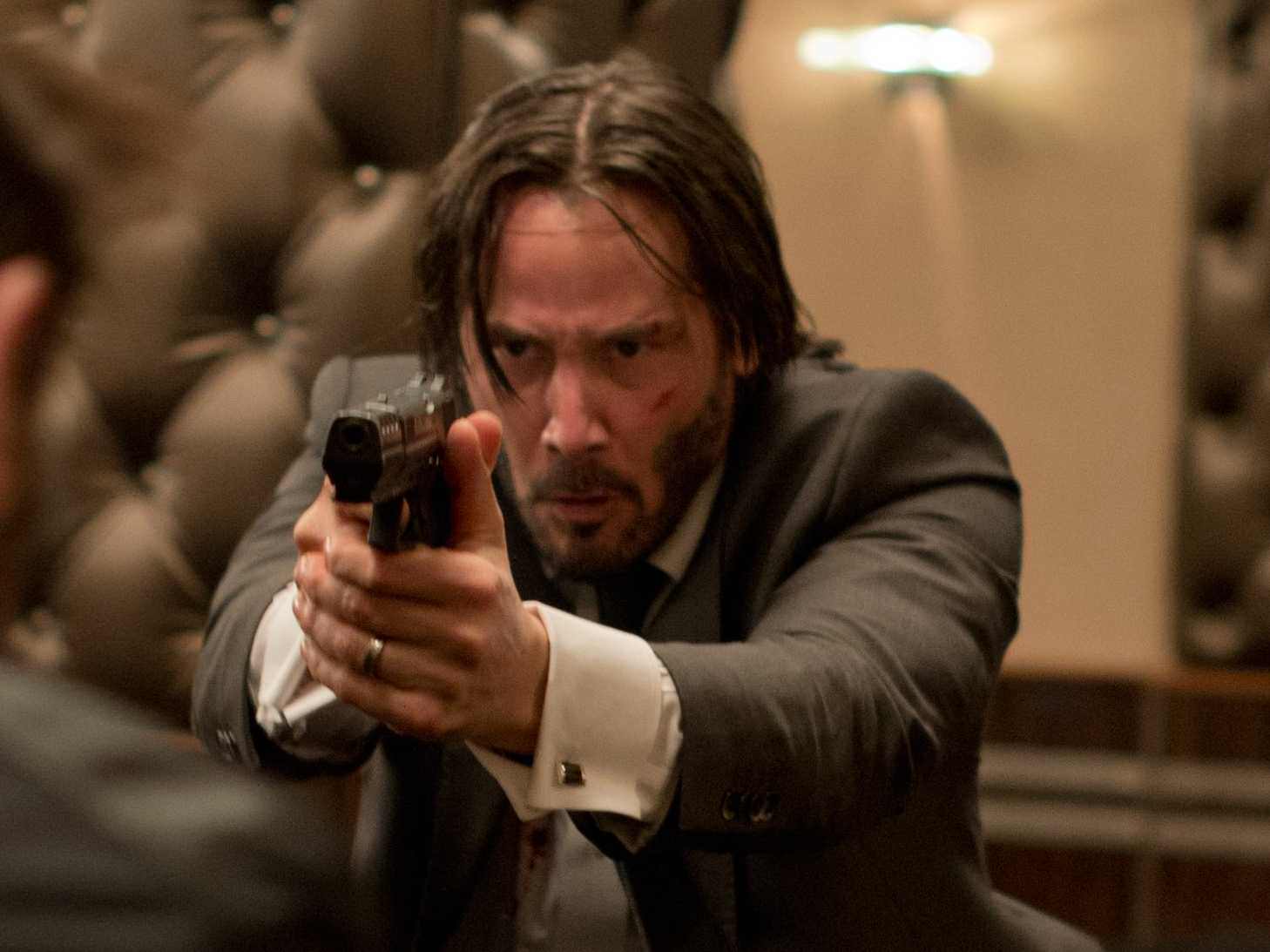
The first aspect to consider when analyzing John Wick’s arsenal is his primary handgun. Throughout the films, John Wick is most often seen wielding a specific type of pistol that has become synonymous with his character. The firearm’s design, performance, and customization reflect the meticulous attention to detail that elevates his combat style.
The pistol that most notably defines John Wick in the cinematic universe is the Heckler Koch P30L. This firearm is known for its reliability, ergonomic design, and adaptability, making it a perfect choice for a lethal assassin operating in high-stakes scenarios. The P30L’s modular construction allows for various configurations, a feature that aligns seamlessly with Wick’s need to modify his weapons for optimal performance and concealment.
Aside from the P30L, other pistols have made appearances in the series, including variants like the heckler koch usp, and the Glock 26. Each firearm selection is carefully chosen to serve specific tactical needs, ranging from concealment to rapid fire. The pistols are often customized with suppressors, extended magazines, and sights, showcasing the character’s obsessive dedication to perfection in weaponry.
The use of the Heckler Koch P30L by John Wick demonstrates how a well-engineered firearm, paired with thoughtful customization, can provide unparalleled precision and dependability. The pistol’s ergonomic grip, quick magazine reloads, and superb accuracy make it an ideal choice for the fast-paced, close-quarters combat scenes that define the film’s aesthetic. For firearm enthusiasts, this raises questions about how balance and ergonomics contribute to effective weapon deployment in the heat of combat.
Understanding why John Wick prefers the P30L involves diving into its unique features. The firearm’s ergonomic grip enhances shooter comfort and control, critical in high-stress scenarios that demand rapid, successive shots. Its integrated Picatinny rails allow for mounting diverse accessories, giving Wick adaptability to various mission requirements—be it silencers or tactical lights. This customization capability mirrors how real-world agents modify their weapons for specific operations, emphasizing both realism and cinematic flair.
The P30L also exemplifies the importance of reliability. In films where gun malfunctions could break the illusion of seamless combat, Wick’s firearms flawlessly function, reinforcing the narrative of a meticulously trained assassin. The pistol’s quick drop integrity means Wick can rapidly change magazines, keeping firepower sustained during prolonged shootouts. These features highlight the blending of form and function—creating a weapon that not only looks intimidating but performs flawlessly under pressure.
In essence, the choice of the Heckler Koch P30L as John Wick’s signature weapon underscores the importance of precision engineering in tactical firearms. It embodies qualities that are essential for both Hollywood fantasy and real-world tactical operations: dependability, modularity, and ergonomic excellence. For fans and firearm experts, understanding the nuances of this pistol reveals much about how film design influences firearm culture and perceptions of tactical mastery.
The Lock, Stock, and Barrel – Exploring John Wick’s Shotgun and Rifle Collection

While the pistol is arguably John Wick’s most recognizable weapon, his arsenal extends far beyond handguns. Shotguns and rifles play vital roles in his combat strategy, especially during large-scale gunfights or tactical breaches. These firearms demonstrate his versatility, ability to adapt to different combat environments, and his capacity for brutal efficiency.
John Wick’s preferred shotgun in many scenes is the Benelli M4 Super 90, a flagship firearm renowned for its reliability, firepower, and rapid firing capabilities. This firearm’s semi-automatic action allows Wick to deliver multiple rounds quickly, making it a deadly tool for close-quarters combat. The design of the M4 also includes thoughtful features like modular attachments and a collapsible stock, enhancing maneuverability during dynamic engagements.
The choice of the Benelli M4 aligns with Wick’s need for rapid, decisive firepower that can handle multiple enemies with ease. Its ability to accommodate different types of ammunition—from buckshot to slugs—gives him tactical flexibility. Throughout the films, the shotgun becomes an extension of his lethal persona, used both for overwhelming firepower and precise shots when necessary.
Beyond shotguns, John Wick’s collection of rifles underscores his proficiency with longer-range engagements. The most notable is the SIG Sauer MCX Virtus, a modern tactical rifle capable of switching calibers and configurations to suit various missions. Its modular design, compact size, and ease of customization make it a favorite choice for elite operatives seeking adaptability in a variety of terrains and combat scenarios.
The SIG Sauer MCX Virtus exemplifies what makes modern tactical rifles appealing—its modularity allows Wick to tailor the weapon to his specific needs, whether for suppressor use, sight adjustments, or barrel replacements. This kind of adaptability is key for an assassin who operates in unpredictable environments and needs dependable firepower at a moment’s notice. Its inclusion in the films demonstrates how strategic weapon choices are crucial in establishing realism blended with cinematic excitement.
In handling these firearms, John Wick displays mastery over both shotguns and tactical rifles, showcasing the importance of weapon familiarity and tactical awareness. The shotgun’s raw power complements the rifle’s precision and reach, illustrating how diverse weapons contribute to his extensive combat toolkit. For enthusiasts, analyzing these firearms reveals the importance of understanding different firearm roles, the significance of modularity, and how high-quality equipment enhances operational effectiveness.
The creative use of these weapons in cinematic scenes reflects real-world tactical principles—using the appropriate firearm for the right scenario. It highlights the importance of training, familiarity with different guns, and the trade-offs between firepower, accuracy, and maneuverability. By examining Wick’s shotgun and rifle collection, we gain insights into how modern firearm technology is integrated into the narrative of legendary characters like John Wick, inspiring firearm design and tactical strategies across the globe.
The Customization and Modifications – Crafting the Perfect John Wick Weapon

One of the standout aspects of John Wick’s arsenal is the extensive customization applied to his firearms. From suppressors and extended magazines to specialized sights and tactical grips, each weapon reflects meticulous modifications that enhance performance and aesthetic appeal. These adjustments not only serve tactical functionality but also contribute to Wick’s iconic aesthetic, blending form and function seamlessly.
Customization begins with selecting the right base firearm, such as the Heckler Koch P30L. Afterward, modifications include installing high-precision sights, such as red dot or holographic scopes, which allow for rapid target acquisition during hectic gunfights. Suppressors are often added to minimize noise and muzzle flash, enabling Wick to execute silent kills—an essential element for clandestine operations.
The process of customizing a weapon also involves choosing the appropriate grips, trigger upgrades, and magazine extensions. These modifications improve handling, reduce recoil, and extend ammunition capacity, aligning with Wick’s relentless in-field efficiency. For firearm enthusiasts, these details highlight a vital aspect of tactical operation: the importance of tailored equipment to fit specific operational needs.
Furthermore, the cinematic portrayal of Wick’s weapons emphasizes aesthetic details—matte finishes, sleek lines, and clean ergonomics that give his firearms a distinctly lethal appearance. This visual style reinforces the persona of a highly skilled assassin who demands perfection in every weapon he uses. The combination of practical upgrades and visual enhancements demonstrates how weapon customization can serve both functional and storytelling purposes.
In real-world firearm culture, customization is a deeply personal and highly technical process. For those seeking to emulate Wick’s style, understanding the compatibility of parts, the impact on firearm reliability, and the legal aspects of modifications is essential. The films consequently inspire a new wave of firearm customization, blending tactical innovation with personalized style, elevating the art of firearm modification to a form of cinematic expression.
The meticulous approach to weapon customization in the John Wick series serves as a testament to how critical fine-tuning is in high-stakes combat scenarios. It emphasizes the importance of knowing your firearm’s capabilities and enhancing them through precise modifications. Whether for professional use or passionate hobbyist projects, taking inspiration from Wick’s arsenal encourages a deeper appreciation for the craftsmanship behind tactical firearms.
Conclusion
The question of “what gun does John Wick use” opens a window into the meticulous world of tactical firearm design, customization, and cinematic storytelling. From the iconic Heckler Koch P30L to the formidable shotgun and versatile rifle, each weapon in Wick’s arsenal is carefully chosen and upgraded to reflect his lethal efficiency and charismatic persona. These firearms not only serve as tools of destruction but also symbolize precision, reliability, and adaptability—qualities that define modern tactical combat and resonate with firearm enthusiasts worldwide. As cinematic icons continue to influence real-world firearm culture, understanding the details behind John Wick’s weapons enriches our appreciation of the franchise’s mastery in blending realism with cinematic spectacle, inspiring both gun enthusiasts and filmmakers alike.