
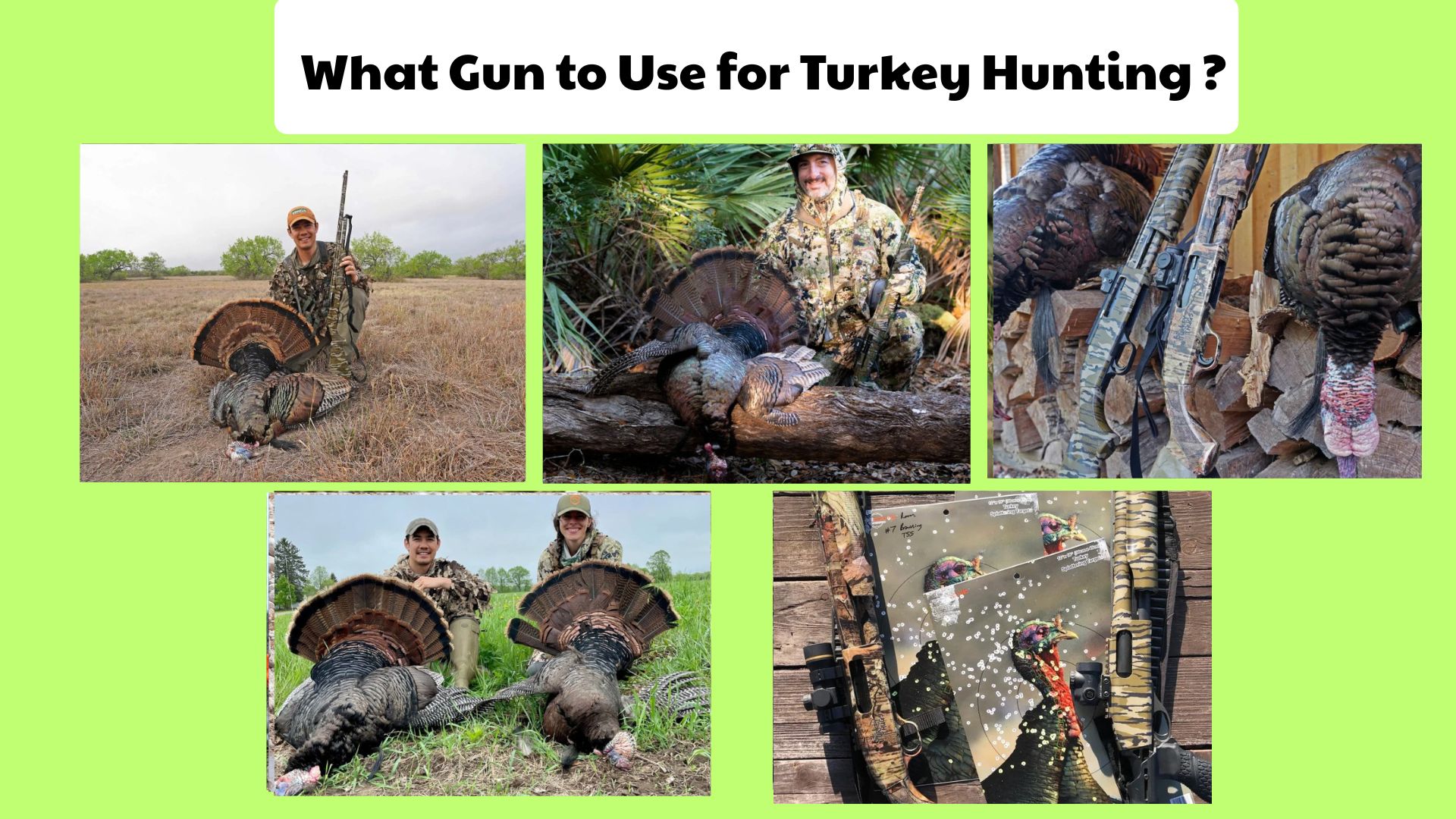
Turkey hunting is a unique form of hunting that blends patience, timing, and precise equipment choices into a single pursuit. Unlike many other game animals, wild turkeys have small vital areas and extremely sharp eyesight, which means success often depends on placing a tight, well-controlled shot rather than relying on raw power. This is why understanding what gun to use for turkey hunting is one of the most important decisions a hunter can make, especially for beginners or those transitioning from other types of hunting.
Choosing the right firearm for turkey hunting is not simply about picking a shotgun off the rack. Factors such as gauge selection, action type, choke configuration, and real-world field handling all play critical roles in ethical and effective harvests. A well-matched gun allows hunters to maintain control, deliver consistent patterns, and adapt to the close-to-moderate ranges typical of spring turkey hunts. This guide breaks down each of these elements clearly, helping you identify the most practical and reliable gun to use for turkey hunting based on experience level, hunting style, and real field conditions.
Why Use a Shotgun for Turkey Hunting
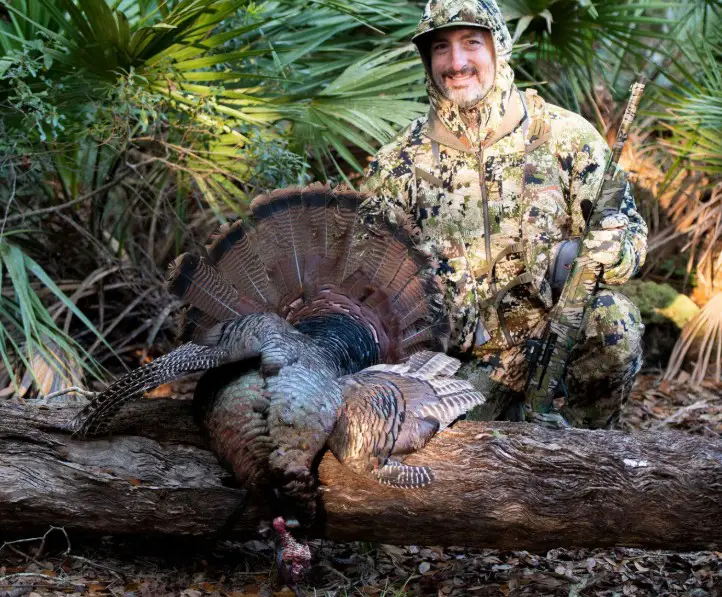
When discussing what gun to use for turkey hunting, the shotgun stands out as the clear and time-tested choice. This is not due to tradition alone, but because shotguns are uniquely suited to the physical characteristics of wild turkeys and the distances at which they are typically hunted. Turkeys present a small, well-protected vital area concentrated in the head and neck. A shotgun’s ability to deliver multiple pellets in a controlled pattern significantly increases the probability of a clean, ethical harvest compared to single-projectile firearms.
Dense Pellet Patterns and Vital Zone Accuracy
The primary advantage of a shotgun in turkey hunting lies in its pellet spread. Unlike deer or larger game animals, turkeys are not harvested by targeting a large vital organ area. Instead, hunters aim for the head and neck to avoid damaging edible meat. Shotgun shells release dozens or even hundreds of pellets, depending on load and shot size, forming a dense pattern that compensates for slight aiming errors while still requiring disciplined shot placement.
At typical turkey hunting distances—usually between 20 and 40 yards—a properly choked shotgun produces a tight and consistent pattern. This density ensures multiple pellet strikes in the vital area, which leads to rapid incapacitation. Modern turkey-specific ammunition and choke combinations further enhance this advantage by keeping pellet dispersion minimal even at the outer edges of effective range. For this reason, shotguns remain the most forgiving and practical gun to use for turkey hunting under real-world field conditions.
Effectiveness at Moderate and Close Ranges
Most turkey encounters happen at close to moderate distances, often after calling birds into range rather than stalking them. Shotguns excel in these scenarios because they are optimized for short-range effectiveness. Unlike rifles, which are designed for precise shot placement at extended distances, shotguns deliver consistent performance in the tight windows where turkeys are typically harvested.
This close-range effectiveness also reduces the risk of over-penetration or unintended damage beyond the target. Pellets lose energy rapidly after impact, making shotguns a safer option when hunting in wooded environments where visibility may be limited. This balance of lethality and control is one of the core reasons why experienced hunters consistently recommend a shotgun when asked about the best gun to use for turkey hunting.
Choke Systems and Pattern Control
Another key reason shotguns dominate turkey hunting is the availability of interchangeable choke systems. Chokes allow hunters to fine-tune pellet spread based on ammunition type and expected shooting distance. Extra-full and turkey-specific chokes are designed to keep patterns tight, ensuring maximum pellet concentration where it matters most.
This adjustability makes shotguns extremely versatile. A hunter can pattern their firearm before the season, test different choke and load combinations, and select the setup that delivers the most reliable results. This level of customization is difficult to achieve with other firearm types and adds another layer of control for hunters focused on ethical outcomes.
Handling, Ergonomics, and Field Practicality
From a practical standpoint, shotguns are well-suited to the physical demands of turkey hunting. Many hunts involve sitting still for long periods, followed by quick, deliberate movements when a bird comes into range. Shotguns balance well, shoulder naturally, and allow for instinctive aiming, especially when equipped with simple bead sights or low-profile optics.
Additionally, shotguns are available in a wide range of weights and configurations. Lightweight models reduce fatigue during long walks to and from hunting spots, while heavier models help absorb recoil and maintain stability during the shot. This adaptability makes it easier for hunters of different sizes and experience levels to find a shotgun that fits their needs.
Alternative Firearms: Legal but Less Common
While shotguns are the standard choice, alternative firearms may be legal for turkey hunting in certain jurisdictions. Some states allow the use of rifles, handguns, or even air rifles under specific conditions. These options are typically regulated by caliber restrictions, season type, and distance requirements.
Rifles, for example, offer pinpoint accuracy but come with limitations. The single-projectile nature of a rifle requires near-perfect shot placement, and the risk of over-penetration is significantly higher. For this reason, rifles are often restricted to fall seasons or special management hunts rather than traditional spring turkey seasons.
Handguns and air rifles are even more niche options, generally used by highly experienced hunters seeking a challenge rather than practicality. While they can be effective in skilled hands, they demand extensive practice and intimate knowledge of effective range. As a result, these firearms are rarely recommended when discussing the most reliable gun to use for turkey hunting.
Ethical Considerations and Consistency
Ethics play a central role in firearm selection for turkey hunting. The goal is always a quick, humane harvest with minimal suffering. Shotguns provide consistency across varying conditions, including slight movement by the bird, uneven terrain, and imperfect shooting angles. This consistency reduces the likelihood of wounding and increases the chances of immediate incapacitation.
For both new and experienced hunters, consistency builds confidence. Knowing that your firearm is optimized for the task allows you to focus on calling, positioning, and safety rather than worrying about equipment limitations. This reliability is why, across generations, the shotgun remains the most trusted and widely recommended option for turkey hunting.
Why the Shotgun Remains the Gold Standard
In summary, shotguns offer an unmatched combination of pellet density, range suitability, safety, and adaptability. Their ability to deliver controlled patterns at moderate distances aligns perfectly with the demands of turkey hunting. While alternative firearms may be legally permissible in certain regions, they lack the broad practicality and forgiveness that shotguns provide.
For hunters seeking clarity on what gun to use for turkey hunting, the answer remains consistent across experience levels and environments. A properly selected and patterned shotgun delivers the balance of effectiveness, ethics, and real-world usability that turkey hunting requires.
Choosing the Right Gauge for Turkey Hunting
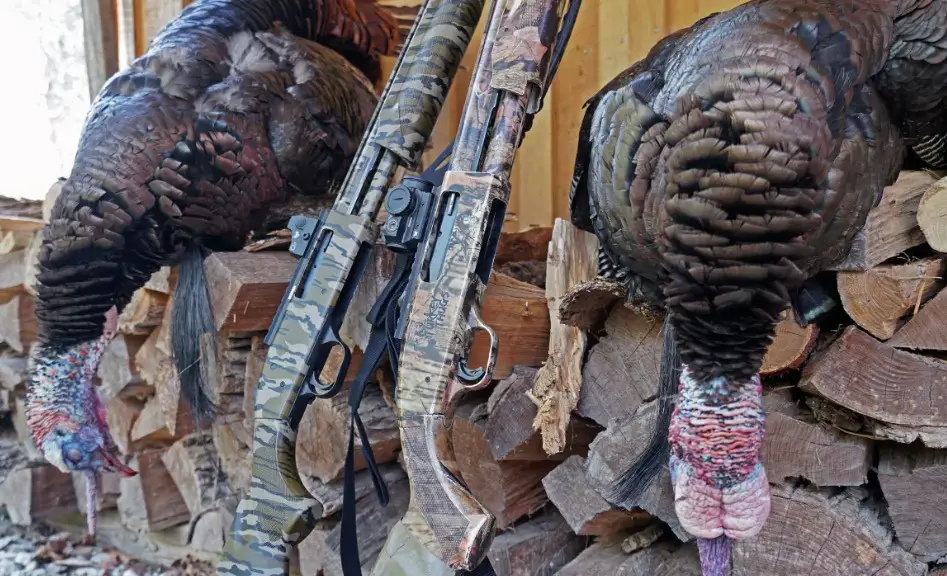
Selecting the correct gauge is one of the most important decisions when determining what gun to use for turkey hunting. Gauge affects recoil, effective range, pellet density, and overall handling in the field. While many gauges can be used successfully, each comes with strengths and trade-offs that suit different hunters, experience levels, and physical preferences. Modern ammunition technology has expanded these options significantly, making smaller gauges more viable than ever before, but the fundamentals still matter.
12 Gauge: The Most Popular and Versatile Choice
The 12 gauge remains the most widely used and recommended option for turkey hunting, and for good reason. It offers the best overall balance of power, range, and pellet density, making it suitable for nearly every hunting scenario. With a wide selection of turkey-specific loads and choke options available, the 12 gauge provides consistent performance across varying distances and conditions.
One of the biggest advantages of the 12 gauge is its ability to throw dense, uniform patterns at moderate to extended turkey ranges. When paired with an extra-full or turkey choke, a 12 gauge can maintain lethal pattern density well beyond 40 yards, depending on ammunition choice and shotgun setup. This makes it especially forgiving when birds hang up just outside ideal range or move slightly at the moment of the shot.
Another benefit is ammunition availability. Nearly every major manufacturer produces multiple turkey loads for the 12 gauge, including traditional lead, copper-plated shot, and advanced Tungsten Super Shot (TSS). This wide selection allows hunters to tailor recoil levels, shot size, and payload weight to their preferences without sacrificing effectiveness.
The primary downside of the 12 gauge is recoil, particularly with heavy turkey loads. For some hunters, especially smaller-framed shooters or those sensitive to recoil, this can lead to flinching or fatigue during extended practice sessions. However, gas-operated semi-automatic shotguns, recoil pads, and lighter loads can significantly mitigate this issue. For most hunters, the advantages still outweigh the drawbacks, which is why the 12 gauge remains the benchmark when discussing the best gun to use for turkey hunting.
20 Gauge: Lighter, Manageable, and Highly Capable
The 20 gauge has grown rapidly in popularity and is now considered a serious contender rather than a compromise. Advances in ammunition design have elevated the 20 gauge into a highly effective option for turkey hunting, especially for hunters who prioritize lighter weight and reduced recoil.
Compared to a 12 gauge, a 20 gauge shotgun is typically lighter and easier to carry during long walks or when navigating steep terrain. This can make a noticeable difference during all-day hunts or when covering large areas. Reduced recoil also allows for more comfortable practice, which often leads to better shot placement and confidence in the field.
Modern 20 gauge turkey loads, including TSS options, deliver impressive pattern density at traditional turkey ranges. When properly choked and patterned, a 20 gauge can reliably harvest birds out to 35–40 yards, which covers the vast majority of ethical turkey shots. For hunters who value efficiency over maximum range, the 20 gauge offers an excellent balance.
While it may not match the raw pellet count of a 12 gauge, the difference is far less significant than it once was. Many experienced hunters now choose the 20 gauge intentionally, not as a lighter alternative, but as their primary gun to use for turkey hunting due to its handling characteristics and effectiveness.
28 Gauge and .410 Bore: Small Gauges, Big Advances
The 28 gauge and .410 bore were once considered novelty or youth options for turkey hunting. Today, advancements in tungsten-based ammunition have changed that perception. These small gauges offer extremely low recoil and lightweight platforms, making them attractive to recoil-sensitive shooters and minimalist hunters.
The 28 gauge provides a step up in payload compared to the .410 while still maintaining soft recoil and excellent handling. With modern turkey loads, it is capable of clean harvests within moderate distances when paired with the right choke. Patterning is critical, but in skilled hands, the 28 gauge performs well within its effective range.
The .410 bore has seen the most dramatic transformation thanks to TSS ammunition. Tungsten pellets are denser than lead, allowing smaller shot sizes to retain energy and penetrate effectively. This has made the .410 a legitimate option for turkey hunting within carefully defined distances, often around 25–35 yards depending on setup.
That said, these smaller gauges offer less margin for error. Pattern density drops off more quickly, and precise shot placement becomes even more important. As a result, they are best suited for experienced hunters who understand their limitations rather than those seeking maximum forgiveness.
Other Firearm Types: Legal Considerations and Limitations
In some regions, alternative firearm types such as rifles or handguns may be legal for turkey hunting, typically under specific regulations. These rules vary by state and season, making it essential to consult local hunting laws before considering anything other than a shotgun.
Rifles are occasionally permitted, most often during fall seasons or special management hunts. While rifles offer extreme accuracy, they also introduce challenges. The small vital area of a turkey demands precise shot placement, and the risk of over-penetration is significantly higher. For these reasons, rifles are rarely recommended when discussing the most practical gun to use for turkey hunting.
Handguns are even more specialized and generally reserved for experienced hunters seeking a challenge. Effective handgun turkey hunting requires extensive practice, careful range limitation, and strict adherence to ethical standards. These firearms are legal in only a limited number of jurisdictions and are not suitable for most hunters.
Matching Gauge to Your Hunting Style
Ultimately, choosing the right gauge comes down to matching equipment to your physical comfort, experience level, and hunting environment. The 12 gauge offers unmatched versatility and forgiveness. The 20 gauge balances performance with ease of use. The 28 gauge and .410 provide lightweight, low-recoil alternatives for disciplined hunters. Other firearm types remain niche and highly regulated.
Understanding these differences helps ensure you select a gun to use for turkey hunting that delivers confidence, consistency, and ethical results in the field. The right gauge does not simply improve success rates—it enhances the entire hunting experience.
Action Types Explained for Turkey Hunting
When evaluating what gun to use for turkey hunting, the shotgun’s action type is just as important as gauge selection. The action determines how the firearm cycles shells, manages recoil, and handles under real hunting conditions. While all common shotgun actions can be effective for turkey hunting, each offers distinct advantages and limitations that influence reliability, comfort, and overall field performance.
Turkey hunting places unique demands on a firearm. Hunters often sit still for long periods, sometimes in awkward positions, waiting for a bird to respond to calls. When the moment arrives, the shot must be deliberate and controlled. Understanding how different action types perform in these scenarios helps ensure the gun you choose complements your hunting style rather than working against it.
Pump-Action Shotguns
Pump-action shotguns have earned their reputation as one of the most reliable and durable platforms available. For decades, they have been a staple in turkey hunting camps due to their simple mechanical design and ability to function under a wide range of conditions. Mud, rain, dust, and temperature changes rarely affect a well-maintained pump-action shotgun.
One of the key strengths of the pump-action design is its tolerance for different ammunition types. Because the action is manually cycled, it does not rely on gas or recoil energy to function. This allows pump-action shotguns to reliably fire everything from light practice loads to heavy turkey-specific shells without adjustment. For hunters who want flexibility in ammunition choice, this is a significant advantage.
Affordability is another reason pump-action shotguns remain popular. They are typically less expensive than semi-automatic models while offering comparable accuracy and pattern potential. This makes them an excellent option for beginners or hunters building a dedicated turkey setup without excessive cost. Many pump-action models also accept interchangeable chokes, allowing for pattern optimization without upgrading the firearm.
The main drawback of pump-action shotguns is the need for manual cycling between shots. While turkey hunting rarely requires rapid follow-up shots, improper cycling under stress can lead to short-stroking, which prevents the gun from chambering the next shell. With practice, this issue becomes negligible, but it is still a factor to consider when selecting a gun to use for turkey hunting.
Semi-Automatic Shotguns
Semi-automatic shotguns are increasingly popular among turkey hunters, particularly those who value comfort and reduced recoil. These firearms use gas or inertia systems to cycle shells automatically after each shot, allowing for faster follow-up shots without manual action by the shooter. While follow-up shots are uncommon in turkey hunting, the smooth operation contributes to overall shooting confidence.
Recoil reduction is one of the most significant benefits of semi-automatic shotguns. Gas-operated systems, in particular, absorb a portion of the recoil energy, resulting in a softer shooting experience. This can be especially beneficial when firing heavy turkey loads, as it reduces fatigue and minimizes the risk of flinching. For recoil-sensitive hunters, a semi-automatic may be the most comfortable gun to use for turkey hunting.
Semi-automatic shotguns also tend to maintain better sight alignment during the shot due to reduced recoil and muzzle rise. This helps ensure consistent shot placement, particularly when using optics such as red dot sights. Many modern semi-automatic models are designed specifically for turkey hunting, featuring camo finishes, shorter barrels, and optics-ready receivers.
However, semi-automatic shotguns are generally more expensive and can be more sensitive to maintenance. Gas systems require regular cleaning to ensure reliability, especially after extended use. Additionally, some semi-autos may be selective about ammunition, particularly lighter loads. Despite these considerations, many experienced hunters consider a well-maintained semi-automatic the most refined gun to use for turkey hunting.
Break-Action Shotguns (Single and Double Barrel)
Break-action shotguns represent the simplest form of shotgun design, relying on a hinged action that opens to load and unload shells. This category includes both single-barrel and double-barrel shotguns. While less common in modern turkey hunting, break-action firearms still appeal to hunters who prioritize simplicity, lightweight construction, and mechanical reliability.
Single-shot break-action shotguns are among the lightest options available, making them easy to carry and maneuver in the field. Their simplicity also makes them extremely safe and easy to maintain. With fewer moving parts, there is little that can go wrong, which appeals to hunters who value straightforward operation. When paired with a quality turkey choke, a single-shot can be an effective gun to use for turkey hunting within defined ranges.
Double-barrel shotguns offer the advantage of a second immediate shot without cycling an action. In side-by-side or over-under configurations, hunters can even use different chokes in each barrel, providing flexibility for varying distances. While this feature is less critical in turkey hunting than in upland bird hunting, it can still be useful in certain situations.
The limitations of break-action shotguns include reduced ammunition capacity and slower reload times. These factors are rarely deal-breakers for turkey hunting, where deliberate single shots are the norm. However, break-action shotguns require disciplined shot placement, as opportunities for quick correction are limited.
Choosing the Right Action for Your Needs
Selecting the right action type ultimately depends on personal preference, experience level, and hunting priorities. Pump-action shotguns offer unmatched reliability and value. Semi-automatic models provide comfort and refined performance with reduced recoil. Break-action shotguns deliver simplicity and lightweight handling for hunters who appreciate minimalism.
Each of these action types can serve as an effective gun to use for turkey hunting when properly matched with the right gauge, choke, and ammunition. Understanding how each action performs in real hunting conditions allows you to make an informed decision that enhances both success and enjoyment in the field.
Key Gun Features for Turkey Hunting
Beyond gauge and action type, the specific features of a shotgun play a major role in determining how effective it will be in the field. When hunters ask what gun to use for turkey hunting, they are often really asking which combination of features will give them the most control, consistency, and confidence during a hunt. Turkey hunting is detail-oriented by nature, and small equipment differences can translate into meaningful performance advantages.
From barrel length and sighting systems to choke selection and exterior finishes, each feature contributes to how well a shotgun performs under real hunting conditions. Understanding these elements helps hunters build a setup that matches their environment, shooting style, and ethical expectations.
Barrel Length: Balancing Maneuverability and Accuracy
Barrel length is one of the most noticeable characteristics of a shotgun and has a direct impact on handling and shot performance. For turkey hunting, most experienced hunters agree that a barrel length between 20 and 26 inches offers the best overall balance. This range provides enough length to support consistent patterns while remaining maneuverable in wooded or brush-heavy environments.
Shorter barrels, typically around 20 to 22 inches, are favored for their ease of movement. Turkey hunting often involves sitting against a tree, repositioning quietly, and raising the shotgun smoothly when a bird enters range. A shorter barrel reduces the chance of snagging on branches or vegetation and allows for quicker target alignment without excessive movement.
Longer barrels, in the 24 to 26-inch range, can offer slightly improved swing smoothness and marginal pattern consistency, particularly with heavier loads. While the difference in velocity is minimal, longer barrels may help some shooters maintain steadier aim during the shot. These barrels are well-suited for open terrain or hunters who prioritize stability over compactness.
Ultimately, barrel length preference comes down to comfort and hunting environment. Both short and mid-length barrels can be highly effective when paired with the right choke and ammunition. What matters most is selecting a barrel that allows controlled movement and confident shooting, reinforcing the effectiveness of your chosen gun to use for turkey hunting.
Sights and Optics: Improving Target Acquisition
Turkey hunting demands precise shot placement, which makes sighting systems especially important. Traditional bead sights are functional, but many modern turkey shotguns incorporate enhanced sighting options that significantly improve target acquisition. Fiber-optic sights and red dot optics have become increasingly popular for this reason.
Fiber-optic bead sights gather ambient light, making them easier to see in low-light conditions such as early morning hunts. These sights provide a clear reference point without adding complexity or bulk. For hunters who prefer simplicity but want better visibility than a standard bead, fiber-optic sights are an excellent upgrade.
Red dot optics offer even greater precision, especially when paired with tight turkey chokes. These optics allow hunters to place the aiming point exactly where they want the pattern to center, which is critical when targeting a turkey’s head and neck. Red dots are particularly useful for hunters who struggle with consistent cheek weld or have aging eyesight.
Another advantage of optics is consistency. Once zeroed, a red dot provides repeatable point-of-impact alignment, reducing guesswork in the field. While not mandatory, optics can enhance confidence and accuracy, making them a valuable feature when selecting a modern gun to use for turkey hunting.
Chokes: Controlling Pattern Density
The choke is arguably the most important component of a turkey hunting shotgun. Chokes control how tightly pellets stay grouped as they leave the barrel, directly affecting effective range and pattern density. For turkey hunting, extra-full and turkey-specific chokes are the standard choice.
Extra-full turkey chokes are designed to produce extremely tight patterns, concentrating pellets into a small area at typical turkey distances. This concentration increases the likelihood of multiple pellet strikes in the vital zone, resulting in clean, ethical harvests. When paired with modern turkey loads, these chokes can extend effective range while maintaining pattern consistency.
Interchangeable choke systems allow hunters to experiment with different combinations during pattern testing. Not all chokes perform the same with every type of ammunition, so patterning before the season is essential. A choke that performs well with one load may produce uneven results with another.
While tighter is often better, excessively tight chokes can reduce forgiveness at close range. Finding the right balance between density and coverage ensures your shotgun performs reliably across a range of realistic hunting distances. Proper choke selection is a defining factor in choosing the most effective gun to use for turkey hunting.
Camouflage and Ergonomics: Stealth and Comfort in the Field
Turkeys have exceptional vision, making camouflage an important consideration. Many turkey shotguns feature camo finishes that break up the outline of the firearm and reduce glare. Matte, non-reflective finishes are particularly valuable, as even small flashes of light can alert wary birds.
While camouflage patterns themselves are less critical than remaining still, a camo-finished shotgun helps eliminate unnecessary visual cues. This is especially useful when birds approach from unexpected angles or linger within view for extended periods.
Ergonomics also play a crucial role in long-term comfort and shooting consistency. Features such as adjustable stocks, recoil pads, and textured grips contribute to better control and reduced fatigue. A shotgun that fits well shoulders naturally, aligns sights quickly, and encourages proper shooting form.
Comfort directly influences accuracy. Hunters who are relaxed and stable are more likely to make precise shots when the opportunity arises. For this reason, ergonomic design should not be overlooked when selecting a gun to use for turkey hunting.
Bringing the Features Together
Each of these features—barrel length, sights, chokes, camouflage, and ergonomics—works together to define how a shotgun performs in the field. No single feature guarantees success, but the right combination creates a system that supports ethical, confident hunting.
By understanding and prioritizing these key elements, hunters can select a setup that aligns with their environment and experience level. A thoughtfully configured shotgun is not just equipment; it is a reliable tool that enhances every aspect of the turkey hunting experience.
Recommended Turkey Guns
Choosing the right shotgun is a defining step in answering the question “What gun to use for turkey hunting?” More than just gauge and action, the specific model you pick can directly impact how tightly your patterns group, how comfortable the gun is to shoot, and how reliable it remains under real hunting conditions. Turkey hunting places high demands on precision and consistency, so this section breaks down top turkey hunting shotguns across three broad categories: Premium Picks, Mid-Range Options, and Budget & Beginner Guns. Each recommendation includes strengths, weaknesses, and why it excels in turkey woods.
Premium Picks
“Premium” turkey guns are typically designed with features that serious and experienced hunters appreciate most: high-quality pattern performance, recoil mitigation, enhanced ergonomics, optics readiness, and dependable actions. These models perform exceptionally well with modern turkey loads including TSS and copper-plated shot, and they often feature extended turkey chokes right from the factory.
Benelli Super Black Eagle 3
The Benelli Super Black Eagle 3 semi-automatic shotgun frequently tops lists of the best turkey hunting guns available. Its inertia-driven action is legendary for reliability, cycling heavy turkey loads without requiring excessive cleaning. The ComforTech stock system significantly reduces felt recoil, helping maintain shooter comfort during lengthy pattern testing and extended sits in the woods. Available in 12 gauge and even sub-gauges like 20 and 28 gauge, the SBE3 blends light overall weight with robust performance. Performance in the field is often described as smooth, consistent, and highly reliable at moderate distances.
Why it’s great: Premium build quality, smooth cycling, excellent recoil management, optics-ready.
Best for: Serious hunters who want top-tier turkey performance and reliability.
Browning Cynergy Ultimate Turkey
For hunters who prefer an over-under configuration, the Browning Cynergy Ultimate Turkey brings craftsmanship and precision to the woods. Dual barrels with interchangeable chokes let you tailor patterns for both close and slightly longer shots. Adjustable stock features and fiber-optic sights improve handling and sight alignment. Although heavier than some semiautos, its balance and trigger feel make it a refined choice for traditional turkey hunting.
Why it’s great: Dual-choke versatility, excellent build quality.
Best for: Hunters who like the simplicity and tradition of O/U shotguns with precision features.
Mossberg 940 Pro Turkey
The Mossberg 940 Pro Turkey takes the semi-auto experience to a comfortable level with a compact design and optics-ready receiver. This shotgun excels in both close cover and open-field hunting, offering adjustable stocks and enlarged controls that are perfect with gloves on. Its gas-operated action softens recoil and handles most turkey loads without fuss.
Why it’s great: Compact, optics-ready, recoil-mitigated gas system.
Best for: Hunters who want a modern semi-auto that’s both user-friendly and turkey‑optimized.
Beretta A300 Ultima Turkey
The Beretta A300 Ultima Turkey is an excellent semi-automatic choice that blends affordability with premium features. It includes oversized controls, a Picatinny rail for optics, and an extended turkey choke. Its Kick-Off recoil reduction system makes shooting heavy loads more comfortable, and overall reliability has been consistently strong among users.
Why it’s great: Modern semi-auto reliability with recoil reduction.
Best for: Hunters seeking a premium feel without the highest price tag.
Mid-Range Options
Mid-range turkey guns strike a balance between performance and price, offering excellent features without reaching the highest premium costs. These shotguns are ideal for most hunters who want reliable function, good pattern performance, and turkey‑specific features like extended extra-full chokes.
Winchester SX4 Long Beard
The Winchester SX4 Long Beard semi-auto is consistently praised for smooth operation, reduced recoil, and ease of maintenance. Its Active Valve gas system allows dependable cycling with a broad range of turkey loads. The camo finish and ergonomics help blend into the woods while allowing comfortable handling.
Why it’s great: Smooth action, recoil control, good value.
Best for: Hunters who want a quality semi-auto without premium pricing.
Mossberg 835 Ulti-Mag Turkey
The Mossberg 835 Ulti-Mag Turkey pump-action shotgun is a standout in the mid-range category thanks to its ability to handle heavy 3½” magnum turkey loads. It often comes bundled with a red‑dot optic sight and extended turkey choke, making it versatile and performance‑ready right out of the box. Its robust pattern performance and recoil management make it a favorite for hunters who prefer a pump action with modern enhancements.
Why it’s great: Heavy-load capability, optics included.
Best for: Pump-action fans who want strong turkey performance.
Stoeger M3500 Predator/Turkey
For hunters wanting semi-auto performance on a tighter budget, the Stoeger M3500 Predator/Turkey delivers impressive value. Inertia-driven action and included turkey chokes provide dependable cycling and pattern performance, while camo finishes and optics readiness elevate its field utility. :contentReference[oaicite:9]{index=9}
Why it’s great: Budget semi-auto with turkey features.
Best for: Hunters who want a semi-auto without premium prices.
Budget & Beginner Guns
Not every hunter needs a high-end firearm to be successful. Budget and beginner guns offer reliability, simplicity, and the essential features needed for effective turkey hunting. They are especially suitable for first-time turkey hunters or those who pursue multiple hunting disciplines with one shotgun. :contentReference[oaicite:10]{index=10}
Mossberg 500 Turkey
The Mossberg 500 Turkey pump-action shotgun is one of the most respected budget turkey guns ever made. Known for simple reliability and a generous selection of factory camo options and extra‑full turkey chokes, it handles a wide range of loads with minimal fuss. This all‑around performance has made it a favorite with beginners and seasoned hunters alike.
Why it’s great: Affordable, reliable, and easy to maintain.
Best for: First-time turkey hunters and budget-conscious shooters.
Mossberg 500 .410 Turkey
The .410 version of the Mossberg 500 Turkey surprises many with its pattern performance, often matching or exceeding some larger gauges with modern loads. Lightweight and recoil‑friendly, it’s a great way for recoil‑sensitive hunters to build confidence on turkey targets.
Why it’s great: Light, effective .410 performance.
Best for: Recoil‑sensitive beginners.
Budget Pump & Entry Models
Other budget‑friendly options worth considering include basic pump shotguns like the Mossberg Maverick 88 or Stevens 320 Field Grade, which provide solid performance for turkey hunting when paired with quality turkey chokes. These guns keep costs low without sacrificing the essential performance needed in the woods. :contentReference[oaicite:13]{index=13}
Comparison Table – Quick Reference
| Model | Action | Price Tier | Best Use |
|---|---|---|---|
| Benelli Super Black Eagle 3 | Semi-Auto | Premium | Serious turkey hunters |
| Browning Cynergy Ultimate Turkey | Over-Under | Premium | Traditional/precision hunters |
| Mossberg 940 Pro Turkey | Semi-Auto | Premium | Optics-ready, versatile |
| Beretta A300 Ultima Turkey | Semi-Auto | Premium | Feature-rich semi-auto |
| Winchester SX4 Long Beard | Semi-Auto | Mid-Range | Smooth operation |
| Mossberg 835 Ulti-Mag Turkey | Pump | Mid-Range | Heavy load performance |
| Stoeger M3500 Predator/Turkey | Semi-Auto | Mid-Range | Budget semi-auto |
| Mossberg 500 Turkey | Pump | Budget | Beginners & all-around |
| Mossberg 500 .410 Turkey | Pump | Budget | Recoil-sensitivity |
Choosing the right turkey gun ultimately comes down to your budget, hunting style, and comfort level. From top-tier semi‑automatics to simple, reliable pumps, there is a shotgun suited for every type of hunter. Whether you are asking what gun to use for turkey hunting for the first time or looking to upgrade your setup, these recommendations offer a solid starting point for building confidence and success in the field.
Best Ammunition for Turkey Hunting
One of the most common questions hunters ask when choosing what gun to use for turkey hunting isn’t just “which shotgun?” — it’s “what ammo should I load?” Ammunition is equally important as the firearm itself. The right load maximizes pattern density, energy on target, and ethical kills. Turkey hunting demands tight patterns because the vital area — the head and neck — is small. Unlike larger game, where you can aim for an entire broadside, turkey shots require pellets to cluster in a very specific zone. This makes shot material, shot size, and load performance all critical considerations.
Shot Materials: Lead, Plated, and Modern TSS
Shot material refers to the substance that makes up the pellets in a shotgun shell. Traditional shotgun ammunition used soft lead shot, which deforms on firing and delivers reliable performance at close range. However, modern turkey hunting has moved well beyond basic lead because turkeys are often taken at longer distances, and dense patterns are essential.
Lead Shot remains effective in many setups, especially with tighter chokes and at moderate distances. Lead is soft, which helps impart energy to the bird, but it can deform as it travels down the barrel and through the air, leading to slightly wider patterns compared to harder shot materials. Lead is still common in many turkey loads, but hunters increasingly look for alternatives to improve performance at range.
Plated Shot — typically copper-plated lead — has become a popular middle ground for turkey hunting. Plating helps the pellet retain its shape better as it travels through the choke and downrange, resulting in more consistent patterns. Plated shot also offers some corrosion resistance and smoother barrel travel, which can help reduce barrel wear over time. Many turkey-specific loads use plated shot to balance pattern density with cost and recoil.
Tungsten Super Shot (TSS) represents the most significant advancement in turkey ammunition in recent years. TSS uses extremely dense tungsten alloy pellets that deliver more pellets per load for a given weight compared to lead. Because tungsten is much heavier than lead, TSS loads throw more projectiles downrange with greater retained energy. The result is tighter, more uniform patterns and better performance at extended distances — often out to 40–50 yards when paired with a well‑patterned shotgun and choke. Modern turkey hunters widely consider TSS the premium choice for effective, ethical harvests at range.
Understanding Shot Sizes (#4, #5, #6, and Beyond)
Shot size refers to the diameter of each pellet in the shell. For turkey hunting, shot sizes are smaller numbers than many upland or home‑defense loads because larger pellets would be too destructive or inconsistent in patterning. The most common turkey shot sizes are #4, #5, and #6, though specific loads may combine sizes or use specialized TSS pellet sizes unique to the manufacturer.
#4 Shot has been a long‑time standard for turkey hunting. Its slightly larger diameter and mass give it excellent energy transfer and penetration, making it reliable for birds out to moderate distance. When combined with a tight choke, #4 shot produces patterns dense enough to ensure multiple hits on the small head and neck area. Many traditional turkey loads in 12 gauge use #4 plated or lead shot.
#5 Shot offers a balance between pellet count and individual pellet energy. With #5, you get higher pellet count per ounce without sacrificing too much penetration. This translates into thicker patterns and a wider margin for error in aim, which is beneficial on moving birds or less‑than‑perfect setups. Many modern turkey hunters prefer #5 — especially in TSS — because it delivers excellent performance over a range of distances.
#6 Shot increases pellet count relative to #4 and #5 but has slightly less individual energy. In traditional lead or plated loads, #6 might blur performance at the outer end of effective turkey range. However, when used in TSS loads, #6 shot still delivers formidable performance. The higher pellet count can make patterns extremely dense within the critical 25–40‑yard window, giving a large number of pellets the chance to strike the vital zone simultaneously.
Some specialized turkey loads mix pellet sizes or use proprietary shot sizes to optimize pattern performance. Always consult manufacturer recommendations and pattern test your chosen load with your shotgun and choke combination before hunting season.
Matching Ammo to Gauge and Choke
Selecting the right ammunition is not just about shot material and size — it’s also about matching the load to your shotgun gauge and choke. Different gauges have different payload capacities and barrel characteristics, which affect how a particular turkey load patterns.
For a 12 gauge, most full‑power turkey loads will deliver excellent pellet count and velocity. When paired with an extra‑full or turkey choke, 12‑gauge loads can produce incredibly tight patterns that hold together well even at extended range. Many seasoned hunters use 12‑gauge TSS loads with #5 pellets and an extra‑full choke for the best combination of pellet count, pattern density, and ethical performance out to 40 yards or more.
In a 20 gauge, payload size is necessarily smaller than 12 gauge, so choosing high quality, high‑density shot becomes even more important. TSS loads in 20 gauge have made this gauge a serious contender for turkey hunting because they compress more pellets into the same weight budget. When using a 20 gauge, pair your load with a choke designed for that specific ammunition — patterning at your local range will help you determine which choke gives the best clusters at various distances.
Smaller gauges such as 28 gauge and .410 bore also benefit significantly from premium ammunition. Because these gauges carry fewer pellets overall, maximizing pattern density becomes more critical. TSS loads with #6 or proprietary pellet sizes help these smaller gauges perform respectably within their effective range, usually 25–35 yards depending on choke choice and shooter skill. Tight chokes are essential for smaller gauges, as they help prevent rapid dispersion and ensure enough pellets remain in the vital zone.
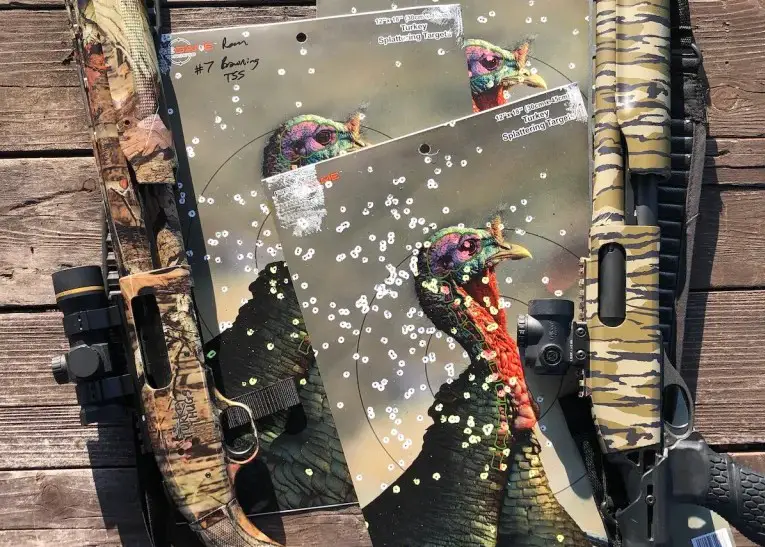
Whatever gauge you hunt with, it’s essential to conduct a pattern test before the season. Patterning involves shooting a series of test targets at set distances (often 20, 30, and 40 yards) using your chosen choke and ammunition. This step reveals how tightly your shotgun groups pellets and helps you select the best choke/ammo combination for real‑world hunting. Many turkey hunting guides recommend shooting at least three targets with each load and choke combination to get reliable data.
Other Ammo Performance Considerations
Ammunition choice also affects recoil, which in turn influences comfort and accuracy. Heavy, high‑power turkey loads deliver excellent performance but can generate significant recoil, especially in smaller gauges. Using recoil pads, gas‑operated shotguns, or lighter loads for practice can help condition your shooting technique without excessive discomfort. Remember that pattern performance — not recoil — is the primary goal; if heavy recoil forces you to flinch or avoid practice, it may be worth considering alternate load options that still pattern well with your setup.
Weather and field conditions can also impact how a load performs. Cold temperatures may reduce velocity slightly, and dense brush can affect how quickly you need to get your shot off once the bird presents itself. A pattern with a high pellet count and controlled spread enables a forgiving margin for slight aiming errors under pressure.
Putting It All Together
Choosing the best ammunition for turkey hunting is a balance of shot material, pellet size, gauge, and choke. For many hunters asking what gun to use for turkey hunting, the answer isn’t complete without also choosing a load that complements that firearm. Tungsten Super Shot has revolutionized turkey hunting by providing tighter, denser patterns and better performance at range, especially when paired with high pellet count sizes like #5 and #6. Traditional lead and plated shot still perform well in many situations, but modern turkey hunting increasingly favors premium materials for ethical results.
Matching your chosen ammo to your shotgun’s gauge and choke — and verifying performance through pattern testing — ensures that when the moment arrives in the woods, your shotgun delivers pellets where they need to go. That combination of firearm and ammunition confidence is what separates good turkey hunters from great ones.
How to Pattern Your Shotgun for Turkey Hunting
Patterning your shotgun is one of the most important — and most often skipped — steps in turkey hunting preparation. Many hunters focus heavily on choosing what gun to use for turkey hunting, the right choke, or premium ammunition, but fail to verify how all those components actually work together. Patterning shows you exactly where your shotgun hits, how dense the pellet spread is, and the maximum ethical distance at which you can take a clean shot. Without pattern testing, even the best turkey gun setup is largely guesswork.
What Patterning Really Means
Patterning is the process of firing your shotgun at a target to evaluate how pellets spread at different distances. Unlike clay shooting or upland hunting, turkey hunting demands extremely tight patterns because the vital zone — the head and neck — is small. A good turkey pattern delivers a high concentration of pellets within a 10‑inch circle at the distance you plan to shoot. Pattern testing confirms whether your shotgun, choke, and ammunition combination can consistently achieve this.
Step‑by‑Step Guide to Patterning at 15–50 Yards
Begin by gathering the right materials. You will need a safe shooting range, large paper targets or cardboard backers, a turkey head or 10‑inch circle aiming point, your hunting shotgun, the choke you plan to hunt with, and the exact ammunition you intend to use in the field. Patterning with different ammo than you hunt with defeats the purpose, so consistency matters.
Step 1: Start at 15 yards. This short distance helps confirm point of impact. Aim carefully at the center of the target and fire one shot. Examine where the densest cluster of pellets landed. If the pattern is significantly high, low, left, or right of your aiming point, you may need to adjust your sights, optic, or shooting position. A turkey gun should hit exactly where you aim.
Step 2: Move to 25 yards. Replace the target and repeat the process. At this distance, you should see a very dense cluster of pellets in the head and neck zone. Count how many pellets fall within a 10‑inch circle around the point of aim. This step establishes your baseline pattern performance and confirms your setup is working as expected.
Step 3: Test at 35 yards. This is a common real‑world turkey hunting distance. Fire another carefully aimed shot and evaluate pattern density. Ideally, you want a minimum number of pellet strikes in the vital area — many experienced hunters aim for 100 or more pellet hits with modern loads, though acceptable numbers vary depending on ammunition type and gauge. What matters most is consistent coverage of the vital zone.
Step 4: Extend to 40 yards. Forty yards is widely considered the upper ethical limit for many traditional turkey loads. At this distance, pellet spread becomes more apparent. Examine whether your pattern still places enough pellets in the head and neck area to ensure a quick, humane harvest. If the pattern thins too much, 40 yards may be beyond your effective range with that setup.
Step 5: Optional testing at 45–50 yards. Some modern TSS loads can maintain lethal pattern density beyond 40 yards. If you intend to hunt at longer distances, test carefully at 45 and even 50 yards. This step should be done with caution and honesty — if pattern density drops below acceptable levels, reduce your maximum shooting distance accordingly. Patterning defines limits; it does not extend them artificially.
Why Pattern Density Matters for Ethical Shots
Pattern density refers to how many pellets strike the vital area at a given distance. In turkey hunting, ethical shots rely on multiple pellet impacts to the head and neck to instantly disrupt the central nervous system. A sparse pattern may wound a bird rather than kill it cleanly, leading to unnecessary suffering or a lost animal. Pattern density is far more important than raw velocity or marketing claims printed on ammunition boxes.
A dense pattern increases your margin for error. Even slight movement by the bird or a small aiming mistake can be forgiven if enough pellets are present in the vital zone. This is why extra‑full and turkey‑specific chokes are popular — they compress the shot column to keep pellets together longer. However, an overly tight choke with the wrong ammunition can produce uneven patterns with gaps, which is why pattern testing is essential.
Ethical turkey hunting also means knowing when not to shoot. Patterning clearly defines your personal maximum effective range. If your pattern falls apart at 45 yards, then 35 or 40 yards becomes your ethical limit. This knowledge builds discipline in the field and prevents rushed or irresponsible shots.
Common Patterning Mistakes to Avoid
One common mistake is firing only a single test shot and assuming the results are representative. Always shoot multiple targets at each distance to account for minor variations. Another mistake is switching chokes or ammunition without re‑testing. Any change to your setup — even small ones — can dramatically alter pattern performance.
Some hunters also fail to shoot from a realistic position. Pattern testing should mimic hunting conditions as closely as possible. If you plan to shoot seated against a tree, practice that way. If you use a red dot or fiber‑optic sights, confirm they remain zeroed throughout the process.
Final Thoughts on Patterning
Patterning your shotgun is the final step in answering the question of what gun to use for turkey hunting. A high‑end shotgun with premium ammunition means little if you do not know how it performs on target. Pattern testing builds confidence, improves accuracy, and ensures every shot you take in the field is ethical and effective. When turkey season arrives, that preparation translates into cleaner harvests and a more rewarding hunting experience.
Ethical Hunting & Safety Tips for Turkey Hunters
Turkey hunting is more than just equipment and ammunition; it requires responsibility, precision, and a commitment to safety. Understanding what gun to use for turkey hunting is only part of the equation. Ethical hunting practices ensure that birds are harvested humanely and that hunters, companions, and bystanders remain safe in the field. Ethical hunting also preserves the sport’s reputation and promotes wildlife conservation for future generations.
Responsible Shot Selection
Ethical hunting begins with responsible shot selection. Turkeys are highly alert birds with excellent vision, so shots are often taken at medium distances. Hunters must focus on the vital head and neck area to ensure a quick, humane harvest. Avoid shooting at birds that are partially obscured, running, or too far away for a clean kill. Even a high-quality shotgun and premium ammunition will fail to produce an ethical outcome if the bird is beyond your effective range.
Always identify your target clearly and ensure there are no obstacles behind it that could be harmed by stray pellets. Responsible shot selection also means avoiding rushed or panicked shots. A calm, deliberate approach ensures higher accuracy and reduces the chance of wounding birds or causing unnecessary suffering.
Knowing Your Effective Range
Understanding your shotgun’s effective range is critical to ethical turkey hunting. Effective range is the maximum distance at which your shotgun and ammunition combination can consistently place enough pellets in the turkey’s vital zone. Pattern testing, as discussed in the previous section, defines this range for your specific gun, choke, and load combination.
Most traditional 12-gauge setups with extra-full turkey chokes and modern TSS loads maintain effective patterns up to 40 yards, while smaller gauges or less powerful ammunition may be limited to 25–35 yards. Shooting beyond your effective range is not only unethical but also increases the likelihood of missed or wounding shots. Knowing your limits allows you to hunt confidently, take clean shots, and avoid unnecessary suffering for the animal.
Safety Protocols in the Woods
Safety is paramount in turkey hunting. Hunters should always treat firearms as if they are loaded, keeping fingers off the trigger until ready to shoot and pointing the muzzle in a safe direction. Wearing hunter orange may be required by law in some areas, even during turkey season, to enhance visibility to other hunters. Additionally, communicate your position clearly with hunting partners to avoid accidental crossfire.
Be mindful of your surroundings. Turkeys often inhabit wooded areas with uneven terrain, streams, and fallen logs. Maintain proper footing and avoid climbing or shooting from unstable positions. Use a safety harness if hunting from elevated stands, and never shoot while off-balance or in risky positions.
Another key safety consideration is ammunition handling. Keep shells stored safely until ready to use and inspect them for damage. Do not mix different shot sizes or loads in the field unless you are fully aware of how they pattern through your shotgun. Understanding and respecting the firearm and ammunition prevents accidents and ensures a smooth, enjoyable hunting experience.
Combining Ethics and Safety
Ethical hunting and safety go hand-in-hand. Responsible shot selection, knowing your effective range, and following strict safety protocols protect both the hunter and the game. Together, these practices reflect a commitment to the sport, the animals, and the hunting community. By combining careful equipment selection, proper ammunition, effective patterning, and ethical decision-making, hunters maximize their chances of a successful and responsible turkey hunt.
In conclusion, mastering both the technical and ethical aspects of turkey hunting ensures not only higher success rates but also the preservation of wildlife and the enjoyment of future seasons. Treat every hunt with respect, patience, and awareness — and you will leave the woods with pride in both your harvest and your conduct.
Conclusion
Turkey hunting is a rewarding pursuit that combines skill, patience, and knowledge of both firearms and game behavior. Choosing the right shotgun — whether it’s a premium semi-automatic, a reliable mid-range pump, or a beginner-friendly option — plays a critical role in maximizing success in the field. Equally important is selecting the appropriate ammunition, understanding shot sizes and materials, and patterning your shotgun to ensure tight, ethical pellet spreads.
Throughout this guide, we’ve explored key considerations for turkey hunters: why shotguns are preferred, the differences between gauges, the nuances of action types, essential gun features like barrel length, optics, and chokes, and detailed recommendations for specific models from Benelli, Mossberg, Remington, Winchester, Stoeger, and Beretta. We also covered ammunition selection, pattern testing, and the importance of ethical hunting practices, including shot selection, knowing your effective range, and safety in the woods.
Ultimately, the best shotgun for turkey hunting depends on your personal preferences, shooting style, comfort, and adherence to local laws and regulations. Take the time to test firearms, pattern your loads, and evaluate how each setup performs for you. By combining careful firearm selection, proper ammunition, ethical hunting decisions, and safety protocols, hunters can enjoy a successful and responsible turkey season year after year.
Turkey Hunting FAQ
1. What gun is best for turkey hunting?
The most common choice is a 12-gauge shotgun with a turkey or extra-full choke. Semi-automatics, pumps, and over-under shotguns are all popular depending on your preferences and recoil tolerance.
2. Can I use a rifle for turkey hunting?
In some states, rifles are legal for turkey hunting, but you must check local regulations. Rifles are less common due to turkey shotguns’ ability to deliver dense patterns at close to moderate range.
3. What is the best gauge for turkey hunting?
12-gauge is the most popular due to its balance of power and pellet count. 20-gauge and smaller gauges like 28-gauge or .410 are also effective with modern TSS loads and proper chokes.
4. What is TSS ammunition?
Tungsten Super Shot (TSS) is a high-density pellet that produces tighter patterns and more pellet strikes at longer ranges than traditional lead or plated shot.
5. What choke is recommended for turkey hunting?
Extra-full or turkey-specific chokes are recommended for tighter pellet patterns to consistently hit the small vital area on turkeys.
6. Should I use lead or plated shot?
Plated shot retains shape better and patterns more consistently, while lead shot is effective at shorter distances. TSS is often superior for longer-range shots.
7. How far can I ethically shoot a turkey?
Most hunters maintain a maximum ethical range of 35–40 yards with a 12-gauge and extra-full choke. Pattern testing your gun and ammo defines your personal limit.
8. How do I pattern my shotgun?
Fire at paper targets at 15, 25, 35, and 40 yards using your hunting ammo and choke. Evaluate pellet density within a 10-inch circle to determine effective range.
9. Can I use a 20-gauge for turkey hunting?
Yes, especially with high-density TSS loads. It has lighter recoil and can perform well at medium distances.
10. Is a semi-automatic or pump shotgun better for turkeys?
Semi-automatics offer faster follow-up shots and reduced recoil, while pumps are reliable, affordable, and historically popular. Both work well depending on hunter preference.
11. What barrel length is ideal?
Barrel lengths between 20–26 inches balance maneuverability with patterning accuracy. Longer barrels can improve sighting but may be less convenient in dense woods.
12. Do I need optics on a turkey gun?
Fiber-optic beads or red dot sights improve target acquisition and accuracy, especially at longer ranges, but are not mandatory for ethical hunting.
13. How important is camouflage?
Camo patterns and ergonomics help hunters remain concealed and comfortable during long sits, increasing chances of a clean shot.
14. What are the advantages of a break-action shotgun?
Break-action (single or double-barrel) shotguns are lightweight, simple, and often allow interchangeable chokes, making them easy to use in the field.
15. What is the best shot size for turkeys?
Common sizes are #4, #5, and #6. #5 is widely used for modern TSS loads because it balances pellet count and energy for clean kills at moderate distances.
16. Can .410 bore be effective for turkey hunting?
Yes, when paired with modern TSS loads. Pellet count is lower, so precise patterning and closer range are essential.
17. How do I choose between premium and budget turkey guns?
Premium guns offer features like recoil reduction, optics readiness, and factory turkey chokes. Budget guns are reliable and sufficient for beginners or casual hunters.
18. How many pellets should hit the vital zone?
Ideally, 100 or more pellet strikes within the head and neck area at your intended range. Consistent patterning ensures ethical kills.
19. Can I use handguns for turkey hunting?
Handguns are legal in very few states. They are generally not recommended due to the challenge of patterning enough pellets for a clean kill.
20. How often should I pattern my gun?
Before each season and whenever you change chokes, ammunition, or barrels. Regular testing ensures consistent patterns.
21. Are over-under shotguns good for turkeys?
Yes, over-unders are precise, easy to maintain, and allow two shots with different chokes for varying distances.
22. Should I practice shooting at turkeys?
Practice with patterning loads at safe distances. Use targets to simulate the small vital zone to develop accuracy under pressure.
23. What is extra-full choke?
An extra-full choke is a tube that tightens the spread of shot pellets, producing denser patterns ideal for turkey hunting.
24. Can I use a standard choke?
Standard or improved cylinder chokes produce wider patterns, which are less effective at moderate to long turkey distances.
25. What is the best action for beginners?
Pump-action shotguns are simple, reliable, and affordable, making them ideal for first-time turkey hunters.
26. Are semi-automatics harder to maintain?
Semi-automatics require more maintenance than pumps, but modern designs are reliable if cleaned regularly.
27. What is the effective range of a 20-gauge TSS load?
Typically 30–40 yards, depending on choke and barrel length.
28. How does barrel length affect accuracy?
Longer barrels can provide slightly tighter patterns, but short barrels are more maneuverable in dense woods.
29. Should I hunt turkeys with a friend?
Yes, but always communicate positions clearly and follow safe hunting protocols to avoid accidents.
30. Can I use mixed shot sizes?
Some specialty loads mix sizes to improve patterns. Always pattern these loads to ensure consistent coverage.
31. Do I need a recoil pad?
A recoil pad helps reduce felt recoil, allowing for better control and comfort, especially with heavier loads.
32. Can I hunt turkeys in snow or rain?
Yes, but pattern testing may vary in wet or cold conditions. TSS and plated shots generally maintain performance better in adverse weather.
33. What is pattern density?
Pattern density refers to how tightly pellets are grouped on the target. Higher density increases the chance of hitting the turkey’s vital zone.
34. How do I sight in a turkey gun?
Use a patterning board or target to align your bead, fiber-optic, or red dot sights with the point of impact at your preferred hunting distance.
35. Is a camo stock necessary?
Not required, but a camo finish can reduce visibility and help you blend into natural surroundings.
36. Can I hunt turkeys at night?
No, turkey hunting is generally restricted to daylight hours. Always follow local regulations.
37. How many shots should I carry?
Bring enough shells to cover a full day of hunting plus extra in case of misfires or practice shots. Typically 25–50 rounds are sufficient.
38. Do I need special turkey optics?
Red dot sights and fiber-optic beads improve target acquisition but are optional. Many hunters successfully use standard bead sights.
39. Can I use the same gun for turkey and deer?
Yes, if the shotgun can handle both shot and slugs, but patterning for turkeys is different than deer slug hunting.
40. How should I clean a turkey shotgun?
Clean after each hunting session, focusing on the barrel and action. Semi-automatics require more detailed maintenance than pumps.
41. What is the difference between turkey and waterfowl loads?
Turkey loads use heavier pellets for tighter patterns and penetration, while waterfowl loads use smaller pellets for spread and flight distance.
42. Can I hunt turkeys in dense woods?
Yes, but shorter barrels and maneuverable stocks are recommended for tight shooting lanes.
43. Are there age restrictions for turkey hunting?
Yes, hunters must meet state-specific licensing and minimum age requirements for turkey hunting.
44. What is a “head and neck” shot?
The vital zone on a turkey, consisting of the head and neck, is the most ethical target for a clean, humane harvest.
45. How do I reduce flinching when shooting?
Practice regularly, use proper shoulder position, and consider recoil pads or gas-operated semi-autos to minimize recoil and build confidence.
46. Can I use lead-free shot?
Yes, some states require lead-free ammunition for environmental reasons. Modern TSS or copper-plated shot works well for turkey hunting.
47. How do I choose between a single or double barrel?
Single barrels are simpler and lighter, while double barrels allow two shots with different chokes for versatility.
48. What distance should I pattern at for practice?
Pattern at multiple distances: 15, 25, 35, and 40 yards to understand the effective range of your setup.
49. Can I use different brands of shells in the same shotgun?
Yes, but pattern each brand separately to verify consistency. Not all shells pattern identically, even if the shot size and load are similar.
50. Is hunting turkeys with a shotgun dangerous?
Like all hunting, it has risks. Following proper firearm safety, shot placement, and situational awareness minimizes danger significantly.
51. Should I adjust my choke based on the ammo?
Yes, different shot materials, sizes, and loads pattern differently. Always test chokes with your intended ammunition before hunting season.
52. Can I hunt turkeys in groups?
Yes, but maintain clear communication and shooting lanes. Never shoot at a bird without confirming a safe background and awareness of other hunters.
53. What is the best way to carry a shotgun in the woods?
Use a sling or carry it at low ready when moving. Keep the muzzle pointed in a safe direction and fingers off the trigger until ready to shoot.
54. How do I store my turkey gun after hunting?
Unload completely, clean and dry the shotgun, and store in a secure gun case or cabinet away from moisture and unauthorized access.
55. Can beginners successfully hunt turkeys?
Yes, with proper firearm selection, ammo choice, pattern testing, and adherence to ethical practices, beginners can be highly successful.