
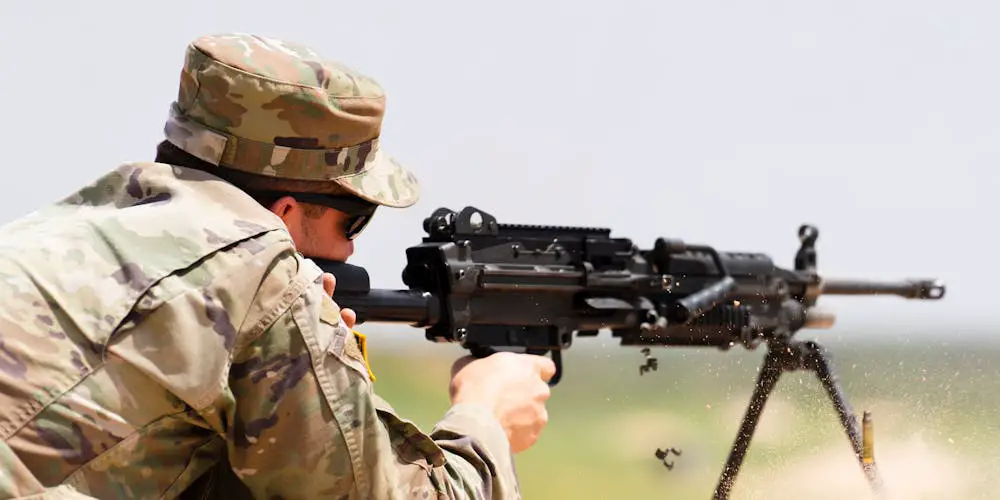
Understanding what guns do marines use is essential to appreciating the complexity and sophistication of modern military combat. Marines are among the most highly trained personnel dedicated to national defense, deploying a wide array of firearms tailored for different operational needs. Their arsenal reflects a blend of cutting-edge technology, tactical versatility, and rigorous standards for reliability, precision, and durability. This article explores the primary weapons that Marines typically rely on, highlighting their strategic importance, technological advancements, and practical application in various combat scenarios. Whether you are a military enthusiast, a firearms aficionado, or someone interested in security forces, delving into this subject offers a comprehensive view of the hardware that protects and preserves national interests.
The Core Assault Rifle – The M4 Carbine and its Strategic Significance
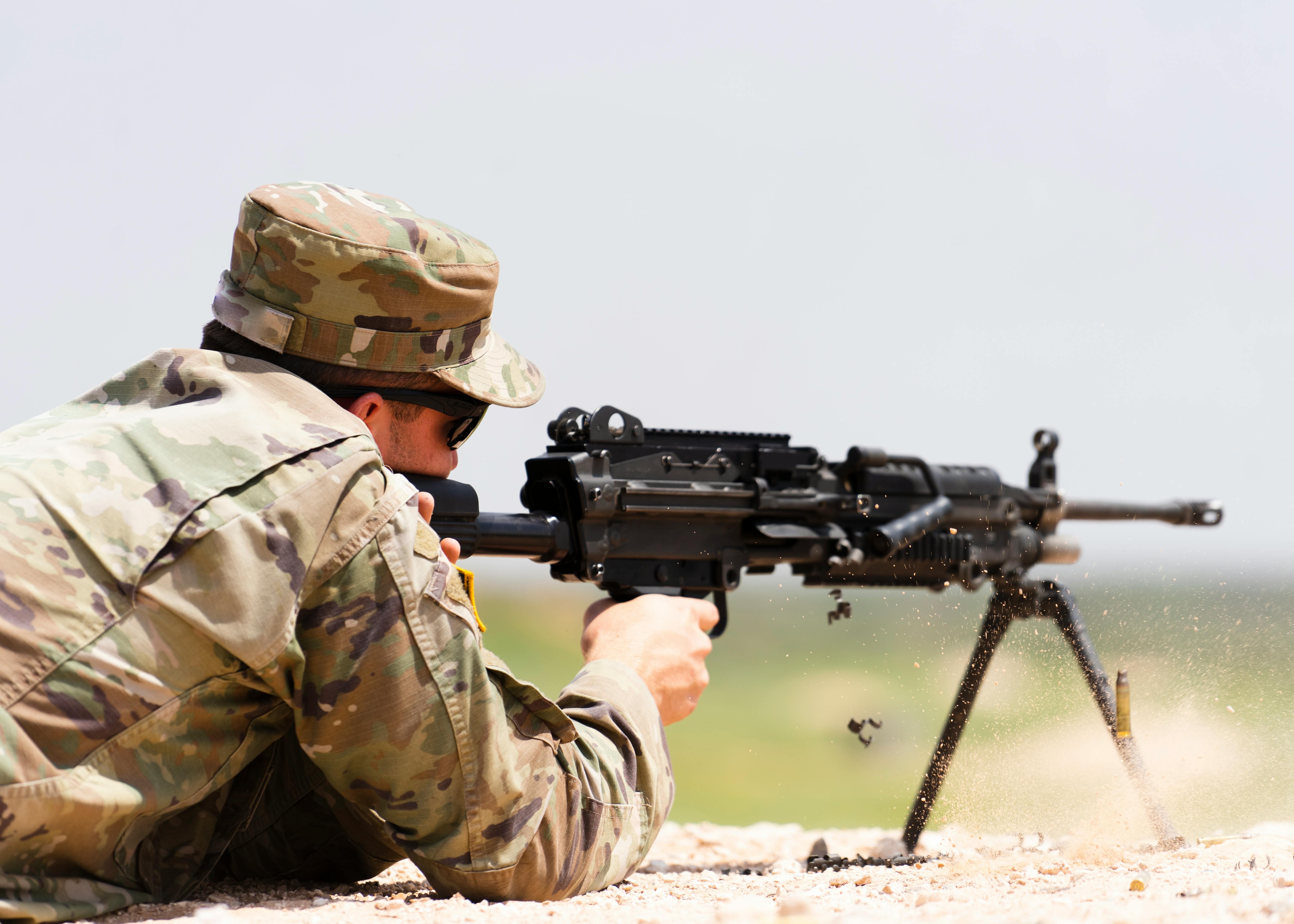
The M4 Carbine stands as the backbone of the Marine Corps’ infantry firearm arsenal. Versatile, lightweight, and adaptable, it symbolizes the modern evolution of military firearms—designed for close-quarters combat and mid-range engagements. As a primary assault rifle, its role is crucial in both offensive and defensive operations, offering Marines a reliable and efficient tool to accomplish diverse mission objectives.
Before diving into the technical specifications, it’s vital to understand why the M4 remains the standard issue. Its modular design allows rapid customization with various attachments such as optics, grips, and grenade launchers, enabling Marines to tailor their weapon to specific operational needs. This flexibility significantly enhances combat effectiveness, especially in unpredictable environments. Moreover, the M4’s superior accuracy and controllability in rapid-fire situations make it indispensable in urban warfare, jungle combat, and peacekeeping missions—where quick response and precision are paramount.
The M4’s technological features include a 5.56x45mm NATO cartridge, which provides excellent range and stopping power while maintaining manageable recoil. Its design incorporates advancements like collapsible stocks for portability, Picatinny rails for mounting weapon accessories, and ambidextrous controls for ease of use by all personnel. These features collectively improve handling and adaptability. The reliability of the M4 under various environmental conditions such as sandstorms, wet conditions, and extreme temperatures underpins its selection by the Marines, who demand gear that performs without fail when lives depend on it.
The M4’s Role in Modern Marine Infantry Tactics
Marines are highly trained in integrating the M4 with other weapons and tactical equipment to maximize battlefield effectiveness. The rifle is central to squad-level operations, serving as the ideal mix of portability and firepower. Marines often carry multiple magazines, tailored optics, and grenade launchers, transforming their M4s into multi-purpose combat tools. This capability allows marines to respond swiftly to evolving combat scenarios, whether engaging in urban combat, clearing buildings, or conducting reconnaissance.
Furthermore, the M4’s compatibility with advanced sighting systems elevates its precision—modern Marines frequently use holographic sights, magnifiers, and night-vision scopes. These devices significantly improve target acquisition pace and accuracy in low-light or complex environments. The combination of the M4 with these technological enhancements exemplifies how contemporary military doctrine embraces a layered approach to warfare—where firepower, mobility, and adaptability are meticulously integrated.
In terms of training, Marines undergo rigorous instruction to master the M4’s operation, maintenance, and marksmanship. This ensures that the weapon’s full potential is harnessed in real-world conditions. The high standard of training, combined with equipment that is both durable and technologically advanced, sustains the Marine Corps’ reputation for operational excellence.
Sidearms and Support Weapons – Complementary Firepower for Marines
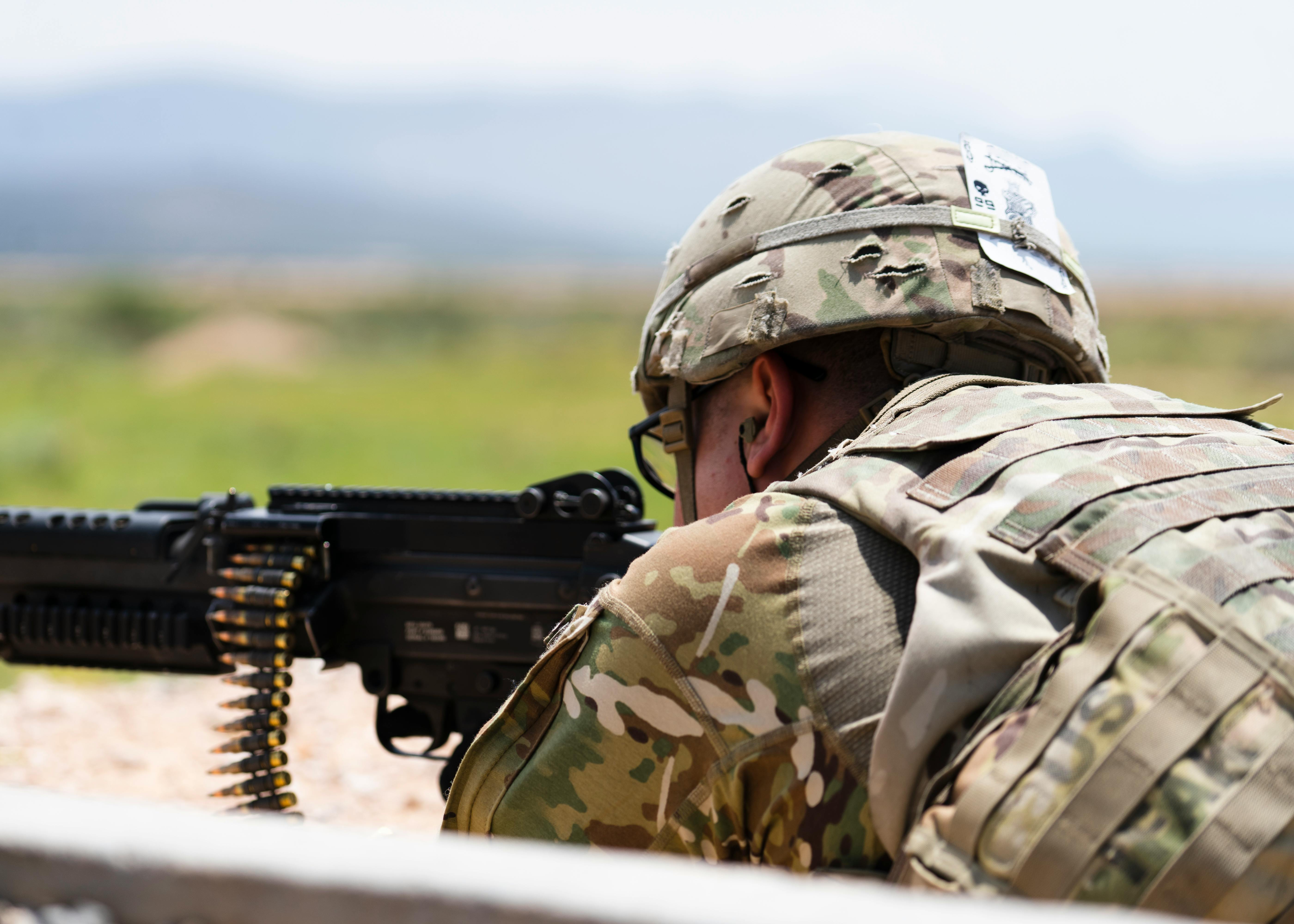
While the M4 Carbine is the primary weapon, Marines rely on a range of sidearms and support weapons to cover a variety of combat situations. These secondary firearms and specialized weaponry extend their tactical options, providing versatility and resilience during complex military operations. Their selection hinges on mission type, combat environment, and the need for quick access to different types of firepower.
Before exploring the specific weapons, it’s important to recognize the roles these support firearms fulfill within Marine operations. Sidearms serve as secondary weapons during close combat or when the primary rifle is not practical, while support weapons such as machine guns and grenade launchers significantly increase firepower, suppressing enemy positions and providing suppressive fire during assaults or defensive stands.
The M17 Pistol and Its Tactical Role
The Marine Corps adopted the M17 pistol, which is a variant of the SIG Sauer P320, as its standard sidearm. This adoption reflects a shift toward modern, modular handgun designs capable of customization for various combat scenarios. The M17 offers exceptional accuracy, a high magazine capacity, and a reliable trigger mechanism—features that enhance the Marine’s ability to respond quickly during close encounters.
The significance of the M17 in a Marine’s arsenal extends beyond its practicality. Its ergonomic design, combined with ambidextrous controls, ensures ease of use for Marines of different handedness or physical stature. Combat situations demand quick reflexes, and the M17’s straightforward operation aligns with the need for rapid deployment and minimal fuss. Marines are extensively trained in firearm manipulation, maintenance, and concealment of sidearms, emphasizing the importance of readiness at all times.
From a tactical perspective, the M17 complements the M4 by offering a reliable backup firearm and a tool for precision engagement in tight spaces. Law enforcement, close-quarters combat, and personal defense all benefit from the pistol’s portability while maintaining potency. Its modular design also allows Marines to attach tactical lights or optics, further enhancing combat effectiveness.
Support Weapons – Heavy Firepower for Marine Missions
In addition to primary and secondary firearms, Marines have access to a range of support weapons that amplify their combat capabilities. Machine guns such as the M240B, grenade launchers, and anti-armor weapons are integral to their operational success, especially during sustained engagements or in defensive positions.
The M240B machine gun, for example, is a belt-fed, 7.62mm weapon regarded for its durability and suppressive fire ability. Its role involves providing covering fire during assaults, defending strategic points, or engaging enemy troops at longer ranges. Reliable even in harsh environments, the M240B embodies the Marine Corps’ emphasis on fire superiority—giving Marines the capacity to control the battlefield effectively.
Mortars and anti-armor weaponry, such as the Javelin missile system, complement the support weapons, offering the flexibility to neutralize enemy tanks, fortified positions, or long-range threats. The integration of these weapons into Marine tactical doctrine ensures a comprehensive approach to combat, combining mobility, firepower, and precision.
The combination of these armaments, supported by ongoing technological upgrades, exemplifies the Marine Corps’ commitment to maintaining a balanced and adaptive arsenal that meets the demands of modern warfare. As threats evolve, so does the Marine’s access to advanced weaponry, ensuring battlefield dominance at every level.
The Technology and Innovation Behind Marine Firearms – Ensuring Reliability and Precision
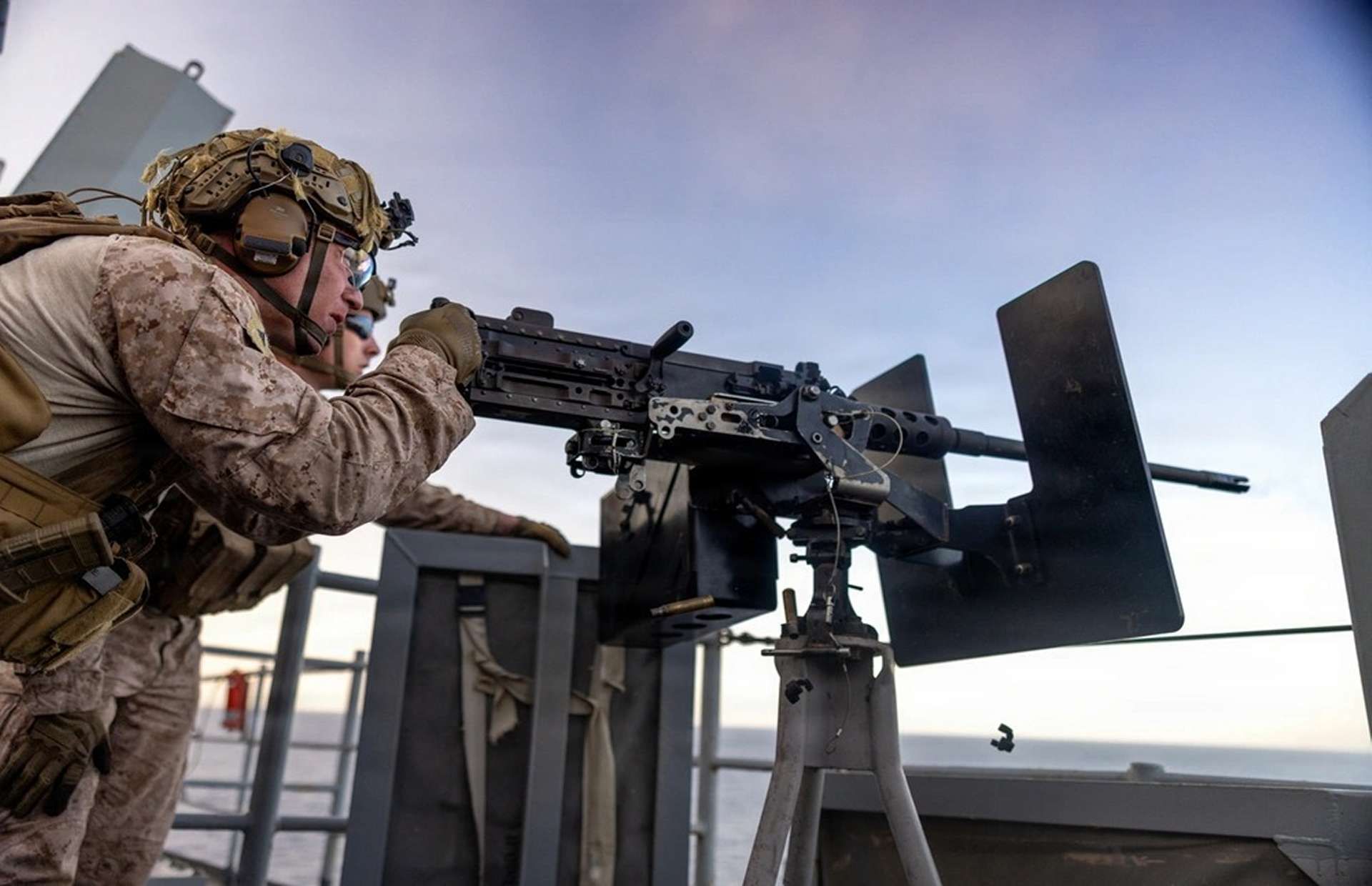
Marines depend on their weapons not just for firepower but for consistent performance under extreme conditions. The technological innovations integrated into modern firearms are pivotal in enabling marines to accomplish their missions effectively. From advanced materials to integrated optics, the evolution of marine weaponry emphasizes reliability, precision, and operational versatility.
The development of lightweight alloys and corrosion-resistant materials has markedly improved firearm durability, particularly for operations in marine and desert environments. These advancements reduce the weight burden on soldiers, allowing them to carry more gear without sacrificing comfort or mobility. Marine weapons are designed to withstand saltwater exposure, dirt, and temperature swings, ensuring continued performance during prolonged deployments across varied terrains.
Optics and sighting systems have also undergone significant innovation. The transition from iron sights to red-dot and holographic sights exemplifies this trend. These systems allow Marines to acquire targets faster, improve shooting accuracy, and operate effectively during night or low-light conditions. Furthermore, integration with thermal and night vision systems enhances battlefield awareness, giving Marines a decisive advantage.
Advanced fire control systems, such as caliber conversion kits and programmable grenade launchers, allow Marines to adapt their arsenal for different combat scenarios rapidly. This modularity underscores a broader trend in military hardware—maximizing flexibility while maintaining high standards of safety, ergonomics, and efficiency.
The Impact of Innovation on Marine Combat Effectiveness
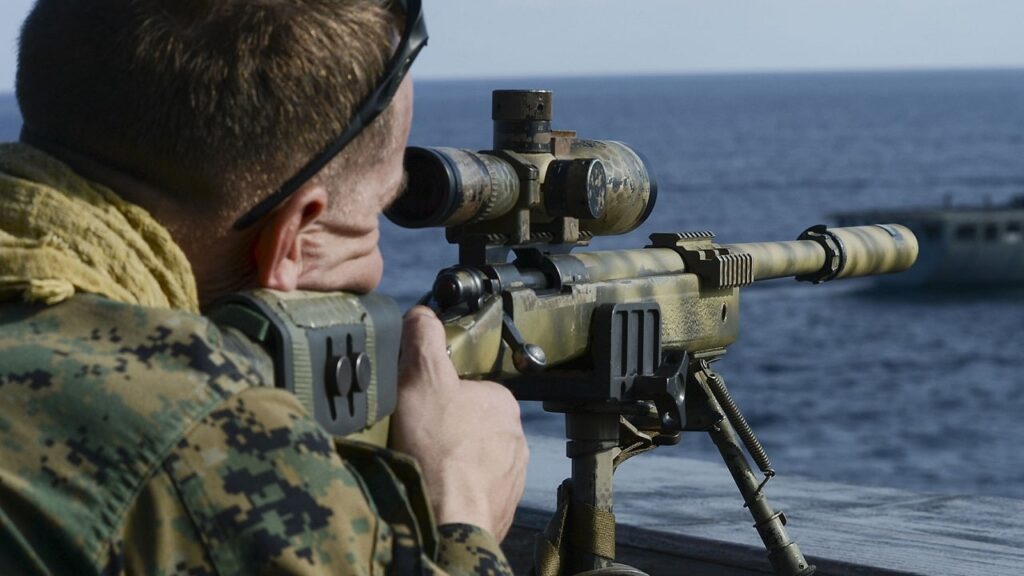
The continuous introduction of technological improvements has dramatically uplifted Marine combat readiness. These innovations allow soldiers to operate more efficiently, with a reduced likelihood of weapon failure and increased accuracy under stress. In turn, this fosters confidence among Marines, knowing their equipment can handle the unpredictable pressures of combat.
Moreover, data-driven improvements in weapon design facilitate targeted training, maintainability, and logistical support. Marines trained with modern, robust weapons are better prepared to adapt to emerging threats and leverage new combat tactics. The fusion of tradition and innovation in firearm development ensures that the Marine Corps stays at the forefront of military readiness, capable of tackling evolving threats efficiently.
This ongoing technological development supports the Marine ethos—being a highly capable, adaptable fighting force with a sophisticated arsenal that embodies the future of warfare. The what guns do marines use story is therefore not only about the weapons themselves but about how these tools empower Marines to operate effectively in complex and dynamic environments.
Conclusion
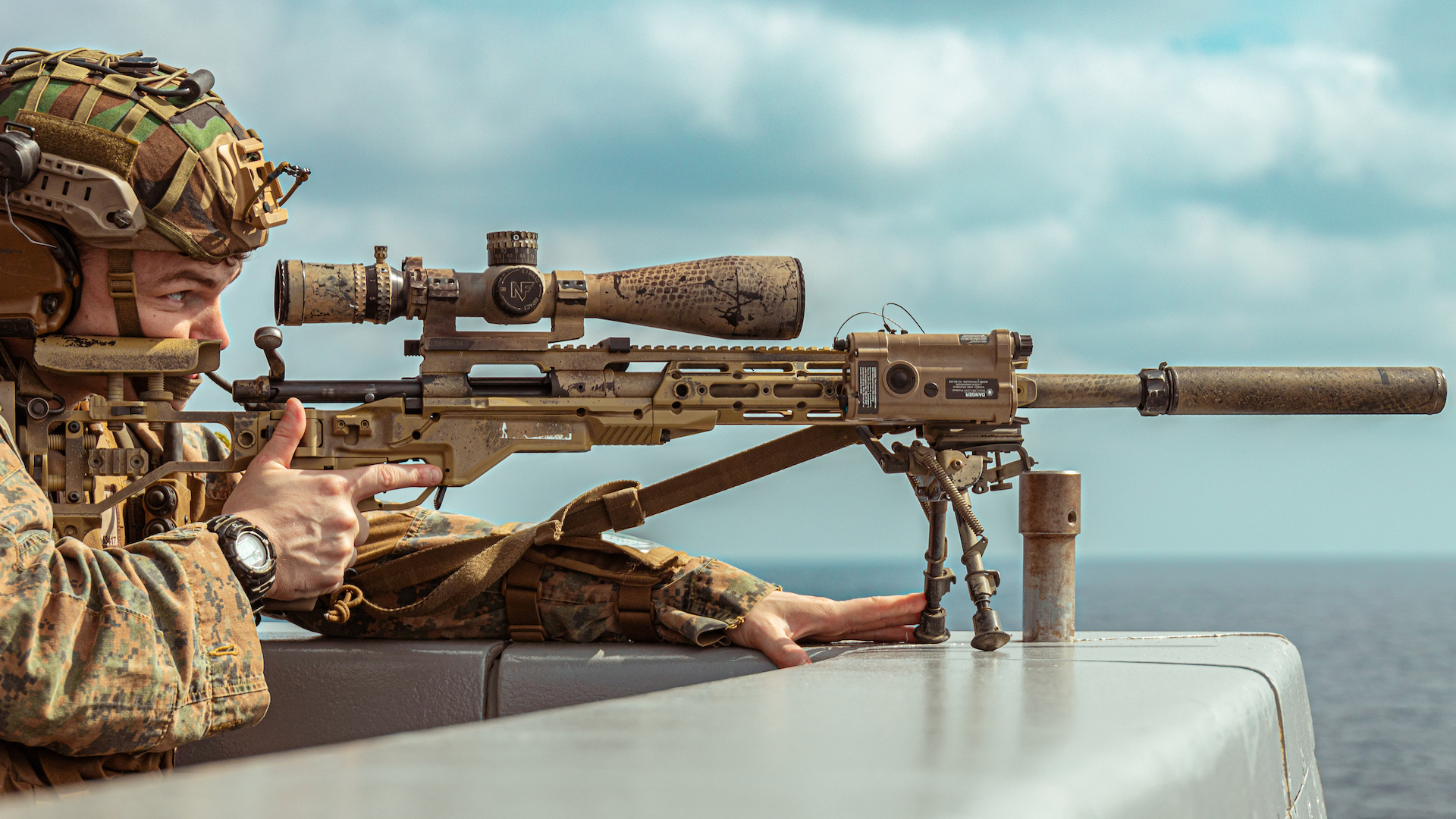
In conclusion, the arsenal of the Marine Corps reflects a strategic balance between tradition, technological innovation, and adaptability. The iconic M4 Carbine remains the core assault rifle due to its modularity and reliability, embodying the modern Marine’s firepower needs. Complementing it are versatile sidearms like the M17 and support weapons such as machine guns and grenade launchers, all designed to provide comprehensive battlefield coverage. The constant evolution of firearm technology—incorporating advanced materials, optics, and fire control systems—ensures that Marines are always equipped with weapons that enhance their operational capabilities. Understanding what guns do marines use reveals a picture of a highly trained, technologically adept fighting force, ready to face the multifaceted challenges of modern combat with confidence and precision.