
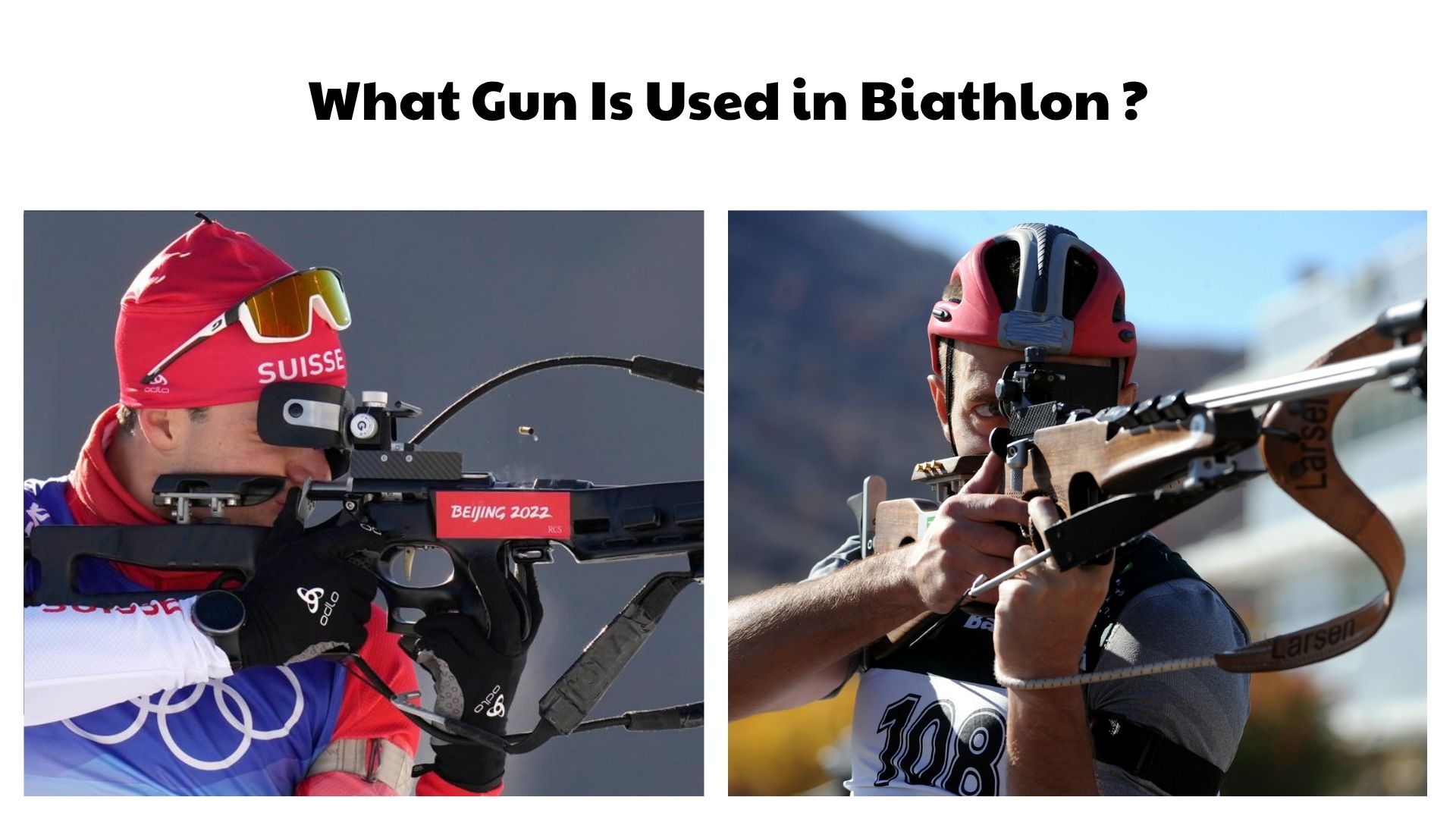

Biathlon is a unique Olympic winter sport that combines cross-country skiing and precision rifle shooting. Because athletes must control breathing, heart rate, and stability after intense physical effort, the firearm used in this sport is highly specialized. When asking what gun is used in biathlon, the answer is not a traditional hunting or tactical rifle, but a regulated .22 caliber bolt-action or straight-pull rifle designed for extreme accuracy and fast cycling under pressure. These rifles are lightweight, low-recoil, and engineered for consistency in freezing conditions. This guide explains the most common and competitive biathlon rifles used in training and Olympic-level events, focusing on design, performance, and why each model is trusted by elite athletes.
Although biathlon uses rifles rather than pistols, understanding the broader firearm ecosystem helps clarify why precision handguns and rifles share engineering principles such as trigger control, recoil management, and ergonomic grip design. The same discipline seen in the best handgun category—such as trigger consistency and stability—also applies to biathlon rifles, where even minor mechanical differences can affect performance under competition stress.
What Gun Is Used in Biathlon ?
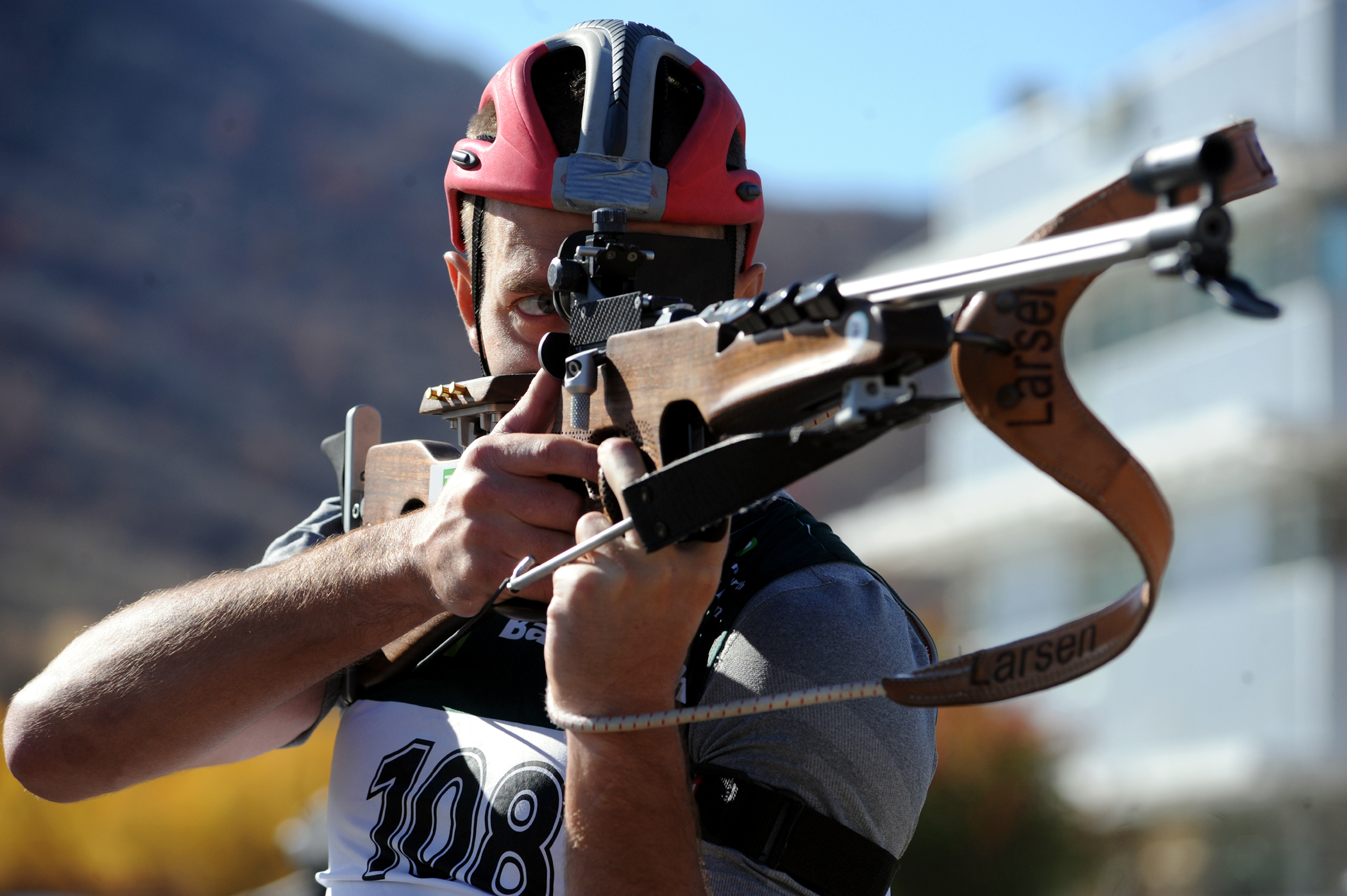
1. Anschütz 1827 F Biathlon Rifle
The Anschütz 1827 F is widely regarded as the gold standard in modern biathlon competition. It is a straight-pull bolt-action rifle designed specifically for rapid cycling without breaking shooting position. This allows athletes to maintain rhythm during timed shooting stages, which is critical in Olympic-level performance.
Its precision engineering is built around ultra-tight tolerances, ensuring consistent shot grouping even in extreme cold. The trigger system is highly adjustable, allowing shooters to fine-tune pull weight for stability under fatigue. The stock is also designed for ergonomic skiing transitions, helping athletes switch between movement and shooting positions smoothly.
This rifle is one of the most commonly seen platforms in World Cup and Olympic biathlon events due to its reliability and speed advantage.
2. Anschütz 1761 Biathlon Match Rifle
The Anschütz 1761 is a modern evolution of precision rimfire rifles adapted for biathlon-style shooting. It focuses heavily on mechanical consistency and modular adjustment options. Unlike older designs, it incorporates improved barrel harmonics and enhanced bolt operation for smoother cycling.
The rifle is known for maintaining accuracy even under heavy training schedules. Its construction emphasizes balance, allowing athletes to stabilize the weapon quickly after skiing segments. The stock geometry is optimized for shoulder alignment during rapid target transitions.
It is often chosen by athletes who prioritize stability and shot consistency over aggressive cycling speed.
3. Fortner Straight-Pull Biathlon Rifle
The Fortner system is famous for its ultra-fast straight-pull action, which allows shooters to chamber a round without rotating the bolt handle. This design significantly reduces movement disruption during competition.
Its mechanism is engineered for minimal friction, enabling extremely fast follow-up shots. This is especially important in biathlon, where every second lost during reloading can impact overall ranking. The rifle is lightweight yet rigid, ensuring consistent alignment during rapid fire sequences.
The Fortner system is considered one of the most innovative action designs in biathlon history.
4. Izhmash Biathlon 7-3 Rifle
The Izhmash Biathlon 7-3 represents a classic Soviet-era design that has been used in international competitions. It is known for its durability and mechanical simplicity, which makes it reliable in harsh winter environments.
Although older compared to modern Anschütz systems, it still delivers acceptable precision in training scenarios. Its robust build allows it to withstand extreme cold without significant performance degradation.
This rifle is historically important in the development of biathlon shooting systems.
5. Walther LG400 Biathlon Variant
The Walther LG400 Biathlon variant is derived from high-end air rifle technology adapted for precision shooting training. It emphasizes balance and trigger refinement, allowing athletes to practice shooting mechanics with minimal recoil disturbance.
It is commonly used for training environments where consistency and technique development are prioritized. The modular design allows adjustments for different shooter physiques, making it versatile for team training programs.
This rifle is especially valuable for developing foundational shooting discipline in biathlon athletes.
6. CZ 457 Varmint Biathlon Setup
The CZ 457 Varmint is a .22 LR bolt-action rifle often adapted for biathlon-style training. It is appreciated for its smooth bolt operation and strong out-of-the-box accuracy.
Its heavy barrel improves stability, reducing vibration during firing. The adjustable trigger system allows shooters to refine their control technique, which is essential for precision sports.
It is widely used in youth and development-level biathlon training programs.
7. Savage Mark II Biathlon Trainer
The Savage Mark II Biathlon Trainer is an affordable training rifle designed to simulate competitive biathlon conditions. It offers a straightforward bolt-action system with reliable cycling performance.
While not as refined as premium Olympic rifles, it provides consistent accuracy for skill development. Its lightweight design makes it suitable for long training sessions involving skiing and shooting transitions.
This model is commonly used in beginner-level biathlon education.
8. Krico Biathlon Custom Rifle
The Krico Biathlon rifle is a German-engineered platform often customized for elite athletes. It focuses on weight reduction and precision tuning for competition use.
Its stock design prioritizes comfort during skiing movement, and its barrel system is optimized for consistent cold-weather performance. Many users appreciate its balance between speed and accuracy.
This rifle is typically seen in specialized training and regional competitions.
9. Feinwerkbau 2800 Biathlon Rifle
The Feinwerkbau 2800 is a high-precision rifle known for its engineering excellence in competitive shooting disciplines. It delivers extremely tight shot grouping and exceptional trigger control.
Its mechanical systems are designed for stability under varying temperature conditions. The rifle is also highly adjustable, allowing athletes to fine-tune every aspect of its setup.
It is considered one of the premium training and competition rifles in biathlon development programs.
10. Norica Biathlon Training Rifle
The Norica Biathlon training rifle is designed for entry-level users learning the fundamentals of biathlon shooting. It focuses on simplicity, durability, and ease of use rather than elite performance.
Its lightweight structure allows beginners to practice skiing transitions and shooting mechanics without excessive fatigue. The rifle is built to withstand repeated use in training environments.
This model serves as a gateway for athletes entering biathlon sports development systems.
Conclusion – Key Insight on Biathlon Rifles
Understanding what gun is used in biathlon reveals that the sport relies on highly specialized .22 LR rifles engineered for speed, precision, and reliability in extreme cold. Unlike tactical or hunting firearms, biathlon rifles prioritize cycling speed, ergonomic stability, and shot consistency under physical stress. Each system, from Anschütz to Fortner designs, reflects a balance between mechanical efficiency and athletic performance, making biathlon one of the most technically demanding shooting sports in the world.
50+ FAQ – What Gun Is Used in Biathlon
1. What gun is used in biathlon?
Biathlon uses .22 LR caliber bolt-action or straight-pull rifles designed for precision and fast cycling.
2. Why does biathlon use .22 caliber rifles?
.22 LR is low recoil, highly accurate, and safe for controlled Olympic shooting distances.
3. What is the standard biathlon rifle weight?
Most biathlon rifles weigh at least 3.5 kg according to competition regulations.
4. How far do biathletes shoot?
They shoot at a fixed distance of 50 meters in all competitions.
5. What type of action is used in biathlon rifles?
Most rifles use straight-pull bolt-action systems for faster cycling.
6. Why is fast reloading important in biathlon?
Because athletes must shoot under time pressure while managing physical fatigue.
7. Are biathlon rifles semi-automatic?
No, semi-automatic rifles are not allowed in biathlon competitions.
8. What is the most popular biathlon rifle brand?
Anschütz is the most widely used brand in professional biathlon.
9. Do biathlon rifles have scopes?
No, biathlon rifles use iron sights only—optics are not allowed.
10. How many bullets do biathletes carry?
They typically carry five rounds per shooting stage, plus spares.
11. Why are biathlon rifles so lightweight?
To reduce fatigue during skiing and improve handling speed.
12. Can biathlon rifles be used for hunting?
No, they are designed specifically for sport shooting regulations.
13. What is a straight-pull action?
A system that allows cycling the bolt without rotating it, improving speed.
14. Are biathlon rifles customized?
Yes, many are custom-fitted to each athlete’s body and shooting style.
15. What is the penalty for missing targets in biathlon?
A penalty loop or added time is applied depending on the event format.
16. How accurate are biathlon rifles?
They are extremely accurate, often grouping within millimeters at 50 meters.
17. Do biathlon rifles work in cold weather?
Yes, they are engineered specifically for sub-zero conditions.
18. What material are biathlon rifles made of?
Mostly aluminum, steel, and lightweight synthetic stocks.
19. Why do athletes ski with rifles?
Because biathlon combines cross-country skiing and shooting into one sport.
20. How do athletes carry rifles while skiing?
They carry them on their back using a specialized harness system.
21. Are biathlon rifles automatic in loading?
No, all loading is manually controlled by the athlete.
22. What is the trigger weight in biathlon rifles?
Triggers are extremely light, often adjustable to very low pull weights.
23. Why is trigger control important in biathlon?
Because athletes must shoot accurately while controlling heavy breathing.
24. Do biathlon rifles have recoil?
Very minimal recoil due to .22 LR ammunition.
25. What happens if a rifle jams in competition?
Athletes must quickly clear it or lose valuable time.
26. How fast do biathletes shoot?
Elite athletes can complete shooting stages in under 20 seconds.
27. What is the penalty loop distance?
Usually around 150 meters per missed target.
28. Are biathlon rifles expensive?
Yes, professional rifles can cost several thousand dollars.
29. Can beginners use biathlon rifles?
Yes, but usually through training versions or club equipment.
30. What is the role of accuracy in biathlon?
Accuracy directly impacts final race rankings and penalties.
31. What is the difference between biathlon rifles and air rifles?
Biathlon uses .22 LR rifles; air rifles are for training or indoor sports.
32. Do biathlon rifles have magazines?
Yes, typically 5-round magazines for quick reloads.
33. Why are Anschütz rifles so popular?
Because they offer unmatched precision and reliability in competition.
34. Are biathlon rifles legal outside sport use?
Yes, but regulations vary by country.
35. What is the shooting distance in biathlon?
All shooting is done at a standardized 50-meter distance.
36. How many shooting positions are in biathlon?
Two: prone and standing positions.
37. Which position is harder in biathlon?
Standing shooting is generally more difficult due to instability.
38. Why is breathing control important?
Because heart rate affects rifle stability during shooting.
39. Do biathletes train shooting and skiing together?
Yes, combined training is essential for competition readiness.
40. What is the fastest biathlon shooting time?
Elite athletes can shoot five targets in just a few seconds.
41. Are biathlon rifles single-shot or multi-shot?
They are multi-shot with magazine feeding systems.
42. What is the role of stock design?
It improves stability and comfort during skiing and shooting transitions.
43. Can wind affect biathlon shooting?
Yes, wind is a major environmental factor in outdoor shooting.
44. Do biathlon rifles use suppressors?
No, suppressors are not used in biathlon competitions.
45. What happens if a target is not hit properly?
The shot is counted as a miss and penalty applies.
46. Are biathlon rifles customized per athlete?
Yes, many are adjusted for grip, balance, and trigger preference.
47. How are biathlon rifles maintained?
They require regular cleaning and tuning for peak performance.
48. Why are rifles important in biathlon results?
Shooting accuracy can determine race outcome regardless of skiing speed.
49. What is the most advanced biathlon rifle today?
Anschütz 1827 F and Fortner systems are among the most advanced.
50. Is biathlon shooting harder than normal rifle shooting?
Yes, because it is performed under extreme physical exhaustion.
51. What is the key takeaway about biathlon guns?
They are precision .22 LR rifles designed for speed, accuracy, and cold-weather performance.
Read more: