

When it comes to hunting majestic creatures like moose, choosing the right firearm becomes more than just a matter of preference; it’s a critical decision that can determine success or failure in the wilderness. The question, what is the best gun for hunting moose, elicits varied answers depending on terrain, hunting regulations, and personal experience. This comprehensive guide aims to explore the various factors that influence gun selection and help hunters make informed choices to pursue this mighty beast effectively.
Hunting moose demands powerful, reliable, and precise firearms capable of delivering substantial stopping power at considerable distances. Understanding the nuances of different guns, calibers, and ammunition types is essential to ensure a humane, successful hunt that respects the game and adheres to safety standards. Whether you’re a seasoned hunter or a novice venturing into moose territory for the first time, selecting the optimal firearm geared toward moose hunting will enhance your overall experience in the field.
Understanding Moose Hunting: Nature’s Giants and Hunting Challenges
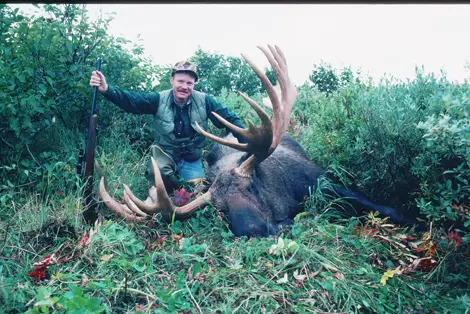
Before delving into specific firearms, it’s crucial to understand the nature of moose as a species, their habitats, and the challenges they pose to hunters. Moose are the largest members of the deer family, with bulls weighing up to 1,500 pounds and cows slightly less. Their size and strength make hunting them a formidable task that demands specialized equipment.
Most moose inhabit dense forests, wetlands, and mountainous regions across North America and parts of Europe. These environments often present challenging terrain, requiring not only rugged firearms but also strategic planning. The animal’s acute senses, including keen eyesight and hearing, often make approach difficult, especially at close quarters. Moreover, moose can display aggressive behavior when threatened, necessitating a firearm capable of delivering a quick and humane kill under pressure.
In many regions, hunting regulations specify minimum calibers and shot types to ensure ethical harvesting and conservation. This adds an additional layer of consideration when selecting a gun. In essence, hunting moose is as much a test of skill as it is of equipment, and choosing the right firearm plays a critical role in ensuring success and safety.
Key Factors in Selecting the Best Gun for Hunting Moose
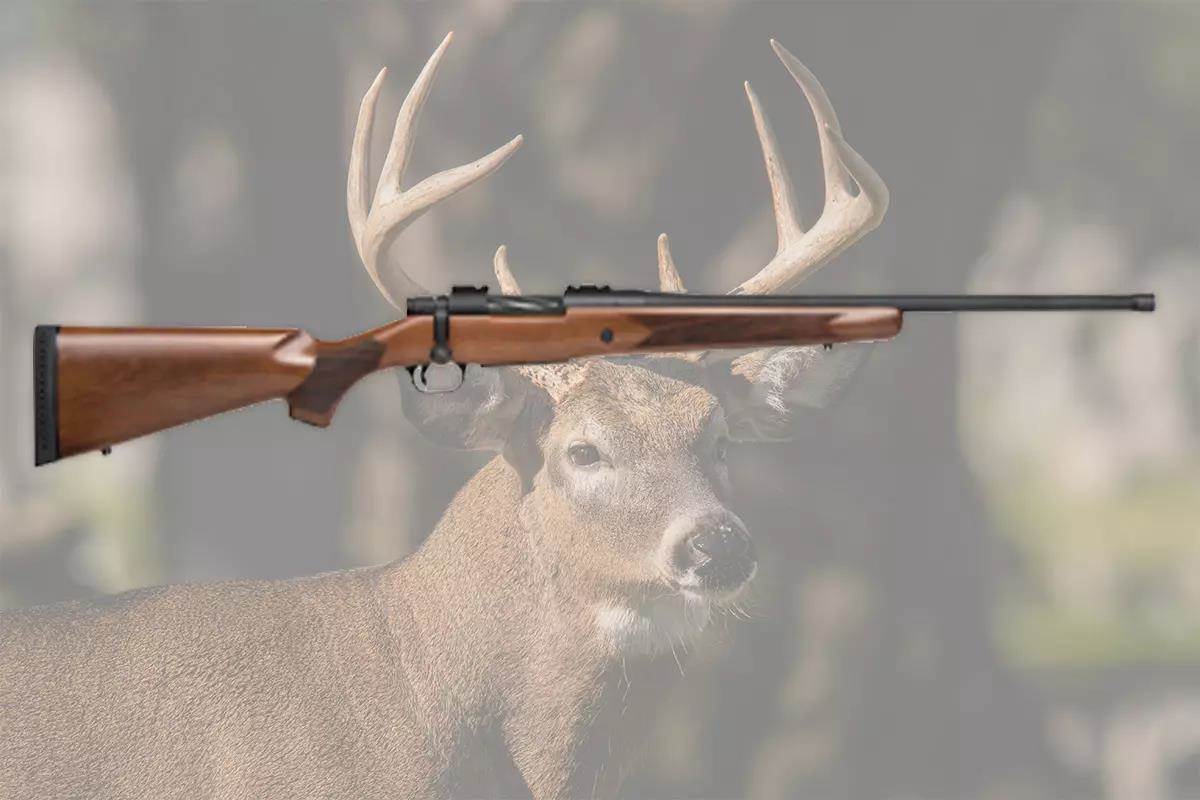
Choosing the ideal firearm for moose hunting is not merely about selecting the most powerful or popular gun. Several factors must be balanced—including caliber, weapon type, range, recoil management, and environmental considerations. This holistic approach ensures that the hunter is well-prepared to handle the variety of situations encountered in the field.
First, the caliber of the firearm is vital. It must be powerful enough to take down a large animal humanely from a safe distance, with enough energy to ensure a quick, ethical kill. Second, the firearm’s design and type—whether rifle, lever-action, bolt-action, or semi-automatic—must align with the hunter’s skill level and regional regulations. Third, the range and accuracy are critical; moose are often spotted at distances where precision becomes more important than raw power.
Recoil management is another important consideration. Heavy recoil can negatively influence shot accuracy and cause discomfort during lengthy hunting trips. Finally, environmental factors such as weather, terrain, and the availability of access points influence the choice of firearm features, such as durability and ease of handling. By carefully balancing these factors, hunters can select a gun that maximizes effectiveness while ensuring safety and humane hunting practices.
The Top Rifle Calibers for Moose Hunting – Power Meets Precision
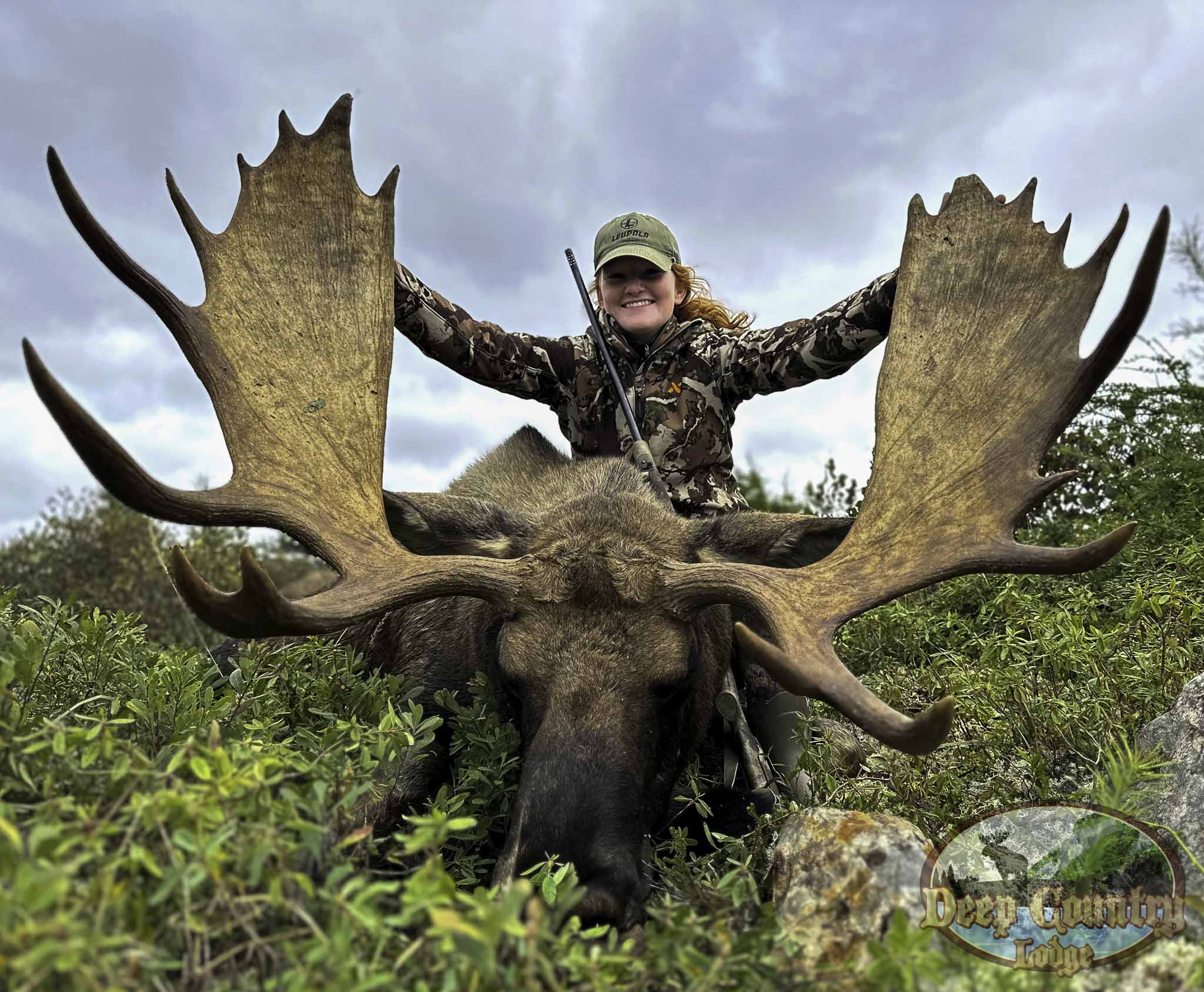
When considering what is the best gun for hunting moose, understanding the top rifle calibers is fundamental. Moose are large, resilient animals requiring substantial energy delivery, making caliber choice paramount. In this section, we explore the most proven calibers used for moose hunting, what makes them effective, and how they align with different hunting styles.
Popular and Effective Caliber Options for Moose
The most renowned calibers for moose hunting include .30-06 Springfield, .338 Winchester Magnum, .375 HH Magnum, and .458 Winchester Magnum. Each has its strengths and ideal scenarios, but all are capable of ethical and humane kills when used correctly.
The .30-06 Springfield is arguably the most versatile and widely used big-game cartridge. It offers a good balance of power, manageable recoil, and widespread availability of ammunition. Ideal for hunters who prefer a single firearm capable of handling various game, the .30-06 can be loaded with heavy-duty bullets designed for large game like moose. It performs well at typical hunting ranges and offers a reliable option for both seasoned hunters and newcomers.
The .338 Winchester Magnum takes things a step further, providing increased energy transfer and better performance at longer ranges. Its higher velocity and larger bullet diameter make it suitable for taking down mature, hefty moose and handling harsher terrain. Though it involves more recoil and a steeper learning curve, hunters committed to a longer-range approach often favor this caliber. Its effectiveness stems from delivering deep, devastating wounds that ensure quick, humane kills.
For those seeking maximum stopping power, the .375 HH Magnum and .458 Winchester Magnum are top contenders. The .375 HH Magnum has a storied history as a hunting cartridge capable of taking virtually all African game, including elephants. It’s also favored in North America for large bears and moose, thanks to its combination of power and manageable recoil. The .458 Winchester Magnum pushes the envelope further with its immense energy output, ideal for the most challenging hunts where maximum knockdown power is necessary—be it thick cover or large, aggressive bulls.
Factors to Consider in Choosing the Right Rifle Caliber
Selecting the proper caliber isn’t solely based on power. Hunters must also consider factors like their experience level, specific hunting environment, and available ammunition. Heavier calibers tend to have more recoil, which can affect shot accuracy, particularly during prolonged stalking or multiple shots. Conversely, lighter calibers may lack the necessary energy for clean kills on large moose, risking suffering or wounded game.
The availability of ammunition in your region is another key component. Some calibers, especially those tailored explicitly for moose, might be harder to find or more expensive. It’s essential to balance a caliber’s power with practicality, ensuring that your firearm is both effective and manageable over extended hunting trips.
Another critical aspect is ethical hunting—ensuring the shot will be lethal and humane. Calibers like .30-06 and .338 Win Mag are generally suitable for most mature moose, provided the hunter uses premium, heavyweight bullets designed for penetration and expansion. Always prioritize shot placement over sheer caliber size; a precise shot with the right caliber is more effective than a poorly placed shot with a more powerful cartridge.
To summarize, selecting the right caliber for moose hunting depends on a combination of power, accuracy, personal proficiency, and environmental factors. The key is choosing a firearm and caliber combination that allows for ethical, humane kills over typical ranges and conditions encountered in moose habitats.
Firearm Types and Their Suitability for Moose Hunting
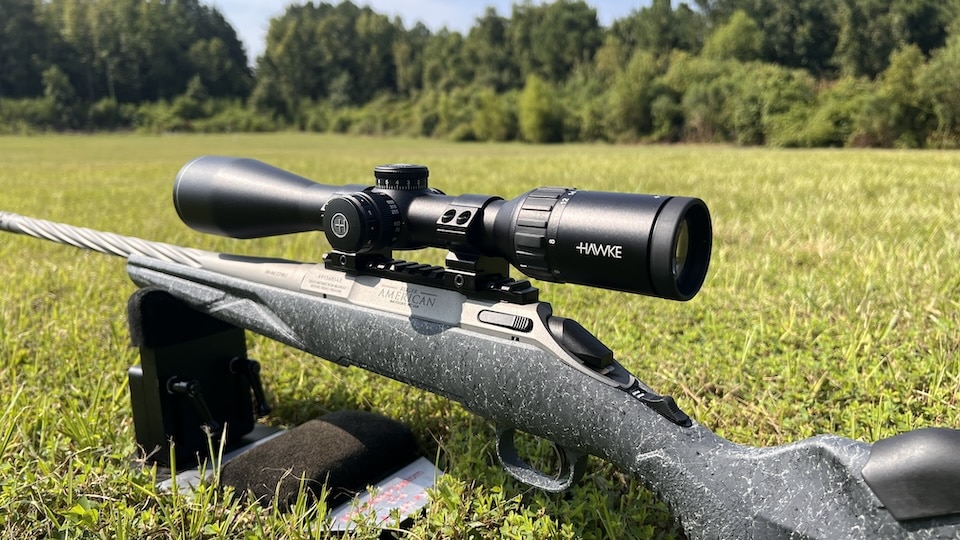
The type of firearm—whether bolt-action, lever-action, semi-automatic, or single-shot—significantly influences hunting efficiency, safety, and overall experience. Each firearm type has unique characteristics suited to different hunting styles, terrains, and hunter preferences. Understanding these differences helps answer the fundamental question: what is the best gun for hunting moose?
Bolt-Action Rifles – The Classic Choice for Hunters
Bolt-action rifles remain the most popular choice among big game hunters, including those pursuing moose, due to their reliability, accuracy, and durability. Their simple design and solid lock-up provide excellent accuracy, necessary for precise shot placement at range. Many hunters appreciate the mechanical reliability of bolt actions, which significantly reduces the chance of misfires or malfunctions in the field.
Bolt-action rifles come in numerous configurations, with various barrel lengths and stock designs tailored to individual comfort and hunting scenarios. Their ability to chamber high-powered cartridges, like the .338 Winchester Magnum or .375 HH Magnum, makes them top contenders in large game hunting. These rifles also allow hunters to load and unload cartridges safely and efficiently, especially when combined with custom or adjustable stocks.
In terms of texture and handling, bolt actions excel in cold or wet environments, where their simple manual operation and robust construction prevent accidental issues. They also support thick, weather-resistant coating options, making them ideal for hunting in rugged terrains where weather conditions are unpredictable. Many professional hunters and serious enthusiasts prefer bolt-action rifles for their balance of simplicity, precision, and adaptability.
Lever-Action Rifles – Fast Handling and Classic Appeal
Lever-action rifles evoke a nostalgic appeal for many hunters, but they are also effective tools for certain moose hunting scenarios. Known for their quick cycling and ease of operation, lever-actions offer rapid follow-up shots, which can be critical in unpredictable encounters with large game. Their shorter length and lighter weight enhance maneuverability in thick forests and tight terrain.
While traditionally chambered for smaller calibers, modern lever-actions are now capable of handling powerful cartridges, some specifically designed for big game, including the .45-70 Government or even the .450 Marlin. These calibers provide the necessary energy for moose at close to medium ranges, especially when quick shot placement is essential. Their ability to chamber larger rounds, combined with their reliable action, makes them a versatile choice.
However, lever-actions generally lack the long-range precision of bolt-actions, primarily due to their design and sighting options. Nonetheless, with proper scope choice and shooting practice, they provide an excellent balance of speed, power, and hunting pleasure. Their appeal lies in hunting style—particularly in forests where rapid shots within short ranges are more common than extended shots across open fields.
Semi-Automatic and Single-Shot Rifles – Balancing Speed and Simplicity
Semi-automatic rifles, such as the Browning BAR or the Heckler Koch MR 308, provide fast follow-up shots and reduce shooter fatigue. They are favored in situations where multiple targets are possible or unpredictable encounters are expected. Their rapid-fire capability is advantageous in dense cover or when stalking in unpredictable terrain where quick response is critical.
Single-shot rifles, although less popular for moose hunting, offer a minimalist approach emphasizing safety and precision. These firearms appeal to traditionalists and those prioritizing careful shot placement over rapid firing. Many single-shot rifles are built robustly and chamber high-powered cartridges suitable for moose, providing excellent accuracy when used with patience and skill.
In terms of what is the best gun for hunting moose, semi-automatics and single-shots complement the overall spectrum of options. Their effectiveness depends heavily on shooter expertise, environmental conditions, and the hunting scenario itself. For most hunters, bolt-action rifles remain the preferred choice due to their exceptional accuracy, safety, and adaptability, but these other types can also serve effectively when matched with the right caliber and skill level.
Environmental and Ethical Considerations in Firearm Choice
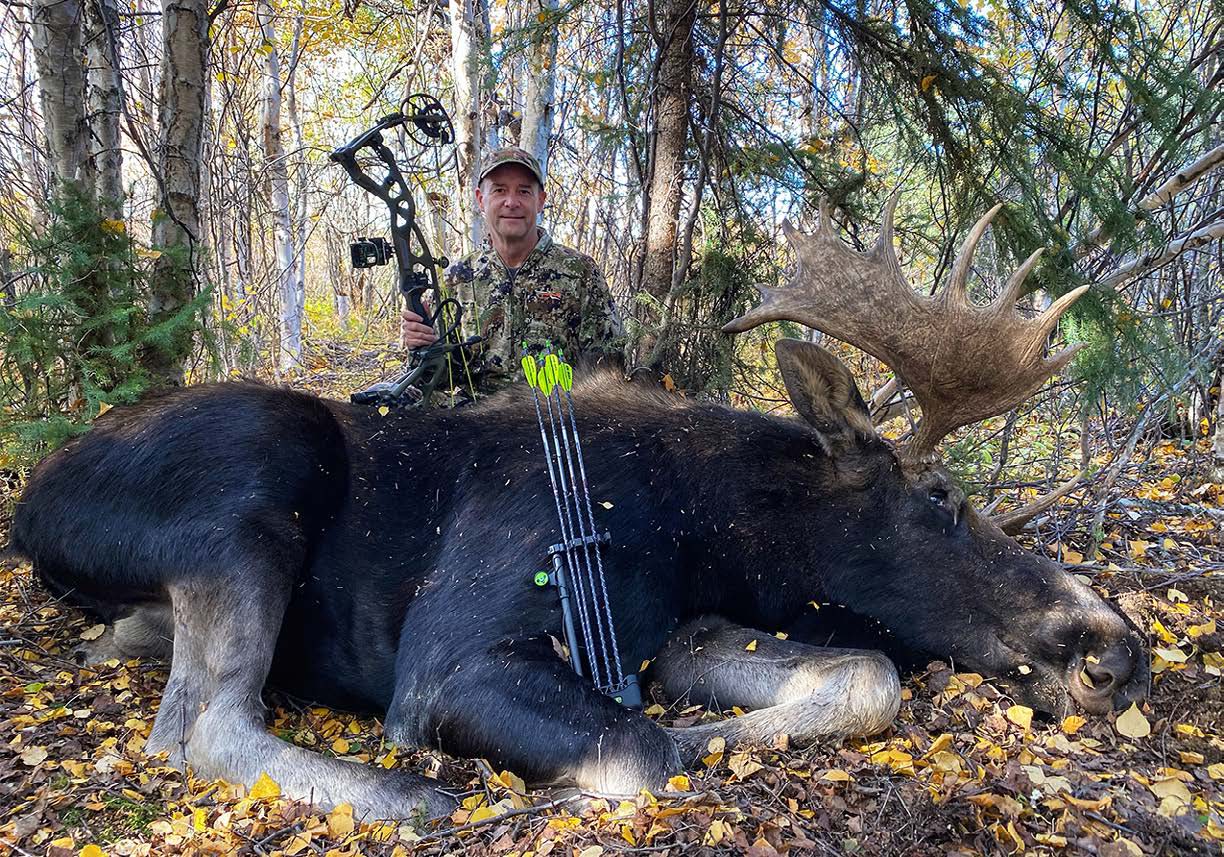
Choosing a gun for moose hunting isn’t solely about power and type; environmental and ethical aspects are equally important. The landscape, weather, and safety all influence firearm selection, ensuring a sustainable and humane hunting approach.
Adapting to Terrain and Climate
Moose inhabit a variety of environments—from dense boreal forests and swampy wetlands to rugged mountain ranges. Each environment demands specific firearm features. Thick underbrush and challenging terrain often favor shorter, more maneuverable firearms such as lever-action rifles or carbines. These allow quick handling in tight spaces, increasing the likelihood of a successful encounter.
In colder climates, firearm durability becomes a priority. Metal finishes resistant to corrosion, weather-resistant stocks, and reliable action mechanisms are crucial to prevent malfunctions during extended hunts. Ammunition must also be suitable for extreme temperatures; some powders perform poorly when exposed to cold, so selecting reputable brands or storing ammunition appropriately is important.
Weather conditions can influence shot success; snow, rain, or fog can reduce visibility and impact shooting accuracy. Hunter safety also comes into focus—using brightly colored or clearly marked guns and scopes helps prevent accidental injuries. In such environments, lightweight, rugged firearms with straightforward operation are ideal, ensuring hunters stay effective despite weather adversities.
Ethical Hunting and Firearm Regulations
Humane and ethical hunting is a fundamental principle when selecting a firearm. A well-chosen gun that offers sufficient power, accuracy, and reliable shot placement ensures the animal’s suffering is minimized. Many jurisdictions mandate minimum caliber standards—such as .30 caliber or larger—for moose hunting, aligning with conservation efforts and ethical practices.
Using the right ammunition and ensuring proper shot placement—aiming for vital areas—is critical in avoiding wounded but unrecovered animals. Effective hunters know that choosing the best gun isn’t just about power but also about understanding animal behavior, terrain, and shot angles. Practicing shooting skills and familiarization with your firearm directly impact ethical harvests.
Safety regulations also influence firearm choice. For instance, some regions restrict semi-automatic firearms for big game hunting, favoring bolt-action or lever-action guns to promote safety and control. Hunters must stay updated on local laws and ensure their equipment complies, respecting regulations designed to sustain moose populations and promote responsible hunting.
FAQ’s
1. What is the best gun for hunting moose?
The best gun for hunting moose is typically a powerful rifle such as a .30-06 Springfield, .300 Winchester Magnum, or .338 Winchester Magnum due to their strong stopping power and long-range accuracy.
2. What caliber is most commonly used for moose hunting?
Popular calibers include .30-06 Springfield, .300 Win Mag, .308 Winchester, and .338 Win Mag because they provide sufficient energy for large game.
3. Is a .308 Winchester enough for moose hunting?
Yes, a .308 Winchester can be effective for moose hunting with proper shot placement and quality ammunition.
4. Is a .30-06 good for moose hunting?
The .30-06 Springfield is one of the most trusted all-around cartridges for moose due to its balance of power and recoil.
5. What is the most powerful rifle for moose hunting?
Cartridges like .338 Winchester Magnum and .375 H&H Magnum are among the most powerful commonly used for moose.
6. Do I need a magnum rifle for moose?
A magnum rifle is not required but can provide added range and penetration for large moose.
7. Can I hunt moose with a shotgun?
Yes, in some regions using slugs, but rifles are generally more effective for range and precision.
8. Is a bolt-action rifle good for moose hunting?
Yes, bolt-action rifles are the most popular choice due to reliability and accuracy.
9. What is the best bolt-action rifle for moose?
Models like the Remington 700 and Winchester Model 70 are widely used for moose hunting.
10. Can a semi-automatic rifle be used for moose?
Yes, semi-automatic rifles can be used where legal, offering faster follow-up shots.
11. What is the minimum caliber for moose hunting?
Most experts recommend at least a .30 caliber or equivalent for ethical moose hunting.
12. Is .270 Winchester enough for moose?
It can work in skilled hands, but it is often considered on the lighter side for moose.
13. What is the best bullet type for moose hunting?
Controlled expansion bullets like bonded or soft-point bullets are preferred for deep penetration.
14. Should I use heavy bullets for moose?
Yes, heavier bullets generally provide better penetration on large animals like moose.
15. What is the effective range for moose hunting rifles?
Most ethical shots are taken within 100–300 yards depending on skill and conditions.
16. Is a .300 Win Mag overkill for moose?
No, it is actually one of the most popular choices for moose due to its power and range.
17. What is better: .300 Win Mag or .338 Win Mag for moose?
.338 Win Mag offers more stopping power, while .300 Win Mag has less recoil and flatter trajectory.
18. Can beginners hunt moose safely?
Yes, with proper training, practice, and guidance from experienced hunters.
19. What is the best rifle brand for moose hunting?
Popular brands include Remington, Winchester, Browning, Ruger, and Savage.
20. Is recoil important when choosing a moose rifle?
Yes, manageable recoil helps improve accuracy and shooter comfort.
21. Can I use an AR-style rifle for moose hunting?
Yes, in some areas, but caliber choice and legal regulations must be followed.
22. What is the best scope for moose hunting?
A 3-9×40 or 4-12×50 scope is commonly used for versatility in forest and open terrain.
23. Do I need a scope for moose hunting?
While not mandatory, a scope significantly improves accuracy at medium ranges.
24. What distance are moose usually shot at?
Most moose are taken within 50–200 yards in wooded environments.
25. Is .45-70 Government good for moose?
Yes, it is effective at close range due to its heavy bullet and strong impact.
26. What is the best close-range moose rifle?
.45-70 Government and .308 Winchester are both effective at close distances.
27. What is the best long-range moose rifle?
.300 Win Mag and .338 Lapua Magnum are strong long-range options.
28. Can I hunt moose with iron sights?
Yes, but it is more difficult and less accurate at longer distances.
29. What is the best hunting rifle weight for moose?
A medium-weight rifle balances stability and portability in the field.
30. Is lightweight rifle good for moose hunting?
Yes, but heavier rifles reduce recoil and improve stability.
31. What is the best moose hunting rifle under $1000?
Savage Axis, Ruger American, and some entry-level Winchester models are popular choices.
32. What is the best premium moose rifle?
Browning X-Bolt and Weatherby Mark V are considered high-end options.
33. Is a lever-action rifle good for moose?
Yes, especially large-caliber lever guns like the .45-70.
34. What is the best weatherproof rifle for moose hunting?
Stainless steel or synthetic-stock rifles perform best in wet environments.
35. Can I hunt moose in dense forest?
Yes, but shorter-barreled rifles and lower magnification scopes are preferred.
36. What is the best barrel length for moose rifles?
Barrels between 22–26 inches are commonly used for balance and performance.
37. Is shot placement important in moose hunting?
Yes, vital shot placement is critical due to the size and resilience of moose.
38. What is the best moose hunting cartridge overall?
.30-06 Springfield is often considered the best all-around choice.
39. Can I use military surplus ammo for moose?
It is not recommended due to inconsistent expansion and performance.
40. What is the best recoil pad for moose rifles?
High-quality gel or rubber recoil pads help reduce felt recoil significantly.
41. Do I need a bipod for moose hunting?
A bipod can improve stability for long-range shots but is optional.
42. What is the best time of year for moose hunting?
Moose hunting seasons vary but are often in fall during rutting season.
43. Is camouflage important for moose hunting?
Yes, camouflage helps hunters blend into forest environments.
44. What is the best hunting position for moose?
Standing or kneeling positions often provide better visibility in dense terrain.
45. Can I hunt moose with a crossbow?
Yes, in some regions where crossbow hunting is permitted.
46. What is the best crossbow equivalent to a rifle for moose?
High-poundage crossbows with broadhead bolts are required for ethical hunting.
47. Is range estimation important in moose hunting?
Yes, accurate range estimation ensures ethical shot placement.
48. What is the best ammunition brand for moose hunting?
Federal, Hornady, Nosler, and Remington are widely trusted brands.
49. What is the best rifle safety gear for moose hunting?
Hearing protection, sling, and scope covers are commonly used.
50. What is the most ethical gun for moose hunting?
The most ethical gun is one that ensures quick, humane kills such as a well-matched .30-06 or .300 Win Mag rifle.
51. What should I consider when choosing a moose hunting rifle?
You should consider caliber power, recoil, accuracy, terrain, and your personal shooting comfort.
Conclusion
In conclusion, determining what is the best gun for hunting moose involves balancing caliber, firearm type, environmental factors, and ethical considerations. The most effective moose hunters often favor powerful, accurate rifles such as the .30-06 Springfield, .338 Winchester Magnum, or .375 HH Magnum mounted on durable bolt-action platforms for their proven reliability and precision. Their ability to deliver humane, clean kills at varying ranges makes them the cornerstone of big-game hunting gear. However, personal preferences, terrain, weather, and experience also play a fundamental role in defining the best firearm for each individual hunter. Ultimately, success hinges not only on firearm selection but on skill, preparedness, and respect for the game and environment. When choosing your rifle, focus on compatibility with your hunting style, local regulations, and ethical standards, ensuring that every outing in the wilderness becomes a memorable and responsible pursuit of one of nature’s most impressive game animals.
Remember, the right firearm paired with responsible hunting practices ensures a rewarding experience while conserving our wildlife heritage for generations to come.
Read more: