
In the world of marksmanship, especially when it comes to long-range shooting, selecting the appropriate caliber can make all the difference. Whether you are an avid hunter, competitive shooter, or a tactical enthusiast, choosing the best caliber for long leg shooting enhances accuracy, reduces recoil, and ensures effective performance over extended distances. This comprehensive guide explores the core considerations, popular options, and expert insights to help you make an informed decision about the caliber that best suits your long-range endeavors.
Understanding the Importance of Caliber Selection in Long-Range Shooting
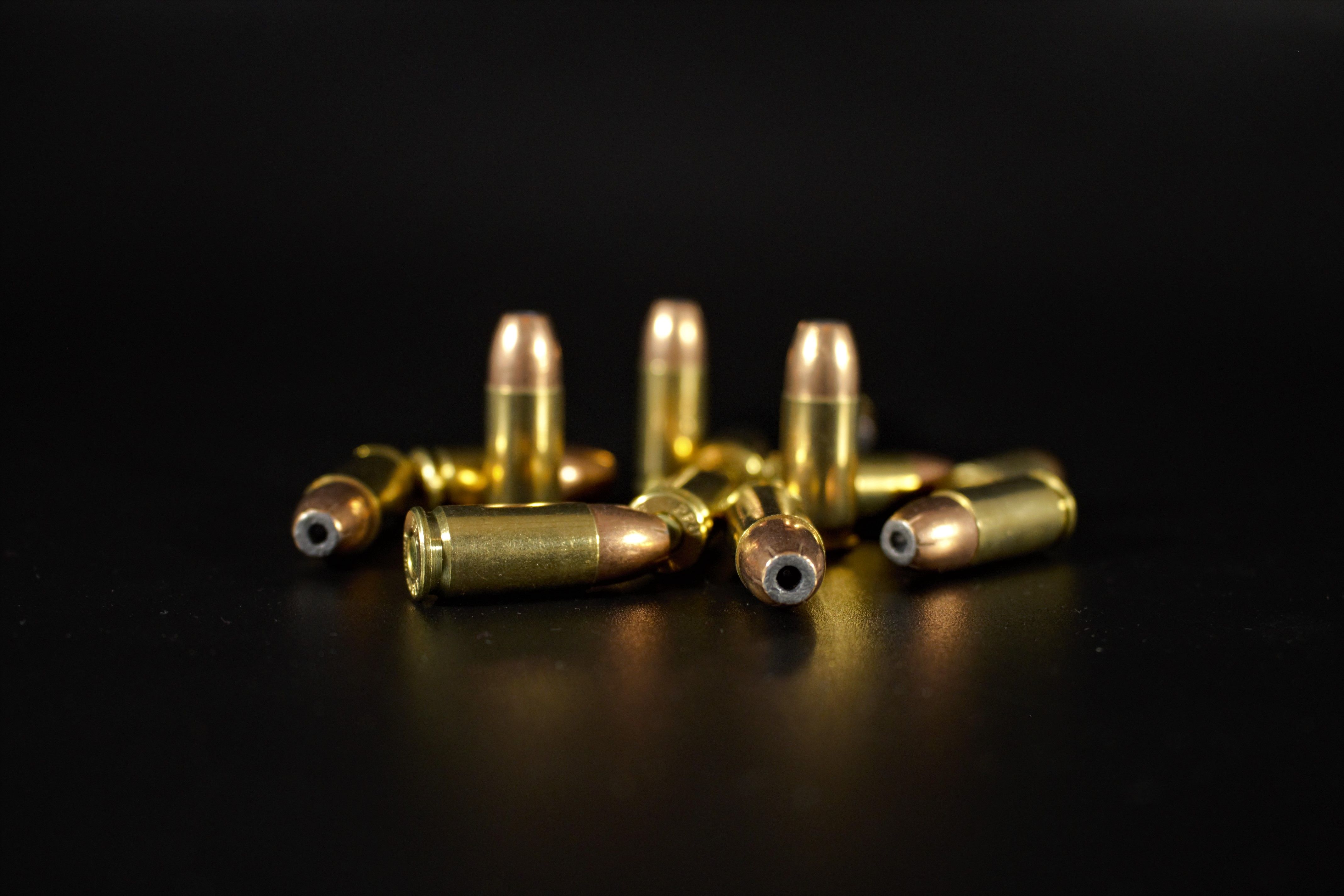
Choosing the right caliber is fundamental to achieving precision and consistency in long-range shooting scenarios. The caliber influences ballistic performance, recoil management, ammunition availability, and overall accuracy. It’s not just about shooting farther but doing so with stability and confidence.
For long-range shooting, the ideal caliber must bridge the gap between ballistic efficiency and shootability. Larger calibers often deliver higher velocity and energy, but they also come with increased recoil, which can impair shot placement. Conversely, smaller calibers can offer less recoil and easier handling but might sacrifice some of the desired distance and impact power. Balancing these factors is crucial.
Another dimension to consider is the shooter’s expertise and equipment. A novice shooter might benefit from a moderate caliber that offers balance and affordability, while seasoned marksmen might prefer specialized rounds optimized for maximum range. When evaluating the best caliber for long-range shooting, personal preferences, environmental conditions, and mission goals all come into play. A perfect selection enhances not only performance but also boosts confidence and enjoyment in the sport.
Popular Calibers for Long-Range Shooting – A Closer Look at Top Choices
Many calibers have gained popularity among long-range shooters due to their proven ballistic properties and adaptability. Understanding these options helps in narrowing down the choice based on specific needs and intended use.
The 6.5mm Creedmoor – A Versatile Performer
The 6.5mm Creedmoor has risen rapidly in popularity due to its remarkable balance of accuracy, recoil, and ballistics. This caliber is designed specifically for precision shooting at extended ranges, making it a favorite among competitive shooters and hunters alike.
It features a moderate recoil, which allows for faster follow-up shots and less shooter fatigue during prolonged sessions. Its high ballistic coefficient means the bullet retains velocity better over long distances, resulting in flatter trajectories and fewer wind correction adjustments. The 6.5mm Creedmoor’s availability in a variety of factory rounds makes it highly accessible, and its compatibility with many high-quality rifles ensures consistent performance.
From a personal perspective, many shooters appreciate how the caliber marries precision with affordability, making it an excellent choice for those new to long-range shooting, yet still capable of satisfying seasoned shooters seeking reliable results. Its versatility across different rifles and environments further cements its position as a top contender for the best caliber for long range shooting.
The .300 Winchester Magnum – Power and Range
Known for its impressive power and extended range capabilities, the .300 Winchester Magnum stands out as a robust caliber suited for serious long-range endeavors. This caliber delivers high muzzle velocity and energy, allowing shots to reach well beyond typical hunting distances with authority.
This caliber’s ballistic performance shines in open terrains and varmint hunting scenarios, where delivering precise, high-impact hits at great distances is required. Its formidable recoil, however, necessitates proper training and sturdy rifle platforms to maximize accuracy and safety. Despite its heftier recoil, shooters who prioritize range and impact tend to favor the .300 Winchester Magnum for its proven track record and extensive ammunition options.
From a tactical and hunting standpoint, the caliber offers noticeable advantages—especially in scenarios where reaching distant targets is non-negotiable. It embodies the commitment to power and precision, making it one of the best calibers for long range shooting when maximum distance and terminal performance are desired.
The .338 Lapua Magnum – Long-Distance Authority
The .338 Lapua Magnum is renowned for its exceptional range, accuracy, and terminal ballistics. Originally developed for military sniping, it has found a dedicated following among civilian long-range shooters and hunters seeking cutting-edge performance.
This caliber excels in extreme distances—capable of engaging targets beyond a mile—thanks to its high ballistic coefficient bullets and efficient powder charges. Its substantial weight and recoil demand a dedicated, high-quality rifle platform and a skilled shooter. Nonetheless, the precision, consistency, and stability it offers at ultra-long ranges make it a top choice for specialized applications.
Considering the best caliber for long range shooting, the .338 Lapua Magnum is an outstanding option for those who pursue maximum distance and accuracy. It embodies the pinnacle of ballistic technology and physics, representing a serious commitment to long-range precision shooting.
Balancing Power, Recoil, and Ammunition Performance
Selecting the optimal caliber involves weighing multiple factors beyond ballistic potential. Power, recoil, ammunition cost, and availability are vital considerations that influence your overall shooting experience and success.
Recoil Management – A Key Performance Factor
Recoil is often underestimated but plays a pivotal role in long-range shooting. Excessive recoil can cause shooter fatigue, reduce accuracy, and prolong the training process. The best caliber for long range shooting should offer manageable recoil to allow precise shot placement and sustained shooting sessions.
For example, the 6.5mm Creedmoor is praised for its gentle recoil relative to its performance, making it accessible for a wide range of shooters. By contrast, calibers like the .300 Winchester Magnum and .338 Lapua Magnum possess more substantial recoil, requiring proper technique and sometimes specialized rifle stocks and recoil pads. Understanding your comfort level and physical capacity is essential when choosing a caliber.
Cost and Ammunition Availability
Long-range shooting often involves multiple rounds during practice, competition, or hunting. Cost-effective ammunition reduces long-term expenses and increases the frequency of shooting sessions. The best caliber for long range shooting should balance performance with affordability to ensure consistent practice.
Calibers like the 6.5mm Creedmoor benefit from a broad range of readily available, affordable factory loads. On the other hand, specialized rounds like the .338 Lapua Magnum tend to be more expensive and less widely available, which can influence ongoing training and shooting frequency. Investing in a caliber with plentiful supply and a variety of options enhances overall shooting flexibility and sustainability.
Customization and Rifle Compatibility
Long-range shooting demands precise, high-quality rifles and components optimized for the chosen caliber. Compatibility with diverse rifle platforms, barrel lengths, and aftermarket accessories provides flexibility for shooters looking to refine accuracy further.
Matching caliber characteristics with rifle design factors—such as barrel length, twist rate, and stock ergonomics—can significantly improve shooting outcomes. The best caliber for long range shooting fits seamlessly with your rifle setup, enabling you to push your performance boundaries effectively. Customization options often include muzzle brakes, aftermarket triggers, and precision handloads, all aimed at optimizing each shot.
The Impact of Ballistics and Environmental Conditions
Ballistic performance and environmental factors play a critical role in long-range shooting success. Understanding these elements allows shooters to make informed decisions on caliber choice and shooting techniques.
Ballistic Coefficients and Trajectory
A high ballistic coefficient indicates that a bullet maintains velocity better and resists wind drift, both essential for long-distance accuracy. Calibers that are capable of firing bullets with superior ballistic qualities tend to be more consistent over various environmental conditions.
For instance, the best caliber for long range shooting should enable the use of high-BC bullets, which reduce the need for frequent adjustments and improve shot predictability. Longer, sleeker bullets with higher BCs are ideal, but they also require compatible barrels and twist rates to stabilize properly.
Wind and Gravity Effects
External factors such as wind, temperature, humidity, and gravity significantly impact long-range shots. Selecting a caliber that allows for flatter trajectories and less bullet drift simplifies calculations and improves hit probability.
Calibers like the 6.5mm Creedmoor are favored for their relatively flat trajectories and resistance to environmental disturbances. Optimizing your chosen caliber’s ammunition and practicing environmental compensation are key to acing long-range shots consistently.
Environmental Adaptation Strategies
Effective long-range shooting involves understanding and adapting to environmental variations. Using ballistic calculators, weather data, and real-time observations helps shooters adjust their aim points effectively.
Choosing a caliber that complements these strategies—such as one capable of producing accurate, stable loads under a variety of conditions—maximizes your potential for successful long-range engagement. The best caliber for long range shooting ultimately hinges on the shooter’s ability to adapt and refine their techniques based on environmental factors.
FAQ’s
1. What is considered long-range shooting?
Long-range shooting typically refers to distances beyond 300 yards, with precision shooting often extending to 800, 1,000 yards, or more.
2. What caliber is best for beginners in long-range shooting?
The .308 Winchester is often recommended for beginners due to its manageable recoil, affordability, and wide availability.
3. Why is caliber important in long-range shooting?
Caliber affects bullet velocity, trajectory, wind resistance, and overall accuracy at extended distances.
4. Is .308 Winchester good for long-range shooting?
Yes, it is a versatile and reliable choice, especially for distances up to 1,000 yards.
5. What is the flattest shooting caliber?
Calibers like 6.5 Creedmoor and .300 Winchester Magnum are known for their flat trajectories.
6. What caliber has the least wind drift?
High ballistic coefficient bullets such as those used in 6.5 Creedmoor and .300 Win Mag experience less wind drift.
7. Is 6.5 Creedmoor better than .308?
For long-range shooting, 6.5 Creedmoor generally offers better ballistics and less recoil compared to .308.
8. What is the best caliber for 1,000-yard shooting?
Popular choices include 6.5 Creedmoor, .300 Win Mag, and .338 Lapua Magnum.
9. What is the most accurate long-range caliber?
Accuracy depends on many factors, but 6.5 Creedmoor is widely praised for its precision.
10. What caliber do military snipers use?
Military snipers commonly use calibers like .308 Winchester, .300 Win Mag, and .338 Lapua Magnum.
11. Is recoil important when choosing a caliber?
Yes, lower recoil allows for better shot control and quicker follow-up shots.
12. What is ballistic coefficient?
It measures a bullet’s ability to resist air drag, influencing how well it maintains velocity over distance.
13. What is muzzle velocity?
Muzzle velocity is the speed of a bullet as it leaves the barrel, affecting range and trajectory.
14. Which caliber is best for extreme long range (ELR)?
.338 Lapua Magnum and larger calibers are commonly used for extreme long-range shooting.
15. Is .223 Remington suitable for long-range shooting?
It can be used for mid-range shooting, but it is less effective at very long distances due to wind drift.
16. What is the best caliber for hunting at long range?
6.5 Creedmoor and .300 Win Mag are popular for ethical long-range hunting.
17. Does barrel length affect long-range performance?
Yes, longer barrels typically provide higher velocity and better performance.
18. What is bullet drop?
Bullet drop refers to how much a projectile falls due to gravity over distance.
19. How important is ammunition quality?
Very important—high-quality, consistent ammo significantly improves accuracy.
20. What is the effective range of 6.5 Creedmoor?
It is highly effective up to 1,200 yards in capable hands.
21. What optics are best for long-range shooting?
High-quality scopes with adjustable magnification and precise turrets are essential.
22. Is handloading better for long-range shooting?
Yes, handloading allows shooters to fine-tune ammunition for maximum accuracy.
23. What is MOA?
Minute of Angle (MOA) is a unit of measurement used to describe accuracy and scope adjustments.
24. What is MIL in scopes?
MIL (milliradian) is another unit used for range estimation and scope adjustments.
25. Which caliber is cheapest for practice?
.308 Winchester and .223 Remington are generally more affordable options.
26. What is the role of wind in long-range shooting?
Wind significantly affects bullet trajectory and must be accounted for at longer distances.
27. Is heavier bullet always better?
Not always, but heavier bullets often perform better at long range due to higher ballistic coefficients.
28. What is zeroing a rifle?
Zeroing aligns the sights with the bullet’s point of impact at a specific distance.
29. What is a typical zero distance?
Common zero distances include 100, 200, or 300 yards.
30. What is the best all-around long-range caliber?
6.5 Creedmoor is often considered one of the best all-around options.
31. Can beginners shoot long range effectively?
Yes, with proper training, equipment, and practice.
32. What is the advantage of magnum calibers?
They offer higher velocity and energy, making them suitable for longer distances.
33. Are magnum calibers harder to shoot?
Yes, they typically produce more recoil and can be more challenging for beginners.
34. What is bullet stability?
It refers to how well a bullet maintains its orientation during flight.
35. Does twist rate matter?
Yes, it determines how well a barrel stabilizes different bullet weights.
36. What is the best caliber for competition shooting?
6.5 Creedmoor and 6mm variants are popular in precision rifle competitions.
37. What is the difference between short-action and long-action calibers?
Short-action calibers use shorter cartridges, while long-action calibers handle longer, more powerful rounds.
38. Is rifle weight important?
Heavier rifles help reduce recoil and improve stability.
39. What environmental factors affect long-range shooting?
Wind, temperature, humidity, and altitude all impact bullet performance.
40. What is a ballistic calculator?
It is a tool used to predict bullet trajectory based on various inputs.
41. Can you shoot long range without a scope?
It is possible but very difficult; scopes are highly recommended.
42. What is drop compensation?
It involves adjusting aim to account for bullet drop over distance.
43. What is a DOPE chart?
Data On Previous Engagements (DOPE) helps shooters track performance data for accuracy.
44. What is the best caliber for low recoil?
6.5 Creedmoor offers a great balance of low recoil and high performance.
45. How often should you clean your rifle?
Regular cleaning is important to maintain accuracy and reliability.
46. What is the difference between FMJ and match ammo?
Match ammo is designed for precision, while FMJ is typically used for training.
47. Does altitude affect bullet trajectory?
Yes, higher altitudes reduce air resistance, allowing bullets to travel farther.
48. What is parallax in a scope?
Parallax is the apparent shift of the reticle when the shooter’s eye moves.
49. What is the best caliber for windy conditions?
Calibers with high ballistic coefficients like .300 Win Mag perform better in wind.
50. Can you use hunting rifles for long-range shooting?
Yes, but specialized precision rifles often perform better.
51. What is the biggest mistake beginners make?
Ignoring fundamentals like proper shooting position, breathing, and trigger control.
52. How important is practice?
Consistent practice is essential to mastering long-range shooting.
Conclusion
Choosing the best caliber for long range shooting is a multifaceted decision that depends on balancing ballistic performance, recoil, cost, rifle compatibility, and environmental factors. Calibers like the 6.5mm Creedmoor excel in versatility, combining superb accuracy with manageable recoil and affordability. Serious long-range enthusiasts may favor the power and reach of calibers such as the .300 Winchester Magnum or even the .338 Lapua Magnum for extreme distances and tactical applications. Ultimately, the right choice aligns with your skill level, shooting objectives, and environmental conditions, empowering you to achieve remarkable accuracy and consistency at long ranges. Proper caliber selection is not just about extending distance but mastering precision, consistency, and confidence—cornerstones of long-range excellence.
Read more: