
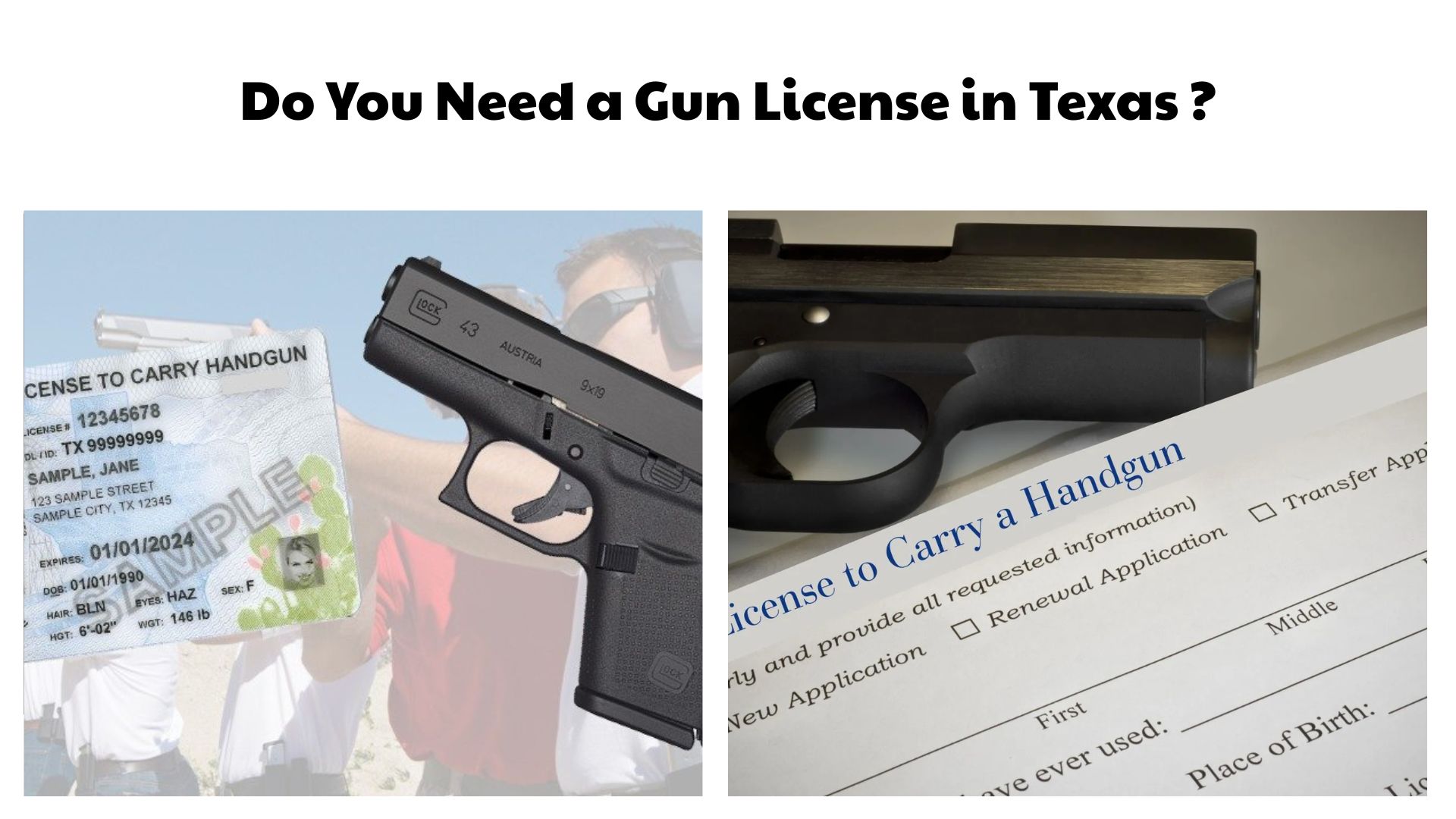

Do You Need a Gun License in Texas is one of the most frequently searched questions in firearm law today, and for good reason. Texas has gone through a major legal transformation in recent years, especially after the passage of House Bill 1927 in 2021. This law fundamentally changed how residents can legally carry firearms, removing the long-standing requirement for most people to obtain a license. As a result, the state shifted from a permit-based system to what is commonly known as “permitless carry.” This change has created both freedom and confusion, depending on how familiar someone is with the law.
Before 2021, Texas required most individuals to obtain a License to Carry (LTC) before they could legally carry a handgun in public. This involved background checks, classroom instruction, and a proficiency test. However, with the introduction of House Bill 1927, many of these requirements were eliminated for eligible adults. Today, most law-abiding Texans can carry a handgun without applying for a license, as long as they meet specific legal conditions.
This shift has made Texas one of the states embracing constitutional carry, but it has also created misunderstandings. Many people still assume that a permit is required, while others mistakenly believe that all restrictions were removed entirely. The reality is more balanced: Texas removed the licensing requirement for carrying, but it did not remove firearm laws or restrictions.
In this guide, we will break down what changed under the new law, how permitless carry works, and why confusion continues to exist around Texas gun regulations. Most importantly, we will answer the central question clearly and directly: Do you still need a gun license in Texas?
To understand the answer, we first need to look at the legal shift introduced by House Bill 1927 and how it transformed everyday firearm carry rules across the state.
What Is Permitless Carry in Texas?
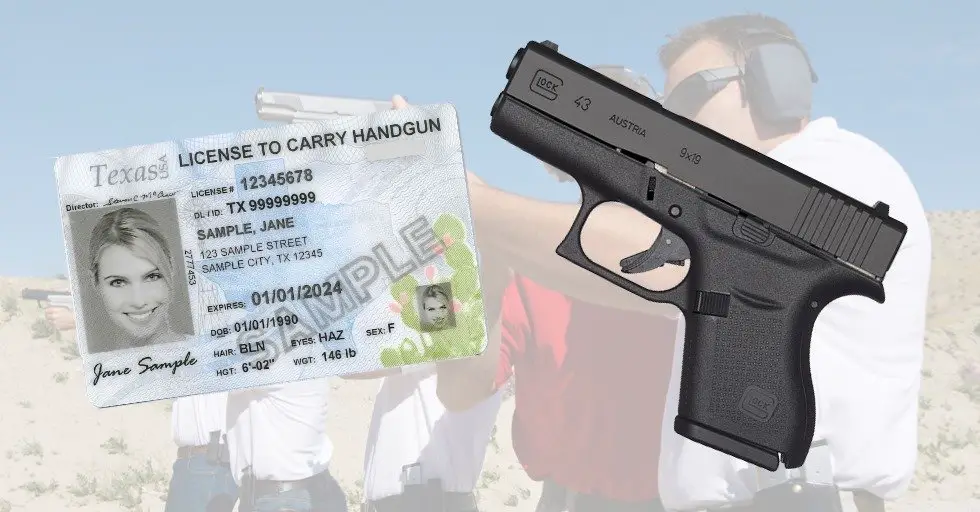
To understand the question Do You Need a Gun License in Texas, it is important to first explain what “permitless carry” actually means. In simple terms, permitless carry—also known as constitutional carry—is a legal framework that allows eligible individuals to carry a handgun in public without first obtaining a state-issued license. This means that, under current Texas law, the act of carrying a handgun is no longer tied to a formal permit for most lawful adults.
The legal foundation for this system is House Bill 1927 (HB 1927), which became effective in 2021. This law significantly restructured Texas firearm regulations by removing the long-standing requirement for a License to Carry (LTC) for eligible individuals. Instead of requiring permission through licensing, Texas now allows qualified adults to carry firearms based on eligibility status rather than a permit card.
Under this system, Texas recognizes that certain individuals may carry a handgun without needing prior licensing, as long as they meet specific legal conditions. However, it is important to understand that this does not mean “no rules.” Permitless carry still operates within strict legal boundaries, and not everyone qualifies automatically.
In Texas, permitless carry applies primarily to handguns. Eligible individuals may carry in two main ways: openly or concealed. Each method has its own expectations and legal considerations.
Open Carry (In Holster)
Open carry in Texas means the handgun is visible to others and must be carried in a holster. The firearm cannot be casually exposed or carried in an unsafe manner. Even though no license is required for eligible individuals, proper holstering remains a legal requirement. This helps ensure safe handling and reduces misunderstandings in public spaces.
Concealed Carry
Concealed carry means the handgun is hidden from plain view, typically under clothing or inside a bag. Under permitless carry laws, eligible individuals can carry concealed without obtaining a License to Carry. However, the same legal responsibilities still apply, including restrictions on where firearms can be carried and how they must be stored and handled.
Basic Requirements for Permitless Carry in Texas
Although a license is not required for most individuals, Texas law still imposes eligibility conditions. These requirements are designed to ensure that only lawful, responsible individuals can carry firearms in public spaces.
- Age requirement: Generally 21 years or older, with limited exceptions under specific conditions.
- Legal firearm possession eligibility: The individual must be legally allowed to own or possess a firearm under both state and federal law.
- No disqualifying criminal history: Individuals with felony convictions or certain misdemeanors may be prohibited.
- Not under legal restrictions: This includes protective orders or other court-imposed firearm restrictions.
These requirements ensure that permitless carry is not an unrestricted system, but rather a restructured approach to firearm regulation focused on eligibility rather than licensing.
In summary, permitless carry in Texas allows qualified individuals to carry handguns without a License to Carry, but it still operates within a framework of legal responsibility and eligibility criteria. Understanding these rules is essential before deciding whether a license is necessary or beneficial.
Do You Need a License to Carry (LTC) in Texas?
The short and direct answer to Do You Need a Gun License in Texas is: No, a License to Carry (LTC) is not required for most people under current Texas law. Since the introduction of permitless carry, eligible adults can legally carry a handgun without applying for or holding a state-issued license.
However, this does not mean that the License to Carry has disappeared or become irrelevant. In fact, the LTC still exists as an optional certification, and many Texans continue to apply for it voluntarily. The reason is simple: while the license is no longer required for basic carry, it still provides additional legal and practical benefits.
Before 2021, the LTC functioned as a mandatory requirement. Anyone who wanted to carry a handgun in public had to complete training, pass a background check, and obtain approval from the state. After HB 1927, this requirement was removed for eligible individuals, shifting Texas into an optional licensing system rather than a mandatory one.
This change created a key distinction: mandatory licensing versus optional licensing. Under the old system, no license meant no legal carry. Under the current system, no license simply means you are operating under permitless carry rules, assuming you meet eligibility requirements.
Why the LTC Still Exists
Even though it is no longer required, the License to Carry continues to be issued by the Texas Department of Public Safety (DPS). It remains relevant because it offers additional legal advantages that permitless carry does not fully provide. For example, LTC holders often benefit from greater reciprocity when traveling to other states and may experience fewer complications in certain restricted environments.
In addition, some individuals prefer the structured training that comes with obtaining an LTC. The process includes education on firearm safety, legal responsibilities, and practical handling. For many, this training adds confidence and clarity when carrying a firearm in public.
Key Difference: Optional vs Mandatory System
The most important concept to understand is the difference between optional and mandatory licensing systems. In a mandatory system, carrying a firearm without a license is illegal. In Texas today, that is no longer the case for eligible individuals. Instead, the LTC operates as an optional credential that enhances legal recognition but is not required for basic carry rights.
This shift is one of the main reasons why so many people ask whether they still need a gun license in Texas. The answer depends entirely on what they want to do and how much legal flexibility or recognition they prefer.
Who Might Still Need or Want an LTC?
Although not required, there are several groups of people who may still choose to obtain a License to Carry in Texas:
- Individuals who frequently travel to other states and want reciprocity benefits.
- People who want formal firearm safety training and legal education.
- Those who prefer additional legal documentation for carrying in sensitive or complex situations.
- Gun owners who want a smoother experience in certain firearm transactions or interactions with law enforcement.
Ultimately, while Texas law no longer requires a license for most individuals to carry a handgun, the LTC remains a valuable option depending on personal needs and lifestyle. Understanding both permitless carry and LTC helps clarify the broader question of firearm legality in Texas and removes much of the confusion surrounding it.
Texas License to Carry (LTC) Explained
Even though Texas has adopted permitless carry, the License to Carry (LTC) still plays an important role in the state’s firearm system. For many readers trying to understand Do You Need a Gun License in Texas, the LTC represents the “traditional” structured pathway for carrying a handgun legally in public. While it is no longer mandatory for most people, it remains a formal state-issued credential with specific legal and practical advantages.
The LTC system continues to be managed by the Texas Department of Public Safety (DPS). It is designed to certify that an individual has completed firearm training, passed a background check, and demonstrated basic knowledge of Texas gun laws. In many ways, it functions as both a safety qualification and a legal documentation tool, even in a state that now allows permitless carry.
What is an LTC?
A License to Carry (LTC) in Texas is an official permit issued by the state that authorizes an individual to carry a handgun in public, either openly or concealed, depending on the law. Before permitless carry was introduced, this license was required for most lawful gun owners who wanted to carry outside their home or vehicle.
The LTC is not simply a registration card. It represents that the holder has passed a structured process, which typically includes:
- Firearm safety training: Classroom or online instruction covering Texas gun laws, safe handling, and legal responsibilities.
- Proficiency demonstration: A shooting qualification test to ensure basic firearm handling ability.
- Background check: A state and federal review to confirm eligibility for firearm possession.
This structured approach is why the LTC is still widely respected, even though it is optional under current law. It provides a documented assurance that the holder has been formally trained and vetted by the state.
Benefits of Having an LTC
Although Texas law no longer requires a License to Carry for most individuals, there are still several practical advantages to obtaining one. These benefits often extend beyond basic legal carry rights and can be especially useful for people who travel, work in regulated environments, or want additional legal protection.
Carry in More Restricted Locations
One of the most important benefits of an LTC is access to certain locations where permitless carry may face more limitations. While Texas law still restricts firearms in many sensitive areas, LTC holders may have more legal flexibility in specific situations, such as certain college campus areas under defined conditions. This does not override all restrictions, but it can reduce limitations in select environments.
Reciprocity with Other States
Another major advantage is reciprocity. Many U.S. states recognize the Texas LTC, meaning a Texas license holder may legally carry in those states under their laws. Permitless carry does not always provide this benefit, especially when traveling across state lines. For frequent travelers, this is one of the strongest reasons to maintain an LTC.
Faster Firearm Purchase Process
In some cases, LTC holders may experience a smoother or faster firearm purchase process. Because the state already has completed a background check for the license, certain administrative steps may be reduced. While this does not eliminate all checks, it can streamline transactions in some retail scenarios.
Legal Advantages in Multi-State Travel
Traveling with firearms across multiple states can quickly become complex due to varying laws. An LTC can simplify this process by serving as recognized documentation in states that honor Texas permits. This reduces confusion and helps ensure compliance when moving between jurisdictions with different firearm regulations.
Overall, the LTC remains a valuable tool for those who want added legal clarity, training, and interstate flexibility, even though it is no longer required for basic carry in Texas.
Who Can Carry Without a License in Texas?
Under current Texas law, many individuals can legally carry a handgun without obtaining a License to Carry. However, this is not universal. The question Do You Need a Gun License in Texas depends heavily on whether a person meets specific eligibility criteria defined under state and federal law. Permitless carry is designed for lawful, responsible individuals—not unrestricted access for everyone.
To legally carry without a license in Texas, a person must meet several key conditions. These requirements are based on both federal firearm laws and Texas Penal Code §46.02, which outlines who is permitted to carry a handgun.
Must Not Be Federally Prohibited from Firearm Possession
The most important requirement is that the individual must be legally allowed to possess a firearm under federal law. This means they cannot fall into categories such as convicted felons, certain domestic violence offenders, or individuals with specific mental health prohibitions recognized by federal statutes.
No Felony Convictions or Disqualifying Criminal History
Individuals with felony convictions are generally prohibited from carrying firearms. Some misdemeanor convictions may also restrict firearm rights depending on the nature of the offense. Texas law carefully aligns with federal standards in this area to ensure public safety.
Not Under Protective Orders
People who are subject to active protective or restraining orders—especially those involving domestic violence or threats—are not allowed to carry firearms legally. This restriction is in place to reduce risk in high-conflict or legally sensitive situations.
Not Intoxicated While Carrying
Even if someone is otherwise eligible, they cannot legally carry a firearm while intoxicated. This includes alcohol or controlled substances that impair judgment. Texas law treats intoxicated carry as a serious offense due to the increased safety risks involved.
Minimum Age Rules and Legal Interpretations
Generally, Texas permitless carry applies to adults aged 21 and older. However, there are limited exceptions for individuals aged 18–20 under specific legal conditions, often tied to military service or other qualifying circumstances. These age-related rules are important when determining eligibility for lawful carry.
Summary of Eligibility Under Texas Penal Code §46.02
In summary, Texas Penal Code §46.02 outlines that eligible individuals must be legally permitted to possess a firearm, not fall under disqualifying criminal or protective categories, and must comply with behavioral restrictions such as avoiding intoxicated carry. When these conditions are met, a person may carry a handgun without a License to Carry under Texas’s permitless carry system.
While the law simplifies access to lawful carry, it still maintains strict boundaries to ensure firearms are carried responsibly and legally. Understanding these requirements is essential for anyone asking whether a gun license is necessary in Texas today.
Where You Cannot Carry a Gun in Texas (Even Without a License)
Understanding Do You Need a Gun License in Texas is not only about whether a permit is required—it is also about where firearms are legally prohibited. Even under Texas’s permitless carry system, there are strict locations where carrying a handgun is illegal. These restrictions apply to both License to Carry (LTC) holders and individuals carrying without a license.
Texas law continues to prioritize safety in sensitive and high-security areas. These restrictions are primarily outlined under Texas Penal Code §46.03, which defines specific “gun-free” or restricted zones. Violating these laws can result in serious criminal charges, including felony-level penalties in some cases.
Schools (K-12 Campuses)
Firearms are strictly prohibited in K-12 school buildings, grounds, and related school functions. This includes elementary, middle, and high schools. Even if an individual is legally allowed to carry under permitless carry rules, entering a school property with a firearm is a serious offense unless specific narrow exceptions apply, such as authorized law enforcement personnel.
Government Courts
Courthouses and court-related offices are also restricted zones. This includes courtrooms, jury areas, and judicial offices. The goal is to maintain safety and order in legal proceedings. Firearms are not permitted inside these areas regardless of licensing status.
Polling Places During Elections
During voting periods, polling locations are designated as firearm-restricted areas. This rule is intended to ensure a safe and neutral environment for voters. Carrying a firearm inside a polling station while elections are active is prohibited under Texas law.
Airports (Secure Areas)
Firearms are not allowed in secure airport zones, particularly those beyond TSA screening checkpoints. While lawful transport of firearms may be permitted in checked baggage under federal rules, carrying inside secure passenger areas is strictly prohibited.
Racetracks
Texas law also prohibits firearms at racetracks where regulated racing events occur. These venues are considered high-density public entertainment areas, and firearms are not allowed regardless of whether an individual has a license or is carrying under permitless carry rules.
Other Restricted Locations Under Texas Penal Code §46.03
In addition to the locations above, Texas law identifies several other restricted areas where firearms are prohibited. These may include government buildings, secured facilities, and other designated sensitive locations. It is important for gun owners to understand that permitless carry does not override these statutory restrictions.
Penalties for Violations (Felony-Level Consequences)
Violating restricted location laws can lead to serious legal consequences. In many cases, unlawfully carrying a firearm in a prohibited area can result in a felony charge. This may include fines, criminal records, and potential imprisonment depending on the severity of the violation and circumstances involved. Texas law treats these offenses seriously to ensure public safety in sensitive environments.
Open Carry vs Concealed Carry in Texas
Another important part of understanding Do You Need a Gun License in Texas is knowing the difference between open carry and concealed carry. Texas law allows both methods under permitless carry, but each comes with specific rules and expectations. The key difference is visibility: open carry means the firearm is visible, while concealed carry means it is hidden from public view.
Open Carry Rules (Must Be in Holster)
Open carry in Texas is legal for eligible individuals, but it must follow strict guidelines. The handgun must be carried in a holster, and it should be securely positioned. The purpose of this rule is to ensure safe handling and reduce accidental exposure or misuse. Open carry is more visible in public, which makes proper holstering especially important.
Concealed Carry Basics
Concealed carry means the firearm is hidden from view, typically under clothing or inside a secure carry bag. Under Texas law, eligible individuals can carry concealed without a license under permitless carry rules. However, the same legal responsibilities still apply, including location restrictions and safe handling practices.
No Requirement to Fully Conceal or Fully Expose
Texas law does not require a firearm to be completely hidden or fully visible at all times. Instead, the law focuses on lawful carry methods and safe storage. A firearm may transition between partial visibility and full concealment depending on movement, clothing, or positioning, as long as it is carried legally and responsibly.
Differences in Signage Enforcement (30.05, 30.06, 30.07 Laws)
Texas uses specific signage laws to regulate firearm access on private property. These include:
- 30.06 signs: Prohibit concealed carry on private property.
- 30.07 signs: Prohibit open carry on private property.
- 30.05 notices: Related to trespassing restrictions, including firearm-related entry rules in certain contexts.
These signs must meet specific legal requirements to be enforceable. If properly displayed, they carry the force of law and must be respected by gun owners.
Property Owner Rights vs State Law
Texas law strongly supports property owner rights when it comes to firearms. Even though the state allows permitless carry, private businesses and property owners can choose to restrict firearms on their premises. This creates a balance between individual carry rights and private property control.
In practice, this means that while the state allows eligible individuals to carry, private entities still have legal authority to set their own rules regarding firearms within their property boundaries.
Private Property Rules & Gun Signs in Texas
Private property regulations are a critical part of understanding Do You Need a Gun License in Texas. Even under permitless carry laws, private businesses and property owners retain the right to control whether firearms are allowed on their premises. This means that lawful carry in Texas is not only governed by state law but also by posted property rules and signage.
Texas has a well-defined signage system that allows property owners to communicate firearm restrictions clearly and legally. These signs are enforceable when properly displayed and must meet specific legal standards to be valid.
Legal Effect of 30.06 Signs (No Concealed Carry)
A 30.06 sign is used by private property owners to prohibit concealed carry of handguns on their premises. For the sign to be legally enforceable, it must meet specific requirements in terms of language, size, and visibility. When properly posted, concealed carry is not allowed inside the property, even under permitless carry rules or with an LTC.
Legal Effect of 30.07 Signs (No Open Carry)
A 30.07 sign specifically prohibits open carry of handguns. Like 30.06 signage, it must meet legal formatting requirements to be valid. If a 30.07 sign is posted, individuals are not allowed to openly carry a handgun on the property, even if they are legally eligible under Texas law.
Legal Effect of 30.05 Trespass Notices
Section 30.05 relates to criminal trespass laws and can include firearm-related restrictions depending on how the notice is posted. While not always specific to firearms alone, it can be used to prohibit entry altogether if conditions are not met. Violating a 30.05 notice may result in trespassing charges.
How Private Businesses Can Restrict Firearms
Private businesses in Texas have the legal authority to prohibit firearms on their property. This is typically done through clear signage or verbal notice. Employees or property owners can request that individuals not carry firearms inside the premises. If the request is not followed, it may lead to removal from the property or legal consequences.
Why Permitless Carry Does NOT Override Property Rights
One of the most important legal principles in Texas gun law is that permitless carry does not override private property rights. While the state allows eligible individuals to carry without a license, it also respects the rights of property owners to set their own rules.
This means that even if someone is legally carrying under state law, they must still comply with private property restrictions. Failure to follow posted signage or owner instructions can result in legal penalties, including trespassing charges.
In summary, Texas firearm law operates on a dual system: state-level carry rights combined with private property authority. Understanding both is essential for anyone carrying a firearm in Texas, whether licensed or unlicensed.
LTC vs Permitless Carry – Key Differences
When discussing Do You Need a Gun License in Texas, one of the most important comparisons is between the License to Carry (LTC) and permitless carry. Both options allow lawful firearm carry in Texas, but they operate under different legal frameworks and offer different benefits. Understanding these differences helps clarify why the LTC still exists even though it is no longer required for most people.
Permitless carry is designed for eligible individuals who meet legal requirements without needing formal licensing. The LTC, on the other hand, is a state-issued certification that demonstrates training, legal awareness, and background verification. The table below breaks down the key differences in a clear and practical way.
| Category | License to Carry (LTC) | Permitless Carry |
|---|---|---|
| Training Requirement | Mandatory firearm safety training and proficiency test required | No formal training required by law (but recommended) |
| Reciprocity with Other States | Recognized by many U.S. states under reciprocity agreements | Generally not recognized outside Texas |
| Legal Protections | May offer stronger legal standing in certain disputes or interactions | Basic legal protection under state carry laws only |
| Firearm Purchase Process | May streamline background check procedures in some cases | No impact on purchase process |
| Access to Restricted Locations | May provide limited access advantages in specific regulated areas | Subject to standard state restrictions only |
In summary, permitless carry provides simplicity, while the LTC provides structure and additional legal flexibility. Neither system removes firearm laws; they simply define different pathways for lawful carry in Texas.
Advantages of Getting a License to Carry (Even If Not Required)
Even though Texas no longer requires a License to Carry for most individuals, many gun owners still choose to obtain one. The reason is simple: the LTC provides added benefits that go beyond basic legal carry rights. For individuals asking Do You Need a Gun License in Texas, the answer may be “no” legally—but “yes” practically, depending on lifestyle and travel habits.
Legal Flexibility When Traveling
One of the strongest advantages of holding an LTC is legal flexibility when traveling outside Texas. Many states recognize Texas LTC permits through reciprocity agreements. This means a Texas LTC holder may legally carry in those states under their local laws. Permitless carry does not always offer this benefit, making the LTC especially useful for interstate travelers.
This flexibility helps reduce legal uncertainty when crossing state borders. Firearm laws vary significantly across the United States, and having a recognized license can simplify compliance and reduce the risk of accidental violations.
Better Awareness of Firearm Laws Through Training
The LTC process includes mandatory training, which covers firearm safety, legal responsibilities, and situational awareness. This structured education helps gun owners better understand where and how they can legally carry a firearm.
While permitless carry does not require training, many individuals choose the LTC route specifically for this educational benefit. It provides clarity on complex legal scenarios that may otherwise be misunderstood.
Easier Interactions in Multi-State Scenarios
When traveling or interacting with law enforcement in different states, an LTC can serve as recognized documentation that confirms legal firearm ownership and training. This can make certain interactions smoother and reduce confusion in jurisdictions that are familiar with concealed carry permits.
Although it does not replace compliance with local laws, it can provide an additional layer of recognition that permitless carry alone does not offer.
Reduced Legal Risk in Ambiguous Situations
Firearm laws are not always straightforward, especially in areas where signage, property rules, or jurisdictional boundaries overlap. In these situations, having an LTC may reduce legal ambiguity because it demonstrates formal training and state approval.
While it does not exempt individuals from following the law, it can be helpful in demonstrating intent to comply with firearm regulations. This added clarity can be valuable in legal or administrative situations where interpretation matters.
Overall, the LTC remains a useful tool for those who want additional structure, training, and interstate flexibility, even though Texas law no longer requires it for basic carry rights.
Common Misconceptions About Texas Gun Laws
Because of major changes in recent years, Texas firearm laws are often misunderstood. The shift to permitless carry has led to confusion about what is and is not legal. When exploring Do You Need a Gun License in Texas, it is important to separate facts from common misconceptions.
“Texas has no rules” → False
One of the most common misconceptions is that Texas has removed all firearm regulations. This is incorrect. While licensing requirements have been reduced for eligible individuals, Texas still enforces strict laws regarding where firearms can be carried, who can possess them, and how they must be handled.
Restricted locations such as schools, courts, and airports remain off-limits, and violations can result in serious criminal penalties.
“No license means no restrictions” → Incorrect
Another misunderstanding is that permitless carry means unlimited freedom to carry anywhere. In reality, permitless carry only removes the licensing requirement—it does not eliminate location-based restrictions or eligibility rules.
Individuals must still follow state and federal laws, including restrictions on prohibited areas and prohibited persons.
“Anyone can carry anywhere” → False
This statement is also incorrect. Even under permitless carry, Texas law clearly defines restricted areas and conditions for lawful carry. Private property owners also have the right to prohibit firearms on their premises using legally recognized signage.
Carrying is allowed only within legal boundaries, not universally in all public or private spaces.
“Permitless carry replaced all gun laws” → Incorrect
Permitless carry did not replace Texas gun laws—it only changed the requirement for obtaining a license. All existing firearm regulations regarding prohibited locations, possession eligibility, and safe handling still apply.
In fact, the legal framework remains layered: state law, federal law, and private property rules all work together to regulate firearm use and possession.
In conclusion, Texas gun laws are more flexible today than in the past, but they are not lawless. Understanding these misconceptions is essential for anyone trying to determine whether a gun license is required or beneficial in Texas.
Step-by-Step: How to Get a Texas LTC (Optional)
Even though the question Do You Need a Gun License in Texas often has a simple legal answer today, many people still choose to obtain a License to Carry (LTC) for added benefits. The process is structured, state-managed, and designed to ensure that applicants understand both firearm safety and Texas gun laws.
Getting an LTC is now optional under Texas’s permitless carry system, but the process remains the same as before. It is handled by the Texas Department of Public Safety (DPS) and includes several clear steps: eligibility verification, training, application submission, background screening, and final approval.
1. Eligibility Requirements
Before applying for a Texas LTC, individuals must meet basic eligibility criteria. These requirements are designed to ensure that applicants are legally allowed to possess and carry firearms under both state and federal law.
Key eligibility requirements include:
- The applicant must be at least 21 years old (with limited exceptions for military members or veterans aged 18+).
- The applicant must be legally eligible to possess a firearm under federal law.
- No felony convictions or certain disqualifying criminal offenses.
- No active restraining or protective orders related to violence or threats.
- No documented substance abuse or recent disqualifying behavior that affects firearm possession rights.
These requirements are reviewed carefully during the background check stage, but applicants are expected to self-assess eligibility before starting the process.
2. Training Course (Online + Range Qualification)
Firearm training is a core part of obtaining a Texas LTC. Unlike permitless carry, which does not require formal instruction, the LTC process ensures that applicants complete structured education on gun safety and legal responsibilities.
The training typically includes two components:
- Classroom or online instruction: Covers Texas firearm laws, use-of-force rules, safe handling practices, and responsibilities of carrying a handgun in public.
- Range qualification: A supervised shooting test where applicants demonstrate basic firearm handling and accuracy skills.
This training helps reduce legal misunderstandings and improves overall safety awareness. Many gun owners value this step because it provides clarity on real-world situations where firearm laws can be complex.
3. Application Through Texas DPS
Once training is completed, applicants must submit their LTC application through the Texas Department of Public Safety (DPS). This is the official state agency responsible for processing firearm licenses.
The application process typically includes:
- Submitting personal identification and residency information.
- Providing proof of completed firearm training.
- Paying the required application fee.
- Submitting fingerprints for identity verification.
All applications are processed through a centralized system to ensure consistency and legal compliance across the state.
4. Background Check Process
The background check is one of the most important stages in obtaining an LTC. It is conducted by both state and federal authorities to ensure the applicant is legally eligible to carry a firearm.
This screening includes:
- Criminal history review at both state and federal levels.
- Verification of any restraining orders or legal restrictions.
- Assessment of mental health-related disqualifications under federal law.
- Cross-checking firearm eligibility databases.
If any disqualifying factors are found, the application will be denied. If everything is clear, the process moves forward to final approval.
5. Issuance Timeline Overview
After successful completion of all requirements, the Texas DPS issues the License to Carry. The timeline can vary depending on application volume and background check complexity, but most applicants receive their license within several weeks.
In general, the process follows this timeline:
- Application submission and fingerprinting: Immediate to 1 week
- Background check review: 2–6 weeks (varies)
- Final approval and issuance: Shortly after clearance
Once issued, the LTC is valid for several years and must be renewed periodically. Renewal typically involves updated verification but is less intensive than the initial application process.
Overall, the LTC process remains structured and regulated, even though it is no longer mandatory for most Texans. Many individuals still choose it for the training, legal clarity, and additional benefits it provides beyond basic permitless carry rights.
Conclusion – Do You Actually Need a Gun License in Texas?
After reviewing Texas firearm laws, the answer to Do You Need a Gun License in Texas is clear: No, most lawful adults do not need a license to carry a handgun in Texas. Since the introduction of House Bill 1927, Texas has adopted a permitless carry system that allows eligible individuals to carry without obtaining a License to Carry (LTC).
This means that for everyday legal carry within Texas, a license is no longer a mandatory requirement. However, this does not mean that firearm laws have been removed. Restrictions on where you can carry, who can carry, and how firearms must be handled still fully apply.
At the same time, the LTC continues to exist as an optional certification. While not required, it remains useful for many gun owners due to its added benefits. These include legal flexibility when traveling to other states, formal firearm training, and smoother navigation of complex legal situations.
Understanding the difference between these two systems is essential:
- Permitless carry = legal right for eligible individuals to carry without a license in Texas.
- License to Carry (LTC) = enhanced privileges, training, and added legal recognition in certain situations.
In practical terms, Texas has moved from a permission-based system to an eligibility-based system. This gives more freedom to responsible gun owners while still maintaining legal structure and public safety boundaries.
Ultimately, whether someone chooses to obtain an LTC depends on personal needs. For many Texans, it is no longer required—but for others, it still offers valuable advantages beyond basic carry rights.
Frequently Asked Questions (FAQ) About Texas Gun Laws & Permitless Carry
1. Do You Need a Gun License in Texas in 2025?
No, most adults in Texas do not need a gun license to carry a handgun in public. Under House Bill 1927, Texas allows “permitless carry,” meaning eligible individuals can carry without obtaining a License to Carry (LTC). However, firearm laws still apply, including restrictions on where guns can be carried and who is legally allowed to possess them.
2. What is permitless carry in Texas?
Permitless carry in Texas allows qualifying individuals to carry a handgun without a license. This system is also called “constitutional carry.” It applies only to people who meet legal requirements such as age, eligibility to possess firearms, and absence of disqualifying criminal history. It does not remove other gun laws or location restrictions.
3. Is the Texas License to Carry (LTC) still required?
No, the LTC is not required for most people. It is now optional. However, many individuals still obtain it because it provides benefits such as reciprocity with other states, formal firearm training, and easier legal recognition in certain situations.
4. What is the minimum age to carry a gun in Texas?
Generally, the minimum age is 21 for permitless carry. However, there are limited exceptions for individuals aged 18–20, such as certain military members or individuals meeting specific legal conditions. Age requirements are strictly enforced under both state and federal law.
5. Can you carry a gun anywhere in Texas without a license?
No. Even under permitless carry, there are many restricted locations such as schools, courts, polling places, and secure airport areas. Private businesses can also prohibit firearms on their property through legally posted signage.
6. What is Texas HB 1927?
House Bill 1927 is the law passed in 2021 that created permitless carry in Texas. It removed the requirement for most adults to obtain a License to Carry before carrying a handgun in public, provided they meet eligibility requirements.
7. Do you still need training to carry a gun in Texas?
No training is required for permitless carry. However, training is required if you want to obtain a License to Carry. Many experts still recommend firearm safety training even if it is not legally required.
8. What is the difference between open carry and concealed carry?
Open carry means the handgun is visible and must be carried in a holster. Concealed carry means the firearm is hidden from view under clothing or in a secure container. Both are legal under permitless carry for eligible individuals.
9. Do you need a background check to carry in Texas?
No separate background check is required for permitless carry. However, individuals must already be legally eligible to possess a firearm under federal and state law, which includes passing background checks during firearm purchases.
10. Can felons carry a gun in Texas?
No. Individuals with felony convictions are generally prohibited from possessing or carrying firearms under both state and federal law unless their rights have been legally restored.
11. Can businesses in Texas ban guns?
Yes. Private businesses can prohibit firearms on their property using legally recognized signage such as 30.06 and 30.07 signs. These restrictions apply even under permitless carry laws.
12. What are 30.06 and 30.07 signs?
30.06 signs prohibit concealed carry, while 30.07 signs prohibit open carry on private property. These signs must meet legal formatting requirements to be enforceable under Texas law.
13. Can you carry in schools in Texas?
No, firearms are generally prohibited in K-12 schools and school grounds. This applies to both licensed and unlicensed carriers, with very limited exceptions for authorized personnel.
14. Can you carry in churches in Texas?
Yes, but churches can choose to prohibit firearms using proper signage. If no restriction is posted, lawful carry may be allowed depending on the situation and eligibility.
15. Can you carry in your car in Texas?
Yes. Texas law allows individuals to carry a handgun in their vehicle if they are legally eligible to possess it. The firearm should be properly secured and not used in a threatening manner.
16. Do you need a permit to buy a gun in Texas?
No permit is required to purchase a firearm in Texas. However, federal background checks are required for purchases from licensed dealers.
17. What is the benefit of having an LTC if it’s not required?
An LTC provides benefits such as reciprocity with other states, formal training, and potential legal advantages in certain situations. It also helps clarify firearm laws for the holder.
18. Does permitless carry work in other states?
No. Permitless carry only applies within Texas. Other states may or may not recognize Texas law, so travelers should check local regulations before carrying a firearm outside Texas.
19. Can you carry a loaded gun in public in Texas?
Yes, eligible individuals may carry a loaded handgun under permitless carry. However, they must follow all legal restrictions regarding location and behavior.
20. What happens if you carry in a restricted area?
Carrying a firearm in a prohibited location can result in criminal charges, including felony-level offenses depending on the situation and location involved.
21. Can you drink alcohol while carrying a gun in Texas?
No. Carrying a firearm while intoxicated is illegal in Texas. This includes alcohol or any substance that impairs judgment or reaction time.
22. Is Texas an open carry state?
Yes. Texas allows open carry of handguns for eligible individuals under permitless carry laws, provided the firearm is carried in a holster.
23. Can you carry a gun in a hospital in Texas?
Hospitals may restrict firearms using proper signage. If signage is posted, carrying is not allowed inside those areas.
24. Do you need to register guns in Texas?
No. Texas does not require firearm registration for privately owned guns.
25. Can police stop you for openly carrying in Texas?
Police may briefly interact with individuals carrying firearms to ensure compliance with the law, but lawful carry alone is not a reason for arrest.
26. What is the penalty for illegal gun carry in Texas?
Penalties vary depending on the violation but can include fines, misdemeanor charges, or felony charges for carrying in restricted areas.
27. Can you carry a gun in bars in Texas?
Bars that earn a certain percentage of revenue from alcohol may prohibit firearms. Carrying in such locations may be illegal if properly posted.
28. Can you carry a gun in schools if you have an LTC?
No, schools remain restricted zones regardless of LTC status, with very limited exceptions for authorized personnel.
29. Is Texas constitutional carry permanent?
Yes, as of current law, permitless carry is active in Texas unless changed by future legislation.
30. Can employers ban guns at work?
Yes, employers can set workplace firearm policies and restrict guns on company property.
31. Do you need a holster for open carry in Texas?
Yes. Texas law requires handguns to be carried in a holster when openly carried.
32. Can you carry a gun in an Uber or Lyft in Texas?
Yes, but drivers may set their own rules. Private ride services can restrict firearms if they choose.
33. Can you carry across state lines with Texas LTC?
Some states recognize Texas LTC under reciprocity agreements, but laws vary, so travelers must check each state’s rules.
34. Can you carry a gun in a courthouse parking lot?
Courthouse rules vary, but generally courthouse buildings are restricted. Parking areas may also be regulated depending on local law.
35. What is the biggest misunderstanding about Texas gun laws?
The biggest misconception is that Texas has no gun rules. In reality, laws still strictly regulate where and how firearms can be carried.
36. Can you carry a gun in a shopping mall in Texas?
Yes, you can carry a gun in a shopping mall in Texas unless the mall has posted legally valid 30.06 (concealed carry) or 30.07 (open carry) signage. If proper signage is displayed, carrying a firearm inside that property becomes prohibited. Always check entrances carefully before entering.
37. Can you carry a gun in a restaurant in Texas?
Yes, most restaurants allow firearms unless they post legal signage restricting them. However, restaurants that derive most of their income from alcohol sales may prohibit firearms entirely. In such cases, carrying inside would be illegal regardless of permit status.
38. Can you carry a gun in a hotel in Texas?
Hotels may allow or restrict firearms depending on their policy. If a hotel posts proper legal signage, firearms are not allowed in restricted areas. Guests must follow property rules in addition to state law.
39. Can you carry a gun in a park in Texas?
Generally, yes, public parks allow firearm carry unless otherwise restricted by specific local rules or events. However, certain city or county parks may have temporary restrictions, especially during public gatherings or special events.
40. Can you carry a gun in government buildings in Texas?
Most government buildings are restricted zones for firearms. This includes administrative offices, courts, and secure facilities. Even licensed carriers or permitless carriers cannot bring firearms into these locations.
41. Do you need to inform police if you are carrying in Texas?
No, Texas law does not require you to proactively inform law enforcement that you are carrying a firearm. However, if an officer asks during a lawful stop, you may be required to provide information depending on the situation and whether you have an LTC.
42. Can you carry a gun while hiking in Texas?
Yes, individuals can generally carry a firearm while hiking in Texas if they are legally eligible. However, private parks or federally controlled lands may have separate restrictions that must be followed.
43. Can you carry a gun in national parks in Texas?
Firearm rules in national parks follow both federal and state regulations. Generally, firearms may be carried in accordance with state law, but specific federal restrictions apply in certain areas like federal buildings or visitor centers.
44. Can you carry a gun in a bank in Texas?
Yes, banks are private property and may allow or prohibit firearms. If a bank posts legally valid 30.06 or 30.07 signage, carrying is prohibited inside the premises.
45. What happens if you accidentally enter a restricted gun area?
If someone unknowingly enters a restricted firearm area, penalties may vary depending on intent and circumstances. In some cases, leaving immediately after being notified may reduce legal consequences, but violations can still lead to charges.
46. Can you carry a gun in Texas if you are from another state?
Yes, visitors may carry a firearm in Texas if they are legally allowed to possess one under federal law. However, Texas laws apply within the state, and out-of-state permits may not be necessary under permitless carry rules.
47. Can you carry a gun in a bar parking lot?
Parking lot rules can differ from indoor premises. While some bars prohibit firearms inside, parking areas may not always be restricted unless specifically posted or regulated by local law.
48. Can you carry a gun at work in Texas?
Employers can set workplace policies regarding firearms. If a company prohibits guns, employees must follow those rules even if Texas law allows general carry.
49. What is the safest way to carry a gun in Texas?
The safest way depends on training, awareness, and proper equipment. Most experts recommend using a secure holster, maintaining trigger discipline, and understanding legal restrictions. Safe carry also includes avoiding prohibited areas and following storage best practices.
50. Is Texas a “gun-free-for-all” state now?
No. Texas is not a “gun-free-for-all” state. While permitless carry allows eligible individuals to carry without a license, strict laws still regulate possession, location restrictions, behavior, and private property rights. Responsible carry and legal awareness remain essential at all times.
Read more: