
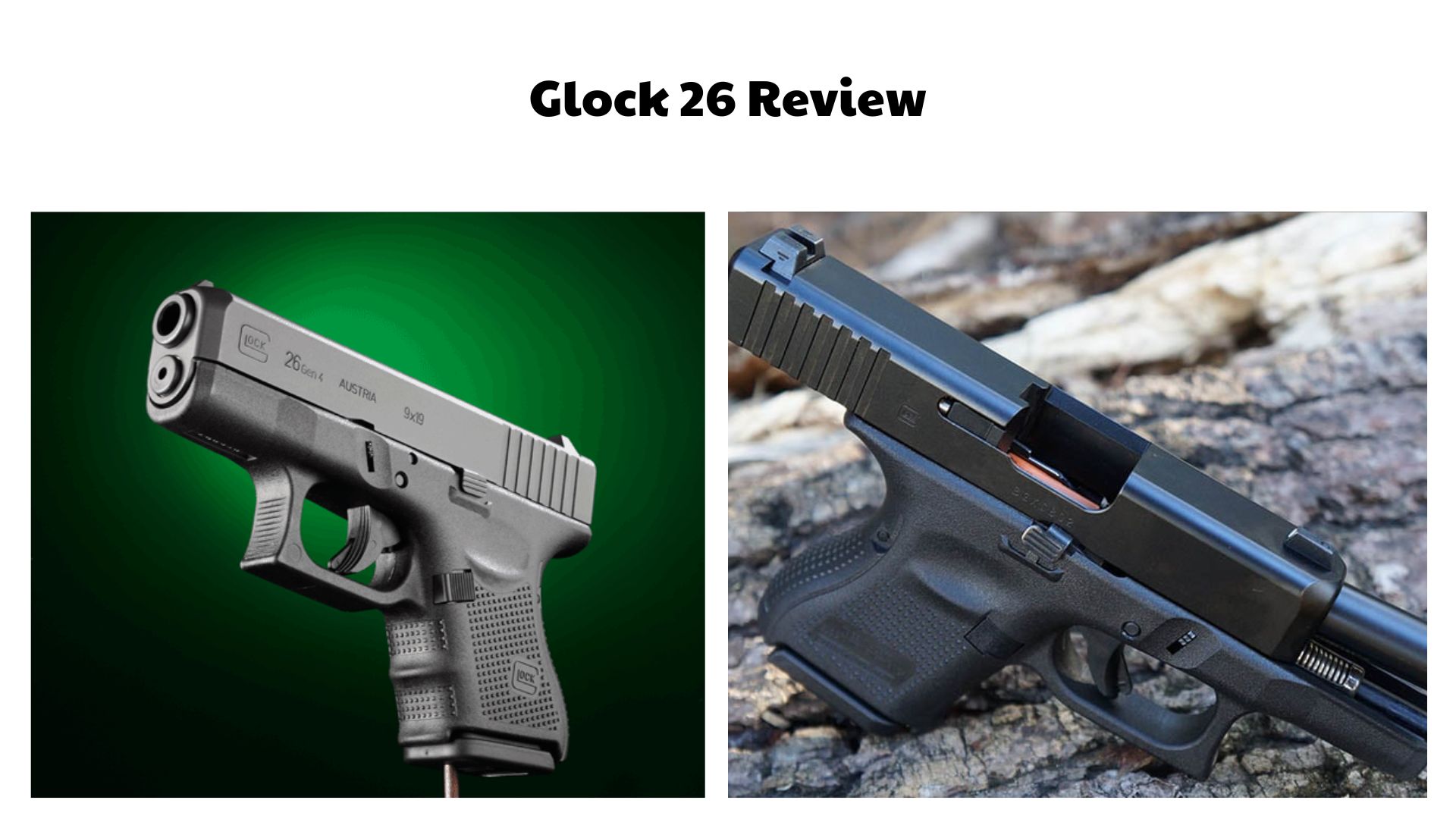

The Glock 26 is widely regarded as one of the most successful subcompact 9mm pistols ever produced. Since its introduction in the mid-1990s, this compact handgun has earned a reputation for reliability, durability, and excellent concealed carry performance. Built by Glock, the Glock 26 was specifically designed for users who wanted a smaller firearm that still maintained the trusted performance of a full-sized duty pistol. Over the years, it has become a favorite among civilian concealed carriers, law enforcement officers, and armed professionals around the world.
Despite the rise of newer micro-compact pistols with slimmer frames and higher magazine capacities, the Glock 26 continues to remain highly relevant in the concealed carry market. Many shooters still prefer it because of its proven track record, soft shooting characteristics for its size, and compatibility with larger Glock magazines. While modern competitors may offer thinner profiles, the Glock 26 provides a balance of concealability, shootability, and reliability that many compact handguns struggle to match.
One of the biggest reasons for the Glock 26’s continued popularity is its versatility. The pistol is small enough for everyday concealed carry, yet large enough to shoot comfortably during extended range sessions. It also accepts magazines from larger Glock models such as the Glock 19 and Glock 17, giving owners additional flexibility for defensive use and training. Combined with Glock’s legendary reliability, this versatility has helped the firearm maintain its position as a trusted carry gun for decades.
The Glock 26 is often affectionately referred to as the “Baby Glock,” a nickname that reflects both its compact dimensions and its close relationship to the larger Glock pistol lineup. Although smaller in size, the pistol still delivers the same Safe Action system, rugged polymer construction, and dependable performance that made Glock famous worldwide. Its popularity extends beyond civilian ownership, as many law enforcement officers have used the Glock 26 as a backup weapon or off-duty carry firearm for years.
What Is the Glock 26?
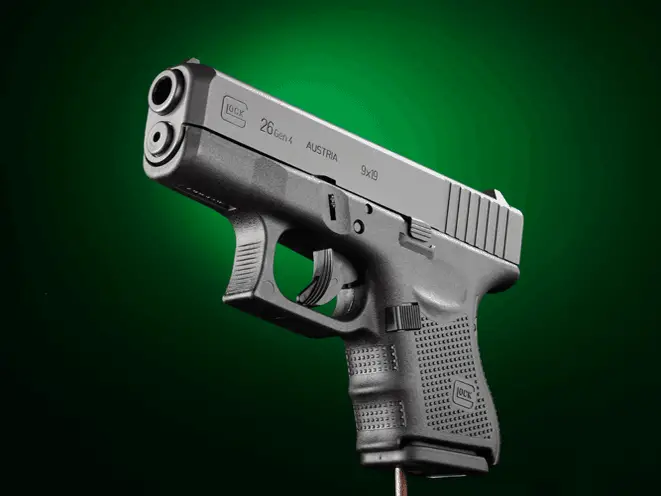
The Glock 26 is a subcompact semi-automatic pistol chambered in 9mm Luger. It was engineered to provide maximum concealability while retaining the reliability and firepower expected from a defensive handgun. As part of Glock’s double-stack pistol lineup, the Glock 26 offers a higher ammunition capacity than many slim single-stack pistols while remaining compact enough for comfortable concealed carry.
Designed primarily for personal defense, the Glock 26 features a short barrel, compact grip, and lightweight polymer frame. Its dimensions make it ideal for inside-the-waistband carry, appendix carry, and even ankle carry for some users. Although small, the pistol maintains impressive accuracy and controllability thanks to Glock’s consistent trigger system and low bore axis design.
Another defining feature of the Glock 26 is its magazine compatibility. Owners can use standard 10-round magazines or insert larger Glock 19, Glock 17, and even extended magazines for increased capacity. This flexibility makes the Glock 26 one of the most adaptable concealed carry pistols available today.
History of the Glock 26
The Glock 26 was first introduced in 1995 as Glock’s answer to the growing demand for compact concealed carry handguns. During this period, many shooters wanted a firearm that was easier to conceal than a full-sized duty pistol but still offered respectable magazine capacity and reliability. Glock responded by creating a smaller version of its proven double-stack 9mm platform.
From the beginning, the Glock 26 was designed specifically for concealed carry and backup duty use. Law enforcement officers quickly adopted it as a secondary firearm due to its compact size and compatibility with duty magazines. Civilians also embraced the pistol because it offered a strong balance between concealment and shootability. Unlike many small handguns of the era, the Glock 26 remained relatively easy to control while still carrying ten rounds of 9mm ammunition.
Over the years, the Glock 26 evolved through multiple generations, with each version bringing important improvements. The Gen3 models became extremely popular due to their simplicity and reliability. Later, the Gen4 introduced interchangeable backstraps, improved grip texture, and a dual recoil spring assembly designed to reduce recoil and improve durability. The most recent Gen5 models further refined the platform with upgraded ergonomics, enhanced triggers, and improved barrel design.
The Glock 26 also played a major role in defining the modern subcompact handgun category. Before the rise of micro-compacts, it set the standard for what a concealed carry pistol could be. Many competing manufacturers later developed similar double-stack subcompact pistols in response to the Glock 26’s success. Even decades after its release, the firearm remains one of the benchmarks against which other concealed carry handguns are measured.
Glock 26 Generations Explained
As the concealed carry market evolved, Glock continuously updated the Glock 26 to improve performance, ergonomics, and reliability. Each generation introduced new features while maintaining the core characteristics that made the pistol so popular.
Glock 26 Gen 3
The Gen3 Glock 26 became one of the company’s most iconic concealed carry pistols. It featured finger grooves on the grip, an accessory rail-free frame, and Glock’s original Safe Action trigger system. Many shooters appreciated the simplicity, reliability, and enormous aftermarket support available for Gen3 pistols.
This generation gained widespread popularity among both civilians and law enforcement officers. Its proven durability and ease of maintenance helped establish the Glock 26 as a dependable everyday carry firearm.
Glock 26 Gen 4
The Gen4 Glock 26 introduced several important upgrades aimed at improving comfort and control. One of the most notable additions was the modular backstrap system, which allowed shooters to customize grip size according to hand dimensions. Glock also added a more aggressive grip texture for improved handling during rapid fire or adverse conditions.
Another major improvement was the dual recoil spring assembly. This system helped reduce felt recoil and extended the lifespan of internal components. The Gen4 also featured a reversible magazine release, making the pistol more user-friendly for left-handed shooters.
Glock 26 Gen 5
The Gen5 Glock 26 represents the most refined version of the platform so far. One of the biggest changes was the removal of the finger grooves found on previous generations. Many shooters considered this a major ergonomic improvement because it allowed for a more natural grip across different hand sizes.
The Gen5 also introduced an improved trigger system with a smoother pull and cleaner break. Glock enhanced internal components for greater durability and reliability while adding ambidextrous slide stop controls for better usability by both right-handed and left-handed shooters.
Another major upgrade was the addition of the Glock Marksman Barrel (GMB). This redesigned barrel features enhanced rifling and crown geometry intended to improve accuracy, especially at longer defensive distances. Combined with updated ergonomics and improved controls, the Gen5 Glock 26 is widely considered the most advanced version of the pistol to date.
Across all generations, the Glock 26 has remained true to its original purpose: providing a compact, reliable, and highly effective concealed carry handgun that performs well in real-world defensive situations.
Glock 26 Specifications
Technical Specs Overview
The Glock 26 is chambered in 9mm Luger, one of the most popular and widely used handgun calibers in the world. The 9mm cartridge offers an excellent balance between recoil management, magazine capacity, affordability, and defensive performance. Because of this, the Glock 26 has become a trusted choice for concealed carry users, law enforcement officers, and personal defense enthusiasts who want a compact firearm without sacrificing practical stopping power.
The pistol features a barrel length of approximately 3.43 inches, which helps maintain a compact overall profile while still providing respectable ballistic performance. Although shorter than duty-sized handguns, the Glock 26 barrel is capable of delivering reliable accuracy and consistent velocity with modern defensive ammunition. The compact barrel length also makes the firearm easier to conceal inside the waistband or under lighter clothing.
In terms of overall dimensions, the Glock 26 measures roughly 6.5 inches in total length. Its height is approximately 4.17 inches with a flush-fit magazine inserted, while the width is around 1.26 inches. These dimensions place the pistol in the subcompact category, allowing it to remain highly concealable without becoming excessively small or difficult to control during rapid fire.
The Glock 26 is relatively lightweight thanks to its polymer frame construction. Unloaded, the pistol weighs around 21.7 ounces, while a fully loaded magazine increases total weight to approximately 26 ounces depending on ammunition type. This balance between durability and manageable weight contributes significantly to its popularity as an everyday carry handgun.
One of the defining features of the Glock 26 is its double-stack magazine design. Standard factory magazines typically hold 10 rounds of 9mm ammunition, though users can also utilize larger Glock 19 or Glock 17 magazines for increased capacity. This flexibility allows the Glock 26 to serve multiple defensive roles while maintaining compact dimensions for concealed carry.
The pistol uses Glock’s well-known Safe Action trigger system, which incorporates internal safeties without requiring an external manual safety lever. This system provides a consistent trigger pull from the first shot to the last, simplifying operation under stress and improving overall shooting consistency for many users.
Another important specification is the sight radius, which measures approximately 5.39 inches. Although shorter than full-sized handguns, the Glock 26 still provides enough sight radius for effective defensive accuracy at common engagement distances. Combined with Glock’s low bore axis and ergonomic grip angle, the pistol remains controllable and practical despite its compact size.
Glock 26 Dimensions and Concealability
One of the primary reasons shooters choose the Glock 26 is its excellent balance between concealability and shootability. The pistol’s compact footprint allows it to disappear more easily under clothing compared to larger compact or duty-sized handguns. This makes it particularly attractive for concealed carriers who prioritize discretion and comfort during daily use.
The short grip design plays a major role in the Glock 26’s concealment advantages. In many cases, the grip is the part of a handgun most likely to print through clothing. Because the Glock 26 features a reduced grip height, it tends to remain hidden more effectively under t-shirts, jackets, or lightweight garments. This is especially useful for appendix carry or inside-the-waistband carry setups where minimizing printing is critical.
Compared to modern micro-compact pistols, the Glock 26 is slightly thicker due to its double-stack design. However, many shooters find that the additional width contributes positively to recoil control and overall comfort during extended shooting sessions. While slimmer firearms may conceal more easily in certain situations, the Glock 26 often provides a more stable shooting platform and improved magazine compatibility.
Printing considerations are important for anyone carrying concealed daily, and the Glock 26 performs well in this area for most body types. Proper holster selection, belt support, and clothing choice can significantly reduce visibility. Many users appreciate that the Glock 26 offers enough grip surface for confident handling while still remaining compact enough for discreet carry throughout the day.
First Impressions of the Glock 26
Grip and Ergonomics
One of the first things shooters notice when handling the Glock 26 is its abbreviated grip length. For individuals with smaller hands, the compact grip often feels natural and easy to control. Shooters with larger hands, however, may find that their pinky finger hangs below the magazine baseplate when using flush-fit magazines. Despite this, many users still find the pistol surprisingly comfortable due to Glock’s grip angle and balanced weight distribution.
Magazine extensions are a popular solution for improving comfort and control. By adding a pinky extension or extended baseplate, shooters can achieve a fuller grip without significantly increasing overall concealment difficulty. Many Glock 26 owners consider grip extensions one of the best upgrades for improving shooting confidence during rapid-fire drills or longer range sessions.
Grip texture quality varies slightly between generations, but modern Glock 26 models generally feature aggressive enough texturing to provide a secure hold without becoming uncomfortable during concealed carry. The Gen4 and Gen5 models in particular introduced improved textures that enhance traction in wet or sweaty conditions while remaining manageable against the skin.
The overall frame design remains simple and highly functional. Glock’s minimalistic control layout includes a slide stop lever, magazine release, and trigger safety system without unnecessary external controls. Many users appreciate this straightforward design because it reduces complexity and promotes consistent handling under stress.
Build Quality and Durability
The Glock 26 is widely respected for its robust construction and long-term durability. Like other Glock pistols, it uses a high-strength polymer frame that resists corrosion, impact damage, and harsh environmental conditions. This lightweight frame contributes to comfortable concealed carry while maintaining the structural integrity needed for high round counts and defensive reliability.
The steel slide is treated with a durable finish designed to resist wear, moisture, and surface corrosion. Even after years of regular use, many Glock 26 pistols continue functioning reliably with only minimal cosmetic wear. This reputation for durability is one of the reasons why Glock firearms are commonly trusted by military personnel, police officers, and armed civilians worldwide.
Another defining feature is the Glock Safe Action system. Instead of relying on an external manual safety, the pistol incorporates multiple internal safeties that automatically disengage when the trigger is pulled and re-engage when the trigger resets. This design helps simplify operation while maintaining a high level of safety for defensive carry.
The Glock 26 has earned a reputation for long-term reliability and toughness through decades of real-world use. Many owners report firing thousands of rounds with minimal maintenance and few malfunctions. Its ability to perform consistently under adverse conditions has helped solidify its place as one of the most dependable concealed carry pistols ever produced.
Trigger Feel
The Glock 26 uses the company’s Safe Action trigger system, which provides a consistent trigger pull for every shot. Unlike traditional double-action/single-action pistols that change trigger weight between shots, the Glock trigger remains uniform throughout the firing cycle. This consistency can help shooters build muscle memory and improve accuracy with practice.
Most factory Glock 26 triggers have a pull weight of approximately 5.5 pounds. The trigger typically features a noticeable take-up followed by a defined wall and a relatively crisp break. While some shooters may prefer lighter or smoother aftermarket triggers, many appreciate the factory trigger’s balance between safety and practical defensive performance.
One of the strongest characteristics of the Glock trigger system is its short and tactile reset. The reset is easy to feel and hear, allowing shooters to fire follow-up shots quickly and efficiently. This feature contributes significantly to the Glock 26’s reputation as a controllable and fast-shooting defensive handgun.
Despite its strengths, the factory trigger is not without criticism. Some users describe the trigger feel as somewhat spongy compared to premium striker-fired pistols or custom-tuned systems. Others feel the trigger shoe design lacks refinement. However, many concealed carriers consider the standard Glock trigger more than adequate for defensive use, especially given the pistol’s reliability and simplicity.
Glock 26 Performance Review
Accuracy at Defensive Distances
The Glock 26 delivers impressive accuracy for a pistol in the subcompact category. Although it was primarily designed for concealed carry and defensive use, the firearm is capable of producing tight groupings at common self-defense distances. Most shooters find the Glock 26 highly effective at ranges between 7 and 15 yards, which are considered the most realistic engagement distances for civilian defensive scenarios.
At close range, the pistol offers fast target acquisition and consistent shot placement. The combination of Glock’s low bore axis, manageable trigger system, and ergonomic grip angle helps users maintain control during rapid follow-up shots. Even less experienced shooters often discover that the Glock 26 is easier to shoot accurately than many smaller pocket pistols due to its balanced design and double-stack frame.
Practical self-defense accuracy is one of the strongest characteristics of the Glock 26. While it may not deliver the same precision as a full-sized competition handgun, it performs exceptionally well for a compact defensive firearm. Shooters can confidently engage torso-sized targets at defensive distances with reliable consistency, making the pistol well-suited for personal protection applications.
The shorter sight radius does create some limitations compared to larger Glock pistols such as the Glock 19 or Glock 17. A reduced sight radius can make precise aiming slightly more difficult at extended distances, especially for shooters with limited experience. However, many owners find that these limitations are relatively minor within realistic defensive shooting ranges.
When compared to larger Glock models, the Glock 26 remains surprisingly capable. Although full-sized pistols generally offer slightly improved stability and longer sight alignment, the Glock 26 still performs exceptionally well for its size. Many shooters are impressed by how accurately the pistol shoots despite its abbreviated grip and shorter barrel length.
Recoil and Shootability
Because of its compact size and lighter weight, the Glock 26 produces slightly snappier recoil than larger compact or full-sized 9mm pistols. The shorter grip and reduced mass allow shooters to feel more movement during firing, especially when using higher-pressure defensive ammunition. However, most users still consider the recoil highly manageable and far less harsh than many ultra-light pocket pistols.
One factor that helps improve recoil control is Glock’s dual recoil spring assembly, particularly in newer generations of the pistol. This system was designed to reduce felt recoil, increase durability, and improve cycling reliability. Many shooters report that the dual spring setup helps soften the recoil impulse and provides smoother slide operation during rapid fire.
Muzzle flip management is generally excellent for a firearm of this size. The Glock 26’s low bore axis helps reduce upward movement during recoil, allowing shooters to return the sights to the target quickly. Combined with the pistol’s textured grip and predictable trigger reset, this contributes to fast and accurate follow-up shots during defensive drills or training sessions.
One of the most common compliments about the Glock 26 is that it “shoots bigger than it looks.” Despite its compact dimensions, the pistol often feels more controllable and stable than many modern micro-compacts. The slightly thicker frame and double-stack design provide additional grip surface and weight, helping shooters maintain confidence and comfort during extended range sessions.
Reliability and Ammo Compatibility
Reliability is one of the biggest reasons the Glock 26 has remained popular for decades. Like other Glock pistols, the firearm has built a reputation for functioning consistently under demanding conditions. Whether used for concealed carry, law enforcement backup duty, or regular range practice, the Glock 26 is widely recognized for dependable operation.
The pistol feeds a wide range of ammunition types with excellent reliability. Standard full metal jacket (FMJ) ammunition cycles smoothly during training sessions, while modern hollow-point defensive rounds are generally handled without issue. Many owners trust the Glock 26 with premium defensive loads because of its long-standing reputation for dependable feeding and extraction.
Another strength of the Glock 26 is its ability to maintain reliability even after high round counts. Numerous users report firing thousands of rounds through the pistol with minimal cleaning and few malfunctions. This durability has made the firearm especially appealing for shooters who value simplicity and long-term performance in a defensive handgun.
The Glock 26 also performs well with a variety of defensive ammunition loads. From lightweight high-velocity rounds to heavier hollow-point projectiles, the pistol typically cycles reliably while maintaining solid accuracy. This flexibility allows owners to test and choose defensive ammunition based on personal preference without significant concerns about compatibility.
Glock’s overall reputation for dependability further strengthens confidence in the Glock 26 platform. The pistol has been used extensively by civilians, police officers, and professional users worldwide, earning a proven track record for reliability under real-world conditions. For many concealed carriers, this reputation alone is one of the primary reasons for choosing the Glock 26 over competing subcompact handguns.
Glock 26 for Concealed Carry
Why the Glock 26 Is Popular for EDC
The Glock 26 has long been considered one of the best everyday carry pistols because it successfully balances compact dimensions with respectable magazine capacity. Unlike many slim single-stack handguns, the Glock 26 offers a double-stack design that allows users to carry more ammunition without dramatically increasing overall size. This balance between firepower and concealability has helped the pistol remain popular for decades.
Another major advantage is how easy the Glock 26 is to carry in an appendix inside-the-waistband setup. Its shorter barrel and compact grip reduce discomfort when sitting, bending, or moving throughout the day. Many concealed carriers appreciate that the firearm remains comfortable for extended wear while still offering strong defensive capability.
Comfort during all-day carry is one of the Glock 26’s strongest selling points. The pistol is lightweight enough to avoid excessive fatigue while still heavy enough to control recoil effectively. Combined with a quality holster and sturdy gun belt, the Glock 26 can be carried discreetly for long periods without becoming overly cumbersome.
The firearm is also widely respected as a backup gun for law enforcement officers. Its magazine compatibility with larger Glock duty pistols allows officers to share magazines between primary and backup firearms. This practical advantage, combined with Glock’s reputation for reliability, has made the Glock 26 a trusted secondary weapon among professionals for many years.
Concealment Advantages
One of the biggest advantages of the Glock 26 is its ability to conceal effectively under a wide range of clothing styles. The reduced grip height helps minimize printing, which is often the most noticeable part of a concealed handgun. Many users find that the Glock 26 disappears more easily under t-shirts, hoodies, or light jackets compared to larger compact pistols.
For some concealed carriers, the Glock 26 actually conceals better than the Glock 19 despite the two pistols sharing similar thickness. The shorter grip length significantly reduces the chance of the firearm printing through clothing during movement or bending. This makes the Glock 26 particularly appealing for individuals who prioritize discretion in daily carry situations.
The pistol is also highly effective for summer carry when lighter clothing makes concealment more difficult. During hot weather, many shooters prefer the Glock 26 because it remains compact enough to hide comfortably under thinner garments without sacrificing magazine capacity or reliability.
Carry Comfort and Holster Options
IWB Carry
Inside-the-waistband (IWB) carry is one of the most common methods for carrying the Glock 26. The compact dimensions of the pistol allow it to sit comfortably close to the body while remaining highly concealable. Many users prefer strong-side IWB carry because it balances accessibility, comfort, and concealment effectively.
Appendix Carry
Appendix carry has become increasingly popular among Glock 26 owners due to the pistol’s short barrel and reduced grip length. The compact design helps minimize discomfort while sitting and improves concealment at the front of the waistband. Many concealed carriers find the Glock 26 ideal for appendix carry because it combines rapid access with excellent concealability.
Pocket Carry Possibilities
Although slightly larger than many dedicated pocket pistols, the Glock 26 can still work for pocket carry in certain situations. Loose-fitting pants or cargo shorts may provide enough space for comfortable carry using a proper pocket holster. However, some users may find the pistol slightly bulky for consistent pocket carry compared to slimmer micro-compacts.
Holster selection plays a major role in overall carry comfort. Popular holster styles for the Glock 26 include Kydex IWB holsters, hybrid holsters, appendix rigs, and leather concealment holsters. Many owners prefer minimalist holster designs that reduce bulk while maintaining secure retention and safe trigger protection.
Comfort considerations often depend on body type, carry position, and daily activity levels. Because the Glock 26 features a thicker double-stack frame, some users may notice slightly more bulk compared to slimline pistols. However, the added thickness also contributes to improved recoil management and a more secure grip during shooting.
Weight distribution is another important factor. The Glock 26’s compact slide and balanced frame help distribute weight evenly during concealed carry. When paired with a quality belt and properly fitted holster, the pistol remains stable and comfortable throughout daily movement, making it one of the most practical subcompact carry guns available today.
Glock 26 Magazine Compatibility
Standard Capacity
The Glock 26 comes standard with factory 10-round magazines, which provide an excellent balance between concealability and firepower. This double-stack magazine design allows the pistol to carry more ammunition than many slim single-stack concealed carry pistols while still maintaining compact dimensions suitable for everyday carry. For many users, the 10-round capacity is more than adequate for personal defense situations.
Factory Glock magazines are widely respected for their durability and reliability. Constructed with a reinforced polymer body and steel internal lining, these magazines are designed to withstand repeated use, drops, and harsh conditions without compromising feeding performance. Many Glock owners prefer factory magazines specifically because of their proven dependability during defensive use and high-volume training.
Magazine extensions and pinky rests are extremely popular upgrades for the Glock 26. Because the compact grip can leave the shooter’s pinky finger unsupported, many users install extended base plates that provide additional grip surface without dramatically increasing overall size. These accessories often improve comfort, recoil control, and shooting confidence while maintaining good concealment characteristics.
Some magazine extensions also increase ammunition capacity by adding extra rounds to the standard magazine. Depending on the design, shooters can gain additional capacity while still keeping the pistol compact enough for concealed carry. This flexibility allows users to customize the Glock 26 according to their specific carry preferences and comfort requirements.
Using Glock 19 and Glock 17 Magazines
One of the biggest advantages of owning a Glock 26 is its compatibility with larger Glock magazines. The pistol can accept magazines designed for the Glock 19, Glock 17, and even extended-capacity Glock magazines. This cross-compatibility gives the Glock 26 a level of versatility that many competing concealed carry pistols cannot match.
Using Glock 19 magazines increases capacity while still maintaining a relatively compact setup. Glock 17 magazines offer even more ammunition capacity, making them useful for home defense, spare carry magazines, or range training sessions. Many concealed carriers choose to carry a flush-fit 10-round magazine inside the pistol while keeping a higher-capacity Glock 19 or Glock 17 magazine as a reload.
The ability to share magazines between multiple Glock models is especially valuable for shooters who already own other Glock pistols. This compatibility simplifies logistics, training, and magazine purchasing while providing greater flexibility in defensive scenarios. Law enforcement officers also benefit from the ability to use duty magazines in a backup Glock 26 if necessary.
Extended-capacity magazines can significantly improve the Glock 26’s role as a defensive firearm. While the pistol is primarily designed for concealment, the option to quickly increase ammunition capacity gives users added confidence in emergency situations. This adaptability is one of the major reasons why the Glock 26 remains highly respected among concealed carriers and professional users alike.
Aftermarket Magazine Options
In addition to factory magazines, there are numerous aftermarket magazine options available for the Glock 26. Various manufacturers produce magazines with increased capacity, enhanced base plates, or alternative designs intended to improve ergonomics and functionality. These aftermarket products can offer additional customization opportunities for Glock owners who want to tailor their pistol to specific needs.
Despite the availability of aftermarket options, many experienced shooters continue to recommend OEM Glock magazines for defensive use. Factory magazines have a long-standing reputation for reliability and are generally considered the safest choice for concealed carry or duty applications. While some aftermarket magazines perform very well, others may produce inconsistent feeding or durability issues under heavy use.
Reliability considerations are especially important when selecting magazines for personal defense. A magazine malfunction can render even the most reliable handgun ineffective. Because of this, many Glock 26 owners thoroughly test any aftermarket magazine before relying on it for concealed carry. Careful evaluation of spring quality, follower design, and feeding consistency is essential when considering non-OEM options.
Glock 26 Pros and Cons
Major Advantages
One of the greatest strengths of the Glock 26 is its legendary reliability. Like most Glock pistols, the firearm has built a reputation for dependable operation under harsh conditions and extended use. Many owners report firing thousands of rounds with minimal maintenance and very few malfunctions, making the Glock 26 one of the most trusted concealed carry pistols available.
Excellent concealability is another major advantage. The compact frame and shortened grip allow the pistol to hide effectively under a variety of clothing styles. Compared to larger compact pistols, the Glock 26 often prints less and feels more comfortable during daily carry, especially in warm weather or lighter clothing conditions.
Magazine compatibility further enhances the pistol’s versatility. The ability to use Glock 19 and Glock 17 magazines gives users access to increased ammunition capacity and greater flexibility during training or defensive use. This compatibility is particularly valuable for shooters already invested in the Glock ecosystem.
Another reason for the Glock 26’s popularity is its massive aftermarket support. Owners can easily customize the pistol with upgraded sights, triggers, magazine extensions, optics cuts, and countless other accessories. The widespread availability of parts and upgrades allows shooters to personalize the firearm according to their preferences.
Maintenance is also extremely simple. The Glock 26 field strips quickly without requiring special tools, and its internal design is straightforward and durable. This ease of maintenance appeals to both experienced firearm owners and beginners who want a dependable defensive handgun without excessive complexity.
Finally, the Glock 26 has a proven record of defensive performance. Its reliability, controllability, and consistent trigger system have helped make it a trusted option for civilians, off-duty officers, and professional users around the world. Even after decades on the market, it remains one of the most respected subcompact pistols ever produced.
Main Drawbacks
Despite its many strengths, the Glock 26 does have several drawbacks that some shooters may notice immediately. One of the most common complaints involves the short grip. Shooters with larger hands may struggle to achieve a full firing grip when using flush-fit magazines, which can slightly affect comfort and recoil control during rapid fire.
The pistol also produces somewhat snappier recoil compared to larger compact handguns like the Glock 19. Although the recoil is manageable for most users, the lighter frame and shorter grip allow more movement during firing. New shooters or individuals sensitive to recoil may prefer a slightly larger pistol for easier control.
Another criticism concerns the factory sights. Standard Glock polymer sights are functional but relatively basic compared to aftermarket steel or night sight options. Many owners choose to upgrade the sights shortly after purchasing the pistol to improve durability and target visibility.
Compared to slimline concealed carry pistols, the Glock 26 is also somewhat thick due to its double-stack magazine design. While this added width improves shootability and magazine capacity, some users may find slimmer firearms more comfortable for deep concealment or pocket carry.
Finally, the Glock 26 offers lower factory capacity than some modern micro-compact pistols. Recent concealed carry handguns such as the SIG Sauer P365 and Springfield Hellcat provide higher capacities in similarly compact packages. Although the Glock 26 compensates with proven reliability and magazine compatibility, capacity-conscious buyers may prefer newer designs.
Glock 26 vs Competitors
Glock 26 vs Glock 19
The Glock 26 and Glock 19 share many similarities, but they are designed for slightly different purposes. The Glock 19 is larger, offering a longer grip, longer barrel, and increased sight radius. This makes the Glock 19 generally easier to shoot accurately during extended range sessions or rapid-fire drills. However, the additional size also makes it more difficult to conceal for some users.
The Glock 26 excels in concealability thanks to its shorter grip and compact frame. Many concealed carriers find it easier to hide under light clothing or during appendix carry. The reduced dimensions make it especially attractive for users prioritizing discretion and comfort throughout the day.
Capacity differences also play a role. The Glock 19 typically ships with 15-round magazines, while the Glock 26 uses standard 10-round magazines. However, the Glock 26 can still utilize Glock 19 magazines, partially reducing the capacity disadvantage.
In terms of shootability, the Glock 19 generally feels softer shooting and more stable because of its larger grip and longer slide. Nevertheless, many users are surprised by how controllable the Glock 26 remains despite its smaller size. For everyday concealed carry, the better option often depends on whether the user prioritizes concealment or maximum shooting comfort.
Glock 26 vs Glock 43X
The Glock 43X was designed to compete directly in the slimline concealed carry market. Compared to the Glock 26, the Glock 43X features a thinner frame and longer grip. This slimmer profile often makes the Glock 43X more comfortable for inside-the-waistband carry, especially for users sensitive to firearm thickness.
However, the Glock 26’s shorter grip can sometimes conceal more effectively despite the thicker frame. Grip length is often the primary factor affecting printing under clothing, and the Glock 26’s compact grip gives it an advantage in certain concealment situations.
Shootability comparisons between the two pistols are often subjective. Some shooters prefer the Glock 43X because of its slimmer ergonomics and full-hand grip. Others find the Glock 26 more controllable due to its thicker frame and double-stack design, which can reduce perceived recoil and improve stability.
Magazine capacity remains an important part of the debate. The Glock 43X offers a standard 10-round capacity similar to the Glock 26, though aftermarket magazines can increase capacity substantially. Meanwhile, the Glock 26 benefits from compatibility with larger Glock magazines, giving it greater flexibility for reloads and training.
Glock 26 vs SIG Sauer P365
The SIG Sauer P365 significantly changed the concealed carry market by offering high capacity in an extremely compact package. Compared to the Glock 26, the P365 is slimmer and lighter while providing impressive magazine capacity relative to its size.
Modern micro-compact competition has forced many shooters to reconsider traditional subcompact pistols like the Glock 26. The P365’s small footprint and higher capacity appeal strongly to concealed carriers seeking maximum efficiency in the smallest possible firearm.
Despite this competition, the Glock 26 continues to maintain advantages in reliability reputation and aftermarket support. Glock’s long-standing track record gives many users confidence, particularly those who prioritize durability and proven defensive performance. Additionally, the Glock ecosystem offers enormous access to parts, magazines, holsters, and customization options.
When comparing overall value, the better option depends heavily on personal priorities. Shooters wanting the highest possible capacity in a slim package may prefer the P365, while those prioritizing proven reliability, magazine compatibility, and familiarity often continue choosing the Glock 26.
Glock 26 vs Springfield Hellcat
The Springfield Hellcat is another major competitor in the micro-compact concealed carry category. Like the P365, the Hellcat offers impressive ammunition capacity in a relatively slim and compact frame. This makes it highly appealing for users seeking modern concealed carry performance.
In terms of size, the Hellcat is generally slimmer than the Glock 26 while still maintaining competitive dimensions. However, the Glock 26’s thicker double-stack frame often provides a more stable shooting experience and improved recoil control for some users.
Capacity is one of the Hellcat’s strongest selling points. Factory magazines typically hold more rounds than the standard Glock 26 magazine, giving the Hellcat an advantage for shooters prioritizing maximum onboard ammunition.
From a concealed carry perspective, both pistols perform very well. The Hellcat may offer advantages in slimness and capacity, while the Glock 26 continues to stand out for reliability, simplicity, and magazine compatibility with larger Glock platforms. Choosing between them often comes down to whether the shooter values proven design history or the newest micro-compact innovations.
Glock 26 Customization and Aftermarket Support
Popular Glock 26 Upgrades
Night Sights
One of the most common upgrades for the Glock 26 is replacing the factory sights with steel night sights. Many shooters prefer tritium night sights because they improve visibility in low-light environments and provide greater durability than standard polymer sights.
Trigger Upgrades
Trigger upgrades are also extremely popular among Glock owners. Aftermarket triggers can provide a smoother pull, cleaner break, and shorter reset, helping improve shooting precision and comfort during rapid fire.
Extended Magazine Base Plates
Extended magazine base plates add additional grip surface and sometimes increase ammunition capacity. These upgrades are especially useful for shooters with larger hands who want improved comfort without dramatically affecting concealment.
Grip Extensions
Grip extensions improve ergonomics by allowing the shooter’s pinky finger to rest more naturally on the grip. Many concealed carriers consider this one of the most practical upgrades for enhancing recoil control and shooting confidence.
Optics Milling
As red dot optics become increasingly popular for concealed carry pistols, many Glock 26 owners choose optics milling services that allow miniature reflex sights to be mounted directly onto the slide. This upgrade can improve target acquisition speed and defensive shooting performance.
Best Accessories for Glock 26
Weapon lights are a common accessory for the Glock 26, especially for home defense or low-light carry situations. Compact weapon-mounted lights improve target identification and enhance defensive capability in dark environments.
Red dot optics have become increasingly popular among concealed carriers. Small reflex sights can improve accuracy and speed once properly trained, and many shooters appreciate the faster sight acquisition they provide during defensive shooting scenarios.
Holster selection is another critical aspect of Glock 26 ownership. Kydex holsters, hybrid holsters, and appendix carry rigs remain among the most popular options. A high-quality holster improves concealment, comfort, retention, and overall safety during daily carry.
Magazine carriers are also valuable accessories for concealed carriers who want quick access to spare ammunition. Dedicated magazine pouches help secure spare magazines comfortably while maintaining accessibility during emergencies or training exercises.
Real User Opinions and Community Feedback
What Glock Owners Love About the G26
One of the most common compliments from Glock 26 owners is that the pistol shoots like a much larger handgun despite its compact size. Many users are surprised by how controllable and accurate the firearm feels during range sessions. The double-stack frame, low bore axis, and consistent trigger system all contribute to a shooting experience that feels more stable than many modern micro-compact pistols.
Another major advantage frequently mentioned by concealed carriers is how easy the Glock 26 is to conceal. The short grip and compact slide make it highly practical for everyday carry under a wide range of clothing styles. Owners often report that the pistol remains comfortable throughout long days of concealed carry while still providing confidence in defensive situations.
Trusted reliability is perhaps the most important reason many shooters continue choosing the Glock 26. Users consistently praise the pistol for functioning reliably with a wide variety of ammunition types and under demanding conditions. Whether used for range practice, concealed carry, or professional backup duty, the Glock 26 has earned a strong reputation for dependable performance over decades of real-world use.
Versatility with larger magazines is another feature frequently highlighted by Glock enthusiasts. The ability to use Glock 19 and Glock 17 magazines gives the Glock 26 significant flexibility compared to many competing concealed carry handguns. Many owners appreciate being able to carry a compact flush-fit magazine inside the pistol while using higher-capacity spare magazines for reloads or home defense situations.
Common Complaints From Users
Despite its popularity, the Glock 26 is not without criticism. One of the most common complaints involves grip comfort, especially for shooters with larger hands. Because the grip is relatively short, some users struggle to achieve a full firing grip when using flush-fit magazines. This can slightly reduce comfort and recoil control during extended shooting sessions.
Another frequent criticism concerns the pistol’s thickness compared to newer concealed carry guns. While the Glock 26 remains compact, its double-stack design creates a thicker profile than many modern slimline micro-compacts. Some concealed carriers prefer thinner pistols for increased comfort during appendix carry or deep concealment situations.
Factory sight limitations are also commonly mentioned by Glock owners. Standard polymer sights are functional, but many shooters feel they lack the durability and visibility of upgraded steel or night sights. As a result, replacing the factory sights is one of the most popular modifications among Glock 26 owners.
Some users also report occasional draw consistency issues due to the short grip length. Under stress or during rapid presentation drills, the compact grip may require additional training to achieve a secure firing grip consistently. While this issue can often be improved through practice or grip extensions, it remains a consideration for shooters transitioning from larger pistols.
Is the Glock 26 Still Worth It in 2026?
How It Competes Against Modern Micro-Compacts
Even in 2026, the Glock 26 continues to remain highly relevant despite intense competition from modern micro-compact pistols. Firearms such as the SIG Sauer P365, Springfield Hellcat, and other high-capacity carry guns have changed the concealed carry market significantly. However, many shooters still prefer the Glock 26 because of its proven reliability, familiar handling characteristics, and long-standing track record.
One major reason some concealed carriers continue choosing the Glock 26 is its superior shootability compared to many ultra-thin pistols. While slim micro-compacts may conceal slightly more easily, they often produce sharper recoil and reduced comfort during extended training sessions. The Glock 26’s thicker frame and slightly heavier construction help reduce felt recoil and improve overall shooting control.
Reliability remains another important advantage. Glock pistols have developed a worldwide reputation for dependable performance, and the Glock 26 benefits greatly from that legacy. Many shooters value the confidence that comes from carrying a firearm with decades of proven defensive use across civilian, law enforcement, and professional communities.
The Glock ecosystem itself is another reason why the pistol remains competitive. Owners have access to enormous aftermarket support, abundant spare parts, magazine compatibility with larger Glock models, and nearly endless holster options. This ecosystem gives the Glock 26 practical advantages that many newer competitors still struggle to match fully.
Best Use Cases for the Glock 26
Everyday Concealed Carry
The Glock 26 excels as an everyday concealed carry firearm. Its compact dimensions make it easy to hide under casual clothing while still providing reliable defensive performance and respectable magazine capacity. Many concealed carriers appreciate the balance between concealability, shootability, and reliability that the pistol offers.
Backup Gun
Law enforcement officers and armed professionals frequently use the Glock 26 as a backup weapon. Its compact size allows comfortable secondary carry, while compatibility with larger Glock magazines provides logistical advantages for users already carrying Glock duty pistols.
Home Defense Backup
Although primarily designed for concealed carry, the Glock 26 can also function effectively as a home defense backup handgun. Its reliability, manageable recoil, and ability to use higher-capacity magazines make it a practical secondary firearm for defensive situations inside the home.
Travel Carry Gun
The Glock 26 is also highly popular as a travel carry gun. Its compact size allows easier concealment during long trips, while the pistol’s durability and reliability provide confidence in unfamiliar environments. Many travelers appreciate having a firearm that remains comfortable to carry throughout extended periods of movement and daily activity.
Final Verdict on the Glock 26
Who Should Buy the Glock 26?
The Glock 26 is an excellent choice for concealed carriers who prioritize proven reliability above all else. Few subcompact pistols have established such a long and respected track record in real-world defensive use. For individuals seeking a dependable carry gun with decades of proven performance, the Glock 26 remains one of the safest choices available.
It is also highly appealing to Glock enthusiasts already invested in the platform. Owners of Glock 19 or Glock 17 pistols benefit greatly from magazine compatibility, familiar controls, and shared maintenance procedures. This consistency simplifies training and allows shooters to transition between firearms more naturally.
Shooters who value concealability and versatility will also appreciate the Glock 26. The pistol offers a rare combination of compact dimensions, respectable capacity, and compatibility with larger magazines. This flexibility allows the firearm to adapt to multiple defensive roles without sacrificing reliability or practicality.
Who Might Prefer Another Option?
Despite its strengths, the Glock 26 may not be ideal for everyone. Users seeking the thinnest possible concealed carry pistol may prefer newer micro-compact firearms with slimmer profiles and lighter overall weight. These designs can sometimes provide greater comfort during deep concealment or appendix carry.
Shooters with very large hands may also struggle with the Glock 26’s abbreviated grip. Although magazine extensions can improve comfort, some users simply prefer the full grip provided by larger compact pistols such as the Glock 19 or Glock 45.
Additionally, individuals prioritizing factory optics-ready setups may find some newer pistols more appealing. While the Glock 26 can certainly be modified for optics, several competing handguns now include optics-ready slides directly from the factory as standard features.
Overall Rating and Recommendation
The Glock 26 continues to stand out as one of the most respected subcompact pistols ever produced. Its combination of reliability, concealability, durability, and magazine compatibility has helped it remain relevant even as the concealed carry market evolves rapidly.
Although newer micro-compacts offer higher capacities and slimmer profiles, the Glock 26 still provides exceptional real-world practicality. Many shooters appreciate that the pistol remains comfortable to shoot, easy to maintain, and highly adaptable for different carry roles.
Ultimately, the Glock 26 remains one of the best subcompact pistols ever made because it consistently delivers dependable defensive performance without unnecessary complexity. For concealed carriers who value proven reliability, practical versatility, and long-term durability, the Glock 26 continues to be an outstanding choice in 2026 and beyond.
Frequently Asked Questions About the Glock 26
1. Is the Glock 26 good for concealed carry?
Yes, the Glock 26 is widely considered one of the best concealed carry pistols ever made. Its compact dimensions make it easy to hide under everyday clothing, while the double-stack magazine design still provides respectable ammunition capacity. Many concealed carriers appreciate the balance between concealability, reliability, and shootability that the Glock 26 offers. Unlike some ultra-small pistols that can feel difficult to control, the Glock 26 remains comfortable enough for regular practice and defensive training sessions.
2. Why is the Glock 26 called the “Baby Glock”?
The Glock 26 earned the nickname “Baby Glock” because it is a smaller version of Glock’s popular full-sized and compact pistols. Despite its reduced size, it still maintains the same overall design, Safe Action trigger system, and magazine compatibility found in larger Glock models. The nickname became popular among shooters and concealed carriers shortly after the pistol was introduced in the 1990s.
3. What caliber is the Glock 26?
The Glock 26 is chambered in 9mm Luger, also known as 9x19mm Parabellum. This caliber is one of the most widely used handgun cartridges in the world because it offers a strong balance between recoil control, ammunition cost, magazine capacity, and defensive effectiveness. Modern 9mm defensive ammunition performs extremely well in self-defense situations, making it a popular choice for concealed carry.
4. How many rounds does a Glock 26 hold?
The standard factory Glock 26 magazine typically holds 10 rounds of 9mm ammunition. However, the pistol can also accept larger Glock magazines such as the 15-round Glock 19 magazine and the 17-round Glock 17 magazine. Extended magazines with even greater capacity are also available for users who want additional firepower.
5. Is the Glock 26 reliable?
The Glock 26 has an outstanding reputation for reliability. Many shooters trust it because of Glock’s long history of dependable performance under harsh conditions. Owners frequently report firing thousands of rounds through their Glock 26 pistols with very few malfunctions. This reliability is one of the primary reasons why the firearm remains popular among civilians and law enforcement officers worldwide.
6. Can the Glock 26 use Glock 19 magazines?
Yes, the Glock 26 is fully compatible with Glock 19 magazines. This compatibility is one of the biggest advantages of owning the pistol. Many users carry the compact Glock 26 with a flush-fit magazine while using larger Glock 19 magazines as spare reloads for additional ammunition capacity.
7. Is the Glock 26 better than the Glock 19 for concealed carry?
The answer depends on individual preferences and carry needs. The Glock 26 is easier to conceal because of its shorter grip and smaller frame, making it excellent for deep concealment and everyday carry. The Glock 19, however, offers a larger grip, higher standard magazine capacity, and slightly better shootability. Many shooters choose the Glock 26 specifically because concealment is their top priority.
8. Does the Glock 26 have a lot of recoil?
The Glock 26 produces slightly more felt recoil than larger pistols like the Glock 19 because of its shorter grip and lighter weight. However, most shooters still consider the recoil very manageable. Many users are surprised by how comfortable and controllable the Glock 26 feels compared to other subcompact or micro-compact pistols.
9. Is the Glock 26 good for beginners?
The Glock 26 can be a good choice for beginners who want a reliable concealed carry pistol. Its simple controls, consistent trigger pull, and dependable operation make it relatively easy to learn. However, some new shooters may prefer slightly larger pistols because they are often easier to grip and control during training.
10. What is the barrel length of the Glock 26?
The Glock 26 features a barrel length of approximately 3.43 inches. This compact barrel size helps improve concealability while still providing solid ballistic performance and practical defensive accuracy.
11. Can the Glock 26 be used for home defense?
Yes, the Glock 26 can function effectively as a home defense handgun. While it was primarily designed for concealed carry, its reliability, manageable recoil, and compatibility with higher-capacity magazines make it a practical defensive option inside the home. Many owners also attach weapon lights for low-light defensive situations.
12. Is the Glock 26 comfortable for appendix carry?
The Glock 26 is extremely popular for appendix carry because of its short barrel and compact grip. These dimensions reduce discomfort while sitting and help minimize printing under clothing. Many concealed carriers consider the Glock 26 one of the best pistols available for appendix inside-the-waistband carry.
13. What generation Glock 26 is best?
Many shooters prefer the Gen5 Glock 26 because it includes improved ergonomics, enhanced trigger performance, ambidextrous controls, and the Glock Marksman Barrel. However, Gen3 and Gen4 models are still highly respected for their reliability and simplicity. The best generation often depends on personal preference and budget.
14. Does the Glock 26 have an external safety?
No, the Glock 26 does not feature an external manual safety. Instead, it uses Glock’s Safe Action system, which includes multiple internal safeties designed to prevent accidental discharge while still allowing quick defensive use.
15. Is the Glock 26 accurate?
Yes, the Glock 26 is highly accurate for a subcompact pistol. Many shooters report excellent performance at typical self-defense distances between 7 and 15 yards. Although it has a shorter sight radius than full-sized pistols, it still provides strong practical defensive accuracy.
16. Can you pocket carry a Glock 26?
Some users pocket carry the Glock 26 using loose-fitting clothing and a quality pocket holster. However, because the pistol is thicker than many micro-compacts, some shooters may find it too bulky for consistent pocket carry. It generally performs better in waistband carry positions.
17. What are the best upgrades for a Glock 26?
Popular Glock 26 upgrades include night sights, trigger improvements, grip extensions, extended magazine base plates, and optics cuts for red dot sights. Many owners customize the pistol to improve comfort, visibility, and shooting performance.
18. Is the Glock 26 better than the Glock 43X?
The Glock 26 and Glock 43X each have strengths. The Glock 43X is thinner and often more comfortable for concealed carry, while the Glock 26 offers better magazine compatibility and, for many users, improved recoil control. The better option depends on whether the shooter prioritizes slimness or versatility.
19. What sights come standard on the Glock 26?
Most Glock 26 pistols come with standard polymer sights from the factory. While functional, many owners replace them with steel sights or tritium night sights for improved durability and low-light visibility.
20. How much does the Glock 26 weigh?
The unloaded Glock 26 weighs approximately 21.7 ounces. Loaded weight varies depending on ammunition type and magazine configuration but is generally around 26 ounces with a full magazine.
21. Is the Glock 26 still relevant in 2026?
Yes, the Glock 26 remains highly relevant in 2026 despite competition from modern micro-compacts. Many shooters still choose it because of its proven reliability, shootability, magazine compatibility, and enormous aftermarket support.
22. Can the Glock 26 use +P ammunition?
Yes, the Glock 26 can safely handle quality factory-loaded +P defensive ammunition. However, increased pressure ammunition produces more recoil and wear over time, so many shooters primarily use standard-pressure ammunition for training.
23. Is the Glock 26 easy to clean?
The Glock 26 is very easy to clean and maintain. The pistol field strips quickly without requiring special tools, and its simple internal design allows owners to perform routine maintenance efficiently.
24. Does the Glock 26 have interchangeable backstraps?
Gen4 Glock 26 pistols include interchangeable backstraps that allow users to adjust grip size. This feature helps improve ergonomics for shooters with different hand sizes.
25. Is the Glock 26 good for women?
Many women choose the Glock 26 because of its manageable size, reliability, and strong defensive capability. However, firearm selection is highly personal, so comfort, grip fit, and shooting confidence should always be tested individually before purchasing.
26. Can you put a red dot on a Glock 26?
Yes, many Glock 26 owners install red dot optics through aftermarket slide milling or optics-ready slides. Compact reflex sights can improve target acquisition speed and defensive shooting performance once properly trained.
27. What holster works best for the Glock 26?
Popular Glock 26 holsters include Kydex inside-the-waistband holsters, appendix carry rigs, hybrid holsters, and leather concealment holsters. The best choice depends on body type, carry position, and comfort preferences.
28. Is the Glock 26 good for law enforcement backup carry?
Yes, the Glock 26 has been widely used as a backup weapon by law enforcement officers for decades. Its reliability, compact dimensions, and compatibility with larger duty magazines make it ideal for this role.
29. How durable is the Glock 26?
The Glock 26 is extremely durable. Its polymer frame resists corrosion and impact damage, while the steel slide and internal components are designed to withstand high round counts and harsh environmental conditions.
30. What makes the Glock 26 different from micro-compacts?
Unlike many ultra-thin micro-compacts, the Glock 26 uses a thicker double-stack design that improves shootability and magazine compatibility. Many users feel it offers a more stable shooting experience than smaller micro-compact pistols.
31. Does the Glock 26 print easily under clothing?
The Glock 26 generally conceals very well because of its short grip length. For many users, it prints less than larger compact pistols such as the Glock 19. Proper holster selection and clothing choice further improve concealment.
32. Is the Glock 26 worth buying today?
For shooters seeking a proven concealed carry pistol with strong reliability and aftermarket support, the Glock 26 is absolutely still worth buying. Its design may be older than some competitors, but its real-world performance remains highly respected.
33. What trigger pull weight does the Glock 26 have?
The factory Glock 26 trigger typically has a pull weight of around 5.5 pounds. The trigger is known for its consistency and short reset, which help improve defensive shooting performance.
34. Can the Glock 26 shoot steel-cased ammo?
Yes, the Glock 26 can generally shoot steel-cased ammunition reliably. However, some shooters prefer brass-cased ammunition because it may reduce wear and improve extraction consistency over time.
35. Is the Glock 26 too thick for concealed carry?
Some users consider the Glock 26 thicker than modern slimline pistols, but many shooters still find it very comfortable to conceal. The additional width often improves recoil control and grip stability.
36. How long does a Glock 26 last?
With proper maintenance, a Glock 26 can last for tens of thousands of rounds. Many owners report extremely long service lives with minimal parts replacement beyond routine maintenance components.
37. Is the Glock 26 a striker-fired pistol?
Yes, the Glock 26 is a striker-fired handgun. Glock’s Safe Action system uses an internal striker mechanism rather than an exposed hammer.
38. Can left-handed shooters use the Glock 26 comfortably?
Yes, especially newer generations. Gen4 models include reversible magazine releases, while Gen5 models add ambidextrous slide stop controls for improved left-handed operation.
39. Is the Glock 26 good for range practice?
Yes, the Glock 26 performs well during range practice sessions. Many shooters find it more comfortable and controllable than smaller micro-compacts, making it suitable for regular defensive training.
40. Does the Glock 26 have a rail for accessories?
The Glock 26 does not include a standard accessory rail like larger Glock pistols. However, some aftermarket solutions allow users to attach lights or accessories.
41. What is the effective range of the Glock 26?
The Glock 26 is highly effective at common defensive distances, especially within 7 to 25 yards. Skilled shooters can achieve accurate hits at longer distances as well.
42. Can the Glock 26 be customized heavily?
Yes, the Glock 26 has one of the largest aftermarket ecosystems in the firearm industry. Owners can customize triggers, slides, barrels, sights, grips, magazines, and many other components.
43. Is the Glock 26 expensive?
The Glock 26 is generally priced competitively compared to other premium concealed carry pistols. Pricing varies by generation, condition, and included accessories, but it is often considered a good long-term value because of its durability and resale demand.
44. Does the Glock 26 rust easily?
No, Glock pistols are known for excellent corrosion resistance. The polymer frame and treated steel slide help protect the firearm from rust and environmental wear.
45. Is the Glock 26 comfortable for all-day carry?
Yes, many users carry the Glock 26 comfortably all day with a quality holster and belt. Its compact size and balanced weight make it practical for extended concealed carry.
46. Why do so many people trust Glock pistols?
Glock pistols earned their reputation through decades of dependable service with civilians, military personnel, and law enforcement agencies worldwide. Their simplicity, durability, and reliability have helped establish strong trust among firearm owners.
47. What ammunition works best in the Glock 26?
The Glock 26 performs well with a wide range of quality 9mm ammunition. Many owners train with full metal jacket ammunition and carry premium hollow-point defensive loads for personal protection.
48. Can the Glock 26 replace a larger carry gun?
For many shooters, yes. The Glock 26 provides a strong balance between concealability and shootability, allowing it to serve as both a primary concealed carry pistol and a backup firearm.
49. Is the Glock 26 easy to shoot fast?
Yes, many shooters find the Glock 26 surprisingly fast and controllable during rapid-fire drills. Its short trigger reset and low bore axis help support quick follow-up shots.
50. Why has the Glock 26 remained popular for so long?
The Glock 26 remains popular because it consistently delivers dependable performance in a compact package. Its reliability, concealability, magazine compatibility, and strong aftermarket support have allowed it to remain competitive for decades despite major changes in the concealed carry market.
51. Is the Glock 26 one of the best subcompact pistols ever made?
Many firearm enthusiasts and professionals consider the Glock 26 one of the greatest subcompact pistols ever produced. It helped define the modern concealed carry handgun category and continues to serve as a benchmark for reliability, versatility, and defensive practicality.
Read more: