
When it comes to customizing or restoring firearms, one of the most common questions is, what do you use to paint guns? The process of applying paint to a gun involves a combination of proper tools, suitable types of paint, preparation, and techniques to ensure a durable and aesthetically pleasing finish. In this comprehensive guide, we will delve into all aspects of gun painting, from selecting the right supplies to maintaining your finished product, helping enthusiasts and professionals achieve flawless results.
Essential Tools for Painting Guns
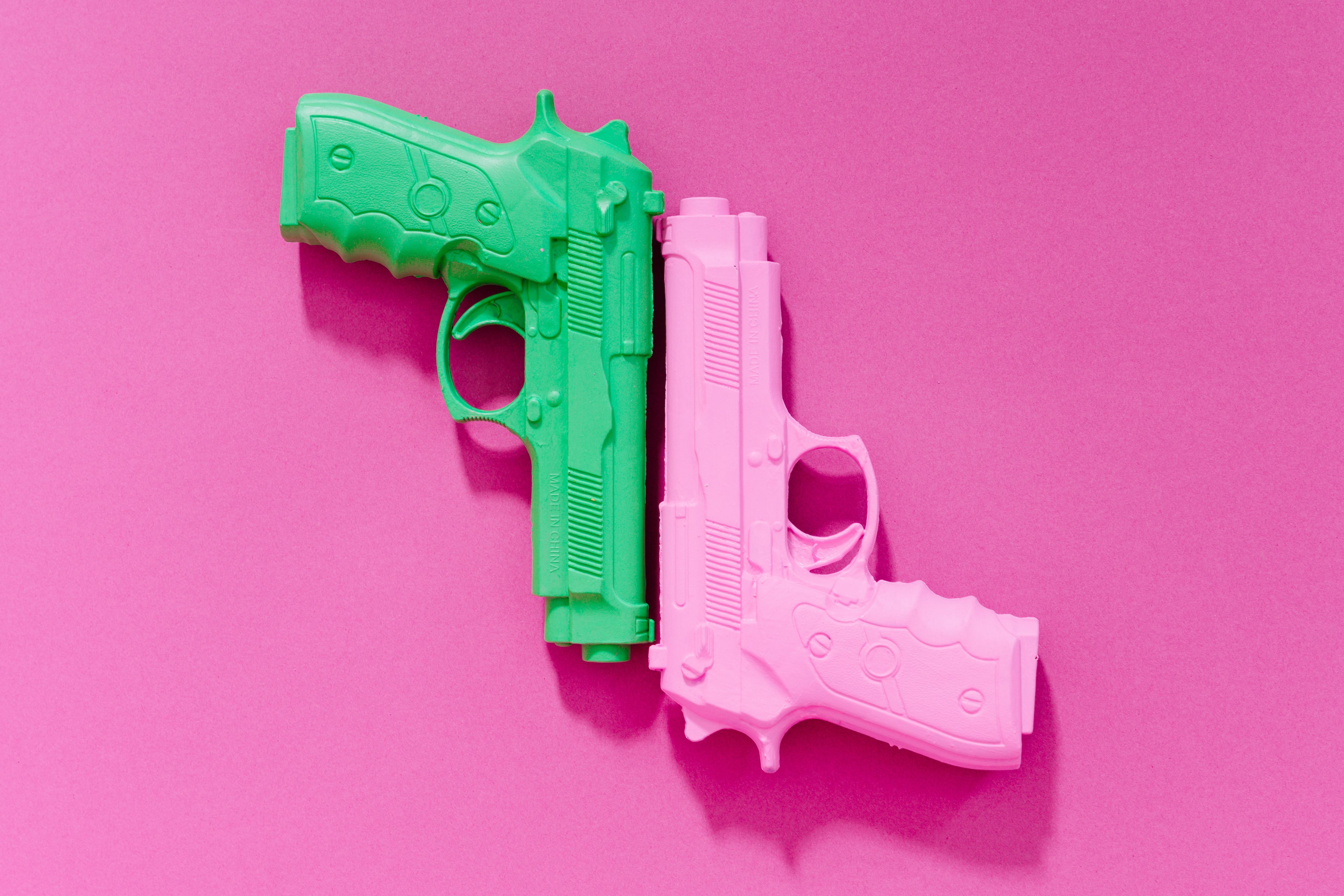
Painting a gun isn’t just about grabbing some paint and a brush; it requires a set of specialized tools that facilitate precision, durability, and a professional look. First, you’ll need a good-quality spray gun or airbrush, which provides a smooth, even coat—essential for gun surfaces that require both aesthetics and protection. A stable work surface along with clamps or vises is vital to secure the firearm during painting, ensuring safety and control.
Other essential tools include sanding blocks or fine-grit sandpaper for surface preparation, masking tape to protect areas that shouldn’t be painted, and cleaning solvents to remove oils or old paint. A primer specific to metal surfaces is also crucial, as it enhances paint adhesion and prevents corrosion. High-quality respirators, safety goggles, and gloves are fundamental safety tools, protecting you from fumes and accidental contact with chemicals. Investing in these tools elevates the quality of the finished product and keeps the process safe and efficient.
Types of Paint Used on Guns
Choosing the right type of paint is perhaps the most critical decision when planning to paint a gun. Unlike typical paints used on walls or cars, firearm paints need to withstand harsh conditions such as heat, moisture, and abrasion. Phenolic, epoxy, or ceramic-based paints are popular choices because of their exceptional durability and resistance to chipping. These paints bond strongly to metal and often require specific primers for optimal adhesion.
Another option that has gained popularity is spray coatings like Cerakote or PPG’s DuraCoat, designed explicitly for firearms. These coatings are not only durable but also offer a variety of color options and finishes, from matte to gloss. While traditional spray paints such as Rust-Oleum or Krylon can be used, they may not provide the longevity or resistance needed for firearms exposed to rigorous use. Overall, selecting the appropriate paint depends on the intended use, environment, and desired finish; understanding what do you use to paint guns fundamentally guides this choice.
Preparing Your Gun for Painting
Preparation is the cornerstone of a successful gun painting project. The process begins with thoroughly disassembling the firearm to access all painted surfaces and prevent accidental coating on internal components. Once dismantled, clean every part meticulously using solvent-based cleaners or degreasers to remove oils, grease, and residues, which can hinder paint adhesion. Using a soft cloth or brushes, ensure no dust or debris remains; otherwise, you may encounter unsightly imperfections or adhesion problems.
Next, sanding the surface slightly with fine-grit sandpaper creates a rough texture that helps paint grip better. For areas prone to corrosion, applying a corrosion-inhibiting primer or rust converter prior to painting can prolong the finish’s lifespan. Carefully masking off unpainted or sensitive parts with painter’s tape prevents accidental overspray. Proper surface preparation might be time-consuming but it’s essential, because a well-prepared gun leads to a smooth, durable, and professional-looking finish.
Step-by-Step Guide to Painting Guns
Starting with a clean, primed, and adequately prepared firearm sets the foundation for a successful painting project. Begin by choosing the appropriate paint and mixing it according to the manufacturer’s instructions, especially if using multi-component coatings like epoxy or ceramic sprays. Apply the paint in thin, even coats using a spray gun, airbrush, or aerosol can, maintaining a consistent distance from the surface to prevent runs or uneven layers. Patience during this step is key; multiple light coats are better than a single thick layer, ensuring durability without drips.
Allow each coat to dry thoroughly as per the product’s instructions before applying the next. Once the desired color and finish are achieved, a clear coat—such as a matte or gloss sealant—can be applied for extra protection against scratches, UV rays, and moisture. This final layer also enhances the aesthetic aspect, giving your firearm a sleek, professional look. After the paint has dried completely, carefully remove masking tape, reassemble your gun, and inspect the finish for any imperfections or touch-ups needed. The step-by-step approach guarantees not just a painted gun but a work of art with long-lasting appeal.
Best Spray Paint for Guns
When selecting spray paint for guns, it’s essential to prioritize durability, adherence, and resistance to environmental factors. Brands such as Cerakote and DuraCoat are widely regarded as the gold standard in this niche, providing specialized coatings designed explicitly for firearms. These products are formulated to withstand extreme conditions, including heat, moisture, and impact, making them ideal options for both professional restorations and personal customizations.
However, if you’re considering more accessible options, high-quality spray paints like Krylon Camouflage, Rust-Oleum Universal, or PlastiKote can work well if properly prepared and sealed. These paints offer a variety of colors and finishes, are easy to use, and are suitable for less demanding projects. It’s also worth noting that the application technique and surface preparation influence the final result significantly; regardless of brand, always opt for thin coats, proper curing, and protective clear layers. Ultimately, the best spray paint for guns strikes a balance between durability, aesthetics, and ease of application, ensuring your firearm remains protected and looking sharp for years.
Common Mistakes When Painting Guns
Many enthusiasts encounter pitfalls when painting guns, often resulting in less-than-ideal finishes or compromised durability. One of the most common mistakes is skipping surface preparation; applying paint over greasy, dusty, or oily surfaces causes poor adhesion, leading to peeling or chipping. Another frequent error is applying thick coats of paint or rushing through the process, which can cause uneven coverage, runs, or extended drying times that trap moisture and compromise the finish.
Neglecting to mask areas that shouldn’t be painted is also problematic, resulting in paint on internal parts or moving mechanisms that require precise tolerances. Additionally, some overlook the importance of proper curing and sealing; skipping clear coats or rushing drying times reduces the lifespan of your paint job. These mistakes emphasize the value of patience, preparation, and attention to detail—elements that transform a DIY project into a professional-quality finish that can withstand the rigors of firearm use.
Safety Precautions When Painting Guns
Safety should always be the top priority when painting guns, due to the use of potentially hazardous chemicals, fumes, and airborne particles. Always work in a well-ventilated area or outdoors to prevent inhalation of toxic vapors. Wearing a fitted respirator or mask rated for paints and fumes, along with safety goggles and gloves, shields you from chemical exposure and protects your skin and eyes from splashes or overspray.
Handling spray paints, primers, and solvents with caution minimizes the risk of fire and health issues. It’s critical to read and follow all manufacturer instructions and safety data sheets for each product used. When disassembling or reassembling your firearm, ensure it is unloaded and that no ammunition is nearby to avoid accidental discharge. Ensuring safety protocols during every step guarantees a secure environment and peace of mind throughout your project, yielding not just a beautiful finish but also minimizing risks.
Maintaining Your Painted Gun Finish
Maintaining a painted gun isn’t just about making it look good initially; it’s also about preserving that aesthetic and protective layer over time. Regular inspections for chipping, scratches, or rust spots allow you to address issues early before they become major problems. Gently cleaning the surface with soft cloths and mild detergents will prevent dirt and debris from degrading the finish without harming the paint.
Applying a light coat of wax or approved gun finish protectant can also enhance the durability of your painted surface, making it more resistant to moisture and handling. Reapplying clear coats periodically, especially after significant use or exposure to harsh conditions, extends the life of the paint job. Proper maintenance, combined with mindful handling and storage, ensures your painted gun remains looking sharp and protected against the elements for years to come.
FAQ’s
1. What type of paint is commonly used to paint guns?
The most commonly used paints for guns are firearm-specific coatings like Cerakote, Duracoat, and high-temperature spray paints designed for metal surfaces.
2. Can I use regular spray paint on a gun?
Yes, but it is not recommended for long-term durability. Regular spray paint can wear off quickly without proper sealing and preparation.
3. What is Cerakote and why is it popular?
Cerakote is a ceramic-based coating known for its durability, corrosion resistance, and professional finish.
4. What is Duracoat?
Duracoat is a two-part firearm finish that provides a durable and customizable coating without requiring high heat curing.
5. Do I need to disassemble the gun before painting?
Yes, disassembling ensures proper coverage and prevents paint from interfering with moving parts.
6. What tools are needed to paint a gun?
Common tools include an airbrush or spray gun, masking tape, degreaser, sandpaper, and protective gloves.
7. Is sanding necessary before painting?
Yes, light sanding helps the paint adhere better to the surface.
8. What kind of primer should I use?
Use a high-quality metal primer or one specifically designed for firearms.
9. Can I paint a gun without primer?
It is possible, but not recommended as primer improves adhesion and durability.
10. How do I clean a gun before painting?
Use a degreaser or solvent to remove oils, dirt, and residue.
11. What is the best way to apply paint?
Using an airbrush or spray gun provides the most even and professional finish.
12. Can I use a brush to paint a gun?
It is not recommended as it may leave streaks and uneven coverage.
13. How many coats of paint should I apply?
Typically 2–3 thin coats provide the best results.
14. How long does gun paint take to dry?
Drying time varies from a few hours to several days depending on the product used.
15. Do I need to cure the paint?
Some coatings like Cerakote require heat curing, while others air cure over time.
16. Can I bake gun paint in an oven?
Yes, but only if the paint is designed for heat curing and safe temperatures are followed.
17. What temperature is used for curing?
Typically between 150°F and 300°F depending on the coating.
18. Is it safe to paint a gun at home?
Yes, with proper ventilation, safety gear, and precautions.
19. What safety equipment should I use?
Use gloves, a respirator mask, and eye protection.
20. Can painting a gun affect its performance?
Improper painting can interfere with moving parts, so precision is important.
21. Should I mask certain parts of the gun?
Yes, mask areas like the barrel, trigger, and internal components.
22. What is the best finish for durability?
Cerakote is widely considered the most durable finish.
23. Can I customize colors and patterns?
Yes, you can create camo, solid colors, or custom designs.
24. How do I create camouflage patterns?
Use stencils, tape, or natural objects like leaves during painting.
25. What is the cheapest way to paint a gun?
Using standard spray paint is the most budget-friendly option.
26. How long does a painted gun last?
It depends on the coating, but high-quality finishes can last for years.
27. Can paint protect against rust?
Yes, proper coatings provide corrosion resistance.
28. Will paint chip easily?
Lower-quality paints may chip, while professional coatings resist wear.
29. Can I repaint a gun?
Yes, but the old coating should be removed first.
30. How do I remove old paint?
Use paint stripper, sandblasting, or abrasive sanding.
31. Can I paint plastic gun parts?
Yes, but use paint designed for polymer surfaces.
32. Do different materials require different paints?
Yes, metal and polymer parts require compatible coatings.
33. What is hydro dipping?
It is a method of applying patterns using water transfer printing.
34. Is hydro dipping better than spray painting?
It offers more complex designs but may not be as durable as coatings like Cerakote.
35. Can I use automotive paint on guns?
Yes, but it may not withstand high heat or heavy use.
36. What is high-temperature paint?
It is paint designed to withstand heat, often used on barrels and suppressors.
37. Can I paint a gun without special equipment?
Yes, spray cans can be used, though results may vary.
38. How do I avoid paint drips?
Apply thin coats and maintain proper spray distance.
39. What distance should I spray from?
Usually 6–12 inches from the surface.
40. Can humidity affect painting?
Yes, high humidity can cause poor adhesion and finish issues.
41. What is the best environment for painting?
A clean, dry, and well-ventilated area is ideal.
42. Should I use a clear coat?
Yes, a clear coat adds protection and enhances durability.
43. What type of clear coat is best?
Matte, satin, or gloss finishes can be used depending on preference.
44. Can I paint over rust?
No, rust should be removed before painting.
45. How do I prevent rust before painting?
Clean thoroughly and apply primer or anti-corrosion coating.
46. Is professional painting worth it?
Yes, for long-lasting and high-quality results.
47. How much does professional gun painting cost?
Costs vary but typically range from $100 to several hundred dollars.
48. Can I paint only parts of a gun?
Yes, partial customization is common.
49. Does painting void warranties?
It may void the manufacturer’s warranty, so check first.
50. Can painted guns be cleaned normally?
Yes, but avoid harsh chemicals that can damage the coating.
51. What solvents should I avoid?
Avoid strong solvents like acetone unless the coating is resistant.
52. Can I remove paint if I don’t like it?
Yes, with proper stripping methods.
53. Is painting guns legal?
Laws vary by location, so check local regulations.
54. Can I paint a gun for concealment?
Some people use camo patterns, but legal considerations apply.
55. What is the best beginner method?
Using spray paint kits with simple patterns is easiest for beginners.
Conclusion
In conclusion, achieving a high-quality finish on your gun requires understanding what do you use to paint guns, from selecting the right tools and paints to thorough preparation and safety practices. Expert application techniques, along with top-grade coatings like Cerakote or DuraCoat, ensure your firearm not only looks impressive but also withstands rigorous use and environmental factors. Avoiding common mistakes, practicing safety, and maintaining your finish extend the lifespan of your paint job and uphold the firearm’s integrity. With patience and attention to detail, anyone can transform their gun into a remarkable piece of functional art, making it both aesthetically pleasing and long-lasting.
Read more: