

Keeping your firearm in tip-top shape isn’t just about function—routine maintenance safeguards your investment and ensures reliability when it matters most. When it comes to cleaning guns, one of the fundamental questions enthusiasts and professionals alike ask is: what oil do you use to clean guns? The right oil plays a crucial role in ensuring smooth operation, preventing corrosion, and extending the life of your firearm. Understanding the nuances of gun oils can make a significant difference in your maintenance routine, whether you’re a seasoned shooter or new to firearm care.
In this comprehensive guide, we’ll explore the best oils for gun cleaning, delve into their benefits, offer step-by-step instructions, and help you choose the perfect oil tailored to your firearm. Plus, we’ll cover common pitfalls, DIY alternatives, and the science behind these cleaning solutions to ensure your firearm remains in prime condition for years to come.
The Best Oils for Gun Cleaning
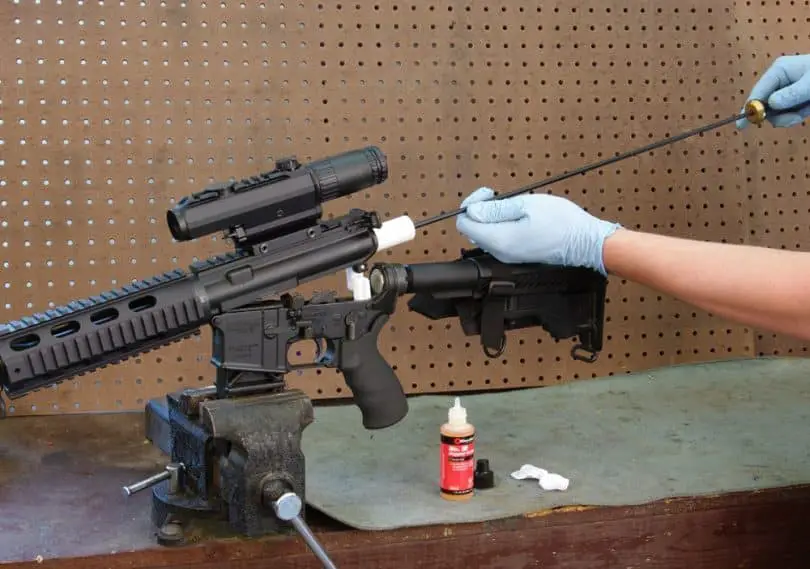
When selecting an oil for gun maintenance, the market is flooded with a multitude of options—each boasting unique formulas and purported benefits. The best oils for gun cleaning are generally synthetic, light, and resistant to thermal breakdown, providing a thin protective film without gumming up parts. Brands like lubricating oils designed specifically for firearms, such as Hoppe’s No. 9 Lubricating Oil, Ballistol, and CLP (Cleaner, Lubricant, Preventive) solutions, are popular choices among enthusiasts.
High-quality gun oils are formulated to penetrate microscopic crevices, displace moisture, suppress corrosion, and reduce friction during firing. Some oils also contain additives that combat dirt and carbon buildup. It’s worth noting that the choice of oil can vary depending on the firearm type, climate conditions, and personal preference, but sticking to proven, reputable brands ensures safety and efficacy. For instance, ultra-light oils like Rem Oil or FrogLube provide excellent lubrication, while thicker oils may be preferred for storage to prevent rust—underscoring the importance of matching oil properties to your specific needs.
Benefits of Using Oil for Gun Maintenance
Applying oil to your firearm isn’t just about lubrication; it’s a multifaceted protective layer that offers several significant benefits. First and foremost, proper oiling creates a barrier against moisture, which is the leading cause of rust and corrosion—especially in humid or coastal environments. This protective coating preserves the metallic surfaces, maintaining the firearm’s integrity and value over time.
Furthermore, oil reduces friction between moving parts, ensuring smooth cycling and consistent accuracy. It also facilitates easier cleaning by loosening carbon deposits, dirt, and powder residues that accumulate with use, making subsequent maintenance less labor-intensive. Regularly oiling your firearm also prolongs its functional lifespan, preventing wear and tear that can lead to costly repairs. Ultimately, a well-oiled gun performs more reliably, feels better in the hand, and maintains its resale value, making oil an indispensable component of firearm care.
Step-by-Step Guide to Cleaning Guns with Oil
Cleaning your gun with oil is an art that combines proper technique and patience. Begin by ensuring your firearm is unloaded and safe to handle. Disassemble the gun into major components—barrel, slide, receiver, and other removable parts—according to the manufacturer’s instructions. Using a cleaning rod, brush, and patches, start by removing loose debris and fouling with a solvent or bore cleaner.
Once the initial cleaning is done, apply a moderate amount of oil directly onto a lint-free cloth or cleaning patch. Carefully wipe down all metal surfaces, paying special attention to the slide rails, barrel exterior, and chamber. Use a cotton swab or small brush dipped in oil to reach tight or intricate areas that are hard to access with cloth alone. After applying the oil, run clean patches through the barrel until they come out dry, leaving behind a thin, even layer of protection. After reassembling, function-test the firearm to ensure smooth operation. Regular cleaning with a suitable oil not only preserves performance but also fosters a habit of responsible firearm ownership.
Top Gun Cleaning Oils Recommended by Experts
Experts frequently recommend certain oils for their proven protective qualities, ease of use, and reliability in various conditions. Hoppe’s No. 9 Lubricating Oil is a classic choice, renowned for its ability to displace moisture and prevent rust. Many professionals also prefer Ballistol, a versatile, biodegradable oil that cleans, lubricates, and preserves firearms while being gentle on the user and environment.
FrogLube is another favorite among law enforcement and shooting sports enthusiasts; it’s a plant-based, non-toxic lubricant that offers excellent corrosion protection and is approved for storage. For those seeking a premium, high-performance oil, CLP (Cleaner, Lubricant, Protectant) blends multiple functions into one product, saving time and effort without sacrificing effectiveness. Ultimately, these expert-recommended products are backed by years of field testing and are considered reliable options that protect firearms in diverse conditions—from humid coastal air to arid desert environments.
How to Choose the Right Oil for Your Firearm
Choosing the right oil hinges on understanding your firearm’s specific needs, usage frequency, and environmental context. Light oils like Rem Oil are excellent for routine lubrication and quick maintenance, especially after every shooting session. Heavier, more viscous oils such as CLP are better suited for long-term storage or areas with high humidity where rust prevention takes precedence. Consider the environmental factors: in humid climates, a thicker oil may provide better corrosion resistance; in dry conditions, a light oil suffices to prevent dust and dirt accumulation.
Another crucial factor is compatibility—ensure the oil you select is formulated explicitly for firearms. Using automotive or household oils can cause gumming, corrosion, or damage over time due to their additives and viscosity differences. Lastly, personal preference and ease of application matter; some shooters prefer aerosol sprays for convenience, while others opt for oil bottles or sticks for precision. Research, experience, and tailored application are key to selecting an oil that enhances longevity, safety, and performance of your firearm.
Common Mistakes When Cleaning Guns with Oil
One of the most frequent mistakes is over-oiling, which can attract dirt, create residue, and impede smooth operation. Excess oil can migrate into unnecessarily sensitive areas, leading to sluggish cycling or jams. Conversely, under-oiling leaves metal surfaces vulnerable to moisture and corrosion, especially after firing or exposure to the elements. Finding the balance is essential; a thin, even layer is always preferable and more effective than heavy globules.
Another common error is neglecting to clean off old, contaminated oil and debris before applying fresh lubricant. Layers of old oil mixed with dirt can turn abrasive, accelerating wear instead of preventing it. Additionally, failing to disassemble and thoroughly clean all components can result in hidden residues that compromise safety and performance. Lastly, using inappropriate or expired oils can cause chemical reactions, gumming, or corrosion. Always read product instructions carefully, and avoid shortcuts—proper, meticulous cleaning and maintenance extend the life and reliability of your firearm.
DIY Gun Cleaning Oils: What to Use
For firearm enthusiasts interested in DIY solutions, crafting your own cleaning oils can be an appealing option. A common base ingredient is clove or mineral oil, which provides lubrication, corrosion resistance, and some cleaning properties. Adding light solvents like mineral spirits or acetone in small amounts can enhance solvent properties for removing carbon buildup. Nonetheless, it’s crucial to maintain a balanced formulation that won’t gum or damage metal surfaces.
Many hobbyists also explore natural or plant-based oils—such as olive or castor oil—for their lubricating qualities. However, these oils may lack the specific additives found in commercial products designed for firearms and might not offer the same level of corrosion resistance or longevity. When making DIY gun oils, always prioritize safety, purity of ingredients, and suitability for firearms. Testing a small batch on less-critical parts before widespread application is recommended. Remember, commercial oils undergo rigorous testing and are formulated for the demanding environment of firearm maintenance, but with informed choices and proper formulation, DIY options can be effective if carefully prepared.
Oil vs. Other Cleaning Solutions for Guns
While oil is indispensable for lubrication and corrosion prevention, it’s important to recognize that cleaning a firearm often involves multiple solutions. Solvents, degreasers, and bore cleaners are used alongside oils to remove fouling, residues, and dirt. Solvents like Hoppe’s No. 9 or petroleum-based products dissolve carbon buildup and other stubborn deposits before oil application. Using oil alone without proper cleaning solvents can leave a greasy film, trapping dirt and compromising gun reliability and safety.
It’s also worth noting that some shooters prefer dry lubricants or wax-based products in specific circumstances. These alternatives can reduce dust and debris adhesion, making maintenance easier in dusty environments. Nonetheless, the combination of a good solvent for cleaning and a high-quality oil for lubrication and protection remains the most effective approach. Recognizing their respective roles—and using the right products at appropriate stages—can ensure your firearm functions flawlessly and remains well-preserved over time.
How Often Should You Oil Your Firearm?
The frequency of oil application depends heavily on usage and environmental factors, but a general rule is to clean and oil your firearm after each use, especially if exposed to moisture, dirt, or firing. Even if the gun isn’t used frequently, applying a light coating of oil at regular intervals—say, monthly—can prevent rust and corrosion, particularly in humid climates. During storage, especially in non-climate-controlled environments, a more thorough oiling routine can preserve gun surfaces effectively.
In high-usage scenarios, it’s advisable to inspect your firearm every few hundred rounds and reapply oil as necessary. For long-term storage without firing, a thick layer of oil on all exposed metal parts offers optimal protection. Conversely, over-oiling can attract dust and debris, so applying only what’s necessary and wiping away excess is sensible. Developing a tailored routine based on the gun’s environment, usage, and material ensures dependable performance and longevity without excess maintenance efforts.
Understanding the Chemistry of Gun Cleaning Oils
The effectiveness of gun oils hinges on their chemical properties. Most firearm lubricants are engineered with base oils—synthetic or mineral—designed to form a thin, adherent film that resists thermal and mechanical stress. Additives like anti-corrosion agents, antioxidants, and dispersants enhance stability, prevent oxidation, and keep dirt and residues in suspension. The polarity of these molecules allows them to bond with metal surfaces, creating an effective barrier.
Displacing moisture is crucial in preventing rust, and that’s where the chemistry of solvents and oils converge. Solvents dissolve carbon and powder residues, then evaporate, leaving behind only the protective oil film. Understanding the chemical interactions within these products helps users appreciate why certain oils perform better under specific conditions—such as high temperatures or humidity—and guides informed, effective maintenance routines. Developing a solid grasp of these principles ensures your firearm benefits from optimal protection and smooth operation.
FAQ’s
1. What oil should I use to clean guns?
You should use specially formulated gun oil designed for cleaning, lubricating, and protecting firearms, such as CLP (Clean, Lubricate, Protect) products.
2. Can I use regular household oil to clean a gun?
Household oils are not recommended because they can gum up over time and may not provide proper corrosion protection.
3. What is CLP oil for guns?
CLP stands for Clean, Lubricate, Protect. It is a multi-purpose solution designed specifically for firearm maintenance.
4. Is motor oil safe for cleaning firearms?
Motor oil can lubricate but is not ideal for cleaning or protecting firearms from rust and debris buildup.
5. Can I use WD-40 to clean my gun?
WD-40 is not recommended as a long-term lubricant because it can evaporate and leave residue that attracts dirt.
6. What is the best gun oil for rust prevention?
High-quality gun oils with corrosion inhibitors are best for preventing rust on firearms.
7. How often should I oil my gun?
You should oil your gun after each cleaning or after exposure to moisture or heavy use.
8. Can too much oil damage a gun?
Yes, over-oiling can attract dirt and debris, which may affect performance.
9. Should I oil the inside of the barrel?
A light coat can protect against rust, but excess oil should be removed before firing.
10. What parts of a gun need oiling?
Moving parts such as the slide, bolt, trigger mechanism, and hinges require lubrication.
11. Is synthetic gun oil better?
Synthetic oils often provide better temperature stability and longer-lasting lubrication.
12. Can I use vegetable oil to clean guns?
No, vegetable oil can spoil and create sticky residue inside the firearm.
13. What is the difference between gun oil and gun grease?
Gun oil is lighter for general lubrication, while grease is thicker and used for high-friction areas.
14. Do I need different oils for different guns?
Most firearms can use the same oil, but some specialized guns may benefit from specific products.
15. Is gun oil safe for all weather conditions?
Most high-quality gun oils are designed to perform in a wide range of temperatures.
16. Can gun oil expire?
Gun oil can degrade over time, especially if contaminated, so it’s best to use fresh products.
17. How do I apply gun oil properly?
Apply a small amount using a cloth or applicator and spread evenly over metal surfaces.
18. Should I clean my gun before applying oil?
Yes, always clean dirt and residue before applying oil for best results.
19. What happens if I don’t oil my gun?
Lack of lubrication can lead to rust, wear, and malfunction.
20. Is aerosol gun oil better?
Aerosol oils are convenient but may be harder to control compared to dropper bottles.
21. Can I use gun oil on wooden parts?
No, use wood-specific products to avoid damaging the finish.
22. Does gun oil remove carbon buildup?
Some oils help loosen carbon, but dedicated cleaners are more effective.
23. What is the best oil for long-term gun storage?
Use a rust-preventative gun oil or storage-specific protectant.
24. Can I mix different gun oils?
Mixing oils is not recommended as it may reduce effectiveness.
25. How much oil should I use?
Use only a thin layer—just enough to coat the surface lightly.
26. Is gun oil toxic?
Some gun oils contain chemicals, so avoid skin contact and inhalation.
27. Can I use gun oil on other tools?
Yes, gun oil can be used on metal tools to prevent rust.
28. What is dry lubricant for guns?
Dry lubricants leave a protective film without attracting dirt.
29. Should I wipe off excess oil?
Yes, always remove excess oil to prevent buildup.
30. Is gun oil flammable?
Most gun oils are flammable, so store them safely.
31. Can I use olive oil as gun oil?
No, olive oil can degrade and is not suitable for firearm maintenance.
32. Does gun oil protect against water?
Yes, it creates a barrier that helps repel moisture.
33. What is the best oil for cold weather?
Low-viscosity oils designed for cold climates perform best.
34. Can gun oil damage plastic parts?
Most modern gun oils are safe, but always check compatibility.
35. Do I need oil if my gun is stainless steel?
Yes, stainless steel still requires lubrication and protection.
36. How do I store gun oil?
Keep it in a cool, dry place away from direct sunlight.
37. Can I use gun oil for knives?
Yes, gun oil works well for lubricating and protecting knives.
38. Is gun oil necessary after every use?
It is recommended, especially after heavy use or exposure to moisture.
39. What oil do professionals use?
Professionals typically use high-quality CLP or synthetic gun oils.
40. Can I use gun oil on ammunition?
No, oil can contaminate ammunition and affect performance.
41. What is the difference between cleaner and oil?
Cleaners remove residue, while oils lubricate and protect.
42. Can I use gun oil on optics?
No, use specialized lens cleaners for optics.
43. How long does gun oil last on a firearm?
It depends on conditions, but reapply regularly for best protection.
44. Should I oil my gun before shooting?
Light lubrication is fine, but avoid excess oil in the barrel.
45. Is biodegradable gun oil available?
Yes, eco-friendly gun oils are available for environmentally conscious users.
46. Can gun oil remove rust?
It can help loosen light rust, but heavy rust may need specialized treatment.
47. What is the safest gun oil to use?
Non-toxic, low-odor oils are considered safer for regular use.
48. Do I need special tools to apply oil?
No, a cloth, brush, or applicator is sufficient.
49. Can I reuse old gun oil?
No, contaminated oil should be discarded.
50. What oil should beginners use?
A simple, all-in-one CLP product is best for beginners.
51. Is expensive gun oil worth it?
Higher-quality oils often provide better performance and protection.
52. Can I clean a gun without oil?
You can clean it, but oil is necessary afterward for protection and lubrication.
Conclusion
Choosing the right oil for cleaning guns is a cornerstone of responsible firearm maintenance, directly impacting durability, safety, and performance. High-quality, firearm-specific oils like Hoppe’s No. 9, Ballistol, and FrogLube offer proven protection against corrosion and ensure smooth operation, especially when applied correctly following a thorough cleaning routine. Recognizing the benefits of oil, understanding its chemistry, and avoiding common mistakes—such as over- or under-oiling—can dramatically extend your firearm’s lifespan. Whether you opt for commercial products or explore DIY solutions with informed caution, the key is consistency, meticulousness, and selecting the appropriate formulation for your environmental conditions. Proper maintenance not only sustains your firearm’s functionality but also enhances the enjoyment and safety of your shooting experience, making the question what oil do you use to clean guns central to responsible firearm stewardship.
Read more: