

The demand for concealed carry firearms has grown significantly in recent years, driven by an increased focus on personal protection and self-reliance. As more individuals consider carrying a firearm for everyday defense, one factor consistently rises above all others: safety. While performance, size, and caliber are important, none of them matter if the firearm cannot be carried and handled safely.
Safety in concealed carry is often misunderstood. Many people assume that a firearm is “safe” simply because it includes multiple mechanical safety features. In reality, no firearm is inherently safe or unsafe on its own. Safety is the result of a combination of proper design, responsible handling, quality equipment, and consistent training. Even the most advanced firearm can become dangerous if used improperly, while a simple, well-handled firearm can be extremely safe in responsible hands.
This guide is designed to clarify what safety truly means in the context of concealed carry. It will explore the different types of concealed carry firearms, essential safety features, and the role of holsters and carry methods. It will also address common misconceptions and provide practical best practices to help you carry confidently and responsibly.
What Does “Safe” Mean in Concealed Carry?
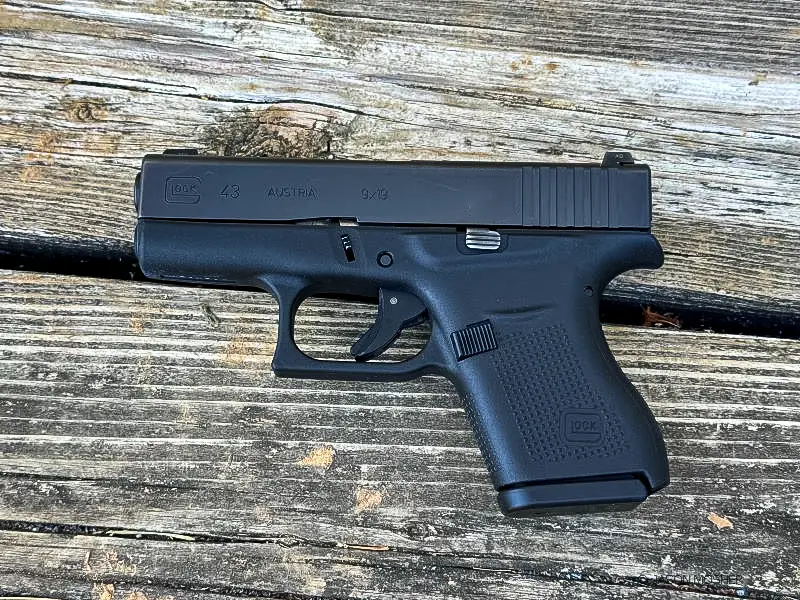
In the context of concealed carry, safety is not defined by a single feature or specification. Instead, it is a combination of mechanical safeguards, user behavior, and environmental awareness. Understanding how these elements work together is essential for anyone considering carrying a firearm on a daily basis.
Mechanical Safety vs User Safety
Mechanical safety refers to the built-in features of a firearm that are designed to prevent accidental discharge. These may include trigger safeties, firing pin blocks, drop safeties, and manual safeties. While these systems are important, they are only part of the overall safety equation.
User safety, on the other hand, is far more critical. It involves how the firearm is handled, stored, and carried. Proper trigger discipline, safe handling habits, and awareness of the firearm’s condition play a much larger role in preventing accidents than any mechanical feature alone.
Ultimately, no mechanical system can replace responsible behavior. A well-trained user who follows fundamental safety rules will always be safer than someone relying solely on built-in features.
Safe Carry vs Safe Storage
Safe carry and safe storage are closely related but serve different purposes. Safe carry focuses on how the firearm is secured and handled while it is on your person. This includes using a proper holster that fully covers the trigger guard, maintaining control of the firearm at all times, and ensuring it remains stable during movement.
Safe storage, on the other hand, becomes critical when the firearm is not being carried. This involves securing the firearm in a locked container or safe to prevent unauthorized access, especially in households with children or other individuals who should not have access to it.
Negligent discharges often occur during transitions—such as drawing, reholstering, or storing the firearm. Understanding the difference between carry and storage safety helps reduce these risks and promotes responsible ownership.
The Role of Training and Awareness
Training and awareness are the foundation of safe concealed carry. Without proper training, even the best equipment cannot prevent mistakes. Training helps develop essential skills such as proper grip, trigger control, and safe drawing techniques.
Trigger discipline is one of the most important habits to develop. Keeping your finger off the trigger until you are ready to shoot significantly reduces the risk of accidental discharge. This simple rule is one of the most effective safety practices in firearm handling.
Situational awareness is equally important. Being aware of your surroundings, understanding potential risks, and avoiding unnecessary confrontations are key aspects of responsible concealed carry. In many cases, awareness and avoidance are more effective than any firearm in preventing dangerous situations.
Consistent practice reinforces these skills and builds confidence. Safe concealed carry is not a one-time decision but an ongoing commitment to responsible behavior, continuous learning, and disciplined habits.
Key Safety Features in Concealed Carry Firearms
Modern concealed carry firearms are designed with multiple layers of safety to reduce the risk of accidental discharge. These features are not meant to replace proper handling but to provide an additional margin of protection when used correctly. Understanding how each safety system works will help you choose a firearm that aligns with your comfort level and training.
Trigger Safety Systems
Trigger safety systems are commonly found in striker-fired pistols and are one of the most recognizable modern safety features. These systems typically include a small lever integrated into the trigger itself that must be fully depressed before the firearm can discharge.
This design ensures that the trigger cannot move rearward unless it is intentionally pressed. As a result, it helps prevent accidental discharge caused by drops, bumps, or objects brushing against the side of the trigger. However, it does not replace the need for proper holster use. If the trigger is fully pressed—intentionally or unintentionally—the firearm will still fire.
For concealed carry, trigger safeties are effective when combined with a quality holster that completely covers the trigger guard and prevents any external interference.
Manual Safeties
Manual safeties are external controls, often in the form of thumb levers, that must be disengaged before the firearm can fire. These safeties provide an additional layer of control, particularly for users who prefer a more deliberate activation process.
In concealed carry scenarios, manual safeties offer both advantages and drawbacks. On one hand, they can reduce the risk of accidental discharge during handling or reholstering. On the other hand, they require consistent training to ensure the user can disengage them quickly and reliably under stress.
For some users—especially beginners—manual safeties provide peace of mind. For others, they introduce an extra step that may complicate defensive use. The choice ultimately depends on personal preference and training level.
Internal Safeties
Internal safeties are built into the firearm’s mechanism and operate automatically without user interaction. These include firing pin blocks and drop safeties, which prevent the firearm from discharging unless the trigger is intentionally pulled.
A firing pin block physically prevents the firing pin from moving forward unless the trigger is pressed, while a drop safety ensures that the firearm will not discharge if it is dropped or subjected to sudden impact.
These systems are critical for concealed carry, where the firearm may be exposed to movement, shifting, or accidental impacts throughout the day. Because they function automatically, they provide continuous protection without requiring conscious action from the user.
Grip Safeties
Grip safeties are designed to prevent the firearm from firing unless it is held with a proper grip. Located on the backstrap of the firearm, this safety must be fully depressed by the user’s hand before the trigger can function.
This feature adds an additional layer of protection by ensuring that the firearm cannot discharge unless it is being intentionally held in a firing position. Grip safeties are commonly found on certain handgun designs and are valued by users who want an extra level of security without relying on manual levers.
While effective, grip safeties require proper hand placement. An improper grip may prevent the firearm from firing when needed, which is why training and familiarity are essential.
Safest Types of Guns for Concealed Carry
Different firearm types offer varying levels of safety, simplicity, and control. The “safest” option depends largely on the user’s experience, training, and comfort level. Each category has its own strengths and trade-offs when it comes to concealed carry.
Striker-Fired Pistols
Striker-fired pistols are among the most popular choices for concealed carry due to their simplicity and consistent trigger pull. They typically lack external manual safeties, relying instead on internal and trigger safety systems.
This simplicity makes them easy to learn and operate, especially for beginners. The consistent trigger pull for every shot helps build muscle memory and improves shooting consistency.
However, because many striker-fired pistols do not have external safeties, safe carry depends heavily on proper holster use and strict adherence to trigger discipline. A high-quality holster that fully covers the trigger is essential for safe everyday carry.
Hammer-Fired Pistols (DA/SA)
Hammer-fired pistols with double-action/single-action (DA/SA) systems offer an additional safety advantage through their longer and heavier first trigger pull. This initial double-action pull requires more deliberate effort, reducing the likelihood of accidental discharge.
After the first shot, the firearm transitions to a lighter single-action trigger pull, which can improve accuracy and speed. Many DA/SA pistols also include manual safeties or decockers, providing additional control over the firearm’s condition.
While these features enhance safety, they also introduce complexity. Users must train to manage different trigger pulls and understand the operation of safeties and decocking mechanisms. For experienced shooters, this system offers a strong balance between safety and performance.
Revolvers
Revolvers are often considered one of the safest firearm types for concealed carry due to their mechanical simplicity and heavy trigger pull. The long, deliberate trigger press required to fire significantly reduces the chance of accidental discharge.
Because revolvers have fewer moving parts and do not rely on detachable magazines, they are also highly reliable and easy to maintain. This simplicity makes them an appealing option for beginners or those who prefer a straightforward system.
However, revolvers come with limitations. They typically have lower ammunition capacity and slower reload times compared to semi-automatic pistols. Despite these trade-offs, their simplicity and inherent safety characteristics make them a strong choice for certain users.
Best Calibers for Safe Concealed Carry
Caliber selection plays an important role in how controllable and effective a concealed carry firearm will be. While many calibers can be used for self-defense, the safest choices are those that balance recoil management, reliability, and shootability. A firearm that is easier to control is generally safer because it reduces the likelihood of missed shots and handling errors under stress.
9mm – Balanced and Controllable
The 9mm caliber is widely regarded as the most practical option for concealed carry. It offers a strong balance of manageable recoil, effective terminal performance, and high magazine capacity. These characteristics make it suitable for both new and experienced shooters.
One of the key safety advantages of 9mm is its controllability. Lower recoil allows for faster follow-up shots and better accuracy, especially in high-stress situations. This reduces the chance of poor shot placement, which is a critical factor in defensive effectiveness.
Because of its widespread use in law enforcement and civilian defense, 9mm ammunition is also highly available and cost-effective, encouraging regular training and practice.
.380 ACP – Low Recoil Option
The .380 ACP is a popular choice for micro-compact concealed carry firearms due to its low recoil and small cartridge size. It is especially useful for individuals who prioritize comfort and ease of control over maximum power.
In smaller firearms, recoil management becomes more challenging. The .380 ACP helps reduce this issue, making it easier for users with smaller hands or less shooting experience to maintain control during firing.
While it is generally less powerful than 9mm, modern defensive ammunition has improved its effectiveness. However, it is still best suited for users who prioritize concealability and ease of handling.
.38 Special – Revolver Simplicity
The .38 Special is a classic defensive revolver caliber known for its reliability and moderate recoil. It is commonly used in compact revolvers designed for concealed carry.
One of its main advantages is simplicity. Revolvers chambered in .38 Special are easy to operate, with straightforward loading and firing mechanisms. This makes them appealing for users who prefer minimal complexity in their firearm.
Recoil is manageable for most shooters, and the cartridge offers consistent performance. While capacity is lower compared to semi-automatic pistols, the reliability and ease of use make it a trusted option for personal defense.
Holster Safety – The Most Important Factor
While firearm selection is important, holster safety is arguably the most critical factor in concealed carry. A high-quality holster plays a direct role in preventing negligent discharges and ensuring safe daily carry. In many cases, the holster contributes more to safety than the firearm itself.
Why a Good Holster Matters More Than the Gun
A proper holster is designed to securely hold the firearm in place while completely covering the trigger guard. This prevents any foreign object, clothing, or accidental finger contact from reaching the trigger.
In addition to safety, a good holster ensures consistent positioning of the firearm, allowing the user to draw smoothly and predictably. Without this consistency, both safety and performance can be compromised.
A poorly designed or low-quality holster increases the risk of accidental discharge and should never be used for concealed carry.
Trigger Guard Coverage
Complete trigger guard coverage is a non-negotiable requirement for any concealed carry holster. The trigger is the most sensitive part of the firearm, and any unintended contact can result in an accidental discharge.
A proper holster fully encloses the trigger area, ensuring that nothing can enter or manipulate it while the firearm is holstered. This single feature is one of the most important safety mechanisms in everyday carry.
Retention and Stability
Retention refers to how securely the holster holds the firearm in place. A holster with good retention ensures that the firearm does not shift, fall out, or become dislodged during movement such as walking, sitting, or running.
Stability is equally important because it ensures that the firearm remains in the same position for a consistent draw. Poor retention can lead to unsafe handling situations or difficulty accessing the firearm when needed.
Balanced retention allows for both secure carry and smooth access when required.
Carry Positions (IWB, OWB, Appendix)
Different concealed carry positions offer different levels of safety, comfort, and accessibility. Inside-the-waistband (IWB) carry is one of the most common methods because it provides good concealment while keeping the firearm close to the body.
Outside-the-waistband (OWB) carry offers greater comfort and easier access but is less concealable, making it more suitable for open carry or range use.
Appendix carry places the firearm at the front of the body and allows for very fast access. However, it requires strict attention to safety practices due to its proximity to sensitive areas.
Each carry position involves trade-offs between comfort, speed, and concealment. Choosing the right method depends on your lifestyle, training level, and comfort with safe handling procedures.
Common Concealed Carry Mistakes That Affect Safety
Even with a reliable firearm and proper equipment, unsafe habits and poor decision-making can significantly increase risk. Many concealed carry incidents are not caused by mechanical failure, but by user error, lack of training, or improper equipment selection. Understanding these common mistakes is essential for safe and responsible carry.
One of the most serious mistakes is carrying without a proper holster. A holster is not optional—it is a critical safety device. Without it, the trigger can be exposed to clothing, fingers, or objects, greatly increasing the risk of accidental discharge. A quality holster should fully cover the trigger guard and securely retain the firearm.
Neglecting trigger discipline is another major issue. Placing your finger on the trigger before you are ready to fire can lead to unintentional discharge, especially under stress or during drawing and reholstering. Maintaining strict trigger discipline at all times is a foundational safety rule.
Choosing firearms that are overly small or difficult to control is also a common mistake. While compact size is useful for concealment, extremely small firearms can produce more felt recoil and reduced stability, making accurate shooting more difficult. This can reduce both safety and effectiveness in defensive situations.
Lack of training and practice is another critical problem. A concealed carry firearm is only as effective as the user’s ability to operate it safely and confidently. Without regular practice, skills degrade over time, increasing the likelihood of poor decision-making under pressure.
Improper storage when not carrying also contributes to safety risks. Firearms left unsecured or stored improperly can become accessible to unauthorized users, increasing the risk of accidents or misuse. Safe storage practices are essential for responsible ownership.
Concealed Carry vs Home Defense Safety Differences
While both concealed carry and home defense involve the use of firearms for protection, the safety considerations in each scenario are different. Understanding these differences helps ensure that appropriate habits and equipment are used in each context.
Daily Carry Risks
Concealed carry introduces unique risks due to constant movement throughout daily activities. Sitting, walking, bending, and driving all affect how the firearm is positioned on the body. Clothing can also interfere with holster retention or draw access if not properly managed.
Reholstering is another critical moment where safety risks increase. If done carelessly or without attention, it can lead to accidental discharge or improper seating of the firearm in the holster. This is why slow, deliberate reholstering is strongly recommended.
Consistent handling habits are essential to reducing these risks. The more predictable and disciplined your routine becomes, the lower the chance of error during daily carry.
Home Storage Considerations
Home defense setups require a different approach to safety, focusing primarily on secure storage and controlled access. Unlike concealed carry, firearms in the home are often stored when not in immediate use, making storage security a top priority.
Quick-access safes are commonly used to balance security with readiness. These allow authorized users to access the firearm quickly in an emergency while preventing unauthorized access from children or visitors.
Open storage or unsecured placement of firearms significantly increases safety risks and should be avoided. Proper storage ensures compliance with safety principles and reduces the likelihood of accidents.
How to Choose the Safest Concealed Carry Gun
Choosing the safest concealed carry firearm is less about finding a single “perfect” model and more about selecting a system that matches your needs, experience level, and ability to handle it responsibly. Safety comes from a combination of design, ergonomics, and user proficiency.
Prioritize Simplicity and Reliability
For most users, simplicity and reliability should be the top priorities. Firearms with fewer complex controls are generally easier to operate under stress and reduce the chance of user error. Overly complicated systems can slow reaction time and increase confusion in critical moments.
Proven, widely tested firearm platforms are typically more reliable than niche or overly specialized designs. A dependable firearm that functions consistently under various conditions is essential for safe concealed carry.
Fit and Ergonomics
A firearm that fits properly in your hand significantly improves both safety and performance. Good ergonomics allow for a natural grip, better control of recoil, and more consistent accuracy.
If a firearm feels uncomfortable or difficult to control, it increases the likelihood of handling errors. Proper fit also ensures that you can reach controls such as the trigger and slide release without strain or awkward positioning.
Recoil control is especially important, as excessive recoil can lead to poor follow-up shots or loss of control during firing sequences.
Match Firearm to Experience Level
Your experience level plays a major role in determining the safest firearm choice. Beginners generally benefit from simpler, more forgiving platforms that are easier to learn and operate safely. As experience grows, users may transition to more advanced systems.
Experienced shooters often have the training necessary to handle more complex firearms effectively, but even then, familiarity and confidence remain key factors in safety.
The safest firearm is not necessarily the most advanced or powerful—it is the one that matches your skill level and allows you to operate it confidently and consistently under stress.
Are Smaller Guns Safer for Concealed Carry?
A common assumption among new concealed carry users is that smaller firearms are automatically safer. While compact and micro-compact handguns offer clear advantages in terms of concealability, they are not inherently safer. Safety depends on a combination of controllability, training, and proper equipment—not size alone.
Smaller guns do offer some practical benefits. Their reduced size and lighter weight make them easier to conceal under clothing and more comfortable for all-day carry. This is one of the main reasons they are popular for concealed carry users, especially those prioritizing discretion and mobility.
However, there are also important drawbacks. Smaller firearms typically produce increased felt recoil due to their lighter weight and shorter barrels. This can make them more difficult to control, especially for new or inexperienced shooters. Reduced grip surface can also negatively affect stability and accuracy.
Because of these factors, smaller does not automatically mean safer. In fact, a firearm that is harder to control may increase the likelihood of poor shot placement or handling errors under stress. True safety comes from a balance between size, controllability, and user proficiency.
Expert Insight Summary
When evaluating concealed carry safety, experts consistently emphasize that the firearm itself is only one part of the equation. The user’s behavior, training, and equipment choices are equally—if not more—important.
- Safety is primarily determined by the user, not just the firearm itself. Responsible handling and discipline are the foundation of safe carry.
- A quality holster is absolutely essential. It protects the trigger, ensures secure retention, and significantly reduces the risk of accidental discharge.
- Simpler firearms are often safer under stress because they reduce the chance of confusion or mechanical error during high-pressure situations.
- Training and consistency are more important than advanced features or specifications. Regular practice builds confidence and reduces mistakes.
- The safest gun is not the most expensive or most advanced—it is the one you can handle confidently, consistently, and responsibly in real-world conditions.
Conclusion
There is no single firearm that can be universally classified as the “safest” for concealed carry. Safety is not defined by the gun alone, but by how it is used, carried, and maintained over time. Every firearm has the potential to be safe when handled correctly and unsafe when used improperly.
Safe concealed carry depends on three core pillars: proper equipment, consistent training, and responsible habits. Without these elements, even the most advanced firearm cannot ensure safety in real-world situations.
Choosing the right combination of firearm and holster is critical. A well-fitted, reliable firearm paired with a high-quality holster significantly reduces risk and improves performance. However, equipment alone is not enough.
Final recommendation: prioritize safety practices, invest in proper gear, and commit to continuous training. Avoid choosing based on trends or marketing claims. Instead, focus on building competence, confidence, and consistency with your chosen concealed carry setup.
Frequently Asked Questions (FAQ) – Safest Concealed Carry Gun
1. What is the safest concealed carry gun?
There is no single firearm that is universally the safest for concealed carry. Safety depends more on the user, training, and holster quality than the specific gun model. However, striker-fired 9mm pistols, DA/SA handguns, and revolvers are commonly considered safe options when used correctly. The safest gun is ultimately the one you can handle confidently, maintain properly, and operate under stress with consistent training.
2. Are striker-fired pistols safe for concealed carry?
Yes, striker-fired pistols are widely used for concealed carry and are considered safe when paired with proper handling and a quality holster. They typically include internal and trigger safety systems that prevent discharge unless the trigger is intentionally pressed. However, they rely heavily on user discipline because they often lack external manual safeties.
3. Do I need a manual safety on a concealed carry gun?
A manual safety is not required, but it can provide an extra layer of control for some users. Many modern concealed carry pistols operate safely without one. Whether you need a manual safety depends on your training level, comfort, and personal preference.
4. Are revolvers safer than semi-automatic pistols?
Revolvers are often considered mechanically simpler and can feel safer to beginners due to their long, heavy trigger pull and lack of magazines. However, both revolvers and semi-automatics are safe when used correctly. Revolvers still require proper handling, training, and trigger discipline.
5. What is the safest caliber for concealed carry?
There is no “safest” caliber, but 9mm is widely recommended because it balances recoil control, effectiveness, and capacity. .380 ACP and .38 Special are also considered manageable options for users who prefer lower recoil.
6. Is a smaller gun safer for concealed carry?
Not necessarily. Smaller guns are easier to conceal but often have more recoil and less stability. This can make them harder to control, especially for beginners. Safety depends more on handling ability than size.
7. What role does a holster play in safety?
A holster is one of the most important safety components in concealed carry. It protects the trigger guard, secures the firearm, and prevents accidental discharge. A proper holster should fully cover the trigger and retain the firearm securely during movement.
8. Can I carry a gun without a holster?
No. Carrying a firearm without a holster is unsafe and strongly discouraged. Without a holster, the trigger is exposed, significantly increasing the risk of accidental discharge.
9. What is trigger discipline?
Trigger discipline means keeping your finger off the trigger until you are ready to shoot. It is one of the most important safety rules in firearm handling and helps prevent accidental discharge in all situations.
10. Is concealed carry safe for beginners?
Yes, but only with proper training. Beginners should first learn firearm safety fundamentals, practice regularly, and become comfortable with their firearm before carrying it daily.
11. What is the safest carry position?
There is no single safest carry position. Inside-the-waistband (IWB) and appendix carry are common, but safety depends on proper holster use, trigger protection, and user discipline rather than position alone.
12. Is appendix carry dangerous?
Appendix carry can be safe when using a proper holster and correct technique. However, it requires strict discipline because the firearm is positioned near sensitive areas. Training is essential for safe use.
13. What is the safest type of handgun overall?
The safest handgun is one that is simple, reliable, and well-suited to the user’s skill level. Striker-fired pistols, DA/SA pistols, and revolvers can all be safe depending on training and handling.
14. Do safeties make a gun safer?
Mechanical safeties can reduce the risk of accidental discharge, but they do not replace safe handling. User behavior and training are more important than mechanical features.
15. What is the biggest safety risk in concealed carry?
The biggest risk is user error, especially improper trigger discipline, poor holster choice, and lack of training.
16. Should I carry with one in the chamber?
Many trained users carry with one in the chamber for readiness. However, this requires proper training, a quality holster, and strict safety discipline.
17. Is it safe to carry a loaded firearm daily?
Yes, if proper safety practices are followed. This includes using a secure holster, maintaining trigger discipline, and following all safety rules.
18. What is the safest way to draw a concealed firearm?
The safest draw involves a controlled, deliberate motion with proper grip acquisition and trigger discipline. Training is essential to perform this safely.
19. What is the safest way to reholster?
Reholstering should always be slow and deliberate, with full attention on the holster. The trigger finger must remain outside the trigger guard.
20. Are lightweight guns less safe?
Not inherently, but lightweight guns often produce more recoil, which can reduce control. Safety depends on the shooter’s ability to manage the firearm effectively.
21. What is the safest concealed carry setup?
A safe setup includes a reliable firearm, high-quality holster with full trigger coverage, proper training, and consistent safety habits.
22. Can clothing affect concealed carry safety?
Yes. Loose clothing can interfere with holster access or accidentally enter the trigger guard if a proper holster is not used.
23. Is dry firing safe for training?
Yes, dry firing is generally safe for most modern firearms when done correctly, but always ensure the firearm is unloaded and follow manufacturer guidelines.
24. What is negligent discharge?
A negligent discharge is an unintentional firing caused by user error, such as improper handling or failure to follow safety rules.
25. Can stress affect firearm safety?
Yes. Stress can reduce fine motor control and decision-making ability, which is why training under realistic conditions is important.
26. Is a more expensive gun safer?
Not necessarily. Safety depends on the user and training, not price. Many affordable firearms are highly reliable and safe.
27. Should I modify my concealed carry gun?
Beginners should avoid modifications. Changing triggers or safeties without experience can negatively impact safety.
28. What is the safest grip safety system?
Grip safeties are effective when used correctly, but they are not a replacement for proper handling and training.
29. Are compact guns harder to control safely?
Yes, compact guns often have more recoil and shorter grips, which can reduce stability and control.
30. What is the safest training method?
Professional instruction combined with regular, supervised practice is the safest and most effective training method.
31. Can I rely only on mechanical safeties?
No. Mechanical safeties are secondary systems. Proper handling and training are essential.
32. What is situational awareness in concealed carry?
It is the ability to recognize and assess potential threats in your environment and avoid dangerous situations whenever possible.
33. Should beginners avoid concealed carry?
Not necessarily. Beginners can carry safely if they receive proper training and practice consistently.
34. What is the safest way to transport a firearm?
Transporting a firearm should always involve unloading it, securing it in a locked case, and following local laws.
35. Is printing (visible outline) a safety issue?
Printing is not a safety issue but may have legal or social implications depending on local laws.
36. Can holster quality affect safety?
Yes. Poor-quality holsters can expose the trigger or fail to retain the firearm properly, increasing risk.
37. What is retention in a holster?
Retention refers to how securely the holster holds the firearm in place during movement.
38. Are lasers or red dots safer?
They can improve aiming efficiency, but they do not directly affect firearm safety.
39. What is the safest firearm material?
Material does not determine safety. Steel, polymer, and alloy firearms can all be safe when properly designed and used.
40. Should I carry a spare magazine?
It depends on personal preference and training. A spare magazine is not a safety requirement but can be useful.
41. Is concealed carry stressful?
It can be initially, but training and experience significantly reduce stress over time.
42. What is the safest trigger type?
There is no single safest trigger type. Striker-fired and DA/SA systems are both safe when properly handled.
43. Can I safely carry without experience?
It is not recommended. Basic training should be completed before carrying a firearm.
44. What is the safest beginner firearm?
A simple, reliable 9mm handgun with good ergonomics and a quality holster is often recommended.
45. Are revolvers safer in emergencies?
They can be simpler to operate, but safety still depends on training and handling.
46. What is the most overlooked safety factor?
Holster quality and trigger protection are often the most overlooked safety factors.
47. Can I improve safety without changing my gun?
Yes. Training, better holsters, and improved habits can greatly enhance safety.
48. What is the safest mindset for concealed carry?
A responsible mindset focused on avoidance, awareness, and discipline is the safest approach.
49. Is concealed carry worth it for safety?
It can be, but only when combined with proper training, awareness, and responsible use.
50. What is the final rule for concealed carry safety?
The final rule is simple: always treat the firearm as if it is loaded, maintain strict trigger discipline, and never rely solely on mechanical safety systems.
Read more: