
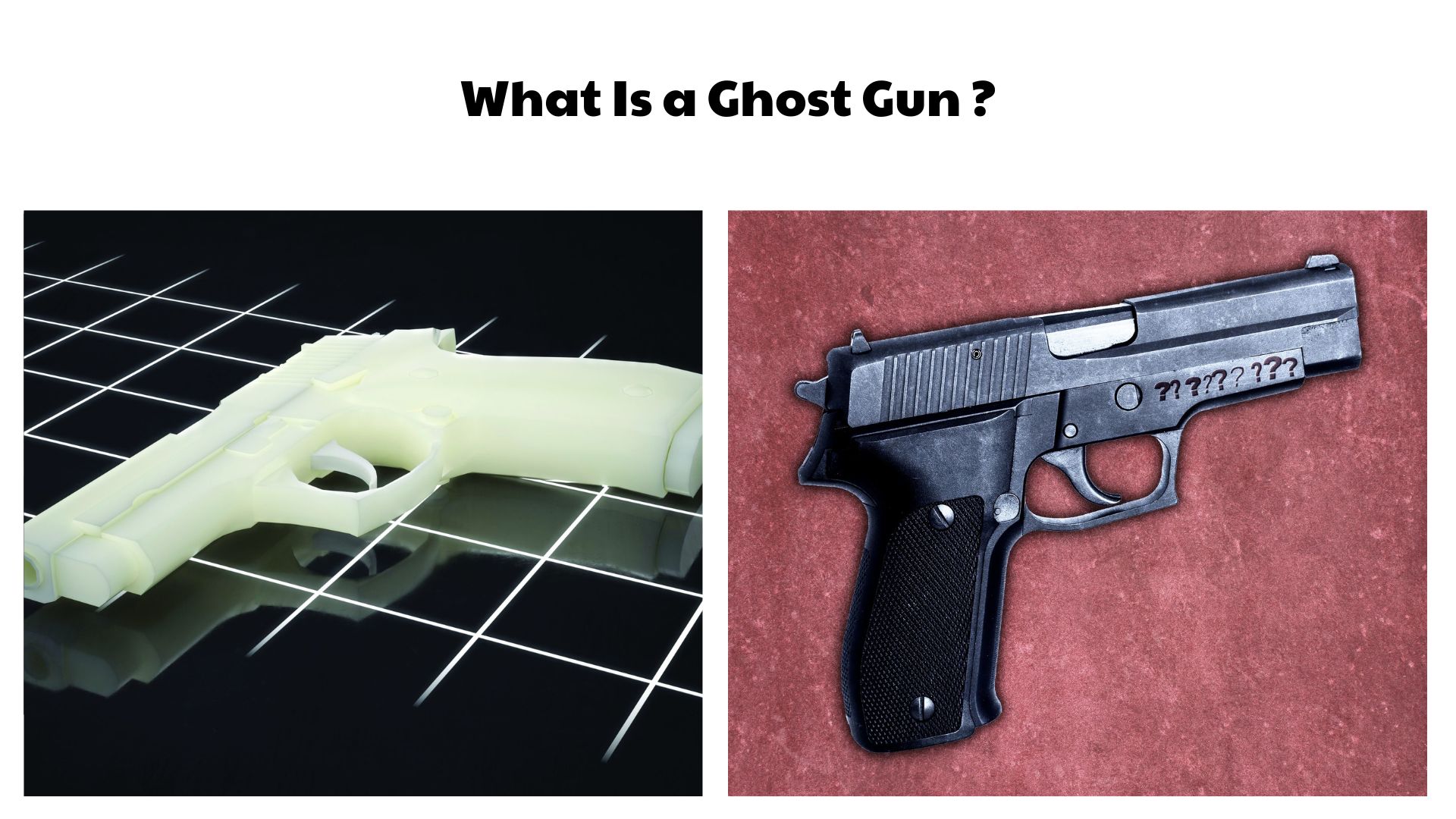

“Ghost guns” refer to privately made firearms that are typically assembled outside of traditional manufacturing systems and often lack serial numbers. Because they are not fully tracked or registered in the same way as factory-produced firearms, they can be significantly more difficult for law enforcement to trace.
- Definition of “ghost guns” as privately made firearms that often lack serial numbers and are difficult to trace
- Why ghost guns have become a major topic in U.S. gun control and public safety discussions
- Overview of how ghost guns can be assembled from kits, 3D-printed parts, or separately purchased components
- Key issue: bypassing traditional background checks and firearm serialization systems
- What this article will cover: definition, types, legality, risks, enforcement, and regulatory trends
In recent years, ghost guns have become increasingly relevant in debates about firearm regulation, particularly because they can sometimes be built without going through standard background check systems. This has raised concerns among law enforcement and policymakers about traceability and accountability.
This guide breaks down what ghost guns are, how they are made, how they are regulated under current law, and why they are considered a growing issue in modern firearm policy discussions.
What Is a Ghost Gun?
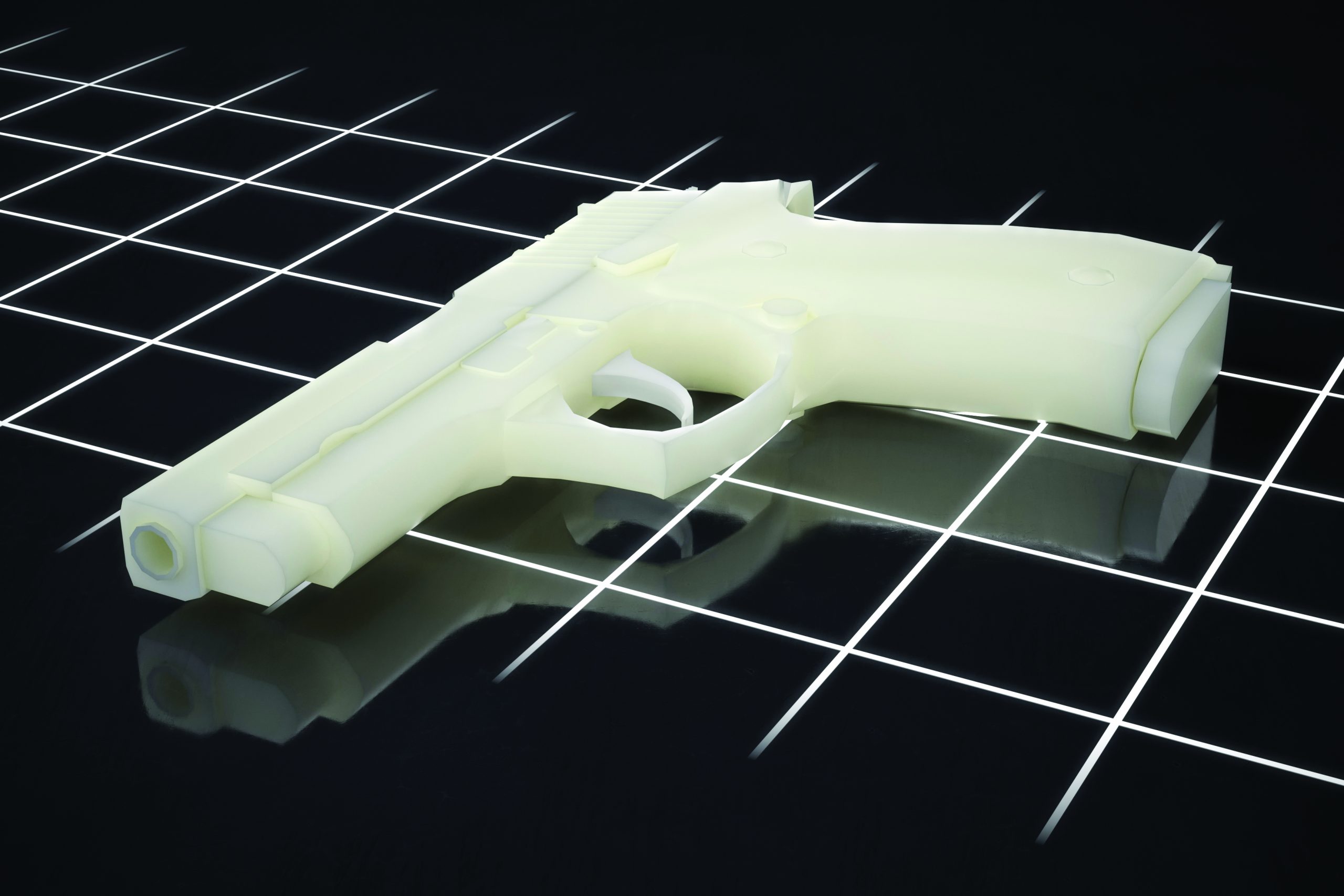
A ghost gun is a privately assembled firearm that is typically built outside of traditional firearm manufacturing channels and often does not include a serial number. Because of this, it may not be registered in standard firearm tracking systems, making it difficult to trace its origin or ownership history.
Basic Definition
- A ghost gun is a firearm that is privately assembled and lacks a serial number
- Often referred to as a “homemade firearm” or “privately made firearm (PMF)”
- Typically cannot be easily traced by law enforcement once used in a crime
In legal and regulatory discussions, ghost guns are often grouped under the category of “privately made firearms.” While they may function like standard firearms once completed, their unregistered nature is what sets them apart in terms of law enforcement tracking and regulation.
Key Identifying Features
- No manufacturer serial number or identifying markings from a licensed firearm maker
- Built from parts, unfinished frames, kits, or 3D-printed components
- May appear visually identical to factory-produced firearms once fully assembled
Because ghost guns can be assembled using various combinations of components, their appearance and construction can vary widely. In many cases, once completed, they may be difficult to distinguish from commercially manufactured firearms without detailed inspection.
Why They Are Called “Ghost” Guns
- They are considered “invisible” in traditional firearm tracking and registration systems
- No official serial number means no standard entry in federal or manufacturer databases
- This makes it difficult for authorities to trace ownership history or point of origin
The term “ghost gun” comes from the idea that these firearms leave little to no traceable record. Unlike traditional firearms, which are documented through manufacturers and licensed dealers, ghost guns often exist outside that formal tracking system, creating challenges for law enforcement investigations.
How Ghost Guns Are Made
Ghost guns can be assembled in several different ways depending on the tools, components, and technology used. In general, they are built from unfinished firearm parts, kits, or custom-made components rather than being produced as fully finished, serialized firearms by a licensed manufacturer.
DIY Gun Kits
- Sold online as partially completed firearm kits
- Require final assembly by the buyer
- Often marketed as “80% lower” or unfinished receivers
DIY gun kits are one of the most common methods associated with ghost guns. These kits typically include partially completed frames or receivers that are not yet classified as fully functional firearms. Buyers complete the final steps of assembly themselves, resulting in a working firearm that may not carry a serial number depending on applicable regulations.
3D-Printed Firearms
- Some ghost guns are created using 3D printing technology
- Plastic or hybrid components combined with metal parts
- Usually less durable but still functional in some cases
3D-printed firearms are produced using digital blueprints and additive manufacturing technology. In many cases, the printed components are combined with metal parts to complete the weapon. While some designs are experimental or low durability, others can function similarly to conventional firearms depending on materials and construction quality.
Parts Bought Separately
- Consumers can purchase individual firearm components online
- Assembly does not require a licensed manufacturer
- Creates unregistered, privately built firearms
Another method involves purchasing firearm components separately from various suppliers and assembling them independently. This modular approach allows individuals to construct a functional firearm without relying on a single manufacturer, which can result in a privately built firearm that may not be recorded in traditional serialization systems.
Overall, these methods highlight why ghost guns are difficult to regulate consistently: they can be created through multiple pathways, each involving different levels of oversight and legal interpretation depending on jurisdiction.
Why Ghost Guns Are Controversial
Ghost guns have become a major point of debate in firearm regulation because they sit at the intersection of private gun ownership, evolving manufacturing technology, and public safety concerns. Their ability to bypass traditional tracking systems raises legal and policy questions in many jurisdictions.
Lack of Background Checks
- Many ghost gun parts can be purchased without federal background checks (depending on regulation changes)
- Concerns about access by prohibited individuals
- Potential loophole in traditional firearm purchase systems
One of the central concerns is that certain components used to build ghost guns may not always require the same background check procedures as fully assembled firearms. This has led to concerns that individuals who are legally prohibited from owning firearms could potentially obtain parts and assemble a functional weapon without going through standard screening processes.
Traceability Issues
- No serial numbers make investigations more difficult
- Law enforcement cannot easily identify the original owner
- Complicates crime-solving and firearm tracking
Because ghost guns often lack serial numbers, they cannot be traced through traditional firearm databases used by manufacturers and law enforcement. This creates challenges when firearms are recovered at crime scenes, as investigators may not be able to quickly determine where the weapon came from or who originally assembled it.
Public Safety Concerns
- Linked to increased use in some criminal investigations
- Concerns about accessibility for unregulated firearm creation
- Debate over balancing rights vs. regulation
Public safety discussions around ghost guns often focus on their accessibility and ease of assembly. Critics argue that this accessibility may increase the number of untraceable firearms in circulation, while others emphasize individual rights and lawful private firearm construction. This tension continues to shape policy discussions at both state and federal levels.
Legal Status of Ghost Guns in the United States
Federal Regulations
- The ATF classifies ghost guns as privately made firearms (PMFs)
- Recent rules require serialization of certain kits and components
- Some ghost gun sales and transfers are now regulated under federal law
At the federal level, the Bureau of Alcohol, Tobacco, Firearms and Explosives (ATF) regulates privately made firearms under specific classifications. Recent regulatory updates have aimed to extend serialization and record-keeping requirements to certain kits and unfinished frames, bringing more ghost gun components under formal oversight.
State-Level Laws
- Some states have banned or restricted ghost gun manufacturing and possession
- Other states allow limited private firearm construction under specific rules
- Laws vary significantly across jurisdictions
State laws regarding ghost guns vary widely. Some states have implemented strict restrictions or outright bans on the possession or manufacturing of unserialized firearms, while others allow private construction under defined legal conditions. This creates a complex legal landscape that differs significantly depending on location.
Ongoing Legal Challenges
- Ghost gun regulations have been challenged in courts
- Debate continues over federal authority vs. Second Amendment rights
- Legal status remains evolving and highly dynamic
Ghost gun regulations continue to face legal scrutiny, with ongoing court cases examining the scope of federal authority and constitutional protections. As technology and manufacturing methods evolve, the legal framework surrounding ghost guns remains fluid and subject to change.
Types of Ghost Guns
Ghost guns are not a single uniform category of firearm. Instead, they refer to a range of privately made or assembled weapons that can be constructed using different methods and technologies. These variations influence their durability, legality, and ease of detection.
3D-Printed Guns
- Entirely or partially produced using 3D printing technology
- Often require additional metal parts for functionality
3D-printed ghost guns are created using digital blueprints and additive manufacturing. While some components may be fully printed, most functional builds still require metal parts such as barrels or firing components. The durability of these firearms can vary significantly depending on materials and design quality.
Kit-Based Firearms
- Sold as incomplete firearm kits requiring assembly
- Commonly include unfinished receivers
Kit-based ghost guns are among the most common forms and typically involve partially completed firearm frames or receivers. These kits are designed to be completed by the purchaser, resulting in a functional firearm once assembly is finished. The legal classification of these kits can depend on how they are manufactured and sold.
Hybrid Builds
- Combination of purchased parts and homemade components
- Most common form of ghost gun construction
Hybrid ghost guns are assembled using a mix of commercially available firearm parts and custom-made or modified components. This method is widely used because it allows builders to customize performance while still sourcing many parts through standard retail channels.
Real-World Incidents Involving Ghost Guns
Ghost guns have increasingly appeared in law enforcement reports and criminal investigations in various jurisdictions. Their untraceable nature has made them a subject of concern in discussions about firearm regulation and public safety.
Criminal Use Cases
- Ghost guns have been recovered in various criminal investigations
- Used in some high-profile shootings and illegal trafficking cases
Law enforcement agencies have reported recovering ghost guns in a range of criminal cases. Because these firearms lack serial numbers, they can be more difficult to trace back to their point of origin, which complicates investigations and efforts to track illegal firearm distribution networks.
Law Enforcement Response
- Increased tracking and seizure efforts by ATF and local agencies
- Rising attention to untraceable firearm circulation
In response to concerns about untraceable firearms, agencies such as the ATF and local law enforcement have increased enforcement efforts targeting the distribution and recovery of ghost guns. This includes enhanced monitoring of parts suppliers and stronger focus on identifying illegal manufacturing activities.
Ghost Guns vs Traditional Firearms
Understanding the differences between ghost guns and traditional firearms is essential for evaluating how each fits into existing legal, manufacturing, and enforcement frameworks. The key distinctions revolve around identification, regulation, and traceability.
Serialization Differences
- Traditional firearms have serial numbers and registration records
- Ghost guns often lack any identifying markings
Traditional firearms produced by licensed manufacturers are required to carry serial numbers that are recorded in official databases. This allows law enforcement to trace the firearm’s origin and transfer history. In contrast, ghost guns are often assembled without such identifiers, making them significantly harder to track once completed.
Background Check Requirements
- Factory firearms require licensed dealer transfers and background checks
- Ghost gun components may bypass checks depending on regulations
Standard firearm purchases typically require transfer through a licensed dealer, which includes mandatory background checks. Ghost guns, however, are often associated with parts or kits that may not always be subject to the same level of oversight, depending on evolving federal and state regulations. This difference is a major focus of regulatory debate.
Traceability
- Traditional guns are traceable through manufacturer records
- Ghost guns are significantly harder to trace after assembly
Traceability is one of the most important distinctions. Traditional firearms can usually be traced back through manufacturing and sales records. Ghost guns, on the other hand, may lack the documentation needed for effective tracing, especially if they were privately assembled without formal recordkeeping.
Risks and Concerns of Ghost Guns
- Difficulty for law enforcement to trace criminal firearms
- Potential misuse by prohibited individuals
- Legal uncertainty due to changing regulations
- Safety risks from improperly assembled firearms
Ghost guns raise a number of concerns for both regulators and law enforcement agencies. Their untraceable nature can complicate criminal investigations, while inconsistent assembly quality may also introduce safety risks. Additionally, the evolving legal landscape creates uncertainty for both users and authorities.
Future of Ghost Gun Regulation
- Increasing federal and state regulation of firearm kits and components
- Ongoing legal battles over ATF authority
- Potential expansion of serialization requirements
- Growing debate between gun rights and public safety advocates
The regulatory future of ghost guns remains highly dynamic. Governments at both federal and state levels are continuing to introduce new rules aimed at increasing oversight of firearm components and privately made weapons. At the same time, these regulations are being challenged in courts, ensuring that the legal framework will continue to evolve.
Conclusion
- Ghost guns are privately made firearms that lack serial numbers and are difficult to trace
- They can be built from kits, parts, or 3D-printed components
- Legal status is evolving due to increasing regulation and court challenges
- Understanding ghost guns is essential for grasping modern firearm policy debates in the U.S.
Overall, ghost guns sit at the center of an ongoing debate between technological innovation, individual firearm rights, and public safety concerns. As laws continue to evolve, their role in the broader firearm landscape is likely to remain a significant topic for policymakers, law enforcement, and gun owners alike.
Ghost Guns FAQ (50+ Questions with Detailed Answers)
1. What exactly is a ghost gun?
A ghost gun is a privately made firearm that is typically assembled outside of a licensed manufacturing system and often lacks a serial number. Because it is not fully registered in traditional firearm databases, it can be difficult for law enforcement to trace its origin or ownership history. Ghost guns may function like regular firearms once completed, but their key distinction is the absence of standardized identification and tracking.
2. Why are ghost guns legal in some cases?
Ghost guns exist in a legal gray area that depends heavily on jurisdiction and how the firearm is constructed. In some cases, individuals are allowed to build firearms for personal use under federal law, provided they are not prohibited persons and do not intend to sell them. However, regulations vary, and many states have introduced stricter laws to limit or regulate privately made firearms.
3. Are ghost guns illegal in the United States?
Ghost guns are not universally illegal in the United States, but they are heavily regulated. Federal law allows limited private firearm manufacturing, but many ghost gun components are now subject to serialization and background check requirements. Several states have banned or restricted them entirely, making legality highly dependent on location.
4. Why are ghost guns controversial?
They are controversial because they can bypass traditional firearm tracking systems. Critics argue this makes it easier for prohibited individuals to obtain firearms, while supporters emphasize private manufacturing rights. The lack of consistent oversight and traceability contributes to ongoing debate.
5. How are ghost guns made?
Ghost guns are typically made using unfinished firearm kits, 3D-printed parts, or separately purchased components. These parts are assembled privately, often without serial numbers or manufacturer records. The final product can resemble a standard firearm but lacks official registration.
6. What is an “80% lower” in ghost guns?
An “80% lower” refers to a partially completed firearm receiver that requires additional machining or drilling to become fully functional. It is not legally classified as a firearm in some contexts until completed, which is why it has been commonly associated with ghost gun construction.
7. Can ghost guns be traced?
In most cases, ghost guns are much harder to trace than traditional firearms because they lack serial numbers and manufacturing records. However, law enforcement may still use forensic evidence, digital purchase records, or component tracking to investigate their origin.
8. Are ghost guns used in crimes?
Ghost guns have been recovered in various criminal investigations. Law enforcement agencies report increasing encounters with privately made firearms in illegal activities. However, the overall percentage compared to traditional firearms varies by region and time period.
9. Can anyone legally build a ghost gun?
Under federal law, individuals who are not prohibited from owning firearms may generally build a firearm for personal use. However, they must comply with all applicable laws, and certain states require serialization or prohibit private manufacturing altogether.
10. Do ghost guns require background checks?
Traditionally, privately made firearms did not require background checks because they were built by individuals. However, recent federal and state regulations have expanded background check requirements for certain kits and components used to build ghost guns.
11. What is a privately made firearm (PMF)?
A privately made firearm (PMF) is the official legal term for a ghost gun. It refers to any firearm manufactured by an individual for personal use rather than by a licensed manufacturer. PMFs are subject to evolving regulations depending on jurisdiction.
12. Are 3D-printed guns reliable?
3D-printed firearms vary in reliability depending on design, materials, and construction quality. Some may function for limited use, while others may fail quickly due to material stress. Metal reinforcement is often required for practical functionality.
13. What materials are used in ghost guns?
Ghost guns may use polymer, plastic (for 3D printing), steel, aluminum, and standard firearm components like barrels and springs. The combination depends on the build method and intended use of the firearm.
14. Are ghost guns more dangerous than regular guns?
Ghost guns are not inherently more powerful or mechanically different from traditional firearms. The primary concern is traceability and regulatory oversight rather than increased lethality.
15. Can ghost guns be sold legally?
In most cases, selling an unregistered privately made firearm is illegal under federal law. Many jurisdictions prohibit transferring ghost guns without serialization and proper licensing.
16. Why do ghost guns not have serial numbers?
They often lack serial numbers because they are not manufactured by licensed firearm companies. However, newer regulations in some regions now require serialization for certain components.
17. What role does the ATF play in ghost guns?
The Bureau of Alcohol, Tobacco, Firearms and Explosives (ATF) regulates firearms under federal law. It has introduced rules requiring serialization and regulation of certain ghost gun kits and parts.
18. Are ghost guns detectable by metal detectors?
It depends on construction. Some ghost guns include metal components and can be detected, while others made from polymers or plastics may be less detectable, though functional firearms typically still contain metal parts.
19. Can law enforcement track ghost gun purchases?
If components were purchased online or through regulated sellers, digital records may exist. However, once assembled privately without serialization, traditional tracking becomes difficult.
20. Are ghost guns banned in some states?
Yes. Several states have enacted laws banning or restricting ghost gun manufacturing, possession, or sale. These laws vary widely and continue to evolve.
21. Can ghost guns be used for self-defense?
Legally owned firearms may be used for self-defense where allowed by law, but ghost guns must still comply with all applicable regulations. Illegal possession can result in serious criminal penalties.
22. What is the difference between a ghost gun and a homemade gun?
The terms are often used interchangeably, but “ghost gun” typically refers to privately made firearms lacking serialization, while homemade gun is a broader term that may include legally constructed firearms for personal use.
23. Are ghost gun kits legal to buy?
Some kits are legal to purchase depending on federal and state laws, but many now require serialization or background checks due to updated regulations.
24. What happens if you are caught with a ghost gun illegally?
Penalties can include fines, imprisonment, and additional firearm-related charges depending on jurisdiction and circumstances of possession or use.
25. Can ghost guns be registered after assembly?
In some jurisdictions, privately made firearms can be serialized and registered after completion, but this process is not universally available and depends on local law.
26. Do ghost guns appear in background checks?
No. Since they are not manufactured through licensed channels, they do not appear in traditional firearm background check databases.
27. Are ghost guns common in the United States?
Their use has increased in recent years, but they still represent a small portion of overall firearm recoveries compared to traditional firearms.
28. Can ghost guns malfunction more often?
Depending on build quality, ghost guns may have higher risk of malfunction due to improper assembly or lower-quality components.
29. Are ghost guns regulated federally?
Yes. Federal regulations have increasingly brought certain ghost gun kits and components under ATF oversight, including serialization requirements.
30. What is the main legal issue with ghost guns?
The main issue is balancing private firearm manufacturing rights with public safety concerns related to traceability and background checks.
31. Can ghost guns be used in hunting?
If legally owned and compliant with state hunting laws, privately made firearms may be used, but many jurisdictions restrict their use.
32. Are ghost guns harder to regulate than regular guns?
Yes, because they are assembled from parts rather than manufactured as finished products, making enforcement and tracking more complex.
33. Do ghost guns increase crime rates?
There is ongoing debate. Some reports link them to criminal cases, but overall crime impact varies and is still being studied.
34. Can ghost guns be inherited?
Inheritance laws vary, but transferring unregistered firearms can create legal issues depending on state and federal regulations.
35. Are ghost guns covered under the Second Amendment?
Supporters argue they are protected, while regulators argue restrictions are necessary. Courts continue to evaluate this issue.
36. What is the safest way to comply with ghost gun laws?
Following federal and state regulations, ensuring proper serialization where required, and avoiding prohibited manufacturing practices is essential for compliance.
37. Can ghost guns be confiscated?
Yes, if they are illegal under state or federal law, law enforcement may seize them during investigations or enforcement actions.
38. Are ghost guns easy to assemble?
Ease of assembly varies depending on skill level, tools, and the complexity of the kit or design used.
39. Do ghost guns require special tools?
Some builds require basic tools like drills or milling equipment, while others (like 3D-printed builds) may require specialized equipment.
40. Can ghost guns be transported legally?
Transport laws depend on legality of possession. Illegal possession makes transportation a criminal offense in most cases.
41. Are ghost guns more affordable?
They can sometimes be cheaper than factory firearms, but total cost depends on parts, tools, and assembly requirements.
42. What is the future of ghost gun laws?
Laws are expected to become more restrictive with increased serialization requirements and expanded federal oversight.
43. Can ghost guns be detected in airports?
Security screening may detect components depending on materials, but possession is illegal regardless of detection context.
44. Are ghost guns used internationally?
Yes, similar concepts exist globally, but regulations vary widely by country.
45. Can ghost guns be serialized later?
In some jurisdictions, they can be voluntarily serialized through legal processes, but requirements vary.
46. Are ghost guns the same as illegal firearms?
Not always. A ghost gun becomes illegal only if it violates applicable laws or is possessed by a prohibited person.
47. Can ghost guns be insured?
Insurance options are limited and depend on legality and registration status.
48. What is the biggest concern about ghost guns?
The primary concern is their lack of traceability, which can hinder criminal investigations.
49. Are ghost guns changing firearm laws?
Yes, they have influenced new regulations at both state and federal levels.
50. Should people avoid ghost guns entirely?
From a legal and safety standpoint, many experts recommend strict compliance with all firearm laws and careful consideration of risks and regulations before engaging with privately made firearms.
Read more: