
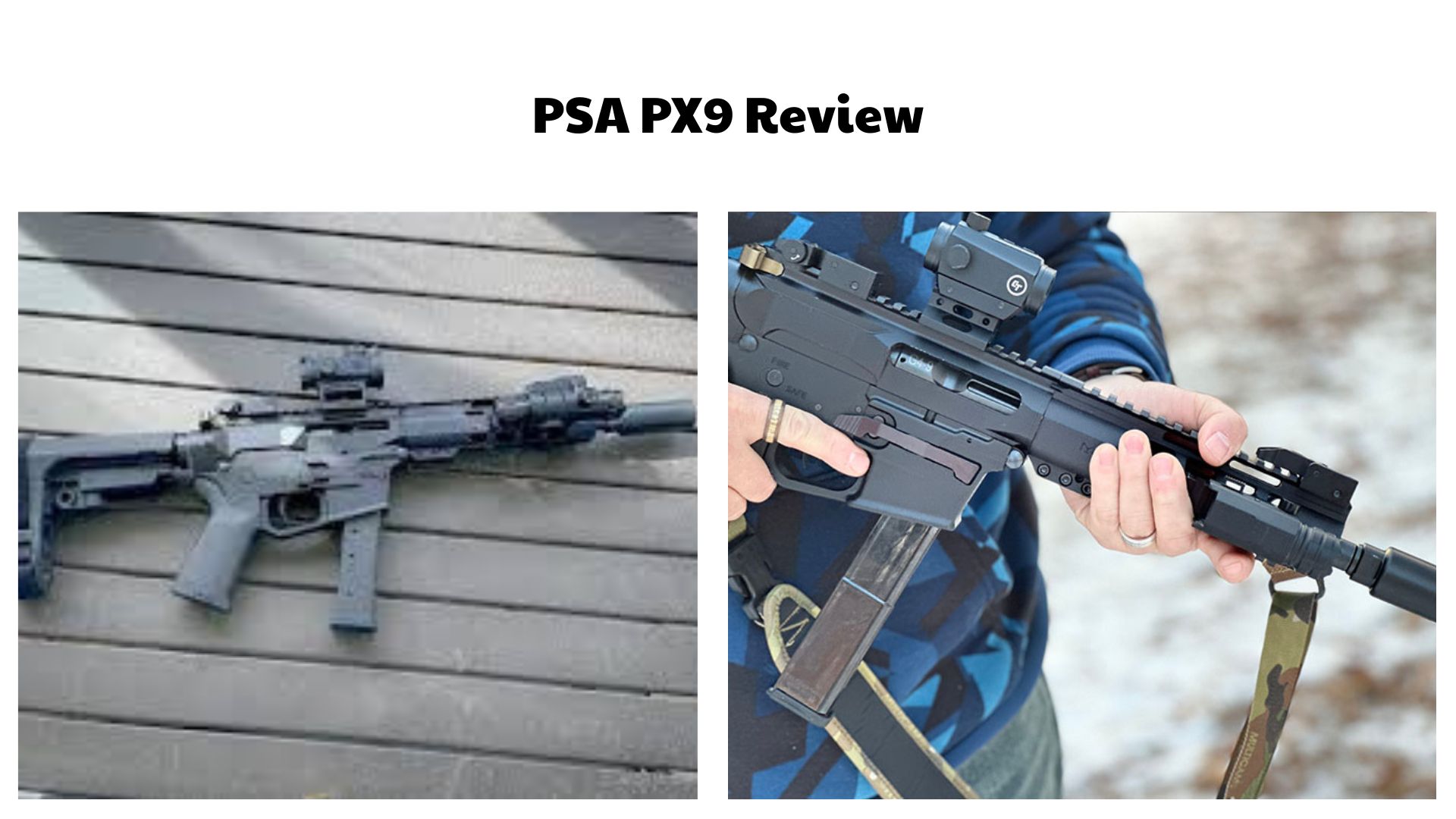

The PSA PX9 is Palmetto State Armory’s affordable AR-style pistol caliber carbine platform chambered in 9mm, designed to deliver the familiar ergonomics of the AR-15 while utilizing inexpensive pistol ammunition and Glock-pattern magazines. As one of the more accessible PCC options on the market, the PX9 has gained strong popularity among recreational shooters, home defense users, and budget-conscious firearm enthusiasts.
Built around a modular AR-style platform, the PX9 combines easy handling, low recoil, and widespread aftermarket compatibility into a practical and highly customizable package. Its compatibility with Glock magazines further increases its appeal for shooters already invested in Glock handguns, making magazine sharing convenient and cost-effective.
Known for offering solid reliability and impressive value for the price, the PSA PX9 has become one of the most recognized budget pistol caliber carbines in the growing AR-9 market.
What Is the PSA PX9?

Overview of the AR-9 / PCC Platform
The PSA PX9 belongs to the AR-9 category, also known as pistol caliber carbines (PCCs). These firearms combine AR-style controls and ergonomics with handgun calibers such as 9mm, creating a platform that is easier to control than a handgun while maintaining low recoil and reduced ammunition cost.
Palmetto State Armory’s PX9 Development
Palmetto State Armory developed the PX9 to provide an affordable and reliable entry into the growing PCC market. By leveraging familiar AR components and Glock-pattern magazine compatibility, PSA created a firearm aimed at shooters seeking modularity and value without premium pricing.
Intended Role of the PX9
The PX9 is designed for multiple purposes including recreational shooting, home defense, range training, competition use, and inexpensive practice sessions. Its low recoil and compact handling characteristics make it highly versatile across different shooting applications.
Why the PX9 Became Popular in the Budget PCC Market
The PX9 became popular because it delivers many desirable PCC features at a relatively affordable price point. Its compatibility with Glock magazines, familiar AR controls, and extensive customization potential make it especially attractive to first-time PCC buyers and budget-conscious shooters.
PSA PX9 Key Specifications
Caliber and Chambering (9mm Luger)
The PSA PX9 is chambered in 9mm Luger, one of the most widely available and affordable handgun cartridges in the world. The caliber offers manageable recoil, strong magazine capacity, and inexpensive ammunition costs.
Barrel Length Options and Configurations
The PX9 is available in multiple barrel lengths and configurations, including compact pistol variants and longer PCC-style builds. Different barrel lengths allow users to prioritize maneuverability, velocity, or overall balance depending on intended use.
Blowback Operating System
The firearm operates using a direct blowback system rather than the gas-operated system found in standard AR-15 rifles. This design simplifies internal mechanics and is common among PCC platforms chambered in handgun calibers.
Weight and Overall Dimensions
The PX9 maintains relatively lightweight handling characteristics while still offering enough mass to help reduce recoil impulse. Exact dimensions vary depending on barrel length and configuration.
Magazine Compatibility (Glock Pattern)
One of the defining features of the PX9 is its compatibility with Glock-pattern magazines. This allows users to utilize common Glock magazines across both pistols and carbines, improving convenience and reducing accessory costs.
Trigger and Controls Layout
The controls closely resemble those of a traditional AR-15, including the safety selector, charging handle, and magazine release layout. This familiar setup allows AR users to transition easily to the PCC platform.
Design and Build Quality
AR-Style Upper and Lower Receiver Construction
The PX9 uses AR-style upper and lower receivers designed specifically for 9mm operation. The platform retains the familiar appearance and modularity of AR-pattern firearms while adapting the internals for pistol-caliber performance.
Materials and Finish Quality
PSA typically uses aluminum receivers and durable protective finishes that provide reasonable resistance against wear and corrosion. While positioned as a budget firearm, the PX9 generally demonstrates solid construction quality for its price range.
Handguard Design and Rail Space
Modern PX9 variants often feature free-float handguards with M-LOK or Picatinny attachment points, allowing users to install accessories such as lights, grips, lasers, and optics.
Fit and Finish Compared to Premium PCCs
Although the PX9 may not match the refinement or machining precision of higher-end PCC platforms, it offers respectable fit and finish considering its affordability. Minor cosmetic imperfections are possible but generally do not impact performance.
Overall Durability and Construction Standards
The PX9 is built to handle regular recreational use and moderate to high round counts. Its straightforward blowback design and durable AR-style construction contribute to dependable long-term operation when properly maintained.
Operating System and Reliability
Direct Blowback System Explained
The PX9 operates using a direct blowback system in which bolt mass and spring tension delay rearward movement during firing. This simpler operating mechanism eliminates the need for a gas system and is widely used in 9mm PCC designs.
Reliability with Various Ammunition Types
The PX9 generally performs reliably with a wide range of factory 9mm ammunition, including full metal jacket and hollow point loads. Ammunition quality and magazine selection can still influence overall reliability.
Feeding Performance with Glock Magazines
Factory Glock magazines typically provide the highest reliability in the PX9 platform, though many quality aftermarket magazines also function well. Magazine quality plays a major role in feeding consistency.
Reliability Over High Round Counts
Many PX9 owners report solid long-term reliability across thousands of rounds when proper cleaning and lubrication schedules are followed. The simple blowback design helps minimize mechanical complexity.
Common Reliability Issues and Fixes
Some users may encounter issues related to magazine compatibility, extractor wear, or buffer tuning. In many cases, these concerns can be resolved through upgraded components, proper lubrication, or using higher-quality magazines.
Accuracy and Performance
Practical Accuracy Expectations at PCC Distances
The PX9 is capable of strong practical accuracy within standard PCC engagement distances. Most shooters can achieve reliable target hits at short to medium ranges, especially when using red dot optics.
Effective Range of the 9mm Platform
The practical effective range of the PX9 is typically around 100 to 150 yards, depending on ammunition type, barrel length, and shooter skill.
Barrel Length Influence on Velocity
Longer barrel configurations can increase muzzle velocity and improve ballistic consistency compared to compact pistol-length setups. However, compact models offer improved maneuverability and portability.
Accuracy with Red Dots and Optics
Red dot sights are highly popular on the PX9 because they enhance rapid target acquisition and improve overall shooting efficiency. The platform’s low recoil also helps shooters maintain sight picture during rapid fire.
Recoil and Shooting Experience
Recoil Characteristics of Blowback PCCs
Although 9mm produces relatively mild recoil, direct blowback PCC systems often generate a sharper recoil impulse than gas-operated rifles due to the heavy reciprocating bolt mass.
Muzzle Rise and Follow-Up Shots
The PX9 maintains low muzzle rise compared to rifle-caliber carbines, allowing for fast follow-up shots and improved controllability during rapid firing strings.
Noise and Indoor Range Performance
Compared to rifle-caliber firearms, the PX9 produces reduced muzzle blast and concussion, making it more comfortable for indoor range use and recreational shooting sessions.
Beginner-Friendly Shooting Experience
The manageable recoil, familiar controls, and affordable ammunition make the PX9 highly approachable for beginner shooters and new PCC owners.
Shooting Comfort During Extended Sessions
The low recoil and inexpensive ammunition costs encourage extended range sessions, making the PX9 an enjoyable platform for recreational shooting and training purposes.
Ergonomics and Handling
Familiar AR-15 Style Controls
One of the major advantages of the PSA PX9 is its use of familiar AR-15 style controls. Shooters already experienced with AR-platform firearms can quickly adapt to the PX9 without a steep learning curve. The safety selector, charging handle, trigger placement, and magazine release maintain the standard AR-style layout that many shooters already know well.
Ambidextrous Features and Controls
Depending on the specific configuration, some PX9 models include ambidextrous controls or can be upgraded with aftermarket ambidextrous components. This improves accessibility for left-handed shooters and enhances overall versatility during tactical or competitive shooting applications.
Weight Distribution and Balance
The PX9 generally maintains balanced handling characteristics, especially in shorter barrel configurations. Its lightweight 9mm chambering and compact design help create a controllable shooting platform that remains comfortable during extended range sessions.
Compact Handling Characteristics
Compact PX9 configurations are highly maneuverable and easy to transport. This makes the platform well suited for home defense, indoor range shooting, and close-quarters applications where rapid target transitions and mobility are important.
Magazine Changes and Reload Speed
The use of Glock-pattern magazines combined with AR-style controls allows relatively fast reloads once users become familiar with the system. The magazine release placement and straight-in magazine insertion style contribute to efficient reload performance.
Magazine Compatibility and Feeding
Glock Magazine Compatibility
The PSA PX9 is designed around Glock-pattern magazines, which are widely available and commonly used across the firearms industry. This compatibility allows users to share magazines between Glock pistols and the PX9 platform, increasing convenience and reducing overall equipment costs.
Factory Magazines vs Aftermarket Magazines
Factory Glock magazines are generally considered the most reliable option for the PX9. Many aftermarket magazines also function well, though lower-quality magazines can occasionally introduce feeding or reliability issues.
Magazine Capacity Options
The PX9 supports a wide range of magazine capacities, including standard-capacity magazines and extended magazines where legally permitted. This flexibility allows shooters to configure the firearm for recreational shooting, competition, or defensive applications.
Feeding Reliability Across Different Magazine Types
Feeding reliability in the PX9 is typically strong when quality magazines are used. Glock factory magazines tend to provide the most consistent performance, while some aftermarket magazines may vary depending on manufacturing tolerances and spring quality.
Suppressor Compatibility and Performance
Suppressed Shooting Benefits in 9mm PCCs
The 9mm caliber performs exceptionally well in suppressed configurations, making the PX9 a popular host for suppressor use. Suppressed shooting reduces muzzle blast, lowers perceived recoil, and creates a more comfortable shooting experience overall.
Threaded Barrel Compatibility
Many PX9 models come equipped with threaded barrels that allow direct suppressor attachment or the use of muzzle devices and suppressor mounting systems. This makes suppressor integration relatively straightforward for users interested in quieter shooting setups.
Blowback Gas Concerns When Suppressed
Like many direct blowback PCC platforms, the PX9 may experience increased gas blowback and fouling when suppressed. Suppressor use can also slightly increase recoil impulse due to additional back pressure generated within the blowback system.
Best Suppressor Setups for the PX9
Compact 9mm suppressors are commonly paired with the PX9 due to their balance of sound reduction and maneuverability. Many shooters also use heavier buffers or upgraded recoil systems to help smooth out suppressed blowback performance.
PSA PX9 vs Other PCC Platforms
PX9 vs Ruger PC Carbine
Compared to the Ruger PC Carbine, the PX9 offers more AR-style ergonomics and greater modularity. The Ruger platform may provide softer recoil characteristics in some configurations, while the PX9 emphasizes AR familiarity and customization potential.
PX9 vs CZ Scorpion
The CZ Scorpion is often viewed as a more refined PCC platform with a unique operating system and dedicated design. However, the PX9 typically offers a lower price point and broader AR-component compatibility, making it attractive to budget-conscious shooters.
PX9 vs Aero EPC-9
The Aero EPC-9 is generally positioned as a more premium AR-9 platform with upgraded fit and finish. The PX9 competes strongly on affordability and value while still delivering reliable performance for most recreational and defensive shooting applications.
PX9 vs Budget AR-9 Platforms
Within the budget AR-9 market, the PX9 stands out for its strong aftermarket support, widespread availability, and solid reliability record. Its combination of affordability and Glock magazine compatibility makes it one of the more popular PCC choices in its category.
Price-to-Performance Comparison
The PSA PX9 is widely regarded as offering excellent price-to-performance value. While premium PCCs may offer smoother recoil systems or higher-end finishes, the PX9 provides many desirable features at a significantly lower overall cost.
Customization and Upgrades
AR-15 Parts Compatibility
One of the strongest advantages of the PSA PX9 is its compatibility with many standard AR-15 components. Users can often interchange triggers, grips, charging handles, safeties, stocks, and other furniture items, allowing extensive customization without requiring proprietary parts.
Trigger Upgrades and Tuning
Many shooters choose to upgrade the factory trigger to improve pull weight, reset, and overall shooting feel. Enhanced triggers can significantly improve performance during competition shooting and rapid follow-up engagements.
Stocks, Braces, and Furniture Options
The PX9 supports a wide range of stocks, pistol braces, grips, and adjustable furniture options depending on the configuration and local firearm laws. This flexibility allows users to tailor the firearm for comfort, compactness, or competition-oriented setups.
Optics, Lights, and PCC Accessories
Modern PX9 handguards and rail systems provide ample mounting space for red dot sights, weapon lights, lasers, angled grips, and other PCC accessories. Red dot optics are especially common because of the platform’s close-range role and low recoil characteristics.
Aftermarket Support for AR-9 Platforms
The AR-9 aftermarket ecosystem has grown substantially in recent years, giving PX9 owners access to a large selection of parts, accessories, tuning components, and performance upgrades from multiple manufacturers.
Maintenance and Durability
Cleaning Requirements for Blowback PCCs
Direct blowback PCC systems tend to accumulate fouling more quickly than some gas-operated platforms because combustion residue is pushed directly into the receiver area. Regular cleaning helps maintain reliable cycling and smooth operation.
Bolt and Buffer Maintenance
Routine inspection of the bolt, recoil spring, and buffer system is important for long-term reliability. The heavier reciprocating mass found in blowback systems places additional stress on these components over time.
Wear Patterns in High Round Count PCCs
High round count PCCs may show wear on the bolt face, extractor, buffer assembly, and receiver contact points. Proper lubrication and preventive maintenance can greatly extend component life.
Expected Long-Term Durability
When properly maintained, the PX9 is capable of handling thousands of rounds reliably. Its relatively simple blowback operating system contributes to durability and ease of servicing over extended use.
Pros and Cons of the PSA PX9
Major Advantages of the Platform
The PX9 offers affordable entry into the PCC market, compatibility with Glock-pattern magazines, familiar AR ergonomics, low ammunition cost, manageable recoil, and extensive customization potential. Its overall value and versatility are major reasons for its popularity.
Drawbacks of Blowback PCC Designs
The primary drawbacks of the PX9 stem from its direct blowback operating system, which can produce a sharper recoil impulse, increased fouling, and more reciprocating mass compared to delayed-blowback or gas-operated PCC platforms.
Best Use Cases for the PX9
The PX9 performs especially well for recreational shooting, range training, home defense, PCC competition, and inexpensive practice sessions. Its compact handling and low recoil also make it highly approachable for newer shooters.
Who Should Buy the PSA PX9?
Budget-Conscious PCC Buyers
The PX9 is particularly attractive to shooters seeking an affordable PCC that still offers reliable performance and strong modularity without entering premium price ranges.
Home Defense and Range Shooters
Its low recoil, compact dimensions, and inexpensive ammunition make the PX9 a practical option for home defense and regular recreational shooting sessions.
Beginner Firearm Owners
The manageable recoil, AR-style controls, and approachable shooting characteristics make the PX9 beginner-friendly for users entering the PCC or AR-style firearm market.
Competitive PCC Shooters
Many competitive shooters appreciate the PX9 for its controllability, magazine compatibility, and affordable upgrade potential. With proper tuning and accessories, it can perform effectively in PCC competition environments.
Shooters Already Using Glock Pistols
Glock owners often find the PX9 especially appealing because of its shared magazine compatibility, simplifying logistics and reducing equipment costs across multiple firearm platforms.
Final Verdict on PSA PX9 Review
The PSA PX9 has established itself as one of the most popular budget-friendly AR-9 platforms by combining affordability, modularity, and practical performance into a highly versatile PCC package.
Its compatibility with Glock-pattern magazines, familiar AR-style ergonomics, and broad aftermarket support make it especially attractive to recreational shooters, home defense users, and budget-conscious firearm owners seeking a reliable pistol caliber carbine.
While the direct blowback system may produce slightly harsher recoil impulse and increased fouling compared to more advanced PCC operating systems, the PX9 still delivers strong overall reliability and excellent value for its price category. For many shooters, it represents one of the best price-to-performance options currently available in the growing PCC market.
PSA PX9 Review FAQ (55 Detailed Questions and Answers)
1. What is the PSA PX9?
The PSA PX9 is a pistol caliber carbine (PCC) built by Palmetto State Armory in 9mm, designed around an AR-style platform that uses Glock-pattern magazines and a direct blowback operating system.
2. Is the PSA PX9 an AR-15?
No, it is not a true AR-15 rifle. While it uses AR-style controls and ergonomics, it is specifically designed for 9mm pistol ammunition and operates differently using a blowback system.
3. What caliber does the PX9 use?
The PX9 is chambered in 9mm Luger, which is one of the most common and affordable handgun calibers in the world.
4. What is the main purpose of the PX9?
It is designed for recreational shooting, home defense, training, and competition use in the pistol caliber carbine category.
5. Does the PX9 use Glock magazines?
Yes, it is designed to accept Glock-pattern magazines, which is one of its biggest advantages.
6. Is the PSA PX9 reliable?
Yes, when using quality magazines and ammunition, the PX9 is generally considered reliable for its price category.
7. What operating system does it use?
It uses a direct blowback operating system, which is common in 9mm PCC platforms due to its simplicity and reliability.
8. Is blowback better than gas-operated systems?
Blowback systems are simpler and cheaper but often produce more felt recoil compared to gas or delayed blowback systems found in premium PCCs.
9. Is the PX9 good for beginners?
Yes, it is beginner-friendly due to its low recoil, simple operation, and familiar AR-style controls.
10. Is the PX9 good for home defense?
It can be used for home defense because it is compact, easy to control, and uses controllable 9mm ammunition, though training and proper setup are essential.
11. What barrel lengths are available?
The PX9 comes in multiple configurations including pistol and carbine-length barrels, depending on the model variant.
12. Is the PX9 accurate?
Yes, it is accurate within typical PCC distances, usually up to 100–150 yards depending on shooter skill and ammunition.
13. How far can a PX9 shoot effectively?
Most practical engagement distances are within 100 yards, though it can reach beyond that with reduced effectiveness.
14. Does barrel length affect performance?
Yes, longer barrels typically increase velocity and slightly improve ballistic consistency compared to shorter barrels.
15. Is recoil strong on the PX9?
Recoil is mild overall, but blowback systems can feel slightly sharper than gas-operated rifles.
16. Is the PX9 loud?
It is less loud than rifle calibers but still produces noticeable noise, especially indoors or with shorter barrels.
17. Is it good for indoor ranges?
Yes, 9mm PCCs like the PX9 are commonly used at indoor ranges due to reduced blast compared to rifles.
18. Does it support optics?
Yes, it is fully compatible with red dots, holographic sights, and magnifiers depending on rail configuration.
19. Are red dots recommended?
Yes, red dots improve speed and accuracy significantly for PCC platforms like the PX9.
20. Can I suppress the PX9?
Yes, many models have threaded barrels and can accept suppressors designed for 9mm.
21. Is it good with a suppressor?
Yes, 9mm suppresses very effectively, but blowback systems may increase gas and fouling.
22. Does suppression increase recoil?
It can slightly increase perceived recoil due to added backpressure in blowback systems.
23. What magazines work best?
Glock factory magazines generally provide the best reliability and consistency.
24. Do aftermarket magazines work?
Some aftermarket magazines work well, but quality varies widely depending on manufacturer.
25. What is magazine capacity?
Capacity depends on magazine type and local laws, ranging from standard to extended capacity options.
26. Is it compatible with AR-15 parts?
Yes, many AR-style parts such as triggers, grips, and furniture can be used.
27. Can I upgrade the trigger?
Yes, aftermarket AR triggers are commonly used to improve performance and feel.
28. Is the PX9 durable?
Yes, it is built for long-term use with proper maintenance and regular cleaning.
29. How long does it last?
With proper care, it can last tens of thousands of rounds over its service life.
30. Does it require frequent cleaning?
Blowback systems tend to run dirty, so regular cleaning is recommended for best performance.
31. Does it get dirty quickly?
Yes, 9mm blowback systems deposit more fouling into the receiver than some gas-operated systems.
32. Is maintenance difficult?
No, it is relatively simple and similar to standard AR-style maintenance.
33. Is it good for competition?
Yes, many PCC competitions allow AR-9 platforms like the PX9 due to low recoil and fast handling.
34. Is it better than a handgun?
It offers better stability, accuracy, and magazine capacity compared to a standard handgun.
35. Is it better than a rifle?
It is not better than a rifle in power or range but is easier to control and cheaper to shoot.
36. Does it have ambidextrous controls?
Some models include ambidextrous features or can be upgraded with aftermarket parts.
37. Is it heavy?
It is generally lightweight compared to rifle-caliber AR platforms.
38. Is it easy to carry?
Yes, compact configurations are easy to transport and handle.
39. Does it have recoil buffer issues?
Improper buffer tuning can affect performance, but most factory setups work reliably.
40. Can it jam?
Like all firearms, it can malfunction, but most issues are related to magazines or ammunition.
41. Is it picky with ammo?
Generally no, but high-quality ammunition improves reliability and consistency.
42. Is it good for training?
Yes, it is excellent for training due to low recoil and inexpensive ammunition.
43. Can it replace an AR-15?
No, it is not a replacement for a rifle-caliber AR-15 due to limited range and power.
44. Is it good for close range defense?
Yes, it is effective at close range where 9mm performs well.
45. Does it have strong aftermarket support?
Yes, AR-9 platforms have a large and growing aftermarket ecosystem.
46. Can I change the stock or brace?
Yes, depending on configuration and legal restrictions, stocks or braces can be installed.
47. Is it expensive to run?
No, 9mm ammunition is generally affordable compared to rifle calibers.
48. Is it good for left-handed shooters?
Yes, especially with ambidextrous upgrades or reversible components.
49. Is it better than CZ Scorpion?
The Scorpion is more refined, but the PX9 is usually cheaper and more AR-compatible.
50. Is it better than Ruger PC Carbine?
The PX9 offers more AR-style modularity, while the Ruger has a different recoil feel and design approach.
51. Is it worth buying?
Yes, it is widely considered worth it for shooters wanting a budget-friendly PCC platform.
52. What is its biggest advantage?
Its biggest advantage is combining AR ergonomics with Glock magazine compatibility at a low price.
53. What is its biggest disadvantage?
The direct blowback system can produce sharper recoil and more fouling than advanced PCC designs.
54. Who should avoid it?
Shooters seeking premium-grade refinement or ultra-smooth recoil systems may prefer higher-end PCCs.
55. What is the final verdict on the PX9?
The PSA PX9 is a strong value-oriented PCC that delivers reliable performance, AR-style ergonomics, and Glock magazine compatibility, making it one of the best budget-friendly options in the AR-9 category despite the inherent limitations of blowback operation.
Read more: