
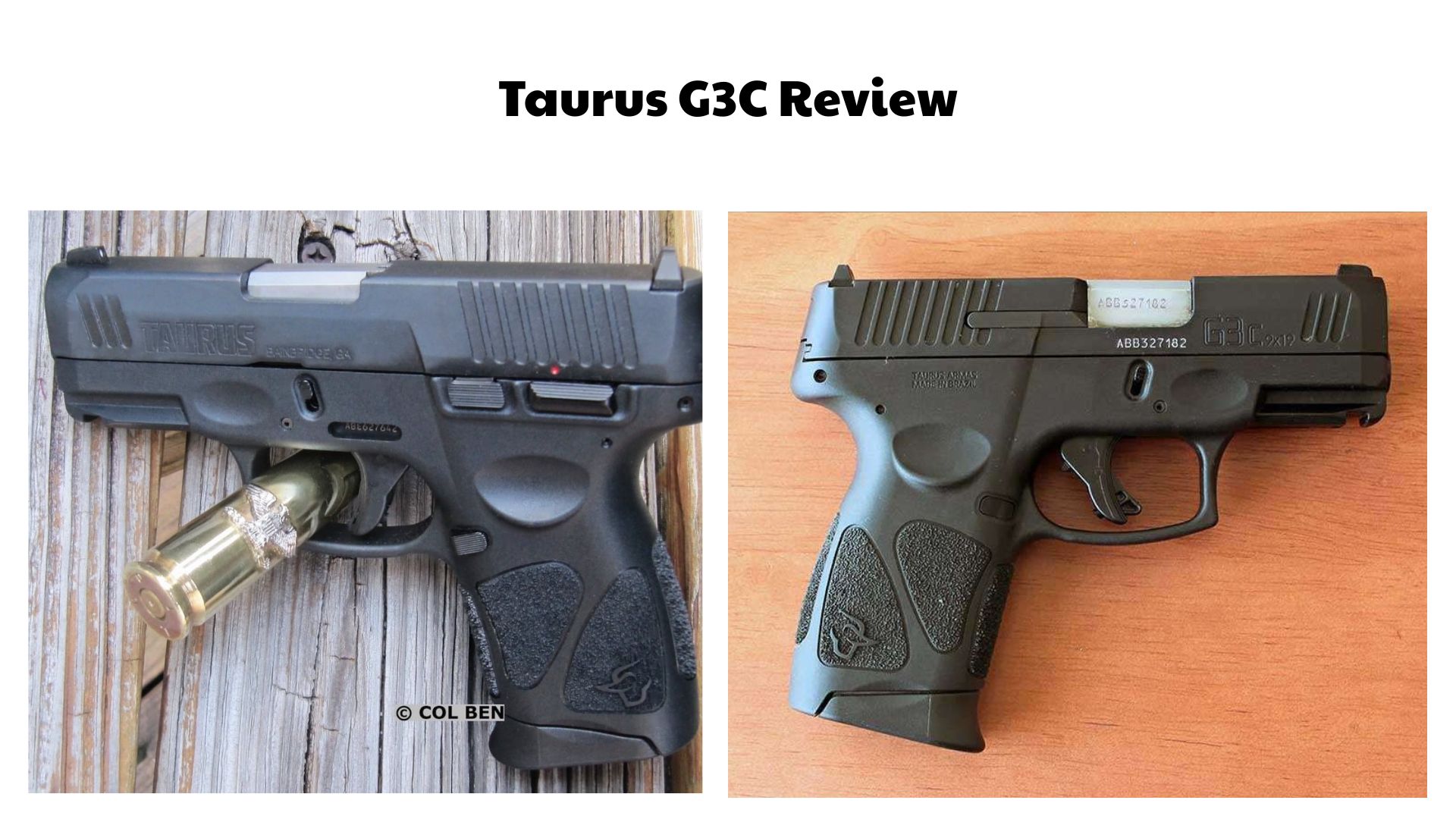

The Taurus G3C is one of the most widely recognized ultra-budget concealed carry pistols in the modern 9mm market. It is designed for users who want a practical, defensive handgun at a low cost without giving up essential features like capacity, concealability, and basic reliability. While it does not compete with premium pistols in refinement or finish quality, it has earned strong attention for delivering usable everyday carry performance at an affordable price point.
Introduction to the Taurus G3C 9mm Pistol
The Taurus G3C is a compact striker-fired 9mm handgun built primarily for concealed carry and personal defense. It belongs to Taurus’s G-series lineup and represents a refined continuation of their budget compact pistol design philosophy. The pistol uses a polymer frame combined with a steel slide, making it lightweight enough for daily carry while still durable enough for defensive use.
Its purpose is simple: provide a reliable, easy-to-carry defensive tool that remains accessible to budget-conscious buyers. The G3C is not intended for competition or high-end tactical use. Instead, it focuses on practical performance, manageable recoil, and straightforward operation for everyday defensive situations.
Evolution from Taurus G2C to G3C Platform Improvements
The G3C is an evolution of the Taurus G2C platform, and most of its improvements are focused on usability and refinement rather than a complete redesign. Taurus took feedback from G2C users and made targeted upgrades to enhance shooting experience and reliability.
One of the key improvements is the trigger system. While still striker-fired and budget-oriented, the G3C trigger offers a more consistent break and improved reset feel compared to earlier models. This helps shooters maintain better control during rapid fire and defensive shooting drills.
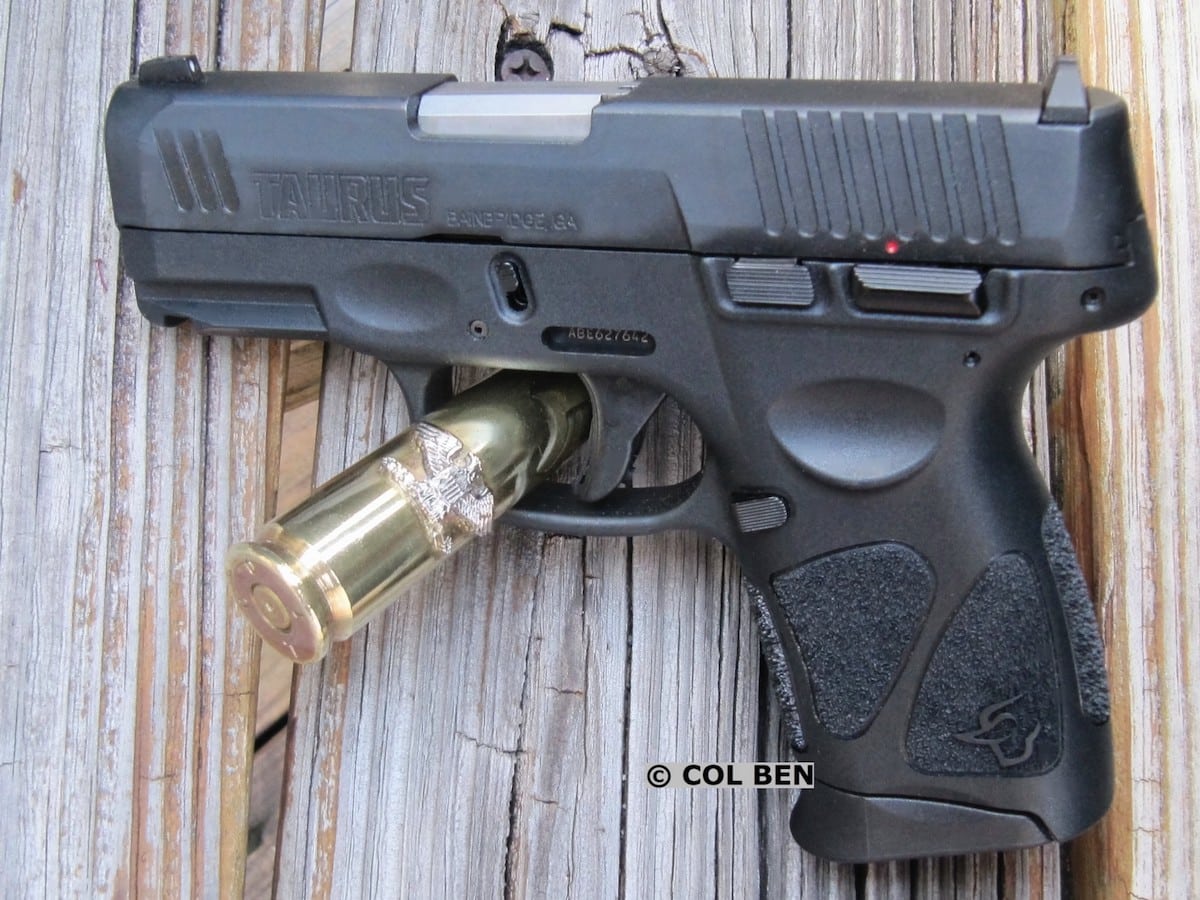
The grip texture has also been significantly improved. The G3C features more aggressive texturing and added memory pads, which help ensure a stable grip under stress or adverse conditions. This improvement is especially noticeable during extended range sessions or high-speed shooting.
Additionally, slide serrations have been enhanced for better handling. Racking the slide or performing press checks is easier and more secure, even under pressure or with wet hands.
Overall, these refinements make the G3C a more polished and user-friendly version of its predecessor while maintaining its budget-friendly identity.
Why the G3C Targets the Budget Concealed Carry Market
The concealed carry market has a strong demand for affordable defensive pistols, and the Taurus G3C is designed specifically to meet that need. Many users want a reliable handgun without investing in higher-priced platforms from premium manufacturers.
The G3C focuses on delivering essential defensive capabilities rather than advanced features. It provides adequate magazine capacity, compact dimensions, and a striker-fired system that is easy to learn and operate. This makes it particularly appealing to first-time gun owners and budget-conscious concealed carry permit holders.
By keeping costs low while maintaining functional performance, the G3C remains highly competitive in the entry-level handgun category. It serves as a practical solution for users who prioritize affordability and basic defensive readiness.
Who Is the Taurus G3C Designed For?
The Taurus G3C is designed for a wide range of users, particularly those who need a reliable handgun at a low cost. It is an excellent option for first-time firearm owners who want a simple and effective introduction to concealed carry.
It is also well-suited for budget CCW holders who need an everyday defensive firearm without spending significantly more money. Its compact size allows for easy concealed carry, while its capacity provides confidence in defensive situations.
Additionally, the G3C can function as a backup or secondary firearm for more experienced shooters. While it may not replace higher-end duty pistols, it offers practical value as a spare or training handgun.
However, it is less suitable for users seeking premium ergonomics, refined triggers, or extensive customization options. Those users may prefer more advanced platforms with stronger aftermarket ecosystems.
Key Specifications of the Taurus G3C
Caliber and Capacity (9mm, 10+1 / 12+1 Standard Options)
The Taurus G3C is chambered in 9mm, the most widely used handgun caliber for defensive applications. It offers a strong balance between recoil control, stopping effectiveness, and ammunition affordability.
The pistol typically comes with either 10-round magazines for restricted jurisdictions or 12-round magazines for standard configurations. With a round chambered, this results in a 10+1 or 12+1 capacity.
This capacity is a strong advantage in the subcompact category, providing solid defensive capability without significantly increasing size or weight.
Barrel Length and Subcompact Frame Dimensions
The G3C features a barrel length of approximately 3.2 inches, placing it firmly in the subcompact category. This shorter barrel contributes to excellent concealability, especially for inside-the-waistband carry.
The reduced slide length and compact grip frame make the pistol easier to conceal under everyday clothing. While it slightly reduces sight radius and ballistic performance compared to larger pistols, the trade-off favors portability and discreet carry.
Weight and Polymer Frame Construction with Steel Slide
The G3C uses a polymer frame combined with a steel slide, a common configuration in modern concealed carry pistols. This combination helps balance durability with reduced weight.
The lightweight frame improves comfort during all-day carry, while the steel slide ensures structural strength and reliable cycling. This hybrid construction is practical for defensive use and contributes to the pistol’s overall affordability.
Striker-Fired Action System Overview
The Taurus G3C operates using a striker-fired action system. This design removes the external hammer and provides a consistent trigger pull for every shot.
Striker-fired systems are popular in modern concealed carry pistols because they simplify operation and reduce mechanical complexity. This makes the G3C easier to learn and operate under stress.
While the trigger is not premium-grade, it is functional and predictable with proper training and familiarity.
Safety Features (Trigger Safety, Manual Safety, Firing Pin Block)
The G3C includes multiple safety mechanisms designed for defensive use. A trigger safety prevents accidental discharge unless the trigger is fully depressed.
An internal firing pin block adds an additional layer of safety by preventing striker movement unless the trigger is intentionally pulled. This reduces the risk of accidental discharge during drops or mishandling.
Some models also include a manual thumb safety, giving users an extra layer of control. This feature is especially useful for newer shooters who prefer additional mechanical safeguards.
Design and Build Quality
Compact Polymer Frame Design and Ergonomic Improvements
The Taurus G3C features a compact polymer frame designed to reduce weight while maintaining durability. The frame is shaped for concealed carry comfort and practical defensive use.
Compared to earlier Taurus models, the ergonomics are noticeably improved. The grip angle and frame contouring feel more natural, making it easier for a wide range of hand sizes to achieve a stable firing grip.
Aggressive Grip Texture and Memory Pads for Control
The grip texture on the G3C is intentionally aggressive, helping maintain control during rapid fire or stressful conditions. This is especially useful when hands are sweaty or when shooting under pressure.
Memory pads on the frame provide tactile indexing points for consistent hand placement. This improves repeatability and helps shooters maintain accuracy over time.
Slide Serrations and Handling Enhancements
The slide features deep serrations that improve grip during manipulation. These serrations make it easier to rack the slide, perform press checks, and clear malfunctions.
This functional design improvement enhances usability, particularly for defensive scenarios where speed and control matter.
Steel Slide with Nitride Finish Durability
The steel slide is coated with a nitride-style finish designed to resist corrosion and wear. This helps protect the firearm from sweat, moisture, and environmental exposure during daily carry.
While not as refined as premium coatings, it provides sufficient durability for long-term defensive use with proper maintenance.
Overall Fit and Finish in the Budget Category
The overall fit and finish of the G3C reflect its budget classification. Minor machining marks or cosmetic imperfections may be present, but they generally do not affect function.
The pistol prioritizes practicality over aesthetics, focusing on delivering reliable performance at a low cost. Despite its limitations, it remains a functional and widely used defensive handgun in the entry-level market.
Ergonomics and Handling
Grip Comfort and Subcompact Frame Feel
The Taurus G3C is designed as a subcompact pistol, and its grip reflects that priority clearly. The frame is relatively short, making it easier to conceal but slightly more challenging for shooters with larger hands. For medium and small hands, the grip feels natural and controllable, especially with the improved texturing found on the G3C compared to earlier Taurus compact models.
The aggressive grip texture plays a major role in handling. It helps prevent slippage during rapid fire or defensive stress situations, even when hands are sweaty or wet. However, this texture can feel abrasive during extended dry handling or concealed carry against the skin, especially without an undershirt or proper holster setup.
Overall, the grip comfort is functional rather than luxurious. It prioritizes control over softness, which is appropriate for a defensive firearm in this price range. The subcompact frame also means shooters will naturally experience a slightly tighter grip stance, which can require practice to master for consistent accuracy.
Trigger Reach and Control Layout Accessibility
The control layout on the G3C is simple and intentionally minimalistic. The magazine release, slide stop, and optional manual safety are all positioned for standard right-handed operation, with left-handed usability being acceptable but not fully ambidextrous in design.
Trigger reach is moderate and works well for most average hand sizes. However, shooters with very small hands may find the reach slightly extended during double-action-style control feel (even though it is striker-fired). The trigger shoe is flat enough to provide consistent finger placement, which helps maintain predictable shooting mechanics.
The slide stop lever is functional but not oversized, meaning it does its job without interfering with concealed carry. The magazine release is responsive but not overly sensitive, reducing the risk of accidental drops while maintaining quick reload capability.
In practical use, the control layout is designed for simplicity. It does not overwhelm new shooters, which is one of the reasons the G3C is often recommended for first-time concealed carry users.
Balance and Concealed Carry Weight Distribution
The G3C is lightweight, and this directly affects how it balances in hand and on the body. The polymer frame keeps overall weight low, while the steel slide adds slight top-heaviness that actually helps stabilize recoil during firing.
When carried inside the waistband, the pistol distributes weight evenly enough for comfortable all-day carry. It does not pull excessively on belts or holsters, making it suitable for extended daily use. This balance is particularly important for concealed carry users who prioritize comfort over long periods.
However, the lightweight nature can also make the pistol feel slightly “snappy” during firing. The reduced mass means less natural recoil absorption compared to heavier full-size pistols. This is a common trade-off in subcompact designs.
Recoil Management in Lightweight 9mm Pistols
Recoil management on the G3C is manageable but not exceptionally soft. The 9mm chambering helps keep recoil reasonable, but the lightweight frame means more felt movement compared to larger handguns.
The grip texture and ergonomic shaping assist in controlling muzzle rise, allowing most shooters to maintain reasonable follow-up shot speed with practice. Shooters with proper grip technique will find the recoil predictable and controllable.
That said, beginners may notice more muzzle flip initially, especially during rapid fire. This is not a flaw in design but a natural consequence of compact polymer-framed pistols. With training, recoil control improves significantly.
—
Trigger Performance
Striker-Fired Trigger Characteristics (Pre-Travel and Break)
The Taurus G3C uses a striker-fired trigger system, which provides a consistent pull for every shot. The trigger has noticeable pre-travel, which is typical in budget striker-fired pistols. This take-up is not overly heavy, but it is clearly present and must be learned for consistent accuracy.
The break point is serviceable but not crisp in a premium sense. It is predictable enough for defensive use, which is the primary purpose of the firearm. The trigger reset is audible and tactile, though slightly longer than higher-end competitors.
Overall, the trigger is designed for safety and simplicity rather than performance shooting precision.
Trigger Pull Weight and Reset Behavior
The trigger pull weight typically falls in a moderate range for striker-fired pistols. It is heavier than competition-grade triggers but lighter and more consistent than traditional double-action systems.
The reset is functional but not exceptionally short. This means follow-up shots require a bit more finger travel, which can slightly slow down rapid fire performance compared to premium pistols.
However, for defensive shooting distances, this trigger system is more than adequate when the shooter is properly trained.
Trigger Feel Compared to Glock and Other Pistols
Compared to Glock pistols, the G3C trigger is often described as less refined and slightly less consistent. Glock triggers generally offer a more predictable break and shorter reset, while the G3C leans toward a more budget-oriented feel.
Compared to other budget pistols in the same category, however, the G3C performs competitively. It does not stand out as the worst or best, but rather sits in the middle of the entry-level striker-fired trigger spectrum.
For many users, the difference becomes less important after training and repetition.
Impact of Trigger Design on Accuracy and Speed
The trigger design has a direct impact on shooting performance. The longer pre-travel requires discipline, especially for new shooters learning trigger control. If managed correctly, it can actually encourage better fundamentals such as deliberate pressing and controlled follow-through.
Speed shooting is slightly limited by the reset length and trigger feel. However, within defensive distances, the trigger is more than capable of producing accurate and effective shot placement.
—
Sights and Aiming System
Steel Drift-Adjustable Factory Sights
The G3C comes equipped with steel drift-adjustable sights, which is a strong advantage in its price category. Many budget pistols use polymer sights, but steel sights offer greater durability and resistance to impact.
The rear sight can be adjusted for windage, allowing shooters to fine-tune point of impact. This is particularly useful for improving accuracy during range training sessions.
Sight Picture and Visibility in Defensive Use
The factory sight picture is simple and functional. It is not designed for precision competition shooting but for quick target acquisition in defensive scenarios.
Visibility is adequate in daylight conditions, though low-light performance is limited unless upgraded. The sight profile supports fast alignment at close distances, which is ideal for concealed carry use.
T.O.R.O Optics-Ready Variant Overview
Taurus also offers optics-ready versions of the G3C (T.O.R.O models), which allow users to mount micro red dot sights. This significantly enhances target acquisition speed and low-light performance.
This upgrade option is especially valuable for users who want modern sighting systems without purchasing a higher-end pistol platform.
Aftermarket Sight Upgrade Compatibility
The G3C supports a range of aftermarket sight upgrades, including fiber optic and night sights. This allows users to improve visibility and performance based on personal preference.
While the aftermarket ecosystem is not as large as Glock or SIG platforms, there are still practical upgrade options available for most defensive needs.
—
Shooting Performance and Range Evaluation
Accuracy at 7–15 Yard Defensive Distances
At typical defensive distances of 7 to 15 yards, the G3C performs reliably. Most shooters can achieve consistent center-mass hits with proper grip and trigger control. The compact size does not significantly hinder accuracy at these ranges.
The main limiting factor is not mechanical accuracy but shooter discipline, especially with the trigger system. Once mastered, the pistol performs adequately for self-defense scenarios.
Mid-Range Performance (15–25 Yards Grouping)
At extended defensive distances of 15 to 25 yards, the G3C remains usable but requires more focus. Group sizes tend to widen slightly due to shorter sight radius and trigger characteristics.
Despite this, the pistol is still capable of acceptable defensive accuracy. It is not intended for precision shooting at these ranges, but it performs within expectations for a subcompact handgun.
Recoil Control and Follow-Up Shot Speed
Recoil control is manageable but requires proper grip technique. The lightweight frame contributes to faster muzzle rise, but the grip texture helps stabilize the pistol during rapid fire.
Follow-up shot speed is moderate. It is not as fast as full-size pistols, but with training, shooters can achieve consistent and effective double-tap performance.
Real-World Range Testing Impressions
In real-world range use, the G3C is best described as practical and functional. It is not a competition pistol, but it performs reliably for defensive training and recreational shooting.
Most users report that after a short learning curve, the pistol becomes predictable and confidence-inspiring within its intended role.
Reliability and Durability
Break-In Period Performance (First 200–500 Rounds)
The Taurus G3C typically requires a short break-in period before it reaches its most consistent performance level. During the first 200 to 500 rounds, some shooters may notice minor stiffness in the slide movement or occasional hesitation in cycling, especially with lower-quality ammunition.
This behavior is not unusual for budget striker-fired pistols. As internal components wear in and mating surfaces smooth out, the pistol generally becomes more consistent. Most users report that after this initial phase, reliability improves noticeably and stabilizes for regular use.
Proper lubrication during this period is important, as it helps reduce friction and supports smoother cycling. Once broken in, the G3C typically performs more predictably in both range and defensive use.
Performance with FMJ and Hollow Point Ammunition
With standard FMJ (Full Metal Jacket) ammunition, the G3C generally performs reliably. Most 115gr and 124gr FMJ loads cycle well and are commonly used for training without major issues.
Hollow point performance is more variable but still acceptable when using quality defensive ammunition. Some brands feed more consistently than others, so it is recommended that users test multiple defensive loads before relying on a specific type for carry.
In general, the G3C is more reliable with FMJ during training and requires validation testing for hollow point carry ammo.
Reported Malfunctions (Feed, Extract, Slide Lock Issues)
Like many budget firearms, the G3C has received mixed user reports regarding malfunctions. Some of the most commonly reported issues include occasional feeding hesitation, inconsistent extraction, and rare slide lock failures.
These issues are not universal but tend to appear more frequently in early production units or during the break-in phase. In many cases, they can be reduced or eliminated through proper cleaning, lubrication, and ammunition selection.
While not considered a high-frequency failure platform, the variability in user experience highlights the importance of testing each individual firearm thoroughly before defensive use.
Long-Term Durability of Budget Components
The long-term durability of the G3C is generally acceptable for its price category. The polymer frame is resistant to impact and normal wear, while the steel slide provides structural strength for extended use.
However, small internal components such as springs, pins, and extractors may show wear over time, especially with high round counts. This is expected in ultra-budget firearms and can be managed with periodic maintenance and part replacement if necessary.
For typical concealed carry and recreational use, the G3C is considered sufficiently durable, though it is not designed for extreme duty or high-volume competition shooting.
Quality Control Consistency Across Units
One of the most discussed aspects of the G3C platform is quality control consistency. Some users report excellent reliability out of the box, while others experience minor tuning or break-in issues.
This variation is more noticeable compared to higher-end manufacturers, where tolerances and finishing are more tightly controlled. However, in the budget segment, this level of variation is not uncommon.
Overall, while quality control is generally acceptable, buyers should expect some unit-to-unit differences and be prepared to test their firearm thoroughly before relying on it for daily carry.
—
Ammunition Performance
Best Ammo Types (115gr and 124gr FMJ)
The Taurus G3C performs most consistently with standard 115gr and 124gr FMJ ammunition. These loads offer reliable cycling, manageable recoil, and cost-effective training performance.
115gr FMJ is typically faster and produces slightly snappier recoil, while 124gr FMJ offers a smoother shooting experience with improved consistency in some pistols. Both are widely used for practice and function testing.
For training purposes, FMJ ammunition remains the most reliable and economical choice for the G3C platform.
Hollow Point Reliability for Self-Defense
Hollow point performance in the G3C is generally acceptable but depends heavily on ammunition selection. Premium defensive loads from reputable manufacturers tend to perform better in feeding and expansion reliability.
Because compact pistols have shorter barrels and tighter cycling dynamics, it is important to test multiple hollow point brands to ensure consistent feeding. Once a reliable load is identified, the G3C can function effectively as a defensive firearm.
Steel Case vs Brass Case Performance
Brass case ammunition is typically more reliable in the G3C and is recommended for both training and defensive validation. It provides smoother cycling and more consistent extraction.
Steel case ammunition can function in some units but may increase wear and lead to occasional extraction inconsistencies. While it is often used for cost-saving training, it is not ideal for reliability testing or defensive preparation.
Ammo Sensitivity Considerations
The G3C shows a moderate level of ammunition sensitivity compared to premium pistols. This means it may perform better with certain bullet weights, powder loads, or case materials.
Users should expect to experiment slightly to find the most reliable combination for their specific firearm. Once the optimal load is identified, performance generally stabilizes.
—
Concealed Carry Performance
Compact Size and Everyday Carry Suitability
The Taurus G3C is designed specifically for concealed carry, and its compact dimensions make it well-suited for everyday use. The slim profile and shortened barrel help reduce printing under clothing.
Its lightweight design makes it comfortable for extended daily carry, especially for users who rely on inside-the-waistband setups. It strikes a balance between capacity and concealability that is common in modern subcompact pistols.
Holster Compatibility and Carry Comfort
The G3C is compatible with a wide range of holsters, including IWB, OWB, and appendix carry options. Because of its popularity, many holster manufacturers support the platform.
Carry comfort is generally good due to its low weight, though grip length may still require careful holster selection to prevent printing. Proper belt and holster pairing significantly improves comfort and stability.
Snag-Free Design and Draw Speed
The G3C features a relatively smooth profile designed to reduce snagging during the draw. Rounded edges and compact slide design help it clear clothing efficiently.
Draw speed is primarily dependent on training, but the pistol’s design supports quick presentation from concealment. The aggressive grip texture also helps ensure a secure grip during fast deployment.
Concealability in Real-World Clothing
In real-world carry conditions, the G3C conceals well under casual clothing such as t-shirts, jackets, or button-down shirts. Its compact frame reduces printing compared to full-size pistols.
However, grip length can still be noticeable depending on body type and clothing choice. Proper holster positioning and wardrobe selection play an important role in achieving optimal concealment.
—
Reliability Concerns and Maintenance
Common User-Reported Issues and Break-In Behavior
Some users report minor reliability concerns during the initial break-in period, including occasional feeding hesitation or cycling inconsistencies. These issues often decrease after the first few hundred rounds.
Once properly broken in and maintained, many units become significantly more reliable and stable in performance. This reinforces the importance of early testing before relying on the firearm for defensive use.
Importance of Cleaning and Lubrication
Regular cleaning and lubrication are essential for maintaining reliable performance in the G3C. As a budget pistol, it benefits significantly from proper maintenance routines.
Keeping the slide rails, barrel, and recoil spring assembly properly lubricated helps reduce friction and improves cycling consistency. Neglecting maintenance can increase the likelihood of malfunctions over time.
Small Parts Wear Over Time
Over extended use, small internal components such as springs, pins, and extractors may show wear. This is expected in entry-level firearms and is manageable with routine inspection and occasional part replacement.
For most users, these parts will last long enough for typical concealed carry and recreational shooting needs, but high-volume shooters should monitor wear more closely.
Warranty and Manufacturer Support
Taurus provides a manufacturer warranty that covers defects and certain performance issues. Customer support experiences vary, with some users reporting smooth resolution and others noting delays.
Overall, warranty coverage adds value to the G3C platform, especially given its budget price point, but user experience may depend on individual cases and service demand at the time.
Pros and Cons of the Taurus G3C
Key Advantages (Price, Capacity, Size, Grip Texture)
The Taurus G3C stands out in the ultra-budget concealed carry category mainly because of its strong value proposition. The most obvious advantage is its price point, which places it within reach of many first-time gun owners or budget-conscious buyers who still want a functional defensive pistol.
Another key strength is its capacity. With 10+1 or 12+1 9mm rounds depending on configuration, the G3C offers more firepower than many older compact designs in the same price class. This gives users added confidence in defensive scenarios without significantly increasing size.
The compact size also makes it highly suitable for concealed carry. It balances concealability and grip length reasonably well, allowing most users to carry it comfortably inside the waistband.
Finally, the aggressive grip texture is a practical advantage. It improves control during rapid fire and helps maintain a secure hold under stress, which is especially important in a lightweight polymer-framed pistol.
Main Drawbacks (Trigger, QC Variability, Refinement)
The G3C does come with trade-offs that are important to understand. The most commonly mentioned drawback is the trigger. While functional, it lacks the refinement and smoothness found in higher-end striker-fired pistols. The longer pre-travel and heavier feel can affect shooting speed and precision for some users.
Quality control variability is another concern. While many units run reliably, others may require a break-in period or minor tuning before achieving consistent performance. This inconsistency is more common in budget firearm categories.
Overall refinement is also limited. The finish, internal polishing, and overall mechanical smoothness are not on par with premium competitors. These compromises are expected at this price level but still worth noting for buyers comparing options.
Real-World User Feedback Summary
In real-world use, the G3C receives mixed but generally positive feedback. Many users appreciate its affordability, concealability, and functional reliability after break-in. It is often praised as a practical entry-level concealed carry option.
At the same time, some users report inconsistent experiences with trigger feel and early reliability. These differences tend to depend on individual units and maintenance habits.
Overall, user sentiment places the G3C as a “good enough for the price” defensive pistol rather than a premium performer.
—
Taurus G3C vs Competitors
Comparison with Glock 26 / Glock 43X
When compared to the Glock 26 and Glock 43X, the Taurus G3C sits firmly in the budget category. Glock pistols offer superior trigger consistency, tighter manufacturing tolerances, and a much stronger aftermarket ecosystem.
However, the G3C offers a significantly lower price point while still providing comparable magazine capacity and concealability. For users prioritizing cost over refinement, the G3C becomes an attractive alternative.
In terms of reliability and long-term durability, Glock generally maintains an advantage, especially under high round counts or duty-level use.
Comparison with Smith & Wesson Shield Plus
The Smith & Wesson Shield Plus is widely considered a more refined concealed carry option compared to the G3C. It offers a smoother trigger, improved ergonomics, and more consistent out-of-the-box performance.
The G3C, however, remains more affordable and accessible. While it lacks the same level of refinement, it still provides competitive capacity and basic defensive functionality.
For users on a strict budget, the G3C may still be the practical choice, but the Shield Plus is generally viewed as the higher-quality option overall.
Comparison with Ruger EC9s and Similar Budget Pistols
Compared to the Ruger EC9s and similar budget pistols, the G3C often has an advantage in capacity and ergonomics. It typically offers more rounds and a more aggressive grip texture for better control.
The EC9s may feel slightly simpler and more refined in some mechanical aspects, but it usually lacks the same magazine capacity and modern feature set.
Overall, the G3C competes strongly within the ultra-budget segment and is often considered one of the more feature-rich options in its price class.
Position in the Budget CCW Market
The Taurus G3C occupies a strong position in the budget concealed carry market. It is not a premium defensive pistol, but it delivers a balanced mix of affordability, capacity, and usability.
It competes primarily on price and practicality, making it a common entry point for new concealed carriers and budget-focused buyers.
—
Aftermarket Support and Accessories
Holsters and Carry Gear Availability
The G3C benefits from strong holster availability due to its popularity. Many manufacturers produce inside-the-waistband, outside-the-waistband, and appendix carry holsters designed specifically for it.
This makes it relatively easy for users to find comfortable and secure carry solutions without relying on custom gear.
Magazine Extensions and Upgrades
Magazine extensions are available for the G3C, allowing users to increase capacity and improve grip surface area. These extensions can make the pistol more comfortable for users with larger hands.
However, not all aftermarket magazine components are equally consistent, so users should test reliability before relying on extended magazines for defensive use.
Sight and Optics Upgrade Options
The G3C supports basic sight upgrades such as fiber optic and night sights. Optics-ready variants also allow mounting of micro red dot sights for improved target acquisition.
While not as expansive as premium platforms, the upgrade options are sufficient for most defensive users.
Limitations of Aftermarket Ecosystem
The biggest limitation is the overall aftermarket ecosystem, which is smaller than platforms like Glock. While basic upgrades are available, advanced customization options are more limited.
This means the G3C is better suited for users who want a simple defensive pistol rather than a heavily customized platform.
—
Pricing and Value for Money
Ultra-Budget Price Range ($250–$350)
The Taurus G3C is positioned in the ultra-budget handgun segment, typically priced between $250 and $350 depending on promotions and market availability.
This pricing makes it one of the most accessible concealed carry pistols on the market, especially for first-time buyers or those on a strict budget.
Features vs Cost Analysis
For its price, the G3C offers a strong feature set, including decent magazine capacity, a compact carry design, striker-fired operation, and multiple safety systems.
While it lacks premium refinement, the overall feature-to-cost ratio is strong. It provides more capability than many similarly priced competitors.
Is the Taurus G3C Worth It in 2026?
In 2026, the G3C remains relevant as a budget concealed carry option. While newer and more refined pistols exist, few match its combination of low price and usable defensive performance.
For buyers prioritizing affordability over premium refinement, it remains a practical choice.
—
Who Should Buy the Taurus G3C?
Ideal Users (First-Time Owners, Budget Buyers)
The G3C is best suited for first-time firearm owners, budget-conscious buyers, and individuals seeking an affordable entry into concealed carry.
It provides a simple learning curve and basic defensive functionality without requiring a large financial investment.
Best Use Cases (CCW, Home Defense, Training)
The primary use case for the G3C is concealed carry (CCW). It also works well as a home defense handgun or training pistol for new shooters learning fundamentals.
Its affordability also makes it suitable for high-volume training without significant financial burden.
Who Should Consider Alternatives?
Shooters who prioritize premium triggers, refined ergonomics, or extensive aftermarket customization should consider alternatives such as Glock or Smith & Wesson platforms.
Those seeking duty-grade reliability for professional use may also prefer higher-tier firearms.
—
Final Verdict
Overall Performance Summary
The Taurus G3C delivers solid value in the ultra-budget concealed carry category. It combines compact size, adequate capacity, and functional reliability into an accessible package.
While it does not excel in refinement or premium features, it fulfills its intended role as a defensive firearm for everyday users.
Strengths vs Weaknesses Breakdown
The main strengths of the G3C include its low price, good capacity for its size, strong grip texture, and practical concealability. These features make it a strong entry-level CCW option.
The weaknesses include a less refined trigger, potential quality control variation, and a limited aftermarket ecosystem compared to more established platforms.
Final Recommendation for Buyers
The Taurus G3C is recommended for budget-focused buyers who want a functional concealed carry pistol without premium pricing. It is a practical choice for new shooters and everyday carry users who prioritize affordability and simplicity.
For those seeking higher refinement or long-term duty-grade consistency, stepping up to higher-tier pistols may be a better investment. However, within its price category, the G3C remains one of the most competitive options available.
50+ Frequently Asked Questions About the Taurus G3C (Detailed Answers)
1. Is the Taurus G3C a good concealed carry pistol?
Yes, the Taurus G3C is considered a solid concealed carry pistol in the budget category. It offers a compact size, lightweight polymer frame, and 9mm chambering, which makes it practical for everyday carry. While it does not match premium pistols in refinement, it provides reliable defensive capability for users who prioritize affordability and simplicity.
2. How reliable is the Taurus G3C?
Reliability is generally acceptable for its price range. Many users report smooth performance after a short break-in period of 200–500 rounds. However, consistency can vary between individual units. With proper maintenance and quality ammunition, the G3C can function reliably for defensive use.
3. Does the Taurus G3C need a break-in period?
Yes, most G3C pistols benefit from a break-in period. During the first few hundred rounds, users may notice minor cycling stiffness or occasional feeding inconsistencies. After this phase, performance typically stabilizes as internal parts wear in and smooth out.
4. What is the magazine capacity of the Taurus G3C?
The G3C typically comes with 10-round or 12-round magazines depending on the configuration and legal restrictions. With one round chambered, total capacity is either 10+1 or 12+1, which is strong for a subcompact pistol.
5. What caliber does the Taurus G3C use?
The Taurus G3C is chambered in 9mm, which is the most popular handgun caliber for self-defense. It offers a balance of manageable recoil, good stopping performance, and affordable ammunition.
6. Is the Taurus G3C good for beginners?
Yes, it is often recommended for beginners due to its simple striker-fired system, low cost, and manageable recoil. However, new shooters should train properly to handle the trigger and recoil characteristics effectively.
7. How does the G3C trigger perform?
The trigger is functional but not premium. It has noticeable pre-travel and a moderate pull weight. While not ideal for competition shooting, it is acceptable for defensive use when properly trained.
8. Is the Taurus G3C accurate?
Yes, within typical defensive distances (7–15 yards), the G3C is accurate enough for self-defense. At longer distances, accuracy depends more on shooter skill and trigger control due to its short sight radius.
9. Does the Taurus G3C have safety features?
Yes, it includes a trigger safety, firing pin block, and optional manual safety depending on the model. These features help reduce accidental discharge risk.
10. What kind of sights does the G3C use?
It uses steel drift-adjustable sights on most models. These are more durable than polymer sights and can be adjusted for windage if needed.
11. Is the Taurus G3C optics-ready?
Yes, certain G3C T.O.R.O versions are optics-ready, allowing the installation of micro red dot sights. This improves target acquisition speed and low-light performance.
12. How does the G3C compare to Glock pistols?
Glock pistols generally offer better refinement, trigger consistency, and aftermarket support. The G3C competes primarily on price, offering a much cheaper alternative with acceptable defensive performance.
13. Is the Taurus G3C better than the Taurus G2C?
Yes, the G3C is an improved version of the G2C. It features better ergonomics, improved grip texture, and a slightly refined trigger system.
14. What ammo works best in the G3C?
115gr and 124gr FMJ ammunition tends to perform most reliably. For defensive use, users should test quality hollow point loads to ensure proper feeding and cycling.
15. Can the G3C handle hollow point ammo?
Yes, but reliability depends on the specific ammunition brand. Premium hollow points generally perform better than budget options.
16. Is the Taurus G3C good for home defense?
Yes, it can be used for home defense due to its capacity and ease of use. However, its compact size makes it primarily optimized for concealed carry rather than duty use.
17. How does recoil feel on the G3C?
Recoil is moderate but slightly snappy due to the lightweight frame. It is manageable with proper grip technique and training.
18. Is the G3C durable?
For its price range, it is reasonably durable. The steel slide and polymer frame hold up well under normal use, though small parts may wear over time.
19. Does the G3C have quality control issues?
Some units show variation in performance due to budget-level manufacturing tolerances. However, many pistols function reliably once properly broken in.
20. How easy is the G3C to conceal?
It is easy to conceal due to its compact size and lightweight design. Proper holster selection greatly improves concealment performance.
21. What holsters fit the Taurus G3C?
A wide range of holsters are available, including IWB, OWB, and appendix carry options. Its popularity ensures strong holster compatibility.
22. Is the G3C good for appendix carry?
Yes, many users carry it appendix-style due to its compact frame. Comfort depends on holster quality and body type.
23. Does the G3C support magazine extensions?
Yes, aftermarket magazine extensions are available, allowing increased capacity and improved grip comfort.
24. Is the G3C good for range shooting?
Yes, it is suitable for casual range shooting and training. It is not designed for competition but performs well for practice.
25. How does the G3C compare to Smith & Wesson Shield Plus?
The Shield Plus offers better trigger quality and refinement, while the G3C is significantly cheaper. Both are viable concealed carry options.
26. Is the G3C better than Ruger EC9s?
The G3C generally offers higher capacity and better grip ergonomics, while the EC9s is simpler and slightly more refined in build consistency.
27. What is the barrel length of the G3C?
The barrel length is approximately 3.2 inches, placing it in the subcompact concealed carry category.
28. Does the G3C have a manual safety?
Some versions include a manual safety, while others rely solely on internal safety mechanisms and trigger safety systems.
29. Is the G3C good for women shooters?
Yes, many women choose the G3C due to its compact size and affordability. Grip strength and recoil management should be considered during training.
30. Can the G3C be used for duty carry?
It is not typically recommended for professional duty carry due to its budget classification, but it is acceptable for civilian defensive use.
31. How often should the G3C be cleaned?
Regular cleaning after range sessions is recommended. Proper lubrication improves reliability and extends service life.
32. What is the weight of the G3C?
It is lightweight due to its polymer frame, making it comfortable for all-day concealed carry.
33. Does the G3C rust easily?
The steel slide has a protective finish that resists corrosion, but proper maintenance is still important, especially in humid environments.
34. Is the G3C loud or snappy?
Like most compact 9mm pistols, it has noticeable muzzle rise and perceived snap due to its lightweight design.
35. Can the G3C be used for competition?
It is not designed for competition shooting. Its trigger and ergonomics are better suited for defensive use.
36. What is the main weakness of the G3C?
The main weaknesses are trigger refinement, quality variation between units, and limited aftermarket ecosystem.
37. What is the biggest strength of the G3C?
The biggest strength is its affordability combined with functional concealed carry performance.
38. Is the G3C worth it in 2026?
Yes, it remains a strong option in the ultra-budget concealed carry segment, especially for first-time buyers.
39. Does the G3C require expensive ammo?
No, it runs well on standard 9mm FMJ, making it affordable to train with regularly.
40. Is the G3C safe to carry loaded?
Yes, when properly holstered, it is designed to be safely carried loaded with internal and trigger safety systems.
41. How long does the G3C last?
Lifespan depends on maintenance and usage, but it can last thousands of rounds under normal civilian use.
42. Is the G3C good for self-defense?
Yes, it is designed for defensive use and performs adequately within typical concealed carry distances.
43. Does the G3C have good resale value?
Resale value is moderate due to its budget category, but demand remains steady due to popularity.
44. Is the G3C easy to disassemble?
Yes, field stripping is relatively simple and suitable for beginners.
45. What makes the G3C different from other Taurus pistols?
It focuses on compact concealed carry performance with improved ergonomics compared to older Taurus models.
46. Is the G3C reliable enough for everyday carry?
Yes, after proper break-in and testing, many users rely on it for daily concealed carry.
47. Does the G3C have recoil issues?
Recoil is manageable but slightly snappy due to its lightweight frame design.
48. Can beginners upgrade the G3C?
Yes, basic upgrades like sights and magazines are available, but customization options are limited compared to Glock platforms.
49. What is the best use case for the G3C?
The best use case is concealed carry for budget-conscious users or first-time firearm owners.
50. Should you trust the G3C for defense?
Yes, if properly tested with chosen ammunition and maintained regularly, it can be trusted for defensive use within its design limits.
Read more: