
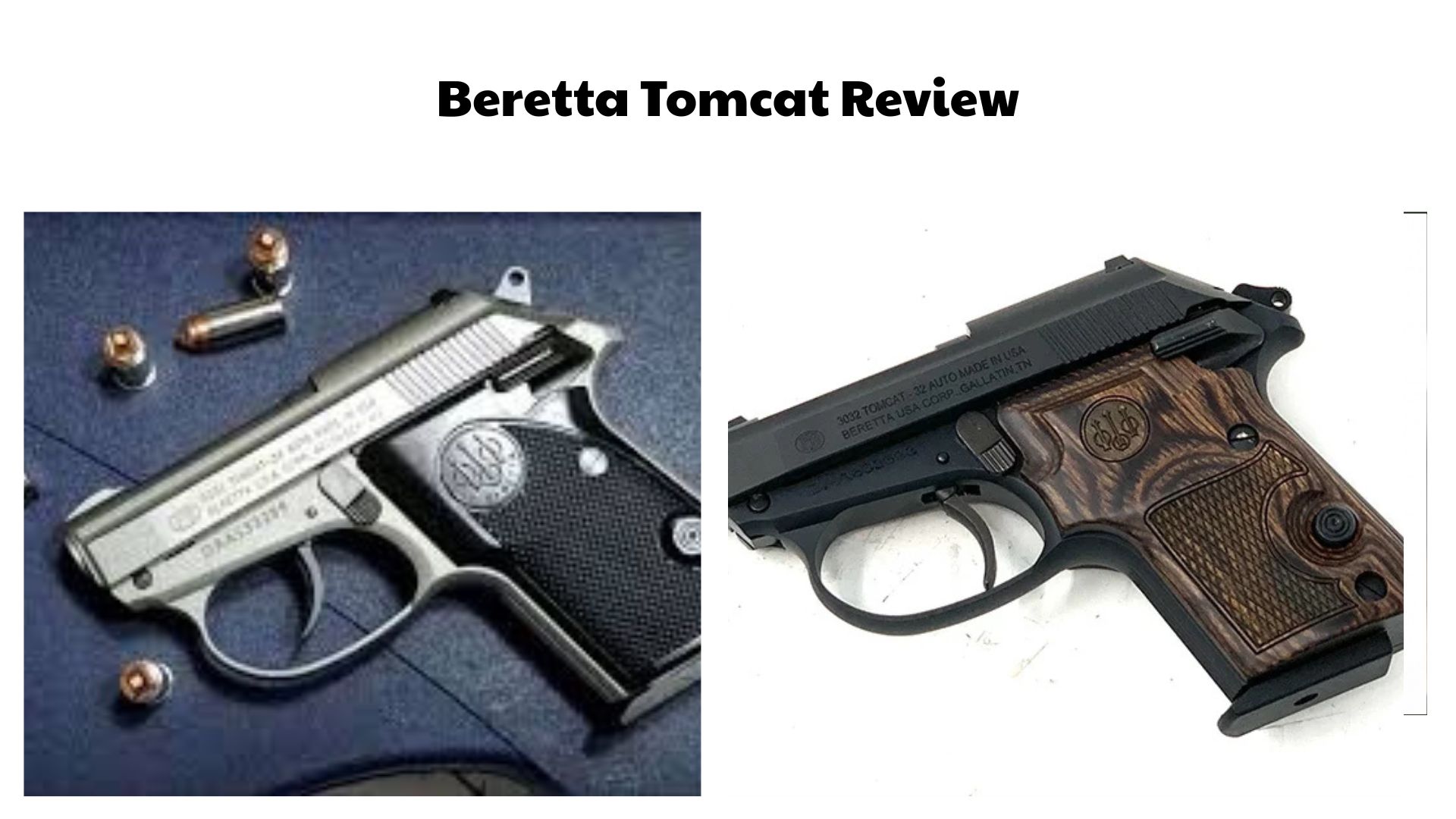

The Beretta Tomcat, including both the classic 3032 model and the newer 30X version, is a compact semi-automatic pistol built around one of the most distinctive features in the handgun world—the tip-up barrel system. Designed primarily for concealed carry and low-recoil defensive use, the Tomcat offers a unique alternative to modern striker-fired micro-compacts by focusing on ease of operation and user-friendly handling.
Originally introduced as the Beretta 3032 Tomcat, this pistol gained popularity for its compact size and ability to chamber rounds without racking the slide. This feature made it especially appealing to users with limited hand strength or those seeking a simpler loading process. Over time, Beretta refined the design, leading to the release of the updated 30X Tomcat, which incorporates improvements in ergonomics, durability, and overall shootability while maintaining the original concept.
The defining characteristic of the Tomcat platform is its tip-up barrel system. With the push of a lever, the barrel tilts upward, allowing direct access to the chamber. This eliminates the need to rack the slide when loading or unloading, setting it apart from nearly all modern semi-automatic pistols. Combined with its compact dimensions, this makes the Tomcat particularly attractive for concealed carry and personal defense scenarios where simplicity is valued.
In today’s market, the Beretta Tomcat occupies a unique niche. While it does not compete directly with high-capacity micro-9mm pistols, it remains relevant for users who prioritize ease of use, manageable recoil, and traditional double-action/single-action operation. It is best understood as a specialized concealed carry option rather than a modern high-performance defensive platform.
Key Specifications
Beretta 3032 Tomcat Specs
The Beretta 3032 Tomcat is chambered in .32 ACP, a cartridge known for its relatively low recoil and manageable shooting characteristics. This makes it suitable for users who may find larger calibers uncomfortable or difficult to control.
It operates on a traditional double-action/single-action (DA/SA) semi-automatic system. The first trigger pull is longer and heavier in double-action mode, while subsequent shots benefit from a lighter and shorter single-action pull. This setup provides a balance between safety and shootability, particularly for defensive use.
The barrel measures approximately 2.4 inches and features the signature tip-up design. This allows the shooter to load a round directly into the chamber without manipulating the slide, which is a key advantage of the platform.
The standard magazine capacity is 7 rounds, with an additional round in the chamber for a total of 7+1 capacity. While this is modest compared to modern micro-compact pistols, it aligns with the Tomcat’s compact size and intended role.
In terms of weight, the Tomcat typically falls in the range of 14 to 15 ounces unloaded. This places it in a comfortable range for concealed carry, offering enough mass to help manage recoil while still remaining lightweight enough for all-day carry.
The frame is constructed from alloy, which helps reduce overall weight while maintaining structural integrity. The slide is made from steel, providing durability and strength where it is most needed. This combination of materials contributes to a balanced feel and long-term reliability when properly maintained.
Beretta 30X Tomcat Updates
The Beretta 30X Tomcat represents a modern refinement of the original 3032 platform, addressing many of the limitations found in earlier generations while preserving the core identity of the design. One of the most noticeable improvements is in ergonomics. The updated grip texture provides better traction, allowing for a more secure hold during firing, especially in defensive situations where control is critical.
Another key upgrade is the improvement in sight systems. While older Tomcat models featured very basic, low-profile sights, newer 30X variants offer enhanced visibility and, in some configurations, optics-ready compatibility. This is a significant step forward, bringing the platform closer to modern concealed carry expectations and improving target acquisition.
The trigger system has also been refined. While it still follows the traditional double-action/single-action format, the overall feel has been improved with smoother operation and more consistent break characteristics. Reliability has been enhanced as well, with updates to internal components aimed at improving long-term durability and performance with a wider range of ammunition.
Design & Build Quality
The Beretta Tomcat’s design is built around a blend of traditional engineering and practical innovation. While it may not follow the same design path as modern striker-fired pistols, its unique approach offers specific advantages that continue to appeal to a dedicated group of users.
Tip-Up Barrel System
The most defining feature of the Tomcat is its tip-up barrel system. By pressing a lever, the barrel pivots upward, allowing the user to load or unload a round directly into the chamber without needing to rack the slide. This feature is particularly valuable for individuals with limited hand strength or those who struggle with traditional slide manipulation.
This system also enhances safety and convenience. It allows for quick chamber checks and simplifies administrative handling. In defensive situations, it reduces the number of steps required to prepare the firearm, making it more accessible to a wider range of users.
Compared to most semi-automatic pistols, this is a unique advantage that sets the Tomcat apart. It provides a level of usability that is rarely found in modern handgun designs.
Compact Blowback Design
The Tomcat operates using a simple blowback system, which relies on the mass of the slide and recoil spring to manage firing pressure rather than a locked-breech mechanism. This contributes to mechanical simplicity and ease of maintenance.
The fixed barrel design, which is part of the blowback system, can also enhance inherent accuracy because the barrel does not move during the firing cycle. However, this design can increase perceived recoil slightly compared to locked-breech pistols, especially in a compact frame.
While the Tomcat is compact, it is somewhat thicker than many modern micro-compact pistols. This is due to its metal construction and internal design. Despite this, it remains highly concealable in most carry configurations.
Materials and Durability
The Beretta Tomcat uses an alloy frame combined with a steel slide, a proven construction approach that balances weight and durability. The alloy frame keeps the pistol lightweight enough for comfortable carry, while the steel slide provides the strength needed to withstand repeated firing.
Earlier versions of the Tomcat had some durability concerns, particularly related to frame longevity under heavy use. However, newer 30X models have addressed these issues with reinforced components and improved engineering.
Overall, the build quality reflects Beretta’s focus on creating a compact firearm that is both durable and reliable for defensive use, while still maintaining manageable weight and size.
Ergonomics & Handling
Ergonomics play an important role in the Tomcat’s appeal, especially for users who prioritize comfort and ease of use over high-capacity performance. The design focuses on accessibility and control within a compact frame.
Grip and Comfort
The grip on the Tomcat is relatively short, which helps with concealment. This makes it easier to carry discreetly, particularly in inside-the-waistband or pocket carry setups. However, the compact size also means that larger hands may find the grip somewhat limited.
For small to medium-sized hands, the grip is generally comfortable and provides adequate control. The improved texture on newer models enhances stability, especially during recoil.
Controls Layout
The Tomcat features a traditional control layout, including a double-action/single-action trigger system and an external hammer. This allows for both double-action first shots and single-action follow-up shots, giving users flexibility in how they carry and deploy the firearm.
A manual safety is included, providing an additional layer of control. Slide serrations and other controls are straightforward and easy to access, although they may feel more compact compared to larger pistols.
Ease of Use
Ease of use is one of the Tomcat’s strongest attributes. The tip-up barrel system eliminates the need for slide manipulation, making it significantly easier to load and unload compared to most semi-automatic pistols.
This makes the firearm particularly appealing to users who may struggle with hand strength, such as elderly shooters or those with limited mobility. Additionally, the relatively low recoil of the .32 ACP cartridge contributes to a more manageable shooting experience.
Overall, the Beretta Tomcat is designed to be user-friendly and accessible, offering a combination of simplicity, comfort, and practical defensive capability in a compact package.
Magazine Capacity & Concealability
The Beretta Tomcat follows a traditional compact pistol format with a standard magazine capacity of 7 rounds, plus one in the chamber for a total of 7+1. While this may seem limited compared to modern micro-compact pistols that often offer double-digit capacities, it aligns with the Tomcat’s original design philosophy—prioritizing simplicity, compactness, and ease of use over maximum firepower.
In terms of concealability, the Tomcat performs well due to its small overall dimensions. It is compact enough for pocket carry in many situations and works effectively with inside-the-waistband (IWB) holsters. Its rounded edges and relatively short grip help minimize printing, making it a viable option for discreet everyday carry.
However, one noticeable difference compared to newer micro-compact pistols is its thickness. Because of its metal frame and blowback design, the Tomcat is slightly thicker than many modern slim-profile handguns. This can make it a bit more noticeable under tight clothing, although it remains highly concealable with proper holster selection.
There is a clear trade-off between comfort and concealability. The slightly thicker frame can provide a more stable grip and better control during shooting, but it may require more attention when choosing carry positions and clothing. For many users, this balance still works well, especially given the pistol’s intended role as a compact, easy-to-use defensive tool.
Trigger Performance
Double-Action / Single-Action System
The Beretta Tomcat utilizes a traditional double-action/single-action (DA/SA) trigger system. This means the first trigger pull is longer and heavier in double-action mode, typically requiring more deliberate effort to fire. After the first shot, the slide cycles and cocks the hammer, transitioning the pistol into single-action mode for subsequent shots.
In single-action, the trigger pull becomes significantly lighter and shorter, allowing for more precise and controlled shooting. This combination of trigger modes is designed to balance safety and performance, offering a heavier initial pull to reduce the chance of accidental discharge while still providing improved shootability for follow-up shots.
Shooting Feel
In practical use, the single-action trigger on the Tomcat is generally smooth and predictable, making it easier to maintain accuracy during follow-up shots. The break is clean enough for defensive use, though it may not match the refinement of higher-end pistols.
The double-action pull, on the other hand, is noticeably heavier and longer. This can require additional practice to master, especially for shooters who are more accustomed to striker-fired pistols with consistent trigger pulls. However, many users appreciate the added safety margin that comes with the heavier initial trigger.
Compared to modern striker-fired systems, the DA/SA trigger offers a more traditional shooting experience. While it introduces a learning curve, it also provides flexibility and a sense of control that some shooters prefer, particularly in a defensive context.
Shooting Performance & Accuracy
Recoil Management
The Beretta Tomcat uses a blowback operating system, which tends to increase perceived recoil compared to locked-breech designs. Because the slide is not mechanically locked during firing, more of the recoil impulse is transferred directly to the shooter.
Despite this, the use of the .32 ACP cartridge helps keep recoil manageable for most users. The recoil is generally mild to moderate, making the pistol accessible to shooters who may be sensitive to the sharper recoil of larger calibers like .380 ACP or 9mm.
The pistol’s weight, though light, is sufficient to help absorb some of the recoil energy. Combined with proper grip technique, most users find the Tomcat controllable during defensive shooting scenarios.
Accuracy
One advantage of the Tomcat’s design is its fixed barrel, which can contribute to improved inherent accuracy. Because the barrel does not move during the firing cycle, shot consistency can be more predictable compared to some tilting-barrel systems.
In practical terms, the Tomcat is well-suited for close-range defensive use. It performs reliably within typical self-defense distances, generally between 5 and 15 yards. Within this range, it is capable of delivering consistent center-mass hits with proper technique.
However, its short sight radius and basic sights limit its effectiveness at longer distances. It is not designed for precision shooting or extended range use, but rather for quick, effective engagement at close quarters.
Reliability
The Beretta Tomcat is generally reliable when used with quality ammunition and proper maintenance. Its simple blowback system contributes to consistent operation, as there are fewer complex moving parts compared to some other pistol designs.
Earlier versions of the Tomcat had some reported durability concerns, particularly related to frame longevity under high round counts. These issues were often associated with extended use beyond the pistol’s intended defensive role.
Newer models, especially the updated 30X versions, have addressed many of these concerns with improved materials and engineering refinements. As a result, modern Tomcat pistols tend to offer better reliability and durability, making them more dependable for everyday carry use.
Controls & Features
The Beretta Tomcat is designed with a straightforward and user-friendly control layout that reflects its focus on simplicity and accessibility. Unlike many modern pistols that include extensive modular features, the Tomcat keeps things practical and easy to operate.
One of the most important controls is the tip-up barrel release lever. This lever allows the barrel to pivot upward, giving direct access to the chamber. It eliminates the need to rack the slide when loading or unloading, making the pistol significantly easier to handle for users with limited hand strength.
A manual safety is also included, providing an extra layer of control when carrying the firearm. This is especially useful for those who prefer an added level of security in a compact defensive pistol.
The slide features serrations that assist with manipulation, even though the tip-up barrel reduces the need for frequent slide operation. These serrations still play a role in chamber checks and general handling.
Newer Beretta 30X models introduce improved sight systems. Compared to the basic sights found on older versions, these updated sights offer better visibility and faster target acquisition, which enhances practical shooting performance.
Maintenance is relatively simple. The Tomcat does not require complicated disassembly procedures, and its blowback design means fewer internal components to manage. This makes cleaning and routine upkeep straightforward, even for less experienced users.
Pros and Cons
Pros
One of the biggest advantages of the Beretta Tomcat is its unique tip-up barrel design. This feature alone sets it apart from most semi-automatic pistols and makes it exceptionally easy to load, unload, and operate.
The pistol is also compact and highly concealable. Its small size makes it suitable for a wide range of carry methods, including pocket and inside-the-waistband carry.
Another benefit is its relatively low recoil. Chambered in .32 ACP, the Tomcat is generally easier to control than many .380 ACP pistols, making it a good option for recoil-sensitive shooters.
Overall ease of use is a major strength. The combination of simple controls, manageable recoil, and user-friendly loading system makes it accessible to a broad range of users.
Cons
The most notable limitation is the lower power of the .32 ACP cartridge. While it is manageable and effective at close range, it does not offer the same stopping potential as larger calibers like 9mm.
Capacity is also limited, with a standard 7+1 configuration. This is lower than many modern micro-compact pistols, which often provide higher round counts in similar sizes.
The double-action trigger pull can be relatively heavy, especially for the first shot. This requires practice to use effectively and may not appeal to shooters who prefer consistent striker-fired triggers.
Additionally, the Tomcat is slightly thicker than many modern micro-compact pistols. While this can improve grip comfort, it may reduce concealability in certain situations.
Comparison with Competitors
Beretta Tomcat vs Ruger LCP
The Ruger LCP is a popular ultra-compact .380 ACP pistol known for its lightweight and slim profile. Compared to the Tomcat, the LCP is generally easier to conceal due to its thinner design and lighter weight.
However, the Tomcat offers a significant advantage in ease of operation. Its tip-up barrel system allows users to load and unload the firearm without manipulating the slide, which can be a major benefit for those with limited hand strength.
In short, the LCP is better suited for users who prioritize maximum concealability and higher power, while the Tomcat excels in accessibility and ease of use.
Beretta Tomcat vs Kel-Tec P32
The Kel-Tec P32 is another lightweight .32 ACP pistol that competes in the same general category. It is lighter and offers slightly higher capacity, making it appealing for users focused on minimal weight and increased round count.
The Tomcat, on the other hand, provides a more robust build quality with its metal construction. It also offers improved ergonomics and a more traditional shooting experience with its DA/SA trigger system.
Ultimately, the choice between the two comes down to priorities: the P32 emphasizes lightweight efficiency, while the Tomcat focuses on durability and ease of operation.
Beretta Tomcat vs Beretta 30X
The Beretta 30X is an evolution of the original Tomcat platform. It retains the same core design, including the tip-up barrel system and compact form factor, but introduces several modern improvements.
These upgrades include enhanced durability, improved sights, and better ergonomics. As a result, the 30X offers a more refined shooting experience while maintaining the simplicity that defines the Tomcat line.
For most users, the 30X represents the better overall choice if available, as it builds on the strengths of the original design while addressing many of its shortcomings.
Best Use Cases
The Beretta Tomcat is particularly well-suited for concealed carry by recoil-sensitive shooters. Its manageable recoil and simple operation make it accessible to users who may struggle with larger calibers or more complex firearms.
It is also an excellent option for individuals with limited hand strength. The tip-up barrel system eliminates the need to rack the slide, making loading and unloading significantly easier.
As a backup firearm, the Tomcat performs well due to its compact size and reliability. It can be carried alongside a primary handgun as an additional defensive option.
Finally, it works well for casual everyday carry. For users who prioritize comfort, simplicity, and ease of use over maximum firepower, the Tomcat provides a practical and dependable solution.
Aftermarket Support & Accessories
The Beretta Tomcat has a modest but functional aftermarket ecosystem. While it does not enjoy the same level of support as more mainstream pistols like Glock or SIG Sauer models, it still offers enough accessory options to meet the basic needs of most concealed carriers.
Holster availability is solid, particularly for common carry styles such as inside-the-waistband (IWB) and pocket carry. Due to the Tomcat’s long-standing presence in the market, many holster manufacturers support it with a variety of materials and designs, including leather and Kydex options.
Magazine and grip upgrades are relatively limited. There are few extended magazine options available, and most users rely on the standard configuration. Some aftermarket grips or grip sleeves can improve handling comfort, but the selection remains minimal compared to modern pistols.
Overall, the Tomcat’s aftermarket is considered basic. It provides essential accessories for carry and minor customization but lacks the extensive upgrade ecosystem seen in newer, more popular handgun platforms.
Who Should Buy the Beretta Tomcat?
The Beretta Tomcat is an excellent choice for users who want a simple and easy-to-operate pistol. Its tip-up barrel system makes it especially appealing for those who prefer a straightforward loading and unloading process without the need for slide manipulation.
Shooters who are sensitive to recoil will also benefit from this platform. The .32 ACP chambering offers manageable recoil, making it more comfortable to shoot compared to larger calibers.
Fans of traditional double-action/single-action (DA/SA) systems will appreciate the Tomcat’s familiar trigger operation and external hammer. It provides a classic shooting experience that differs from modern striker-fired pistols.
Concealed carriers who prioritize simplicity and ease of use over advanced features will find the Tomcat to be a practical option. It is particularly well-suited for users who value reliability and accessibility in a compact defensive firearm.
Who Should Avoid It?
The Beretta Tomcat may not be the best choice for users who prioritize higher magazine capacity. With its 7+1 configuration, it falls behind many modern micro-compact pistols that offer significantly more rounds in a similar size.
Shooters who prefer the power and performance of 9mm handguns may also want to consider other options. The .32 ACP cartridge, while manageable, does not provide the same level of stopping power.
Those looking for modern features such as optics-ready slides, accessory rails, or extensive customization options may find the Tomcat lacking. Its design is rooted in simplicity rather than modularity or advanced enhancements.
High-performance users, including those focused on competition shooting or intensive training, may find the Tomcat unsuitable. It is not designed for high round counts or demanding shooting environments.
Final Verdict
The Beretta Tomcat stands out as a unique and practical niche concealed carry pistol. Its defining feature, the tip-up barrel system, continues to offer unmatched ease of use, especially for individuals who struggle with traditional slide operation.
The updated 30X version significantly improves the platform with better ergonomics, enhanced durability, and improved sights. These upgrades help modernize the Tomcat while preserving its original strengths.
While it does not compete directly with high-capacity micro-compact pistols, it excels in its intended role. It is best suited for users who value simplicity, accessibility, and low-recoil shooting characteristics.
Final recommendation: the Beretta Tomcat is an excellent option for easy-to-use, low-recoil defensive carry, particularly for those who prioritize convenience and reliability over capacity and modern features.
Beretta Tomcat FAQ (50+ Detailed Questions & Answers)
1. What is the Beretta Tomcat designed for?
The Beretta Tomcat is designed as a compact concealed carry pistol focused on ease of use and low recoil. Its tip-up barrel system makes it especially suitable for users who want a simple, accessible defensive firearm.
2. What caliber does the Tomcat use?
The Tomcat is chambered in .32 ACP, a cartridge known for manageable recoil and moderate defensive capability at close range.
3. What makes the Tomcat unique?
Its tip-up barrel system is the defining feature. It allows users to load and unload the chamber without racking the slide, which is rare among semi-automatic pistols.
4. Is the Tomcat good for concealed carry?
Yes, its compact size and rounded design make it suitable for concealed carry, especially in pocket or IWB setups.
5. How many rounds does it hold?
The Tomcat holds 7 rounds in the magazine plus 1 in the chamber, for a total of 7+1 capacity.
6. Is the Tomcat easy to use?
Yes, it is considered one of the easiest semi-automatic pistols to operate due to its tip-up barrel and straightforward controls.
7. Is it suitable for beginners?
It can be, especially for those who struggle with slide manipulation. However, the DA/SA trigger requires some learning and practice.
8. Does it have a safety?
Yes, it includes a manual safety, providing an additional level of control during carry and handling.
9. What is the trigger system like?
It uses a double-action/single-action system, with a heavier first pull and lighter follow-up shots.
10. Is the recoil manageable?
Yes, recoil is generally mild due to the .32 ACP cartridge, though the blowback design can make it feel slightly sharper than expected.
11. Is it reliable?
Modern versions are generally reliable when used with quality ammunition and proper maintenance.
12. What are the main advantages?
Ease of use, low recoil, compact size, and the unique tip-up barrel system are its main strengths.
13. What are the main disadvantages?
Limited capacity, lower caliber power, and a heavier double-action trigger pull are the primary drawbacks.
14. Can it be carried in a pocket?
Yes, it is compact enough for pocket carry with a proper holster.
15. Is it better than a .380 pistol?
It depends on the user. .380 pistols offer more power, while the Tomcat offers easier handling and lower recoil.
16. Does it require slide manipulation?
No, thanks to the tip-up barrel, users can load the chamber without racking the slide.
17. Is it good for elderly users?
Yes, especially for those with reduced hand strength who may struggle with traditional semi-automatic pistols.
18. Is it comfortable to shoot?
Yes, most users find it comfortable, particularly due to its manageable recoil.
19. Does it have modern features?
The newer 30X versions include improved sights and ergonomics, but overall it remains a simple, traditional design.
20. Is it good for home defense?
It can be used for home defense, but higher-capacity pistols are generally more suitable for that role.
21. How accurate is it?
It is accurate at close defensive distances, typically within 5–15 yards.
22. Is it durable?
Yes, especially newer models that have improved frame strength and materials.
23. Can it jam?
Like any firearm, it can malfunction, but its simple design helps reduce common issues when properly maintained.
24. Is it lightweight?
Yes, it typically weighs around 14–15 ounces, making it easy to carry all day.
25. Does it have aftermarket support?
Support is limited but includes holsters and basic accessories.
26. Is it easy to clean?
Yes, the simple blowback design makes cleaning and maintenance straightforward.
27. Can you use defensive ammo?
Yes, it can handle defensive loads designed for .32 ACP, though performance varies by brand.
28. Does it have good ergonomics?
It is comfortable for small to medium hands but may feel compact for larger users.
29. Is it better than Kel-Tec P32?
The P32 is lighter and higher capacity, while the Tomcat offers better build quality and easier operation.
30. Why choose the Tomcat?
Users choose it for simplicity, ease of use, and its unique loading system.
31. Is the Tomcat still relevant today?
Yes, it remains relevant for users who prioritize ease of use over modern features and capacity.
32. Can it be used as a backup gun?
Yes, it works well as a backup firearm due to its compact size and reliability.
33. Does it have a rail for accessories?
No, it does not include an accessory rail.
34. Is the grip comfortable?
It is comfortable for most users, especially those with smaller hands.
35. How thick is the Tomcat?
It is slightly thicker than modern slim pistols due to its design and materials.
36. Can it be used for range shooting?
Yes, but it is primarily designed for defensive use rather than extended range sessions.
37. Does it have night sights?
Some newer models offer improved or upgraded sights, but options vary.
38. Is the DA trigger hard to use?
It can feel heavy for beginners but becomes manageable with practice.
39. Is it good for self-defense?
Yes, within close range, though it is less powerful than larger calibers.
40. How does it compare to revolvers?
It offers similar simplicity but with a semi-automatic format and higher capacity than small revolvers.
41. Is the Tomcat easy to carry daily?
Yes, its compact size and manageable weight make it suitable for daily carry.
42. Can it be used left-handed?
Yes, though controls are not fully ambidextrous.
43. Is it safe to carry loaded?
Yes, when used with proper safety practices and a quality holster.
44. Does it have strong resale value?
Yes, Beretta firearms generally maintain good resale value over time.
45. Is it good for concealed carry beginners?
Yes, especially for those who value simplicity and ease of handling.
46. Does it require frequent maintenance?
No, basic regular cleaning is sufficient for reliable performance.
47. Is it better than micro-9mm pistols?
Not in power or capacity, but it excels in ease of use and recoil control.
48. What is the biggest advantage?
The tip-up barrel system is its most important and unique advantage.
49. What is the biggest drawback?
Limited capacity and lower caliber power are the main drawbacks.
50. Final takeaway?
The Beretta Tomcat is a niche but highly practical pistol for users who prioritize simplicity, accessibility, and low recoil in a concealed carry firearm.
Read more: