
Firearms are mechanical systems, and like all machines, they have a finite lifespan. While many guns are built to be extremely durable, none of them last forever without wear. Over time, repeated firing, friction, heat, and environmental exposure gradually affect internal components. This natural process is what ultimately defines how long a firearm remains safe and reliable.
A common misconception among new and even some experienced owners is that firearms are essentially “indestructible.” In reality, no gun can operate indefinitely without maintenance or part replacement. Even high-quality rifles and pistols will eventually show signs of wear, especially in high-stress components like barrels, springs, and firing mechanisms.
The longevity of a firearm depends on several interconnected factors. Usage frequency plays a major role, as higher round counts naturally increase mechanical stress. Material quality also matters, with modern alloys and manufacturing techniques significantly extending service life. Maintenance habits, ammunition type, and environmental conditions further influence how quickly a firearm ages.
Understanding firearm wear is important not only for performance but also for safety. Recognizing how and why guns degrade over time helps owners maintain reliability, plan for replacements or repairs, and ensure consistent operation in both recreational and defensive use.
How Long Do Firearms Last in General?
Average Lifespan of Modern Firearms
The lifespan of a firearm is not measured strictly in years, but more accurately in usage and round count. However, general time-based estimates can still provide a useful reference for typical ownership patterns.
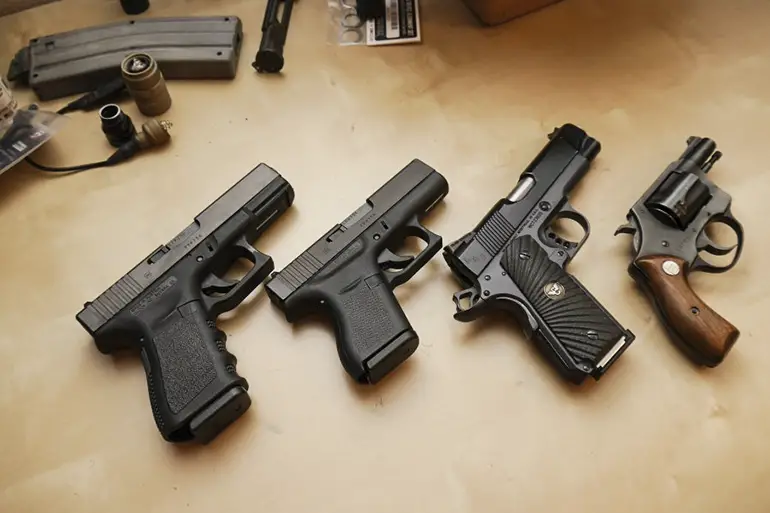
Handguns are often expected to last between 10 and 20 years under normal use. With proper maintenance and moderate shooting activity, many pistols exceed this range significantly, especially modern polymer and steel-frame designs.
Rifles generally have a longer service life, often ranging from 15 to 30 years or more. Bolt-action rifles in particular can last for decades due to their simpler mechanical design and lower stress per shot compared to semi-automatic systems.
Shotguns are also known for their durability, with many models lasting 20 years or longer depending on usage and maintenance. Their relatively low-pressure operation contributes to slower wear over time.
In some cases, well-maintained firearms can remain functional for multiple generations. It is not uncommon for guns to be passed down within families, continuing to operate safely after decades of service when properly cared for and occasionally refurbished.
Round Count vs Time-Based Lifespan
When discussing how long firearms last, experienced shooters often focus on “round count” rather than years of ownership. This is because mechanical wear is directly tied to how many times a firearm is fired, not simply how much time has passed. Every shot contributes to heat, pressure, and friction inside the system, gradually affecting internal components.
Low-use firearms, such as home defense pistols or occasional hunting rifles, may last for decades with very minimal wear. In these cases, the round count remains low, and the internal components experience relatively little stress over time. As a result, the firearm can remain in excellent condition for many years if properly stored and maintained.
In contrast, high-use firearms—especially those used in competition, training, or professional environments—may experience significant wear within just a few years. These guns can fire thousands or even tens of thousands of rounds annually, accelerating the degradation of barrels, springs, and other moving parts. In such cases, lifespan is determined more by usage intensity than chronological age.
Why Firearms Don’t Have a Fixed Expiration Date
Unlike consumer electronics or vehicles with defined service intervals, firearms do not come with a fixed expiration date. There is no internal mechanism that dictates when a gun must stop functioning. Instead, longevity is entirely dependent on mechanical condition and maintenance history.
Wear in firearms is not uniform. Different components degrade at different rates depending on their function and exposure to stress. For example, barrels experience high heat and pressure, while springs are affected by repeated compression cycles. This uneven wear pattern means that some parts may need replacement while others remain fully functional.
Because of this variability, two identical firearms can have very different lifespans depending on how they are used and maintained. One may last several decades with minimal issues, while another may require significant repairs after only a few years of heavy use.
What Parts of a Gun Wear Out First?
Barrel Wear (Most Critical Component)
The barrel is one of the most important and heavily stressed parts of any firearm. During each shot, it is exposed to extreme heat, high-pressure gases, and the friction of a bullet traveling at high velocity. Over time, these factors gradually erode the internal surface of the barrel.
One of the earliest signs of barrel wear is the gradual erosion of rifling—the spiral grooves inside the barrel that stabilize the bullet. As these grooves wear down, the firearm may begin to lose accuracy, even if it still functions mechanically without issues.
Barrel wear is often considered the most critical indicator of a firearm’s long-term condition because it directly affects performance. While other parts may still operate correctly, a worn barrel can significantly reduce precision and consistency.
Bolt, Firing Pin, and Moving Parts
The bolt, firing pin, and other moving components are subject to constant mechanical stress during firing cycles. Each shot involves rapid movement, impact forces, and repeated cycling, which gradually contributes to wear over time.
Small internal parts such as firing pins, extractors, and springs are particularly vulnerable because they are subject to repeated force and tension. Springs, in particular, can lose elasticity after extended use, leading to reduced reliability or inconsistent performance.
In high-use firearms, these components are often replaced as part of routine maintenance rather than waiting for complete failure. This preventative approach helps maintain reliability and extend overall firearm lifespan.
Receiver and Frame Durability
The receiver or frame of a firearm is typically the most durable structural component. It serves as the main housing for all other parts and is designed to withstand long-term mechanical stress.
In most cases, the receiver can last for decades or even appear to last indefinitely when properly maintained. Unlike barrels or springs, it is not exposed to the same level of direct heat, friction, or repetitive high-impact stress.
Failures of the receiver or frame are relatively rare and usually occur due to extreme abuse, manufacturing defects, or severe corrosion. Under normal conditions, this part of the firearm is often the last to show significant wear.
Factors That Affect Firearm Lifespan
The lifespan of a firearm is not determined by a single variable. Instead, it is shaped by a combination of material quality, ammunition characteristics, usage patterns, maintenance habits, and environmental exposure. Understanding these factors helps explain why some firearms last decades while others wear out much faster under similar conditions.
Material Quality and Manufacturing Standards
The materials used in firearm construction play a major role in overall durability. High-quality steel, advanced alloys, and modern manufacturing techniques significantly extend service life by improving resistance to heat, pressure, and mechanical stress.
Equally important is the level of precision in engineering and manufacturing tolerances. Firearms built with tight, consistent tolerances tend to distribute stress more evenly across components, reducing localized wear. This improves long-term reliability and helps maintain performance over thousands of firing cycles.
Lower-quality materials or poor manufacturing standards can lead to premature wear, reduced accuracy, and earlier mechanical failure. In general, better construction translates directly into longer operational lifespan.
Ammunition Type and Pressure Levels
Ammunition is one of the most important factors influencing firearm wear. High-pressure and magnum loads generate significantly more stress on internal components, especially the barrel and locking system. Over time, repeated use of these loads accelerates erosion and mechanical fatigue.
Corrosive ammunition presents another risk factor. If not properly cleaned after use, it can leave behind residues that attract moisture and promote internal corrosion. This type of damage can affect both surface finish and internal structure.
In contrast, standard full metal jacket (FMJ) ammunition is generally considered less aggressive on firearm components. While it still produces normal wear, it tends to be more consistent and less damaging compared to high-pressure or specialty loads.
Frequency and Intensity of Use
How often and how intensely a firearm is used has a direct impact on its lifespan. Rapid or continuous firing generates heat buildup, which increases erosion inside the barrel and adds stress to moving parts.
Competition shooters and training professionals typically experience faster wear because they fire significantly more rounds than recreational users. In these cases, round count becomes the most reliable indicator of wear progression.
A firearm that is used occasionally may remain in excellent condition for many years, while one that is used heavily in a short period may require maintenance or part replacement much sooner.
Maintenance and Cleaning Practices
Regular maintenance is one of the most effective ways to extend firearm lifespan. Cleaning removes carbon buildup, unburned powder, and other residues that accumulate during firing. If left untreated, these deposits can increase friction and contribute to corrosion.
Proper lubrication is equally important. It reduces friction between moving parts and helps prevent premature mechanical wear. Well-lubricated components operate more smoothly and experience less stress over time.
On the other hand, neglecting maintenance can significantly shorten firearm life. Accumulated fouling and corrosion can lead to malfunctions, reduced accuracy, and accelerated degradation of internal parts.
Environmental Conditions
Environmental exposure plays a major role in firearm durability, especially over long periods of storage or field use. Humid environments increase the risk of rust and corrosion, particularly on metal surfaces that are not properly protected.
Salt exposure, such as in coastal regions, can further accelerate corrosion and damage both external and internal components if not addressed quickly. Even small amounts of moisture can have long-term effects if left unchecked.
Dust and sand are also important factors, especially in dry or desert environments. These particles can enter mechanical systems and increase abrasion, leading to faster wear on moving parts.
Proper storage conditions, such as using dry, climate-controlled environments, significantly reduce these risks and help preserve firearm condition over time.
How Long Do Barrels Last Specifically?
Among all firearm components, the barrel is one of the most closely monitored for wear because it directly affects accuracy and performance. Barrel lifespan varies widely depending on caliber, usage, and ammunition type.
Barrel Life by Round Count
Handgun barrels can often last between 30,000 and 50,000 rounds or more before noticeable wear begins to affect performance. In many cases, they remain functional well beyond this range with proper maintenance.
Rifle barrels typically have shorter lifespans, often ranging from 5,000 to 20,000 rounds depending on caliber and pressure levels. High-velocity cartridges tend to accelerate wear due to increased heat and friction.
Caliber choice plays an important role as well. Larger or higher-pressure cartridges generally produce more heat and erosion, which can reduce barrel longevity over time.
Why Barrel Wear Happens
Barrel wear is caused by a combination of thermal, chemical, and mechanical forces. Each shot exposes the barrel to extreme heat as burning propellant gases pass through it at high speed.
These gases can cause gradual erosion of the internal surface, particularly near the chamber where pressure and temperature are highest. Over time, this leads to gradual loss of material inside the barrel.
Mechanical friction also contributes to wear as bullets travel through the rifling. This repeated contact slowly smooths out the grooves that stabilize the bullet, affecting accuracy.
When a Barrel Is “Worn Out”
A barrel is typically considered worn out not when it stops functioning, but when its accuracy noticeably declines. The most common early sign is increased bullet dispersion, where shots begin to spread more widely at longer distances.
Other indicators include visible erosion inside the barrel, particularly near the throat area, where heat and pressure are most intense. In severe cases, rifling may appear visibly degraded or uneven.
Even when a barrel is worn, the firearm may still function mechanically. However, its performance and precision may no longer meet acceptable standards for intended use.
Can a Firearm Last a Lifetime?
In many cases, a firearm can absolutely last a lifetime—and even longer when properly maintained. However, “lifetime” does not mean the firearm remains in perfect condition without any changes. Instead, it reflects a combination of durable design, responsible use, and periodic replacement of worn components.
The “Lifetime Gun” Concept
The idea of a “lifetime gun” refers to firearms that remain functional across several decades, often outliving their original owner. Many high-quality firearms are built with this level of durability in mind, especially those made from strong steel alloys and designed with serviceability in focus.
In real-world use, it is not uncommon for firearms to be passed down through generations while still functioning safely. These guns often become heirloom pieces, continuing to operate after extensive periods of use, provided they receive consistent care.
Maintenance is the key factor behind this longevity. Regular cleaning, proper lubrication, and timely replacement of wear-prone parts allow a firearm to remain functional far beyond typical expectations.
Realistic Expectations
While firearms can last a very long time, it is important to understand that no gun lasts forever in a completely maintenance-free state. Mechanical systems naturally degrade over time due to stress, friction, and environmental exposure.
Some components will inevitably require replacement, even in high-quality firearms. This is a normal part of long-term ownership rather than a sign of failure. Springs may weaken, barrels may wear, and small internal parts may eventually need servicing.
A realistic expectation is that a firearm can remain functional indefinitely if it is properly maintained and periodically repaired. However, ignoring wear and maintenance will significantly shorten its usable lifespan.
Replaceable vs Non-Replaceable Parts
One of the key reasons firearms can last so long is that many of their components are replaceable. Parts such as barrels, recoil springs, firing pins, and extractors are designed to wear over time and can be swapped out when necessary.
These replaceable components allow the firearm to continue functioning even after significant use. In many cases, replacing a few worn parts can effectively restore performance close to original condition.
On the other hand, the frame or receiver is typically considered the core structure of the firearm. This part experiences less direct wear and often defines the overall lifespan of the weapon. If the frame remains intact, the firearm can usually continue operating with proper maintenance of its other components.
Warning Signs of Firearm Wear
Firearms often show clear indicators when they begin to experience significant wear. Recognizing these signs early can help prevent malfunctions and ensure continued safe operation.
- Decreased accuracy or inconsistent shot grouping
- Frequent malfunctions or feeding issues
- Visible barrel erosion or corrosion
- Weak recoil spring performance
- Cracks or unusual wear on mechanical components
These symptoms do not always mean the firearm is unsafe, but they do indicate that maintenance, inspection, or part replacement may be necessary. Addressing these issues early helps preserve both performance and safety.
How to Extend the Life of a Firearm
Extending firearm lifespan is primarily about consistent care and responsible use. While wear is inevitable, it can be significantly slowed through proper maintenance and smart operational habits.
Proper Cleaning and Maintenance
Regular cleaning is one of the most effective ways to extend firearm life. It removes carbon buildup, unburned powder, and moisture that can lead to corrosion or increased friction between moving parts.
Proper lubrication is equally important. It ensures that metal components move smoothly and reduces unnecessary wear caused by friction. A well-maintained firearm operates more efficiently and experiences less mechanical stress over time.
Smart Ammunition Selection
Choosing appropriate ammunition can have a significant impact on firearm longevity. Using ammunition that matches the firearm’s design specifications helps reduce excessive pressure and stress on internal components.
High-pressure or specialized loads can accelerate wear when used frequently. While they may be suitable for specific purposes, consistent use of standard-pressure ammunition generally contributes to longer firearm life.
Controlled Shooting Practices
How a firearm is used during shooting sessions also affects its lifespan. Rapid-fire shooting generates more heat, which increases erosion inside the barrel and adds stress to mechanical components.
Allowing time for the firearm to cool during extended shooting sessions helps reduce thermal stress. This simple practice can significantly slow long-term wear, especially in high-use firearms.
Proper Storage Conditions
Storage plays a critical role in firearm preservation. Keeping firearms in a dry, climate-controlled environment helps prevent rust and corrosion, which are among the most common causes of long-term damage.
Using dehumidifiers or protective storage cases can further reduce moisture exposure. Proper storage ensures that even infrequently used firearms remain in good condition over long periods of time.
Common Misconceptions About Gun Lifespan
Firearm longevity is often misunderstood, especially among new owners or casual observers. Because modern guns are built with strong materials and precise engineering, they can appear nearly indestructible. However, this perception leads to several common misconceptions about how long firearms actually last and what affects their durability over time.
- “Guns never wear out” – This is incorrect. All firearms are mechanical systems, and like any machine with moving parts, they naturally degrade with use. Heat, friction, and pressure gradually affect internal components, even in high-quality designs.
- “More expensive guns last forever” – Higher-quality materials and manufacturing do improve durability, but they do not make a firearm immune to wear. Even premium firearms will eventually experience barrel erosion, spring fatigue, and mechanical stress over time.
- “Cleaning alone prevents all damage” – Regular cleaning is essential for maintenance, but it does not stop physical wear caused by firing. Every shot still produces heat, pressure, and friction that gradually affect components regardless of cleanliness.
- “All parts fail at the same time” – Firearms do not fail uniformly. Different components wear at different rates depending on their function. For example, barrels may degrade due to heat and erosion, while springs lose tension over time, and frames often remain intact much longer.
Understanding these misconceptions is important for setting realistic expectations. Firearms are durable, but they are not permanent. Their longevity depends on a balance of design quality, usage patterns, and proper maintenance.
Conclusion
Firearms do not have a fixed or predetermined lifespan. Instead, they gradually wear over time as a result of repeated use, environmental exposure, and mechanical stress. This wear is a natural and unavoidable part of how firearms function.
Among all components, the barrel and moving parts are typically the first to show signs of degradation. These areas are exposed to the highest levels of heat, pressure, and friction during firing, making them more susceptible to long-term wear.
Several key factors influence how long a firearm lasts, including maintenance habits, ammunition type, frequency of use, and environmental conditions. Each of these elements plays a significant role in either slowing or accelerating the aging process of the firearm.
With proper care and responsible use, many firearms can remain functional for decades or even span multiple generations. While individual parts may require replacement over time, a well-maintained firearm can continue to perform reliably far beyond initial expectations.
50+ FAQs About Firearm Lifespan (Detailed Answers)
1. How long do firearms typically last?
Firearms can last anywhere from 10 years to over 50 years depending on usage, maintenance, and materials. Low-use firearms may function for multiple decades with minimal wear, while high-use or competition firearms may require part replacements much earlier. The key factor is not time alone but round count and care. With proper maintenance, many firearms can remain reliable across generations.
2. Do guns actually wear out over time?
Yes. Firearms are mechanical systems with moving parts exposed to heat, pressure, and friction. Over time, these forces cause gradual wear on barrels, springs, and internal components. While some parts last longer than others, no firearm is completely immune to wear. Regular maintenance slows the process but cannot stop it entirely.
3. What part of a gun wears out the fastest?
The barrel is usually the first major component to show wear, especially in high-pressure calibers. It experiences extreme heat and friction with every shot, gradually eroding internal rifling. Springs and small mechanical parts also wear relatively quickly due to repeated cycling.
4. Can a gun last 100 years?
Yes, some firearms can last over 100 years if they are well-maintained and occasionally refurbished. Historical firearms still in working condition today demonstrate this possibility. However, long-term survival depends heavily on rust prevention, part replacement, and limited heavy use.
5. What determines how long a firearm lasts?
Several factors influence firearm lifespan, including material quality, ammunition type, frequency of use, cleaning habits, and environmental conditions. A well-made firearm used lightly and maintained properly will last significantly longer than one subjected to heavy use and poor care.
6. Does cleaning extend firearm lifespan?
Yes. Cleaning removes carbon buildup, moisture, and corrosive residues that can damage metal parts over time. While cleaning does not prevent mechanical wear from firing, it significantly reduces corrosion and friction-related damage, helping extend overall lifespan.
7. How many rounds can a gun fire before it wears out?
This varies widely. Handgun barrels may last 30,000–50,000 rounds, while rifle barrels can last 5,000–20,000 rounds depending on caliber and pressure. Other components may require replacement earlier or later depending on usage intensity.
8. Do expensive guns last longer?
Generally, higher-quality firearms tend to last longer due to better materials and manufacturing standards. However, price alone does not guarantee infinite durability. Even premium firearms require maintenance and eventual part replacement.
9. Can improper storage ruin a firearm?
Yes. Moisture, humidity, and lack of protection can lead to rust and corrosion, which can damage both external and internal parts. Long-term improper storage is one of the most common causes of firearm degradation.
10. Do guns break if not used?
Firearms can still degrade even when not used. Springs may lose tension over time, and metal parts can corrode if exposed to humidity. However, with proper storage conditions, unused firearms can remain functional for decades.
11. What is the most durable part of a gun?
The frame or receiver is typically the most durable component. It is designed to handle repeated stress and often outlasts other parts like barrels, springs, and firing pins. In many cases, the frame defines the firearm’s overall lifespan.
12. Can barrels be replaced?
Yes, barrels are one of the most commonly replaced firearm components. Replacing a worn barrel can restore accuracy and extend the overall life of the firearm significantly.
13. Why do barrels wear out?
Barrels wear due to heat, pressure, and friction generated during firing. High-temperature gases and bullet passage gradually erode the internal rifling, affecting accuracy over time.
14. Do all guns wear out at the same speed?
No. Different firearms wear at different rates depending on design, caliber, and usage. High-pressure rifles may wear faster than low-pressure handguns, and heavy-use firearms degrade faster than lightly used ones.
15. Can a gun fail suddenly?
Sudden failures are rare but possible, usually due to broken springs, cracked parts, or extreme wear. Most firearms show warning signs such as malfunctions before complete failure occurs.
16. What are signs of firearm wear?
Common signs include reduced accuracy, frequent jams, weak spring performance, and visible corrosion or erosion inside the barrel. These indicators suggest the firearm needs maintenance or part replacement.
17. Does ammo type affect gun lifespan?
Yes. High-pressure or magnum ammunition increases wear on barrels and locking mechanisms. Corrosive ammunition can also accelerate internal damage if not cleaned properly after use.
18. Do guns last longer if rarely fired?
Yes. Firearms with low round counts generally experience less mechanical wear. However, proper storage is still required to prevent rust and degradation over time.
19. Can a gun become unsafe over time?
Yes, if not properly maintained. Wear, corrosion, or damaged components can affect reliability and safety. Regular inspection helps ensure continued safe operation.
20. What is “round count” in firearms?
Round count refers to the number of bullets fired through a firearm. It is one of the most important indicators of mechanical wear and is often used instead of time to measure firearm lifespan.
21. Do springs wear out in guns?
Yes. Springs lose tension after repeated compression cycles. This can affect feeding, extraction, and overall reliability, making spring replacement a common maintenance task.
22. Can corrosion destroy a firearm?
Yes. Severe rust and corrosion can weaken metal components, damage internal parts, and render a firearm unsafe if left untreated for long periods.
23. How often should firearms be inspected?
Firearms should be inspected regularly, especially if stored for long periods. Even without use, checking for rust, lubrication, and mechanical integrity every few months is recommended.
24. Do rifles last longer than handguns?
In many cases, yes. Rifles often operate at lower mechanical stress per shot compared to handguns and may have longer service lives depending on usage and caliber.
25. Can firearms be rebuilt?
Yes. Many firearms can be restored through replacement of worn components such as barrels, springs, and small parts. In many cases, rebuilding extends lifespan significantly.
26. Does over-cleaning damage guns?
Yes, excessive disassembly and aggressive cleaning can cause unnecessary wear on small parts or lead to improper reassembly. Balanced maintenance is best.
27. Can a gun last without maintenance?
Not reliably. While a firearm may function for a time without care, lack of maintenance accelerates wear, corrosion, and potential failure.
28. What is the weakest part of a firearm?
Weakest parts are typically small components like springs, firing pins, and extractors, as they undergo repeated mechanical stress.
29. Do modern guns last longer than older guns?
Generally yes. Modern metallurgy and manufacturing processes improve durability, corrosion resistance, and overall lifespan.
30. Can shooting speed affect firearm lifespan?
Yes. Rapid fire increases heat buildup, which accelerates barrel erosion and mechanical stress on internal parts.
31. Do suppressors affect firearm wear?
Suppressors can reduce some stress on recoil systems but may increase heat retention. Their overall impact depends on usage and design.
32. Can humidity damage guns quickly?
Yes. High humidity accelerates rust formation, especially if firearms are not properly stored or protected with lubrication.
33. Do guns last longer in cold climates?
Cold climates can reduce corrosion risk but may introduce other challenges like lubrication thickening. Proper maintenance is still essential.
34. What is the lifespan of a pistol barrel?
Many pistol barrels last 30,000–50,000 rounds or more depending on caliber and usage intensity.
35. What is the lifespan of a rifle barrel?
Rifle barrels typically last between 5,000 and 20,000 rounds, depending on cartridge velocity and pressure levels.
36. Can firearms lose accuracy over time?
Yes. Barrel wear, erosion, and mechanical loosening can reduce accuracy gradually over time.
37. Are firearms repairable indefinitely?
In many cases, yes. As long as key structural components remain intact, firearms can be repaired through part replacement.
38. What shortens firearm lifespan the most?
High round count combined with poor maintenance is the most common cause of accelerated firearm wear.
39. Do hunting rifles last long?
Yes. Hunting rifles often last many decades because they are typically used less frequently than defensive or competition firearms.
40. Can firearms survive extreme conditions?
Some firearms are designed for harsh environments, but extreme exposure still increases wear and corrosion risk without proper care.
41. Do military guns wear out quickly?
Military firearms often experience high round counts and harsh conditions, leading to faster wear and more frequent maintenance cycles.
42. Can lubrication extend gun life?
Yes. Lubrication reduces friction between moving parts, lowering mechanical wear and improving long-term reliability.
43. Do all guns need the same maintenance schedule?
No. Maintenance frequency depends on firearm type, usage, and environment. Defensive guns typically require more frequent care.
44. Can firearms become obsolete before they wear out?
Yes. Some firearms are replaced due to technology changes or regulation rather than physical wear.
45. Do polymer guns last as long as metal guns?
Yes. Modern polymers are highly durable, and lifespan is often determined more by internal metal components than the frame material.
46. Can firing dirty ammunition damage guns faster?
Yes. Dirty or low-quality ammunition increases residue buildup, leading to faster fouling and wear.
47. Is firearm lifespan predictable?
Only partially. While general estimates exist, actual lifespan depends heavily on individual usage and maintenance.
48. Do competitive shooters replace guns often?
Yes. High-volume shooters may replace or rebuild firearms more frequently due to extreme round counts.
49. Can a firearm be too worn to repair?
Yes. If the frame or receiver is damaged beyond structural safety, repair may no longer be possible.
50. What is the best way to extend firearm life?
The best approach includes regular cleaning, proper lubrication, smart ammunition choices, controlled use, and proper storage conditions.
51. Are firearms designed to be disposable?
No. Most quality firearms are designed for long-term use and can last decades with proper care and maintenance.
52. What is the biggest myth about firearm lifespan?
One major myth is that firearms last forever without maintenance. In reality, all mechanical systems require care and occasional part replacement to remain reliable.
Read more: