
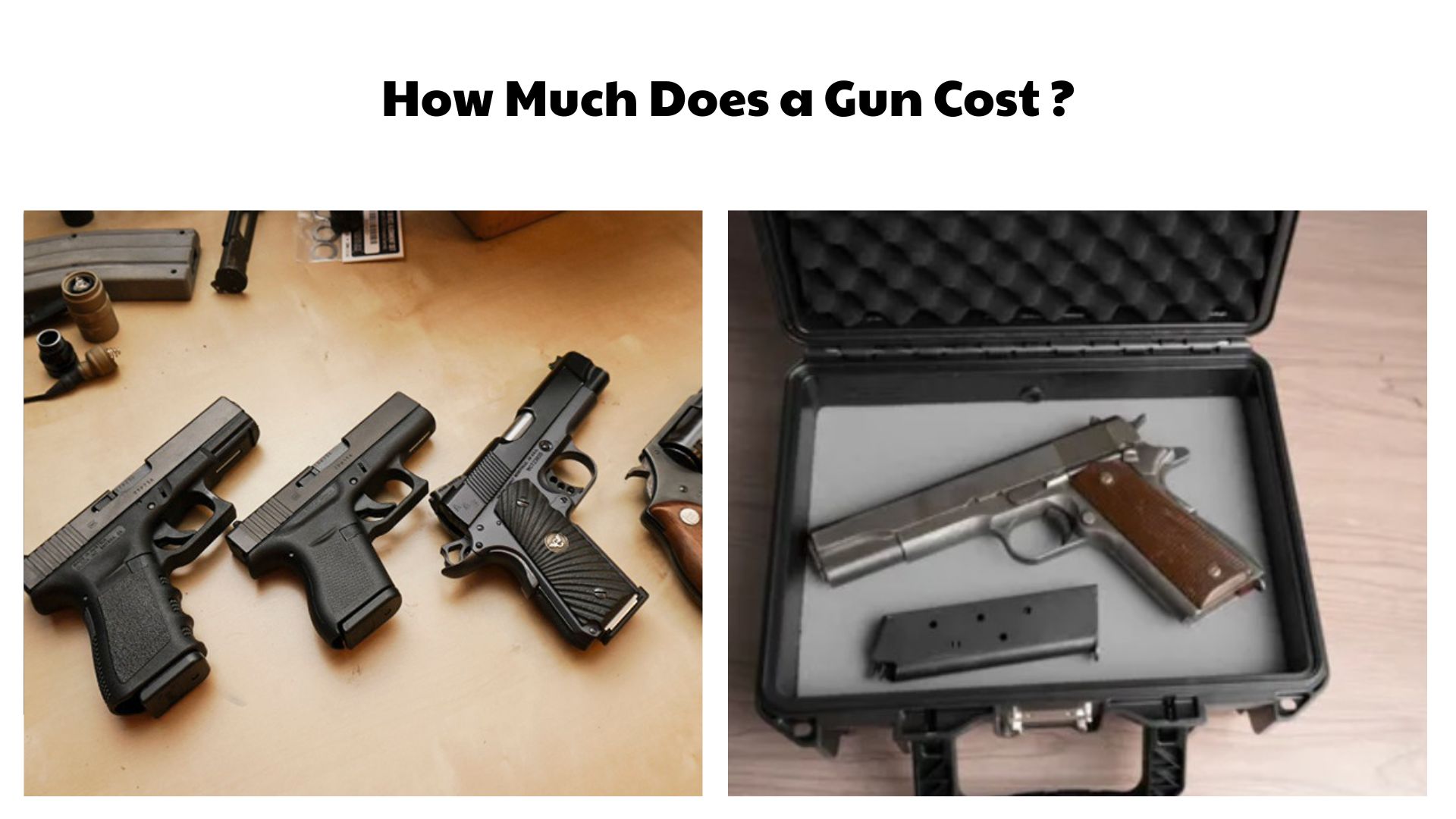

When people ask “How much does a gun cost?”, they usually think only about the price tag on the firearm itself. In reality, the true cost of gun ownership goes far beyond the initial purchase. From legal fees and ammunition to training, storage, and long-term maintenance, owning a firearm is an ongoing financial commitment rather than a one-time expense.
Many first-time buyers underestimate these additional costs, which can significantly affect their overall budget. Understanding the full breakdown helps gun owners make smarter, safer, and more responsible decisions. This guide explains the real cost of gun ownership in detail, including purchase prices, hidden expenses, and long-term financial planning.
How Much Does a Gun Cost to Buy?
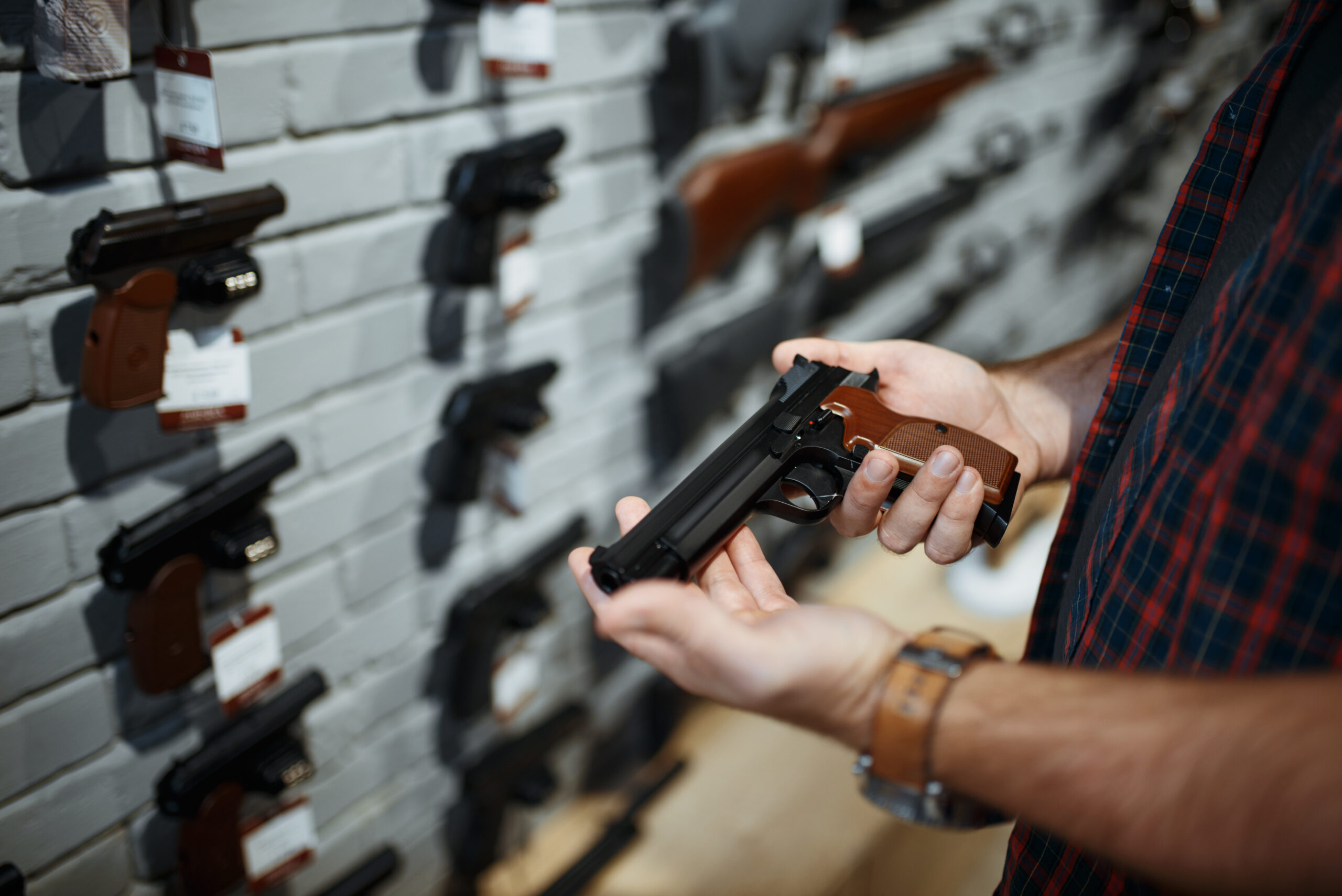
The upfront price of a firearm varies widely depending on type, brand, materials, and intended use. While entry-level models are relatively affordable, premium firearms and specialized platforms can become significantly more expensive. On average, most civilian gun owners will fall somewhere in the mid-range pricing category, but the market covers a very broad spectrum.
Average Firearm Price Ranges
Handguns are often the most common entry point for new buyers. Entry-level handguns typically range from $300 to $600, offering basic reliability and functionality without advanced features. These models are commonly used for home defense or concealed carry and are widely available across major manufacturers.
Mid-range handguns and pistols usually fall between $600 and $1,200. These firearms often include improved ergonomics, better triggers, higher-quality materials, and enhanced durability. They are popular among both everyday carriers and recreational shooters who want a balance between cost and performance.
Rifles, depending on configuration, generally range from $500 to $1,500 for standard models. AR-style rifles and bolt-action hunting rifles often fall within this category. However, tactical or competition-ready builds can exceed this range quickly once optics, attachments, and upgrades are included.
Shotguns are usually more affordable at the entry level, with prices starting around $200 to $400 for basic models. Higher-end tactical or hunting shotguns can range up to $1,000 or more, depending on features and build quality.
At the premium end of the market, firearms designed for professional, tactical, or enthusiast-level use can exceed $2,000 to $3,000 or more. These weapons often include advanced engineering, high-end materials, modular systems, and brand-specific enhancements that significantly increase cost.
Factors That Affect Gun Prices
One of the biggest influences on firearm pricing is brand reputation. Well-established manufacturers often charge more due to proven reliability, quality control, and long-term durability. Buyers frequently pay a premium for trust and performance consistency.
The type of firearm also plays a major role. Handguns, rifles, and shotguns all follow different pricing structures based on their mechanical complexity and intended use. Tactical rifles, for example, are generally more expensive than basic hunting rifles due to modular design and accessory compatibility.
Materials and construction significantly affect price as well. Firearms made with polymer frames tend to be more affordable, lightweight, and corrosion-resistant. In contrast, steel or high-grade alloy constructions increase durability but also raise production costs, which are reflected in the final retail price.
Additional features also impact cost. Optics-ready slides, enhanced trigger systems, threaded barrels, and modular rails all add to the price. Many modern firearms are designed to support customization, which increases flexibility but also raises initial purchase costs.
New vs Used Firearms
Choosing between new and used firearms can significantly change the total cost. Used guns are typically 10% to 30% cheaper than new models, depending on condition, age, and market demand. This makes the used market attractive for budget-conscious buyers.
However, condition is extremely important. A well-maintained used firearm can perform nearly identically to a new one, while poorly maintained weapons may require repairs or part replacements that offset initial savings. Buyers should always inspect mechanical condition, barrel wear, and maintenance history when purchasing used guns.
New firearms, on the other hand, offer warranties, factory support, and guaranteed condition. They are generally preferred by first-time buyers who want reliability and peace of mind. While more expensive upfront, they reduce the risk of hidden issues or unknown wear.
Ultimately, the choice between new and used depends on budget, experience level, and intended use. Both options are valid, but understanding their trade-offs is essential for making a smart financial decision.
Mandatory Costs When Buying a Gun
Beyond the price of the firearm itself, there are several mandatory or near-mandatory costs that every gun buyer should expect. These expenses are often required by law or by standard purchasing procedures, and they can vary depending on the state, dealer, and type of firearm transaction.
Background Checks and Legal Fees
In the United States, most firearm purchases require a federal background check through the National Instant Criminal Background Check System (NICS). In many cases, this process is inexpensive or even included in the purchase price by the dealer. However, the overall cost structure can still vary depending on local regulations.
Some states impose additional fees for processing background checks or administering firearm-related permits. These fees are typically modest but still add to the total cost of ownership. Depending on jurisdiction, a permit-to-purchase or concealed carry permit may also be required, with costs ranging from approximately $10 to $150 or more.
These legal requirements are designed to ensure compliance and responsible ownership. While they may seem minor individually, they contribute to the overall financial planning needed before purchasing a firearm.
Transfer and Dealer Fees
When buying a firearm from an online retailer or a private seller, the gun must usually be transferred through a Federal Firearms License (FFL) dealer. This process involves additional administrative work and fees.
FFL transfer fees typically range from $20 to $75, depending on the dealer and location. Some high-demand areas may charge even more, especially in urban regions where operational costs are higher. This fee covers the legal handling, paperwork, and background check processing required to complete the transfer.
Online firearm purchases almost always require this step, meaning buyers should factor in transfer costs when comparing prices between online and in-store options. Additionally, some states may require extra documentation or waiting periods, which can add indirect costs in terms of time and processing.
Taxes and Administrative Costs
Sales tax is another important cost factor that varies significantly depending on the state and local jurisdiction. In some areas, firearm sales tax can noticeably increase the total purchase price, especially for higher-end firearms.
Certain states may also require additional administrative steps such as fingerprinting, licensing, or registration fees. These requirements are not uniform across the country, but where they exist, they can add both cost and time to the purchasing process.
Ongoing Costs of Gun Ownership
Owning a firearm does not end with the purchase. In fact, many of the most significant expenses appear after the initial acquisition. These ongoing costs are essential for safe, legal, and effective firearm use over time.
Ammunition Expenses
Ammunition is often the single largest recurring cost for gun owners. Prices vary widely depending on caliber, demand, and market fluctuations. Common calibers used for training and defense can become expensive over time, especially for frequent shooters.
Regular training significantly increases ammunition consumption. Even moderate practice sessions can add up quickly over months and years. As a result, many gun owners find that ammunition costs eventually exceed the initial price of the firearm itself.
Maintenance and Cleaning
Firearms require consistent maintenance to remain reliable and safe. Cleaning supplies such as solvents, lubricants, brushes, and patches are recurring expenses that should not be overlooked.
On average, gun owners may spend between $50 and $200 per year on maintenance, depending on how often the firearm is used. Additionally, small mechanical parts such as springs, pins, or magazines may wear out over time and require replacement.
Proper maintenance is not just a cost factor—it is also essential for preventing malfunctions and extending the lifespan of the firearm.
Range Fees and Training
For most gun owners, access to a shooting range is necessary for practice and skill development. Range fees typically range from $10 to $35 per session, depending on location and facility quality.
Firearm training courses are another important investment. Basic safety courses may cost between $50 and $300, while advanced tactical or defensive training can be significantly more expensive. These courses improve safety, accuracy, and legal awareness, making them a valuable long-term investment.
Storage and Security
Safe firearm storage is both a legal and practical necessity. Gun safes, lockboxes, and secure cabinets help prevent unauthorized access and protect against theft or accidents.
Basic lockboxes may cost around $100, while high-quality safes with fireproofing and advanced locking systems can exceed $1,000. The choice depends on the number of firearms owned and the desired level of security.
Proper storage is not optional—it is a key responsibility of gun ownership and can also influence insurance coverage and legal compliance.
Insurance Costs
Firearm insurance is optional but increasingly popular among gun owners. It provides financial protection against theft, liability, or accidental damage depending on the policy structure.
Annual insurance premiums typically range from $20 to $200 or more, depending on the value of the firearms and the coverage selected. Higher-value collections or multiple firearms may increase premiums.
While not legally required, insurance offers peace of mind and financial protection, especially for owners with expensive or multiple firearms.
Total Cost of Gun Ownership (Realistic Budget)
Understanding the total cost of gun ownership requires looking beyond the initial purchase price. Depending on how often you shoot, the type of firearm you choose, and your training habits, the overall investment can vary widely. Most gun owners fall into one of three general budget categories: low-end, moderate, and high-end ownership.
Low-End Ownership Estimate
A low-end firearm ownership setup typically ranges from $500 to $1,000 in total initial investment. This includes a basic but reliable firearm along with minimal accessories such as a holster, cleaning kit, and basic ammunition supply.
In this category, shooting activity is usually limited. Owners may visit the range occasionally rather than frequently, which helps keep ongoing costs relatively low. Ammunition consumption is minimal, and maintenance is performed on a basic schedule.
This budget level is common among first-time buyers or individuals who purchase a firearm primarily for home defense and do not intend to train regularly.
Moderate Ownership Estimate
A moderate gun ownership budget typically falls between $1,000 and $3,000. This level includes a higher-quality firearm, additional accessories such as optics or upgraded sights, and basic to intermediate training.
Owners in this category tend to shoot more regularly, often visiting the range for practice and skill development. As a result, ammunition costs become a more significant ongoing expense. Maintenance is also performed more consistently to ensure reliability.
This is one of the most common ownership tiers because it balances performance, training, and long-term usability without entering high-end enthusiast spending levels.
High-End Ownership Estimate
High-end firearm ownership typically starts at $3,000 and can increase significantly depending on the number of firearms and accessories involved. This category includes multiple firearms, advanced optics, tactical gear, and specialized upgrades.
Owners in this group often engage in frequent training, competitive shooting, or professional-level practice. As a result, ammunition consumption is high, and annual training expenses can become substantial.
Additional investments in premium equipment, customized builds, and advanced storage solutions are also common. This level of ownership reflects a serious long-term commitment to firearms as a hobby or profession.
Factors That Increase Total Gun Ownership Cost
Several key factors can significantly raise the total cost of gun ownership over time. Understanding these variables helps gun owners plan their budgets more accurately and avoid unexpected expenses.
- Frequent shooting and training habits that increase ammunition and range costs
- Use of premium ammunition or specialized calibers that are more expensive per round
- Purchasing optics, weapon lights, and advanced accessories that add to initial setup costs
- Owning multiple firearms, each requiring maintenance, storage, and ammunition
- Living in states with higher permit fees, taxes, or regulatory requirements
Each of these factors contributes differently depending on lifestyle and usage patterns. In many cases, ongoing costs can eventually exceed the initial firearm purchase price.
How to Reduce Gun Ownership Costs
While firearm ownership does involve ongoing expenses, there are practical ways to manage and reduce costs without compromising safety or performance.
- Buy ammunition in bulk to lower the cost per round and reduce long-term spending
- Choose versatile calibers that can be used across multiple firearms or purposes
- Start with basic but reliable firearm models instead of expensive premium builds
- Maintain firearms properly to prevent unnecessary repairs or part replacements
- Use structured training programs instead of frequent high-cost private sessions
These strategies help balance cost efficiency with responsible firearm ownership. Over time, small savings in each category can significantly reduce total annual spending.
Common Misconceptions About Gun Costs
Many new gun owners have inaccurate assumptions about the true cost of owning a firearm. These misconceptions often lead to unrealistic budgeting and surprise expenses.
- “Buying a gun is a one-time expense” – Incorrect, because ammunition, training, and maintenance create ongoing costs.
- “Cheap guns are always cheaper long-term” – Not always true, as lower-quality firearms may require more repairs or replacements.
- “Ammo is inexpensive” – Ammunition costs vary widely and can become a major long-term expense depending on usage.
- “Only professionals spend a lot on guns” – Even casual owners accumulate significant costs over time through basic ownership needs.
Understanding these misconceptions helps set realistic expectations and supports more responsible financial planning for firearm ownership.
Conclusion
The true cost of gun ownership goes far beyond the initial price of the firearm. While the purchase itself may seem straightforward, long-term responsibilities such as ammunition, training, maintenance, storage, and legal compliance all contribute to the overall financial commitment.
In reality, the firearm is only one part of the equation. Ongoing expenses often play a much larger role over time and can vary significantly depending on how frequently the firearm is used and the level of training or equipment involved.
Ammunition costs, regular practice sessions, safe storage solutions, and proper maintenance are essential components of responsible ownership. Each of these factors contributes to both safety and performance, but they also shape the long-term budget required to maintain a firearm properly.
With careful planning and realistic expectations, gun ownership can remain both sustainable and manageable. Understanding the full financial picture helps ensure that ownership is not only responsible and legal, but also safe and well-prepared for the long term.
Frequently Asked Questions (FAQ)
1. How much does it really cost to own a gun?
The real cost of owning a gun varies widely depending on usage, location, and firearm type. While the initial purchase may range from $300 to $1,500 for most civilian firearms, the total cost of ownership is much higher. When you include ammunition, training, storage, maintenance, permits, and accessories, annual costs can easily range from a few hundred dollars to several thousand. Gun ownership is best understood as an ongoing financial responsibility rather than a one-time purchase.
2. What is the cheapest way to buy a gun?
The most affordable way to purchase a firearm is typically by choosing an entry-level model from a reputable manufacturer or buying a used firearm in good condition. Used guns can be 10–30% cheaper than new ones. Buying during promotions, choosing basic models without extra features, and avoiding unnecessary accessories at the start can also reduce upfront costs significantly.
3. Why are guns so expensive?
Gun prices reflect manufacturing precision, material quality, safety standards, and brand reputation. Firearms require strict engineering tolerances to ensure safety and reliability under high pressure. Additionally, legal compliance, testing, and quality control all add to production costs. Premium models also include enhanced features such as optics readiness, improved triggers, and modular systems.
4. Is buying a gun a one-time cost?
No, buying a gun is not a one-time cost. While the firearm itself is purchased once, ongoing expenses include ammunition, cleaning supplies, maintenance, range fees, training courses, storage equipment, and potentially insurance. Over time, these recurring costs often exceed the original price of the firearm.
5. What is the average cost of ammunition per year?
Ammunition costs depend heavily on shooting frequency and caliber. Casual shooters may spend $100–$300 annually, while regular range users can spend $500–$2,000 or more per year. Competitive shooters or high-volume trainers may spend significantly more due to frequent practice sessions.
6. Do I need to pay for a background check every time?
In most cases, a background check is required each time you purchase a firearm from a licensed dealer. However, the fee is usually low or included in the transaction. Some states also require additional background checks for permits or private transfers.
7. How much does a gun permit cost?
Permit costs vary widely by state and type. Basic firearm permits or purchase permits may cost between $10 and $150. Concealed carry permits can range from $50 to over $200 depending on training requirements, renewal fees, and local regulations.
8. Are used guns reliable?
Yes, used guns can be very reliable if properly maintained. Many firearms last for tens of thousands of rounds. However, buyers should carefully inspect condition, check for wear, and ensure the firearm has been properly maintained before purchasing.
9. What hidden costs come with buying a gun?
Hidden costs include transfer fees, sales tax, training courses, ammunition, storage solutions, cleaning supplies, and potential licensing or renewal fees. These costs are often overlooked by first-time buyers but are essential for safe and legal ownership.
10. Is gun ownership expensive long-term?
It can be, depending on usage. A casual gun owner may spend a few hundred dollars per year, while active shooters can spend several thousand dollars annually. Long-term costs depend mostly on ammunition consumption and training frequency.
11. How much does gun training cost?
Basic firearm safety courses typically cost $50–$150. More advanced defensive or tactical training can range from $200 to $500 per course or more. Professional-level training or certification programs may cost even higher.
12. Are cheaper guns more expensive in the long run?
Sometimes yes. Lower-quality firearms may require more maintenance, repairs, or earlier replacement. While they save money initially, long-term costs can increase if reliability issues arise.
13. How much does a gun safe cost?
Gun safes range from $100 for small lockboxes to over $1,000 for large, fireproof safes. The price depends on size, security level, fire resistance, and locking mechanisms.
14. Do all gun owners need insurance?
Insurance is not legally required in most places, but it is highly recommended. It typically costs $20–$200 per year and provides coverage for theft, liability, or accidental damage depending on the policy.
15. How often do guns need maintenance?
Maintenance frequency depends on usage. Regular shooters may clean their firearms after every range session, while low-use owners may clean them every few months. Proper maintenance ensures reliability and prevents corrosion.
16. What is the biggest long-term cost of gun ownership?
Ammunition is usually the largest long-term cost. Regular practice and training require continuous ammo purchases, which often exceed all other expenses combined over time.
17. Is it cheaper to own one gun or multiple guns?
Owning one gun is generally cheaper because it reduces ammunition variety, maintenance tools, and storage needs. Multiple firearms increase both upfront and ongoing costs significantly.
18. Do different calibers affect cost?
Yes, caliber choice greatly affects ammunition cost. Common calibers are usually cheaper and more widely available, while specialty or magnum rounds can be significantly more expensive.
19. Are gun ranges expensive?
Most indoor ranges charge $10–$35 per visit. Outdoor ranges may charge membership fees or daily access rates. Costs depend on location and facilities.
20. How much should a beginner budget for a gun?
A beginner should realistically budget $500–$1,000 for initial setup, including firearm, basic accessories, and initial ammunition. Additional training costs should also be considered.
21. Does gun ownership require monthly expenses?
Not necessarily monthly, but ongoing expenses are regular. Ammunition purchases, range visits, and maintenance supplies may occur monthly or quarterly depending on usage.
22. Are firearms cheaper in bulk purchases?
Sometimes. Bulk ammunition purchases often reduce per-round cost. However, firearms themselves are usually priced individually, with discounts depending on promotions or dealer pricing.
23. What affects total gun ownership cost the most?
Ammunition usage and training frequency have the biggest impact on long-term costs. The more you shoot and train, the higher the overall expense.
24. Is gun ownership worth the cost?
Value depends on individual needs. For self-defense, sport shooting, or hunting, many owners consider the cost justified. However, it requires ongoing financial commitment and responsibility.
25. Can gun costs be reduced?
Yes, costs can be reduced by buying in bulk, choosing affordable calibers, maintaining firearms properly, and limiting unnecessary accessories or upgrades.
26–50. Additional FAQs
26. Do accessories significantly increase gun costs?
Yes, optics, lights, grips, and upgrades can easily double the initial firearm cost depending on quality and brand.
27. Is ammunition cheaper online?
Often yes, but shipping restrictions, taxes, and bulk requirements can affect final pricing.
28. Do firearms lose value over time?
Some firearms retain value well, especially collectible or high-quality models, while others depreciate over time.
29. Is gun ownership cheaper in rural areas?
Often yes, due to lower range fees, fewer regulations, and more accessible training opportunities.
30. Do law changes affect gun costs?
Yes, legal changes can impact permit fees, taxes, and ammunition availability.
31. Are tactical guns more expensive?
Yes, due to added features, customization options, and higher-grade materials.
32. How often should ammo be replaced?
Ammunition should be rotated and stored properly; old or damaged ammo should be replaced immediately.
33. Is shooting a hobby expensive?
It can be moderate to expensive depending on frequency, ammunition choice, and training level.
34. Do gun costs increase over time?
Yes, due to inflation, ammo pricing, and accessory upgrades.
35. Are cheaper guns harder to maintain?
Not always, but lower-quality materials may require more frequent maintenance.
36. Do all states have the same gun costs?
No, taxes, permits, and fees vary widely by state.
37. Is reloading ammo cheaper?
Yes, reloading can reduce cost per round but requires equipment and expertise.
38. Do magazines and parts add cost?
Yes, spare magazines, springs, and parts contribute to ongoing expenses.
39. Are firearm classes mandatory?
In some states for permits, yes. Otherwise, they are optional but recommended.
40. Can gun ownership be a budget-friendly hobby?
Yes, with careful planning, minimal shooting frequency, and basic equipment.
41. Do hunting guns cost more?
Not necessarily, but optics and accessories can increase total cost.
42. Are revolvers cheaper than pistols?
Sometimes, but pricing depends on brand and build quality.
43. Is firearm maintenance expensive?
Generally no, but costs add up over time with supplies and replacements.
44. Do police-style guns cost more?
Duty-grade firearms may cost more due to durability standards and features.
45. Are online gun purchases cheaper?
Sometimes, but transfer fees and shipping can offset savings.
46. Do optics increase long-term cost?
Yes, optics require maintenance, upgrades, and battery replacements.
47. Is concealed carry expensive?
It includes permit fees, training, and gear, but costs vary by state.
48. Are shotguns cheaper overall?
Often yes, especially for basic models and ammunition.
49. Do firearms require annual fees?
In some states, yes, due to permit renewals or licenses.
50. What is the smartest way to budget for gun ownership?
Plan for both initial purchase and long-term costs including ammo, training, and maintenance rather than focusing only on firearm price.
Read more: