
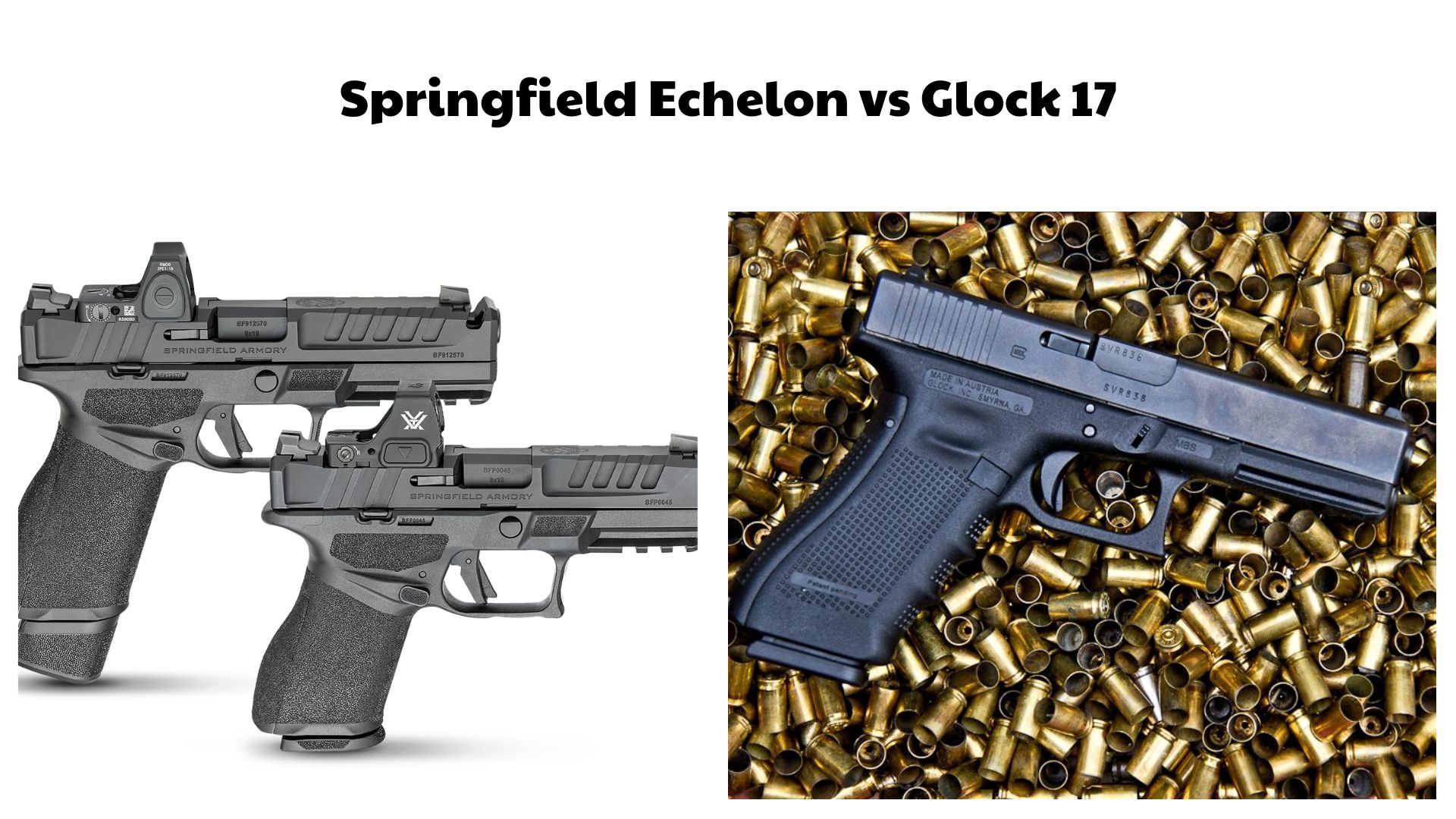

The Springfield Echelon and Glock 17 are two modern full-size 9mm striker-fired pistols that are frequently compared in today’s handgun market. Both are designed for duty, defensive use, and high-volume training, but they represent very different design philosophies.
The Glock 17 is built around simplicity, durability, and proven long-term reliability, while the Springfield Echelon focuses on modularity, optics integration, and modern ergonomic enhancements.
Because of these differences, the comparison often centers on two major themes: reliability vs innovation and simplicity vs modularity.
This guide is intended for first-time gun buyers, home defense users, law enforcement and duty professionals, competitive shooters, and range enthusiasts—especially those considering upgrading from or comparing to the Glock platform.
Overview of the Glock 17
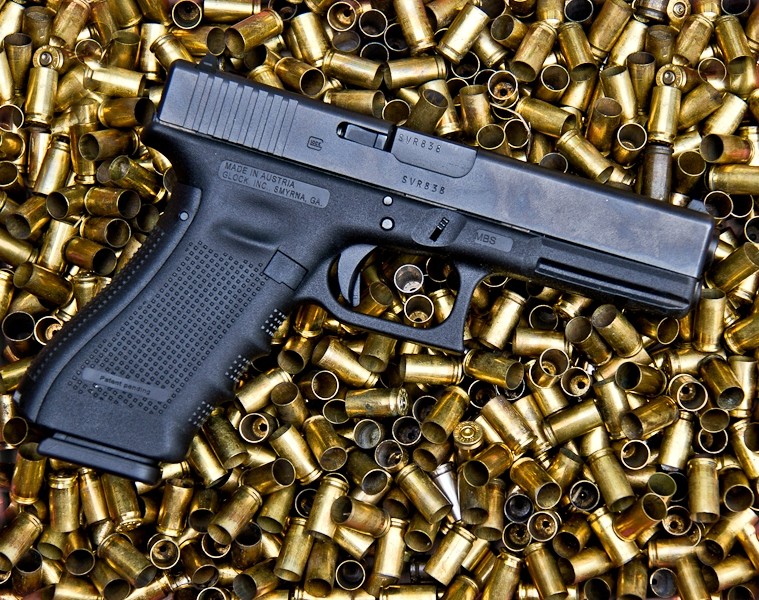
History and Legacy of the Glock 17
The Glock 17 was introduced in the early 1980s by Glock Ges.m.b.H. and quickly became one of the most influential handgun designs in modern firearms history. It helped define the striker-fired, polymer-framed pistol category and set the standard for duty sidearms worldwide.
Design Philosophy – Simplicity and Reliability First
The Glock 17 is designed with a minimalist engineering philosophy that prioritizes reliability under extreme conditions. Its Safe Action system, simple internal layout, and reduced part count make it easy to maintain and highly resistant to malfunction.
Glock 17 Key Specifications
9mm caliber
17+1 capacity
4.49-inch barrel
Polymer frame with Safe Action trigger system
Intended Use and Real-World Applications
The Glock 17 is widely used across multiple sectors, including law enforcement duty carry, military and security applications, home defense, and civilian training environments.
Its durability and ease of use also make it a common choice for high-volume range shooting and professional instruction.
Why the Glock 17 Became the Industry Standard
The Glock 17 became an industry standard due to its long service history, unmatched reputation for reliability, and consistent performance in harsh environments.
In addition, its massive aftermarket ecosystem and global adoption by law enforcement and civilian markets have solidified its position as one of the most trusted handguns ever produced.
Overview of the Springfield Echelon
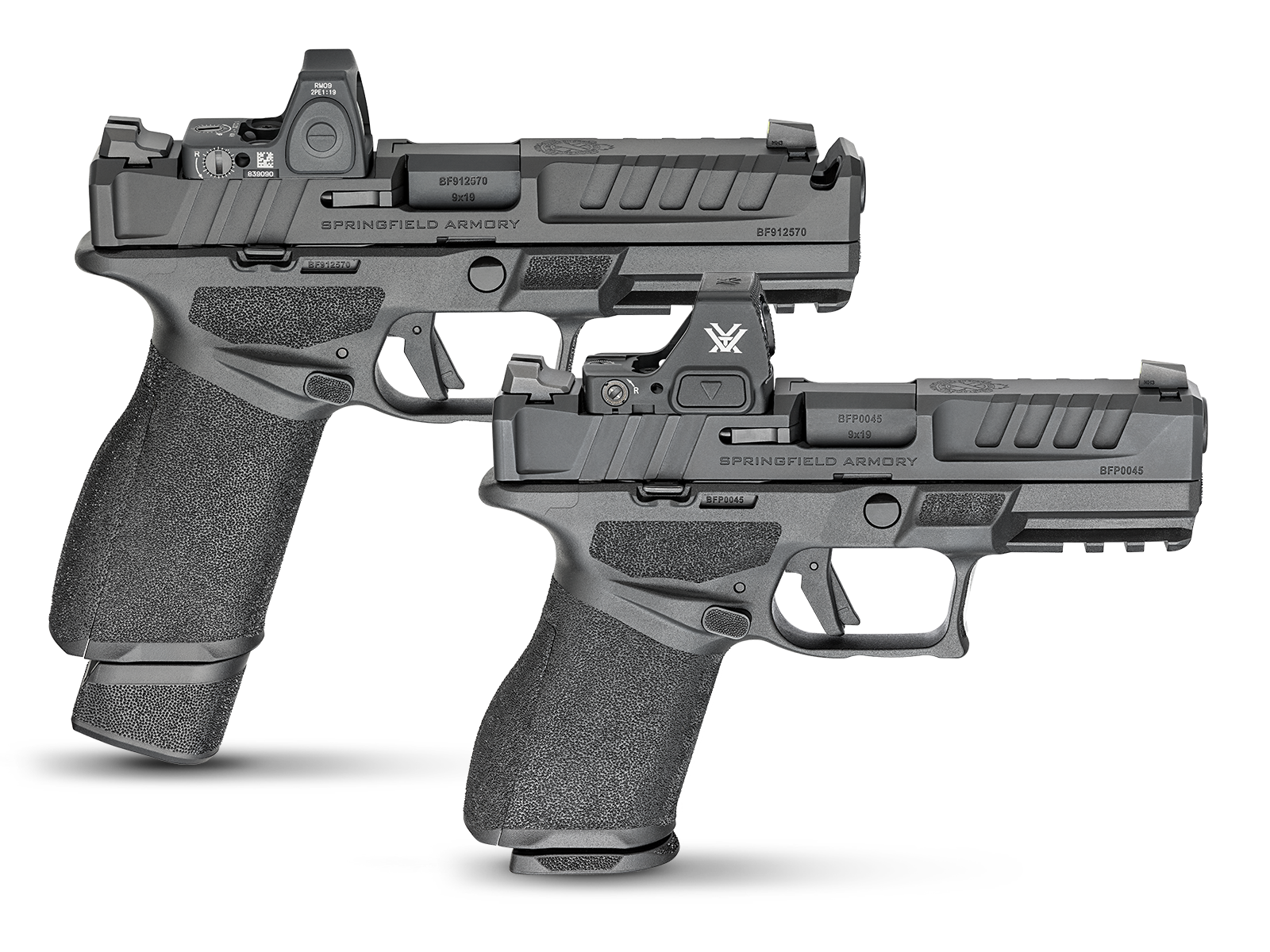
History and Development of the Echelon
The Springfield Echelon was released by Springfield Armory in 2023 as a next-generation striker-fired pistol designed for modern duty and defensive use. It represents Springfield’s attempt to compete directly with established platforms like Glock in the professional handgun market.
Design Philosophy – Modular and Modern Platform
The Echelon is built around modularity, adaptability, and modern optics integration. It is designed to offer more customization options out of the box while maintaining duty-grade reliability.
Its development focuses heavily on competing with the Glock platform by improving ergonomics and optics mounting systems.
Springfield Echelon Key Specifications
9mm caliber
17+1 capacity
Full-size polymer frame
Optics-ready system (VIS mounting system)
Central Operating Group (COG) System Explained
One of the most unique features of the Springfield Echelon is its Central Operating Group (COG), which acts as a modular fire control unit that can be transferred between different grip modules.
This system allows users to adapt grip size and ergonomics more easily, offering improved customization for different hand sizes and preferences compared to traditional fixed-frame designs.
Springfield Echelon vs Glock 17 – Key Differences
Size and Weight Comparison
Both pistols fall within the full-size duty handgun category and share similar overall dimensions. However, subtle differences in balance and weight distribution can affect how each firearm feels during extended shooting sessions.
The Glock 17 is known for its consistent and familiar balance, while the Echelon offers a slightly more modern feel due to its updated design structure.
Ergonomics and Grip Feel
The Springfield Echelon features a more aggressive, modern grip texture designed to improve control under stress and in wet conditions.
In contrast, the Glock 17 maintains its classic “blocky” grip design, which some shooters find less refined but highly consistent and proven over decades of use.
Trigger Comparison
The Glock 17 uses the well-known Safe Action trigger system, offering a consistent but relatively simple trigger pull with a short reset.
The Springfield Echelon features the Meta trigger system, which provides a slightly different break and feel, often described as more refined and responsive by some shooters.
Optics and Mounting System
The Echelon uses a direct optics mounting system (VIS), allowing red dots to be mounted with fewer or no adapter plates in many configurations.
The Glock 17 MOS system relies on adapter plates, which increases compatibility but can introduce additional height and complexity in mounting setups.
Aftermarket Support
The Glock 17 benefits from the largest aftermarket ecosystem in the handgun industry, offering extensive options for upgrades, parts, holsters, and accessories.
The Springfield Echelon, while growing in popularity, still has a more limited aftermarket compared to Glock due to its recent introduction.
Reliability and Durability
The Glock 17 has decades of proven performance in military, law enforcement, and civilian use, making it one of the most trusted pistols in the world for reliability.
The Springfield Echelon is a newer platform that has shown strong early performance, but it does not yet have the same long-term track record as the Glock 17.
Performance Comparison
Accuracy Comparison
Both the Glock 17 and the Springfield Echelon deliver strong accuracy performance at typical defensive distances of 7–25 yards.
The Echelon often benefits slightly from its modern optics-ready integration, allowing faster precision aiming when equipped with a red dot sight. In contrast, the Glock 17 maintains highly consistent mechanical accuracy and proven point-of-impact reliability across thousands of rounds.
Recoil and Shooting Control
The Springfield Echelon is often described as having slightly softer perceived recoil due to its updated ergonomics and grip design.
The Glock 17 offers a predictable and linear recoil impulse, making it easy for experienced shooters to control and manage during rapid fire.
Speed and Target Acquisition
The Echelon benefits from modern ergonomics and factory optics compatibility, which can improve target acquisition speed, especially with red dot setups.
The Glock 17 relies more heavily on shooter familiarity, muscle memory, and consistent sight picture acquisition using traditional iron sights or MOS-mounted optics.
Concealed Carry vs Duty Use
Glock 17 for Duty Carry and Service Use
The Glock 17 remains one of the most widely used duty pistols in law enforcement and security roles due to its long-standing reliability and ease of maintenance.
Its simplicity and global support network make it a trusted choice for service environments where durability and consistency are critical.
Springfield Echelon for Modern Duty and Tactical Roles
The Springfield Echelon is positioned as a modern duty pistol with advanced modularity and optics integration, making it attractive for tactical users who prioritize customization and modern sighting systems.
Its Central Operating Group (COG) system also adds adaptability for different mission profiles and user preferences.
Concealed Carry Considerations (Both Platforms)
Both pistols are full-size handguns, which can make concealed carry more challenging compared to compact or subcompact models.
Full-size limitations
Their size and barrel length can limit comfort and concealment, especially for appendix or inside-the-waistband carry.
Holster compatibility
The Glock 17 benefits from extremely wide holster availability, while the Echelon’s holster ecosystem is still growing.
Weight and comfort differences
Both firearms are relatively similar in weight, but carry comfort will depend heavily on holster design and user body type.
Home Defense Comparison
Glock 17 for Home Defense Reliability
The Glock 17 is widely regarded as a top-tier home defense option due to its proven reliability, simple manual of arms, and ability to function under stress with minimal maintenance requirements.
Springfield Echelon Advantages in Low-Light Use
The Echelon offers modern optics compatibility and ergonomic improvements that can provide advantages in low-light or rapid-response defensive situations when paired with a weapon-mounted light or red dot optic.
Weapon Light and Accessory Compatibility
Both pistols feature accessory rails that allow mounting of weapon lights and other defensive accessories, though Glock’s ecosystem remains more extensive due to aftermarket maturity.
Competition and Range Shooting
Why the Echelon Appeals to Competitive Shooters
The Echelon’s optics-ready design and modern ergonomics make it appealing for competition shooters who prioritize fast target transitions and customization flexibility.
Glock 17 Performance in Practical Shooting Sports
The Glock 17 remains highly competitive in practical shooting disciplines due to its reliability, predictable trigger system, and widespread familiarity among shooters.
Optics Advantage in Modern Competition Use
Both platforms benefit from red dot optics in modern competition settings, but the Echelon’s direct mounting system can simplify setup and reduce sight height complexity.
Trigger and Reset Speed Differences
Trigger consistency and reset speed are critical in competition. The Glock 17 provides a well-known, predictable reset, while the Echelon offers a slightly more refined break depending on shooter preference.
Aftermarket and Customization
Glock 17 Aftermarket Ecosystem
The Glock 17 has the largest aftermarket ecosystem in the handgun world, offering extensive options for triggers, slides, barrels, sights, and internal upgrades.
Springfield Echelon Modular System (COG Advantage)
The Echelon’s modular Central Operating Group (COG) system allows users to change grip modules and adapt ergonomics, providing a different type of customization compared to traditional aftermarket parts.
Upgrades (Triggers, Slides, Optics, Sights)
Both platforms support upgrades, but Glock offers significantly more third-party options, while the Echelon relies more on factory-supported modularity and growing aftermarket support.
Real User Feedback and Community Opinions
Professional Reviewer Opinions (Firearm Blogs & Testers)
Professional reviewers generally praise the Echelon for innovation and modern features, while continuing to highlight the Glock 17’s unmatched reliability and long-term track record.
Reddit and Shooter Community Discussions
Community discussions often compare the Echelon as a “modern Glock alternative,” with mixed opinions depending on user experience, brand loyalty, and intended use cases.
Competitive Shooter Experiences
Competitive shooters tend to favor whichever platform they are most trained on, though many appreciate the Echelon’s optics integration and the Glock’s proven consistency.
Common Praise and Criticism
The Glock 17 is praised for reliability and aftermarket support but criticized for its basic ergonomics. The Echelon is praised for innovation and ergonomics but noted as having a shorter real-world track record.
Pros and Cons
Glock 17 Pros
The Glock 17 is widely respected for its extreme reliability, consistent performance, and long service history across military, law enforcement, and civilian markets.
It also benefits from a massive aftermarket ecosystem, allowing users to customize almost every component, from triggers and slides to sights and internal parts.
Another major advantage is its proven duty use history, with decades of real-world validation in high-stress environments.
Glock 17 Cons
Despite its strengths, the Glock 17 is often criticized for its less modular ergonomics compared to newer designs, as its grip angle and frame design remain largely unchanged.
It also features a relatively basic factory configuration, meaning many users choose to upgrade components to achieve a more refined shooting experience.
Springfield Echelon Pros
The Springfield Echelon introduces an advanced modular system through its Central Operating Group (COG), allowing greater flexibility in grip customization and fit.
It also features an excellent optics mounting system (VIS), enabling direct red dot installation with minimal or no adapter plates in many setups.
Modern ergonomics, including improved grip texture and handling design, make it appealing to shooters who prefer updated interface design.
Springfield Echelon Cons
The Echelon currently has more limited aftermarket support compared to Glock, as it is a newer platform still building its ecosystem.
It also has a shorter real-world track record, meaning it has not yet accumulated the same decades of service data as the Glock 17.
Which One Should You Choose?
Best Choice for Beginners
For beginners, both pistols are capable options, but the Glock 17 is often recommended due to its simplicity, widespread availability of training resources, and consistent handling characteristics.
Best Choice for Home Defense
For home defense, the Glock 17 is typically favored because of its proven reliability and extensive trust in real-world defensive scenarios.
Best Choice for Duty Use
For duty and professional use, the Glock 17 remains the industry benchmark, while the Echelon is emerging as a strong modern alternative for agencies adopting newer platforms.
Best Choice for Competition Shooting
For competition shooting, the Springfield Echelon may offer advantages in optics integration and modern ergonomics, while the Glock 17 remains a solid and widely supported competition platform.
Best Overall Value Option
The Glock 17 generally provides better long-term value due to its durability, aftermarket support, and established reputation, while the Echelon offers strong value for users prioritizing modern features and modularity.
Final Verdict
Who Should Choose the Glock 17
The Glock 17 is best suited for users who prioritize proven reliability, simplicity, and long-term service history. It is ideal for duty use, home defense, and users who want a widely supported platform.
Who Should Choose the Springfield Echelon
The Springfield Echelon is ideal for shooters who want modern ergonomics, advanced optics integration, and a more modular platform with customizable fit options.
Final Comparison Summary: Tradition vs Innovation
This comparison ultimately reflects tradition versus innovation. The Glock 17 represents decades of refinement and reliability, while the Springfield Echelon represents a modern evolution focused on modularity and optics-first design.
Overall Winner Based on Use Case
There is no single winner for all users. The Glock 17 is the clear leader in reliability and proven service history, while the Springfield Echelon stands out in modern features and adaptability. The best choice depends entirely on the shooter’s intended use and priorities.
Frequently Asked Questions (FAQ) – Springfield Echelon vs Glock 17
1. What is the main difference between the Glock 17 and Springfield Echelon?
The main difference is design philosophy. The Glock 17 focuses on long-term reliability, simplicity, and proven duty performance, while the Springfield Echelon emphasizes modularity, modern ergonomics, and advanced optics integration.
In practical terms, Glock is the “proven standard,” while Echelon is a newer, feature-rich alternative designed to compete with modern expectations.
2. Which is more reliable, Glock 17 or Echelon?
The Glock 17 has a significantly longer track record, with decades of military and law enforcement use worldwide. This makes it one of the most proven reliable handguns ever made.
The Echelon shows strong early reliability, but it does not yet have the same long-term service history as the Glock 17.
3. Is the Springfield Echelon better than Glock 17?
“Better” depends on the user. The Echelon may be better for shooters who prioritize optics integration, ergonomics, and modularity. However, the Glock 17 is generally better for users who prioritize proven reliability and aftermarket support.
4. Which pistol is more accurate?
Both pistols are highly accurate at defensive distances (7–25 yards). The difference in accuracy is minimal and mostly depends on shooter skill rather than mechanical capability.
The Echelon may feel easier to shoot accurately with optics, while the Glock 17 provides consistent iron sight performance.
5. Which has better recoil control?
The Springfield Echelon is often reported to have slightly softer perceived recoil due to its grip design and weight distribution.
The Glock 17 offers a predictable recoil pattern that experienced shooters find easy to control and manage.
6. Which is better for beginners?
The Glock 17 is generally recommended for beginners due to its simplicity, wide availability of training resources, and consistent trigger system.
The Echelon is also beginner-friendly but may appeal more to users interested in modern optics and modular features.
7. Is the Glock 17 good for home defense?
Yes, the Glock 17 is one of the most popular home defense pistols due to its reliability, ease of use, and ability to function under stress with minimal maintenance requirements.
8. Is the Echelon good for home defense?
Yes, the Springfield Echelon is suitable for home defense, especially when equipped with a weapon light and red dot optic. However, it has a shorter real-world track record compared to Glock.
9. Which is better for law enforcement?
The Glock 17 remains the dominant choice in law enforcement due to its global adoption and proven durability.
The Echelon is newer but is being considered by some agencies as a modern alternative.
10. Which pistol is easier to maintain?
Both pistols are relatively easy to maintain. However, the Glock 17 has a simpler internal design with fewer parts, making it slightly easier for long-term maintenance.
11. Does the Echelon have better ergonomics?
Many shooters prefer the Echelon’s ergonomics due to its modern grip texture and modular feel. It is designed for adaptability and improved handling comfort.
12. Is the Glock 17 uncomfortable to hold?
The Glock 17 is not uncomfortable, but its grip design is more utilitarian and less ergonomic compared to newer designs like the Echelon.
13. Which has a better trigger?
The Glock 17 has a consistent Safe Action trigger that is predictable but simple.
The Echelon has a more refined trigger feel for some shooters, though preferences vary widely.
14. Which is better for concealed carry?
Neither pistol is ideal for concealed carry due to full-size dimensions. However, the Glock 17 has more holster support and slightly better concealment options due to ecosystem maturity.
15. Which has better aftermarket support?
The Glock 17 has the strongest aftermarket support in the handgun industry, with countless parts and accessories available worldwide.
16. Does the Echelon have good aftermarket support?
The Echelon’s aftermarket support is growing but still limited compared to Glock due to its recent introduction.
17. Which is better for competition shooting?
The Echelon may have an edge for optics-based competition due to its direct mounting system and modern ergonomics.
The Glock 17 remains widely used in competition due to familiarity and reliability.
18. Which pistol is more durable?
The Glock 17 has a proven durability record over decades of service in extreme environments.
The Echelon appears durable in early testing but lacks long-term historical data.
19. Which has better optics mounting?
The Echelon generally offers a more direct optics mounting system compared to Glock’s MOS plate system, which requires adapter plates.
20. Does Glock 17 require optics plates?
Yes, most Glock MOS models use adapter plates for optics mounting, which can slightly increase height over bore.
21. Is the Echelon optic-ready out of the box?
Yes, the Echelon is designed with a modern optics-ready system that often allows direct mounting without additional plates.
22. Which pistol is lighter?
Both pistols are similar in weight, with minor differences depending on configuration and accessories.
23. Which is more expensive?
Pricing varies, but both are generally in the mid-to-upper mid-range duty pistol category. The Echelon may sometimes be slightly more expensive due to newer technology.
24. Which has better reliability under stress?
The Glock 17 has a proven reputation for functioning under stress in military and law enforcement environments.
25. Is the Echelon proven in combat use?
The Echelon is relatively new and does not yet have the same level of combat or duty use history as the Glock 17.
26. Which pistol is easier to shoot fast?
The Echelon may feel faster for some shooters due to ergonomics and optics integration, while Glock relies more on shooter familiarity.
27. Which has better grip texture?
The Echelon generally has a more aggressive modern grip texture, improving control under stress or wet conditions.
28. Which is more popular globally?
The Glock 17 is significantly more popular globally and widely used by law enforcement agencies across many countries.
29. Which pistol has fewer parts?
The Glock 17 has a simpler internal design with fewer parts, contributing to its reputation for reliability and ease of maintenance.
30. Which is better for long-term ownership?
The Glock 17 is generally considered better for long-term ownership due to its durability, support network, and proven track record.
31. Can both pistols use weapon lights?
Yes, both pistols include accessory rails for mounting weapon lights, making them suitable for defensive setups.
32. Which is better for night use?
Both can be effective for low-light use when paired with a weapon light, but the Echelon’s optics integration may provide an advantage in modern setups.
33. Which is better for recoil management training?
Both are suitable for recoil training, but Glock’s predictable recoil impulse makes it a common training standard.
34. Which is more beginner-friendly overall?
The Glock 17 is often considered more beginner-friendly due to simplicity and widespread instructional support.
35. Does the Echelon replace Glock?
No, the Echelon does not replace Glock. It is an alternative that competes in the same category but targets users who want more modern features.
36. Is Glock outdated?
No, Glock is not outdated. It remains one of the most trusted and widely used handgun platforms in the world.
37. Which pistol has better resale value?
The Glock 17 typically holds resale value better due to its global demand and brand reputation.
38. Which is better for tactical use?
Both are suitable, but the Glock 17 has more proven tactical and duty deployment history.
39. Which has better balance?
Balance is subjective, but Glock offers consistent familiarity, while the Echelon is often described as slightly more modern and ergonomic.
40. Can both pistols handle high round counts?
Yes, both are designed for high-round-count use, but Glock has more long-term data supporting extreme durability.
41. Which is easier to upgrade?
The Glock 17 is easier to upgrade due to its massive aftermarket ecosystem.
42. Which is better for suppressor use?
Both can be used with threaded barrel upgrades, but neither is suppressor-ready in standard configuration.
43. Which is more modular?
The Echelon is more modular in terms of grip and fire control system design.
44. Which has better shooting comfort?
The Echelon is often considered more comfortable due to improved ergonomics and grip design.
45. Which is more battle-tested?
The Glock 17 is significantly more battle-tested across military and law enforcement environments worldwide.
46. Which should I choose for duty use?
The Glock 17 is the safer and more established choice for duty use, while the Echelon is a modern alternative gaining attention.
47. Which should I choose for innovation?
The Springfield Echelon is the better choice for users who want modern firearm innovation and modular design.
48. Which is more forgiving for new shooters?
The Glock 17 is generally more forgiving due to its consistent behavior and widespread training familiarity.
49. What is the biggest advantage of the Echelon?
Its biggest advantage is its modern optics-ready system and modular Central Operating Group (COG) design.
50. What is the final takeaway?
The Glock 17 represents proven reliability and global trust, while the Springfield Echelon represents modern innovation and adaptability. The best choice depends on whether the user prioritizes tradition or new technology.
Read more: