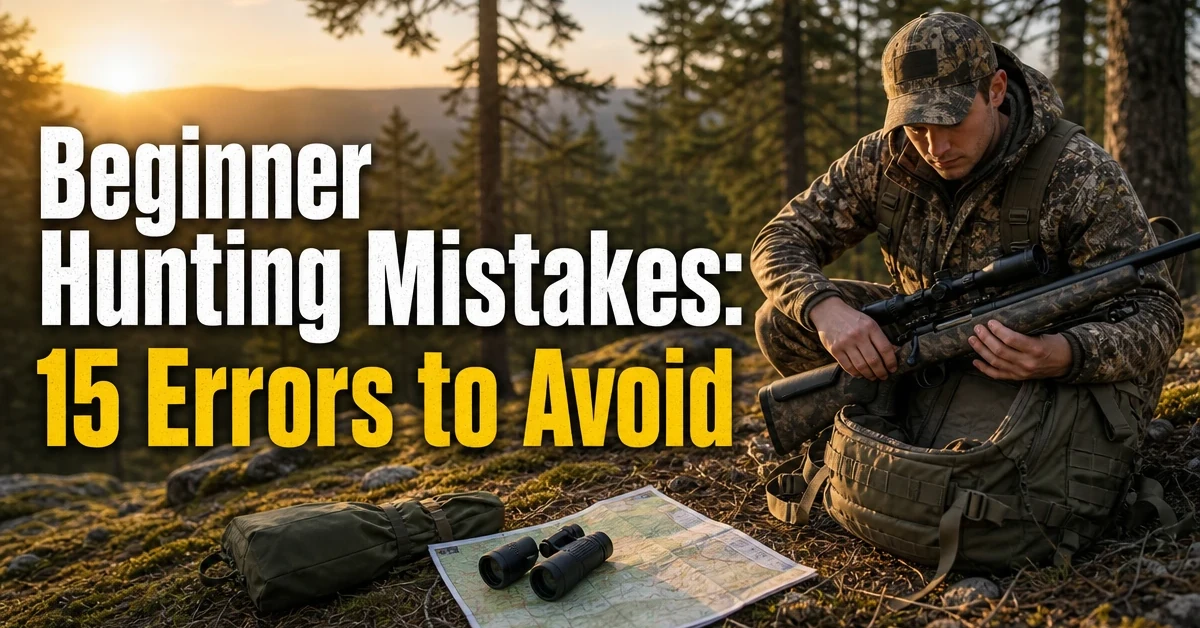
Beginner hunting mistakes usually come from inadequate preparation, unsafe equipment handling, poor scouting, rushed decisions, and unrealistic expectations. The best correction is to complete hunter education, practice with your equipment, study current regulations, prepare for the conditions, and make every decision around safety, legality, and ethical game recovery.
Why Avoiding Beginner Hunting Mistakes Matters
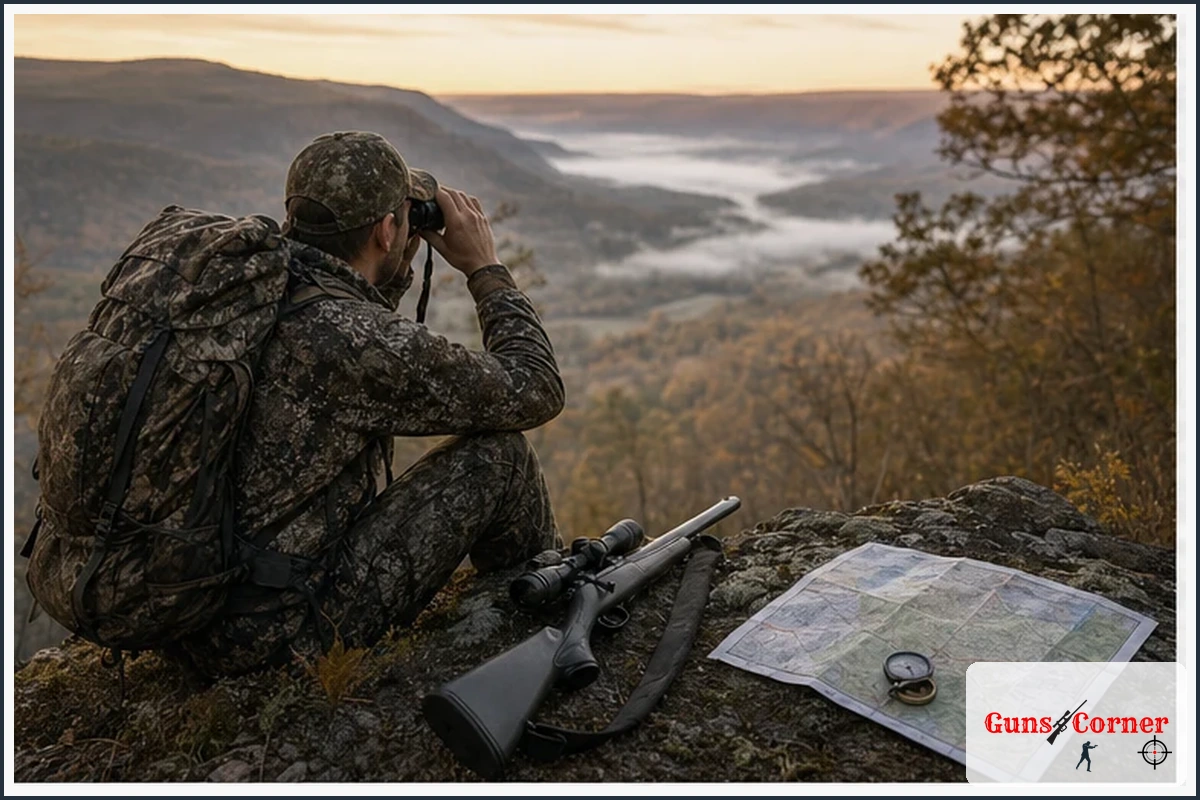
Hunting is more than carrying a weapon into the field. A responsible hunt requires planning, wildlife knowledge, equipment familiarity, land access, weather awareness, and sound judgment.
Mistakes can lead to missed opportunities, wounded game, damaged equipment, trespassing, unsafe shots, or violations of hunting laws. Beginners should focus first on becoming safe and consistent rather than simply trying to harvest an animal.
15 Common Beginner Hunting Mistakes
1. Hunting Before Completing Proper Training
Many new hunters underestimate the value of hunter education. A course can teach firearm or archery safety, wildlife identification, conservation, ethical decisions, first aid, and local regulations.
Complete any required hunter-education course before hunting. Even when a course is not legally required for your situation, supervised instruction from a qualified instructor is worthwhile.
2. Failing to Check Current Regulations
Regulations can vary by state, wildlife-management unit, species, weapon, season, land type, and license category. Rules may cover licenses, tags, bag limits, hunter orange, baiting, electronic calls, ammunition, blinds, and legal shooting hours.
Do not rely on an old booklet, social-media post, or advice from another hunter. Check the current official regulation guide from the relevant state or provincial wildlife agency before every season.
3. Not Practicing With the Actual Equipment
Owning a rifle, shotgun, bow, or crossbow does not mean you are ready to hunt with it. Practice should include loading and unloading, safe carrying, aiming, shooting from realistic positions, and understanding your personal accuracy limits.
Use the exact firearm, ammunition, sight, arrows, broadheads, or other equipment intended for the hunt. Verify compatibility according to the manufacturer’s instructions and practice until safe operation is routine.
4. Taking Shots Beyond Your Proven Ability
Distance, wind, awkward positions, poor visibility, steep terrain, animal movement, and stress can make a shot much harder than practice at a bench or target range.
Set a personal maximum range based on repeatable field accuracy, not on a cartridge label, bow specification, or another hunter’s success. If the target is not clearly identified or the shot is not highly likely to be humane, wait.
5. Mishandling the Firearm or Bow
Firearm hunters should always treat every firearm as loaded, keep the muzzle pointed safely, keep the finger outside the trigger guard until ready to shoot, and identify the target and what lies beyond it.
Archers should keep arrows pointed safely, use compatible equipment, inspect strings and limbs, and never dry-fire a bow or crossbow. Follow the equipment manufacturer’s instructions and never assume a mechanical safety replaces safe handling.
6. Choosing Incompatible Ammunition or Equipment
Using the wrong ammunition, shotshell, choke, arrow, broadhead, or accessory can create safety and performance problems. Never guess based only on appearance.
Read the firearm or bow markings and manufacturer manual. Confirm ammunition compatibility, chambering, projectile type, arrow spine, broadhead fit, and any local restrictions before going afield.
7. Ignoring Wind and Scent Conditions
Wind affects both human scent and animal behavior. A careful approach can fail if your scent stream repeatedly reaches the area where game is expected to be.
Use wind information as one factor rather than relying on a product that claims to eliminate scent. Avoid unnecessary movement through likely bedding or feeding areas, and understand that wind direction can change during the hunt.
8. Over-Scouting or Pressuring a Hunting Area
Scouting is important, but repeatedly walking through a small hunting area can disturb wildlife and reduce the value of the information you are collecting. This is especially relevant when targeting animals that respond to human pressure.
Use maps, remote observations where legal, tracks, droppings, food sources, terrain, and travel routes to gather information with less disturbance. Save detailed intrusion for situations where the information is worth the pressure.
9. Moving Too Much in the Field
Wildlife often detects movement before it detects a hunter’s camouflage. Reaching for equipment, turning the head, standing too soon, or repeatedly checking a phone can ruin an otherwise good setup.
Organize essential gear before the hunt. Keep binoculars, calls, shooting equipment, and safety gear where they can be reached with minimal movement.
10. Making Too Much Noise
Metal buckles, loose gear, branches, vehicle doors, conversations, and careless footsteps can alert animals. Noise control begins before entering the hunting area.
Secure loose equipment, plan a quiet route, and communicate with hunting partners before reaching the setup. Silence is not always required, but unnecessary noise is avoidable.
11. Hunting Without a Clear Land-Access Plan
New hunters sometimes assume that unfenced land is open to hunting. That assumption can lead to trespassing or unsafe encounters with landowners, livestock, workers, and other recreationists.
Confirm public-land boundaries and restrictions using official maps. Obtain permission before hunting private land, and carry any required license, tag, permission document, or access permit.
12. Forgetting Essential Safety and Survival Gear
A short hunt can become dangerous when weather changes, navigation fails, an injury occurs, or game recovery takes longer than expected.
| Gear category | Examples | Why it matters |
|---|---|---|
| Legal documents | License, tag, permits, regulations | Supports lawful hunting and proper reporting |
| Navigation | Map, compass, GPS, spare power | Helps prevent getting lost |
| Communication | Charged phone or emergency communicator | Provides a way to request help |
| Medical and weather gear | First-aid kit, layers, rain protection, water | Helps manage injury and changing conditions |
| Recovery equipment | Gloves, marking material, game bags, flashlight | Supports clean and responsible recovery |
Choose gear for the terrain and forecast. Do not carry equipment you have never learned to use.
13. Failing to Plan for Weather and Physical Limits
Cold, heat, rain, wind, snow, darkness, steep terrain, and long walks can turn a manageable hunt into an emergency. Beginners often focus on the animal and overlook their own condition.
Check the forecast, dress in layers, carry water, tell someone your route and return time, and establish a turnaround point. Stop hunting when visibility, health, terrain, or weather becomes unsafe.
14. Rushing Game Recovery
After a shot, immediately pursuing an animal can make recovery more difficult if the animal is wounded and hiding nearby. The correct approach depends on the animal’s reaction, the sign at the impact site, terrain, temperature, predators, and local rules.
Mark the shooting location, observe carefully, preserve tracks and blood sign, and avoid trampling the area. If the trail is difficult, ask an experienced hunter or legal tracking-dog handler for help. Never trespass or enter hazardous terrain recklessly.
15. Measuring Success Only by Harvests
New hunters may become discouraged when they go home without game. Hunting success also includes learning safe equipment handling, reading habitat, identifying wildlife, improving field judgment, and returning safely.
Keep notes about weather, wind, animal sign, setup, and decisions. Review what happened without assuming that one quiet day proves an area is poor.
A Better Beginner Hunting Preparation Plan
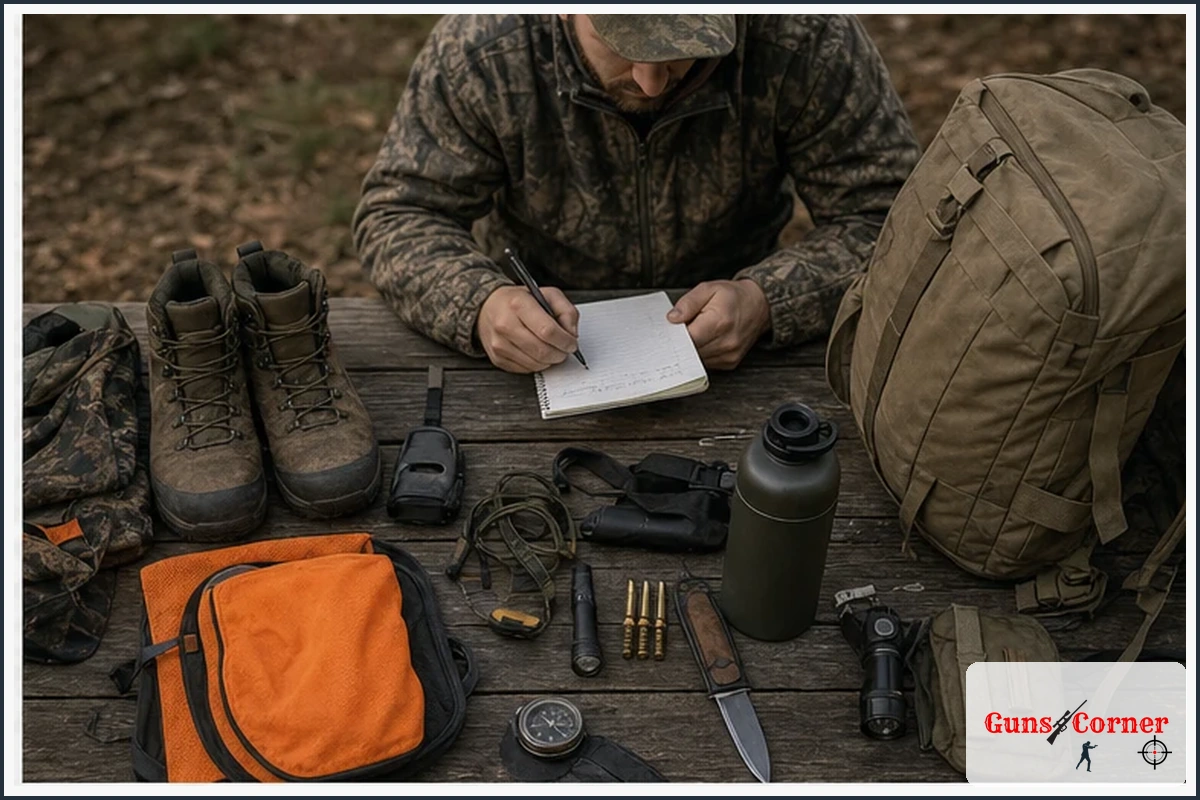
Before Leaving Home
- Complete required hunter education and review the current regulations.
- Confirm your license, permits, tags, access permission, and season dates.
- Check the weather and identify hazards in the hunting area.
- Inspect your firearm, bow, stand, backpack, footwear, and safety equipment.
- Tell a trusted person where you are going and when you expect to return.
- Practice with the equipment you will actually use.
When Arriving at the Property
- Confirm boundaries and identify nearby roads, buildings, livestock, and people.
- Unload or secure equipment while moving to the hunting position as appropriate.
- Use a safe route that minimizes disturbance and avoids dangerous terrain.
- Set up only where the background and shooting direction are safe.
- Recheck wind, visibility, weather, and communication options.
Before Taking a Shot
- Identify the species and confirm that it is legal to harvest.
- Confirm the target, what lies beyond it, and whether anyone could enter the area.
- Make sure the animal is within your practiced range.
- Use a safe, ethical shot opportunity.
- Do not shoot at movement, sound, or an unclear shape.
What Beginners Should Do After a Hunt
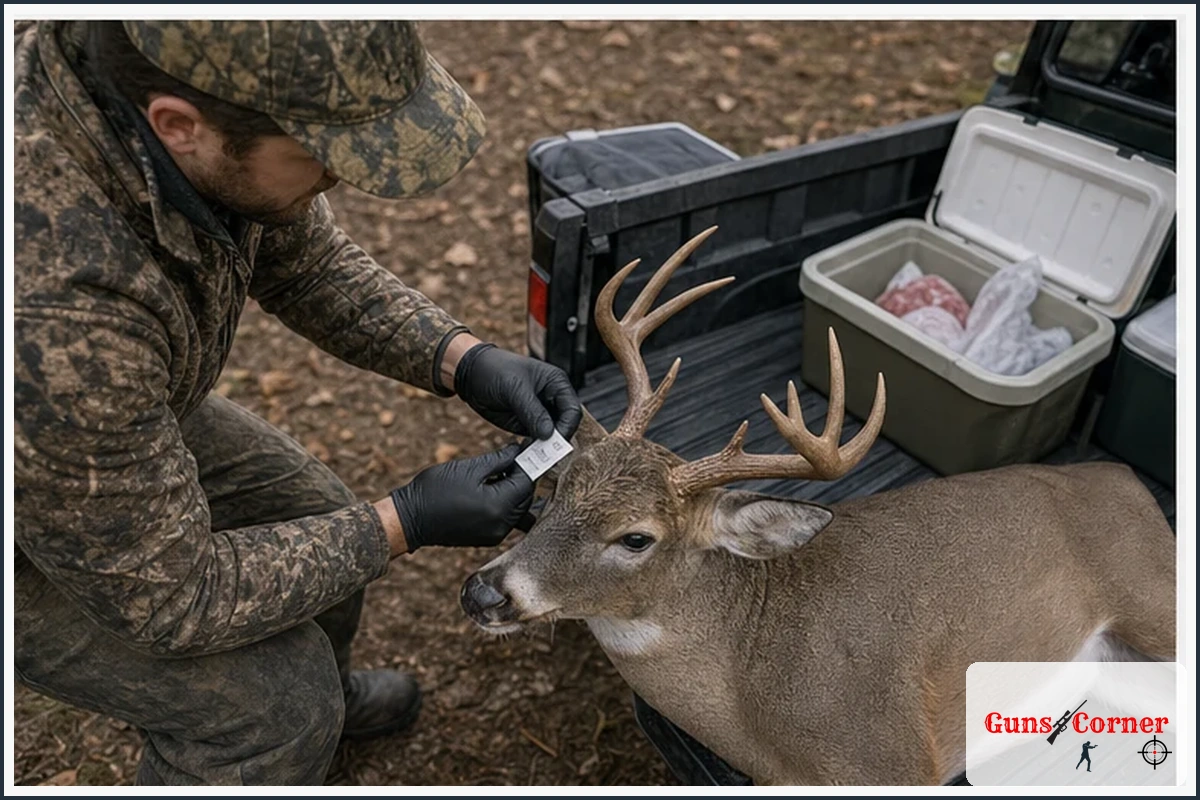
Unload and secure equipment according to the manufacturer’s instructions. Tag and report harvested game as required. Cool and handle meat promptly, keeping it clean and protected from contamination.
Inspect equipment for damage, dry wet clothing and gear, and record useful observations while they are fresh. Honest notes are more valuable than trying to explain away every mistake.
Safety and Legal Reminders
General hunting guidance cannot replace current local regulations, hunter education, or manufacturer instructions. Requirements for weapons, ammunition, hunter orange, bait, access, seasons, tags, and reporting vary by jurisdiction and may change.
Before hunting, verify the rules through the official wildlife agency or land-management authority responsible for the area. Official regulations override general online advice.
FAQs
What is the most common beginner hunting mistake?
A common mistake is going afield before gaining enough practical experience with equipment, regulations, navigation, and safe shot decisions. Preparation prevents more problems than expensive gear can solve.
Should beginners hunt alone?
New hunters should strongly consider hunting with an experienced, safety-minded partner or taking supervised instruction. If hunting alone, leave a detailed plan with someone reliable and carry appropriate navigation and communication equipment.
How much should a beginner practice before hunting?
Practice until safe handling and accurate shooting are repeatable with the equipment and positions you expect to use. There is no universal number of shots that makes someone ready; readiness depends on consistent performance and sound judgment.
How can beginners avoid spooking game?
Limit unnecessary movement and noise, consider wind direction, use suitable access routes, and avoid repeatedly disturbing the same area. Wildlife behavior varies, so no scent or camouflage product guarantees that animals will not detect you.
What should a beginner do after making a poor shot?
Mark the location, watch the animal’s direction and behavior, preserve sign, and make a careful recovery plan. Avoid rushing, contaminating the trail, trespassing, or entering unsafe terrain. Seek help from an experienced tracker when appropriate and legal.
Do beginners need expensive hunting equipment?
No. Reliable, properly fitted, legal equipment is more important than premium branding. Prioritize safety equipment, suitable clothing, navigation, communication, and gear that you have practiced using.
Where can beginners learn hunting safely?
Start with your official wildlife agency, hunter-education program, conservation organizations, and reputable local instructors. An experienced mentor can also teach practical field skills when that person consistently follows safe and legal practices.
Final Answer: Beginner Hunting Mistakes
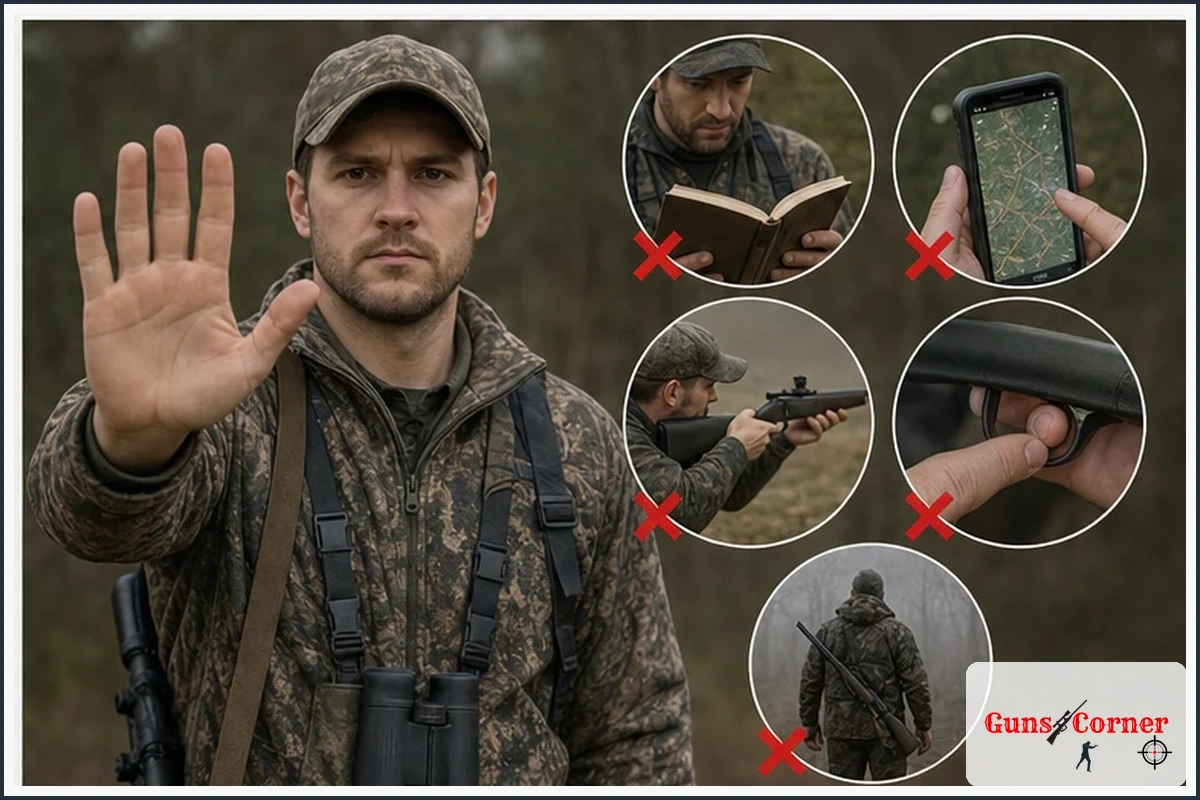
The most important beginner hunting mistakes are skipping education, failing to check regulations, neglecting practice, taking shots beyond your ability, mishandling equipment, ignoring wind and weather, over-pressuring hunting areas, and rushing game recovery.
Prepare carefully, hunt within your limits, identify every target positively, respect land and wildlife, and verify current official rules before entering the field. Safe, ethical decisions matter more than filling a tag.
Related posts:

15 Best Hunting Shoes for Men: Waterproof, Lightweight and Insulated Field Picks

What Goes With Venison? 30 Delicious Pairing Ideas
Best Hunting Anoraks for Bow Hunting: 8 Quiet Layers
What Can You Hunt With an Air Rifle? 7 Legal Categories
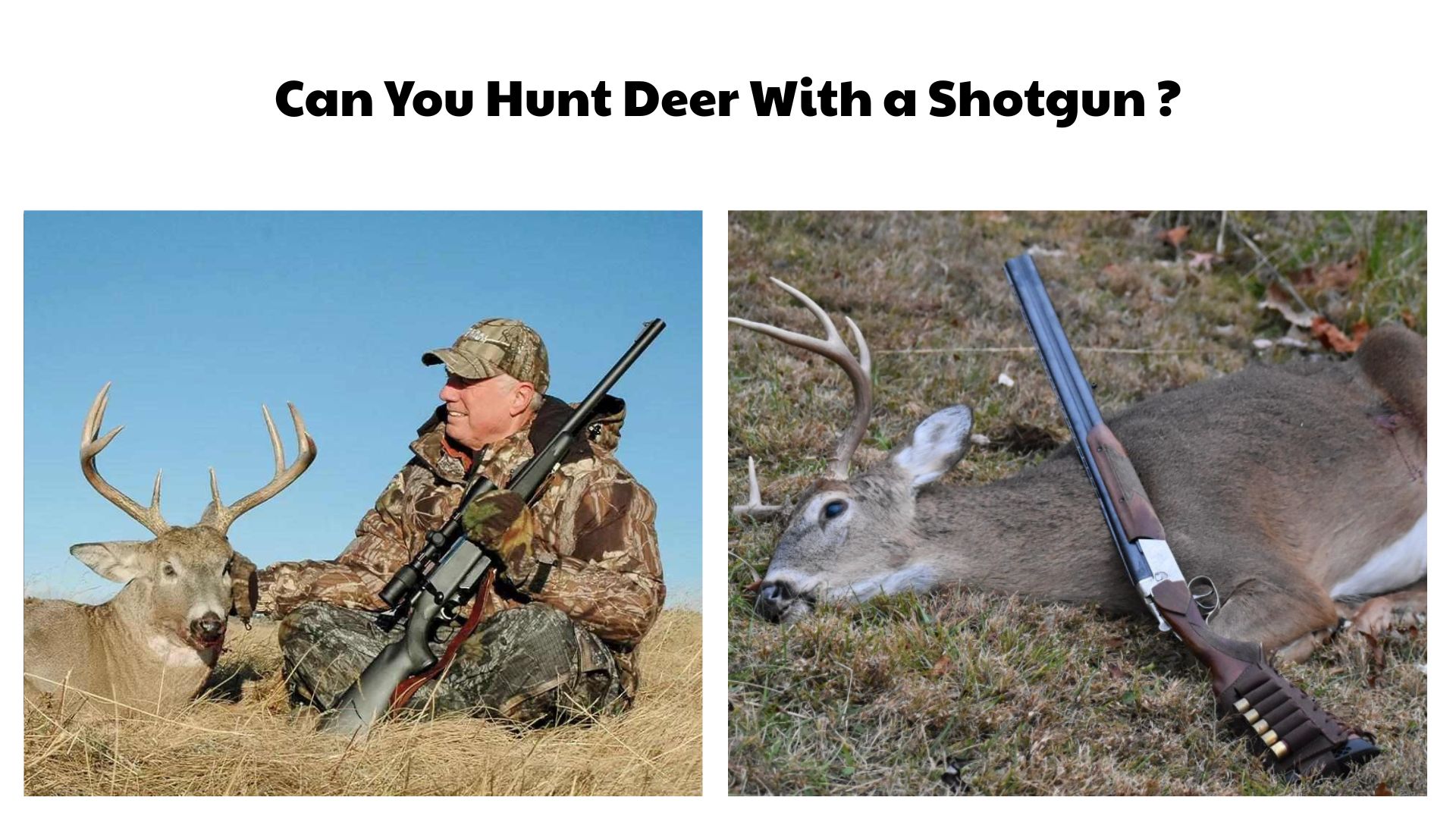
Can You Hunt Deer With a Shotgun? Legal Rules, Best Setup, Ammo & Techniques Explained
