
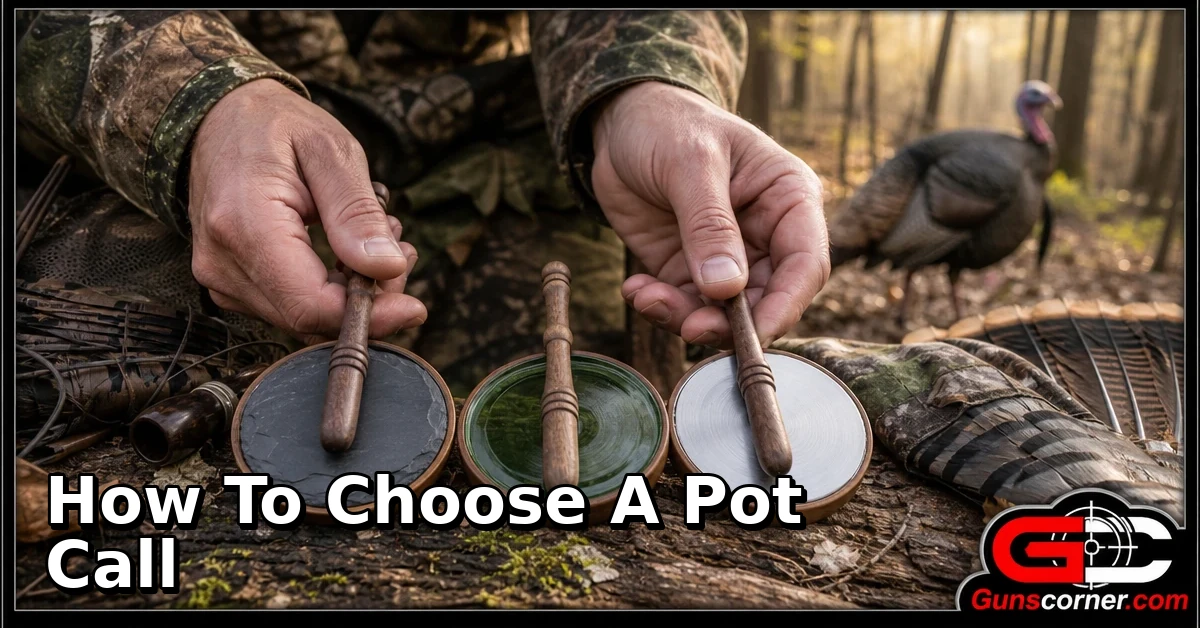
Learning how to choose a pot call can make turkey hunting more approachable. The right call should produce sounds you can repeat consistently, suit your hunting conditions, and remain practical to carry and maintain. This guide explains pot-call surfaces, strikers, construction, testing, practice, legal use, and field safety without pretending that one material is best for every hunter.
To choose a pot call, compare the sound surface, striker, construction, and your ability to produce clear turkey sounds. Slate is often a forgiving starting point, while glass, crystal, aluminum, and ceramic may offer different volume and tone but can require more careful technique and maintenance. Test a call with its intended striker when possible, choose the one you can operate consistently, and verify local turkey-call regulations before hunting.
Important Legal and Safety Notice Before You Hunt
Turkey hunting rules vary by state, province, season, and land type. Before hunting, check your official wildlife agency for current license, permit, tag, season, legal-hours, equipment, hunter-identification, harvest-reporting, and access requirements.
- Confirm your hunting license, turkey permit, and tags.
- Check season dates, legal shooting hours, bag limits, and permitted calls.
- Review firearm, ammunition, archery, hunter-orange, and public-land rules.
- Obtain permission before entering private property and verify public-land boundaries.
- Never use a turkey call to lure another hunter.
- Identify your target and what is beyond it before taking a shot.
- Do not shoot toward roads, homes, livestock, vehicles, trails, or unclear movement.
- Complete hunter education and hunt with an experienced mentor when possible.
What a Turkey Pot Call Is—and Who Should Use One
How the pot, friction surface, soundboard, and striker work together
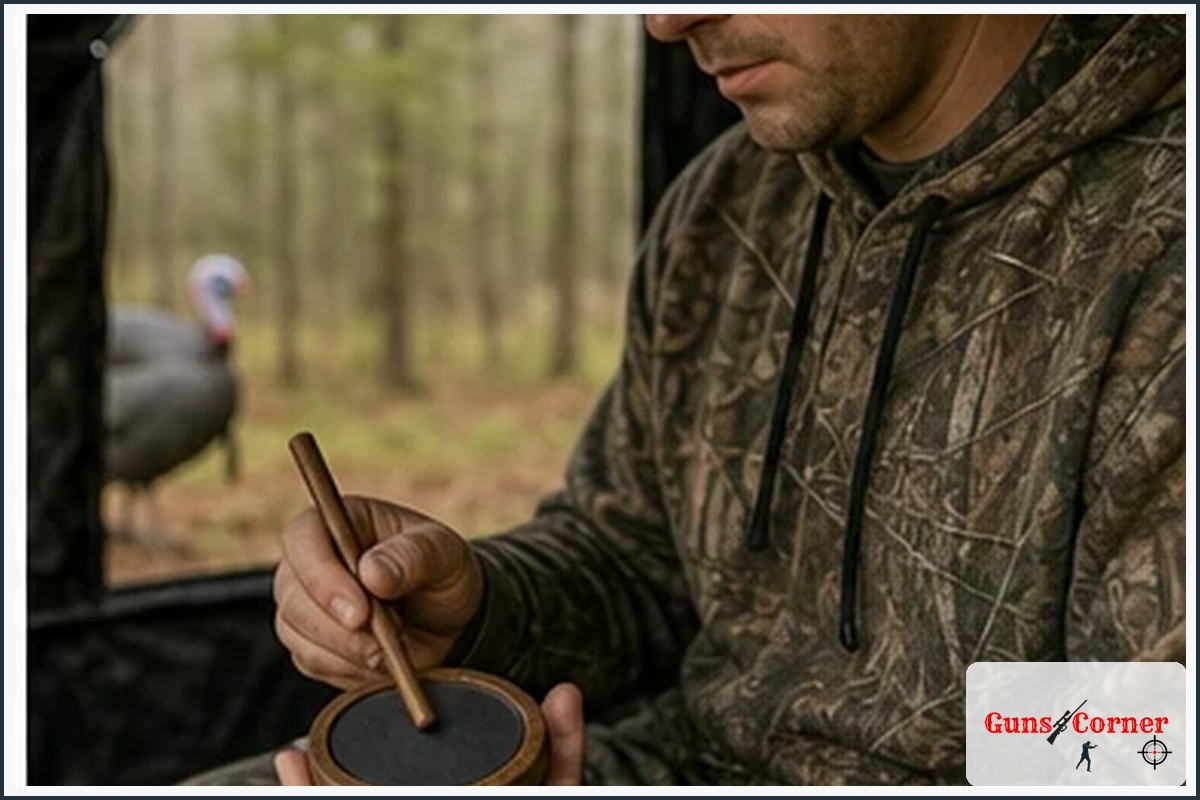
A pot call is a friction call. It generally consists of a round body, a sound surface, a soundboard beneath that surface, and a striker. Drawing or rotating the striker across the surface creates friction and vibration that produces turkey sounds.
The final sound depends on the complete combination—not just the surface material. Pot construction, surface thickness, soundboard design, striker shape, pressure, angle, and the caller’s technique all influence the result.
Why pot calls suit hunters who want several turkey sounds from one call
With practice, one pot call can produce yelps, clucks, purrs, cuts, and other vocalizations. It is also compact, relatively simple to carry, and does not require placing anything in the mouth.
A pot call is not automatically easy. Beginners must learn consistent hand pressure, striker control, and surface contact. The best first call is usually the one that lets you repeat basic sounds reliably.
Pot calls versus box, diaphragm, and push-button calls
| Call type | General strength | Common limitation |
|---|---|---|
| Pot call | Versatile tones and compact design | Friction surfaces can be affected by moisture and technique |
| Box call | Often useful when extra volume is needed | Bulkier and may require more movement |
| Diaphragm call | Hands-free operation | Requires mouth control and practice |
| Push-button call | Simple operation for beginners | Less flexible than a well-used friction call |
Choose the Call’s Sound Surface
Slate: forgiving, controllable, and suited to soft calling
Slate is commonly chosen for controlled, softer calling. Many beginners find it approachable because small changes in pressure and striker angle can produce useful sounds. Exact results vary with the pot, surface preparation, striker, and caller.
Glass and crystal: sharper, louder, and dependent on careful conditioning
Glass and crystal surfaces may produce sharper or more projecting tones, but they often require careful conditioning and a clean, dry surface. “Crystal” may describe a particular glass formulation or a manufacturer’s product category, so compare the maker’s specifications rather than assuming all crystal calls behave alike.
Aluminum: higher-volume calling and greater sensitivity to technique
Aluminum can provide a distinctive, potentially higher-volume sound. It may also reveal inconsistent pressure or striker control more readily than a forgiving slate call. Treat volume descriptions as tendencies, not guarantees.
Ceramic and specialty surfaces: verify the maker’s intended use instead of assuming performance
Ceramic and specialty surfaces can have their own sound and maintenance requirements. Ask the maker which striker, conditioning method, and weather limitations apply to that specific call.
Do not treat surface material as a guarantee of volume, pitch, or realism
Material labels are useful starting points, not performance promises. Two calls made from the same surface can sound different because of construction, thickness, soundboard design, striker pairing, and individual technique.
Match the Pot Call to Your Hunting Conditions
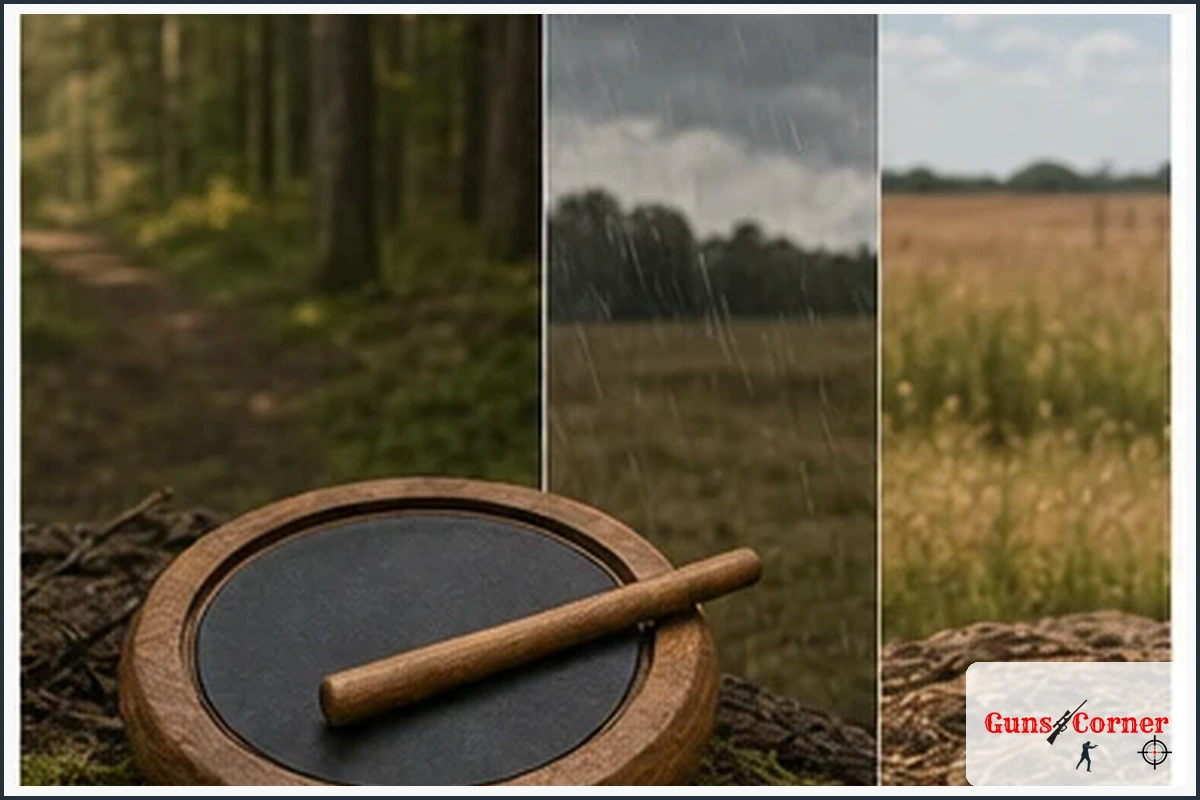
Close-range calling in calm, quiet timber
In quiet timber, a controllable call that produces soft clucks, purrs, and restrained yelps may be more useful than the loudest option. Choose a call you can operate without excessive movement.
Wind, open ground, and vegetation that reduce sound transmission
Wind and dense vegetation can make calling more difficult for both hunter and turkey. A call with more projection may help, but no material guarantees a particular effective distance. Carrying a second call with a contrasting sound can be more practical than relying on maximum volume.
Humidity, rain, condensation, and wet hands
Moisture can interfere with friction between the striker and surface. Keep the call dry, protect it from rain, and avoid touching friction surfaces with oily or wet fingers. Follow the maker’s instructions for drying and conditioning.
Cold-weather handling and protecting the call in a pack
Cold conditions can make small parts harder to handle, while temperature changes may contribute to condensation. Store the call in a protective pouch, keep the striker from rubbing against the surface, and inspect the call before entering the field.
When carrying a second call is more useful than buying an expensive primary call
A dependable backup may be valuable when weather, moisture, or changing conditions affect your primary call. A second call with a different surface or sound can also provide flexibility, but only if you have practiced with it beforehand.
Choose the Right Striker
Wood, carbon, and composite striker differences to test in person
Wood, carbon, and composite strikers can produce different tones and levels of control. These are tendencies rather than universal rules. Test the striker with the specific pot call whenever possible.
How striker diameter, tip shape, weight, and finish affect control
A striker’s diameter, tip shape, weight, and finish affect grip and contact. A comfortable striker that produces repeatable sounds is usually more useful than one selected only for appearance or material.
Why a striker that works on slate may not suit glass or aluminum
Different surfaces may require different pressure, angles, and striker movement. A striker that feels natural on slate may not produce the same control on glass or aluminum. Use the maker’s guidance and test combinations safely before hunting.
One dependable striker versus carrying contrasting strikers
One reliable striker simplifies practice and reduces field movement. Experienced callers may carry a contrasting striker for a different tone, but beginners should first master one dependable setup.
Evaluate Construction Before Buying
Check the pot’s fit, surface, soundboard, and finish
Inspect how the surface fits the pot, whether the soundboard appears secure, and whether the finish is free from obvious defects. A clean, stable construction is more important than decorative details.
Look for a stable surface without cracks, looseness, or unexplained rattling
Avoid a call with cracks, loose components, or unexplained rattling unless the maker identifies the feature as intentional. Ask about replacement parts and warranty coverage.
Handmade variation: judge the individual call, not only its material label
Handmade calls may vary even when they use the same materials. If buying in person, judge the actual call. If buying online, look for an accurate description, sound demonstration, return policy, and manufacturer support.
Questions to ask when buying online without hearing the call
- What are the surface, soundboard, pot, and striker materials?
- Which striker is included or recommended?
- What conditioning method does the maker specify?
- Are sound demonstrations recorded with the listed call?
- What happens if the call arrives damaged or does not meet the stated specifications?
What specifications are worth recording
Record the materials, approximate diameter, weight, included striker, care instructions, warranty, and seller or maker. These details help you replace or compare a call later without relying on memory.
Test a Pot Call Before You Commit
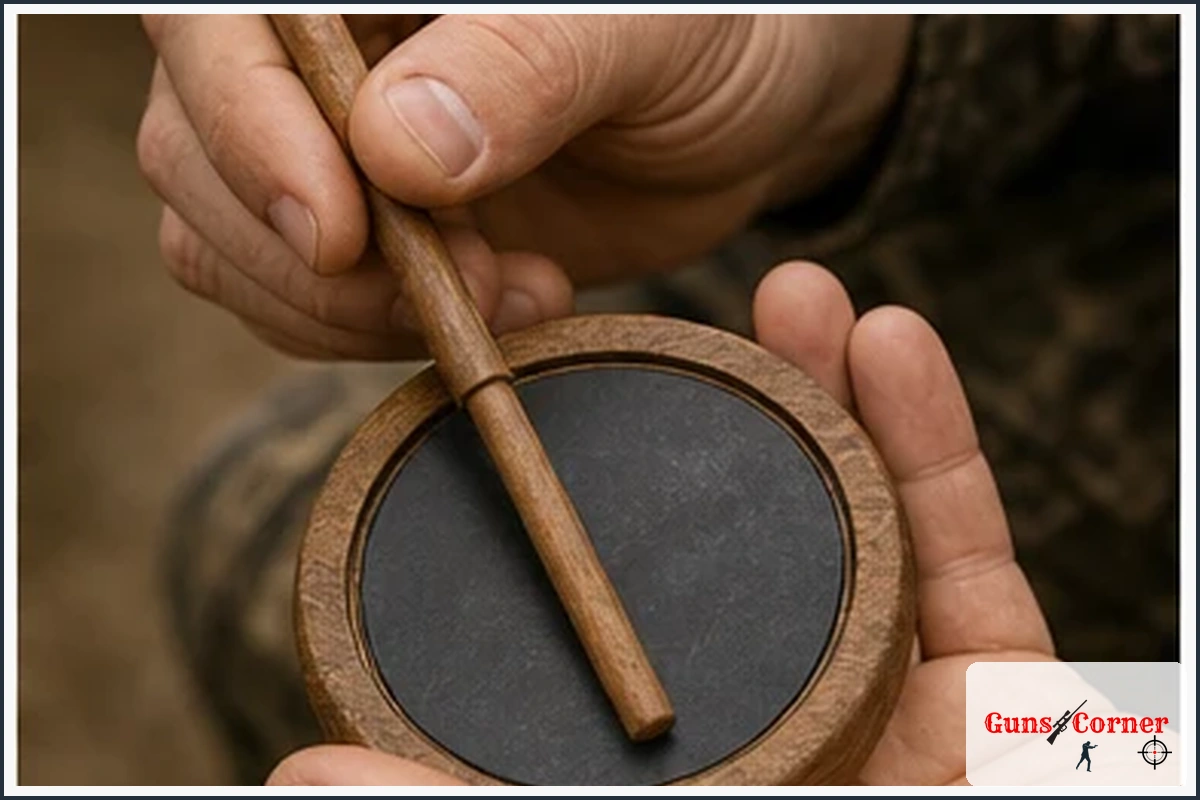
Use the same striker and controlled pressure when comparing calls
When comparing several calls, use the same striker where appropriate and begin with light, controlled pressure. Changing the striker and technique at the same time can make it difficult to identify what caused a sound difference.
Listen for clear yelps, clucks, purrs, and cuts—not just maximum volume
Listen for clarity, control, and repeatability. A call that produces a loud sound but makes soft calling difficult may not suit your hunting style.
Assess how quickly a beginner can repeat consistent sounds
Try making several similar yelps and clucks. If the sound changes dramatically with small, unintentional movements, seek instruction or test another call before deciding.
Test comfort, grip, sound direction, and one-handed operation
Hold the pot as you would in the field. Check whether you can operate it quietly, maintain a stable grip, and keep movement limited. Avoid placing yourself in an unsafe shooting position merely to use a call.
Separate a call’s sound from the caller’s current technique
A poor first attempt does not prove that a call is defective. Use a verified instructional source, ask a knowledgeable mentor for feedback, and compare your technique before rejecting a sound surface.
Buy for Skill Level and Hunting Style
Best starting characteristics for a first pot call
A first call should be comfortable, stable, easy to condition according to the maker’s instructions, and capable of producing basic sounds without excessive force. A matched call-and-striker package can reduce uncertainty.
What experienced callers may gain from specialized surfaces
Experienced callers may appreciate specialized surfaces for particular tones, volume levels, or weather conditions. These advantages are personal and condition-dependent, not universal.
Budget priorities: practice time, striker quality, and durability
Put practical value ahead of appearance. A durable call, suitable striker, instruction, and regular practice generally matter more than a premium material label. Do not assume a more expensive call will improve an unpracticed technique.
When a matched call-and-striker package is preferable
A matched package is useful when the maker has designed and demonstrated the combination. It gives beginners a known starting point and makes practice more consistent.
Conditioning, Storage, and Field Care
Follow the maker’s conditioning method for the specific surface
Conditioning requirements differ by surface and manufacturer. Follow the included instructions rather than applying a generic abrasive or tool.
Keep friction surfaces dry and free of oils and dirt
Handle the friction surface carefully and avoid lotions, oils, and unnecessary touching. If the call becomes wet, protect it from further moisture and use only the drying method recommended by the maker.
Use separate protective storage for the call and striker
Store the call in a protective pouch or case and prevent the striker from rubbing against the surface. Keep accessories organized so the call is ready without hurried handling.
How to recognize a surface that needs maintenance versus one that is damaged
A gradual change in friction may indicate that the surface needs approved conditioning. Cracks, looseness, separation, or persistent unexplained rattling may indicate damage. Stop using the call and contact the maker if you are uncertain.
Do not modify or sand a call unless the manufacturer permits it
Unapproved sanding, drilling, or modification can change the sound or damage the call. Use only the maintenance steps documented for that model.
Practice Before Hunting
Build a repeatable grip, striker angle, and pressure
Practice holding the pot consistently and moving the striker with controlled pressure. Start slowly and focus on repeatability before trying to increase volume.
Learn basic turkey vocalizations with a verified instructional source
Use a reputable hunter-education program, wildlife agency resource, or qualified instructor to learn basic turkey vocalizations. Practice one sound at a time instead of attempting every call immediately.
Practice quietly, safely, and without masking real turkey sounds
Practice at a considerate volume and remain aware of people nearby. In the field, calling should complement listening and observation, not replace them.
Record yourself and compare consistency rather than chasing maximum volume
Short recordings can reveal inconsistent pressure or rhythm. Compare your own repetitions over time and aim for clear, controlled sounds rather than the loudest possible call.
Safe and Legal Use in the Turkey Woods
Confirm season dates, legal hours, tagging rules, and permitted calls
Some jurisdictions restrict equipment or calling methods. Check the current regulations from the relevant wildlife agency before carrying or using a pot call.
Follow visibility and firearm requirements where applicable
Hunter-orange, blaze-pink, firearm, archery, and hunter-identification requirements vary. Follow the rules for your exact season and land type.
Never use a call to lure another hunter
Do not imitate turkey sounds toward a person, and leave immediately if you suspect another hunter is responding. Identify people clearly and communicate rather than continuing to call.
Set up with a safe backstop and maintain awareness
Choose a stable position with a safe background and clear awareness of roads, homes, trails, livestock, and other hunters. Never shoot at movement or an uncertain outline.
Keep locator calls and turkey calls within local restrictions
Regulations may treat locator calls and turkey calls differently. Verify every call type you plan to use, including electronic devices where relevant.
Quick Decision Guide
Choose slate if controllability and soft calling are your priorities
Slate may suit a beginner who values controlled calling and is willing to practice basic friction technique.
Choose glass or crystal if you need a sharper, potentially louder call
Glass or crystal may suit hunters who want a different tone and are prepared to maintain the surface carefully. Verify the maker’s terminology and instructions.
Consider aluminum or ceramic only after testing the call’s sound and learning curve
These surfaces may offer useful tones, but test them with the intended striker and judge how easily you can reproduce sounds.
Choose the call you can reproduce consistently
Consistency, safe handling, and legal use matter more than an impressive description or a claim that one material is best for everyone.
Helpful Tips for Better Results
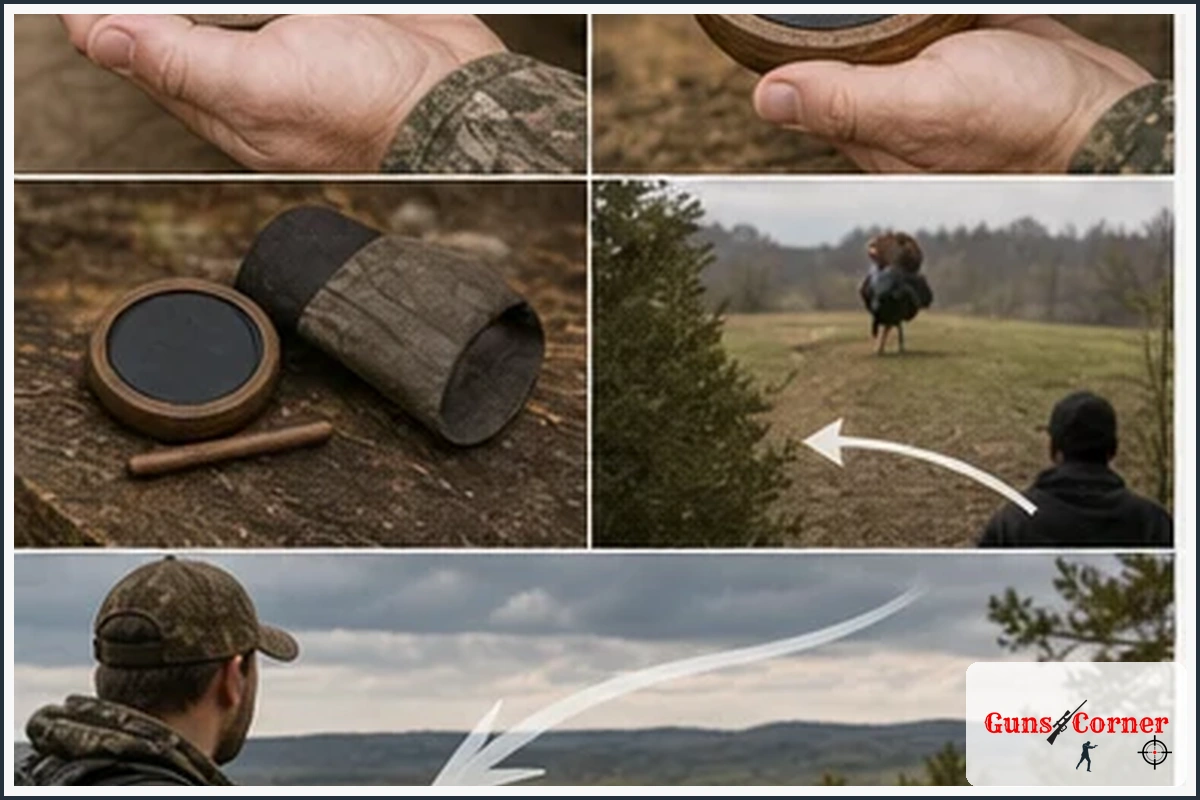
- Practice with the exact striker you plan to carry.
- Keep the friction surface dry and protected.
- Carry a backup only after learning to use it.
- Use wind direction and terrain when deciding how loudly to call.
- Listen frequently instead of calling continuously.
- Stop calling if another hunter may be nearby.
- Keep your firearm or bow pointed safely while operating the call.
- Record the call’s materials and care instructions for future reference.
Common Mistakes to Avoid
- Choosing a call solely because it uses an expensive material.
- Assuming every slate, glass, crystal, or aluminum call sounds alike.
- Testing a call only for maximum volume.
- Using the wrong striker or excessive pressure.
- Conditioning a surface with an unapproved method.
- Carrying a wet or unprotected call in a pack.
- Calling without checking local equipment regulations.
- Using turkey sounds when another hunter may be present.
- Taking an unsafe shot because a call attracted a bird.
Troubleshooting Common Problems
| Problem | Possible Cause | What to Do |
|---|---|---|
| The call sounds harsh or inconsistent | Uneven pressure, poor angle, unsuitable striker, or technique | Slow down, reduce pressure, and practice the maker’s recommended motion. |
| The call produces little sound | Moisture, dirt, insufficient contact, or incorrect conditioning | Dry and inspect it, then follow the manufacturer’s care instructions. |
| The surface feels slippery | Wet hands, oils, condensation, or contamination | Stop, dry your hands and call, and avoid touching the friction surface. |
| The call rattles | Loose component or possible damage | Do not modify it; contact the maker or seller for guidance. |
| You cannot repeat turkey sounds | Insufficient practice or a poor striker match | Use a verified lesson, test the intended striker, and practice one sound at a time. |
| You are unsure whether the call is legal | Changing or jurisdiction-specific regulations | Contact the official wildlife agency before hunting. |
Ethical Hunting and Conservation
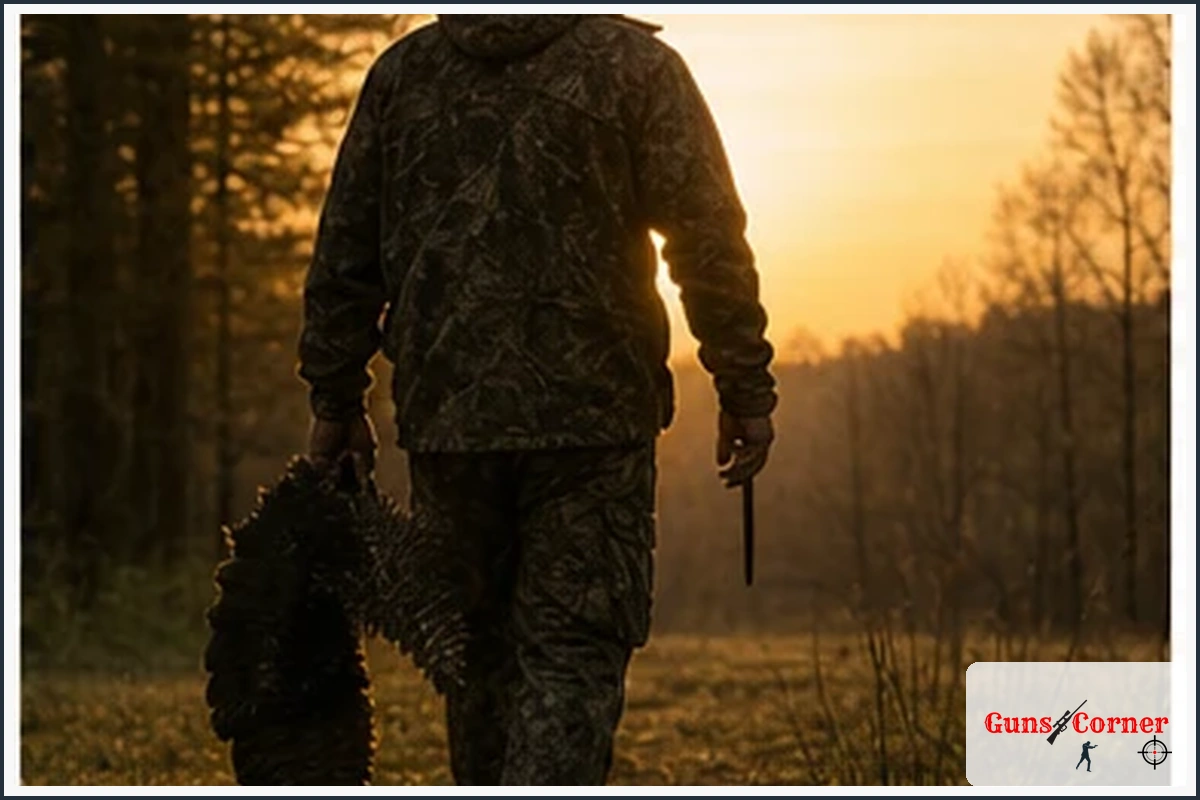
A pot call is a tool, not a guarantee of success. Ethical turkey hunting means obeying seasons and limits, respecting other hunters and landowners, identifying the target positively, and passing on any unsafe or uncertain shot.
Hunting licenses and permits commonly support wildlife management, but requirements and funding systems vary. Follow all reporting rules, use the harvest responsibly, avoid unnecessary disturbance, and leave public or private land cleaner than you found it.
When to Get More Training or Professional Guidance
Seek additional instruction if you have never handled a firearm or bow, have not completed hunter education, are unsure about local regulations, or cannot identify a safe setup. Official wildlife agencies, certified instructors, reputable hunting clubs, conservation organizations, and experienced ethical mentors can help.
After the Hunt: Follow-Up, Gear Care, and Learning
- Unload and store firearms or bows according to manufacturer and local safety guidance.
- Dry and protect the pot call and striker before storage.
- Complete required tagging and harvest reporting promptly.
- Record weather, wind, terrain, turkey activity, and calling results.
- Review which sounds you reproduced consistently.
- Arrange lawful, hygienic meat care and transport where applicable.
Recommended Hunting Gear and Tools to Consider
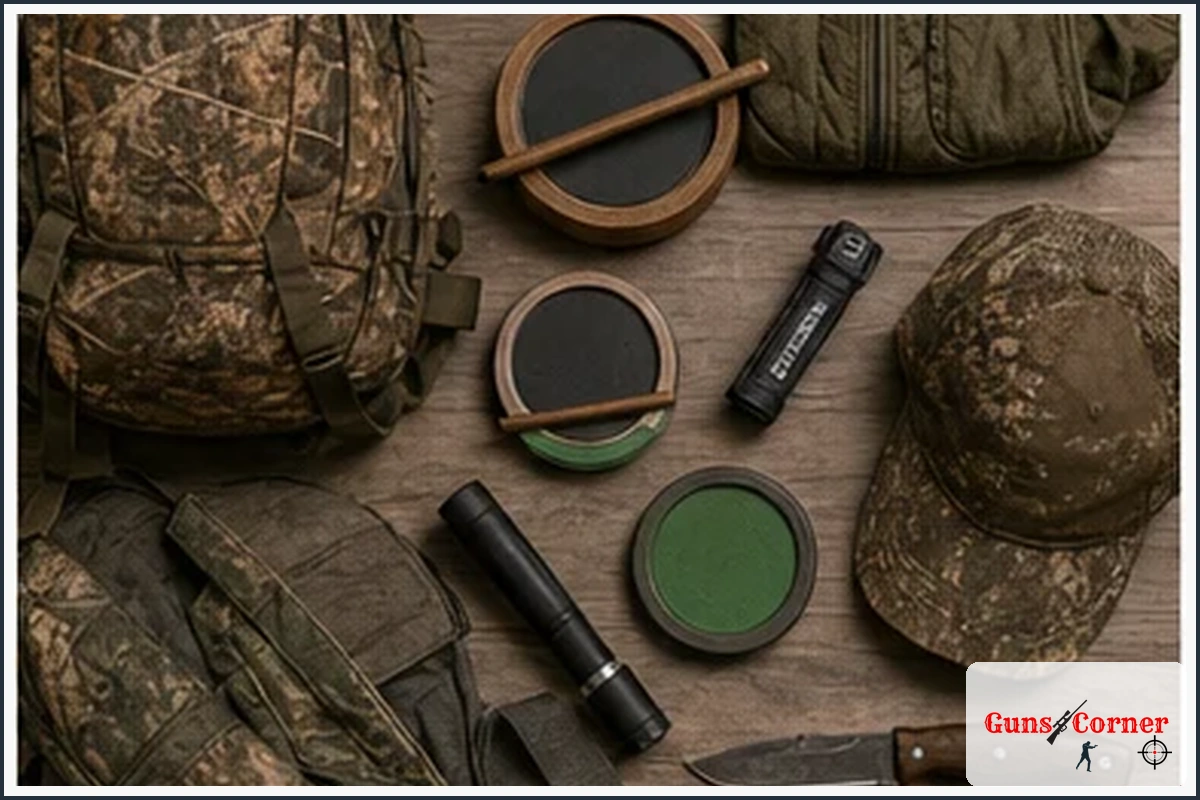
You do not need expensive equipment to use a pot call responsibly. Choose gear based on local rules, terrain, weather, hunting method, safety needs, skill level, and budget.
- A legal pot call with its recommended striker
- Protective call pouch and striker case
- Weather-appropriate clothing and required visibility gear
- Binoculars for observation
- Map, compass, GPS, or approved navigation app
- First-aid kit, water, food, and emergency communication
- Legal firearm or bow handled according to hunter-education guidance
Final Thoughts
Learning how to choose a pot call starts with matching the surface, striker, construction, and maintenance needs to your skill level and hunting conditions. Slate may offer a manageable starting point, while glass, crystal, aluminum, and ceramic provide other possibilities that require testing and practice. Choose the call you can operate consistently, verify all local turkey-hunting rules, and prioritize safe, ethical decisions in the field.
Frequently Asked Questions
Is slate or glass better for a first turkey pot call?
Neither is universally better. Slate may feel more controllable to many beginners, while glass can offer a different, potentially sharper tone. Test the actual call and striker if possible.
Do I need more than one striker?
No. One dependable striker is enough to begin. Add another only after you can consistently use your primary setup and understand how the second striker changes the sound.
Can a pot call be used in rain or high humidity?
Moisture can reduce friction and change performance. Protect the call, keep the surface dry, and follow the maker’s instructions. Do not assume any pot call is weatherproof.
How do I know whether a pot call is damaged or merely needs conditioning?
Follow the manufacturer’s maintenance guidance. A gradual friction change may require approved conditioning, while cracks, loose components, or persistent rattling may indicate damage requiring the maker’s advice.
Are pot calls legal everywhere turkey hunting is allowed?
No. Equipment and calling rules vary by jurisdiction and season. Check the current regulations from your official wildlife agency before hunting.
Related posts:

How to Hunt Creek Bottoms: A Practical, Ethical Deer Hunting Guide

How to Hunt Timber: A Safe, Beginner-Friendly Guide
What Do You Learn in Hunter Safety? Course Guide

How to Call Moose: A Beginner-Friendly Guide to Moose Calling
How to Bait Deer Legally: A Safe and Ethical Beginner’s Guide
