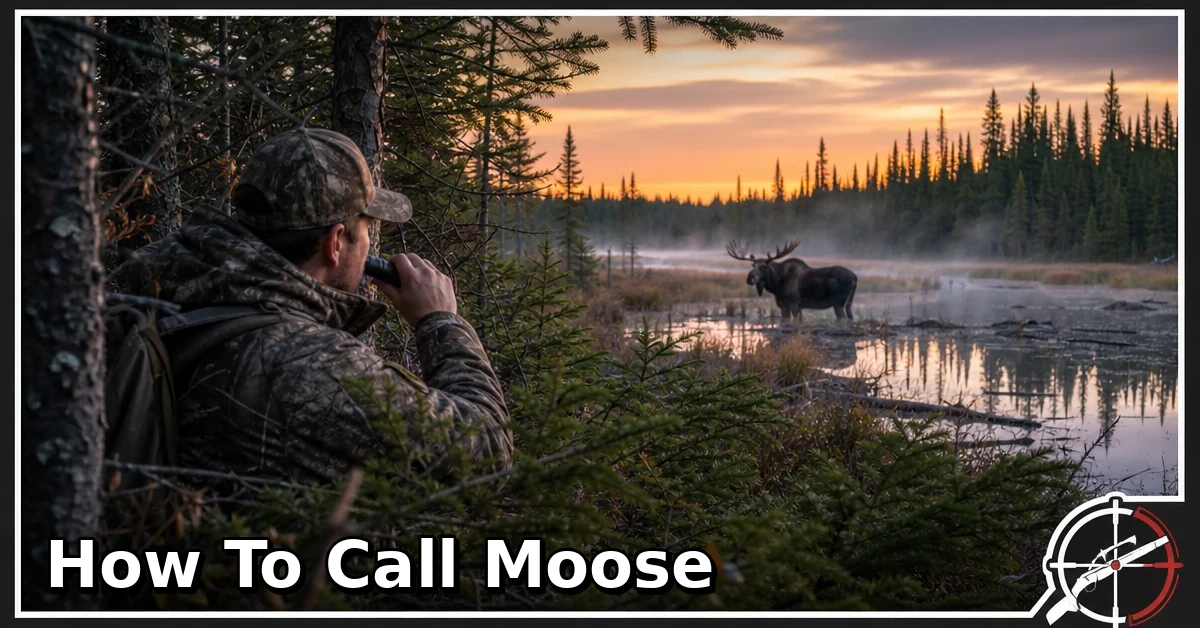

Learning how to call moose can make a hunt more interactive, but effective calling depends on timing, location, patience, wind, and practice. This guide explains basic moose sounds, calling setups, scouting, safety, legal responsibilities, and ethical shot decisions for beginners.
To call moose, begin in legal moose habitat near feeding areas, travel corridors, wetlands, or cover, then use a cow call, bull grunt, or brush-raking sound appropriate to the season and local conditions. Call from concealed cover with the wind carrying your scent away from likely approach routes, then remain quiet and listen carefully. Always verify local regulations, hunt with proper licenses and tags, identify your target completely, and take only a safe, ethical shot within your ability.
Important Legal and Safety Notice Before You Hunt
Moose hunting regulations vary widely by country, state, province, season, wildlife management unit, land type, and weapon. Before hunting, confirm current rules with the official wildlife agency responsible for the area.
- Carry the required hunting license, permit, and moose tag.
- Verify season dates, legal hunting hours, animal classifications, and harvest limits.
- Confirm legal weapons, ammunition, archery requirements, and calling restrictions.
- Obtain permission before entering private land and verify public-land boundaries.
- Follow hunter-orange or other visibility requirements where applicable.
- Identify the animal and what lies beyond it before using a firearm or bow.
- Never shoot toward roads, homes, livestock, people, vehicles, or unclear movement.
- Plan for weather, navigation, water, first aid, communication, and emergency extraction.
Understanding Moose Behavior Before Calling
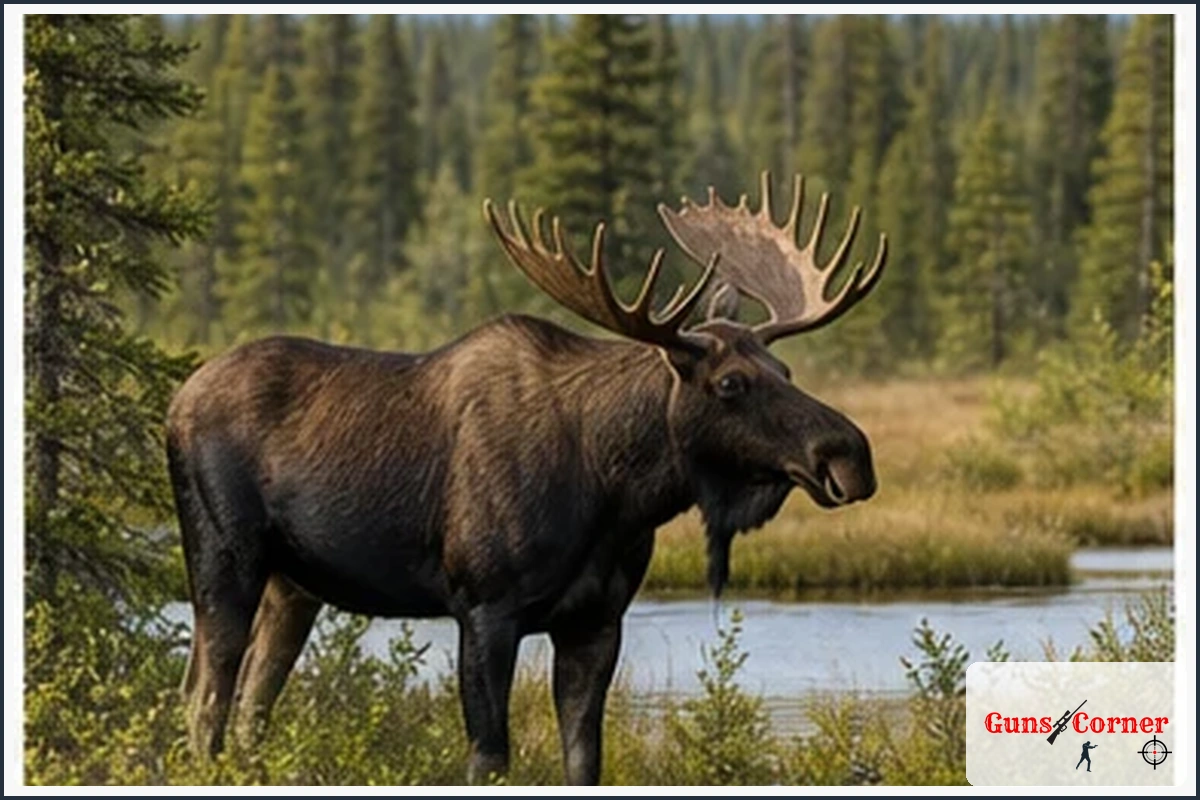
Calling works best when it matches the animal’s behavior and the surrounding habitat. Moose commonly use wetlands, lakeshores, river bottoms, young forest, brushy cover, and areas with abundant browse. They may also travel between feeding, bedding, and security cover.
During the rut, bulls may respond to cow sounds, competing bull sounds, or the noise of another moose moving through brush. Outside the rut, calling may be less effective, and careful scouting and still-hunting can become more important.
Moose Sign to Look For
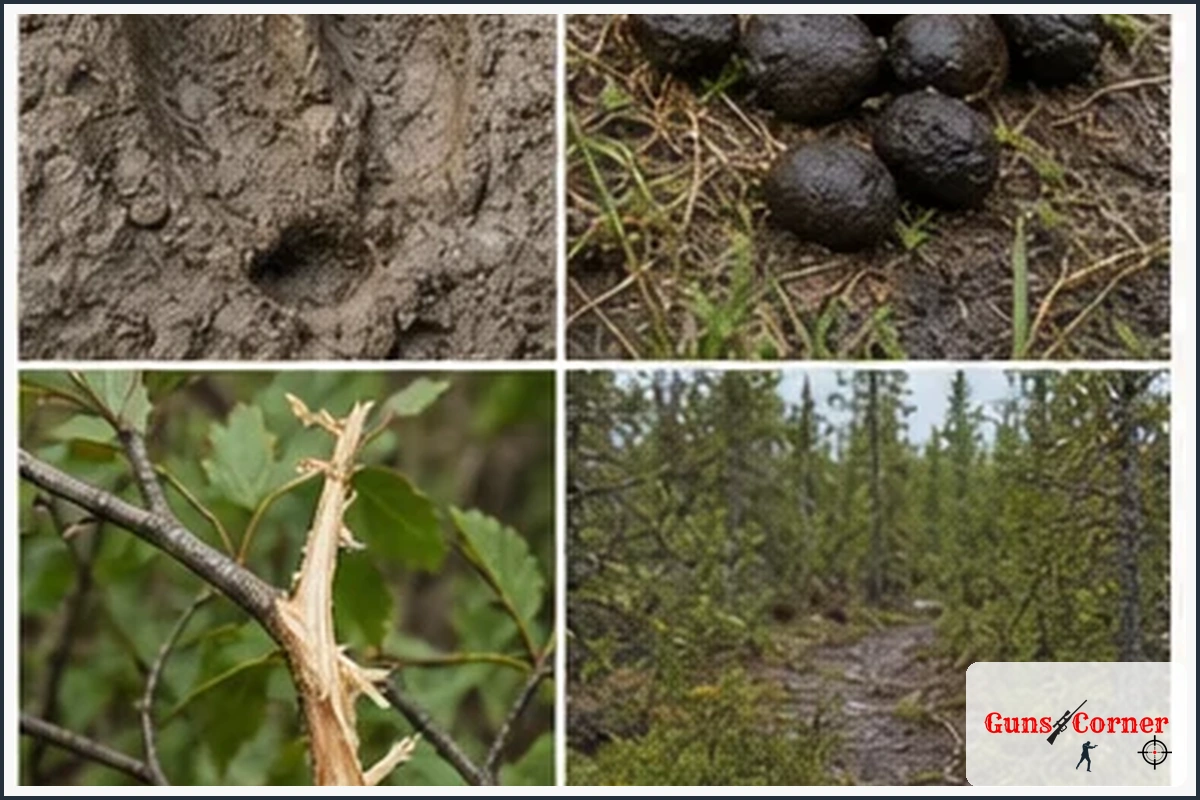
- Fresh tracks in mud, snow, or soft ground.
- Droppings near feeding or bedding areas.
- Browsed shrubs and broken branches.
- Trails connecting water, cover, and feeding areas.
- Wallows or disturbed ground during the rut.
- Freshly rubbed or damaged vegetation.
Basic Moose Calls
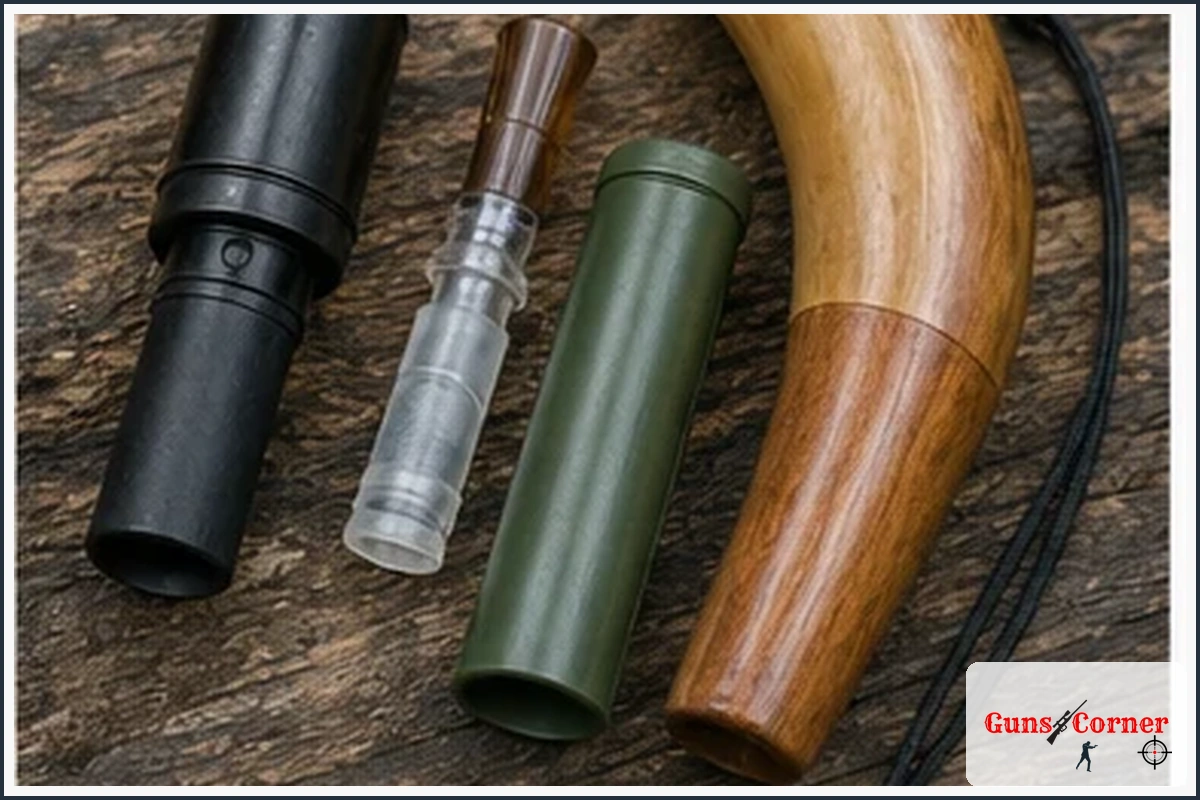
Cow Calls
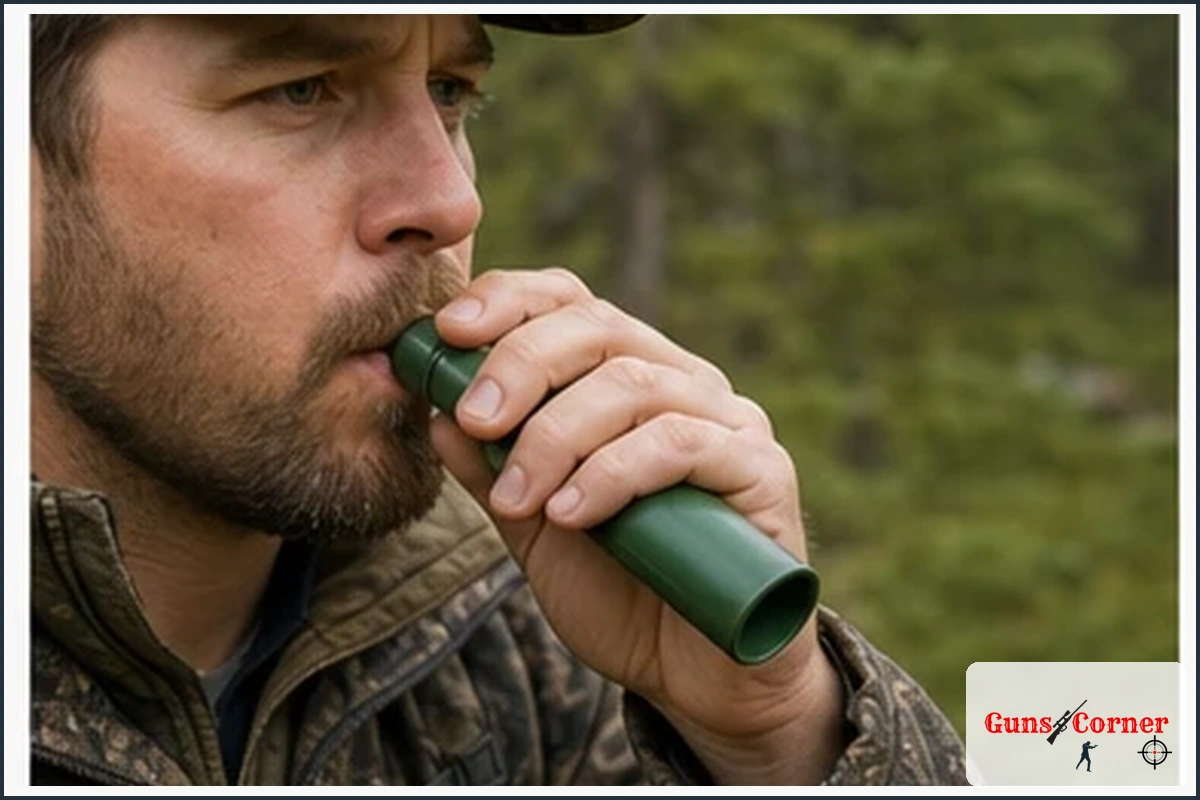
A cow call is generally a long, nasal, drawn-out sound. Hunters may imitate it with a commercial call, a homemade calling horn where legal, or their voice. Keep the sound natural rather than perfectly mechanical. A few spaced calls are usually more convincing than constant calling.
Bull Grunts
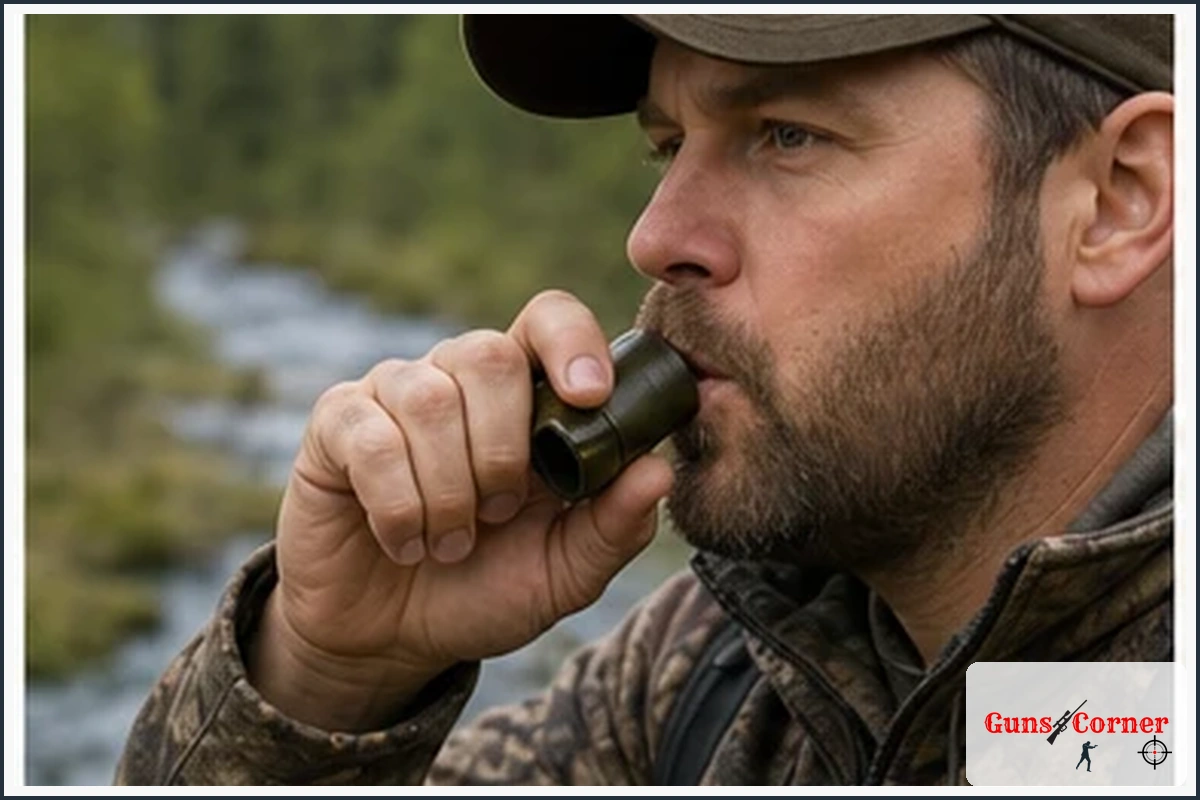
Bull grunts are deeper and shorter than cow calls. They may suggest a bull is present or challenge another bull during the rut. Use restraint, because overly frequent or exaggerated grunts can sound unnatural.
Brush Raking
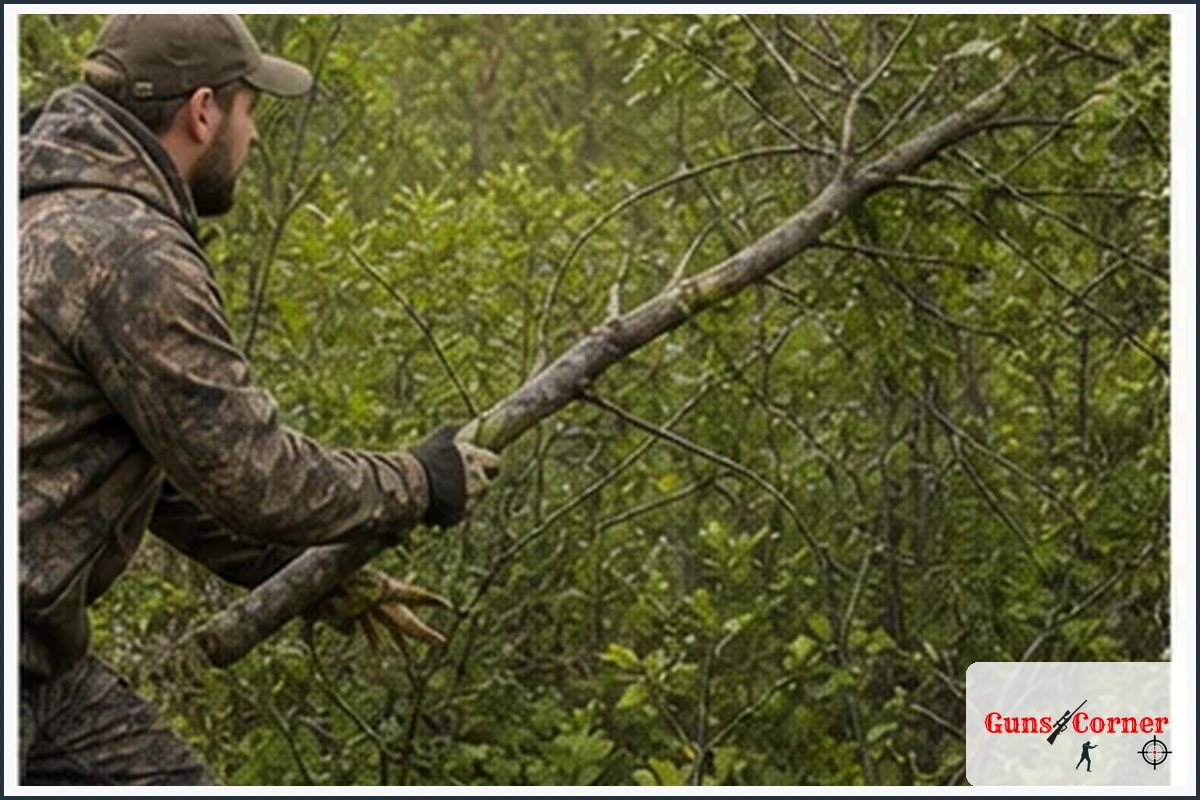
Raking brush imitates a moose moving or a bull rubbing its antlers. Use a sturdy branch or other lawful tool to create controlled scraping and breaking sounds. Do not damage private property, sensitive vegetation, or protected habitat.
Distress or Calf-Like Sounds
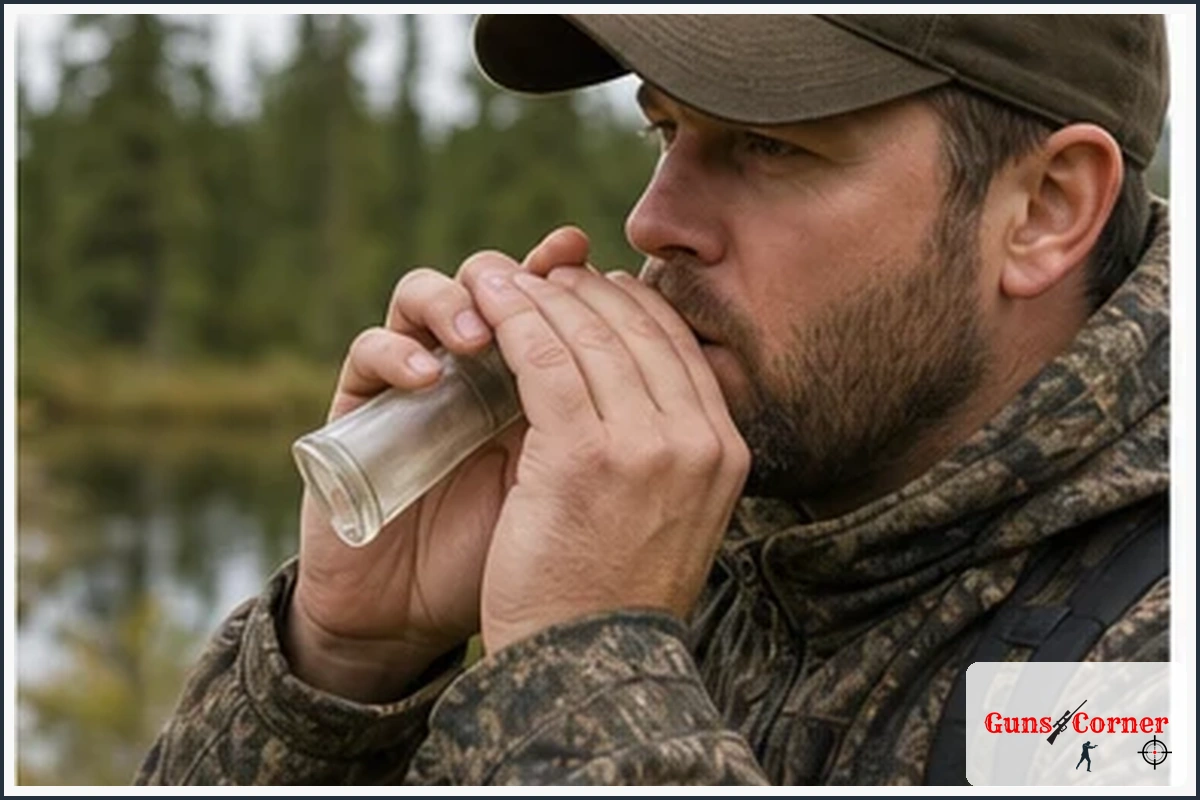
Some hunters use calf-like sounds, but their legality and effectiveness vary. Avoid sounds or methods prohibited by local regulations, and learn regional practices from an official agency or experienced local mentor.
How to Call Moose Step by Step
Step 1: Check the Regulations
Before scouting or calling, review the current rules for your hunting area. Confirm licensing, tags, season dates, legal hours, weapon restrictions, land access, tagging, reporting, and transport requirements.
Step 2: Complete Hunter Education and Practice Safely
Beginners should complete a recognized hunter education course and practice with an experienced, ethical mentor when possible. Practice calls before the hunt so you can produce consistent sounds without excessive movement.
Step 3: Scout Likely Moose Habitat
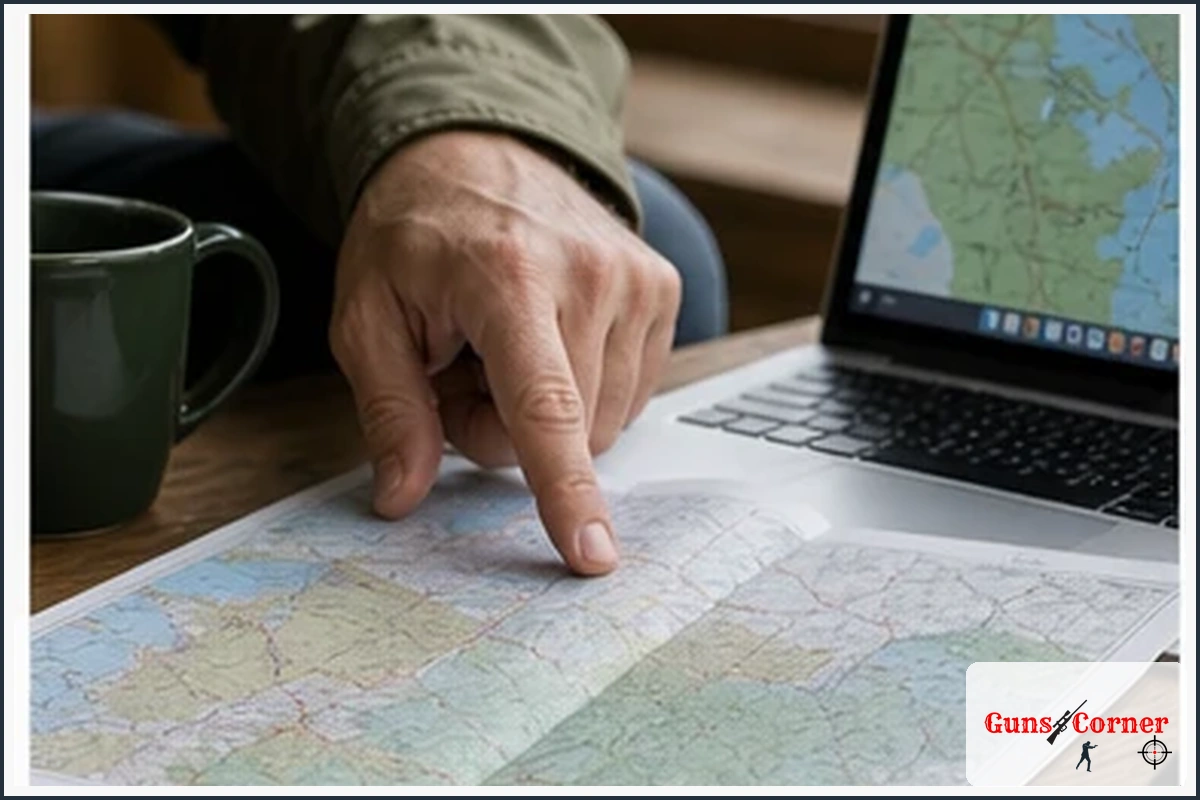
Use maps and field observations to locate wetlands, browse, cover, water, and travel corridors. Look for fresh sign rather than relying only on old tracks or stories about where moose were seen previously.
Step 4: Choose a Safe Calling Location
Select a position with cover, visibility, a safe shooting background, and a practical route for leaving the area. Avoid setting up near roads, occupied buildings, busy trails, or locations where another hunter could approach unseen.
Step 5: Study the Wind
Position yourself so your scent does not drift toward likely moose travel routes. Wind can change quickly near water, hills, and dense cover, so check it regularly and be prepared to move if your scent stream becomes unfavorable.
Step 6: Start With Moderate Calling
Begin with a few realistic cow calls or other sounds suited to the season. Allow several minutes of silence between calling sequences. Moose may approach slowly, and constant calling can make it difficult to hear movement.
Step 7: Add Natural Brush Sounds Carefully
If appropriate, add light brush raking or branch breaking after calling. Keep the sounds irregular and natural. Avoid excessive noise that could alert animals or disturb other hunters.
Step 8: Listen More Than You Call
Pause frequently and scan carefully. Moose may answer with a grunt, brush movement, or quiet approach rather than an obvious vocal response. Use binoculars when helpful, but avoid sudden movements.
Step 9: Adjust to the Animal’s Response
If you hear a response, reduce your calling and watch the likely approach route. A responding moose may circle to use the wind, stop in cover, or take considerable time to arrive.
Step 10: Confirm the Target and Background
Before considering a shot, identify the species, sex, and legal status of the animal according to local rules. Confirm that the target is fully visible, the background is safe, and the shot is within your practiced ability.
Step 11: Pass on Unethical Opportunities
Do not shoot through dense brush, at excessive distance, through uncertain visibility, or when another person may be nearby. A missed opportunity is better than an unsafe or poorly placed shot.
Step 12: Follow Recovery and Reporting Rules
If you legally harvest a moose, follow local requirements for tagging, reporting, transport, and salvage. Plan meat care before the hunt because moose are large animals and warm conditions can create serious handling challenges.
Calling Setups That Often Make Sense
Wetland or Lake-Edge Setup
Wetlands and shorelines can provide feeding areas, cover, and open sightlines. Set up where you can watch likely approach routes without exposing yourself or blocking other hunters’ access.
Travel-Corridor Setup
Calling near a trail between feeding and bedding cover can be effective when fresh sign is present. Keep your position downwind and avoid walking across the trail if doing so leaves a strong scent trail.
Brush-Cover Setup
Dense cover can make a moose feel secure, but it also limits visibility. Use a setup with a safe background and enough open space to identify the animal before acting.
Best Time, Place, and Conditions for Calling Moose
Calling is often associated with the rut, but the best timing depends on local moose behavior, weather, hunting pressure, and regulations. Early and late movement periods may offer better visibility, while cool, damp, or lightly windy conditions can make calling and listening more comfortable.
Do not assume that a loud call guarantees a response. A moose may be nearby but unwilling to approach, already focused on feeding, or using the wind to avoid you. Local knowledge and fresh scouting sign are more reliable than a fixed promise about time or weather.
Moose Calling Gear Checklist
- Legal moose call or calling horn.
- Weather-appropriate clothing and durable boots.
- Required visibility clothing.
- Binoculars for identifying distant movement.
- Map, compass, GPS, or reliable navigation app.
- First aid kit, water, food, and emergency communication.
- Quiet pack and rain protection.
- Legal firearm or bow, safely transported and handled.
- Gloves, game bags, cooling supplies, and meat-care equipment.
Helpful Moose Calling Tips for Better Results
- Practice calls before entering the field.
- Use fresh sign to choose your calling location.
- Keep the wind out of likely approach routes.
- Call less frequently than your excitement may suggest.
- Use natural pauses and irregular sound patterns.
- Stay still after calling and listen carefully.
- Keep your weapon pointed in a safe direction at all times.
- Use binoculars to identify movement before handling your weapon.
- Leave room for a safe shot and a practical recovery route.
- Hunt with a partner or tell someone your route and return time.
Common Moose Calling Mistakes to Avoid
- Calling without checking current laws.
- Hunting private land without clear permission.
- Ignoring wind direction.
- Calling constantly without listening.
- Making every sound too loud or perfectly repetitive.
- Standing in the open where approaching moose can detect you.
- Moving too quickly after hearing a response.
- Using a setup with an unsafe background.
- Taking a shot through brush or at an uncertain target.
- Failing to plan meat care and transportation.
- Underestimating navigation, weather, and physical demands.
Troubleshooting Common Moose Calling Problems
| Problem | Possible Cause | What to Do |
|---|---|---|
| No moose respond | Low animal density, poor timing, unsuitable habitat, or heavy pressure | Recheck fresh sign, change locations legally, and rely more on quiet observation. |
| You hear movement but cannot see the animal | Dense cover, cautious approach, or poor visibility | Stay still, keep listening, and do not shoot at sound or unclear movement. |
| The wind keeps changing | Water, terrain, or shifting weather | Move to a more stable position or stop calling until you can control your scent direction. |
| Another hunter may be nearby | Shared public land or limited visibility | Unload or safely secure your weapon as appropriate, identify yourself calmly, and relocate to avoid conflict. |
| You are unsure whether the animal is legal | Unclear sex, age, season, or permit rule | Do not shoot. Check the current regulation and ask the wildlife agency if necessary. |
| Weather becomes dangerous | Rapid temperature, wind, snow, rain, or visibility changes | Stop hunting and follow your safety plan before conditions become hazardous. |
Public Land and Private Land Considerations
On public land, study maps, confirm boundaries, use legal parking areas, and consider other hunters, hikers, and land users. Avoid calling near crowded trails or creating situations where another hunter might mistake your location for an animal.
On private land, obtain clear permission before scouting or hunting. Respect gates, fences, livestock, crops, buildings, and landowner instructions. Written permission can help prevent misunderstandings, but it must still comply with local law.
Ethical Hunting and Conservation
Ethical moose hunting means respecting wildlife, following seasons and limits, and refusing unsafe or uncertain opportunities. Calling should help you locate or observe a legal animal, not encourage reckless pursuit or poor shot decisions.
- Use only legal calls and methods.
- Pass on shots outside your practiced range.
- Never shoot at sound, movement, or an obscured target.
- Make every reasonable effort to recover and use the harvest.
- Respect landowners, other hunters, and non-hunting recreationists.
- Pack out waste and leave the area cleaner than you found it.
- Support conservation through lawful licensing and responsible participation.
When to Get More Training or Professional Guidance
Seek additional instruction if you have never handled a firearm or bow, are unfamiliar with moose country, or do not understand local regulations. Official hunter education courses, certified instructors, wildlife agencies, conservation organizations, and experienced mentors can help you build safe field skills.
Professional guidance is especially valuable for remote hunts, difficult terrain, meat care, recovery planning, and understanding regional moose behavior.
After the Hunt: Gear Care and Learning
Clean and dry calls, boots, clothing, optics, navigation equipment, and weapons according to manufacturer guidance. Record weather, wind, fresh sign, calling sequences, animal responses, and mistakes while the experience is still fresh.
Complete any required harvest reporting and follow all transport and meat-handling rules. Reviewing each hunt honestly will improve your scouting, calling, patience, and decision-making over time.
Recommended Hunting Gear and Tools to Consider
You do not need expensive equipment to call moose responsibly. Choose gear based on local regulations, terrain, weather, hunting method, safety requirements, and your experience.
- Legal moose call or calling horn.
- Quiet, weather-resistant clothing.
- Durable boots suited to wet or uneven terrain.
- Binoculars and a safe method for carrying them.
- Map, compass, GPS, or hunting app.
- First aid kit and emergency communication device.
- Game bags, gloves, cooler, and meat-care supplies.
Final Thoughts
Learning how to call moose is less about making the loudest sound and more about choosing good habitat, reading the wind, calling naturally, listening patiently, and making responsible decisions. Check local rules, scout carefully, practice before the season, and take only a clearly identified, legal, safe, and ethical opportunity.
Frequently Asked Questions
What is the best moose call for beginners?
A simple cow call is often the easiest starting point. Practice producing a steady, natural sound before adding bull grunts or brush-raking sounds.
Can anyone learn how to call moose?
Yes. Beginners can learn basic calls with practice, but effective calling also requires scouting, wind awareness, patience, and knowledge of local moose behavior.
When is the best time to call moose?
Calling is commonly associated with the rut, but timing varies by region and season. Check local regulations and observe fresh sign before choosing a strategy.
How often should I call moose?
Use short calling sequences followed by quiet listening periods. Calling continuously can sound unnatural and makes it harder to detect a responding animal.
Should I use a cow call or bull grunt?
Use the sound that fits the behavior and season. Cow calls may attract interest, while bull grunts can suggest competition during the rut.
Does brush raking really help call moose?
Brush raking can imitate movement or a bull rubbing its antlers. Use it sparingly and only where the method is legal and safe.
How far can a moose hear a call?
Sound carries differently in wind, timber, wetlands, and hills. Avoid relying on a fixed distance; choose a location with favorable terrain and listen for subtle responses.
Should I call from a blind?
A blind can improve concealment if it is legal, safely placed, and positioned with a clear background and safe shooting lanes.
Can I call moose from a tree stand?
Only if tree stands are legal and you can use one safely. Wear a full-body harness, remain connected while climbing and hunting, and never shoot at an unsafe angle.
How important is wind direction when calling moose?
Wind is critical because moose can detect human scent. Keep your scent away from likely approach routes and relocate if the wind shifts against you.
Should I call moose in open country?
Open areas can provide visibility, but they may leave you exposed. Choose a position with concealment, a safe background, and enough visibility to identify the animal.
What habitat is best for calling moose?
Look for areas with fresh sign, browse, water, cover, and travel routes. Local habitat varies, so current field evidence is more useful than a universal location rule.
What signs show that moose are nearby?
Tracks, droppings, browsed vegetation, trails, wallows, and fresh rubbing or broken branches can indicate recent activity.
How long should I wait after calling?
Wait long enough to listen carefully and allow a cautious moose to approach. The appropriate pause varies with terrain, wind, visibility, and hunting pressure.
Why do moose sometimes respond but never appear?
The animal may be circling downwind, remaining in cover, moving slowly, or losing interest. Stay still, monitor the wind, and avoid rushing toward the sound.
Can calling scare moose away?
Unnatural, excessive, or poorly timed calling may make an animal cautious. Moderate sounds, long pauses, and realistic behavior are usually better than constant noise.
What should I do if I hear a moose but cannot see it?
Do not shoot. Remain still, identify the animal completely, and wait for a clear view and safe background before making any decision.
Is moose calling legal everywhere?
No. Calling methods and hunting rules vary. Check the current regulations for your exact location and season.
Do I need a special license to hunt moose?
Most jurisdictions require a hunting license and species-specific permit, tag, or authorization. Confirm the current requirements with the official wildlife agency.
Can I call moose on public land?
Yes, where legal and accessible. Verify boundaries, parking rules, seasonal closures, access restrictions, and other-user safety requirements.
Can I call moose on private land?
Only with the landowner’s permission and in compliance with local law. Respect property boundaries, livestock, buildings, gates, and landowner instructions.
What firearm safety rules matter when calling moose?
Keep the firearm pointed safely, treat it as loaded, keep your finger outside the trigger guard until ready, identify the target and background, and follow official hunter education guidance.
What bowhunting safety rules matter when calling moose?
Practice within your effective range, follow local draw-weight and equipment rules, use safe broadheads, and take only a shot you can make reliably under field conditions.
Should I wear blaze orange while calling moose?
Wear any visibility clothing required by local law. Even when not required, visibility can help reduce the chance of confusion in areas shared with other hunters.
Can I use electronic calls for moose?
Electronic calls may be restricted or prohibited depending on the location and species. Verify the current rules before using one.
How do I avoid conflicts with other hunters?
Use maps, communicate when appropriate, avoid crowded areas, identify yourself clearly, and never move toward a sound you cannot identify as a moose.
What is the biggest beginner mistake when calling moose?
Many beginners call too much and scout too little. Fresh sign, wind control, quiet observation, and safe positioning are more important than volume.
What if the weather changes during the hunt?
Monitor forecasts and conditions continuously. Leave or change plans if visibility, temperature, wind, flooding, or navigation becomes unsafe.
How should I prepare for a remote moose hunt?
Plan navigation, communication, food, water, first aid, weather protection, meat transport, and emergency extraction before entering remote terrain.
What should I do after a legal harvest?
Follow local tagging, reporting, transport, recovery, and meat-handling rules. Keep the harvest cool and seek qualified help if you are unsure about processing.
How quickly should moose meat be cooled?
Cool the meat as soon as practical and follow safe game-handling guidance. Warm conditions require especially careful planning.
Do I need to report a moose harvest?
Many jurisdictions require harvest reporting, but deadlines and methods vary. Check the current official rules before hunting.
Can I practice calling without hunting?
Yes. Practicing before the season helps you control volume, timing, and sound quality without adding pressure to a live hunt.
Should I hire a guide to hunt moose?
A qualified guide can be valuable in unfamiliar, remote, or physically demanding country, especially for beginners. Verify credentials and follow all regulations.
How can I improve after a failed hunt?
Review your scouting, wind, timing, calling rhythm, setup, and navigation. Keep notes and make one or two deliberate changes on the next legal hunt.
Does calling guarantee a moose will approach?
No. Calling success depends on animal behavior, season, weather, habitat, hunting pressure, wind, skill, and patience.
Why is conservation important when hunting moose?
Licenses, seasons, tags, harvest limits, and reporting systems help wildlife agencies manage populations and habitat. Responsible hunting supports long-term conservation.