
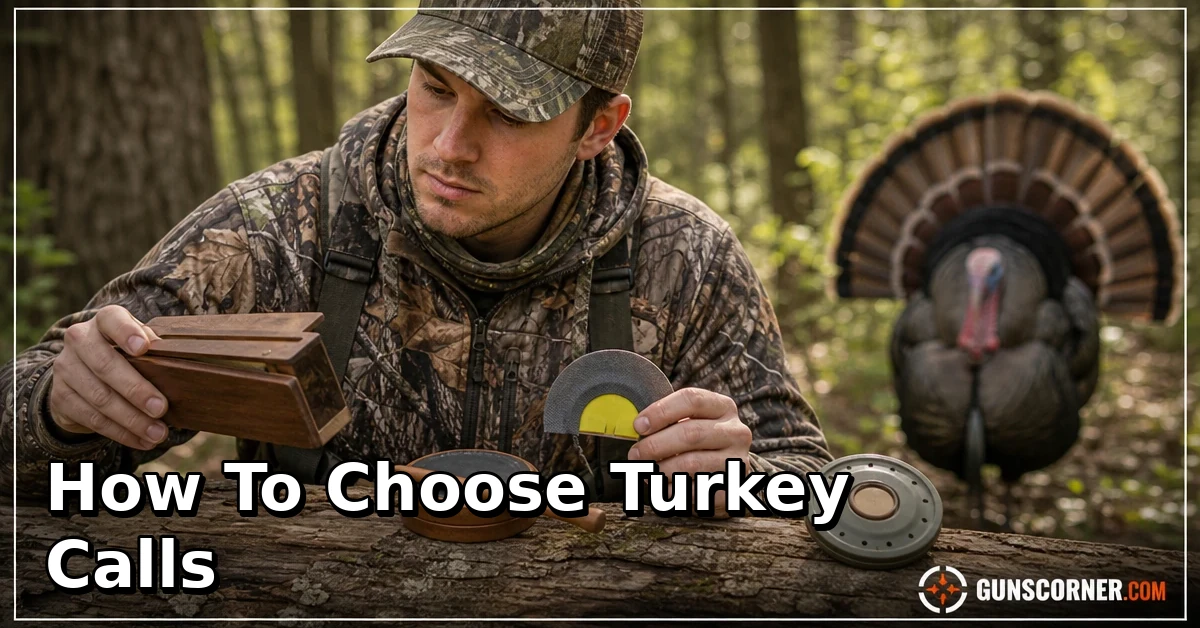

Choosing a turkey call is less about finding a universally “best” product and more about matching the call to your experience, hunting style, terrain, weather, and ability to operate it safely. This guide explains the main turkey call types, how to test them, what beginners should carry, and how to practice before hunting.
Start by choosing a call you can operate consistently and quietly enough for your hunting situation. Box and push-button calls are generally approachable for beginners, pot calls offer control and sound variety, and diaphragm calls keep both hands free but usually require more practice. Check current regulations before hunting, especially for electronic calls, then carry one dependable primary call and one complementary backup. No call guarantees success; realistic sound, patience, scouting, safe positioning, and ethical decisions matter more than brand reputation.
Important Legal and Safety Notice Before You Hunt
Turkey regulations vary by state, province, season, management area, and land type. Before hunting, verify current rules with your official wildlife agency.
- Confirm your hunting license, turkey permit, tag, and harvest-reporting requirements.
- Check season dates, legal shooting hours, bag limits, and legal equipment.
- Verify whether electronic calls are permitted.
- Confirm public-land boundaries, access rules, and any special restrictions.
- Follow hunter-orange requirements when moving or where local law requires it.
- Complete hunter education and consider hunting with an experienced mentor.
- Follow firearm-safety rules: identify the target, know what is beyond it, and never shoot at movement or an unseen caller.
Start with the Hunting Situation, Not the Call Brand
Define your experience, hand use, concealment, and mobility needs
Ask how you plan to hunt before choosing a call. A stationary hunter in a blind may comfortably use a box or pot call, while someone expecting close-range encounters may value a quiet, hands-free diaphragm call. If you are new to turkey hunting, prioritize repeatable basic sounds over advanced versatility.
Match call volume and control to terrain, wind, and expected calling distance
Open terrain and wind may require a call that projects clearly, while timber or close-range setups often reward softer, controlled sounds. Volume alone is not a substitute for timing or realistic cadence. Avoid assuming that the loudest call is the most effective.
Choose a primary call and one complementary backup
A simple setup is usually better than carrying a large collection. Select one call you can use confidently, then add a backup with a different operating method or sound profile. For example, a box call paired with a diaphragm or pot call gives you flexibility without creating unnecessary clutter.
Turkey Call Types: What Each One Does Well
Box calls: loud, expressive, and beginner-friendly
Box calls use friction between wooden surfaces to produce turkey sounds. They can project well and are often approachable for beginners. Their main limitations are that they require hand movement and may need protection from moisture.
Pot-and-striker calls: controlled tone and adaptable sound combinations
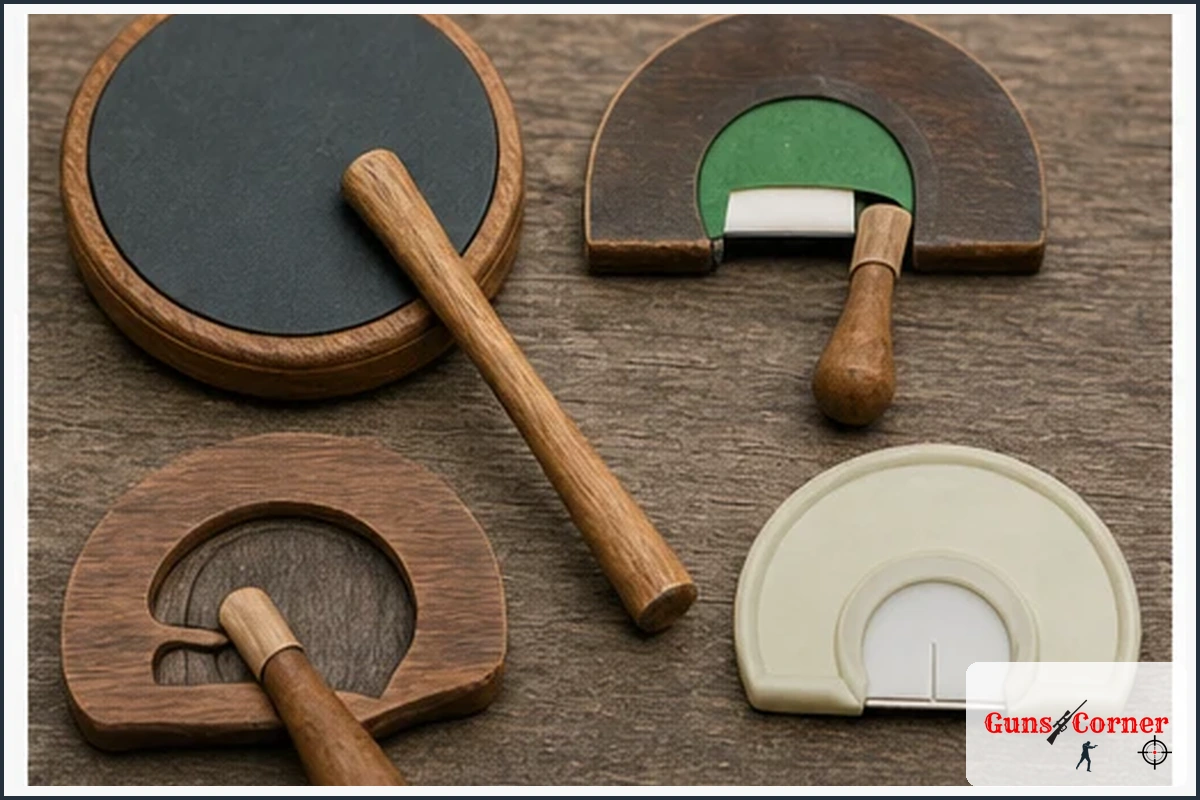
Pot calls use a striking surface and a separate striker. Slate, glass, aluminum, and other surfaces can produce different tonal qualities, but performance depends on the specific construction, striker, condition, and technique. They offer good control over volume and cadence but require practice with striker angle and pressure.
Diaphragm calls: hands-free operation and concealment, with a steeper learning curve
Diaphragm calls sit in the mouth and are operated with air pressure and tongue control. They allow hands-free calling and minimal visible movement, but many beginners need time to produce clean sounds. Never use one while walking, climbing, or operating a vehicle.
Push-button and other easy-operation calls
Push-button calls can be useful starting tools because their operation is simple and they can produce several basic sounds. They still require practice, careful positioning, and realistic timing. Do not assume simple operation removes the need to learn turkey behavior.
Locator calls: a separate job from hen-replication calls
Locator calls are intended to provoke a response or help locate a turkey rather than imitate every hen sound. Their use and legality can vary, so confirm local rules and avoid excessive calling that disturbs other hunters or wildlife.
Electronic calls: verify regulations before considering them
Electronic calls are not universally legal for turkey hunting. Check your current wildlife regulations for the exact season, species, management area, and equipment rules. Never assume that a device permitted for one type of hunting is permitted for another.
How to Choose Your First Turkey Call
Best starting options for a complete beginner
A push-button or box call may be a practical first choice when you want straightforward operation. A pot call can also work well if you are willing to practice hand position, pressure, and striker control. Choose the call that lets you produce a clean, repeatable sound rather than the one with the most impressive packaging.
When a box call is the practical first choice
Consider a box call if you need projection, want a simple learning path, or expect to hunt open or rolling terrain. Make sure you can operate it without excessive movement and protect it from rain and condensation.
When to choose a pot call instead
Choose a pot call if you value control, compact storage, and the ability to vary sound through different strikers or surfaces. It may suit a hunter who plans to remain concealed and has time to practice before the season.
When a diaphragm call is worth learning
A diaphragm call is worth learning when concealment and hands-free operation are important. Begin practicing well before the season, and keep a friction call available while you develop consistency.
Use sound quality, repeatability, and controllability—not brand reputation—as the test
Test whether you can produce a basic yelp, cluck, and purr consistently. Also consider whether the call works when you are wearing gloves, sitting in your intended position, or dealing with wind and moisture. A call that you can operate reliably is more useful than an advanced call you rarely practice.
Match the Call to Terrain and Weather
Open fields versus timber and rolling terrain
Open areas may favor calls with adequate projection, while timber can allow softer calling and closer-range interaction. Rolling terrain can make sound direction difficult to judge, so scout likely locations and avoid assuming that a responding gobble reveals an exact position.
Wind, rain, humidity, and call maintenance
Moisture can affect friction calls and reeds. Keep calls dry, follow the manufacturer’s care instructions, and inspect them before leaving home. Do not use abrasive materials or unapproved treatments that could damage a striking surface or reed.
Close-range calling and avoiding excessive volume
When a turkey is nearby, excessive volume can be unnecessary and may make precise control harder. Use the lowest effective volume that fits the situation, and let the bird’s behavior guide your next decision rather than calling continuously.
Carry and protect calls so their sound remains consistent
Use a case or protected pocket for friction calls, keep strikers dry, and avoid storing reeds where they can be crushed or contaminated. Before hunting, check that each call produces the sound you expect.
Sound and Operation Checklist Before Buying
Can you produce a clean yelp, cluck, and purr consistently?
These basic sounds are more important for a beginner than learning a large vocabulary immediately. Record your practice from a distance or ask a knowledgeable mentor for feedback.
Can you operate it without exposing movement?
Practice from your actual seated position. A call that requires large arm movements may be less suitable for a close-range setup.
Does it require one or both hands?
Know how the call fits your hunting method. One-handed operation may be useful in some setups, while hands-free operation may help a hunter remain still. Never sacrifice firearm control or muzzle safety to operate a call.
Can replacement reeds, strikers, or surfaces be obtained?
Before buying, check whether replacement or compatible parts are available. This is especially important for diaphragm reeds and calls with separate strikers or surfaces.
Test calls in the field rather than judging only by packaging or demonstrations
Packaging and demonstrations cannot show how a call will feel in your hands, sound in your terrain, or perform in damp weather. Test it while seated, concealed, and wearing the clothing you expect to hunt in.
Build a Practical Turkey-Call Setup
Minimal setup: one dependable call and a safe backup
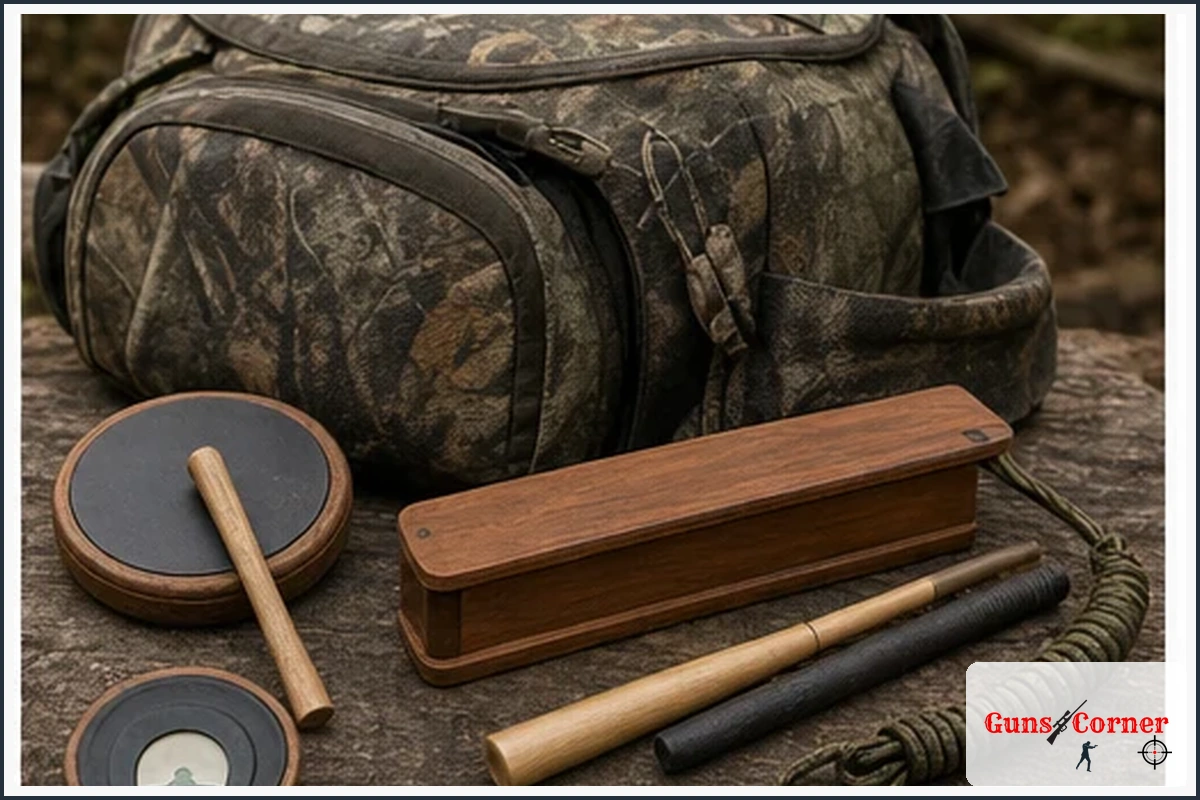
Start with one primary call and one backup that operates differently. This gives you a solution if a reed fails, a friction surface becomes damp, or you discover that one call does not suit the conditions.
Adding a second call with a genuinely different sound profile
A second call should add flexibility rather than duplicate the first. For example, pair a box call with a diaphragm or a pot call with a push-button call. Practice both enough to use them confidently.
Why carrying many calls is not a substitute for practice
A large selection can create indecision and unnecessary movement. More calls do not replace scouting, patience, knowledge of regulations, or the ability to recognize an unsafe setup.
How to practice without overcalling in the field
Practice frequently at home, but hunt with restraint. Calling should support a plan based on turkey behavior, terrain, wind, and distance. Avoid constant calling simply because silence feels uncomfortable.
Legal and Ethical Checks Before Hunting
Confirm permitted call types, electronic-call rules, seasons, and local restrictions
Read the current regulations for your exact hunting location. Equipment rules may differ between spring and fall seasons, public and private land, or management areas.
Check whether special rules apply on public land or in specific management areas
Verify access, hunter-orange requirements, parking rules, shooting hours, and any restrictions on calling devices. Confirm boundaries with an official map or land-management source.
Follow tagging, licensing, and legal shooting-hour requirements
Carry required documents, understand tagging and harvest reporting, and know when hunting must stop each day. If you are uncertain, contact the relevant wildlife agency before entering the field.
Do not treat a “best call” recommendation as a substitute for current regulations
Product advice cannot determine whether a call is legal where you hunt. Regulations always control.
Turkey-Calling Safety and Position Selection
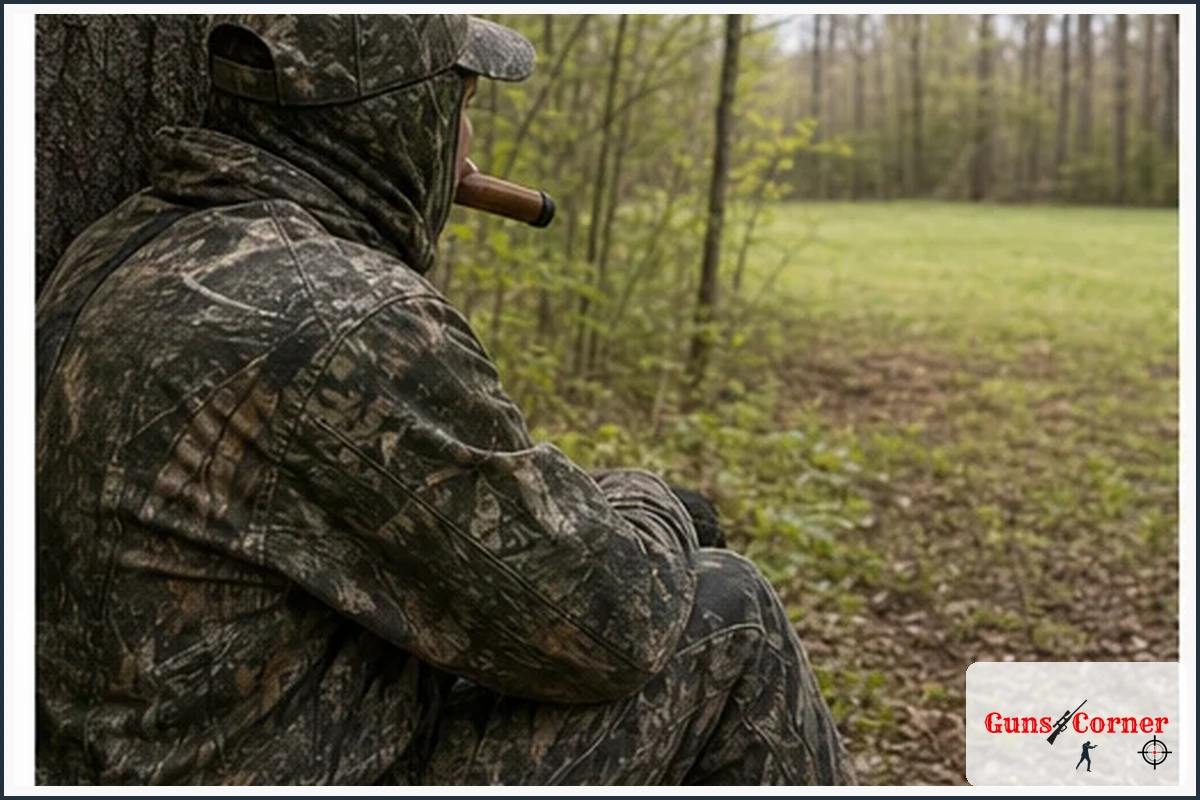
Choose a position with a clear view and protection behind you
Indiana DNR turkey safety guidance recommends choosing a calling position where you can see at least 50 yards in all directions and have protection behind you. Use that as a safety principle, while following the specific guidance of your own wildlife agency: Indiana turkey hunting safety guidance.
Identify the target, turkey, and background before touching the trigger
Never shoot at a sound, movement, shape, or partially hidden target. Confirm the turkey, ensure it is legal to harvest, and identify what lies beyond it. Do not shoot toward roads, homes, livestock, people, vehicles, or trails.
Communicate your position when hunting with others
Agree on locations and communication procedures before separating. Never assume another hunter knows where you are, and never use calling to lure an unseen person closer.
Never approach or imitate an unseen caller
If you hear another caller, remain still, protect yourself, and communicate clearly without creating confusion. Do not stalk sounds or move toward a suspected turkey when you cannot see the area safely.
Wear required hunter orange when moving or required by local law
Use visibility clothing whenever required and consider it while walking to and from a setup. Follow local rules for when it may be removed during stationary hunting.
Common Selection Mistakes
Buying a difficult call before learning a repeatable basic sound
Begin with a call that lets you practice consistently. Advanced calls can wait until you understand what sounds you can produce and control.
Choosing volume over realism and control
Loudness may help in some conditions, but uncontrolled volume is not always useful. Match projection to terrain and distance.
Changing calls constantly instead of diagnosing the setup
If you are not seeing turkeys, the problem may be scouting, timing, wind, access, pressure, or concealment rather than the call itself.
Ignoring moisture, temperature, and maintenance
Inspect friction surfaces, strikers, reeds, and cases before each hunt. Carry calls in a way that protects them from rain and condensation.
Assuming an expensive handmade call guarantees better results
Price does not guarantee that a call suits your technique or hunting situation. Judge it by repeatability, control, durability, and fit for your needs.
Troubleshooting Common Problems
| Problem | Possible Cause | What to Do |
|---|---|---|
| The call sounds inconsistent | Incorrect pressure, technique, moisture, or worn components | Practice slowly, inspect the call, dry it properly, and replace approved parts when needed. |
| You are not seeing turkeys | Poor scouting, wrong timing, wind, pressure, or an unsuitable setup | Recheck sign, access routes, concealment, and wind before blaming the call. |
| The call requires too much movement | The operating method does not fit your position | Practice from your setup or consider a call that better suits your hand and concealment needs. |
| A friction call stops sounding right | Moisture, contamination, or a damaged striking surface | Protect and dry it according to the manufacturer’s instructions; do not use unapproved treatments. |
| You hear another caller nearby | Multiple hunters using the same area | Stay still, communicate safely, and do not approach the sound. Leave if the situation cannot be resolved safely. |
| You are unsure whether the call is legal | Unclear or outdated regulations | Stop and verify the current rule with the official wildlife agency before hunting. |
Ethical Hunting and Conservation
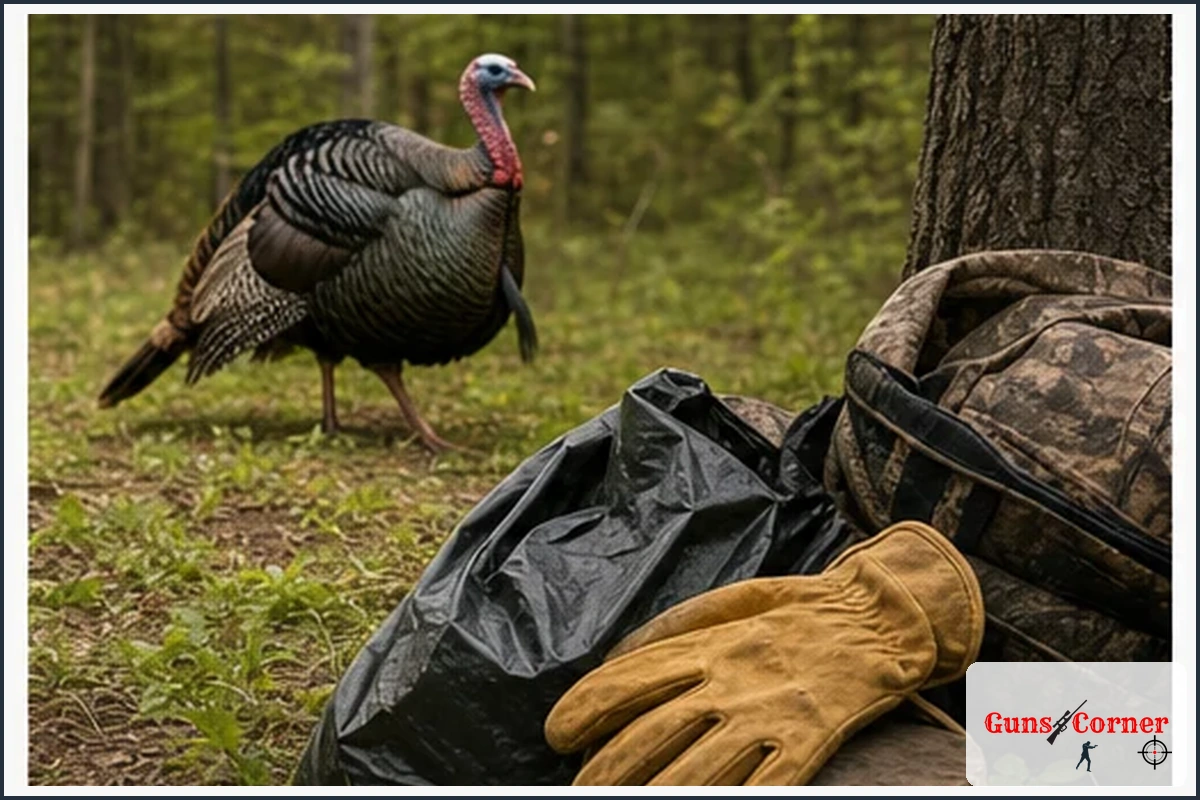
Ethical turkey hunting means respecting wildlife, landowners, other hunters, and the law. Practice before the season, avoid unsafe or uncertain shot opportunities, and never use calling to create a dangerous situation for another person.
- Obey seasons, bag limits, legal hours, and equipment rules.
- Use permission and respect property boundaries.
- Leave gates, roads, campsites, and habitat as you found them.
- Recover and use legally harvested game responsibly.
- Complete required tagging and harvest reporting.
- Support conservation through legal participation and responsible land stewardship.
When to Get More Training or Professional Guidance
Seek additional instruction if you have never handled a firearm, have not completed hunter education, are uncertain about turkey identification, or do not understand local regulations and boundaries. Official hunter education courses, wildlife agencies, certified instructors, experienced ethical mentors, and conservation organizations can provide safer, location-specific guidance.
After the Hunt: Follow-Up, Gear Care, and Learning
Dry and store calls according to their construction, inspect reeds and friction surfaces, and record what worked. Note weather, wind, sign, access routes, turkey responses, and safety concerns. Complete all required harvest reporting and care for legally harvested game promptly and responsibly.
Recommended Hunting Gear and Tools to Consider
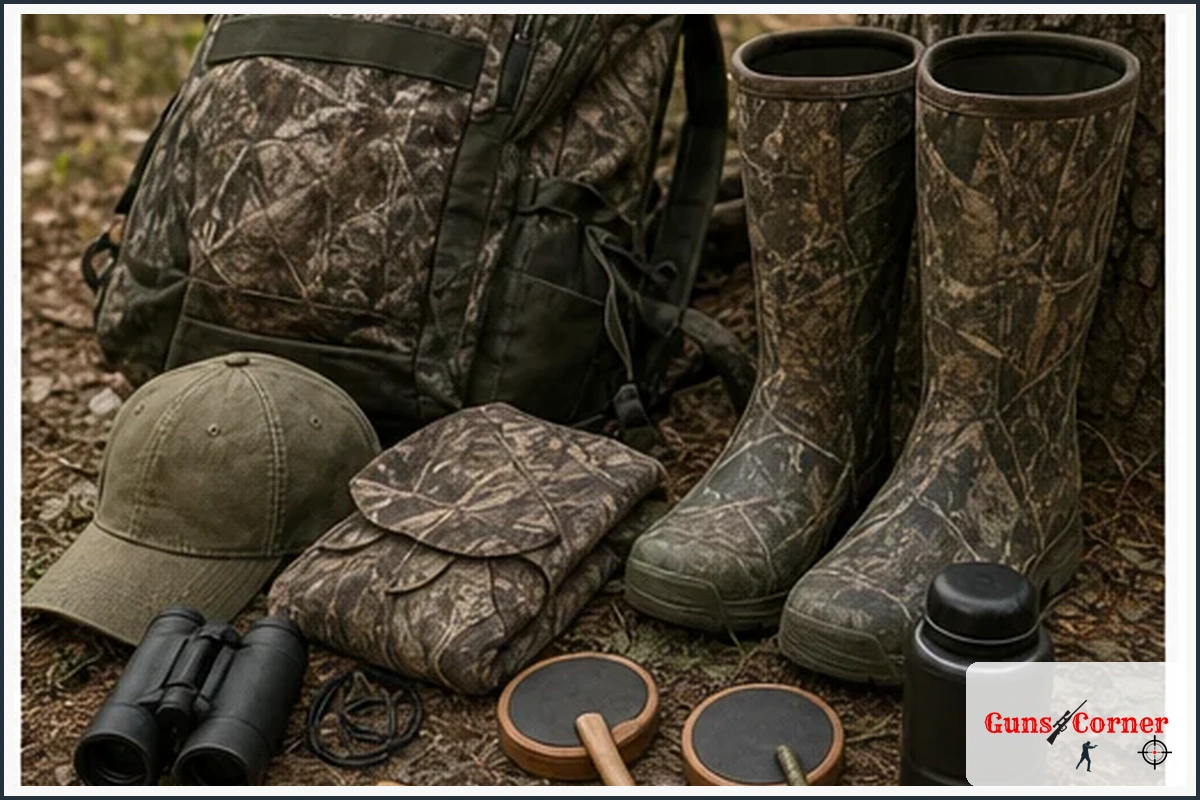
You do not need expensive gear to choose turkey calls responsibly. Select equipment based on local law, terrain, weather, hunting method, skill level, and safety needs.
- One dependable legal turkey call
- One complementary backup call
- Call case or protective pouch
- Weather-appropriate camouflage or concealment clothing
- Required hunter-orange clothing for travel or local compliance
- Binoculars for safe observation
- Map, compass, GPS, or reliable navigation tool
- First-aid kit, water, communication device, and weather protection
- Legal firearm and ammunition handled according to manufacturer and hunter-education guidance
Final Thoughts
Learning how to choose turkey calls starts with your hunting situation, not a brand name. Select a call you can operate consistently, practice basic sounds, protect it from weather, and carry a simple backup. Combine good calling with scouting, safe positioning, legal preparation, patience, and respect for wildlife. The right call can support a hunt, but responsible decisions determine whether the hunt is safe and ethical.
FAQs
What is the easiest turkey call for a beginner?
Push-button and box calls are often practical starting options because their operation is straightforward. The best choice is the one you can use consistently from your hunting position.
Should I choose a box call, pot call, or diaphragm call first?
Choose a box call for simple operation and projection, a pot call for controlled friction sounds, or a diaphragm call when hands-free concealment is important. Your skill level and hunting setup should guide the decision.
How many turkey calls should I carry?
One dependable primary call and one complementary backup are enough for many beginners. Carrying more calls does not replace practice or scouting.
Are electronic turkey calls legal where I hunt?
That depends on the current rules for your jurisdiction, season, species, and management area. Check your official wildlife agency before using one.
Do I need different calls for different turkey subspecies?
Do not assume that separate calls are required. Turkey behavior and calling results vary with individual birds, terrain, weather, pressure, and hunter technique. Choose calls based on your ability and conditions rather than an unsupported promise about subspecies.
How should I protect and maintain turkey calls in wet weather?
Keep friction calls, strikers, and reeds protected from rain and condensation. Dry and maintain them according to the manufacturer’s instructions, and test them before hunting.
Related posts:
What Choke for Goose Hunting? A Practical Patterning Guide
How to Hunt During a New Moon: A Beginner-Friendly Guide
What Is a Deer Tag? Licenses, Permits, and Tagging Explained
What Gear Do You Need for Hog Hunting? Complete Checklist
How to Bait Deer: A Legal, Safe, and Ethical Hunting Guide