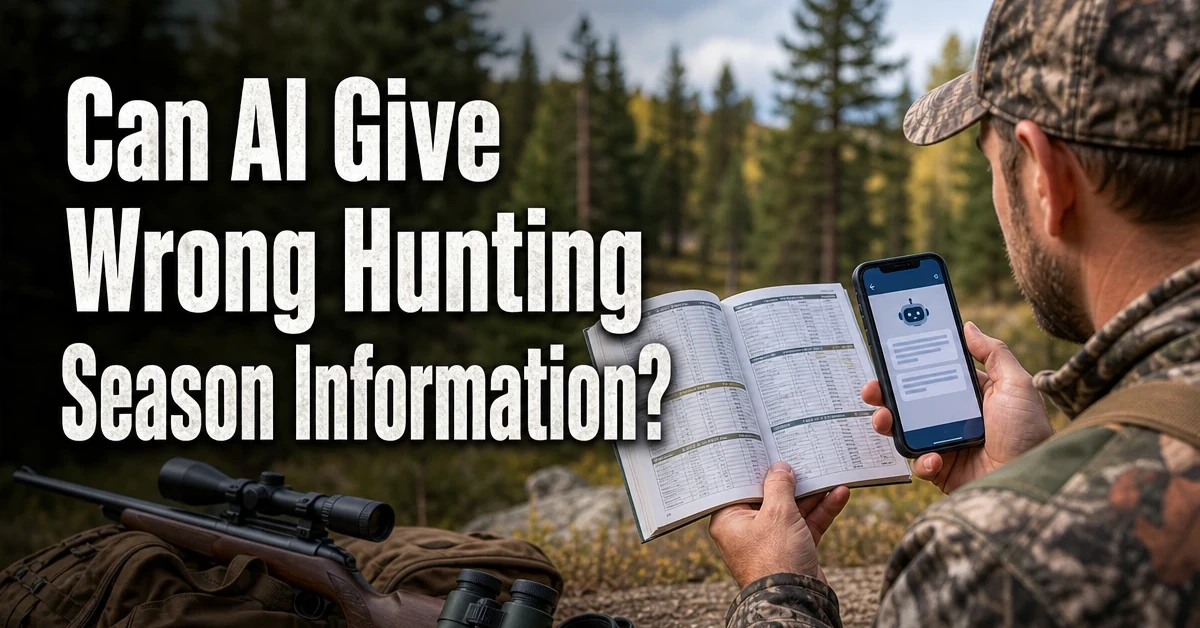

Yes, AI can give wrong hunting season information. It may provide outdated dates, confuse wildlife-management units, mix up proposed and final regulations, or overlook emergency changes. Use AI for general guidance only; verify every season date, opening day, shooting hour, bag limit, tag requirement, and weapon rule with the current official wildlife-agency regulations before hunting.
Why Can AI Give Wrong Hunting Season Information?

AI systems generate responses from patterns in available data. They do not automatically confirm that a regulation is current, final, or applicable to your exact location. Wyoming Game and Fish warns that AI-generated answers may be inaccurate and says users are responsible for checking official information sources.
AI may also “hallucinate,” meaning it can produce information that sounds credible but is invented or unsupported. This problem is especially serious when a hunter relies on an answer for a legal decision.
Common ways AI gets hunting regulations wrong
- Outdated dates: It may repeat a previous year’s season dates.
- Draft regulations: Proposed dates or rules may be mistaken for the final regulation.
- Wrong management unit: A statewide answer may not apply to your county, zone, or game-management unit.
- Mixed species: Deer, elk, waterfowl, turkey, and small-game seasons often have different rules.
- Incomplete exceptions: Youth seasons, archery seasons, muzzleloader seasons, and special hunts may be omitted.
- Missed updates: Emergency closures, disease restrictions, fires, or weather-related changes may not appear.
- Incorrect legal details: Shooting hours, licenses, tags, baiting rules, and weapon restrictions can be misstated.
Why AI Answers Are Risky for Hunters
Hunting regulations are legally enforceable, and an AI answer is not an official license, regulation booklet, or agency determination. Being told that a season is open does not protect a hunter if the answer is wrong.
Incorrect information can lead to hunting before the legal opener, exceeding a bag limit, using an unauthorized weapon, entering a closed area, or hunting without the required tag. It can also cause avoidable wildlife-management and conservation problems.
| Information | Why AI may be wrong | What to verify |
|---|---|---|
| Season dates | Dates change by year, species, unit, and weapon | Current official regulation booklet |
| Shooting hours | Rules may differ by species or location | Official season section and agency guidance |
| Bag limits | Limits may vary by sex, age, unit, or season segment | Current species-specific regulations |
| Licenses and tags | Requirements depend on residency, draw results, and hunt type | Official licensing portal and regulations |
| Weapon rules | Archery, firearm, muzzleloader, and shotgun rules may differ | Current equipment regulations |
How to Verify Hunting Season Information Correctly
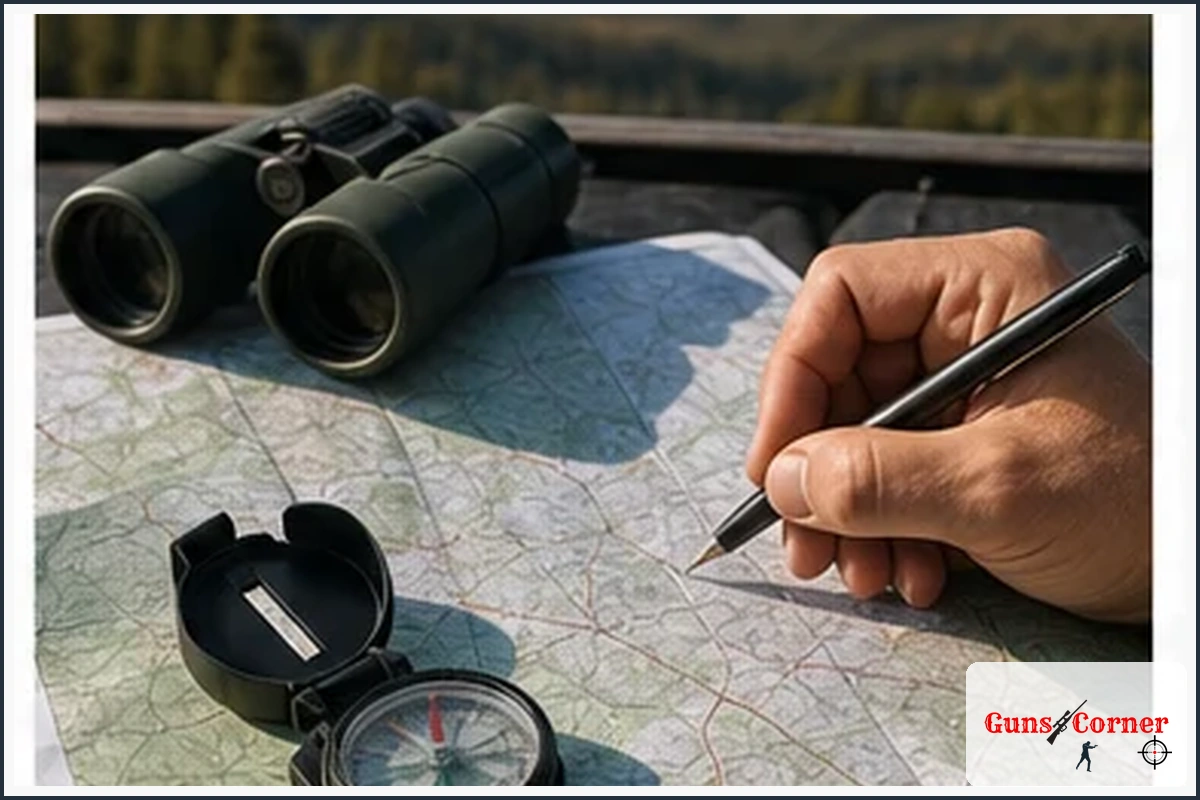
- Identify the exact location. Note the state, province, county, wildlife unit, public-land area, or federal property.
- Identify the species and hunt type. Specify deer, elk, turkey, waterfowl, or another species, along with archery, rifle, muzzleloader, or shotgun hunting.
- Find the current official regulation source. Use the state wildlife agency, provincial authority, U.S. Fish and Wildlife Service, or applicable land-management agency.
- Check the year and publication date. Make sure you are reading the current season’s rules, not an archived booklet.
- Read the complete applicable section. Do not rely only on a search snippet or a date shown in a summary.
- Check special restrictions. Review licenses, tags, shooting hours, bag limits, reporting rules, baiting restrictions, hunter-orange requirements, and weapon limitations.
- Confirm last-minute updates. Check the agency website or contact the agency before leaving for the field.
Official regulations override general online guidance, including AI-generated answers. The Wyoming Game and Fish Department specifically recommends verifying AI responses through official information sources.
Can You Use AI to Help With Hunting Regulations?
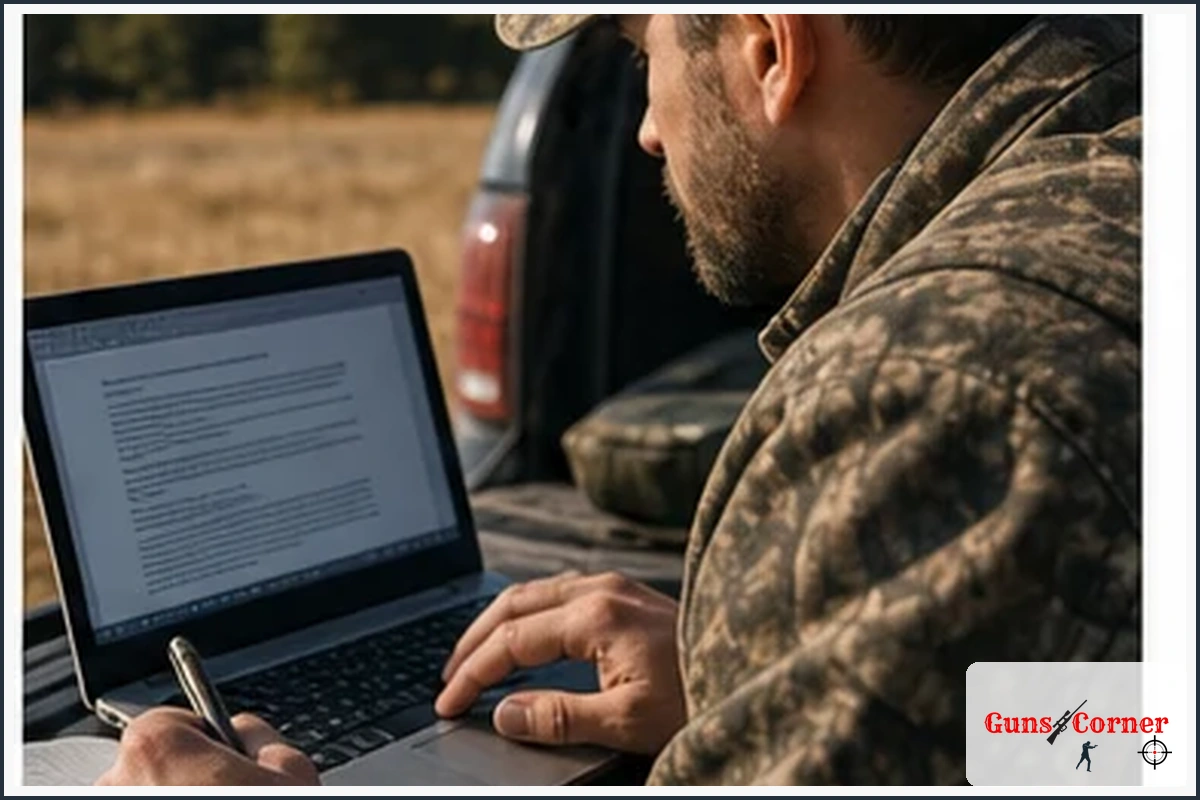
Yes, but use it as a research assistant rather than an authority. AI can help explain unfamiliar terminology, organize a checklist of questions, summarize a regulation you have already located, or suggest which agency may regulate a particular area.
Before relying on a summary, compare it with the original official document. Ask whether the answer identifies the correct year, location, species, season type, and regulation source. If any of those details are missing, treat the answer as incomplete.
A safer AI verification prompt
You may ask AI to help you review information you already found:
“Explain this official hunting regulation in plain language. Do not add rules that are not in the document, and identify any details I still need to confirm with the wildlife agency.”
This approach is safer than asking, “When is hunting season?” without providing a location and then treating the response as legally accurate.
What Hunters Should Never Assume From an AI Answer
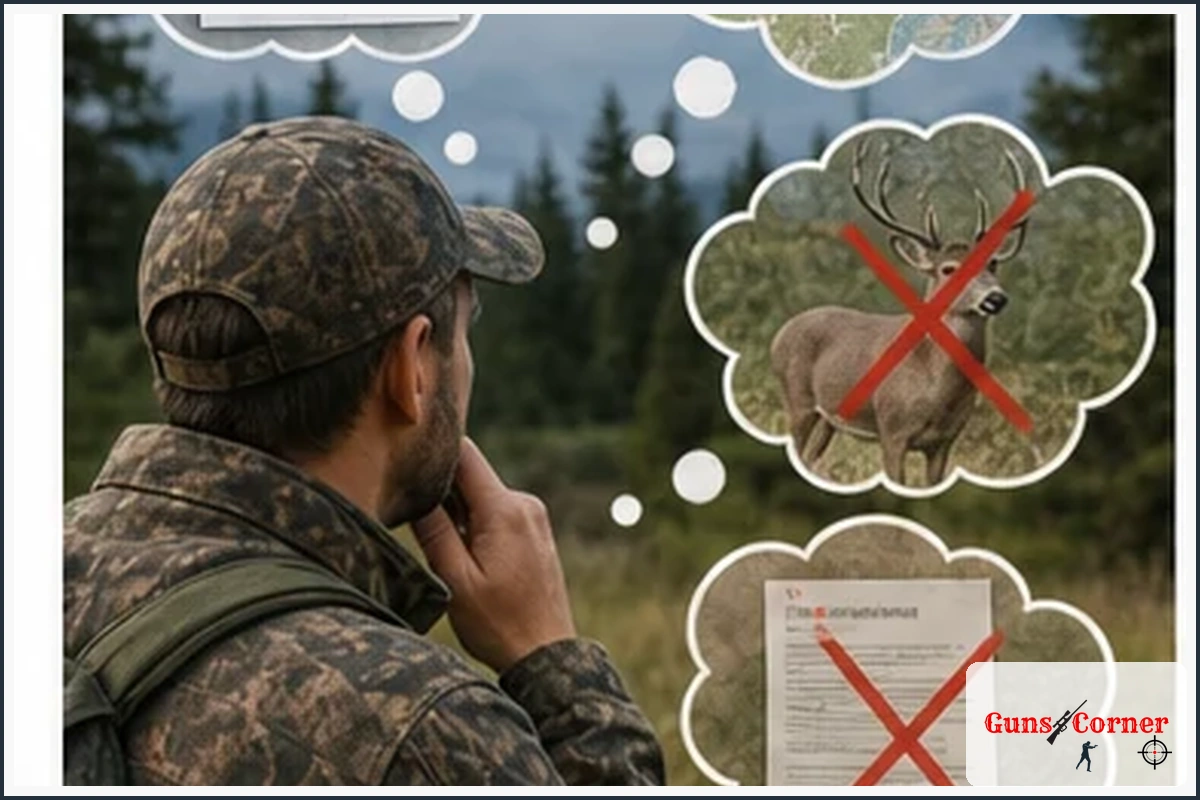
- That a season is open because a chatbot says it is.
- That statewide dates apply to every wildlife-management unit.
- That last year’s dates remain valid.
- That a proposed regulation became law.
- That a general answer covers special, youth, or controlled hunts.
- That an AI answer includes emergency closures or temporary restrictions.
- That a search-engine summary replaces the official regulation booklet.
Safety and Ethical Checks Before Hunting
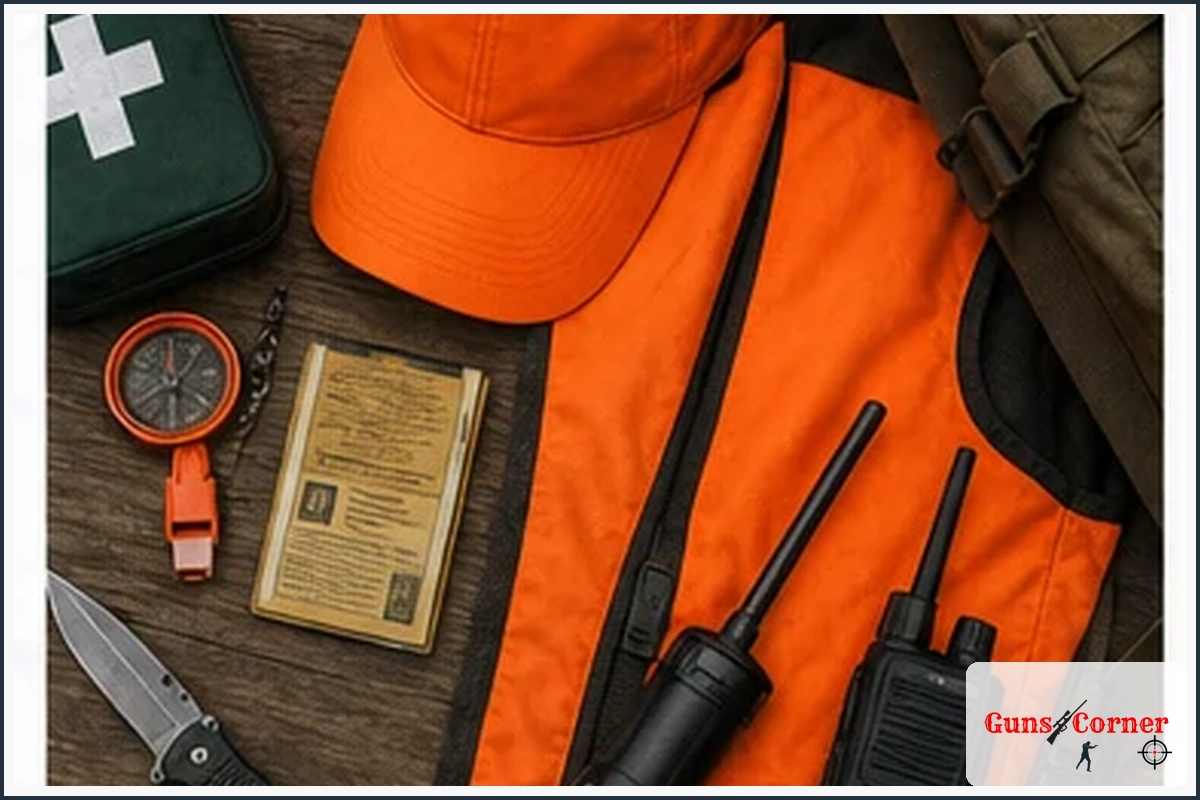
Legal verification is only one part of responsible preparation. Before hunting, complete hunter education where required, carry the proper license and tag, identify your target positively, and know what lies beyond it.
Follow firearm or archery safety rules, respect property boundaries, observe fair-chase principles, and stop if weather, visibility, terrain, or health conditions become unsafe. If an animal is legally harvested, make every reasonable legal effort to recover it and avoid waste.
FAQs
Can AI give wrong hunting season information?
Yes. AI can provide outdated, incomplete, or incorrect hunting dates and regulations. Always verify the answer with the current official wildlife-agency source.
Why does AI make mistakes about hunting seasons?
AI may rely on old webpages, draft proposals, incomplete summaries, or information from a different management unit. It may also generate a confident answer without confirming the current regulation.
Is Google’s AI Overview an official hunting regulation?
No. An AI-generated search summary is not an official regulation. Use it only as a starting point and open the current agency publication or regulation page.
What should I check besides the season dates?
Check the correct species, management unit, season type, shooting hours, bag limit, license, tag, weapon restrictions, reporting requirements, access rules, and any emergency notices.
Can I rely on AI if it provides a link to a wildlife agency?
Not automatically. Open the link and confirm that it is an official, current source covering your exact location and hunt. The linked page, not the AI summary, is the information to evaluate.
What should I do if official sources disagree with AI?
Follow the current official regulation and contact the wildlife agency if the wording remains unclear. Do not hunt until you understand the applicable rule.
Final Answer
Can AI give wrong hunting season information? Absolutely. It can confuse dates, locations, species, draft proposals, and current legal requirements. Use AI for general explanations, but verify every hunting regulation through the appropriate official wildlife or land-management agency immediately before hunting.
Related posts:
15 Best Hunting Equipment Picks for Safer, Smarter Hunts

10 Best Duck Hunting Jackets for Waterfowl Hunters

15 Best Hunting Chair Picks for Blinds, Turkey Hunts, and Long Sits

How to Blood Trail a Deer: A Safe, Ethical Step-by-Step Guide
How to Attract Deer Fast: A Legal and Ethical Hunting Guide