
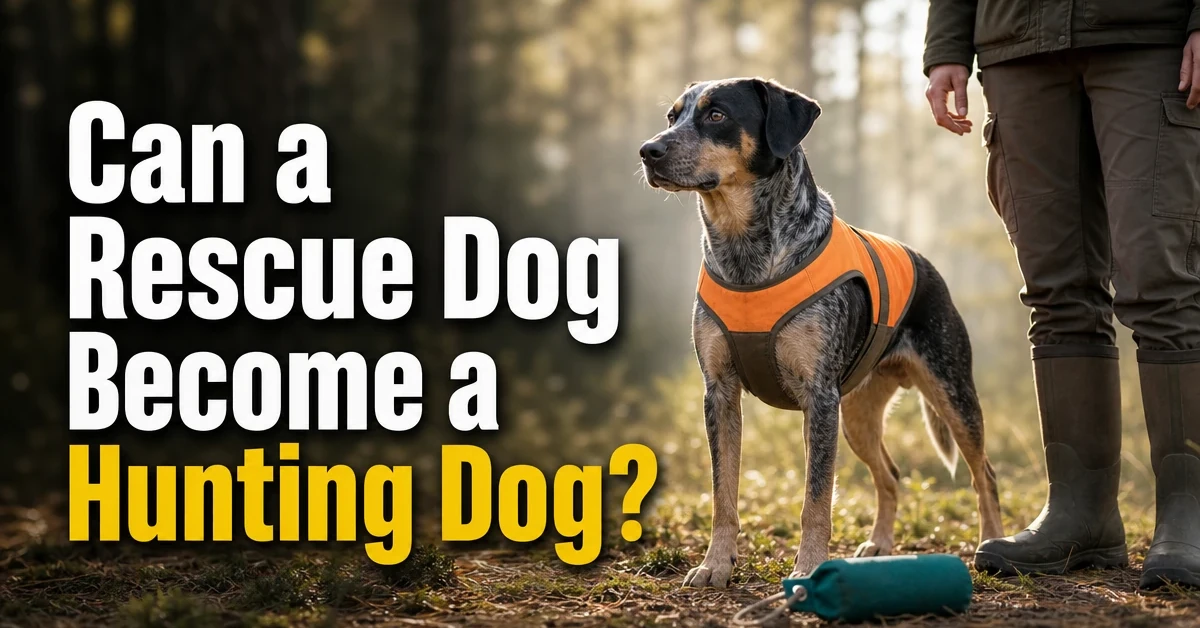

Yes, a rescue dog can become a hunting dog, but success depends on the individual dog’s instincts, health, temperament, confidence, and willingness to work. A rescue dog may excel at tracking, retrieving, flushing, or treeing game, while another may be better suited as a companion. Start with a veterinary check, build trust and obedience, then test the dog gradually in a safe, legal training environment.
What Determines Whether a Rescue Dog Can Hunt?
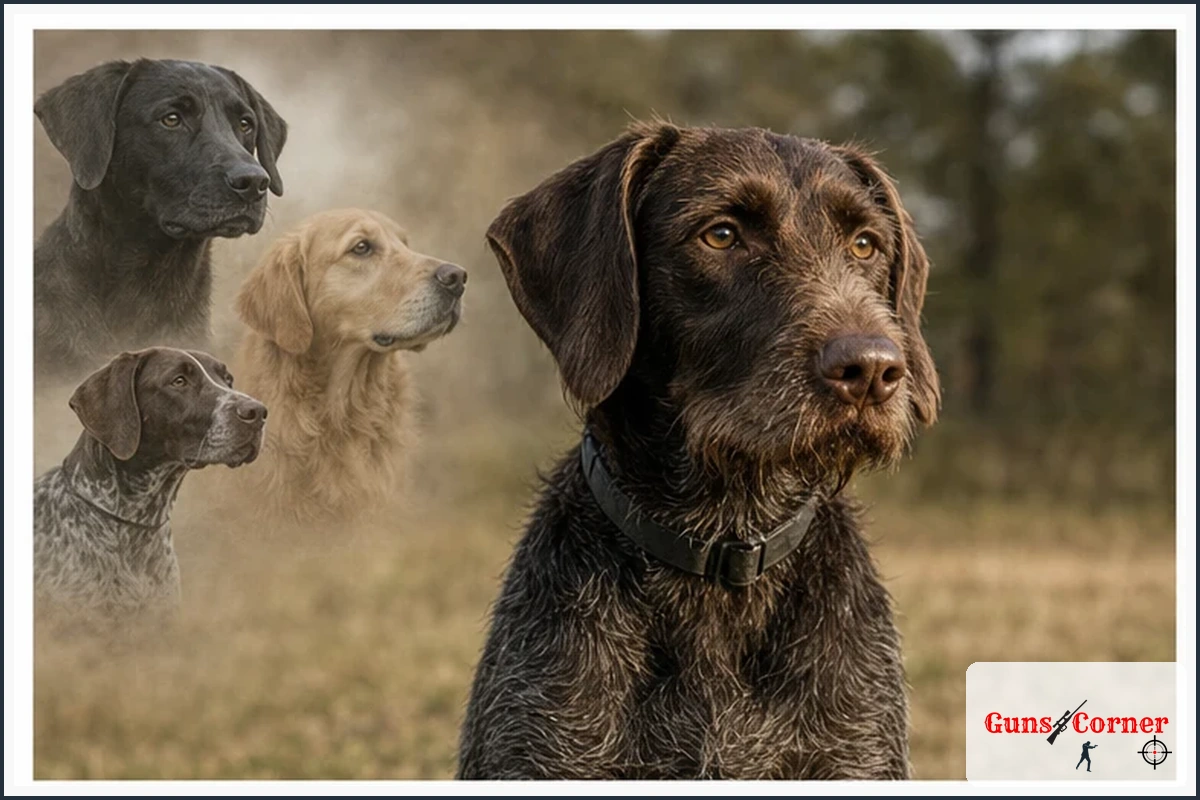
Breed history can provide clues, but it does not guarantee performance. A mixed-breed rescue may have useful traits from several working lines, while a dog from a traditionally hunting breed may lack the desire or temperament for fieldwork.
| Factor | Why It Matters | What to Look For |
|---|---|---|
| Health | Hunting requires stamina, mobility, hearing, and good recovery from exercise. | Sound movement, healthy weight, breathing comfortably, and veterinary clearance. |
| Temperament | A fearful or highly reactive dog may struggle in unfamiliar terrain or around gunfire. | Confidence, curiosity, recoverability, and calm behavior. |
| Prey drive | The dog must show interest in following, finding, pointing, flushing, or retrieving game. | Focused interest in scents, moving objects, or appropriate training toys. |
| Trainability | Reliable control is essential for safety and ethical hunting. | Ability to learn recall, stay, retrieve, and release commands. |
| Noise tolerance | Unexpected sounds can cause panic or unsafe behavior. | Gradual, relaxed responses to ordinary environmental noises. |
Which Hunting Jobs Might Suit a Rescue Dog?
Tracking and trailing
Some dogs naturally enjoy following scent trails. Tracking can be a practical starting point because it develops the dog’s nose and concentration without immediately exposing it to firearms or intense field conditions.
Retrieving
A dog that eagerly carries toys and returns them can potentially learn retrieving work. Begin on land with simple bumpers or toys. Water retrieves should wait until the dog is confident, physically capable, and introduced to water safely.
Flushing
Flushing dogs search cover and encourage game to move. This work requires obedience, responsiveness, and control around wildlife. A dog that chases everything indiscriminately may need substantial training before it is ready.
Pointing
Pointing is more specialized. Some dogs naturally pause or indicate when they detect game scent, but this behavior cannot be assumed from appearance alone. Professional guidance can help determine whether the dog is showing genuine pointing behavior or simply uncertainty.
Treeing or small-game work
A rescue dog with strong scent interest, persistence, and vocal behavior may be suitable for certain small-game tasks. Training must remain species-appropriate, legal, and humane, with reliable recall and handling as priorities.
Start With a Veterinary and Behavioral Assessment
Before conditioning a rescue dog for hunting, schedule a veterinary examination. Discuss joints, heart and lungs, paws, teeth, parasites, vaccinations, weight, and any previous injuries. A veterinarian can also advise whether the dog is fit for strenuous exercise, cold water, heat, or rough terrain.
Behavior matters just as much as physical ability. A qualified trainer or veterinary behavior professional can help evaluate fear, aggression, separation distress, noise sensitivity, and reactions to unfamiliar people, dogs, wildlife, and vehicles.
Do not treat a history of neglect or abuse as proof that a dog cannot work. However, avoid forcing a dog into field conditions before it has developed trust and emotional stability.
A Safe Training Progression
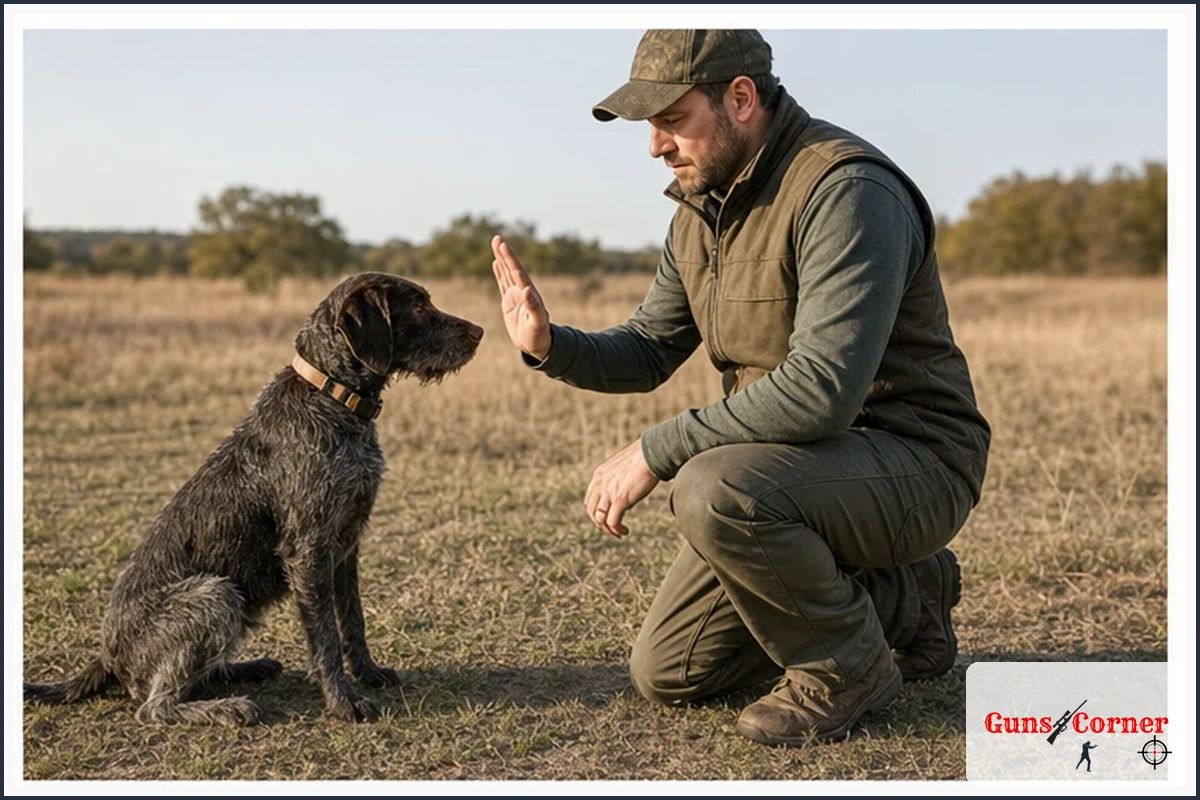
- Build trust and routine. Use consistent feeding, rest, handling, and reward-based training.
- Teach basic control. Prioritize recall, sit, stay, heel, leave-it, drop, and an emergency stop.
- Introduce retrieving games. Use a toy or training dummy and reward calm returns.
- Develop scent skills. Create short, simple scent trails and gradually increase difficulty.
- Condition gradually. Increase walking distance and terrain difficulty slowly while monitoring paws, breathing, and fatigue.
- Expose the dog to field environments. Begin in quiet areas before adding thicker cover, water, vehicles, or other distractions.
- Introduce gunfire only with expert guidance. Use a controlled, gradual process and stop immediately if the dog shows fear.
- Practice realistic but controlled work. Train around legal practice opportunities before attempting a hunt.
Gunfire Desensitization Requires Special Care
Never fire a gun near a dog to “see how it reacts.” A single frightening experience can create lasting noise fear. Gunfire conditioning should be gradual, controlled, and supervised by an experienced trainer who understands working dogs.
The dog should already be relaxed around ordinary sounds and focused on a rewarding activity. The sound must begin at a safe distance and low intensity, increasing only when the dog remains calm. If the dog freezes, hides, trembles, bolts, pants excessively, or refuses food, stop and seek professional help.
When hunting, follow the four basic firearm safety rules: treat every firearm as loaded, keep the muzzle pointed in a safe direction, keep your finger outside the trigger guard until ready to shoot, and positively identify the target and what lies beyond it. Keep the dog’s location, other hunters, roads, homes, livestock, and terrain in mind before any shot.
Common Challenges With Rescue Dogs
Unknown background
You may not know the dog’s breeding, previous training, medical history, or experience with loud noises. Evaluate observed behavior rather than relying on guessed breed ancestry.
Fear and overstimulation
New smells, dense vegetation, gunfire, water, vehicles, and strange people can overwhelm a rescue dog. Short sessions and gradual exposure are safer than long, demanding outings.
Unreliable recall
A dog that runs after wildlife without returning can create safety, legal, and wildlife-conservation problems. Do not hunt off-leash until recall is reliable under realistic distractions.
Overheating or exhaustion
Dogs can become injured or dangerously overheated during fieldwork. Provide water, rest, shade, and breaks, and avoid strenuous activity during unsafe weather. Watch for excessive panting, weakness, confusion, vomiting, or collapse and seek veterinary care urgently if serious symptoms occur.
How to Tell When a Rescue Dog Is Not Ready
- The dog repeatedly panics around ordinary sounds or new environments.
- The dog cannot be safely recalled or controlled around wildlife.
- The dog shows aggression toward handlers, hunters, livestock, or other dogs.
- The dog has untreated pain, poor conditioning, or a medical limitation.
- The dog loses interest quickly and shows no enjoyment of the work.
- The dog becomes distressed during training rather than gradually more confident.
Not every dog needs to become a hunting dog. A rescue dog may be happier and safer as a hiking companion, scent-work dog, tracking hobby dog, or family pet.
Essential Field Safety for a Hunting Dog
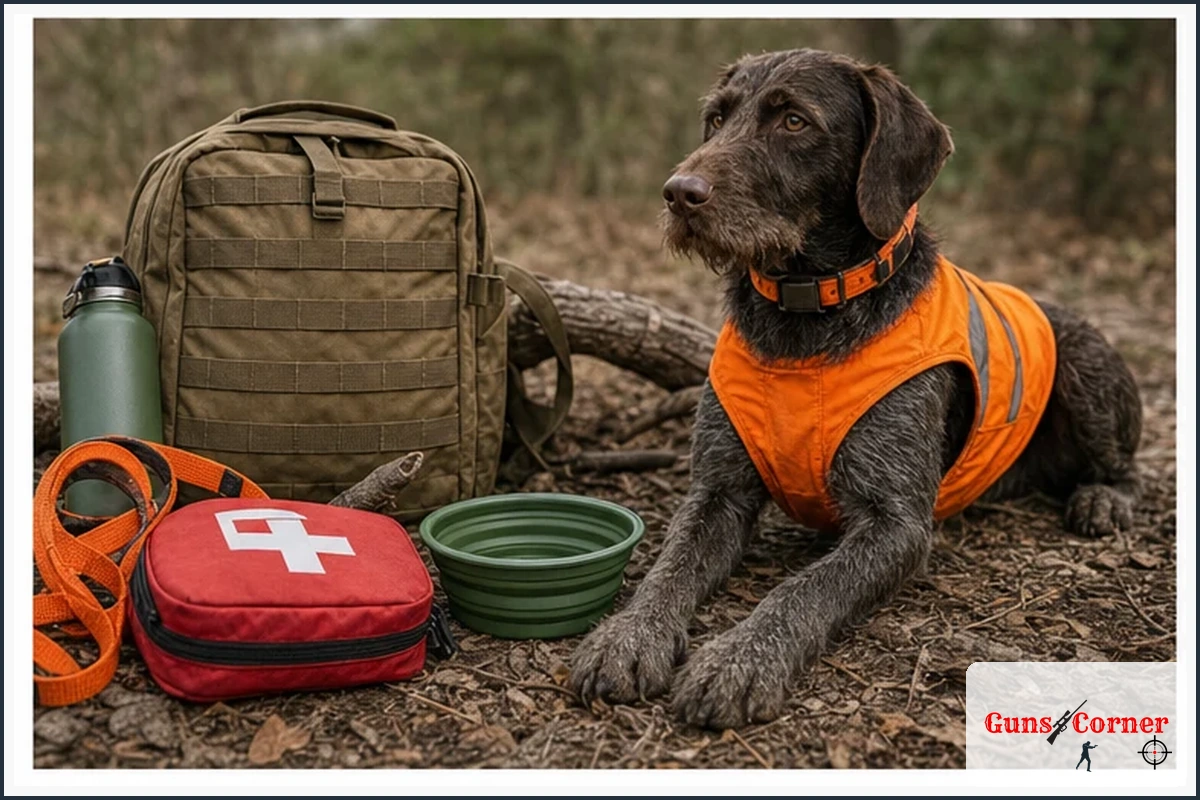
- Use identification tags and a secure, current microchip registration.
- Carry water, a collapsible bowl, basic first aid, and a leash or long line.
- Consider high-visibility equipment where legal and appropriate.
- Check paws and body for cuts, thorns, burrs, ticks, and heat stress.
- Keep the dog away from unsafe ice, contaminated water, steep drops, and vehicle traffic.
- Use a properly fitted life jacket for water work when conditions warrant it.
- Follow local hunting regulations concerning dogs, seasons, access, and wildlife.
- Keep the dog under control around firearms and other hunters.
Official hunting regulations override general online advice. Check the appropriate state or provincial wildlife agency before training or hunting, especially where dog use, public land, seasons, or species rules apply.
Ethical Training and Hunting Practices
Training should use humane, consistent methods and reward desired behavior. Avoid punishment that creates fear, especially during exposure to wildlife, water, or gunfire.
Do not send an inexperienced dog after dangerous wildlife or into terrain it cannot safely navigate. A dog should never be used as a substitute for positive target identification, safe firearm handling, or responsible game recovery.
Hunters should also consider wildlife welfare. Follow fair-chase principles, respect property boundaries, recover harvested game responsibly, and avoid allowing a dog to harass protected or nontarget animals.
When Professional Help Is Worthwhile
A trainer experienced in the specific hunting task can identify natural ability, create a progressive plan, and prevent common mistakes. Professional help is especially valuable for gunfire conditioning, pointing, tracking wounded game, water retrieves, aggression, and severe fear.
Choose a trainer who can explain methods clearly, uses humane handling, understands hunting laws, and prioritizes the dog’s physical and emotional welfare.
FAQs
Can an older rescue dog become a hunting dog?
Possibly. Age is only one factor, but an older dog may have less tolerance for strenuous exercise and may need a slower conditioning plan. Obtain veterinary guidance before starting demanding work.
Does a rescue dog need to be a hunting breed?
No. Breed tendencies can help, but individual motivation, health, trainability, scent ability, and temperament matter more than appearance alone.
Can a rescue dog be trained around gunfire?
Some can, but the process must be gradual and controlled. Never test the dog with a nearby shot. Stop if the dog shows fear and consult an experienced trainer.
What is the easiest hunting skill to teach a rescue dog?
Basic scent games and controlled retrieving are often practical starting points. The best choice depends on the dog’s interests and physical abilities.
Should a rescue dog hunt off-leash?
Only after reliable recall and control have been demonstrated around realistic distractions, and only where local rules permit it. A leash or long line is safer during early field training.
Can a rescue dog track wounded game?
Some dogs can learn tracking, but reliable recovery work requires careful training, experience, and compliance with local regulations. A trained tracking specialist may be the better choice for difficult recoveries.
Final Answer
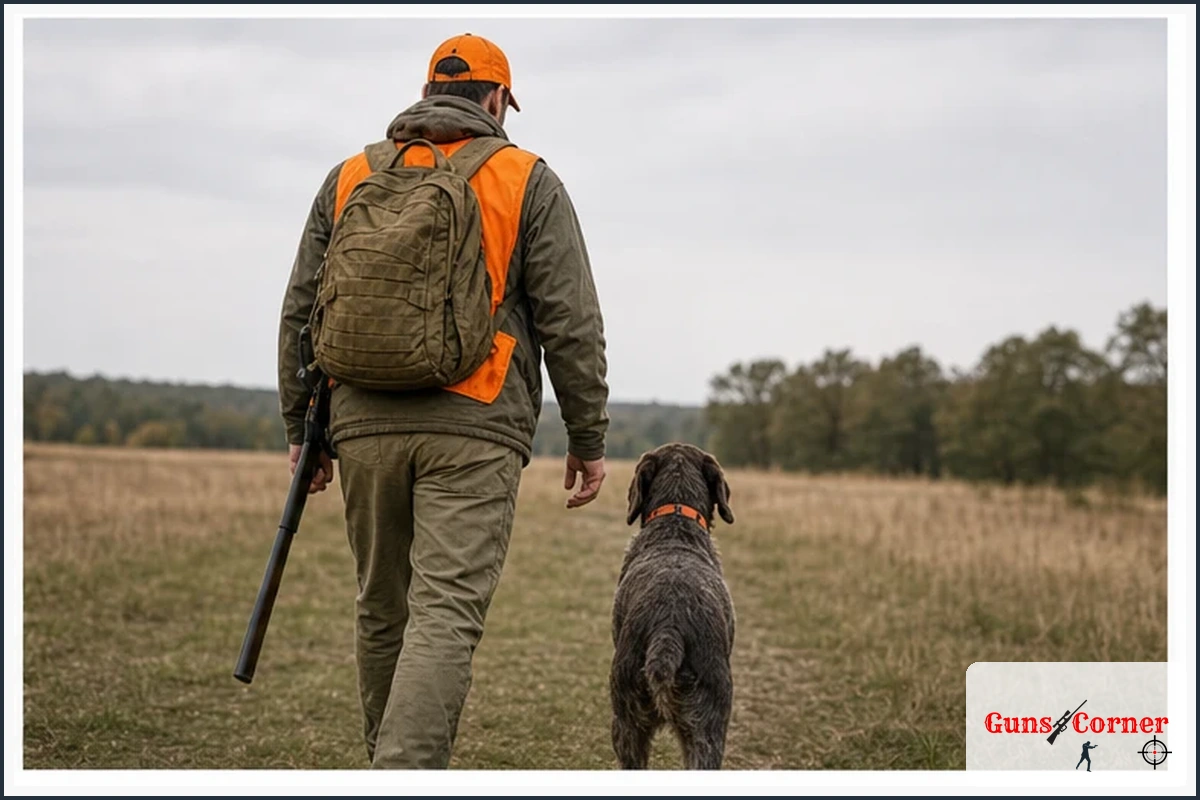
Can a rescue dog become a hunting dog? Yes, if the dog is healthy, confident, trainable, and genuinely interested in the work. Begin with veterinary and behavioral evaluations, build obedience and trust, develop scent or retrieving skills gradually, and introduce field distractions only when the dog is ready. Use humane training, follow firearm and hunting regulations, and accept that the best outcome may be discovering the dog’s abilities rather than forcing it into a role it does not enjoy.
Related posts:

What Gun for Dove Hunting? 5 Safe, Practical Choices

Best Lightweight Hunting Hand Warmers: 10 Essential Picks for 2026

How to Avoid Other Hunters on Public Land: A Safe and Legal Guide

How to Call Turkeys: A Beginner-Friendly Guide to Turkey Sounds and Calling Tactics

How to Hunt Deer for Beginners: Safe, Legal Field Guid