
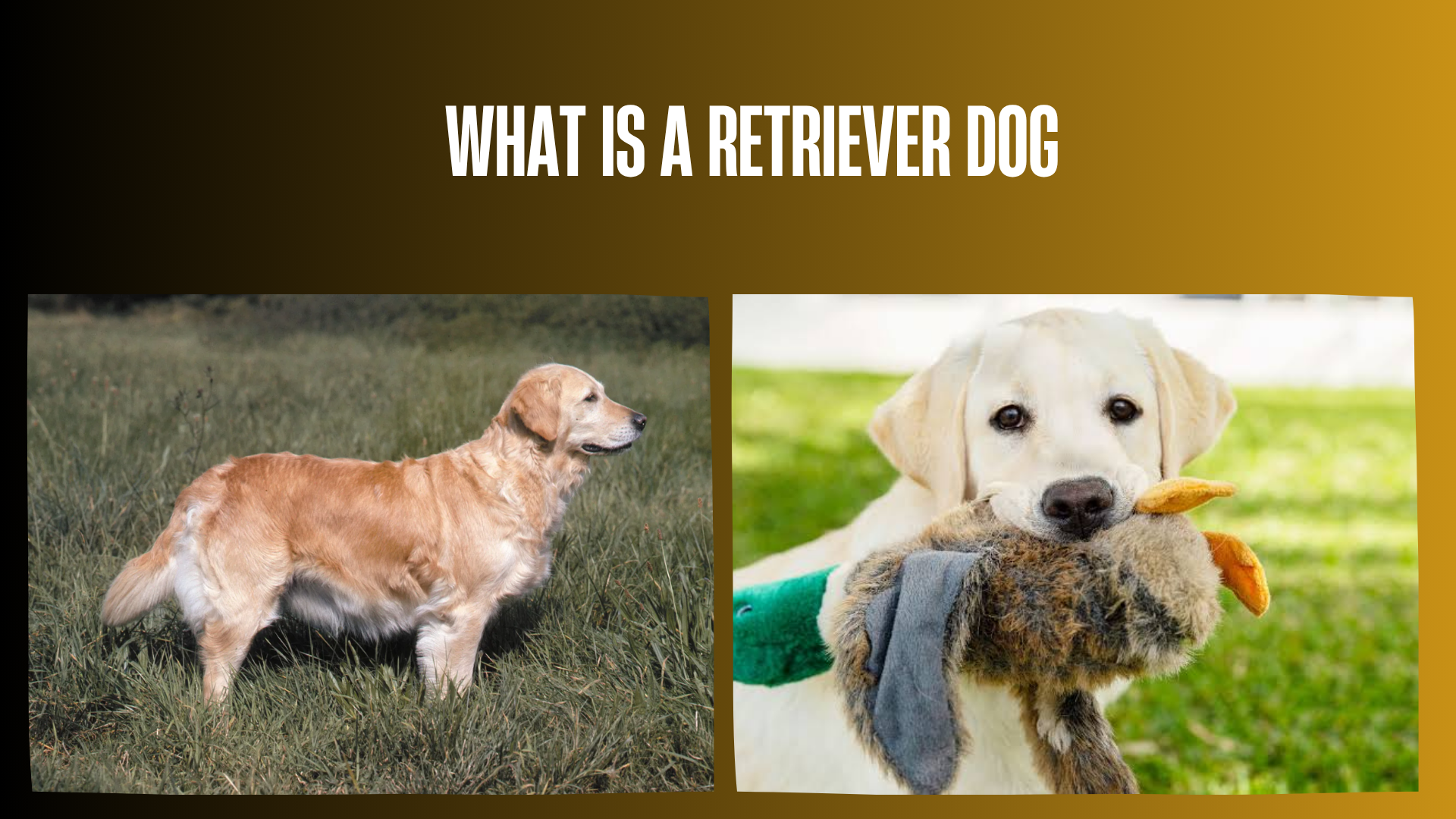

A Labrador returning a duck and a Golden Retriever carrying a training dummy are demonstrating the behavior behind the name “retriever.” But what is a retriever dog, exactly—and does being one automatically make a dog a reliable hunting companion? Understanding the difference between breed background and trained ability helps both hunters and prospective pet owners.
Quick Answer
A retriever dog is a type of sporting dog developed to find and bring back game, especially birds, to a handler. Retrievers commonly work on land and in water, using scent, memory, and training to recover birds after a shot. Labrador Retrievers and Golden Retrievers are familiar examples, but “retriever” describes several breeds rather than one. Many also live as family companions or perform assistance work. A retrieving background does not replace training, and any hunting use must follow current local regulations.
What Is a Retriever Dog Bred to Do?
The retriever’s defining job is recovery: locating game and returning it to the hunter. Historically, breeders selected dogs willing to work with people, search for fallen birds, carry them carefully, and return through conditions such as vegetation or water.
That job involves more than chasing something thrown across a yard. A dependable working retriever must also wait, respond to its handler, and bring the bird back instead of running away with it.
The American Kennel Club’s overview of retriever breeds places six recognized retriever breeds in its Sporting Group. Their shared working history helps explain their retrieving tendencies, but individual dogs vary in motivation, confidence, temperament, and ability.
What does “soft mouth” mean?
A soft mouth means carrying game gently enough to avoid unnecessary damage. It does not mean that a retriever has weak jaws or cannot bite. It is a desirable working characteristic, supported by appropriate training and handling, rather than a guarantee attached to a breed name.
What happens during a retrieve?
A typical trained retrieve includes several distinct skills:
- Wait: remain under control until released.
- Locate: remember where a bird fell or search the indicated area.
- Pick up: take the bird without excessive chewing or handling.
- Return: come back promptly to the handler.
- Deliver: release the bird as trained, ideally into the handler’s hand.
In retriever terminology, a marked retrieve involves a fall the dog has seen. A blind retrieve involves a bird or training object whose placement the dog did not see, requiring additional direction and training. These are skills developed progressively, not abilities every puppy arrives with. AKC retriever tests distinguish between marked retrieves and more advanced work involving blind retrieves and greater control.
The Six Retriever Breeds
The following are the six retriever breeds recognized within the AKC Sporting Group. These descriptions summarize breed backgrounds and broad characteristics; they do not predict how every dog will behave.
| Breed | Distinguishing features | Working background |
|---|---|---|
| Labrador Retriever | Medium-to-large build; short, dense coat. | Versatile retrieving work on land and in water. |
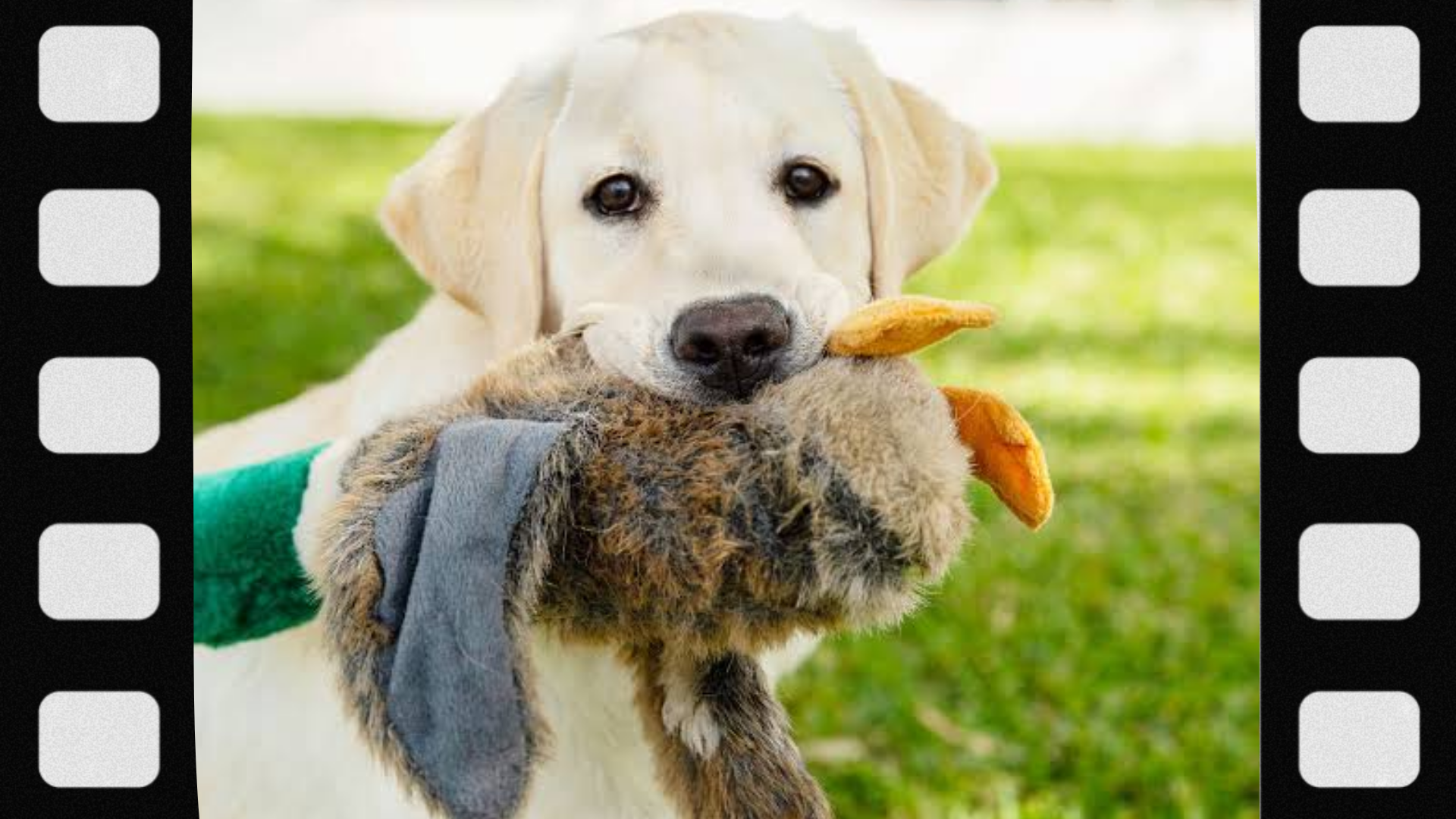
| Golden Retriever | Golden coat with longer feathering. | Scottish sporting dog developed for retrieving game. |
| Chesapeake Bay Retriever | Strong build; distinctive wavy, protective coat. | Waterfowl retrieval associated with the Chesapeake Bay region. |
| Flat-Coated Retriever | Flat-lying black or liver coat; lively disposition. | Retrieving and other bird-hunting work. |
| Curly-Coated Retriever | Distinctive close curls over much of the body. | Long-established land and water retrieving background. |
| Nova Scotia Duck Tolling Retriever | Compact, agile build; red coat, often with white markings. | Developed to attract waterfowl through “tolling” and retrieve birds. |
The AKC’s retriever breed guide explains the history and distinguishing features of these six breeds.
Labrador Retriever
Labradors are often outgoing, energetic dogs that enjoy working with people. Their popularity as companions should not obscure their sporting background: a young Lab may need substantial training in calm behavior, recall, and polite handling. The AKC Labrador profile describes a friendly, high-spirited, medium-to-large dog.
Golden Retriever
Goldens combine a retrieving heritage with roles in assistance work, search and rescue, and dog sports. Their affectionate reputation does not mean every individual is automatically calm or suited to every household. Their longer coat also makes regular grooming an important ownership consideration. See the AKC Golden Retriever profile for the breed’s working background.
Chesapeake Bay Retriever
The Chesapeake Bay Retriever has a strong association with demanding waterfowl work. Its protective coat is a distinguishing feature, but it does not make a dog immune to cold, fatigue, or dangerous water. The AKC Chesapeake Bay Retriever profile emphasizes its duck-retrieving heritage and loyal, energetic character.
Flat-Coated Retriever
Flat-Coats are commonly described as cheerful and youthful in behavior. They can work as hunting companions, including retrieving and flushing birds, but owners should expect to invest in training and suitable activity rather than relying on enthusiasm alone. The AKC discusses this versatility in its Flat-Coated Retriever overview.
Curly-Coated Retriever
The Curly-Coated Retriever is a long-established sporting breed known for its distinctive coat and versatility. The AKC breed profile highlights its intelligence and swimming background. As with any retriever, a capable adult working dog requires appropriate development and training.
Nova Scotia Duck Tolling Retriever
The Toller’s name reflects an unusual historical role: its movement near the shoreline was used to attract curious waterfowl closer. It also retrieves. This distinctive background should not be mistaken for a promise that birds will respond predictably or that every Toller will naturally perform the complete job.
Retriever vs. Pointer vs. Flushing Dog
These terms describe different specialties within bird-dog work, although an individual dog may perform more than one task.
| Dog type | Main specialty | Typical action |
|---|---|---|
| Retriever | Recovering game. | Finds and brings back a fallen bird. |
| Pointing dog | Locating and indicating game before it moves. | Holds a pointing posture near a bird’s location. |
| Flushing dog | Finding birds and making them leave cover. | Works cover to put birds into flight. |
The categories overlap. Spaniels may retrieve after flushing, and many pointing breeds also retrieve. AKC programs recognize these combinations: spaniel hunting tests evaluate finding, flushing, and retrieving, while advanced pointing-breed tests include retrieving.
A tracking dog has another specialty: following scent to locate an animal or person. Retrievers use scent during recovery, but being a retriever does not automatically qualify a dog for specialized wounded-game tracking.
Are Retrievers Good Family Dogs?
Many can be excellent companions, but household suitability depends on the individual dog and the home. Consider the dog’s activity level, response to handling, comfort around children and other animals, and ability to settle.
A friendly dog may still jump, pull strongly, chew belongings, or knock over a small child. Supervise interactions with children and give the dog a quiet place where it can rest undisturbed. Do not allow children to climb on a dog or take food and toys from its mouth.
Before choosing a retriever, consider these practical questions:
- Daily activity: Can you provide walks, play, training, and mental enrichment?
- Time together: Does your schedule allow regular interaction and gradual training for time alone?
- Coat care: Can you manage shedding, brushing, mud, and wet-dog cleanup?
- Physical management: Can household members safely handle the dog’s adult size and strength?
- Long-term care: Have you budgeted for food, preventive veterinary care, training, and unexpected illness?
As a selection strategy, meet adult dogs where possible and ask about behavior in ordinary home situations. An observed temperament is more useful than assuming a breed’s reputation applies equally to every individual.
Instinct Helps, but Training Makes the Working Dog
A dog may naturally chase and pick up an object without knowing how to return, wait, or release it. Those gaps are normal training tasks. Chasing enthusiasm alone is not evidence that a dog is ready for hunting.
Start with everyday skills
Useful foundations include responding to a name, coming when called, walking under control, settling on a mat, and giving up an object willingly. Short, manageable sessions make it easier to reward the behavior you want.
The American Veterinary Society of Animal Behavior recommends reward-based training and advises against aversive methods. For retrieving practice, that means building willing cooperation rather than using pain, intimidation, or frightening exposure.
Build the retrieve in manageable parts
A practical beginner approach is to reward interest in a suitable toy, then picking it up, bringing it closer, and exchanging it calmly. Practice in a safe, enclosed area before adding distractions. Use an appropriately sized retrieving toy or bumper—a purpose-made training dummy—and supervise for chewing or damage.
If the dog avoids the object, becomes distressed, or repeatedly runs away, simplify the task and consult a qualified reward-based trainer. Do not assume reluctance is stubbornness; confusion, fear, discomfort, or an unsuitable setup may contribute.
Prepare gradually for field conditions
Water, boats, other dogs, unfamiliar cover, and loud noises each require preparation. Never throw a dog into water or use sudden close-range gunfire to test its confidence. Seek a trainer experienced in humane sporting-dog development before introducing hunting-specific challenges.
AKC retriever hunting tests assess characteristics such as marking, perseverance, steadiness, control, and delivery. Watching an organized event can help a beginner understand the difference between recreational fetch and trained retrieving work. Check the current event rules before entering.
Health and Field Safety Matter More Than Drive
Prepare the dog physically
Ask your veterinarian about suitable conditioning, body condition, vaccinations, parasite prevention, and any health limitations before strenuous fieldwork. Increase activity gradually rather than expecting an inactive dog to handle a long hunting day.
When considering a puppy, request documented health screening appropriate to the breed. The AKC’s Sporting Group health-testing resource lists national breed-club recommendations. The relevant evaluations vary; a general veterinary examination or a single DNA panel does not replace every recommended screening.
Respect heat, water, and terrain
- Carry drinking water and provide regular rest and cooling opportunities.
- Inspect the area for current, unstable banks, ice, sharp debris, and difficult exits before sending a dog.
- Use a properly fitted canine life jacket for boating and appropriate water activities.
- Keep identification current and carry a veterinary emergency contact.
- After an outing, check paws, skin, and coat for injuries, debris, and parasites.
Cornell’s canine heat-safety guidance emphasizes water access and avoiding overheating. The AKC’s water-safety guidance recommends flotation support and warns against forcing dogs into water. A strong swimmer still needs supervision and a safe way out.
Stop activity for limping, unusual fatigue, distress, or reluctance to continue. Collapse, breathing difficulty, or disorientation requires urgent veterinary attention. Do not interpret a dog’s willingness to keep retrieving as proof that continuing is safe.
Keep firearm handling separate from dog handling
Before hunting with a dog, complete appropriate hunter education and plan how everyone will maintain control of both firearms and animals. Follow the four core firearm safety principles:
- Treat every firearm as if it is loaded.
- Keep the muzzle pointed in a safe direction.
- Keep your finger outside the trigger guard until ready to shoot.
- Be certain of your target and what is beyond it.
Never fire across or toward a dog. Keep track of its location, maintain muzzle control while bending or handling a retrieve, and do not rely on a mechanical safety to compensate for unsafe handling.
Why Retrievers Matter for Responsible Game Recovery
A trained retriever can help locate birds that are difficult for a person to find in cover or water. That supports responsible recovery, but it does not justify taking doubtful shots or sending a dog into dangerous conditions.
In the United States, the U.S. Fish and Wildlife Service’s waterfowl guidance explains the obligation to make reasonable retrieval efforts for killed or wounded waterfowl. A dog assists the hunter; responsibility remains with the hunter.
Before hunting or training on a property, verify current rules for the location, species, dog use, and season. Public-land dog permissions may differ between ordinary recreation, training, and authorized hunting. For example, Ruby Lake’s refuge guidance distinguishes working retrievers during permitted waterfowl hunting from general leash requirements. Do not assume another property follows the same rules.
Obtain required licenses and permissions, respect property boundaries, and confirm lawful recovery access before proceeding. Current official regulations override general online guidance.
FAQs
1. Is a retriever one breed?
No. It is a category associated with retrieving work. Labrador Retriever, Golden Retriever, and Chesapeake Bay Retriever are examples of individual breeds within it.
2. Is a Labrador a retriever?
Yes. Its full breed name is Labrador Retriever. “Lab” and “Labrador” are commonly used shortened names.
3. Are Golden Retrievers and Labradors the same breed?
No. They are separate breeds with different histories and appearances, although both share retrieving backgrounds.
4. Can dogs from other breeds retrieve?
Yes. Retrieving is a behavior that many dogs can learn. A dog does not need “Retriever” in its breed name to bring back a toy or retrieve game.
5. Does playing fetch make a dog a trained hunting retriever?
No. Hunting adds distractions, unfamiliar terrain, waiting, direction, and reliable delivery. Backyard fetch demonstrates only part of the task.
6. Do all retrievers like water?
No. Individuals differ in confidence and experience. Introduce water gently, supervise closely, and never force participation.
7. Does a soft mouth mean the dog will never bite?
No. The term concerns carrying game gently. It is not a guarantee about behavior around people or other animals.
8. What is steadiness?
Steadiness means remaining under control instead of rushing out before release. It helps the handler manage when the dog begins work.
9. What does “delivery to hand” mean?
It means returning the retrieved item directly to the handler’s hand rather than dropping it elsewhere. It is a trained part of a complete retrieve.
10. Can a retriever also flush birds?
Yes. Some retrievers perform flushing work as well. The dog’s training and the hunting situation determine which skills it uses.
11. Are retrievers suitable for people who do not hunt?
Often, yes. A suitable home can meet their needs through companionship, walks, training, scent games, and other appropriate activities without hunting.
12. Can a retriever live in an apartment?
Potentially. Consider the individual dog, building rules, access to outdoor space, noise, and your daily routine. A large yard does not replace interaction and training.
13. How much exercise does a retriever need?
There is no single prescription for every age, breed, and health status. Combine suitable physical activity with mental enrichment and rest, and ask your veterinarian about strenuous exercise.
14. Are smaller retrievers automatically easier to own?
No. Smaller size may simplify transport or handling, but it does not necessarily mean lower energy, less training, or fewer care needs.
15. Can an adult rescue dog learn retrieving skills?
Yes, an adult may learn new skills. Set expectations around its health, history, confidence, and interests rather than assuming either age or adoption status determines ability.
16. Do retrievers need to hunt to be happy?
No. Many live satisfying lives as companions. The important question is whether the individual dog receives suitable activity, social contact, enrichment, and rest.
17. What should I do if my retriever refuses to fetch?
Try a simpler, quieter setup and a different suitable toy. Avoid forcing the interaction. Sudden reluctance or difficulty carrying objects warrants a veterinary check for discomfort.
18. Are hunt tests the same as field trials?
No. In AKC retriever hunt tests, dogs are evaluated against a standard; field trials involve competition with placements. Other organizations may use different formats, so read their current rules.
19. Is a hunting title proof that a dog suits my family?
No. A title provides information about performance under particular conditions. It does not answer every question about household behavior, health, or compatibility.
20. What should a beginner look for first?
Start with a dog whose temperament, health, activity needs, and adult size fit your everyday life. If hunting is a goal, add evidence of suitable working ability and access to humane training support.
Final Answer
What is a retriever dog? It is a sporting dog developed to recover game and bring it back to a handler, with several distinct breeds sharing that background. Natural interest in carrying and retrieving can be useful, but reliable performance depends on training, health, and experience. Whether your goal is a hunting partner or a family companion, assess the individual dog and provide humane training and appropriate care. In the field, prioritize safe conditions, lawful access, and responsible game recovery.
Read more: