
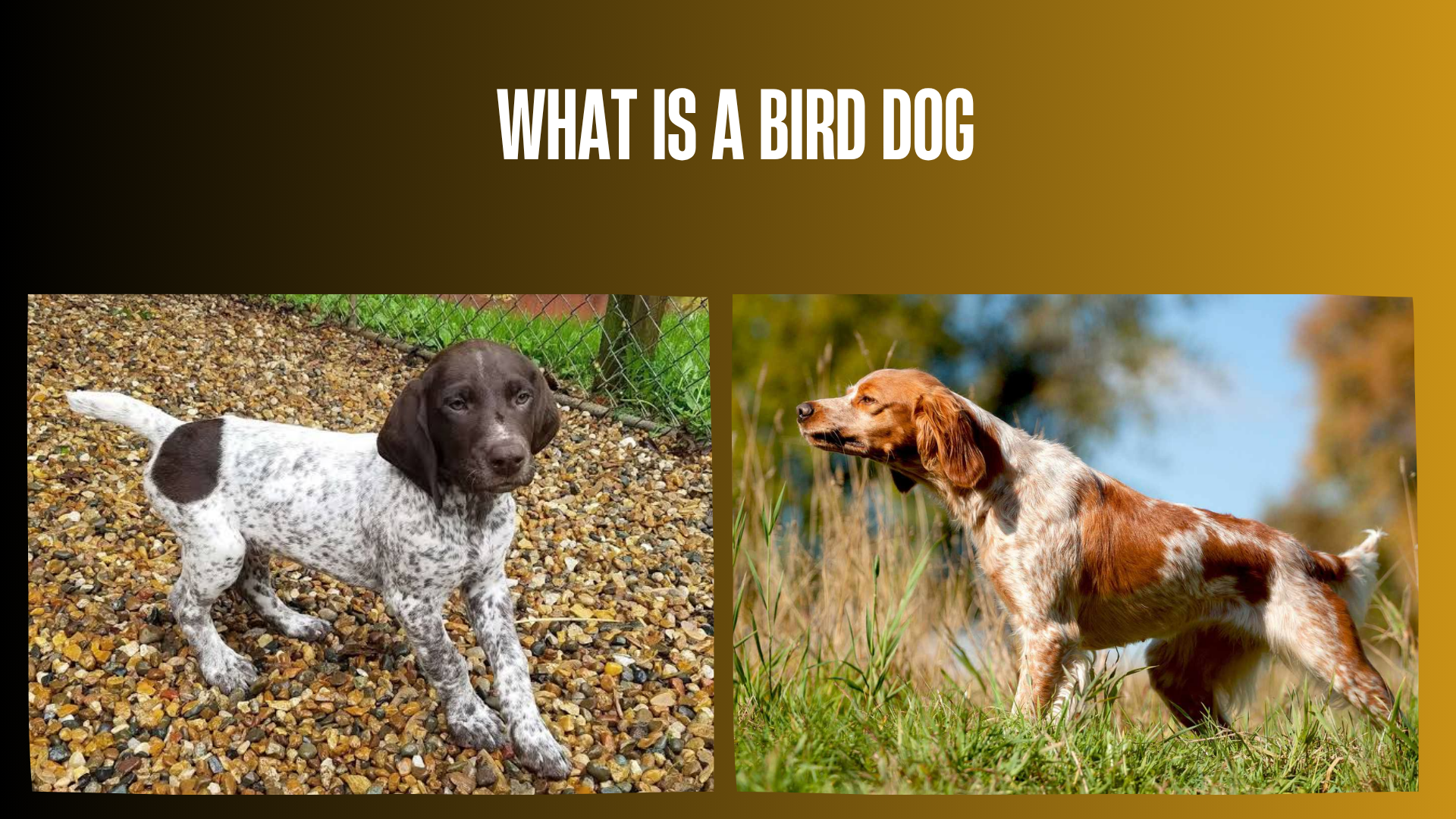

If you are new to upland or waterfowl hunting, you may wonder, what is a bird dog? A bird dog is a dog bred or trained to help locate game birds and, depending on its role, point, flush, track, or retrieve them. The term describes a working purpose rather than one specific breed.
Pointing dogs, flushing dogs, and retrievers are the three broad groups most people mean by bird dogs. Some versatile breeds perform several jobs. Breed tendencies matter, but each dog is an individual whose field ability depends on genetics, temperament, health, socialization, training, experience, and the handler’s skill.
Quick Answer: What Is a Bird Dog?
A bird dog is a hunting companion that helps a hunter find and recover game birds. A pointer or setter locates scent and holds a point, a flushing dog searches within workable range and puts birds into flight, and a retriever marks fallen birds and brings them back. Bird dogs may work in upland fields, forests, marshes, or open water depending on breed, training, and conditions. Responsible use requires positive, humane training, obedience, veterinary care, conditioning, legal compliance, and careful firearm handling around the dog.
Bird Dogs at a Glance
| Bird Dog Type | Primary Job | Common Setting | Handler Priority |
|---|---|---|---|
| Pointing dog | Find scent and indicate a bird’s location by holding point | Upland grass, brush, agricultural cover, or open country | Range, recall, steadiness, and cooperation |
| Flushing dog | Search cover and push birds into flight | Dense upland cover, field edges, and wetlands | Working range, control, stop response, and retrieve |
| Retriever | Mark, locate, pick up, and return downed birds | Marshes, lakes, rivers, fields, and waterfowl blinds | Marking, delivery, water confidence, and handling |
| Versatile dog | Combine pointing, tracking, and retrieving abilities | Mixed upland and water environments | Balanced training for the owner’s actual hunting |
Important Safety, Welfare, and Legal Notice
Hunting seasons, legal species, licenses, dog-training dates, leash rules, public-land access, wildlife-area restrictions, blaze-color requirements, and the use of dogs vary by jurisdiction. Some areas restrict dogs during nesting seasons or on particular game species. Verify current rules through the wildlife agency and land manager responsible for the exact location before training or hunting.
Complete hunter education and follow the four primary firearm-safety rules:
- Treat every firearm as if it is loaded.
- Keep the muzzle pointed in a safe direction.
- Keep your finger outside the trigger guard until ready to shoot.
- Be certain of your target and what is beyond it.
Know where every dog, hunter, guide, and bystander is before mounting a shotgun. Do not take low shots near a dog, shoot toward thick cover without a positively identified legal bird and safe background, or swing across another member of the party. A mechanical safety does not make an unsafe muzzle direction acceptable.
A working dog’s welfare comes before retrieving a bird or finishing a hunt. Use veterinary guidance for conditioning, vaccinations, parasite prevention, nutrition, injuries, heat, cold, water exposure, and travel. Stop when the dog shows distress, lameness, disorientation, abnormal breathing, loss of coordination, or another concerning change.
What Is a Bird Dog, Exactly?
“Bird dog” is an informal umbrella term for dogs that assist in hunting birds. It often overlaps with “gun dog,” a broader traditional term for dogs that work with hunters using sporting firearms. Not every dog from a bird-dog breed is trained for hunting, and not every capable hunting dog fits neatly into one category.
The American Kennel Club’s Sporting Group includes retrievers, pointing dogs, setters, and spaniels developed for work involving feathered game. Its spaniel hunting-test overview explains that flushing breeds are expected to hunt, find game, flush, and retrieve in simulated hunting situations.
A useful bird dog works as part of a team. It does not simply chase birds. The dog searches in a pattern suited to the habitat, responds to the handler, and performs its role without creating unsafe or unethical situations. Reliable recall and control are essential even when scent, excitement, water, wildlife, or another dog becomes distracting.
The Three Main Types of Bird Dogs
Pointing dogs
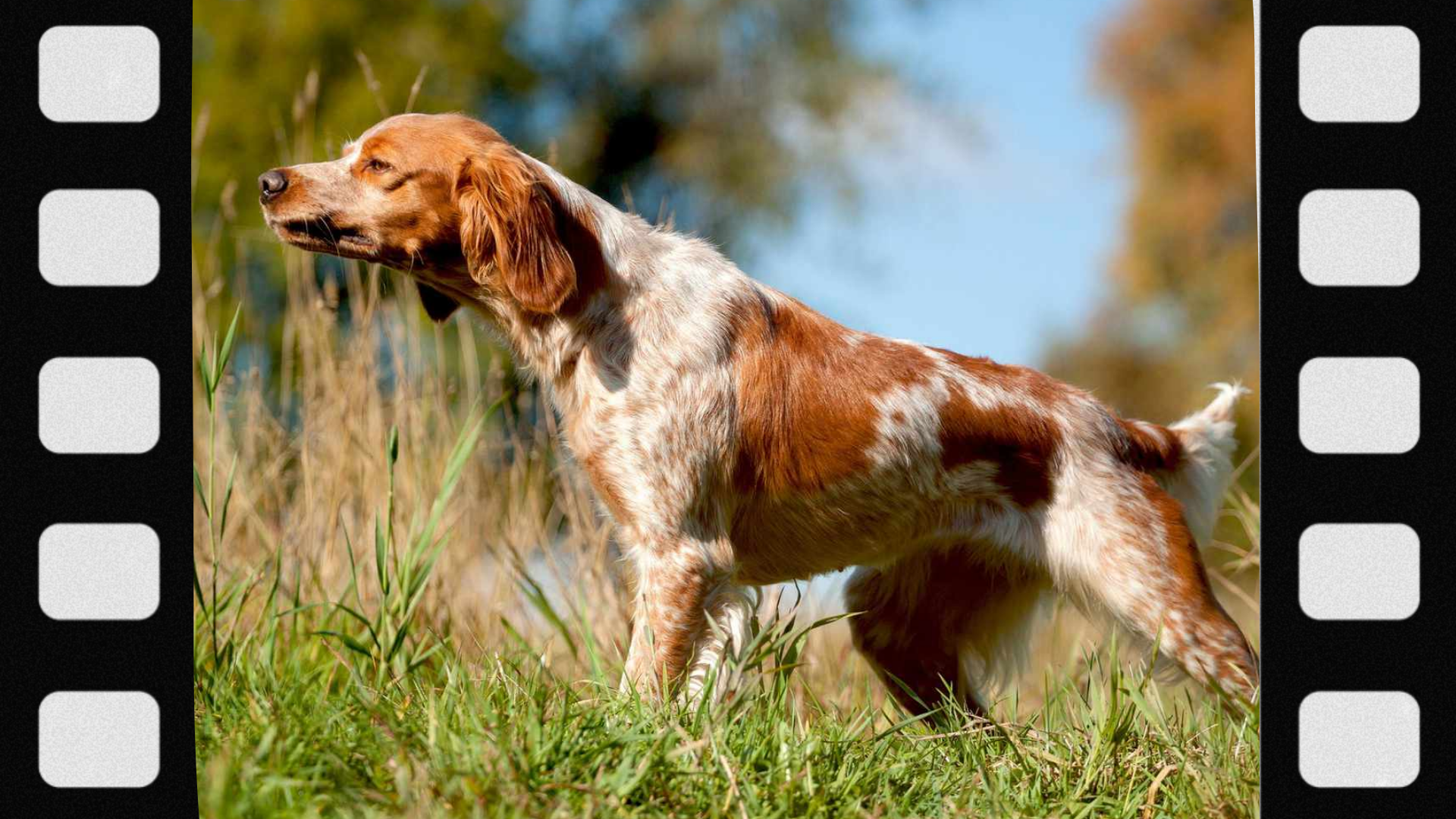
A pointing dog searches for bird scent and, when it locates likely game, stops in a characteristic stance that indicates direction. The pause gives the hunter time to approach, identify the bird when it flushes, and decide whether a safe legal shot exists. Depending on training and tradition, the dog may remain steady through flush and shot or perform another controlled sequence.
Pointers and setters can cover open country efficiently, while some continental breeds are valued for versatile work. Range differs among breeds, lines, individual dogs, habitat, and training. A wide-ranging dog is not automatically better; the dog must remain cooperative and suited to the hunter’s visibility, mobility, and terrain.
Flushing dogs
A flushing dog searches cover close enough for the hunter to respond when a bird takes flight. Rather than holding a point, it moves in and causes the bird to flush. Spaniels are strongly associated with this style, although individuals and other breeds may perform flushing work.
Control of range is central. A dog that puts birds into flight beyond a responsible shot opportunity is not helping the team. The handler develops recall, directional cooperation, and a reliable stop or sit response through gradual, humane training.
Retrievers
A retriever watches for a falling bird, remembers the fall area, enters appropriate cover or water, finds the bird, and returns it. When the dog did not see the fall, a handler may direct a trained dog toward the area. Retrievers are closely associated with duck and goose hunting but also recover upland birds.
Water retrieves add hazards such as cold, current, waves, ice, submerged objects, boats, and long swims. A dog’s enthusiasm does not prove that conditions are safe. The handler must evaluate the environment and decline a retrieve when the risk is unacceptable.
What Does a Bird Dog Do During a Hunt?
- Searches appropriate cover. The dog uses scent and experience to locate likely birds while remaining under control.
- Communicates the find. A pointing dog holds point; a flushing dog’s body language and movement may signal scent; a retriever marks flight and fall.
- Allows positive identification. The hunter identifies the species and confirms a safe background before deciding whether to shoot.
- Responds to commands. Recall, stop, steadiness, or position cues keep the dog from chasing dangerously or interfering with other hunters.
- Helps recover game. A trained dog searches for downed birds and returns them with minimal damage.
- Returns to a controlled position. The dog remains safe while the hunting party unloads, crosses obstacles, enters a vehicle, or changes location.
The exact sequence varies with dog type, training system, bird species, habitat, and local practice. A beginner should work with an experienced ethical mentor or qualified trainer instead of expecting a dog to understand the full job naturally.
Pointing vs. Flushing vs. Retrieving
| Question | Pointing Dog | Flushing Dog | Retriever |
|---|---|---|---|
| How is a bird located? | Dog follows airborne or ground scent and indicates the location | Dog quarters through cover near the hunter | Dog watches falls or searches a directed area |
| What happens before flight? | Dog commonly holds point | Dog causes the bird to flush | Dog often waits beside the hunter |
| Typical range | Close to wide, depending on terrain and breeding | Usually maintained within practical shooting distance | At heel, in a blind, or at a designated position until sent |
| Common strength | Efficiently locating dispersed upland birds | Working dense cover in cooperation with a walking hunter | Marking and recovering birds on land or water |
| Important training | Recall, pointing steadiness, honoring, and retrieve | Range, stop response, recall, and retrieve | Steadiness, marking, delivery, handling, and water safety |
These categories describe common work, not rigid limits. Many pointing dogs retrieve, many retrievers flush upland birds, and versatile dogs may point, track, and retrieve. The best role is the one the individual dog can perform safely and reliably for the owner’s lawful hunting.
Upland Bird Dogs vs. Waterfowl Dogs
Upland hunting often involves walking through grass, brush, forest, agricultural edges, or open country for birds such as pheasant, quail, grouse, woodcock, or partridge. The dog may point or flush and then retrieve. Coat, range, foot durability, heat tolerance, and the ability to navigate dense cover can matter.
Waterfowl work commonly involves waiting quietly in a blind or boat, marking birds, entering cold water, negotiating marsh vegetation, and returning through current or waves. Steadiness and water confidence are essential. A protective coat can help in cold conditions but does not eliminate hypothermia risk.
Some hunters need one dog for both environments. Versatility is useful, but compromises remain. A dog comfortable in open uplands may need gradual exposure to boats, blinds, decoys, and water, while a waterfowl retriever may require separate training to quarter within range in upland cover.
Common Bird Dog Breeds by Working Style
The examples below are not a ranking, and breed name alone cannot predict an individual dog. Working lines, show lines, breeders, early development, health, and training can create substantial differences within a breed.
| Working Style | Common Examples | Traits to Discuss With a Breeder or Rescue |
|---|---|---|
| Pointing and setting | English Pointer, English Setter, Brittany, German Shorthaired Pointer, Vizsla | Range, cooperation, coat, energy, retrieve tendency, and climate fit |
| Versatile pointing | German Wirehaired Pointer, Wirehaired Pointing Griffon, Weimaraner, Small Münsterländer | Water work, tracking, coat care, temperament, and training goals |
| Flushing | English Springer Spaniel, English Cocker Spaniel, Boykin Spaniel | Working range, energy, grooming, retrieve, and water ability |
| Retrieving | Labrador Retriever, Golden Retriever, Chesapeake Bay Retriever, Flat-Coated Retriever | Marking, water confidence, coat, size, drive, and household temperament |
Mixed-breed dogs can also hunt successfully when they have suitable physical ability, prey interest, cooperation, health, and training. Registration papers do not replace a veterinary assessment, responsible sourcing, or realistic evaluation of the dog in front of you.
How to Choose the Right Bird Dog
Start with the birds and habitat
Choose for the hunting you actually do. A dog expected to search western grasslands faces different demands from one working tight grouse cover or cold coastal marshes. Consider terrain, vegetation, typical weather, water, travel, and the number of days you hunt.
Match range to the handler
Some dogs naturally search far ahead; others work close. Visibility, physical mobility, training experience, and hunting style determine what is manageable. Do not select a wide-ranging dog because it appears impressive if you cannot maintain safe cooperation.
Consider climate and coat
Dense or water-resistant coats may help in cold, wet environments but can collect burrs and require grooming. Short coats may be easier to inspect but offer less protection in thorns or cold water. No coat makes a dog immune to heat, cold, cuts, or ice.
Evaluate household life
A bird dog spends far more time at home than in the field. Ask about energy, sociability, noise, trainability, size, grooming, separation tolerance, children, other pets, and exercise needs. A talented hunting dog that does not fit the household is not a responsible choice.
Research health
Breed-specific risks can involve hips, elbows, eyes, heart, joints, skin, ears, or inherited disease. Ask a veterinarian and breed organization which health tests apply. Verify actual results rather than accepting vague claims that a line is “healthy.”
Meet dogs from the line
When possible, observe adult relatives at home and in the field. Ask how they respond to pressure, strangers, other dogs, water, cover, and recovery after work. Ethical breeders and rescues should ask questions about your household and expectations too.
What Makes a Good Bird Dog?
A useful bird dog combines natural ability with cooperation and emotional stability. Important qualities may include:
- Interest in searching for birds without uncontrolled chasing
- Ability to use scent and adapt to changing conditions
- Reliable recall and response around distractions
- Willingness to work with rather than independently of the handler
- Physical soundness and conditioning for the terrain
- Confidence without reckless behavior
- Recovery after excitement, noise, or a difficult task
- A retrieve or pointing tendency suited to the intended job
- A temperament compatible with ordinary family life
Not every puppy shows these traits at the same age. Development is uneven, and harsh comparisons can damage training. Judge progress over time with help from an experienced trainer and veterinarian.
Basic Bird Dog Training Stages
Relationship and socialization
Build trust through predictable care, gentle exposure, play, and age-appropriate experiences. Socialization should not mean overwhelming a puppy. Introduce surfaces, travel, people, dogs, water, cover, and new environments gradually while protecting health.
Foundational obedience
Name response, recall, leash skills, waiting, place or kennel behavior, and a stop cue support field safety. Train in low-distraction settings before adding distance, birds, water, or other dogs. Reward the behavior you want and keep sessions short enough for success.
Bird introduction
Bird exposure should be humane, legal, age-appropriate, and designed to build interest without encouraging uncontrolled pursuit. Rules for possessing or using live birds differ. Work with a qualified trainer or organized club that follows animal-welfare and wildlife regulations.
Sound and firearm introduction
Never surprise a dog with close gunfire to see how it reacts. A careless introduction can create lasting fear. Sound conditioning should be gradual, positive, and supervised by an experienced professional, with the dog’s emotional response guiding progress. Firearms should be handled only in a lawful shooting area under strict safety rules.
Role-specific skills
Pointing dogs develop search, steadiness, honoring, and retrieve; flushers develop controlled range, flush, stop, and retrieve; retrievers develop steadiness, marking, delivery, and directional handling. Sequence and terminology vary among training systems.
Realistic field preparation
Gradually add terrain, vegetation, weather, other dogs, decoys, boats, blinds, and longer duration. A training field cannot reproduce every hunting hazard. Stop before fatigue causes poor decisions and end on an achievable task.
Why Positive, Humane Training Matters
A bird dog learns best when the handler clearly communicates desired behavior, controls difficulty, rewards success, and avoids creating fear or confusion. Humane training is not the absence of structure. It includes consistent boundaries, management, appropriate reinforcement, and fair expectations.
Equipment cannot replace timing and knowledge. Misused collars, check cords, launchers, whistles, or retrieving aids can frighten or injure a dog. Learn any tool from a qualified professional, fit it correctly, follow manufacturer directions, and discontinue use if it causes distress or physical harm.
Do not punish a dog for failing a task it has not been taught. Reduce distance, distraction, duration, or complexity and rebuild the behavior. Veterinary pain, hearing problems, heat, fatigue, or injury can also appear as disobedience.
Bird Dog Health and Conditioning
Schedule a veterinary examination before a demanding season. Discuss vaccinations, heartworm and parasite prevention, tick-borne disease, weight, joints, paw condition, ear health, travel, local wildlife disease, and emergency planning. The CDC guidance for dog owners recommends discussing tick prevention and diseases in the local area with a veterinarian.
Condition progressively over weeks or months. Weekend intensity cannot safely replace regular fitness. Build duration, terrain, and weather exposure gradually, and include recovery. Keep nails maintained, inspect pads, and manage body condition with veterinary guidance.
Carry clean drinking water for the dog. Do not rely on ponds, marshes, or livestock tanks, which may contain pathogens, harmful algae, chemicals, or salt. The American Veterinary Medical Association outdoor-animal guidance advises against drinking untreated water and highlights disease precautions for animals outdoors.
Field Safety for Bird Dogs
Heat
Warm weather, humidity, heavy cover, excitement, poor acclimatization, and intense running can contribute to heat illness. Provide frequent water and rest, select cooler times, and shorten the hunt. Heavy or abnormal panting, weakness, vomiting, confusion, collapse, or poor coordination requires immediate action and urgent veterinary guidance.
Cold and water
Cold water removes heat quickly. Wind and wet coats add risk. Use a protected resting place, dry the dog, monitor behavior, and avoid long swims, current, waves, or ice. A vest may add protection when correctly fitted but can snag and does not make unsafe water safe.
Paws, eyes, and ears
Check the dog throughout the day for cuts, seeds, burrs, thorns, ice, burns, cracked pads, and foreign material. Flush eyes only with veterinarian-approved supplies and seek care for squinting, cloudiness, bleeding, or persistent irritation. Dry and inspect ears after water work.
Wildlife and hazards
Snakes, porcupines, traps, toxic plants, roads, fences, wire, cliffs, thin ice, current, and aggressive wildlife may be present. Learn local hazards, keep the dog under control, and carry contact information for nearby veterinary care. Do not attempt risky field treatment beyond your training.
Visibility and identification
A high-visibility collar or vest can help locate a dog, subject to snagging and fit considerations. Identification tags and a registered microchip improve the chance of recovery if the dog is lost. Electronic tracking may be restricted on some lands or hunts, so verify current rules.
Essential Bird Dog Gear
| Item | Purpose | What to Check |
|---|---|---|
| Flat collar and identification | Basic control and owner contact | Fit, legibility, snag risk, and current phone number |
| Leash and long line | Safe handling and progressive recall training | Material, length, condition, and trainer guidance |
| Water and collapsible bowl | Reliable hydration | Capacity for weather, duration, and dog size |
| Canine first-aid kit | Initial response before veterinary care | Veterinarian-approved contents and handler training |
| High-visibility gear | Improve visibility in cover | Fit, heat, chafing, snagging, and local conditions |
| Protective vest | Selected protection from cold or abrasion | Correct purpose, fit, mobility, drainage, and snag hazards |
| Crate or vehicle restraint | Safer transport and controlled rest | Ventilation, temperature, crash protection, and secure installation |
| Navigation or tracking aid | Locate dog or record route | Legality, battery, coverage, fit, and backup plan |
You do not need the most expensive equipment to hunt responsibly. Choose gear based on the species, terrain, weather, local regulations, fit, safety, reliability, maintenance requirements, and your actual experience.
What to Expect on a Bird Dog’s First Hunt
A first hunt should be short, controlled, and chosen for the dog—not designed to maximize the hunter’s bag. Use familiar commands and equipment, avoid a large unfamiliar group, and select terrain and weather within the dog’s conditioning. Confirm an emergency veterinary plan before leaving.
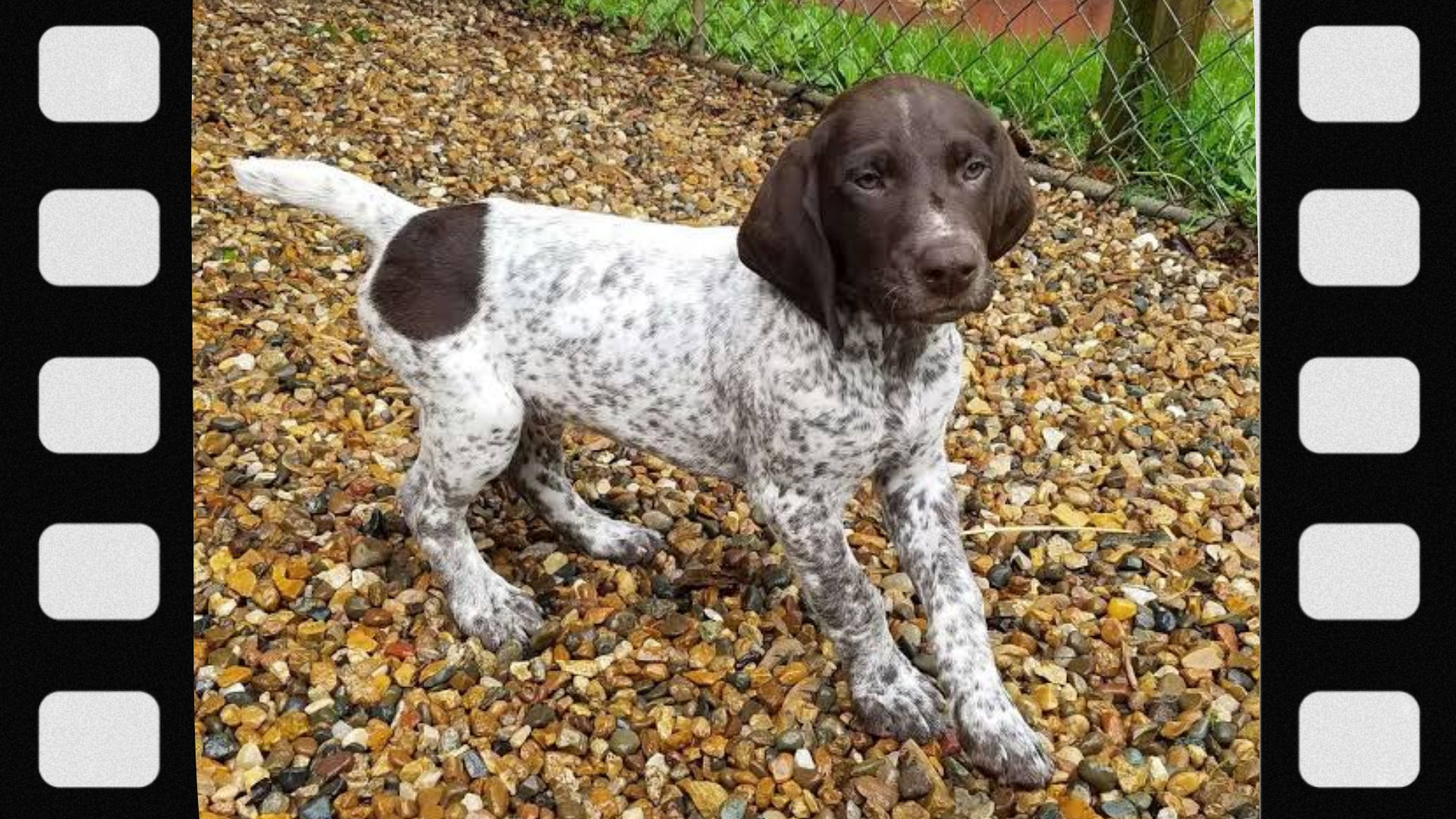
The dog may range differently, become distracted, miss birds, break steadiness, or tire sooner than expected. Training performance does not transfer perfectly to a real hunt. Lower the difficulty, reinforce safe behavior, and end before the dog becomes exhausted or overwhelmed.
Every hunter in the party should understand how the dog works. Establish zones of fire, the dog’s expected range, who will give commands, and when nobody will shoot. If communication breaks down, unload safely and reset the group.
Common Bird Dog Training Mistakes
- Expecting instinct to replace training: Natural interest does not create recall, steadiness, or safe cooperation.
- Introducing gunfire too quickly: Sudden close sound can cause fear that is difficult to reverse.
- Adding too much difficulty: Distance, birds, water, other dogs, and duration should not all increase at once.
- Training only before the season: Skills and fitness need consistent maintenance.
- Punishing confusion: Break the task into smaller steps and check whether pain, fatigue, or fear is involved.
- Choosing by appearance: Coat color or popularity says little about fit for the household and hunting.
- Ignoring recall around wildlife: A distracted dog can reach roads, livestock, hazards, or private land.
- Skipping veterinary preparation: Preventive care and conditioning are part of training readiness.
- Working through heat or lameness: Drive can mask distress; the handler must stop the session.
- Comparing dogs unfairly: Breed, maturity, experience, and individual development differ.
What Not to Do With a Bird Dog
- Do not fire near a dog without a careful, professional sound-conditioning process.
- Do not take a low shot when a dog or person may be near the line of fire.
- Do not send a dog into unsafe current, waves, ice, heat, traffic, or hazardous cover.
- Do not withhold water to reduce bathroom breaks or force a dog to continue when tired.
- Do not use live birds unlawfully or treat training birds inhumanely.
- Do not trespass because a dog crossed a boundary or a bird fell on private land.
- Do not give human pain medicine or another drug without veterinary direction.
- Do not leave a dog unattended in a vehicle where temperature or ventilation is unsafe.
- Do not depend on electronic equipment instead of teaching recall and cooperation.
- Do not breed a dog without appropriate health testing, temperament evaluation, and a responsible plan for every puppy.
Final Answer: What Is a Bird Dog?
What is a bird dog? It is a dog bred or trained to help locate and recover game birds. Pointing dogs indicate hidden birds, flushing dogs put birds into flight within a controlled range, and retrievers mark and return downed birds; versatile dogs may combine these roles.
The right bird dog is not simply the most popular breed. It is a healthy, well-matched individual whose temperament, range, coat, energy, and working style fit the owner’s birds, habitat, climate, household, and training ability. Use humane training, qualified guidance, veterinary care, safe firearm handling, and current wildlife regulations throughout the dog’s working life.
FAQs
1. What does bird dog mean?
It means a dog that helps hunters locate or recover game birds. The term includes pointing dogs, flushing dogs, retrievers, and some versatile breeds.
2. Is a bird dog one specific breed?
No. Bird dog describes a working role. Many breeds and some mixed-breed dogs can perform bird-hunting tasks with suitable ability and training.
3. Is a bird dog the same as a gun dog?
The terms often overlap. “Gun dog” is a traditional broad category for hunting dogs that work with sporting firearms, while “bird dog” emphasizes feathered game.
4. What are the main types of bird dogs?
The three broad types are pointing dogs, flushing dogs, and retrievers. Some versatile dogs point, track, and retrieve in multiple environments.
5. What does a pointing dog do?
It searches for bird scent and pauses in a pointing stance to indicate the likely location, allowing the hunter to approach and identify the flush.
6. What does a flushing dog do?
It searches near the hunter and causes birds to leave cover. Training keeps the dog within a safe, useful range and responsive to commands.
7. What does a retriever do?
It marks where a bird falls, searches the area, picks up the bird, and returns it. Trained retrievers can also follow handler directions to an unseen fall.
8. Can one bird dog point and retrieve?
Yes. Many pointing and versatile breeds retrieve, and individual dogs may perform several tasks. Ability depends on genetics, training, and experience.
9. Can retrievers hunt upland birds?
Yes. Some retrievers work as close-ranging flushers and retrieve pheasant, grouse, quail, or other upland birds after appropriate training.
10. What is the easiest bird dog for a beginner?
No breed is easiest for everyone. Match energy, range, trainability, coat, size, temperament, household needs, and local hunting to the owner’s experience.
11. Are bird dogs good family pets?
Many can be excellent companions when their exercise, training, social, grooming, and mental needs are met. Individual temperament matters more than a simple breed label.
12. Do bird dogs need a lot of exercise?
Most working lines need substantial physical activity and mental work. Requirements vary with age, health, breed, individual energy, and season.
13. Can any dog become a bird dog?
Many dogs can learn useful tasks, but not every dog has the scenting, prey interest, physical ability, temperament, or cooperation needed for field work.
14. When should bird dog training begin?
Gentle relationship-building and socialization begin early, while formal tasks should be age-appropriate. A veterinarian and qualified trainer can guide timing for the individual puppy.
15. How long does it take to train a bird dog?
Training is an ongoing process rather than a fixed course. Basic reliability may take months, while advanced steadiness, handling, and field judgment develop over seasons.
16. Do bird dogs naturally know how to hunt?
They may inherit search, point, flush, retrieve, or prey tendencies, but safe cooperation, recall, steadiness, and field manners require development and training.
17. How should a bird dog be introduced to gunfire?
Gradually and positively under experienced supervision. Never test a dog with sudden close gunfire, which can create lasting sound fear.
18. Do bird dogs need professional training?
Not always, but a qualified trainer or club can help owners avoid major mistakes, especially with bird introduction, sound conditioning, steadiness, and water work.
19. What commands should a bird dog know?
Reliable recall, waiting, leash control, kennel or place behavior, and a stop response are useful foundations. Role-specific commands vary by training system.
20. How do I keep a bird dog safe in hot weather?
Condition gradually, hunt during cooler periods, provide clean water and shade, schedule frequent rest, and stop immediately for abnormal panting, weakness, confusion, or poor coordination.
21. Does a bird dog need a protective vest?
It depends on cold, water, abrasion, visibility, and cover. The vest must fit correctly without restricting movement, trapping excess heat, or creating a snag hazard.
22. Can a bird dog drink from a pond or marsh?
It is safer to carry clean water. Natural sources may contain harmful algae, pathogens, salt, chemicals, or parasites even when they look clear.
23. What health testing should a bird dog have?
Testing depends on breed and line and may involve hips, elbows, eyes, heart, or inherited disease. Ask a veterinarian and relevant breed organization for current recommendations.
24. Are electronic collars required for bird dogs?
No. They are training tools, not substitutes for teaching or cooperation, and misuse can cause fear or injury. Seek qualified guidance and check local rules.
25. What is the most important quality in a bird dog?
Safe cooperation is more important than style or speed. A useful dog remains responsive, physically capable, emotionally sound, and suited to the handler’s real hunting and home life.
Read more: