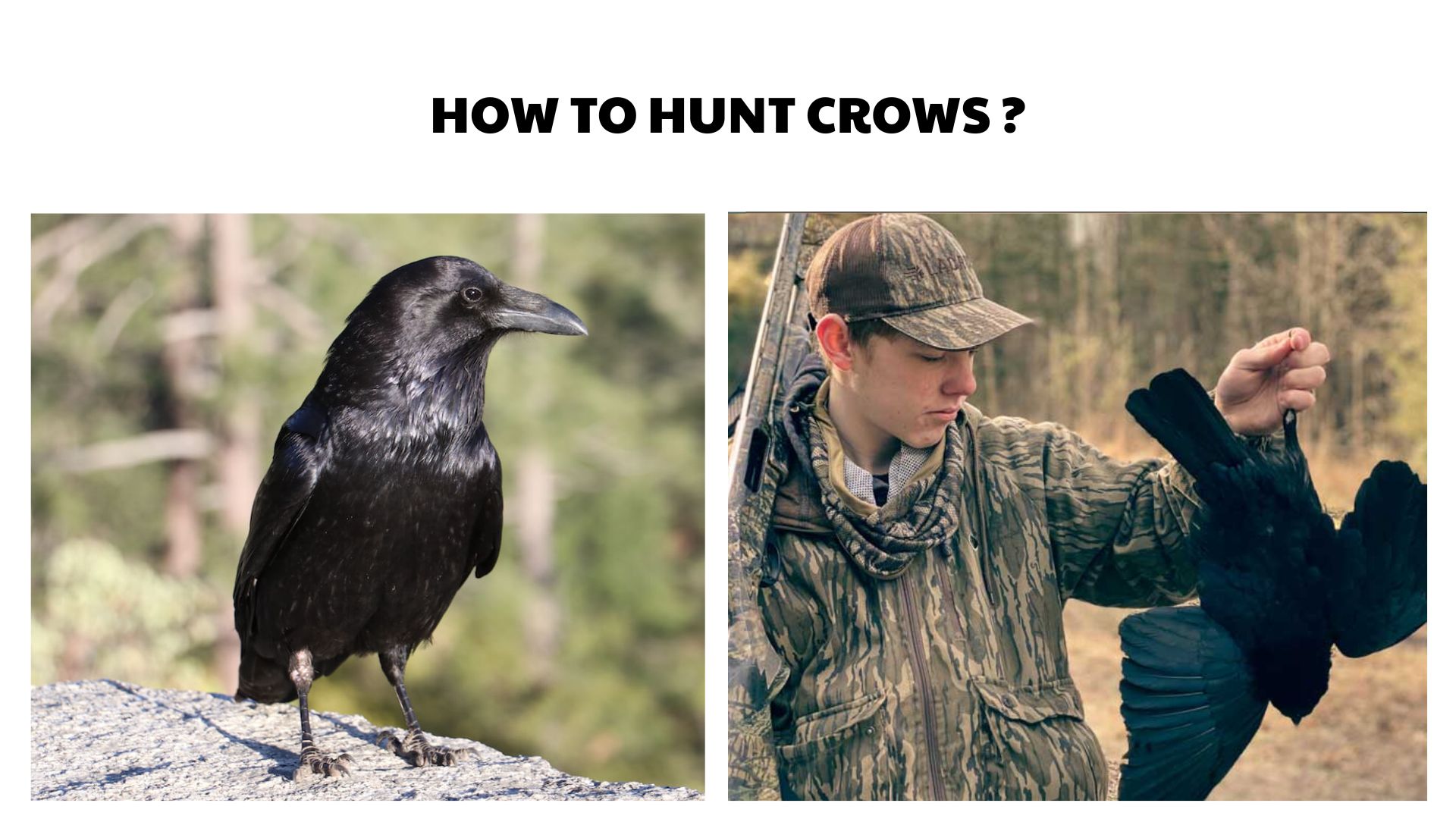

Crow hunting is different from hunting deer, turkey, or large game. Crows are intelligent, sharp-eyed, vocal birds that quickly notice unusual movement, poor concealment, and unsafe field behavior. A beginner who wants to learn how to hunt crows needs more than a call and a shotgun. The real foundation is legal preparation, safe shooting decisions, good scouting, respectful land access, and an understanding of how crows move, feed, and react to pressure.
This guide is written for beginners who want a responsible field plan. You will learn how crow hunting generally works, what regulations to check before going, how to scout feeding and roosting areas, how to set up safely, what gear is useful, what mistakes to avoid, and how to improve without reckless or illegal practices.
Because crow laws can be highly specific, never treat any general article as a substitute for your official wildlife agency regulations. In the United States, crows are federally regulated migratory birds, and state rules control details such as seasons, legal methods, bag limits, land access, reporting, and transport. Outside the United States, crow species and legal protections may be completely different.
Quick Answer
To learn how to hunt crows, first verify that crow hunting is legal in your area and check the current license, season, legal method, bag limit, land access, and reporting rules. Then scout areas where crows naturally feed, travel, or gather, such as agricultural fields, woodlots, pasture edges, tree lines, and legal public or private land access points. Set up with safe visibility, solid concealment, a legal firearm, bow, or falconry method where allowed, and only take shots that are clearly legal, safe, and ethical. With practice, patience, and careful regulation checks, beginners can learn crow behavior and improve their field judgment without unsafe or unlawful hunting.
What Readers Usually Want to Know About Crow Hunting
Most people searching for “how to hunt crows” are trying to understand whether crow hunting is legal, what equipment is needed, where to find crows, whether calls and decoys help, and how to avoid beginner mistakes. They may also wonder why crows are hunted, whether crow hunting helps with agricultural damage in some places, and what safety concerns are unique to shooting at small, fast-moving birds.
This article focuses on practical beginner education. It does not promise success, does not replace official regulations, and does not encourage nuisance control, depredation activity, or hunting outside the law. Crow hunting requires careful identification, legal timing, safe shot angles, permission, and respect for wildlife.
Legal, Safety, and Permission Rules to Check First
Before hunting crows, verify the current rules with your official wildlife agency. In the United States, the U.S. Fish and Wildlife Service explains that the Migratory Bird Treaty Act protects many migratory birds, and federal crow-hunting rules are listed under 50 CFR § 20.133. State wildlife agencies then set specific crow seasons, legal methods, bag limits, and other requirements within federal limits.
Do not assume that crow hunting is open year-round. Do not assume that every black bird is a legal crow. Do not assume that depredation or nuisance rules apply to recreational hunters. Always confirm your exact location, species, season, method, and land access before going into the field.
- Hunting license and permits: Check whether you need a small game license, migratory bird registration, special permit, hunter education certificate, or other document.
- Tags or harvest reporting: Some places may require reporting or recordkeeping. Follow the current rule exactly.
- Legal season and legal hours: Crow seasons and hunting days may be limited. Legal shooting hours vary by location.
- Legal weapons and ammunition: Confirm whether firearms, bow and arrow, falconry, shotgun shot size, nontoxic shot, or other rules apply.
- Public land or private land access: Verify boundaries, access points, parking rules, closed areas, and written permission for private property.
- Required clothing or visibility rules: Some areas require hunter orange during certain seasons or on certain lands.
- Safe firearm or bow handling: Treat every firearm as loaded, keep the muzzle pointed in a safe direction, and know your target and what is beyond it.
- Weather, navigation, and emergency planning: Carry water, first aid, communication, and a plan for leaving the area safely.
Understanding Crow Behavior, Habitat, and Sign
Crows are highly alert birds that survive by noticing danger early. They often travel in groups, communicate with loud calls, and use trees, open fields, pasture edges, roadsides, farm areas, river bottoms, woodlots, and urban-edge habitat. The species most hunters in North America think of is the American crow, but local identification matters because ravens and other black birds may be protected differently or may not be legal targets.
Crows commonly feed on insects, seeds, grain, fruit, carrion, discarded food, and other natural or human-associated food sources. They may gather near crop fields, livestock areas, wooded roosts, creek corridors, and edges where they can watch for danger. Their movement often changes with food availability, weather, season, and hunting pressure.
For a beginner, the key is not to chase every crow you see. Instead, learn the pattern. Watch where birds fly in the morning, where they feed during the day, where they perch, and how they react to people, vehicles, dogs, and unusual sounds. Good scouting helps you choose a legal and safe setup before the hunt begins.
| Crow Sign or Pattern | What It May Suggest | Beginner Field Note |
|---|---|---|
| Repeated morning flights over the same tree line | A travel route between roosting and feeding areas | Observe from a distance before choosing a setup. |
| Groups feeding in crop fields or pasture edges | A food source that may attract birds regularly | Get landowner permission and check legal hunting rules first. |
| Loud calling from tall trees | Birds are communicating, gathering, or warning each other | Use extra concealment because crows may already be alert. |
| Birds leaving quickly when a vehicle stops | They are pressured or wary of human patterns | Park away from the setup and walk in quietly where legal. |
| Crows circling but not committing to an area | They may see movement, poor concealment, or something unnatural | Reduce movement and review your setup location. |
Beginner Crow Hunting Checklist
You do not need the most expensive equipment to start learning crow hunting. You need legal gear, safe field habits, reliable identification, and a setup that fits your terrain and regulations.
- Current hunting license, permits, migratory bird requirements, and regulation knowledge
- Written private land permission or confirmed public land access
- Legal hunting method allowed in your area
- Hunter orange or required visibility clothing when applicable
- Weather-appropriate clothing that helps you stay still and comfortable
- Durable boots for fields, mud, pasture edges, ditches, or woodland access
- Eye and ear protection for firearm use
- Binoculars for identifying birds, checking safe zones, and observing movement
- Map, compass, GPS, or a trusted hunting app with property boundaries
- First aid kit, water, snacks, and emergency communication
- Legal calls or decoys if allowed and appropriate
- Small pack for extra layers, gloves, regulation notes, and basic tools
- Gloves, bags, cooler, or disposal supplies if local rules require specific handling after harvest
How to Hunt Crows Safely: A Practical Beginner Field Plan
Step 1: Confirm That Crow Hunting Is Legal Where You Plan to Hunt
Start with regulations, not gear. Check your official wildlife agency website or printed regulation guide. Confirm the species, season dates, legal hunting days, legal hours, legal methods, bag limits, ammunition rules, land access rules, and transport requirements.
If you are in the United States, remember that federal rules and state rules both matter. If you are outside the United States, crow species may be protected differently, and recreational hunting may not be allowed at all. When in doubt, contact the wildlife agency before hunting.
Step 2: Learn to Identify Crows Clearly
Correct identification is essential. Do not shoot at a dark bird, a distant bird, or a moving shape unless you are certain it is a legal crow species in your area. Ravens, blackbirds, grackles, vultures, and other birds may be present in the same landscape and may have different legal protections.
Use binoculars during scouting. Study size, wing shape, flight style, voice, flock behavior, and local species descriptions from official wildlife or bird identification resources.
Step 3: Choose Legal Land Access
Crow hunting often happens around farms, fields, woodlots, pasture edges, and open country. That makes permission especially important. Do not cross fences, drive field roads, open gates, or set up near livestock without clear permission.
For public land, review maps carefully. Some areas may allow small game hunting, while nearby refuges, parks, trails, buildings, or safety zones may be closed. Keep respectful distance from homes, roads, vehicles, livestock, and other people.
Step 4: Scout Before You Carry a Firearm
Spend time observing crows before hunting. Watch morning flight lines, feeding spots, perching trees, and areas where birds gather. Note wind direction, parking options, safe walking routes, and potential backstops or unsafe directions.
Scouting helps you avoid random movement. Crows are quick to notice people who walk directly toward them. A careful scouting trip can teach you more than several rushed hunts.
Step 5: Build a Safe Setup Plan
A good crow setup gives you concealment, visibility, and a safe zone of fire. Choose a place where you can sit or stand still, see approaching birds, and avoid shooting toward roads, houses, barns, livestock, equipment, trails, or other hunters.
Remember that small shot can still travel and cause injury or damage. Never shoot at low birds with unsafe backgrounds. Never shoot toward water, hard surfaces, buildings, or unclear movement.
Step 6: Use Calls or Decoys Only Where Legal and Sensible
In some areas, hunters use crow calls or decoys to attract attention. Before using them, verify that electronic calls, mouth calls, decoys, or other attractants are legal on the land and during the season you are hunting.
Keep calling realistic and patient. Too much calling, poor concealment, or unnatural decoy placement can educate birds quickly. If crows circle and leave, they may have seen you move or noticed something unnatural.
Step 7: Plan for Wind, Weather, and Entry Route
Crows rely heavily on vision, but wind and weather still matter. Wind affects bird flight, sound direction, your comfort, and safe shooting angles. Rain, fog, high wind, or poor light can make identification and shooting less safe.
Enter quietly and avoid walking across open feeding areas if you can choose a better legal route. Park away from the setup when practical and safe. Keep your movement low and deliberate.
Step 8: Stay Still and Watch More Than You Move
Beginners often move too much. Crows notice head turns, raised hands, shiny objects, and sudden body movement. Once you are set up, keep your firearm pointed safely, stay calm, and scan with your eyes before moving your whole body.
If nothing happens right away, do not assume the hunt is over. Crows may approach from a different direction, circle high, land in nearby trees, or call from cover before committing.
Step 9: Take Only a Safe, Legal, and Ethical Shot Opportunity
A responsible shot requires correct species identification, legal distance from roads and buildings, a safe background, a legal method, and confidence within your practiced ability. Do not shoot at birds that are too far, too low with an unsafe background, mixed with non-target species, or moving toward people, livestock, buildings, or vehicles.
If you are not sure, pass the shot. Passing an uncertain shot is a sign of a disciplined hunter.
Step 10: Follow Recovery, Reporting, and Transport Rules
After a legal harvest, follow all local rules for retrieval, possession, transport, reporting, and disposal or use. Requirements vary. Some places may have specific rules for migratory birds, nuisance control, depredation situations, or carcass disposal.
Handle harvested birds responsibly, avoid waste where use is legal and appropriate, and keep any required records. If you are unsure what is required, contact your wildlife agency before the hunt.
Step 11: Review the Hunt and Improve Your Next Setup
After each hunt, write down what you saw. Note weather, wind, time of day, bird numbers, response to calls, land pressure, and what caused birds to approach or leave. This simple habit helps beginners improve faster than guessing.
When and Where Beginners Should Focus Their Effort
The best time and place to hunt crows depends on legal season, local bird movement, food sources, and land access. In general, beginners should focus on areas where they have observed repeatable crow activity rather than random places that simply look good.
- Time of day: Morning can be useful when birds move from roosting areas toward feeding areas. Late afternoon movement may also be noticeable in some regions.
- Season: Only hunt during the legal crow season in your area. Local bird behavior changes with nesting periods, food availability, weather, and pressure.
- Weather: Calm to moderate conditions often make calling, observation, and safe shooting easier. Poor visibility should make you more cautious.
- Wind direction: Wind affects flight paths and sound. Choose a setup that gives you safe shooting lanes and comfortable observation.
- Food sources: Crop fields, pasture edges, insects, grain, carrion, and waste areas may attract crows, but baiting and attractant rules vary and must be checked.
- Hunting pressure: Pressured crows become cautious. Avoid overusing the same spot and learn from how birds respond.
- Public land: Expect more users, more rules, and the need for extra safety awareness.
- Private land: Permission, landowner trust, gates, livestock, and cleanup matter as much as hunting skill.
Field Tips That Help Beginners Improve
- Read the regulation guide before every season, not just once in your lifetime.
- Scout with binoculars before bringing hunting gear into the field.
- Choose a setup based on safe shooting directions first and bird movement second.
- Keep your face, hands, and shiny gear concealed when legal and appropriate.
- Move slowly only when birds are not looking in your direction.
- Use calls or decoys sparingly if they are legal; crows can learn quickly.
- Do not shoot at dark birds unless you are certain of the species.
- Keep your muzzle controlled even when birds appear suddenly.
- Tell someone where you are hunting and when you expect to return.
- Respect farmers, hikers, landowners, other hunters, and nearby residents.
- Keep notes after each hunt to identify better timing and locations.
- Stop hunting if weather, visibility, or safety conditions become poor.
Common Crow Hunting Mistakes to Avoid
- Skipping regulation checks: Crow seasons, legal days, and methods can be more specific than beginners expect.
- Confusing crows with other birds: Proper identification is required before any shot.
- Assuming private land is open: Fields, woodlots, and farm roads require permission unless clearly public and legally open.
- Setting up near unsafe backgrounds: Avoid roads, homes, barns, vehicles, livestock, trails, and equipment.
- Moving too much: Crows often spot movement before beginners realize they are visible.
- Calling too aggressively: Overcalling can make birds suspicious, especially in pressured areas.
- Ignoring wind and weather: Wind changes bird approach, sound, and safe shot planning.
- Taking long, uncertain shots: Ethical hunting requires restraint and realistic skill limits.
- Failing to plan retrieval: Know how you will retrieve legally harvested birds without trespassing or entering unsafe areas.
- Leaving trash or spent shells: Responsible hunters leave land cleaner than they found it.
Troubleshooting Common Problems
| Problem | Possible Cause | What to Do |
|---|---|---|
| You are not seeing crows | Poor timing, weak scouting, wrong food source, or low local activity | Scout morning and afternoon flight lines, talk with landowners where appropriate, and move only to legal access points. |
| Crows circle but will not come close | They may see movement, poor concealment, unnatural decoys, or an unsafe setup | Stay still, improve concealment, reduce calling, and review your position from a bird’s likely view. |
| Crows leave as soon as you arrive | Your entry route is too exposed or your vehicle is too close | Park farther away where legal, walk in quietly, and avoid crossing open feeding areas. |
| You are unsure whether the bird is a crow | Distance, poor light, or similar black bird species | Do not shoot. Use binoculars and study local identification guides before hunting again. |
| Other people are nearby | Public land pressure, trails, farm activity, or shared access | Unload or keep the firearm safe as appropriate, change locations if needed, and never shoot toward people or roads. |
| The weather changes quickly | Wind, rain, fog, heat, or cold reduces safety and visibility | Pause the hunt, protect your gear, and leave if identification or safe shooting becomes difficult. |
| You cannot confirm land boundaries | Map uncertainty, poor marking, or unclear property lines | Do not hunt until boundaries are confirmed through official maps, landowner permission, or agency guidance. |
| Your gear fails in the field | Poor maintenance, dead batteries, wet equipment, or forgotten items | Stop and fix the issue safely. Do not continue with unsafe firearm, bow, navigation, or communication equipment. |
| You feel rushed or nervous | Beginner pressure, fast bird movement, or unclear shot decisions | Slow down, keep the muzzle safe, and pass shots until you feel fully in control. |
| You are unsure about reporting or transport | Regulations are unclear or different from other game species | Contact the official wildlife agency before moving or disposing of harvested birds. |
Ethical Crow Hunting and Conservation Responsibility
Ethical hunting begins before the hunt. It includes obeying seasons and limits, understanding why regulations exist, respecting wildlife, practicing with your equipment, choosing safe shots, and accepting that not every opportunity should be taken.
Crows are intelligent birds that play roles in many ecosystems. In some areas, crow hunting is managed as a legal hunting opportunity or as part of broader wildlife management. In other places, crows may be protected or hunting may be restricted. A responsible hunter does not treat any species carelessly simply because it is common or vocal.
- Respect wildlife and avoid wasteful behavior.
- Follow all seasons, limits, and legal methods.
- Pass on unsafe, uncertain, or overly difficult shots.
- Never trespass or pressure landowners.
- Pick up spent shells, trash, and gear.
- Support conservation through licenses, habitat work, and responsible participation.
- Teach beginners that restraint is part of good hunting.
When to Get More Training or Hunt With a Mentor
Beginners should seek more instruction before crow hunting if they have never handled a firearm or bow, have not completed hunter education, are unsure about local laws, cannot identify legal species confidently, do not understand property boundaries, or are not confident making safe shot decisions.
Good learning sources include official hunter education courses, state or provincial wildlife agencies, certified firearm or archery instructors, ethical mentors, local conservation groups, and reputable hunting clubs. A mentor can help you understand field safety, land access, crow identification, calling restraint, and when not to shoot.
After the Hunt: Follow-Up, Gear Care, and Learning
After the hunt, unload and store firearms or bows safely according to law and manufacturer instructions. Clean and dry your gear, remove mud from boots, store calls and decoys properly, and check clothing for damage, burrs, or moisture.
Keep a short hunting journal. Record the date, legal area, weather, wind, bird movement, calling response, land pressure, and any safety concerns. If you harvested crows, follow all legal reporting, possession, transport, use, or disposal rules. If you are unsure whether any rule applies, ask the wildlife agency rather than guessing.
Recommended Hunting Gear and Tools to Consider
You do not need expensive gear to hunt responsibly. Choose equipment based on your local laws, hunting method, terrain, weather, safety needs, skill level, and budget. No product guarantees success, and legal knowledge is more important than buying more gear.
- Legal hunting firearm, bow, or falconry method where allowed
- Eye and ear protection for firearm use
- Binoculars for safe bird identification and scouting
- Weather-appropriate clothing that allows stillness and comfort
- Required visibility clothing when applicable
- Comfortable boots for fields, woods, ditches, or pasture edges
- Legal crow call or decoys where allowed
- Map, compass, GPS, or hunting app with land boundaries
- First aid kit and emergency communication
- Water, snacks, gloves, and a small field pack
- Notebook or phone notes for scouting observations
- Cleanup bag for spent shells and trash
Final Thoughts
Learning how to hunt crows responsibly starts with regulations, identification, safety, and respect for the land. Crows are alert birds, so beginners need patience, quiet movement, careful scouting, and realistic expectations. The best hunters are not the ones who shoot at every opportunity; they are the ones who know when a shot is legal, safe, ethical, and within their ability.
Before each hunt, confirm current wildlife regulations, secure legal access, plan your setup with safe shooting directions, and prepare for weather, navigation, and communication. Crow hunting can teach valuable lessons about observation, calling discipline, field awareness, and ethical decision-making when it is done legally and responsibly.
FAQs About How to Hunt Crows
1. Is crow hunting legal?
Crow hunting may be legal in some places and prohibited or restricted in others. Always check your official wildlife agency for current season dates, legal methods, bag limits, licensing, land access, and reporting rules before hunting.
2. Do I need a license to hunt crows?
In many areas, yes. You may need a hunting license, small game license, migratory bird registration, hunter education certification, or other permit. Requirements vary by country, state, province, and land type.
3. Are crows protected birds?
In the United States, crows are federally regulated migratory birds. State rules may allow hunting during specific seasons, but hunters must follow both federal and state regulations.
4. Can I hunt crows year-round?
Do not assume crow hunting is open year-round. Many places have specific crow seasons, legal days, and legal shooting hours. Always verify current regulations before hunting.
5. What is the best time of day to hunt crows?
Morning can be productive because crows often move from roosting areas toward feeding areas. Late afternoon may also show movement in some regions. Legal shooting hours must always be followed.
6. Where should beginners look for crows?
Beginners should scout crop fields, pasture edges, tree lines, woodlots, creek corridors, legal public land openings, and private land where permission has been granted. Focus on repeated bird activity, not random sightings.
7. What do crows eat?
Crows eat a wide range of foods, including insects, seeds, grain, fruit, carrion, small animals, and human-associated food sources. Food availability often affects where they gather and travel.
8. How do I scout for crow hunting?
Watch from a distance with binoculars. Note flight lines, feeding spots, perching trees, roosting direction, time of day, wind, and how birds react to people or vehicles.
9. Do crow calls work?
Crow calls can work where they are legal and used carefully. However, overcalling or poor concealment can make crows suspicious. Always check whether electronic or mouth calls are allowed in your area.
10. Are crow decoys necessary?
Decoys are not always necessary, but they may help in some legal setups. If you use them, place them naturally and avoid relying on decoys to overcome poor scouting or unsafe setup choices.
11. What firearm is commonly used for crow hunting?
Many crow hunters use a legal shotgun where allowed, but firearm rules, ammunition restrictions, and shot size limits vary by location. Always follow local laws and manufacturer safety instructions.
12. Can I hunt crows with a bow?
Some regulations may allow bow and arrow for crows, while others may have specific restrictions. Bowhunters should practice carefully, follow broadhead safety, and only take ethical shots within their proven ability.
13. Can I use electronic calls for crows?
Electronic call rules vary. Some places allow them for crows, while others restrict electronic calls on certain lands or seasons. Confirm the current regulation before using any electronic device.
14. Can I bait crows?
Baiting laws vary widely and may be restricted or prohibited. Do not use bait, food waste, carcasses, or attractants unless your official regulations clearly allow it.
15. How important is camouflage for crow hunting?
Concealment is useful because crows have sharp vision and notice movement. You do not always need expensive camouflage, but you should reduce shine, avoid sudden movement, and blend into legal cover.
16. Do I need hunter orange for crow hunting?
Hunter orange requirements depend on the season, land type, and overlapping hunts in your area. Some places require visibility clothing during certain firearm seasons. Check your local rules.
17. Is public land good for crow hunting?
Public land can be useful if crow hunting is legal there, but it may have more hunters, hikers, closed zones, and boundary rules. Always review maps and avoid conflicts with other users.
18. How do I get private land permission for crow hunting?
Ask politely, explain your plan, respect livestock and gates, offer written contact information, and follow every landowner rule. Never enter private land without permission.
19. Can I hunt crows near farms?
You may be able to hunt near farms only with legal permission and within current regulations. Be extra careful around livestock, buildings, equipment, workers, roads, and neighboring property.
20. How do I identify a crow safely?
Study local species before hunting. Use binoculars to check size, flight style, voice, flock behavior, and shape. Do not shoot if you might be looking at a raven, blackbird, grackle, or other non-target bird.
21. What is the biggest safety concern in crow hunting?
The biggest concern is taking unsafe shots at moving birds without knowing what is beyond them. Never shoot toward roads, homes, people, vehicles, livestock, trails, water, or hard surfaces.
22. Can shotgun pellets travel far enough to be dangerous?
Yes. Shot can travel farther than beginners may expect and can injure people or damage property. Always maintain a safe zone of fire and avoid low shots with unsafe backgrounds.
23. Should I hunt crows alone as a beginner?
It is better to learn with an experienced, ethical mentor if you are new to hunting, firearm handling, bird identification, or land access. A mentor can help you avoid unsafe and illegal mistakes.
24. What should I do if I am unsure about the regulations?
Do not hunt until you confirm the rule. Contact your official wildlife agency, conservation officer, or hunter education program for clarification.
25. Do crows learn from hunting pressure?
Yes. Crows are intelligent and may become cautious around repeated calling, obvious blinds, vehicles, or poor concealment. Changing locations legally and reducing pressure can help.
26. Why do crows circle but not come closer?
They may see movement, unnatural decoys, glare, poor cover, or danger near the setup. Stay still, improve concealment, and review your setup from the birds’ approach direction.
27. Why do crows disappear after I call?
They may have detected you, heard unrealistic calling, experienced pressure in that area, or found better food elsewhere. Reduce calling and rely more on scouting.
28. How close do crows need to be for an ethical shot?
The answer depends on your legal equipment, ammunition, pattern, skill, and conditions. Only shoot within your practiced, effective range and only when the shot is safe and legal.
29. Should I pattern my shotgun before crow hunting?
Yes. Patterning helps you understand how your legal ammunition performs at different distances. Follow range safety rules and manufacturer guidance.
30. Can I shoot crows from a vehicle?
Vehicle hunting rules vary and are often restricted. Do not shoot from, across, or near roads or vehicles unless the official regulations clearly allow a specific situation. Safety should always come first.
31. Can crows be hunted from aircraft?
In the United States, federal crow regulations prohibit hunting crows from aircraft. Always check the current federal and state rules for your location.
32. What weather is best for crow hunting?
Mild weather with safe visibility and manageable wind is easier for beginners. Strong wind, fog, heavy rain, or poor light can make identification and safe shooting more difficult.
33. Does wind direction matter for crow hunting?
Yes. Wind affects how birds fly, how sound carries, and how comfortable your setup is. It also influences safe shooting angles and where birds may approach.
34. Do I need scent control for crow hunting?
Scent control is usually less important for crows than concealment and movement control. Crows rely heavily on vision and awareness, so staying still and hidden matters more.
35. Can I hunt crows from a blind?
A blind can help if it is legal, well placed, and safe. Keep the blind away from roads, homes, livestock, and trails, and make sure you have clear, safe shooting lanes.
36. Are tree stands needed for crow hunting?
Tree stands are usually not necessary for crow hunting and can add fall risk. If you ever use an elevated platform for any hunt, follow official tree stand safety guidance and use a full-body harness.
37. What should I carry in my pack?
Carry your license, regulation notes, water, first aid kit, communication device, map, small tools, gloves, snacks, eye and ear protection, and any legal calls or decoys you plan to use.
38. What should I do after harvesting a crow?
Follow local rules for retrieval, possession, transport, reporting, use, or disposal. Requirements vary, especially for migratory birds and depredation-related situations.
39. Do people eat crows?
Some people may use legally harvested crows, while others may not. If you intend to use harvested birds, follow food safety, local possession rules, and responsible handling practices.
40. Is crow hunting good for beginners?
Crow hunting can teach scouting, concealment, calling discipline, and safe shooting judgment. However, beginners must take regulations and bird identification seriously.
41. How long does it take to learn how to hunt crows?
You can learn the basics quickly, but reading crow movement, choosing safe setups, and calling effectively may take several seasons of practice and careful observation.
42. What mistakes cause beginners to fail?
Common mistakes include poor scouting, too much movement, overcalling, unsafe setups, weak identification, ignoring regulations, and hunting without permission.
43. Can I hunt crows during nesting season?
Rules vary, but federal U.S. crow regulations do not allow hunting during peak crow nesting periods within a state. Always follow your official season dates.
44. Are ravens the same as crows for hunting?
No. Ravens and crows are different birds, and their legal status may differ. Never shoot a raven or any black bird unless it is clearly a legal target species in your area.
45. Should I call continuously during a crow hunt?
No. Continuous calling can sound unnatural and may educate birds. Use calls carefully, watch bird reactions, and stop if your calling appears to make them suspicious.
46. How do I avoid trespassing while crow hunting?
Use official maps, property boundary tools, posted signs, and written permission. If a boundary is unclear, stay out until you can confirm legal access.
47. What if a wounded bird lands on private property?
Do not trespass. Follow your local recovery laws and ask the landowner for permission if needed. When regulations are unclear, contact a conservation officer.
48. Can I hunt crows near roads?
Roadside hunting is often restricted and can be dangerous. Never shoot from, across, or toward roads, vehicles, people, or buildings. Follow all distance and safety-zone laws.
49. Do I need to report harvested crows?
Reporting rules vary by location. Some areas may not require harvest reports, while others may have recordkeeping or reporting rules. Check your current regulations.
50. What is the role of conservation in crow hunting?
Conservation-minded hunters follow seasons, respect limits, protect habitat, avoid waste, support wildlife agencies through licenses, and represent hunting responsibly.
51. How much does it cost to start crow hunting?
Costs vary depending on licenses, legal equipment, ammunition, clothing, calls, decoys, and travel. Beginners should prioritize safety, regulations, and practice before buying extra gear.
52. Can youth hunters hunt crows?
Youth hunting rules vary. A young hunter may need hunter education, adult supervision, specific licenses, or special youth-season rules. Check official regulations before planning a youth hunt.
53. What should I do if another hunter is nearby?
Stay calm, communicate respectfully if appropriate, keep your firearm safe, and avoid overlapping shooting zones. Move to another legal area if safety is uncertain.
54. Can I hunt crows with dogs?
Rules for dogs vary by location and land type. If dogs are allowed, keep them under control, protect them from unsafe shooting zones, and respect other land users.
55. What is the most important beginner rule for crow hunting?
Check the law first, identify the bird clearly, and only take a shot when it is legal, safe, and ethical. If any part of the situation is uncertain, do not shoot.
Read more: