
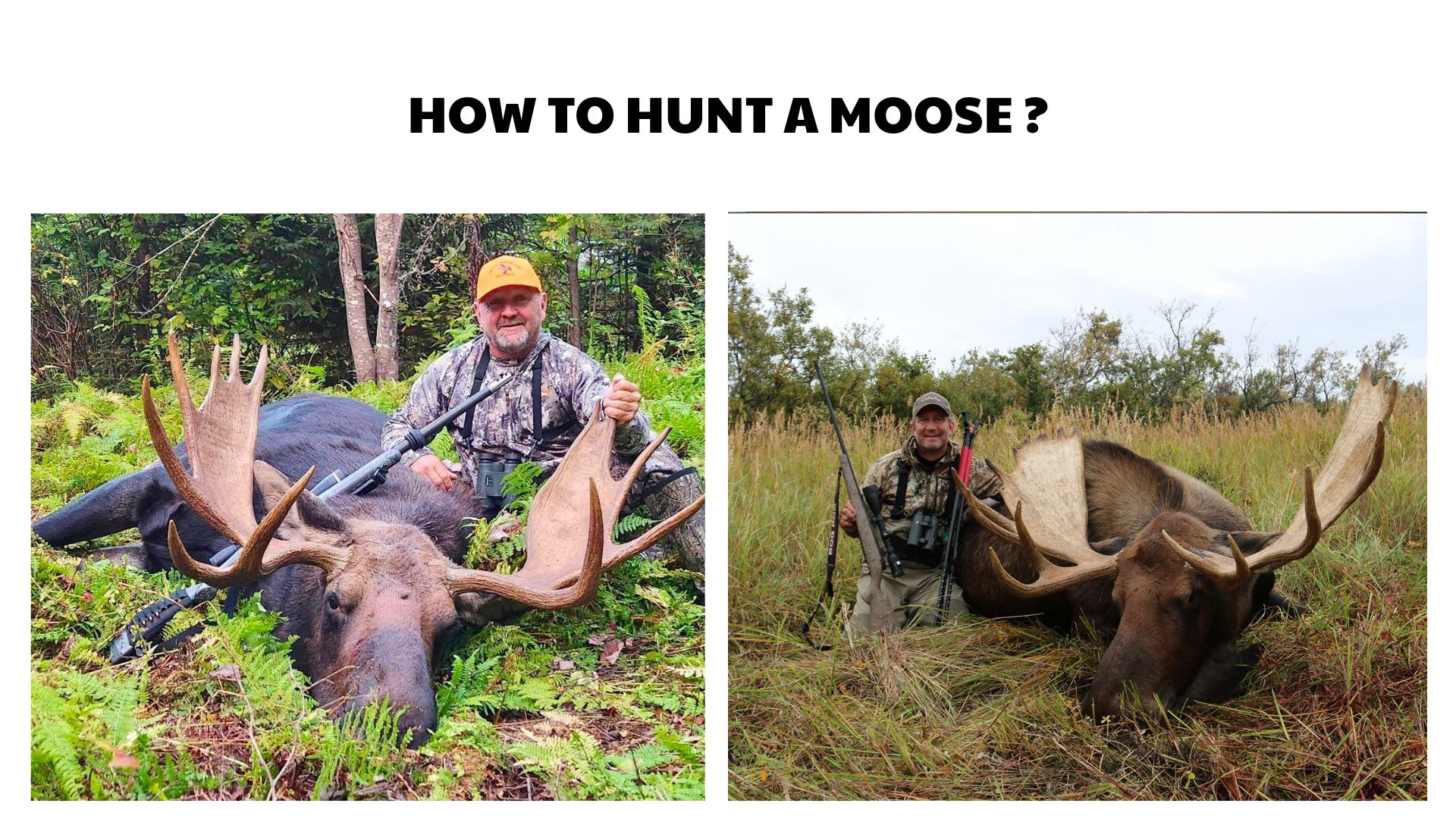

Learning how to hunt a moose is a major responsibility. Moose are the largest members of the deer family in North America, and a moose hunt requires more planning, physical preparation, legal knowledge, and recovery work than many beginner hunting trips.
This guide is written for new hunters who want a calm, practical, safety-focused introduction to moose hunting. You will learn how to check regulations, understand moose habitat, scout tracks and sign, plan a legal hunting area, prepare gear, choose a safe setup, make ethical shot decisions, recover game responsibly, care for meat, and learn from each hunt.
Moose hunting is often controlled by permits, draws, tags, quotas, antler restrictions, sex-specific rules, transport rules, meat salvage rules, and reporting requirements. Because laws vary widely by country, state, province, unit, season, and land type, legal preparation is the first step.
No article can guarantee success. Moose hunting depends on local regulations, tag availability, weather, rut timing, habitat quality, animal movement, hunting pressure, skill level, terrain, fitness, patience, and ethical decision-making. Your main goal should be to hunt legally, safely, and respectfully.
Quick Answer
To learn how to hunt a moose, first check your official wildlife agency’s current regulations for license requirements, moose tags or draw permits, season dates, legal weapons, antler or sex restrictions, legal hunting hours, land access, harvest reporting, and transport rules. Then scout areas with willow, aspen, birch, aquatic vegetation, wetlands, river corridors, clear-cuts, burns, ponds, and fresh moose sign such as tracks, droppings, browsed shrubs, rubs, beds, and trails. Plan your hunt around wind direction, quiet access, visibility, safe background, and a realistic recovery plan because moose are very large animals. With careful preparation, practice, and patience, beginners can learn the process responsibly, but they should hunt with an experienced mentor whenever possible.
Important Legal and Safety Notice Before You Hunt
Hunting regulations vary by country, state, province, county, wildlife management unit, season, land type, moose sex, antler class, and weapon type. Readers must check their official wildlife agency for current license, permit, tag, season, weapon, bag limit, legal hunting hours, land access, harvest reporting, meat salvage, transport, and possession rules before hunting.
- Hunting license and permits: Confirm whether you need a hunting license, moose draw permit, over-the-counter tag, archery permit, firearm permit, muzzleloader permit, guide requirement, or hunter education certificate.
- Tags or harvest reporting: Moose hunts often require tag validation, electronic reporting, check stations, biological samples, antler measurements, or harvest records.
- Legal season and legal hours: Moose seasons may vary by unit, sex, antler class, weapon type, resident status, and quota closures.
- Legal weapons and ammunition: Confirm which rifles, shotguns, muzzleloaders, bows, crossbows, cartridges, broadheads, and ammunition types are legal where you hunt.
- Public land or private land access: Verify boundaries, access points, road closures, motorized-use rules, wilderness rules, and landowner permission.
- Required clothing or visibility rules: Blaze orange or other visibility clothing may be required during firearm seasons or on certain public lands.
- Safe firearm or bow handling: Always identify the target and what is beyond it. Never shoot at sound, movement, antler flashes, brush shaking, or an unclear shape.
- Weather, navigation, and emergency planning: Carry navigation tools, first aid, water, food, weather layers, headlamp, emergency communication, and a recovery plan.
Understanding the Game Species and Its Habitat
The game species inferred from the target keyword is moose. In North America, moose may include Alaska-Yukon moose, Canada moose, Shiras moose, or other regional populations depending on location. In Europe, the same animal is often called elk. Always confirm the legal species, local name, and hunting rules for your area.
Moose are large, mostly solitary browsing animals. They feed on woody plants, aquatic vegetation, leaves, twigs, shrubs, and seasonal growth. Common food sources may include willow, aspen, birch, alder, aquatic plants, pond edges, marsh vegetation, and new growth after fire or timber disturbance. Local food varies by region and season.
Good moose habitat often includes wetlands, river bottoms, ponds, lakes, beaver ponds, willow flats, alder patches, young forest, burned areas with regrowth, clear-cuts, spruce edges, mixed forest, and areas with nearby cover and water. Moose may use different habitat in summer, rut, fall, and winter.
During warmer periods, moose may stay near water, shade, and cooler habitat. During the fall rut, bulls may travel more, respond to cow calls or bull sounds where legal, and use rutting areas, wallows, rubs, and travel corridors. Later in the season, food, weather, and hunting pressure can change movement.
Beginners should learn practical moose sign. Useful clues include large tracks, long-legged trails through wet ground, fresh droppings, stripped willow or aspen stems, browsed shrubs, rubs on trees, wallows, beds in grass or brush, antler marks, hair on brush, and repeated movement along river corridors or wetland edges.
Moose can be dangerous if approached too closely, especially bulls during the rut and cows with calves. Give moose space, watch body language, and never treat them like slow or harmless animals. A safe hunter respects both the animal and the terrain.
What You Need Before You Start
- Valid hunting license, permits, moose tag, and current regulation knowledge
- Legal hunting weapon or method allowed in your area
- Hunter orange or required visibility clothing if applicable
- Weather-appropriate hunting clothing, durable boots, rain gear, insulation, and gloves
- Navigation tools such as map, compass, GPS, or hunting app
- First aid kit, water, snacks, headlamp, fire-starting tool, and emergency communication
- Binoculars or spotting scope for safe observation and legal animal identification
- Moose call, wind-checking tool, or other legal scouting aid if useful in your region
- Game bags, gloves, clean knives, sharpener, paracord, flagging tape, and meat care supplies
- Coolers, ice, pack frame, game cart, sled, boat, ATV where legal, or another realistic recovery plan
- Full-body safety harness and lifeline if using any elevated stand
- Harvest tag, reporting instructions, check station details, and agency contact information
How to Hunt a Moose: Step-by-Step Guide
Step 1: Check Local Hunting Laws First
Before scouting, buying gear, or planning travel, read your official wildlife agency’s current moose regulations. Confirm whether moose hunting is legal, whether tags are issued by lottery or draw, whether your tag is valid for bull, cow, calf, antlered, antlerless, or a specific antler class, and which unit, dates, and weapon types apply.
Moose regulations can be very specific. Some areas use antler restrictions, brow-tine rules, spread requirements, sex-specific permits, quota closures, check stations, meat salvage rules, and transport limits. Do not rely on old articles or advice from another region. If you are uncertain, contact the wildlife agency before hunting.
Step 2: Learn the Animal’s Patterns
Moose movement is shaped by food, water, cover, temperature, rut timing, hunting pressure, snow depth, predators, and terrain. A beginner should first learn where moose feed, where they rest, and how they travel between wetlands, browse areas, timber cover, and water.
In many areas, moose use willow flats, creek bottoms, ponds, marshes, beaver flowages, young forest, burns, and clear-cuts. During the rut, bulls may travel more and may respond to calling where legal. Outside the rut, moose may be quieter and more focused on feeding and security cover.
Moose are large, but they can be surprisingly hard to see in thick willows, dark timber, or wetland edges. Watch for movement, antler tips, dark body shapes, leg movement, feeding sounds, and fresh sign rather than expecting an animal to stand in the open.
Step 3: Choose a Legal Hunting Area
Choose a hunting area where your moose tag is valid and where legal access is confirmed. On public land, use official maps to verify unit boundaries, access points, road closures, motorized-use rules, wilderness boundaries, private inholdings, river access, trailheads, campsites, and closed areas.
For private land, ask permission before entering. Written permission is best when available. Ask about property lines, gates, livestock, cabins, roads, neighboring properties, and retrieval rules. Do not cross private land or retrieve game on private property without permission where required.
Because moose are very large, access matters. A beautiful hunting spot is not practical if you cannot legally and safely recover the meat before spoilage. Plan the pack-out, boat access, vehicle access, or help from partners before you hunt.
Step 4: Scout Before the Hunt
Scouting for moose means finding fresh sign, current food, water, and travel routes. Look for large tracks in mud, sand, snow, or wet ground. Search for droppings, stripped browse, broken branches, rubbed trees, wallows, beds, trails through willows, and fresh feeding activity near water or young growth.
Use binoculars or a spotting scope to glass meadows, burns, willow flats, clear-cuts, river corridors, pond edges, and timber openings. In thick country, listening can help. You may hear splashing, brush breaking, antlers contacting vegetation, or low calls during the rut.
If trail cameras are legal, they may help confirm movement, but public land camera rules vary. Do not use cameras, bait, attractants, motorized access, aircraft spotting, drones, or electronic tools unless they are clearly legal in your exact hunting area.
Step 5: Prepare Your Gear Safely
Choose a legal hunting method that matches your regulations, terrain, and skill level. Moose hunters may use rifles, shotguns, muzzleloaders, bows, or crossbows depending on local law. Because moose are large animals, beginners should use equipment they can handle safely, accurately, and ethically under realistic field conditions.
For firearm hunting, follow basic firearm safety principles: treat every firearm as loaded, keep the muzzle pointed in a safe direction, keep your finger off the trigger until ready, and be sure of your target and what is beyond it. Use only legal ammunition and follow manufacturer instructions. Do not modify firearms, ammunition, triggers, safeties, or other equipment outside legal and manufacturer guidance.
For bowhunting, practice consistently, know your personal effective range, confirm legal draw weight or equipment rules if applicable, transport broadheads safely, and pass on shots beyond your ability. Moose bowhunting requires discipline, patience, and a serious recovery plan.
Step 6: Plan for Wind, Weather, and Entry Route
Wind direction matters because moose can detect human scent. Plan your route so your scent does not blow directly into the area where you expect moose to feed, bed, or travel. In mountain country, thermals may shift as the day warms or cools, so keep checking conditions.
Weather can change quickly in moose country. Rain, snow, fog, cold water, bogs, river crossings, steep slopes, and early darkness can create serious safety problems. Choose an entry route and exit route before the hunt begins. Tell someone where you are going and when you expect to return.
Move quietly, but do not rush. Moose habitat often includes wet ground, hidden holes, thick brush, blowdowns, and difficult footing. A slow, safe approach is better than a fast approach that leads to injury or poor judgment.
Step 7: Set Up Carefully
Your setup may be a glassing point, ground blind, natural-cover position, still-hunting route, calling location, or elevated stand where legal and safe. Choose a position with visibility, safe background, favorable wind, and a realistic recovery route.
If calling where legal, set up before calling. Moose may approach quietly or from an unexpected direction. Avoid calling from a place where you have poor visibility, unsafe background, or no escape route around thick cover.
If using an elevated stand, wear a full-body safety harness from the moment your feet leave the ground until you return safely. Inspect the stand, steps, straps, platform, and lifeline before use. Never climb with a loaded firearm or exposed broadhead.
Step 8: Stay Patient and Observe
Moose hunting often involves long periods of glassing, listening, and waiting. Scan wetland edges, willow patches, clear-cuts, timber openings, burns, and shaded cover. Use optics to confirm species, sex, antler rules, and legal status before making any decision.
Be patient when a moose is partly hidden. Large animals can disappear in thick cover. Wait for clear identification and a safe background. Do not let excitement, antler size, or pressure from partners rush your decision.
Step 9: Take Only a Safe, Legal, and Ethical Shot Opportunity
Only act when the moose is clearly identified as legal under your tag, the season and method are legal, the background is safe, and the shot is within your practiced ability. Never shoot at sound, movement, antler flashes, brush shaking, dark body color, or an unclear shape.
Do not shoot toward roads, camps, homes, livestock, people, vehicles, trails, buildings, water surfaces, hard surfaces, or uncertain terrain. Do not take a risky shot because recovery would be difficult or because the animal may leave. Passing on an unsafe or unethical opportunity is responsible hunting.
Step 10: Follow Legal Recovery and Reporting Rules
After a successful shot, stay calm and follow safe recovery guidance. Mark the location, make your equipment safe, and proceed according to your training, local rules, and the situation. Moose are very large animals, so recovery can take time, help, and careful planning.
Validate your tag, complete harvest reporting, and follow transport rules exactly. Some areas require evidence of sex, antler parts, check station visits, biological samples, or specific meat salvage procedures. Know these rules before the hunt begins.
Step 11: Handle the Game Responsibly
Handle a harvested moose respectfully and keep the meat clean and cool. Wear gloves if preferred, use clean tools, place meat in breathable game bags, keep it shaded and ventilated, and move it toward cooling or processing as soon as practical.
Moose meat volume is substantial, so recovery planning is essential. Bring enough help, pack frames, game bags, coolers, and legal transport options. Do not waste edible meat where salvage is required. Learn safe field care from hunter education, your wildlife agency, a mentor, or a reputable food safety source. This guide keeps the process high-level and non-graphic.
Best Time, Place, and Conditions for This Hunt
The best time to hunt moose depends on legal season, local movement, weather, terrain, rut timing, and hunting pressure. Many moose seasons occur in fall, but exact dates vary widely. Always follow your tag and local regulations.
During the rut, bulls may be more vocal and mobile, and calling may be useful where legal. Outside the rut, moose may focus more on feeding, cover, and water. Early and late in the day can be productive in some regions, but moose may move at different times depending on temperature, pressure, and habitat.
Good places to scout include willow flats, alder patches, beaver ponds, lake edges, river bottoms, marshes, young clear-cuts, burns, spruce edges, mixed forest, wet meadows, and travel routes between feeding and bedding cover. Public land may require more hiking, boating, or glassing. Private land can be useful only with permission.
Weather matters. Cool, calm conditions can help with glassing and listening. Rain can soften noise but reduce visibility. Snow can reveal tracks but also make travel and meat recovery harder. Fog, storms, cold water, bogs, and early darkness can create safety risks. Local behavior and regulations matter more than any universal “best” condition.
Helpful Tips for Better Results
- Check moose-specific regulations before every hunt, including tags, antler rules, sex rules, harvest reporting, evidence-of-sex rules, and transport restrictions.
- Scout current food sources such as willow, aspen, birch, aquatic vegetation, young growth, burns, and wetland edges.
- Plan recovery before hunting because a moose is too large to treat like a small or medium game animal.
- Use optics to confirm species, sex, antler requirements, and safe background before making any decision.
- Pay attention to wind direction and thermals, especially when calling or still-hunting.
- Hunt with a mentor or experienced partner if possible, especially on your first moose hunt.
- Keep notes about weather, sign, calling response, tracks, food sources, and access so each hunt improves the next one.
Common Mistakes to Avoid
Moose hunting mistakes can become serious because of the animal’s size, remote terrain, strict regulations, and difficult recovery work. Beginners should focus on preparation, legal clarity, safe decisions, and realistic logistics.
- Not checking current regulations: Moose tags, draw rules, antler restrictions, sex rules, reporting, and transport laws can be detailed and unit-specific.
- Hunting without proper license, tag, or permission: Never hunt without legal authorization and confirmed access.
- Misidentifying a legal moose: Antler rules, bull/cow rules, calf restrictions, and evidence requirements vary. Identify carefully.
- Ignoring wind direction: Moose can detect human scent, especially in calm or shifting air.
- Making too much noise: Loud movement, rattling gear, and careless walking can alert animals or create unsafe situations.
- Moving too quickly in thick cover: Wetlands, blowdowns, and brush can hide holes, water, and obstacles.
- Choosing a poor setup location: A setup without visibility, safe background, wind planning, or recovery access can cause problems.
- Underpacking safety essentials: Moose country often requires navigation, first aid, emergency communication, light, water, and weather protection.
- Not practicing enough before the season: Ethical hunting requires knowing your equipment and your limits.
- Taking unsafe or unethical shots: Pass on unclear, obstructed, rushed, far, or unsafe opportunities.
- Not planning meat care: Moose meat volume is large, and warm weather can make cooling urgent.
- Underestimating the pack-out: A legal, safe recovery can require multiple people, multiple trips, or specialized transport where legal.
Troubleshooting Common Problems
| Problem | Possible Cause | What to Do |
|---|---|---|
| You are not seeing any moose | Poor location, wrong timing, heavy pressure, limited scouting, weather changes, or no current food source | Scout more fresh sign, focus on willow, wetland, young growth, and travel corridors, and try different legal access points. |
| Moose detect you before you see them | Poor wind, noisy movement, exposed approach, or thick cover | Plan wind better, move slower, use terrain, and avoid walking through likely feeding or bedding areas. |
| You find tracks but no moose | Old sign, nighttime movement, changing food, weather shifts, or pressure | Look for fresh droppings, fresh browse, recent beds, and repeated travel routes before committing to the area. |
| Calling gets no response | Wrong timing, pressured animals, low rut activity, poor location, or unsuitable weather | Call less, listen more, relocate carefully, and focus on fresh sign and travel routes. |
| Public land access feels crowded | Easy access points attract more hunters | Use official maps to find legal alternative access, give others space, and avoid unsafe competition. |
| You are unsure about property boundaries | Incomplete map research or unclear permission | Stop hunting until you verify boundaries with official maps, landowners, signs, or agency staff. |
| Bad weather changes your plan | Fog, snow, rain, high wind, cold water, storms, or unsafe terrain | Choose safety first. Adjust your route, shorten the hunt, choose safer terrain, or return another day. |
| Your gear fails in the field | Poor preparation, wet equipment, dead batteries, damaged packs, or loose optics | Check gear before leaving, carry simple backups, and avoid using unsafe or damaged equipment. |
| Poor visibility makes identification hard | Low light, fog, brush, distance, antler angle, or partial view | Do not shoot unless the moose is clearly identified, legal for your tag, and backed by a safe area. |
| You are unsure about recovery | Large animal size, remote location, warm weather, limited help, or rough terrain | Mark the location, follow legal recovery rules, get help, and prioritize clean cooling and safe transport. |
Ethical Hunting and Conservation
Ethical moose hunting means respecting wildlife, obeying regulations, practicing before the season, making careful shot decisions, recovering game responsibly, avoiding waste, and leaving the land cleaner than you found it.
Moose are important big game animals managed through regulated seasons, permit systems, harvest data, habitat work, and conservation programs. Hunters help support management when they follow rules, report harvest accurately, submit required biological samples, and use the meat responsibly.
Respect landowners, other hunters, hikers, anglers, campers, livestock owners, and wildlife officers. Do not trespass, damage gates, block roads, litter, cross closed areas, abuse motorized access, or ignore posted signs. On public land, give other users space and avoid unsafe competition.
Pass on unsafe or uncertain opportunities. Do not take a shot unless the animal is legal, clearly identified, within your practiced ability, and backed by a safe area. Ethical restraint is especially important with large animals because recovery and meat care are major responsibilities.
When to Get More Training or Professional Guidance
Beginners should seek more training before moose hunting if they have never handled a firearm or bow, have not completed hunter education, are unsure about local laws, do not understand land boundaries, or are not confident in safe shooting.
You should also get help if you are hunting remote terrain, using a boat or ATV where legal, learning moose calling, interpreting antler rules, hunting in bear country, crossing rivers, planning meat recovery, or learning field care and transport rules.
Good sources of guidance include official hunter education courses, state or provincial wildlife agencies, certified instructors, experienced ethical mentors, licensed outfitters where appropriate, local conservation organizations, shooting ranges, archery clubs, and reputable hunting clubs.
After the Hunt: Follow-Up, Gear Care, and Learning
After the hunt, unload and store firearms or bows safely according to law, training, and manufacturer instructions. Clean and dry your gear, inspect boots and packs, recharge electronics, restock first aid supplies, sharpen or store knives safely, and check any equipment damaged during recovery.
Review what worked and what did not. Keep notes about weather, wind, tracks, droppings, browse, wallows, rubs, calling response, sightings, access, recovery logistics, and mistakes. Moose movement often follows local food and seasonal patterns, so notes can help future hunts.
Complete any required harvest report, tag validation, check station visit, biological sample, evidence-of-sex requirement, or transport paperwork. If you harvested a moose, keep meat clean and cool, follow safe processing guidance, and use the harvest responsibly.
Recommended Hunting Gear and Tools to Consider
You do not always need expensive gear to hunt responsibly. Choose gear based on your local laws, hunting method, species, terrain, weather, safety needs, skill level, and budget.
- Legal hunting weapon or method allowed in your area
- Quality boots for wet, rocky, snowy, boggy, or brushy terrain
- Weather-appropriate clothing and required visibility gear
- Binoculars or spotting scope for safe observation and identification
- Navigation tools such as a map, compass, GPS, or hunting app
- First aid kit and emergency communication
- Headlamp, spare batteries, fire-starting tool, and weather protection
- Moose call or other legal scouting aid if useful in your area
- Game bags, gloves, clean knives, sharpener, paracord, and meat care supplies
- Pack frame, sled, game cart, boat, ATV where legal, or another safe recovery system
- Coolers, ice, shade plan, and legal transport plan for meat care
If affiliate links are included in a published version of this article, use clear disclosure language and proper link attributes. Do not claim that any product guarantees hunting success.
Final Thoughts
Learning how to hunt a moose begins with legal preparation, safety, scouting, patience, and respect. Check current regulations, secure the correct tag, understand antler or sex restrictions, scout wetlands and browse areas, plan for wind and weather, practice with your legal method, and prepare a realistic recovery plan before the hunt begins.
Moose hunting is physically demanding and ethically serious because the animal is large and the meat recovery responsibility is significant. Hunt with a mentor when possible, identify the animal clearly, know what is beyond your target, pass on uncertain opportunities, report your harvest legally, and care for the meat properly. Choose your methods and gear based on your local laws, terrain, skill level, safety needs, and conservation responsibilities.
FAQs
1. How long does it take to learn how to hunt a moose?
Beginners can learn the basic process before their first season, but becoming confident may take several seasons. Moose hunting requires legal knowledge, scouting, calling or glassing skills, recovery planning, and strong safety habits.
2. Do I need a license to hunt moose?
In most places where moose hunting is legal, yes. You may need a hunting license, moose tag, draw permit, hunter education certificate, or weapon-specific authorization.
3. Do I need a moose tag?
Often yes. Moose tags are commonly limited by draw, lottery, unit, season, sex, antler class, or residency. Check your official wildlife agency.
4. Is moose hunting legal everywhere?
No. Moose hunting is legal only in certain regions and under specific regulations. Some areas have no moose season, while others have limited permit systems.
5. What kind of moose do hunters usually pursue?
It depends on location. Some permits are for bull moose, while others may allow antlerless moose or specific classes. Always follow your exact tag rules.
6. When is moose hunting season?
Moose season varies by country, state, province, unit, and weapon type. Many seasons occur in fall, but exact dates and rules must be verified locally.
7. What is the best time of day to hunt moose?
Early morning and late afternoon can be productive, but moose may move at different times depending on temperature, pressure, rut activity, and local habitat.
8. What is the best place to hunt moose?
Good places often include willow flats, wetlands, beaver ponds, river bottoms, lake edges, young clear-cuts, burns, alder patches, and travel routes near food and cover.
9. What do moose eat?
Moose are browsers. They may eat willow, aspen, birch, alder, aquatic plants, shrubs, twigs, leaves, and seasonal vegetation depending on region and season.
10. How do I find moose sign?
Look for large tracks, droppings, stripped browse, rubs, wallows, beds, trails through willows, broken branches, hair, and fresh feeding activity.
11. What does a moose track look like?
Moose tracks are large, split-hoof prints. Size, shape, and clarity depend on mud, sand, snow, or wet ground conditions.
12. How can I tell if moose sign is fresh?
Fresh sign may include sharp-edged tracks, moist droppings, newly stripped browse, fresh rub marks, wet wallows, and recently broken vegetation.
13. Is moose hunting good for beginners?
Moose hunting can be challenging for beginners because of permits, remote terrain, large animal recovery, and meat care. A mentor is strongly recommended.
14. Should a beginner hunt moose with a mentor?
Yes. A mentor can help with laws, scouting, calling, safe shot decisions, recovery logistics, meat care, and field judgment.
15. What gear does a beginner need for moose hunting?
Essential gear includes legal hunting equipment, license and tag, optics, navigation, first aid, weather clothing, game bags, clean tools, and a recovery system.
16. Do I need camouflage for moose hunting?
Camouflage may help hide movement, but wind direction, safe setup, quiet movement, visibility clothing requirements, and legal identification are more important.
17. Is blaze orange required for moose hunting?
Sometimes. Visibility requirements vary by season, weapon type, and land type. Check local regulations before hunting.
18. Can I hunt moose on public land?
Possibly, if the land is open to moose hunting and your tag is valid there. Use official maps to confirm unit boundaries, closures, roads, and access.
19. Can I hunt moose on private land?
Only with permission. Written permission is best. Respect boundaries, gates, livestock, roads, cabins, and landowner instructions.
20. Can I cross private land to reach public land?
Only with permission. Public land access does not allow trespassing across private property.
21. What is spot-and-stalk moose hunting?
Spot-and-stalk hunting means glassing or locating a moose from a distance, then planning a careful legal approach with wind, terrain, and safety in mind.
22. Can I call moose?
Moose calling may be legal and useful in some areas, especially around the rut, but rules and effectiveness vary. Practice and follow local regulations.
23. What sounds are used for moose calling?
Where legal, hunters may use cow calls, bull grunts, or raking sounds. Beginners should learn from reputable instruction and avoid excessive or unsafe calling.
24. Can I use electronic calls for moose?
Electronic call rules vary. Some places may restrict electronic devices. Check official regulations before using any electronic call.
25. Can I use trail cameras for moose hunting?
Trail cameras may help where legal, but public land rules vary. Check regulations before placing cameras.
26. Can I use a drone to scout moose?
Drones are restricted or prohibited for hunting-related scouting in many areas. Do not use drones unless regulations clearly allow it.
27. What firearm is best for moose hunting?
The best legal firearm depends on local laws, terrain, distance, safety background, and your skill. Use lawful equipment you can handle safely and accurately.
28. Can I hunt moose with a bow?
Yes, where legal. Bowhunters need consistent practice, safe broadhead handling, close-range discipline, and a realistic recovery plan.
29. Can I hunt moose with a crossbow?
Crossbow rules vary by region and season. Confirm legality, equipment requirements, and effective range before hunting.
30. Do I need a tree stand for moose hunting?
No. Many moose hunts are done by glassing, calling, still-hunting, or spot-and-stalk. If using an elevated stand, wear a full-body harness.
31. Are ground blinds useful for moose hunting?
Ground blinds can be useful where legal and practical, but they must be placed with wind, visibility, safe background, and recovery access in mind.
32. How important is wind direction?
Wind direction is important because moose can detect human scent. Plan your setup so your scent does not blow into likely moose movement.
33. What weather is best for moose hunting?
Cool, calm weather can help with glassing and listening. Snow can reveal tracks, while fog, storms, and heavy rain can create safety concerns.
34. Is the rut a good time to hunt moose?
The rut can increase bull movement and calling response where seasons overlap, but exact timing and legal seasons vary by region.
35. How do I identify a legal bull moose?
Legal bull rules vary. Some areas use antler spread, brow tines, spike-fork rules, or other definitions. Study official identification rules before hunting.
36. What is an ethical moose hunting shot?
An ethical shot is legal, clearly identified, within your practiced ability, and backed by a safe area. If any part is uncertain, pass.
37. Can I shoot at movement in brush?
No. Never shoot at sound, movement, antler flashes, brush shaking, or an unclear shape. You must identify the legal moose and what is beyond it.
38. What should I do after shooting a moose?
Stay calm, make your equipment safe, mark the location, follow ethical recovery guidance, validate your tag, and complete required reporting or transport steps.
39. Is moose recovery difficult?
Yes. Moose are very large, and recovery may require multiple people, multiple trips, pack frames, boats, carts, sleds, or other legal transport methods.
40. Do I have to report a moose harvest?
Often yes. Many agencies require harvest reporting, check stations, biological samples, or specific documentation. Requirements vary by location.
41. How do I tag a moose?
Tagging rules vary. Some areas require immediate validation, physical tags, electronic reporting, check stations, or evidence of sex. Follow official instructions exactly.
42. How do I keep moose meat safe?
Keep meat clean, cool, dry, shaded, and well ventilated. Use game bags, clean tools, coolers, and prompt transport or processing where legal and practical.
43. Can moose meat spoil quickly?
Yes, especially in warm weather. Because moose are large, cooling the meat properly and quickly is a major part of responsible hunting.
44. Can moose carry diseases or parasites?
Like all wild animals, moose may carry parasites or disease. Wear gloves if preferred, wash hands, clean tools, and follow wildlife agency food safety guidance.
45. What should I carry for safety in moose country?
Carry first aid, navigation, emergency communication, water, food, headlamp, weather layers, fire-starting tools, and a trip plan shared with someone.
46. What if I encounter a moose while scouting?
Give it space, avoid approaching, watch its behavior, and put distance or a solid object between you and the animal if it acts aggressive.
47. Are moose dangerous?
Moose can be dangerous, especially bulls during the rut and cows with calves. They are large, fast, and should never be approached closely.
48. What is the biggest beginner moose hunting mistake?
The biggest mistake is underplanning: not checking regulations, underestimating recovery, ignoring wind, or failing to prepare for meat care.
49. How much does moose hunting cost?
Costs vary widely based on license, tag, draw fees, travel, gear, transport, meat processing, and possible outfitter services. Plan carefully before applying.
50. Do expensive products guarantee moose hunting success?
No. Scouting, legal access, wind, fitness, patience, practice, recovery planning, and ethical judgment matter more than expensive gear.
51. How do I practice before moose season?
Practice safe handling, marksmanship or archery, field positions, target identification, range limits, navigation, and physical conditioning.
52. Can moose hunting help with conservation?
Regulated hunting can support wildlife management where legal. License fees, harvest data, and responsible participation help agencies manage populations.
53. How do I ask a landowner for permission?
Be polite, introduce yourself, ask clearly, respect their answer, and follow all rules about parking, gates, livestock, cabins, roads, and boundaries.
54. When should I ask for help from a mentor?
Ask for help if you are new to firearms or bows, unsure about moose laws, hunting remote terrain, learning calling, or unfamiliar with meat recovery.
55. What is the safest mindset for learning how to hunt a moose?
The safest mindset is legal, patient, ethical, and realistic. Identify the animal, know what is beyond it, respect land access, plan recovery, and pass on uncertain opportunities.
Read more: