
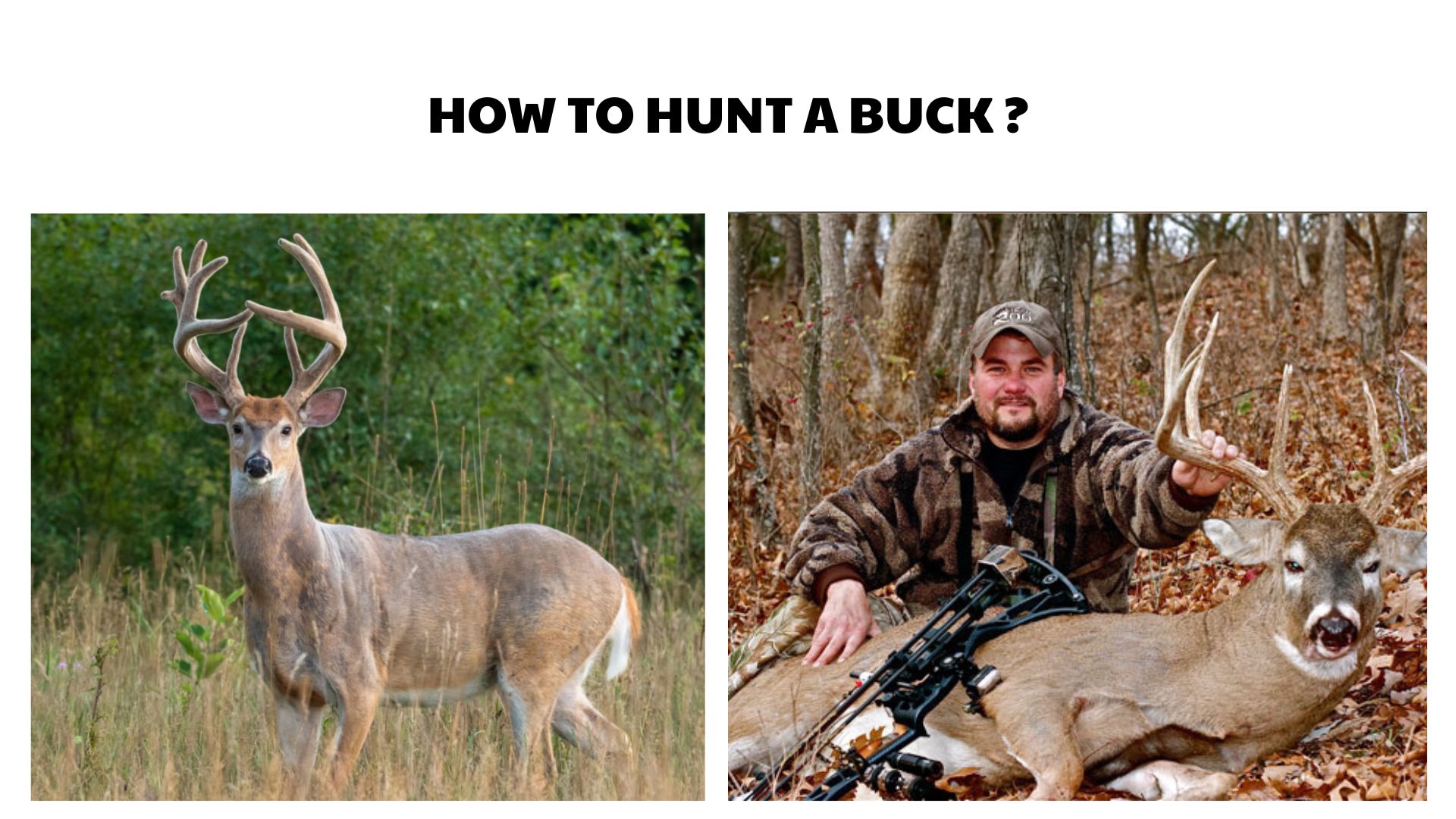

Learning how to hunt a buck is one of the most common goals for new deer hunters. A buck is a male deer, and in many hunting areas the term usually refers to a male white-tailed deer, mule deer, or black-tailed deer. The exact species, legal definition, antler rules, season dates, and tag requirements depend on where you hunt.
This guide is written for beginners who want a practical, legal, safety-focused, and ethical introduction to buck hunting. You will learn how to check regulations, understand buck behavior, scout food sources and bedding cover, read tracks and sign, choose a legal hunting area, plan for wind direction, use a safe hunting setup, make ethical shot decisions, and handle the harvest responsibly at a high-level, non-graphic level.
Buck hunting requires patience. It is not about chasing antlers at any cost. A responsible hunter must follow the law, identify the animal clearly, understand what is beyond the target, respect landowners and other hunters, practice before the season, pass on unsafe opportunities, and use the harvest responsibly.
No article can guarantee success. Buck movement depends on season, weather, hunting pressure, breeding activity, food availability, terrain, skill level, gear, patience, and ethical decision-making. This article helps you build a safe foundation before entering the field.
Quick Answer
To learn how to hunt a buck, first check your local wildlife regulations for license requirements, buck tags, antler rules, season dates, bag limits, legal weapons, legal hunting hours, land access, and harvest reporting. Then scout for buck sign such as tracks, rubs, scrapes, trails, bedding areas, food sources, water, and travel corridors. Choose a safe setup based on wind direction, quiet entry, visibility, legal access, and a safe background, then wait patiently and only take a clear, legal, ethical shot within your practiced ability. Beginners should keep reading because buck hunting requires preparation, restraint, safety awareness, and respect for local wildlife regulations.
Important Legal and Safety Notice Before You Hunt
Hunting regulations vary by country, state, province, county, season, land type, deer species, antler status, sex of animal, and weapon type. Readers must check their official wildlife agency for current license, permit, tag, season, weapon, bag limit, antler restriction, legal hunting hours, land access, harvest reporting, possession, transport, and meat care rules before hunting.
- Hunting license and permits: Confirm whether you need a hunting license, deer permit, buck tag, archery permit, firearm permit, muzzleloader permit, youth permit, or hunter education certificate.
- Tags or harvest reporting: Buck hunting often requires a specific tag, physical validation, electronic check-in, harvest report, or check station process.
- Legal season and legal hours: Archery, firearm, muzzleloader, youth, rut, buck-only, and special management seasons may all have different rules.
- Legal weapons and ammunition: Confirm which rifles, shotguns, muzzleloaders, bows, crossbows, cartridges, broadheads, and ammunition types are legal where you hunt.
- Public land or private land access: Verify boundaries, access points, closed zones, and permission before hunting.
- Required clothing or visibility rules: Blaze orange or other high-visibility clothing may be required during firearm seasons or on certain lands.
- Safe firearm or bow handling: Always identify your target and what is beyond it. Never shoot at movement, sound, antler flashes, brush shaking, or an unclear shape.
- Weather, navigation, and emergency planning: Carry water, first aid, map, compass, GPS, headlamp, emergency communication, and a clear plan for returning safely.
Understanding the Game Species and Its Habitat
The game species inferred from the target keyword is a male deer, commonly called a buck. Depending on region, this may mean a white-tailed buck, mule deer buck, black-tailed buck, or another legal deer species. Always confirm the legal species and antler requirements in your hunting area.
Bucks need food, water, cover, bedding areas, and travel routes. They may use hardwood ridges, crop fields, oak flats, creek bottoms, brushy draws, clear-cuts, timber edges, grasslands, swamps, mountains, agricultural edges, and thick cover depending on species and region.
Buck behavior changes through the season. Early in the season, bucks may follow food-to-bedding patterns and use low-pressure areas. During the rut, breeding activity can increase daylight movement, but it can also make movement less predictable. Late in the season, bucks often focus on food, security cover, and energy conservation.
Beginners should learn to recognize buck sign. Important signs include larger tracks, rubs, scrapes, worn trails, beds, droppings, browse, hair on fences, trail intersections, creek crossings, saddles, field corners, and repeated movement on legal trail cameras. A rub is where a buck has worked its antlers on a tree or sapling. A scrape is a pawed or cleared area often used for deer communication during breeding season.
Do not rely on one sign alone. A single rub does not guarantee a buck will appear during legal hunting hours. Better scouting looks for patterns: fresh sign, safe access, bedding cover, feeding areas, wind advantage, and travel routes that bucks use repeatedly.
What You Need Before You Start
- Valid hunting license, permits, buck tag, and current regulation knowledge
- Legal hunting weapon or method allowed in your area
- Hunter orange or required visibility clothing if applicable
- Weather-appropriate hunting clothing, gloves, hat, and durable boots
- Navigation tools such as map, compass, GPS, or hunting app
- First aid kit, water, snacks, headlamp, whistle, and emergency communication
- Binoculars or optics for safe observation and target identification
- Tree stand, ground blind, natural cover, or still-hunting plan if legal and suitable
- Full-body safety harness and lifeline if using any elevated stand
- Game bags, gloves, cooler, clean knife, and basic meat care supplies if relevant
- Drag rope, sled, game cart, pack frame, or legal recovery plan based on terrain
- Harvest reporting instructions, tag information, and agency contact details
how to hunt a buck: Step-by-Step Guide
Step 1: Check Local Hunting Laws First
Before hunting a buck, read your official wildlife agency’s current deer regulations. Confirm license requirements, tag rules, buck-only rules, antler restrictions, antler point requirements if any, season dates, legal hunting hours, bag limits, legal weapons, ammunition rules, public land restrictions, private land permission requirements, baiting rules if applicable, reporting rules, and transport requirements.
Many buck tags are specific. A tag may apply only to one unit, county, weapon season, species, antler class, or date range. Some areas have antler point restrictions or rules that define what counts as a legal buck. Do not assume that any antlered deer is legal. If you are uncertain, contact your wildlife agency before hunting.
Step 2: Learn the Animal’s Patterns
Buck movement is shaped by food, water, bedding cover, travel corridors, breeding behavior, hunting pressure, weather, and safety. A beginner should first learn where bucks feed, where they bed, and how they travel between those places.
Early-season bucks may use predictable food-to-bed patterns. During the rut, bucks may travel more while checking doe groups, scrapes, funnels, and travel corridors. Late-season bucks may move less and focus on high-value food and secure cover. These are general patterns, not guarantees. Local scouting matters most.
Step 3: Choose a Legal Hunting Area
Choose an area where buck hunting is legal and where your tag or permit is valid. On public land, use official maps to confirm unit boundaries, parking areas, access points, closed zones, private inholdings, weapon restrictions, and safety zones. Public land may have other hunters, hikers, livestock, and nearby roads, so safe shooting direction is essential.
For private land, ask permission before entering. Written permission is best when available. Ask about property lines, homes, barns, livestock, pets, roads, gates, neighboring properties, and other hunters. Never cross private land to reach public land unless you have permission to cross.
Step 4: Scout Before the Hunt
Scouting is the foundation of buck hunting. Look for tracks, rubs, scrapes, trails, beds, droppings, browse, creek crossings, saddles, funnels, field corners, oak ridges, food plots where legal, crop edges, water sources, and thick bedding cover.
Study how the landscape connects. Bucks often use travel corridors between daytime bedding sites and feeding areas. They may use terrain features that let them move with cover, wind advantage, or low human pressure. In hill country, saddles, benches, ridge points, and leeward slopes can matter. In farmland, brushy fence lines, drainage ditches, woodlot corners, and field edges can matter.
Scout carefully and avoid over-disturbing bedding cover. Too much human scent and noise can change deer movement. Use binoculars, maps, legal trail cameras, and low-impact scouting when possible.
Step 5: Prepare Your Gear Safely
Choose a legal hunting method and practice well before the season. Buck hunters may use rifles, shotguns, muzzleloaders, bows, or crossbows depending on local law. The best method is the one that is legal, safe, appropriate for the terrain, and within your practiced ability.
For firearm hunting, treat every firearm as loaded, keep the muzzle pointed in a safe direction, keep your finger off the trigger until ready, and be sure of your target and what is beyond it. Use only legal ammunition and follow manufacturer instructions.
For bowhunting, practice consistently, know your personal effective range, confirm legal equipment rules if applicable, transport broadheads safely, and pass on shots beyond your ability. Do not modify firearms, bows, ammunition, triggers, safeties, or other equipment outside legal and manufacturer guidance.
Step 6: Plan for Wind, Weather, and Entry Route
Wind direction is critical when hunting bucks because deer rely heavily on scent. If your scent blows into a bedding area, feeding area, trail, or travel corridor, a buck may detect you before you see it.
Plan an entry route that lets you reach your stand, blind, or still-hunting area quietly without walking through the exact place you expect deer to use. Avoid noisy leaves, dry brush, crunchy snow, skyline ridges, and unnecessary light. Watch weather for wind shifts, rain, snow, heat, fog, storms, and cold conditions.
Step 7: Set Up Carefully
A good buck setup is safe, legal, quiet to access, downwind or crosswind of likely movement, and positioned near sign that suggests a real travel pattern. You may use a tree stand, ground blind, natural cover, or still-hunting route depending on terrain and regulations.
If using a tree stand, wear a full-body safety harness from the moment your feet leave the ground until you return safely. Inspect the stand, steps, straps, ladder, platform, and lifeline before use. Never climb with a loaded firearm or exposed broadhead. Use a haul line when appropriate and follow official tree stand safety guidance.
If using a ground blind, place it with a safe shooting direction and enough visibility to identify a legal buck. If still-hunting, move slowly, stop often, and constantly check wind, background, and legal boundaries.
Step 8: Stay Patient and Observe
Buck hunting often requires long periods of quiet observation. Stay still, scan slowly, listen carefully, and use binoculars before raising a firearm or bow. Watch trails, field edges, cover openings, scrape lines, rub lines, saddles, creek crossings, and bedding-to-food routes.
Patience also means passing animals that are not legal under your tag, not clearly identified, too far away, too obstructed, or positioned with an unsafe background. A beginner should never let excitement override safety.
Step 9: Take Only a Safe, Legal, and Ethical Shot Opportunity
Only act when the buck is clearly identified, legal under your tag, within legal hunting hours, and within your practiced ability. You must know what is beyond the animal. Never shoot at movement, sound, brush, antler flashes, or an unclear shape.
Do not shoot toward roads, homes, livestock, people, vehicles, trails, buildings, water surfaces, hard surfaces, or uncertain backgrounds. Do not take a shot because you feel pressured, rushed, or afraid of missing your chance. Passing on an unsafe or unethical shot is responsible hunting.
Step 10: Follow Legal Recovery and Reporting Rules
After a successful shot, stay calm and follow ethical recovery guidance. Mark the location, make your firearm or bow safe, and proceed according to your training, local rules, and the situation. If you are unsure, get help from an experienced mentor or follow your wildlife agency’s recommendations.
Once recovered, validate your tag, complete required harvest reporting, and follow transport rules. Some areas require electronic reporting, check station visits, disease testing, or specific rules for moving carcass parts. Know these requirements before hunting.
Step 11: Handle the Game Responsibly
Handle harvested deer respectfully and keep the meat clean and cool. Wear gloves if preferred, use clean tools, avoid contamination, and follow safe field dressing, cooling, transport, and processing guidance from hunter education, your wildlife agency, an experienced mentor, or a reputable food safety source.
Do not waste edible meat where legal use is required. Plan your recovery route before the hunt starts. In warm weather, meat care becomes more urgent. Use coolers, ice, game bags, shade, and prompt processing when appropriate and legal.
Best Time, Place, and Conditions for This Hunt
The best time to hunt a buck depends on legal season, local deer movement, weather, food sources, rut timing, and hunting pressure. Early morning and late afternoon are common focus times because deer often move between bedding and feeding areas during lower-light periods. Legal shooting hours vary, so always follow local rules.
Seasonality is important. Early-season buck hunting often focuses on food sources, water, and predictable bedding-to-feeding patterns. During the rut, bucks may travel more during daylight while searching for does. Late-season buck hunting often returns to food, thick cover, and energy conservation. These patterns vary by region and pressure.
Good buck hunting locations include oak ridges, crop-field edges, bedding edges, creek crossings, saddles, benches, brushy travel corridors, funnels, rub lines, scrape lines, field corners, clear-cuts, and timber edges. A funnel is a feature that naturally narrows deer movement, such as a saddle, creek crossing, fence gap, or strip of cover.
Public land bucks may avoid easy access points and heavy pressure. Private land can offer more controlled access, but only with permission. In both places, wind direction, quiet entry, legal boundaries, and safe shot direction matter more than convenience.
Helpful Tips for Better Results
- Check buck-specific regulations before every season, including tags, antler rules, weapon seasons, reporting, and transport restrictions.
- Scout patterns, not just single signs. Fresh rubs, scrapes, tracks, bedding cover, food, and trails are more useful together.
- Plan every setup around wind direction so your scent does not blow into likely buck movement.
- Hunt near travel corridors between bedding and feeding areas when legal, safe, and supported by fresh sign.
- Practice with your legal firearm, bow, crossbow, or muzzleloader before the season and know your personal effective range.
- Use a full-body harness and lifeline whenever hunting from an elevated stand.
- Keep notes after every hunt about wind, weather, sign, sightings, hunting pressure, and mistakes so you improve over time.
Common Mistakes to Avoid
Beginner buck hunters often struggle because they focus on antlers before learning laws, safety, deer movement, wind, and patience. Good buck hunting begins with preparation and restraint.
- Not checking current regulations: Buck tags, antler rules, weapon seasons, reporting, and transport laws can be detailed and location-specific.
- Hunting without proper license, tag, or permission: Never hunt without legal authorization or land access.
- Misreading antler rules: If antler point restrictions or legal buck definitions apply, identify the animal carefully before acting.
- Ignoring wind direction: Bucks rely heavily on scent and may avoid areas with fresh human odor.
- Making too much noise: Loud entry, rattling gear, noisy clothing, and careless walking can alert deer.
- Moving too quickly: Sudden movement in a stand, blind, or still-hunting route can reveal your position.
- Choosing poor setup locations: A setup without sign, safe shooting lanes, favorable wind, or quiet access is rarely effective.
- Overpacking unnecessary gear: Too much gear can make you noisy, tired, and less focused.
- Underpacking safety essentials: Carry water, first aid, navigation, light, and emergency communication.
- Not practicing enough before the season: Ethical buck hunting requires knowing your equipment and limits.
- Taking unsafe or unethical shots: Pass on unclear, obstructed, rushed, far, or unsafe opportunities.
- Not planning recovery and meat care: Know what to do after the shot before you begin hunting.
Troubleshooting Common Problems
| Problem | Possible Cause | What to Do |
|---|---|---|
| You are not seeing any bucks | Poor location, wrong timing, heavy pressure, wind issues, or limited scouting | Scout more sign, identify bedding-to-food routes, adjust your setup, check wind, and try different legal access points. |
| Bucks appear only at night | Heavy pressure, poor access, food source timing, or bedding area disturbance | Back off from bedding cover, improve entry routes, hunt travel corridors, and reduce disturbance. |
| Deer detect you before you see them | Poor wind, noisy entry, exposed setup, too much movement, or strong human scent | Plan better wind, enter quietly, use background cover, and limit movement. |
| You find rubs but no buck | Old sign, nighttime movement, seasonal change, or poor stand placement | Look for fresh sign, nearby bedding cover, travel routes, and legal low-impact scouting options. |
| Scrapes go cold | Changing rut phase, pressure, weather, or different deer movement | Use scrapes as one clue, not the whole plan. Scout trails, cover, food, and doe movement. |
| Public land feels crowded | Easy access points attract more hunters | Use official maps, hunt less obvious legal areas, respect others, and avoid unsafe conflicts. |
| You are unsure about property boundaries | Incomplete map research or unclear permission | Stop hunting until you verify boundaries with official maps, landowners, signs, or agency staff. |
| Bad weather changes your plan | Wind shift, rain, snow, heat, cold, fog, lightning, or unsafe travel | Choose safety first. Adjust your setup, change access, shorten the hunt, or return another day. |
| Poor visibility makes identification hard | Low light, fog, brush, distance, or movement | Do not shoot unless the buck is clearly identified, legal for your tag, and backed by a safe area. |
| You are unsure about recovery | Limited experience, poor visibility, thick cover, or unclear result | Mark the location, follow ethical recovery guidance, and seek help from an experienced mentor or official resource. |
Ethical Hunting and Conservation
Ethical buck hunting means respecting wildlife, obeying the law, practicing before the season, making careful shot decisions, recovering game responsibly, avoiding waste, and leaving the land cleaner than you found it.
Respect landowners, other hunters, hikers, wildlife officers, livestock owners, and nearby residents. Do not trespass, shoot carelessly, block access roads, damage gates, litter, or ignore posted signs. On public land, give other hunters space and avoid unsafe competition for the same area.
Obey seasons, bag limits, antler restrictions, tag rules, and reporting requirements. Pass on unsafe or uncertain shots. Use the harvest responsibly and follow meat care, reporting, and transport rules. Hunting licenses and responsible participation help support wildlife management, habitat work, hunter education, and conservation programs.
When to Get More Training or Professional Guidance
Beginners should seek more training if they have never handled a firearm or bow, have not completed hunter education, are unsure about local laws, do not understand land boundaries, or are not confident in safe shooting.
You should also ask for help if you are using a tree stand for the first time, learning bowhunting, hunting unfamiliar terrain, interpreting antler rules, tracking or recovering game, understanding harvest reporting, or learning safe field dressing and meat care.
Good sources of guidance include official hunter education courses, state or provincial wildlife agencies, certified instructors, experienced ethical mentors, local conservation organizations, local archery clubs, shooting ranges, and reputable hunting clubs.
After the Hunt: Follow-Up, Gear Care, and Learning
After the hunt, unload and store firearms or bows safely according to law, training, and manufacturer instructions. Clean and dry your gear, check optics, inspect your tree stand and harness, recharge electronics, restock first aid supplies, and store knives or tools safely.
Review what worked and what did not. Keep notes about weather, wind, temperature, food sources, buck sign, stand location, entry route, pressure, deer sightings, and mistakes. Over time, these notes help you understand buck movement in your specific area.
Complete any required harvest report, tag validation, check station visit, disease testing, or transport paperwork. If you harvested a buck, keep meat clean and cool, follow safe processing guidance, and use the meat responsibly. Responsible after-hunt work is part of ethical hunting.
Recommended Hunting Gear and Tools to Consider
You do not always need expensive gear to hunt responsibly. Choose gear based on your local laws, hunting method, species, terrain, weather, safety needs, skill level, and budget.
- Legal hunting weapon or method allowed in your area
- Quality boots for your terrain and weather
- Weather-appropriate clothing and required visibility gear
- Binoculars or optics for safe observation and identification
- Navigation tools such as a map, compass, GPS, or hunting app
- First aid kit and emergency communication
- Tree stand, ground blind, or natural-cover setup where legal and safe
- Full-body safety harness and lifeline for elevated hunting
- Game bags, gloves, cooler, clean knife, and meat care supplies if relevant
- Drag rope, sled, cart, or legal recovery plan for moving the deer safely
If affiliate links are included in a published version of this article, use clear disclosure language and proper link attributes. Do not claim that any product guarantees hunting success.
Final Thoughts
Learning how to hunt a buck starts with legality, safety, scouting, patience, and respect. Check current regulations, secure the correct license and tag, understand antler rules, scout bedding areas and food sources, plan for wind direction, practice with your equipment, and choose a safe setup with a clear background.
Buck hunting can be rewarding, but it also carries serious responsibility. Use a full-body harness in tree stands, identify the animal clearly, know what is beyond your target, pass on uncertain opportunities, recover game responsibly, and care for meat properly. Choose your methods and gear based on your local laws, terrain, skill level, and conservation responsibilities.
FAQs
1. How long does it take to learn how to hunt a buck?
Beginners can learn the basic process in one season, but becoming skilled may take several seasons. Buck hunting requires scouting, wind planning, safe shooting, legal knowledge, recovery skills, and patience.
2. Do I need a license to hunt a buck?
In most places, yes. You may need a hunting license, deer tag, buck permit, hunter education certificate, or weapon-specific authorization. Check your official wildlife agency.
3. Do I need a buck tag?
Often yes. Many areas require a tag or permit for antlered deer. Tags may be limited by species, unit, weapon season, date range, or antler rules.
4. What counts as a legal buck?
A legal buck depends on local regulations. Some areas use antler point rules, antler length, visible antlers, species, sex, or tag type. Always verify before hunting.
5. When is buck hunting season?
Buck season varies by location and weapon type. Archery, firearm, muzzleloader, youth, and special seasons may have different dates and rules.
6. What is the best time of day to hunt a buck?
Early morning and late afternoon are often productive, but buck movement changes with rut timing, pressure, weather, food, and local habitat.
7. What is the best place to hunt a buck?
Good places include bedding edges, food-source trails, funnels, saddles, creek crossings, oak ridges, field corners, rub lines, scrape areas, and travel corridors.
8. What do bucks eat?
Bucks eat browse, acorns, crops, grasses, leaves, fruit, shoots, and seasonal vegetation. Food availability changes movement patterns through the season.
9. How do I find buck sign?
Look for tracks, rubs, scrapes, trails, beds, droppings, browsed vegetation, hair on fences, and repeated movement on legal trail cameras.
10. What is a buck rub?
A rub is a tree or sapling where a buck has worked its antlers. Rubs can show buck activity, but one rub alone does not guarantee a good hunting setup.
11. What is a scrape?
A scrape is a pawed or cleared area often associated with deer communication during the breeding season. Scrapes are useful clues but should be combined with other sign.
12. What is a buck bedding area?
A buck bedding area is a secure place where a buck rests. It may be in thick cover, ridge points, brush, tall grass, swamps, or low-disturbance terrain.
13. What is a deer travel corridor?
A travel corridor is a route deer use between bedding, feeding, water, and cover. Examples include trails, creek crossings, saddles, fence gaps, and brushy strips.
14. Is buck hunting good for beginners?
Yes, if the beginner studies regulations, completes hunter education, practices safely, and hunts with a mentor when possible.
15. Should a beginner hunt with a mentor?
Yes. A mentor can help with laws, antler rules, safety, scouting, shot decisions, recovery, and meat care.
16. What gear does a beginner need for buck hunting?
Essential gear includes legal equipment, license and tag, visibility clothing if required, boots, navigation, first aid, water, optics, and meat care supplies.
17. Do I need camouflage to hunt a buck?
Camouflage can help, but wind direction, stillness, legal visibility clothing, quiet entry, and setup location are often more important.
18. Is blaze orange required for buck hunting?
Often during firearm seasons, but rules vary. Some areas specify the amount and placement of required visibility clothing. Check local regulations.
19. Can I hunt a buck on public land?
Yes, where buck hunting is allowed and your tag is valid. Check public land maps, unit boundaries, access points, weapon restrictions, and closed areas.
20. Can I hunt a buck on private land?
Only with permission. Written permission is best. Respect property boundaries, gates, livestock, roads, crops, and landowner instructions.
21. Can I cross private land to reach public land?
Only if you have permission to cross. Public land access does not allow trespassing across private property.
22. What firearm is best for buck hunting?
The best legal firearm depends on local laws, terrain, safety background, distance, and your skill. Follow regulations and practice within your effective range.
23. Can I hunt a buck with a bow?
Yes, where legal. Bowhunters should practice often, know their effective range, handle broadheads safely, and pass on shots beyond their ability.
24. Can I hunt a buck with a crossbow?
Crossbow rules vary by region and season. Some places allow them broadly, while others restrict them. Check your local regulations.
25. Can I hunt a buck with a muzzleloader?
Many areas have muzzleloader seasons, but rules vary. Follow local laws, manufacturer instructions, and safe handling guidance.
26. How important is wind direction?
Wind direction is very important because deer rely heavily on scent. Plan your setup so your scent does not blow toward likely buck movement.
27. What weather is best for buck hunting?
Cool, stable weather and favorable wind can help in some areas. Weather changes may influence movement, but local behavior matters most.
28. Is rain good for buck hunting?
Light rain may reduce noise and scent in some situations, but heavy rain can reduce visibility, complicate recovery, and create safety concerns.
29. Is snow good for buck hunting?
Snow can reveal tracks and travel routes, but cold weather requires proper clothing, safe travel planning, and attention to recovery and meat care.
30. Should I use a tree stand for buck hunting?
A tree stand can improve visibility and help with scent management in some setups, but it is not required. Use a full-body harness every time.
31. How high should a tree stand be?
Follow manufacturer instructions and safe setup guidance. Safety, tree condition, harness use, and safe shooting direction matter more than height.
32. Are ground blinds good for buck hunting?
Yes. Ground blinds can hide movement and work well near travel routes, food sources, or field edges when wind and safety are considered.
33. What is still-hunting for bucks?
Still-hunting means moving very slowly, stopping often, watching, listening, and using wind and cover carefully. It requires patience and safe awareness.
34. What is spot-and-stalk buck hunting?
Spot-and-stalk hunting means locating a buck from a distance and planning a careful, legal, safe approach. It is common in more open terrain.
35. What is an ethical buck hunting shot?
An ethical shot is legal, clearly identified, within your practiced ability, and backed by a safe background. If any part is uncertain, pass.
36. Should I shoot at a running buck?
Beginners should avoid risky shots beyond their ability. A rushed or moving shot can be unsafe and unethical. Pass when you cannot make a controlled decision.
37. Can I shoot at antlers moving in brush?
No. Never shoot at antler flashes, movement, sound, or brush shaking. You must clearly identify the animal and what is beyond it.
38. What should I do after shooting a buck?
Stay calm, follow your training, mark the location, make equipment safe, follow ethical recovery guidance, and complete required tagging or reporting.
39. Do I have to report a buck harvest?
Many areas require harvest reporting or check-in. Requirements vary, so know the process before hunting.
40. How do I tag a buck?
Tagging rules vary by location. Some areas use physical tags, electronic reporting, validation steps, or check stations. Follow your wildlife agency’s instructions exactly.
41. How do I care for buck meat?
Keep the meat clean, cool, and protected from contamination. Follow safe field dressing, cooling, transport, and processing guidance from trusted sources.
42. Can bucks carry diseases?
Deer can carry diseases or parasites, and some regions have chronic wasting disease rules. Follow your wildlife agency’s testing and transport guidance.
43. What is chronic wasting disease?
Chronic wasting disease is a serious disease affecting deer-family animals in some regions. Testing and transport rules vary by location.
44. What should I carry for safety?
Carry first aid, water, snacks, map, compass, GPS or hunting app, headlamp, whistle, emergency communication, weather layers, and a plan shared with someone.
45. What if another hunter is nearby?
Give them space, communicate safely if needed, and never shoot in their direction. Public land requires patience, courtesy, and awareness.
46. What if hikers enter my hunting area?
Stop hunting until the area is safe. Never shoot toward people, trails, pets, vehicles, livestock, or unclear movement.
47. What is the biggest beginner buck hunting mistake?
The biggest mistake is often poor preparation: not checking laws, ignoring wind, choosing a weak setup, or taking unsafe shots.
48. How much does buck hunting cost?
Costs vary based on license, tag, gear, fuel, clothing, equipment, and processing. Beginners should focus on legal requirements, safety, and basic reliable gear first.
49. Do expensive products guarantee buck hunting success?
No. Scouting, legal access, wind, patience, practice, safety, and ethical decisions matter more than expensive gear.
50. How do I practice before buck season?
Practice safe handling, marksmanship or archery, field positions, range limits, target identification, and shot discipline. Follow hunter education guidance.
51. Should I use trail cameras?
Trail cameras can help where legal, but public land rules and privacy concerns vary. Check regulations before placing cameras.
52. Can I use bait for buck hunting?
Baiting laws vary widely and may be prohibited. Do not use bait unless you have confirmed it is legal for deer in your exact hunting area.
53. How do I ask a landowner for permission?
Be polite, introduce yourself, ask clearly, respect their answer, and follow all rules about parking, gates, livestock, crops, and boundaries.
54. When should I ask for help from a mentor?
Ask for help if you are new to firearms or bows, unsure about laws, using a tree stand, learning recovery, or unfamiliar with meat care.
55. What is the safest mindset for learning how to hunt a buck?
The safest mindset is legal, patient, ethical, and cautious. Identify the target, know what is beyond it, respect land access, and pass on uncertain opportunities.
Read more: