
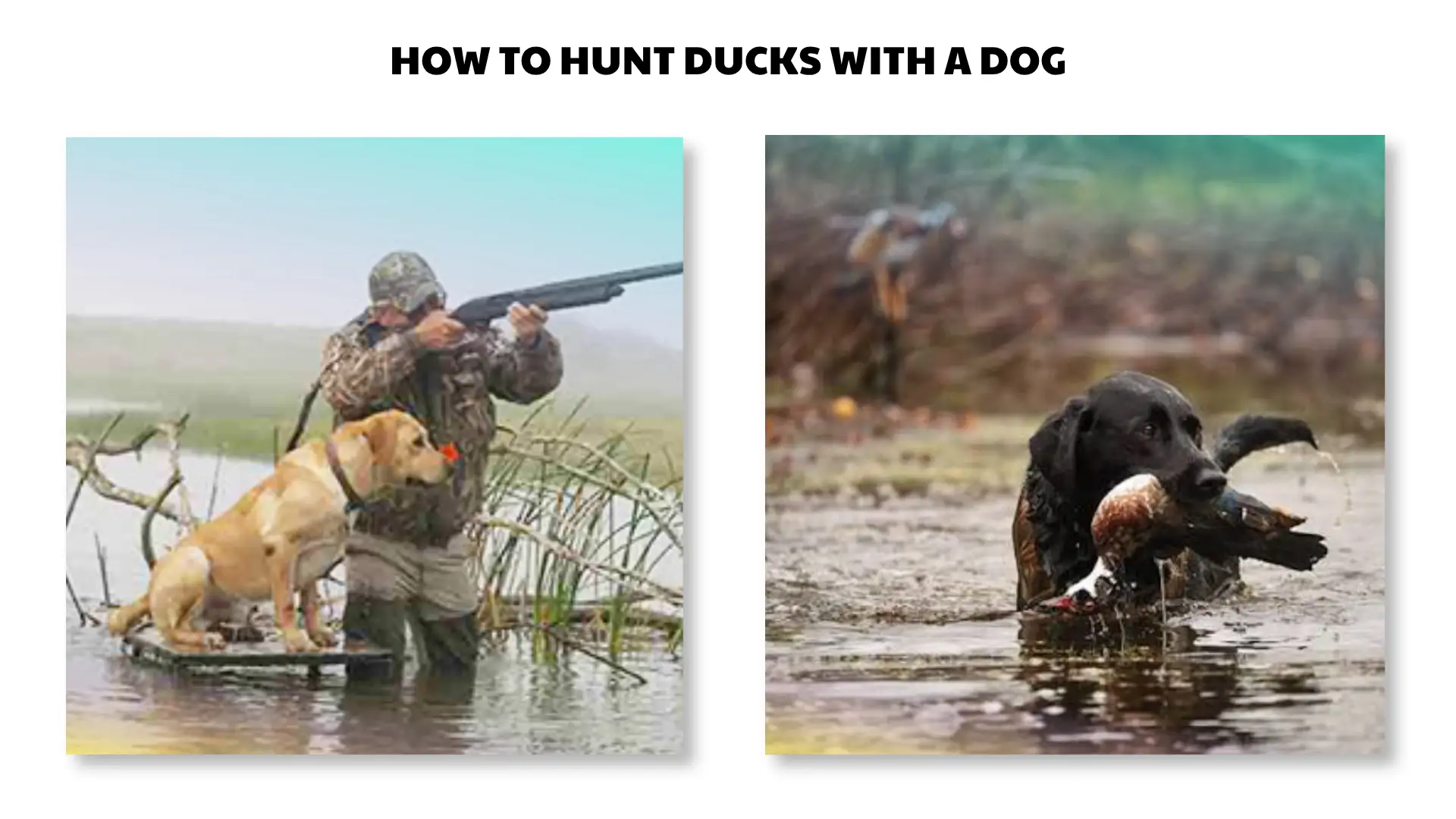

Quick Answer
To hunt ducks with a dog, first confirm current waterfowl laws, legal access, and required licenses or stamps. Then make sure your dog is trained to stay steady, obey recall, retrieve on command, and remain calm around gunfire, decoys, boats, blinds, and other hunters. Scout legal water or field locations, place the dog where it is visible and outside the shooting lane, and send the dog only after the firearm is safe, the fall is marked, and the retrieve path is free of dangerous current, ice, boats, and other hazards.
Important Legal and Safety Notice Before You Hunt
Waterfowl hunting is closely regulated because ducks are migratory birds and important conservation resources. Do not rely on general advice for legal decisions. Always check the exact rules for the place and date you plan to hunt.
- Licenses and permits: Confirm your hunting license, waterfowl permit, migratory bird permit, and state or provincial stamp requirements.
- Duck Stamp requirements: In the United States, many adult waterfowl hunters need a current Federal Duck Stamp along with state requirements.
- Season dates and legal hours: Verify open dates, legal hunting hours, split seasons, and special public land rules.
- Bag limits and identification: Know daily limits, possession limits, and species identification before the hunt.
- Legal ammunition: Waterfowl hunting commonly requires approved non-toxic shot. Check current regulations.
- Land and water access: Confirm public land rules, refuge rules, boat access, blind rules, private land permission, and boundary lines.
- Dog rules: Some areas may restrict dogs, require specific access routes, or have special rules for refuges and shared public spaces.
- Firearm safety: Keep the muzzle pointed in a safe direction, keep your finger off the trigger until ready, identify the target and what is beyond it, and never shoot toward dogs, people, roads, homes, livestock, boats, or unclear movement.
- Water safety: Wear a properly fitted PFD when using a boat, canoe, kayak, layout boat, or unstable shoreline setup. Consider a dog flotation vest when conditions call for it.
- Weather planning: Cold water, wind, fog, current, ice, and darkness can turn a simple retrieve into an emergency. Make conservative decisions.
Understanding Duck Hunting With a Retriever
A duck dog is not simply a convenient helper. In a safe waterfowl setup, the dog must be trained, steady, visible to the handler, protected from hazards, and handled with patience. The dog’s job is to watch the fall, retrieve only when sent, return directly, and deliver the bird without creating unsafe movement in the blind or boat.
Most duck hunters use retriever-type dogs such as Labrador Retrievers, Golden Retrievers, Chesapeake Bay Retrievers, or other trained waterfowl-capable dogs. Breed matters less than health, obedience, steadiness, water confidence, temperament, and the ability to work safely in your actual hunting conditions.
A young, excited, or untrained dog should not be dropped into a cold, crowded, noisy duck hunt and expected to perform well. Before hunting, the dog should be comfortable with basic obedience, water retrieves, decoys, boats or blinds if used, other dogs, calls, and controlled exposure to gunfire under experienced guidance.
What a Duck Dog Must Know Before the First Hunt
Good dog work begins long before opening day. A safer first goal is not a dramatic retrieve. It is a dog that can sit calmly, ignore distractions, wait for a command, return when called, and stay out of dangerous shooting lanes.
Basic Obedience
Your dog should reliably respond to commands such as sit, stay, heel, here, kennel, place, and leave it. These commands help keep the dog controlled when ducks approach, when hunters move, when a boat passes, or when another dog is working.
Steadiness
Steadiness means the dog does not leave the blind, boat, platform, or dog stand until released. This is one of the most important safety skills in duck hunting with a dog. A dog that breaks early may enter a shooting lane, rock a boat, tangle in decoys, or interfere with another hunter.
Marking
Marking means the dog watches where a bird falls and remembers the location. The handler can help by positioning the dog where it can see, using calm commands, and avoiding unnecessary movement in the blind.
Recall and Handling
Recall must be strong enough to bring the dog back from water, cover, mud, or distractions. More advanced dogs may use whistle and hand signals, but beginners should first build reliable recall, safe delivery, and calm behavior.
Gunfire Conditioning
Gunfire conditioning should be gradual and responsible. If you are unsure how to introduce a dog to gunfire, work with a qualified retriever trainer, experienced mentor, or reputable gun dog club. Poor introduction can create fear, unsafe behavior, or long-term training problems.
Best Dogs for Duck Hunting
The best duck dog is healthy, trained, obedient, weather-appropriate, and suited to the terrain. A calm, steady, experienced retriever is usually more useful than a high-drive dog that cannot wait, recall, or work safely.
| Dog Type | Strengths | Important Considerations |
|---|---|---|
| Labrador Retriever | Popular waterfowl dog with strong retrieving drive, trainability, and water confidence. | Needs exercise, consistent training, weight management, and cold-water awareness. |
| Golden Retriever | Trainable, people-focused, and often eager to retrieve. | Coat care is important after muddy or icy hunts. Not every individual is suited to hard waterfowl work. |
| Chesapeake Bay Retriever | Known for toughness, waterfowl heritage, and cold-weather capability. | Often benefits from experienced handling, consistent structure, and early socialization. |
| Boykin Spaniel or other flushing and retrieving dogs | Can work well in some smaller-water or marsh setups. | Match the dog to water temperature, cover, retrieve distance, and local conditions. |
| Well-trained mixed-breed dog | May be a good companion if it has obedience, health, water confidence, and retrieve drive. | Do not assume any dog is ready for cold water, gunfire, boats, or heavy marsh cover without preparation. |
What You Need Before You Start
You do not need the most expensive setup to hunt responsibly, but you do need legal compliance, safe handling, reliable dog control, and gear that matches the water, weather, terrain, and hunting method.
- Valid hunting license, waterfowl permits, duck stamps, tags, and harvest reporting tools if required
- Current waterfowl regulations, species identification guide, and legal shooting hours
- Legal shotgun and approved non-toxic waterfowl ammunition where required
- Hunter education and firearm safety knowledge
- Trained dog with reliable obedience, recall, steadiness, and water confidence
- Dog identification tag, leash, towel, water bowl, first aid items, and a warm rest plan
- Dog stand, platform, dog blind, boat ramp, or safe bank position when conditions require it
- Dog flotation vest or neoprene vest when water, weather, or boating conditions justify it
- Waders or boots appropriate for water depth, mud, temperature, and traction
- Properly fitted PFD for each person when using a boat, canoe, kayak, or similar craft
- Decoys, anchor lines, calls, and blind materials where legal and appropriate
- Headlamp, navigation tools, charged phone or communication device, and a trip plan
- First aid kit for people and dog, plus emergency contact information for a veterinarian
- Game strap, cooler, clean bags, gloves, and basic meat care supplies
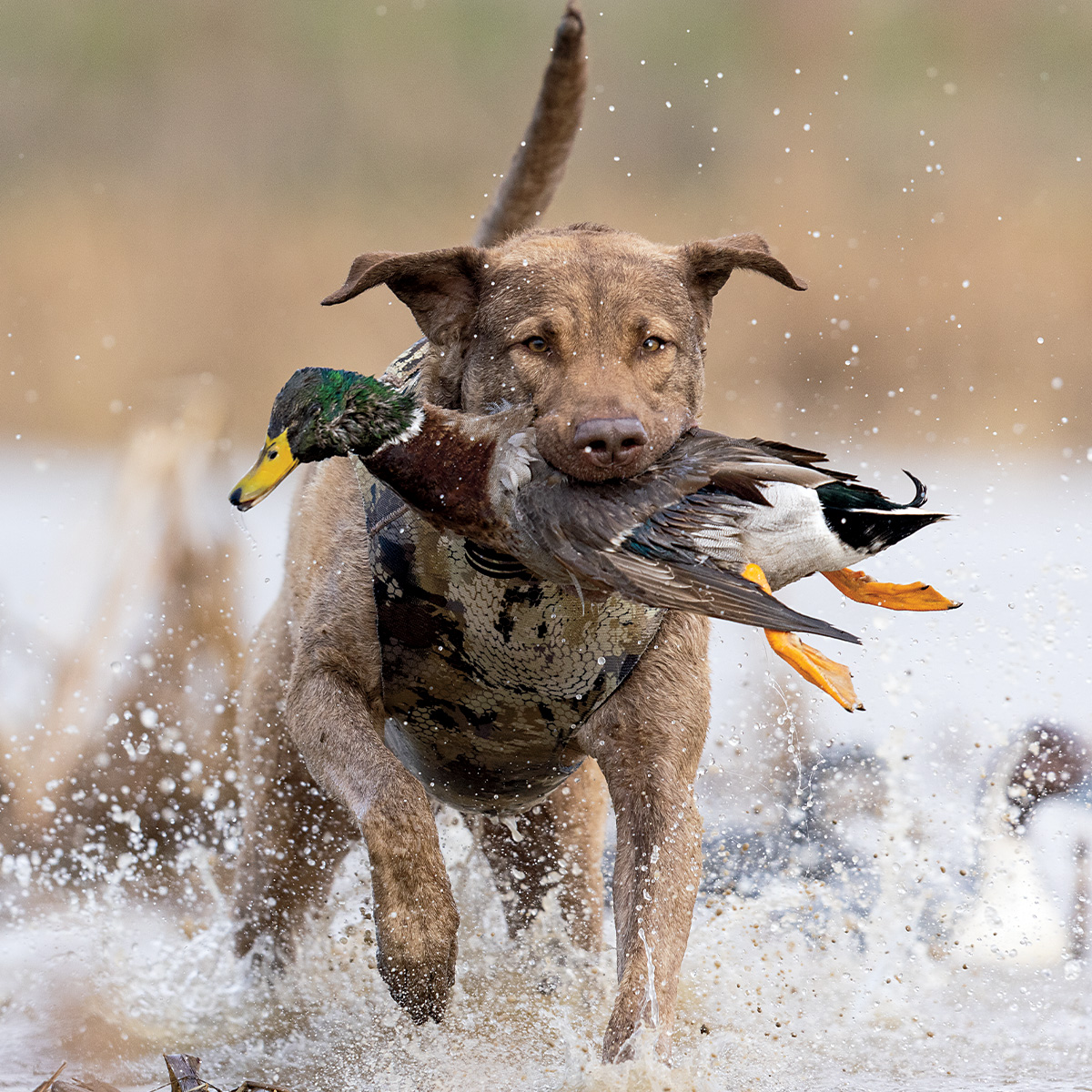
How to Hunt Ducks With a Dog: Step-by-Step Guide
Step 1: Check Local Waterfowl Laws First
Start with regulations, not gear. Confirm license requirements, waterfowl stamps, Federal Duck Stamp rules where applicable, season dates, legal hunting hours, bag limits, legal ammunition, public land rules, boat rules, dog rules, and harvest reporting. If you are hunting a refuge, wildlife management area, conservation area, river corridor, or private wetland, read the unit-specific rules before you go.
Step 2: Make Sure the Dog Is Actually Ready
Your dog should be steady, obedient, responsive to recall, willing to retrieve, able to return directly, and calm around decoys, blinds, boats, calls, other hunters, and gunfire. A dog that is breaking, chasing, whining uncontrollably, ignoring recall, or leaving the setup without permission needs more training before a live hunt.
Step 3: Pick a Safe and Legal Place to Hunt
Choose a hunting area with legal access, clear boundaries, safe shooting zones, manageable water depth, and a realistic retrieve plan. Beginners are often better served by small ponds, protected marsh edges, shallow wetlands, or controlled private water than by deep rivers, big lakes, heavy current, icy water, or crowded public blinds.
Step 4: Scout Duck Movement Before Bringing the Dog
Scouting tells you where ducks naturally want to be. Look for feeding areas, loafing spots, flight paths, wind direction, fresh tracks in mud, feathers, droppings, and water with recent bird activity. Learn the area in daylight so you are not guessing in the dark with a dog at your side.
Step 5: Plan the Dog’s Position
Before setting decoys or brushing a blind, decide where the dog will sit, what the dog can see, and how the dog will enter and exit the water. The dog should be out of the shooting lane, visible to the handler, away from loose decoy lines, and protected from unstable mud, sharp debris, ice edges, fast current, and boat traffic.
Step 6: Set Up With Clear Shooting Lanes and Safe Zones
Every hunter in the group should know where the dog is located, where each person may safely shoot, and where no one may shoot. Never swing a firearm across the dog, another hunter, a boat, a road, a house, livestock, or unknown movement. If the setup does not allow a safe zone of fire, change the setup or do not hunt there.
Step 7: Keep the Dog Steady When Ducks Approach
As ducks work the area, keep the dog calm and still. A dog that whines, stands, shakes, or moves at the wrong time can flare birds, distract hunters, or create a safety issue. Use quiet, consistent handling rather than repeated loud commands.
Step 8: Take Only Safe, Legal, and Ethical Shot Opportunities
Only take a shot when the duck is legal, clearly identified, within your practiced ability, and in a safe direction. Do not shoot toward the dog, another hunter, a boat, houses, roads, livestock, trails, or unclear movement. If the dog breaks early, if the bird is too low, or if the background is unsafe, pass the opportunity.
Step 9: Mark the Fall Before Sending the Dog
After a legal shot opportunity, stay calm and mark where the duck falls. Use a clear landmark such as a clump of grass, stump, opening in cattails, or decoy position. Give the dog a steady, simple command only after the firearm is safe, the retrieve path is clear, and the dog can work without entering danger.
Step 10: Send the Dog Only When the Retrieve Is Safe
Consider water depth, current, ice, boat traffic, distance, weather, other hunters, and the dog’s condition. Do not send a dog into dangerous current, thick ice, open-water waves, or a situation beyond its training. If a retrieve is unsafe for the dog, use another legal and safe recovery method or contact appropriate help when required by local rules.
Step 11: Handle the Duck and Dog Calmly After the Retrieve
Receive the bird, reward the dog calmly, check for injuries, and return the dog to its place. Keep the dog from chewing birds, running through firearms, tangling in decoys, or shaking water in a small boat at the wrong moment. Maintain control before the next group of birds approaches.
Step 12: Follow Reporting, Transport, and Meat Care Rules
Tag, record, report, or transport harvested birds as required by law. Keep birds cool, clean, and identifiable according to your local rules. Use the harvest respectfully, avoid waste, and review the hunt so you can improve the dog’s training and your own decisions before the next trip.
Best Places and Conditions for Duck Hunting With a Dog
The best place to hunt ducks with a dog is a legal waterfowl area where ducks naturally use the habitat and the retrieve conditions are safe for the dog. Small protected water, marsh pockets, shallow ponds, flooded edges, and fields with manageable cover can be good beginner choices when legal to hunt.
Cold fronts, changing water levels, wind direction, food availability, hunting pressure, and migration timing can all affect duck movement. Local scouting is more useful than a generic rule. Watch where ducks go when they are not pressured, then choose a setup that lets the dog work safely without crossing dangerous water or disturbing other hunters.
Dog Safety in Waterfowl Hunting
A duck dog is an athlete, but it is not invincible. Cold water, exhaustion, submerged objects, ice, mud, current, boat traffic, and overwork can create serious risk. The handler is responsible for deciding when the dog should work and when it should rest.
Cold Water and Hypothermia
Cold water can chill a dog quickly, especially with repeated retrieves, wind, low body fat, age, illness, or long waits between retrieves. Dry the dog when possible, provide a place out of the water, use a properly fitted neoprene vest when appropriate, and stop the hunt if the dog is shivering hard, stumbling, acting weak, refusing commands, or showing unusual behavior.
Dog Flotation
A dog flotation vest can help in boats, deep water, current, waves, or long retrieves. It is not a substitute for judgment. A vest should fit securely without restricting movement, rubbing the dog raw, or trapping the dog in brush.
Ice and Current
Do not treat ice as a normal retrieve condition for a beginner dog. Broken ice can cut a dog, trap it, or make return difficult. Current can sweep a dog away faster than a handler expects. When in doubt, do not send the dog.
Blind and Boat Safety
Use a dog stand, dog blind, boat platform, or controlled position that keeps the dog away from muzzles, swinging hunters, hot barrels, and loose gear. In small boats, a breaking dog can shift weight and create a capsize risk. Practice boat manners before hunting.
Firearm Safety When Hunting Ducks With a Dog
Firearm safety is even more important when a dog is in the blind. Dogs move low, fast, and unexpectedly if not well trained. Every hunter must know where the dog is before raising a firearm.
- Keep the muzzle pointed in a safe direction at all times.
- Keep the firearm unloaded until you are legally and safely ready to hunt.
- Keep your finger off the trigger until you are ready to shoot.
- Identify the duck, the background, and the safe zone of fire before acting.
- Never shoot over a dog that is out of position, swimming, retrieving, or crossing the line of fire.
- Do not shoot low birds that put the dog, decoys, water surface, boats, or other hunters at risk.
- Unload before moving, entering a boat, crossing obstacles, or handling the dog in a tight space.
- Communicate clearly with every hunter in the blind before the hunt starts.
Decoy and Blind Setup With a Dog
Decoys can help create a natural-looking area, but they can also create hazards. Keep anchor lines managed so the dog is less likely to tangle. Avoid placing the dog where it must crash through lines, swim across the entire spread, or leap from an unsafe bank.
The dog’s hide should blend into the area while still allowing visibility. Some handlers use a dog blind, platform, or stand. Others use a protected pocket of cover. The best choice depends on water depth, mud, vegetation, ice, boat setup, and the dog’s training.
Public Land, Private Land, and Refuge Considerations
Public waterfowl areas can be productive but crowded. Give other hunters space, follow posted access rules, avoid cutting off someone else’s setup, and keep your dog under control around other dogs and people. Some public lands use assigned blinds, draw systems, motor restrictions, dog restrictions, or special entry rules.
On private land, get permission in advance and respect every condition the landowner gives you. Close gates, avoid livestock, park where allowed, do not damage fields or roads, and clean up hulls, trash, dog waste, and blind materials. A good reputation matters more than one hunt.
Helpful Tips for Better Results
- Train steadiness before the season instead of trying to fix breaking behavior during a hunt.
- Practice with decoys, a dog stand, and a blind setup before using them in real waterfowl conditions.
- Keep commands simple, calm, and consistent.
- Scout legal areas in daylight so you understand water depth, mud, current, cover, and exit routes.
- Bring towels, clean water, extra leash, dog first aid items, and a warm rest area for cold hunts.
- Use a dog vest or flotation vest when conditions justify it, but do not rely on gear to overcome unsafe water.
- Hunt with an experienced waterfowl mentor if you are new to dogs, boats, or public marshes.
- Pass on shots that are too low, too far, poorly identified, or unsafe for the dog.
- End the hunt early if the dog is tired, cold, injured, confused, or no longer responsive.
Common Mistakes to Avoid
Many duck dog problems come from rushing the process. A dog that looks excited in the yard may not be ready for cold water, decoys, gunfire, darkness, other hunters, and live birds all at once.
- Skipping legal research: Do not assume last year’s waterfowl rules still apply.
- Taking an unsteady dog: A dog that breaks can create a serious safety problem.
- Ignoring water hazards: Current, ice, deep mud, waves, and boat traffic can be more dangerous than they look.
- Poor dog placement: A dog in the shooting lane, behind hunters, or tangled in decoys is unsafe.
- Overworking the dog: Repeated cold-water retrieves can exhaust a dog quickly.
- Not identifying ducks: Know the species and limits before taking any shot.
- Letting excitement replace judgment: No bird is worth an unsafe shot, illegal action, or preventable dog injury.
- Failing to clean up: Pick up shells, trash, dog gear, blind material, and anything you brought in.
Troubleshooting Common Problems
| Problem | Possible Cause | What to Do |
|---|---|---|
| The dog breaks before being sent | Not enough steadiness training, too much excitement, or unclear handler control | Stop hunting the dog in unsafe setups and rebuild steadiness with controlled drills before returning to live hunts. |
| The dog cannot see falling birds | Poor dog placement, tall cover, bad angle, or too much movement in the blind | Move the dog to a safer viewing position, simplify the setup, and help the dog mark with calm handling. |
| The dog tangles in decoy lines | Decoys placed across retrieve lanes or loose anchor lines | Open a clear dog lane, shorten loose lines, and avoid sending the dog through dense decoy clusters. |
| The dog hesitates at water entry | Cold water, steep bank, mud, fear, fatigue, or poor training | Do not force the dog into unsafe water. Train gradually in easier conditions and choose safer entries. |
| The dog seems cold or weak | Cold water exposure, wind, fatigue, age, health issue, or overwork | Stop hunting, dry and warm the dog gradually, and contact a veterinarian if symptoms are serious or do not improve. |
| Ducks flare before coming close | Movement, glare, poor concealment, dog visibility, bad wind setup, or pressured birds | Improve cover, control dog movement, reduce unnecessary calling, and adjust for wind and sun. |
| Hunters are confused about safe zones | No pre-hunt safety talk or unclear shooting lanes | Pause the hunt and define safe zones, dog location, boat lanes, and no-shoot directions before continuing. |
| You are unsure about a rule | Complex public land, refuge, waterfowl, ammunition, or dog regulations | Do not guess. Contact the wildlife agency, land manager, refuge office, or conservation officer before hunting. |
Ethical Hunting and Conservation
Ethical duck hunting with a dog means more than following minimum legal rules. It means respecting ducks, wetlands, landowners, other hunters, non-hunters, and your dog. It also means passing on unsafe or uncertain shot opportunities and making a serious effort to recover legally harvested birds.
- Know the species before taking a shot.
- Obey seasons, limits, legal hours, and ammunition rules.
- Train before hunting so the dog can retrieve safely and efficiently.
- Do not waste game or treat recovery casually.
- Respect public land spacing and private land permission.
- Clean up shells, trash, decoy line, food wrappers, and dog waste.
- Support wetland conservation through licenses, stamps, habitat work, and responsible participation.
When to Get More Training or Professional Guidance
Get help before problems become dangerous. A qualified mentor, certified hunter education instructor, reputable retriever trainer, veterinarian, wildlife agency, or local conservation officer can help you make better decisions.
- You have never hunted waterfowl before.
- You have never handled a firearm around a dog.
- Your dog breaks, ignores recall, fears gunfire, or refuses water.
- You are unsure about waterfowl identification or legal limits.
- You plan to hunt from a boat, canoe, kayak, layout boat, or icy shoreline.
- You do not understand public land boundaries, refuge rules, or private access.
- Your dog shows signs of injury, cold stress, exhaustion, or unusual behavior.
- You need guidance on meat care, harvest reporting, or transport rules.
After the Hunt: Dog Care, Gear Care, and Learning
After the hunt, check your dog carefully. Look at paws, pads, ears, eyes, tail, legs, and skin. Remove burrs, ice, mud, plant seeds, and debris. Dry the dog well, provide water, and watch for soreness, coughing, limping, vomiting, unusual tiredness, or signs of cold stress.
Clean and dry waders, decoys, calls, dog vest, dog stand, blind bag, and firearm according to manufacturer instructions. Keep ammunition and firearms stored safely and lawfully away from children or unauthorized users.
Make notes about weather, wind, bird movement, dog behavior, retrieve distances, mistakes, and what you would change. Good waterfowl hunters and handlers improve through honest review, not just through more days in the marsh.
Recommended Hunting Gear and Tools to Consider
You do not always need expensive gear to hunt responsibly. Choose gear based on your local laws, water depth, weather, dog training level, access method, terrain, safety needs, and budget.
- Legal shotgun and approved non-toxic ammunition where required
- Current license, waterfowl stamps, permits, and harvest reporting tools
- Dog leash, collar with ID, place mat, dog stand, platform, or dog blind
- Dog flotation vest or neoprene vest when conditions justify it
- Properly fitted PFD for each person when boating
- Waders, boots, gloves, and weather-appropriate clothing
- Decoys and safe anchor systems suited to the water depth
- Headlamp, backup light, map, compass, GPS, or hunting app
- First aid kit for people and dog
- Towels, warm cover, clean water, and food or snacks for the dog when appropriate
- Cooler, game strap, gloves, and clean bags for responsible meat care
Final Thoughts
How to hunt ducks with a dog comes down to preparation, obedience, safety, legal compliance, and respect for the wetland. A good retriever can make waterfowl hunting more efficient and rewarding, but only when the dog is trained, protected, and handled with calm judgment.
Start with the law, train before the season, scout legal water, set up safe dog and hunter positions, pass on risky opportunities, and care for your dog after every hunt. No duck is worth an unsafe shot, an illegal decision, or a preventable injury to a hunting partner, bystander, or dog.
Frequently Asked Questions
1. Can beginners learn how to hunt ducks with a dog?
Yes. Beginners should start with hunter education, current waterfowl regulations, firearm safety, basic dog obedience, and a mentor if possible. Begin with simple, legal, protected-water setups before attempting crowded marshes, deep rivers, big lakes, or cold open water.
2. What is the best dog for duck hunting?
A healthy, steady, trained retriever is usually the best choice. Labrador Retrievers, Golden Retrievers, and Chesapeake Bay Retrievers are common, but obedience, water confidence, temperament, fitness, and safe handling matter more than breed name alone.
3. Does my dog need professional training before duck hunting?
Professional training is not always required, but it is very helpful for steadiness, gunfire introduction, handling, and water retrieves. If you are unsure how to train safely, use a reputable retriever trainer, gun dog club, or experienced mentor.
4. What commands should a duck dog know?
A duck dog should reliably know sit, stay, heel, here, kennel, place, leave it, and a clear release command. More advanced dogs may also use whistle commands and hand signals, but beginners should first focus on control and recall.
5. What does steadiness mean in duck hunting?
Steadiness means the dog waits calmly and does not retrieve until released. This protects the dog from entering shooting lanes, rocking a boat, tangling in decoys, or interfering with other hunters.
6. Can I take an untrained dog duck hunting?
It is not recommended. An untrained dog may break, ignore recall, fear gunfire, disturb other hunters, or enter dangerous water. Train first and introduce real hunting conditions gradually.
7. How old should a dog be before its first duck hunt?
Age alone is not enough to decide. The dog should be physically mature enough for the conditions, obedient, steady, comfortable in water, and properly introduced to gunfire under safe guidance.
8. Do dogs need a life jacket for duck hunting?
A dog flotation vest is wise around boats, deep water, current, waves, or long retrieves. It must fit correctly and should never be used as an excuse to send a dog into unsafe water.
9. Should hunters wear life jackets while duck hunting from a boat?
Yes. A properly fitted PFD is a smart safety habit when using a boat, canoe, kayak, or layout boat. Cold water, heavy clothing, firearms, decoys, and dogs can make boating accidents more serious.
10. Can a duck dog get hypothermia?
Yes. Repeated cold-water retrieves, wind, wet fur, fatigue, age, or health issues can put a dog at risk. Watch for hard shivering, weakness, confusion, slow movement, or unusual behavior and seek veterinary help when needed.
11. How do I keep my dog warm during a duck hunt?
Give the dog a dry place to sit, limit repeated cold-water retrieves, dry it when possible, consider a properly fitted neoprene vest, and stop hunting if the dog shows signs of cold stress.
12. Can a dog sit in the blind with hunters?
Sometimes, but only if the dog is controlled, out of the shooting lane, and not crowding firearms. Many setups are safer with a dog stand, platform, or separate dog blind.
13. Where should the dog sit during a duck hunt?
The dog should sit where it can see falling birds, remain under control, stay out of the shooting lane, and enter the water safely without crossing decoy lines or unstable mud.
14. How do I stop my dog from breaking early?
Return to controlled steadiness training and reduce excitement. Use short drills, a clear release command, and consistent handling before expecting the dog to stay steady in a live hunt.
15. What should I do if my dog breaks during a hunt?
Do not shoot over the dog. Make the firearm safe, regain control, and reassess the setup. If the dog keeps breaking, stop hunting the dog that day and return to training.
16. Is duck hunting with a dog legal everywhere?
No. Dog rules vary by public land unit, refuge, season, species, and local regulation. Always check the rules for the exact place and date you plan to hunt.
17. Do I need a Duck Stamp to hunt ducks?
In the United States, many waterfowl hunters age 16 and older need a current Federal Duck Stamp in addition to applicable state licenses and permits. Verify current federal and state rules before hunting.
18. What ammunition is legal for duck hunting?
Waterfowl hunting commonly requires approved non-toxic shot. Do not assume your ammunition is legal; check current rules for the species, property, and jurisdiction.
19. Can I hunt ducks with lead shot?
In many places, lead shot is not legal for waterfowl hunting. Use only ammunition that your official regulations allow for ducks in your area.
20. How do I identify ducks before shooting?
Study local species, field marks, size, wing pattern, calls, flight style, and limits before hunting. If you are not sure what the bird is, do not shoot.
21. What is the best time of day to hunt ducks with a dog?
Many duck hunts focus on morning or late-day movement, but legal hours and local duck behavior matter most. Follow current legal hunting hours and scout your area.
22. What is the best weather for duck hunting with a dog?
Wind, cloud cover, fronts, and changing weather can influence duck movement, but dog safety comes first. Avoid lightning, extreme cold, heavy waves, unsafe ice, and dangerous current.
23. Can I duck hunt with a dog on public land?
Yes, where legal. Public land requires extra courtesy, safe spacing, clear dog control, and careful reading of access, blind, boat, refuge, and dog rules.
24. Can I duck hunt with a dog on private land?
Yes, with clear permission and full legal compliance. Respect the landowner’s gates, crops, livestock, parking instructions, property boundaries, and cleanup expectations.
25. How far should a duck dog retrieve?
Retrieve distance should match the dog’s training, water conditions, weather, and safety. Beginners should choose shorter, safer retrieves rather than pushing a dog into long, cold, or dangerous water.
26. What if the dog cannot find the duck?
Stay calm, mark the area, handle the dog carefully, and follow legal recovery expectations. Do not send the dog into unsafe water or trespass while trying to recover game.
27. Should I hunt with more than one dog?
Multiple dogs can work, but only with experienced handlers and good control. Dogs must honor each other, wait their turns, and avoid confusion around retrieves and firearms.
28. Can two hunters safely hunt with one dog?
Yes, if everyone agrees on shooting lanes, dog location, commands, and retrieve procedures before the hunt. The handler should control when the dog is released.
29. How do decoys affect a duck dog?
Decoys can help attract ducks, but anchor lines can tangle a dog. Leave a clear retrieve lane and avoid sending the dog through a dense cluster of lines.
30. Do duck calls bother dogs?
Some dogs ignore calls, while others get excited. Practice around calls before the season so the dog learns that calling does not mean it is time to break or retrieve.
31. What should I pack for my duck dog?
Bring a leash, ID collar, towel, clean water, bowl, dog first aid items, dog vest if needed, platform or blind if used, and a warm rest plan for cold weather.
32. How do I introduce a dog to gunfire?
Gunfire introduction should be gradual, controlled, and positive. If you do not know how to do it safely, work with a qualified retriever trainer or experienced gun dog mentor.
33. What if my dog is scared of gunfire?
Do not force the dog through fear. Stop exposing the dog to hunting gunfire and seek help from a qualified trainer who understands gun-shy behavior.
34. Can small dogs retrieve ducks?
Some smaller sporting dogs can retrieve in mild conditions, but size, strength, coat, training, and water safety matter. Do not send a small dog into cold, deep, rough, or dangerous water beyond its ability.
35. Is a dog vest necessary for duck hunting?
A vest can add warmth, visibility, and some protection depending on design. It must fit properly and should not replace safe water decisions or proper conditioning.
36. How do I protect my dog’s paws in marshes?
Check paws before and after the hunt for cuts, ice, burrs, seeds, mud, and irritation. Avoid sharp debris, broken ice, and areas with unknown hazards.
37. What should I do if my dog gets injured during a hunt?
Make firearms safe, stop the hunt, control the dog, use only first aid within your training, and contact a veterinarian or emergency clinic as needed.
38. How do I keep my dog from chewing retrieved ducks?
Work on hold, delivery, and soft-mouth training outside the hunt. Calm handling and consistent practice usually work better than punishment in the blind.
39. Can duck dogs retrieve geese too?
Some trained dogs can retrieve geese, but geese are larger and may require more strength, confidence, and handler control. Match the retrieve to the dog’s ability and safety.
40. What is the biggest safety rule when hunting ducks with a dog?
Never let excitement override safety. Know where the dog, other hunters, boats, roads, homes, and safe background are before any shot opportunity, and pass whenever the situation is not clearly safe and legal.