

No guide can promise success. Waterfowl movement depends on migration, weather, pressure, food, water levels, local regulations, and your patience. But careful preparation can help you hunt more safely, avoid common mistakes, and build good habits from your first season.
Quick Answer
To learn how to hunt waterfowl, first confirm your hunting license, waterfowl permits, migratory bird requirements, season dates, legal shooting hours, bag limits, weapon rules, and land access. Scout wetlands, fields, rivers, lakes, or marshes to find where ducks and geese naturally feed, rest, and travel. Set up with safe shooting lanes, good concealment, wind-aware decoy placement, and only take clear, legal, ethical shot opportunities within your practiced ability. With patience and practice, beginners can learn to read bird behavior and improve without relying on risky or illegal shortcuts.
Important Legal and Safety Notice Before You Hunt
Hunting regulations vary by country, state, province, county, land type, season, species, and hunting method. Before hunting waterfowl, check your official wildlife agency for current license, permit, tag, stamp, registration, season, legal hours, weapon, ammunition, bag limit, possession, land access, reporting, and transport rules. Do not rely on old advice, social media posts, or another hunter’s memory when legal details may have changed.
- Hunting license and permits: Carry the required license and any waterfowl or migratory bird permits for your area.
- Tags, stamps, or harvest reporting: Some places require stamps, HIP-style registration, harvest reports, or species documentation.
- Legal season and legal hours: Confirm open dates, shooting hours, daily limits, possession limits, and closed areas.
- Legal weapons and ammunition: Use only legal firearms, bows, shot sizes, non-toxic shot types, and magazine capacities allowed where you hunt.
- Public land or private land access: Verify boundaries, refuge rules, boat ramps, parking, blind rules, and written permission when needed.
- Required clothing or visibility rules: Follow any blaze orange, visibility, flotation, or safety clothing requirements.
- Safe firearm or bow handling: Keep the muzzle in a safe direction, keep your finger off the trigger until ready, and identify the target and what is beyond it.
- Weather, navigation, and emergency planning: Plan for cold water, fog, wind, storms, darkness, changing water levels, and communication failures.
Understanding the Game Species and Its Habitat
Waterfowl hunting usually focuses on ducks and geese, though exact legal species vary by region. Waterfowl use a mix of wetlands, lakes, rivers, marshes, flooded timber, grain fields, shallow ponds, mudflats, sloughs, and coastal areas. They move between roosting areas, feeding areas, loafing areas, and travel corridors.
Ducks and geese are strongly influenced by water, food, wind, weather, and hunting pressure. Some birds feed in flooded vegetation, shallow marshes, agricultural fields, or natural seed-producing wetlands. Others loaf on open water, sandbars, shorelines, or protected pockets away from disturbance.
Beginners should learn the difference between legal game birds and protected species. Study wing shape, flock size, voice, body profile, color patterns, and flight behavior before the season. Identification is not optional; ethical hunters pass when they are unsure.
Waterfowl signs can include feathers, tracks in mud, droppings near loafing areas, feeding activity, repeated flight lines, and birds seen using the same area at similar times. Fresh observation is more valuable than old sign because waterfowl patterns can change quickly after a front, freeze, rain, water-level change, or hunting pressure.
What You Need Before You Start
- Valid hunting license, waterfowl permits, stamps, registrations, and current regulation knowledge
- Legal hunting weapon or method allowed in your area
- Approved non-toxic ammunition if required for waterfowl where you hunt
- Hunter orange, visibility clothing, or flotation gear if required or appropriate
- Weather-appropriate waterproof clothing, insulated layers, gloves, hat, and boots or waders
- Navigation tools such as map, compass, GPS, or a hunting app with offline access
- First aid kit, water, snacks, emergency communication, and a clear trip plan
- Binoculars for safe observation and bird identification
- Decoys, anchors, calls, blind material, or natural cover where legal and useful
- Game bags, gloves, cooler, and basic meat care supplies if you harvest birds
How To Hunt Waterfowl: Step-by-Step Guide
Step 1: Check Local Hunting Laws First
Start with your official wildlife agency, not a forum or old printed rulebook. Verify your license, waterfowl stamps or permits, migratory bird registration, legal species, season dates, hunting zones, shooting hours, bag limits, possession limits, firearm rules, non-toxic shot rules, boat rules, public land rules, and harvest reporting requirements.
In some regions, waterfowl hunting is regulated by both federal and local agencies because ducks and geese migrate across large areas. That means a legal hunt in one state, province, refuge, or wetland may not be legal somewhere else.
Step 2: Learn the Animal’s Patterns
Waterfowl move between roosting, feeding, and resting areas. Your goal is to understand where birds want to go naturally, then set up legally and safely without disturbing the whole area. Ducks may use shallow marshes, flooded timber, potholes, or river bends, while geese may feed in crop fields and rest on larger water.
Pay attention to wind, weather fronts, water levels, ice, food availability, and hunting pressure. These factors often matter more than expensive gear.
Step 3: Choose a Legal Hunting Area
Waterfowl hunters may use public wildlife areas, national or state refuges where hunting is allowed, walk-in wetlands, rivers, lakes, private farms, managed blinds, or leased fields. Every area has its own access rules. Confirm parking, boat ramps, boundary lines, blind reservation systems, closed refuge zones, and shooting direction limits.
For private land, get permission before entering. Written permission is recommended and sometimes required. Respect crops, livestock, fences, gates, ditches, and landowner instructions.
Step 4: Scout Before the Hunt
Scouting means finding fresh bird use before you hunt. Watch from roads, observation points, legal public areas, or a distance that does not push birds out. Use binoculars to identify species, count birds, observe direction of travel, and note the time birds enter or leave.
Look for tracks in mud, feathers, droppings, feeding marks, loafing sites, and repeated flight lines. Do not rely only on where birds were last year; waterfowl can shift quickly after weather or pressure changes.
Step 5: Prepare Your Gear Safely
Before the hunt, inspect your firearm or bow according to the manufacturer’s instructions and official hunter education guidance. Use only legal ammunition and do not modify weapons or safety features. Pattern your shotgun at a safe range so you understand your effective range with legal loads.
Prepare clothing for wet, cold, windy conditions. Pack first aid, water, navigation, headlamp, spare gloves, shell storage, license documents, and a way to keep harvested birds clean and cool. If boating, check life jackets, lights, motor, oars, anchor, weather, and water conditions.
Step 6: Plan for Wind, Weather, and Entry Route
Wind direction matters because ducks and geese often prefer to land into the wind. Set your decoys and blind so approaching birds can land naturally while keeping all shooting lanes safe. Avoid setups that encourage shooting toward roads, homes, livestock, trails, other hunters, boats, or unclear backgrounds.
Plan a quiet entry route that avoids flushing birds before legal hours. Watch for fog, lightning, freezing temperatures, high water, deep mud, and strong wind. No bird is worth unsafe water travel or poor visibility.
Step 7: Set Up Carefully
Choose cover that hides your movement and matches the habitat. This may be marsh grass, reeds, flooded timber, a layout blind, a boat blind, or a field edge. Keep your setup legal, temporary where required, and respectful of other hunters.
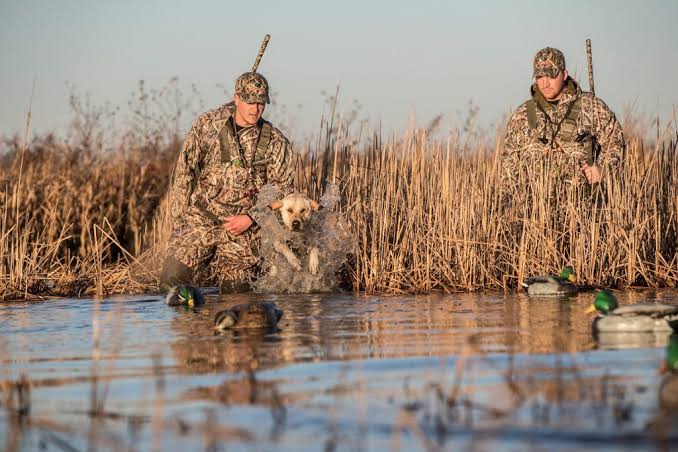
Place decoys where birds can see them but leave an open landing pocket. In wind, use heavier anchors or fewer decoys if needed. Keep the safest shooting direction clear and make sure every hunter in the group understands the shooting lanes.
Step 8: Stay Patient and Observe
Waterfowl hunting requires long periods of listening, watching, and staying still. Observe how birds react to your decoys, calling, blind, wind, and movement. If birds flare away, identify one likely cause at a time instead of changing everything at once.
Call sparingly until you understand bird behavior. On pressured public land, less calling and better concealment often outperform loud, constant calling.
Step 9: Take Only a Safe, Legal, and Ethical Shot Opportunity
Only act when the bird is legal to harvest, clearly identified, within your practiced effective range, and in a safe direction. Know what is beyond the bird. Never shoot toward roads, homes, people, livestock, vehicles, boats, trails, dogs, or unclear movement.
If the bird is too far, mixed with protected species, outside legal hours, or not clearly identified, pass. Ethical restraint is a core hunting skill.
Step 10: Follow Legal Recovery and Reporting Rules
After a successful shot, recover the bird safely and promptly while following local rules. Avoid unsafe water, deep mud, strong current, thin ice, or dangerous boating conditions. If you use a dog, keep the dog under control and protect it from cold water and hazards.
Follow all tagging, possession, species identification, harvest reporting, check station, or transport requirements in your area. Some rules require evidence of species or sex to remain with the bird during transport.
Step 11: Handle the Game Responsibly
Use clean gloves, clean tools, and a cooler when appropriate. Keep birds cool, dry, and protected from contamination. Learn proper meat care from official hunter education, wildlife agency guidance, or an experienced mentor. Use the harvest respectfully and avoid waste.
Best Time, Place, and Conditions for This Hunt
The best time to hunt waterfowl depends on the legal season, local migration, food, water, weather, and pressure. Many hunts focus on early morning movement from roosts to feeding or loafing areas. Some locations also have productive afternoon or evening movement where legal.
Good places include shallow wetlands, marsh edges, river bends, sloughs, flooded fields, grain fields, managed wetlands, reservoirs, and protected pockets near larger water. The best location is not always the prettiest spot; it is the legal area birds are actually using.
Weather can change everything. Wind can help birds move and commit to decoys, but high wind can create boating and shooting risks. Cold fronts, rain, fog, thawing ice, water-level changes, and hunting pressure can shift birds quickly. Scout close to the hunt date and always prioritize safety.
Public land may offer affordable access but usually has more hunting pressure and more safety concerns. Private land may offer less pressure, but only with clear permission and landowner respect. In both cases, local regulations and local bird behavior matter more than general advice.
Helpful Tips for Better Results
- Scout before you hunt; fresh bird use is more important than an expensive decoy spread.
- Set up with the wind in mind because waterfowl often land into the wind.
- Keep your blind natural, dull, and still; movement flares birds quickly.
- Practice bird identification before the season so you can make legal decisions quickly.
- Use simple calling until you understand how birds respond in your area.
- Carry only the gear you can use safely, especially around water, mud, and boats.
- Have backup spots on public land so crowding does not push you into unsafe choices.
- Pattern your shotgun legally and safely before the season to learn your effective range.
- Plan recovery before taking a shot; do not shoot where recovery is unsafe or unrealistic.
Common Mistakes to Avoid
Beginners often make waterfowl hunting harder by skipping the basics. The most serious mistakes involve legal assumptions, unsafe shooting directions, poor identification, and weak preparation for water and weather.
- Not checking current regulations before every season
- Hunting without the correct license, stamp, registration, tag, or permission
- Using illegal ammunition or assuming old ammunition is still allowed
- Failing to identify species before shooting
- Ignoring wind direction when placing decoys and choosing a blind
- Calling too much when birds are already approaching naturally
- Setting up too close to other hunters on public land
- Moving, shining gear, or standing too early when birds are working
- Taking long or uncertain shots beyond practiced ability
- Not planning safe recovery, reporting, transport, and meat care
- Underestimating cold water, fog, deep mud, high wind, or boating risk
- Crossing unclear property lines or entering private land without permission
Troubleshooting Common Problems
| Problem | Possible Cause | What to Do |
|---|---|---|
| You are not seeing any birds | Old scouting information, wrong timing, changed water levels, heavy pressure, or poor food availability | Scout again, watch flight lines, check fresh sign, and move to a legal area birds are currently using. |
| Birds flare before reaching the decoys | Poor concealment, shiny gear, movement, unnatural decoy layout, or too much calling | Improve the hide, cover faces and hands, reduce movement, adjust decoys, and call less. |
| Decoys drift or tangle | Wind, current, weak anchors, tangled lines, or incorrect depth | Use proper anchors, organize lines before the hunt, reduce spread size, or choose sheltered water. |
| Other hunters are too close | Public land pressure, limited access, or poor spacing | Keep safe shooting lanes, communicate calmly if appropriate, and use a backup location if safety is compromised. |
| You are unsure about legal species | Low light, mixed flocks, poor identification practice, or similar-looking birds | Do not shoot. Study official ID resources and wait for a clear legal opportunity. |
| Weather becomes unsafe | Fog, lightning, high wind, cold water, ice, or rising water | End the hunt or move to safety. No harvest is worth unsafe conditions. |
| Gear fails in the marsh | Poor inspection, wet conditions, dead batteries, or overloaded pack | Inspect gear before leaving, carry essential backups, and keep electronics in waterproof storage. |
| Property boundaries are unclear | Poor map preparation, missing signs, or confusing public-private edges | Stop and verify with official maps, landowner permission, or agency resources before hunting. |
| A beginner feels nervous before a shot | Lack of practice, pressure from others, or uncertainty about range and safety | Slow down, keep the firearm pointed safely, and pass unless the opportunity is clear, legal, and ethical. |
| Recovery looks difficult | Deep water, current, ice, thick vegetation, or no safe access | Do not take shots that create unsafe or unrealistic recovery. Plan recovery before shooting. |
Ethical Hunting and Conservation
Ethical waterfowl hunting means respecting wildlife, other hunters, landowners, dogs, non-hunting public users, and the habitat that supports birds. Good hunters obey seasons and limits, avoid waste, practice before hunting, and pass on shots that are unsafe, uncertain, or outside their ability.
Responsible hunters also support conservation. License revenue, waterfowl stamps, habitat programs, surveys, wetland protection, and volunteer work all help maintain the resource. Leave the marsh, field, or boat ramp cleaner than you found it, and report violations through proper official channels when appropriate.
When to Get More Training or Professional Guidance
Beginners should seek more training before hunting waterfowl if they have never handled a firearm or bow, have not completed hunter education, are unsure about local laws, do not understand land boundaries, are not confident in safe shooting, or are hunting unfamiliar terrain.
Additional help is also wise if you need support with boat safety, cold-water safety, dog handling, bird identification, legal recovery, meat care, processing, or transport rules. Good sources include official hunter education courses, state or provincial wildlife agencies, certified instructors, experienced ethical mentors, local conservation organizations, and reputable hunting clubs.
After the Hunt: Follow-Up, Gear Care, and Learning
After the hunt, unload and store firearms safely according to laws and manufacturer guidance. Clean and dry waders, boots, decoys, calls, blinds, and bags. Remove mud and plant material where required to help prevent the spread of invasive species.
Write notes about weather, wind direction, water level, bird movement, species seen, time of flights, pressure, decoy setup, calling, and what you would change next time. Complete any required harvest reports or records. If you harvested birds, keep the meat clean, cool, legal for transport, and used responsibly.
Recommended Hunting Gear and Tools to Consider
You do not always need expensive gear to hunt responsibly. Choose gear based on your local laws, hunting method, species, terrain, weather, safety needs, skill level, and budget.
- Legal hunting weapon or method allowed in your area
- Legal non-toxic ammunition if required for waterfowl hunting
- Quality boots or waders suited to your terrain and weather
- Weather-appropriate clothing, gloves, headwear, and required visibility gear
- Binoculars or optics for safe observation and bird identification
- Navigation tools such as a map, compass, GPS, or hunting app
- First aid kit, emergency communication, headlamp, and extra dry layers
- Decoys, anchors, calls, blind bag, and simple concealment materials
- Life jacket, boat safety gear, and waterproof storage if hunting from a boat
- Game bags, gloves, cooler, and meat care supplies if relevant
Final Thoughts
Learning how to hunt waterfowl starts with laws, safety, bird identification, scouting, and respect for the resource. Find where birds naturally want to be, set up with the wind and safe shooting lanes in mind, stay hidden, call with discipline, and take only legal, ethical opportunities.
The best waterfowl hunters are not reckless or rushed. They prepare carefully, watch the weather, respect land access, recover game responsibly, and support conservation. Choose your methods and gear based on your local laws, terrain, skill level, and responsibility to wildlife.
FAQs
1. How long does it take to learn how to hunt waterfowl?
Most beginners can learn the basic safety, legal, scouting, and setup concepts before their first season, but becoming consistent takes time. Waterfowl movement changes with weather, migration, pressure, water levels, and local food sources. Start with hunter education, practice safe firearm handling, hunt with a mentor when possible, and keep notes after each trip.
2. Do I need a hunting license to hunt waterfowl?
Yes, hunters generally need a valid hunting license, and waterfowl often require additional permits, stamps, or migratory bird registrations. Requirements vary by country, state, province, and age. Always check your official wildlife agency before buying gear or entering the field.
3. Do I need a duck stamp for waterfowl hunting?
In the United States, waterfowl hunters commonly need a Federal Migratory Bird Hunting and Conservation Stamp if they meet the age requirement, and some states require additional waterfowl stamps. Other countries and regions have different systems. Verify the current rule where you hunt.
4. What species count as waterfowl?
Waterfowl generally refers to ducks, geese, and swans, although legal hunting categories vary by jurisdiction. Not every water bird is legal game. Learn species identification carefully so you do not accidentally target protected birds or the wrong sex, age class, or species.
5. When is waterfowl hunting season?
Waterfowl seasons are set by wildlife agencies and may vary by species, zone, date, and weapon method. Seasons can also differ for ducks, geese, youth days, special conservation orders, or controlled hunts. Check the current regulation booklet or official website before each hunt.
6. What is the best time of day to hunt waterfowl?
Many waterfowl hunts are productive around legal morning shooting hours when birds move from roosting areas to feeding or loafing areas. Evening movement can also matter where legal. Exact timing depends on weather, pressure, moon phase, migration, and local bird habits.
7. Where is the best place to hunt waterfowl?
Good waterfowl areas often include marshes, ponds, flooded fields, rivers, lakes, sloughs, grain fields, and managed wetlands. The best place is a legal area where birds naturally want to feed, rest, or travel. Scout before hunting and confirm access rules.
8. Can beginners hunt waterfowl on public land?
Yes, many beginners start on public land, but they must understand boundaries, parking rules, shooting zones, boat access, refuge closures, and other user activity. Public marshes can be crowded, so plan safe shooting angles and be respectful of other hunters.
9. How do I get permission for private land waterfowl hunting?
Ask the landowner well before the season, be polite, explain your plan, and respect any conditions they give. Written permission is wise where required or recommended. Leave gates as found, avoid livestock, do not rut fields, and clean up shells and trash.
10. What gear do I need for waterfowl hunting?
Basic gear may include legal license documents, a safe legal firearm or bow where allowed, non-toxic ammunition if required, waders or waterproof boots, warm layers, decoys, calls, a blind or natural cover, navigation tools, first aid, and meat care supplies. Start simple and add gear as you learn your area.
11. Do I need decoys to hunt waterfowl?
Decoys are helpful because they can make a legal hunting spot look natural and comfortable to passing birds. You do not need a huge spread to start. A small, realistic spread placed where birds already want to be can work better than many decoys in the wrong location.
12. How many decoys should a beginner use?
A beginner can start with a modest number of duck or goose decoys matched to the local species and habitat. The exact number depends on water size, visibility, weather, pressure, and bird behavior. Realistic spacing and a safe shooting setup matter more than owning a large spread.
13. What is a decoy spread?
A decoy spread is the pattern of decoys placed on water or land to imitate relaxed birds. The goal is to leave a natural landing area while keeping shots safe and within practiced range. Wind direction matters because waterfowl often prefer to land into the wind.
14. How important is wind direction for waterfowl?
Wind direction is very important because ducks and geese commonly approach and land into the wind. Set your blind and decoys so birds have a safe, clear landing approach. Wind also affects calling sound, boat travel, waves, and hunter comfort.
15. Should I hunt waterfowl in rain?
Light rain can sometimes keep birds moving, but severe weather can create safety risks. Avoid lightning, dangerous cold, high winds, unsafe boating conditions, and poor visibility. Always put personal safety ahead of hunting plans.
16. Can I hunt waterfowl in strong wind?
Wind can improve movement but can also make shooting, calling, decoy control, and boating more difficult. Use heavier anchors, reduce risky boat travel, and choose sheltered setups when needed. Do not hunt conditions that exceed your skill, gear, or safety margin.
17. Do I need a duck call?
A duck call can help, but calling skill is not a substitute for scouting and setup. Beginners should learn basic quacks, feeding sounds, and simple greeting calls before trying complicated routines. Sometimes quiet calling works better than constant calling.
18. Do I need a goose call?
A goose call can help if geese are your target species, but it requires practice. Poor calling can make pressured birds suspicious. Learn a few clean, simple notes and match the volume to bird distance, wind, and local pressure.
19. How do I scout for waterfowl?
Scout from a distance with binoculars, maps, and careful observation. Look for where birds feed, rest, enter water, leave water, and travel with the wind. Avoid disturbing roosts or pushing birds out of the area before the hunt.
20. What signs show waterfowl are using an area?
Signs include birds seen landing or feeding, feathers, tracks in mud, droppings near loafing areas, feeding activity, and repeated flight lines. Fresh sign is more valuable than old sign. Always confirm the species is legal before hunting.
21. What is a flight line?
A flight line is a route birds commonly use between roosting, feeding, and resting areas. Observing flight lines helps you choose a legal setup without disturbing birds unnecessarily. Wind and hunting pressure can change these routes.
22. Should I hunt the roost?
In many situations, hunting directly on a roost can push birds away and reduce future hunting quality. Some areas may also restrict roost hunting or have refuge rules. Beginners should focus on legal feeding, loafing, or travel areas and follow local ethics and regulations.
23. What is a waterfowl blind?
A blind is cover that helps hunters stay hidden while observing and waiting. It may be a layout blind, boat blind, permanent blind, temporary natural cover, or a simple hide along vegetation. It must be legal, safe, and placed with property rules in mind.
24. Do I need camouflage for waterfowl?
Camouflage helps hunters blend into marsh grass, crop fields, timber, reeds, or shoreline cover. The best pattern depends on your habitat. Stillness, face and hand concealment, and avoiding shiny gear can be just as important as the camo pattern.
25. Are waders necessary for waterfowl hunting?
Waders are useful in marshes and shallow water, but they are not always necessary. Some hunts happen from dry fields, boats, banks, or blinds. If you use waders, learn cold-water safety and avoid deep, fast, or unfamiliar water.
26. Is a dog required for waterfowl hunting?
A trained retriever can help recover birds, but a dog is not required in every situation. Beginners without a dog should choose setups where recovery is legal, safe, and realistic. Do not take shots where the bird may fall into unrecoverable or unsafe areas.
27. How do I stay safe around water?
Wear a properly fitted life jacket when boating or crossing unsafe water, understand cold-water risks, avoid unstable mud, and never overload a boat. Tell someone your plan and expected return time. Carry emergency communication in a waterproof pouch.
28. What firearm is commonly used for waterfowl?
Many waterfowl hunters use shotguns that are legal for their jurisdiction and suitable for non-toxic shot where required. Choose a firearm you can handle safely and practice with before hunting. Follow manufacturer instructions and official hunter education guidance.
29. Is non-toxic shot required for waterfowl?
In many places, non-toxic shot is required for waterfowl hunting, especially for migratory birds and wetlands. Specific approved materials and rules vary. Check your official wildlife agency before buying ammunition.
30. Can I use lead shot for waterfowl?
Lead shot is prohibited for waterfowl in many jurisdictions, including many migratory bird contexts. Do not assume it is legal. Use only ammunition types allowed by your current local regulations.
31. How far should beginners shoot at waterfowl?
Beginners should stay within a distance where they have practiced, can identify the bird, and can make a safe, ethical shot. Passing on uncertain or long shots is part of responsible hunting. Pattern your shotgun legally and safely before the season.
32. What does patterning a shotgun mean?
Patterning means safely testing how your shotgun, choke, and legal ammunition spread at different distances on a proper range. It helps you understand your effective range and avoid irresponsible shots. Follow range rules and do not modify firearms unsafely.
33. What is an ethical shot opportunity in waterfowl hunting?
An ethical opportunity means the bird is legal, clearly identified, within your practiced range, and in a safe shooting direction with no people, homes, roads, livestock, boats, or protected species beyond it. If any part is uncertain, do not shoot.
34. How do I identify ducks and geese before shooting?
Study field marks, size, wing shape, sound, flock behavior, and habitat before the season. Use a field guide or official wildlife agency resources. Never shoot at silhouettes or unclear movement.
35. What should I do if protected birds are nearby?
Do not shoot if protected or non-target birds are mixed with legal game or if identification is uncertain. Wait for a clear, legal opportunity. Ethical waterfowl hunting depends on species knowledge and restraint.
36. Can I hunt waterfowl from a boat?
Boat rules vary widely and may include motor restrictions, blind rules, distance from shore, life jacket requirements, and shooting restrictions. Verify regulations and practice safe boating. Never shoot from a moving or unsafe platform unless your local rules clearly allow a specific method and you can do it safely.
37. What is jump shooting waterfowl?
Jump shooting is a method where hunters carefully approach small waters or creek bends and flush birds within safe, legal range. It requires strict attention to identification, background, property boundaries, and safe firearm handling. It may not be legal or practical everywhere.
38. What is pass shooting?
Pass shooting means setting up along a legal flight path where birds pass within safe range. It requires excellent species identification and shot discipline. Avoid skybusting, which means taking long, low-probability shots that are often unethical.
39. What is calling pressure?
Calling pressure occurs when birds hear too much poor or repetitive calling from hunters and become cautious. In pressured areas, subtle calling and better concealment can help. Let bird behavior guide your calling.
40. How do I avoid being seen by waterfowl?
Use natural cover, match your clothing to the habitat, cover shiny gear, keep your face and hands still, and avoid standing up too early. Birds often notice movement faster than they notice color. Concealment matters most when birds are close.
41. Does scent control matter for waterfowl?
Scent is usually less central for waterfowl than for deer, but clean habits still help in blinds and around dogs. Avoid strong odors when possible, but focus more on wind, visibility, movement, decoy placement, and safe setup.
42. How do weather changes affect waterfowl?
Weather can influence migration, feeding times, roosting behavior, and flight height. Fronts, wind shifts, cold snaps, thawing, fog, rain, and pressure can all change movement. Safety should always guide whether you hunt.
43. What if birds flare away from my decoys?
Birds may flare because of poor concealment, unnatural decoy placement, shiny gear, too much calling, movement, or pressure. Watch how they react and adjust one thing at a time. Often, improving the hide solves more problems than adding more decoys.
44. What if I am not seeing birds?
You may be in the wrong place, hunting the wrong time, or relying on old sign. Scout from a distance, check food and water changes, and look for fresh flight lines. Consider moving to another legal access point if your area is inactive.
45. What if my decoys drift or tangle?
Use proper anchors for water depth, current, wind, and bottom type. Keep lines organized and inspect them before the hunt. In strong wind, reduce the spread or choose sheltered water if safety is a concern.
46. What if another hunter sets up too close?
Stay calm, avoid unsafe shooting angles, and communicate politely when appropriate. Public land can be crowded, so always have backup spots. Never let competition pressure you into unsafe or illegal behavior.
47. What if I am unsure about property boundaries?
Do not hunt until you are certain. Use official maps, posted signs, landowner permission, and agency resources. Trespassing can damage landowner relationships and may be illegal.
48. What should I do after harvesting a bird?
Follow your local tagging, possession, reporting, transport, and species documentation rules. Recover the bird safely, keep it clean and cool, and use the meat responsibly. Avoid graphic field handling in public areas and respect other users.
49. Do I need to report a waterfowl harvest?
Some areas require harvest reporting, species records, wing surveys, or other documentation, while others do not. Migratory bird programs may also use hunter surveys to manage populations. Follow your official agency requirements.
50. How do I care for waterfowl meat?
Keep birds clean, cool, and protected from contamination. Use gloves, clean tools, and a cooler when appropriate. Learn local transport rules because some places require certain identification parts to remain attached until you reach home or a processor.
51. Can I hunt waterfowl alone?
Experienced hunters sometimes hunt alone, but beginners are safer with a mentor. Water, cold, boats, firearms, dogs, and low-light conditions add risk. If you go alone, share a plan, carry communication, and stay within your limits.
52. How much does it cost to start waterfowl hunting?
Costs vary by license requirements, gear, land access, and whether you already own a legal firearm or clothing. Beginners can start with essential safety gear, modest decoys, and simple clothing before buying advanced equipment. Do not buy gear before confirming regulations.
53. Is waterfowl hunting hard for beginners?
It can be challenging because birds move with weather, water, food, migration, and pressure. Beginners who scout carefully, learn bird identification, and focus on safety can build skill steadily. Patience matters more than expensive gear.
54. What is the biggest beginner mistake in waterfowl hunting?
One major mistake is hunting without fully understanding regulations, identification, and safe shooting zones. Another is setting up where birds do not naturally want to be. Scout first, keep your shots safe, and pass on uncertain opportunities.
55. When should I ask for more training?
Ask for help if you are unsure about firearm handling, boating, species identification, regulations, land boundaries, recovery, or meat care. Official hunter education, wildlife agency workshops, and ethical mentors are excellent resources.
Read more: How to Hunt Turkey in the Wind: A Beginner-Friendly Guide