
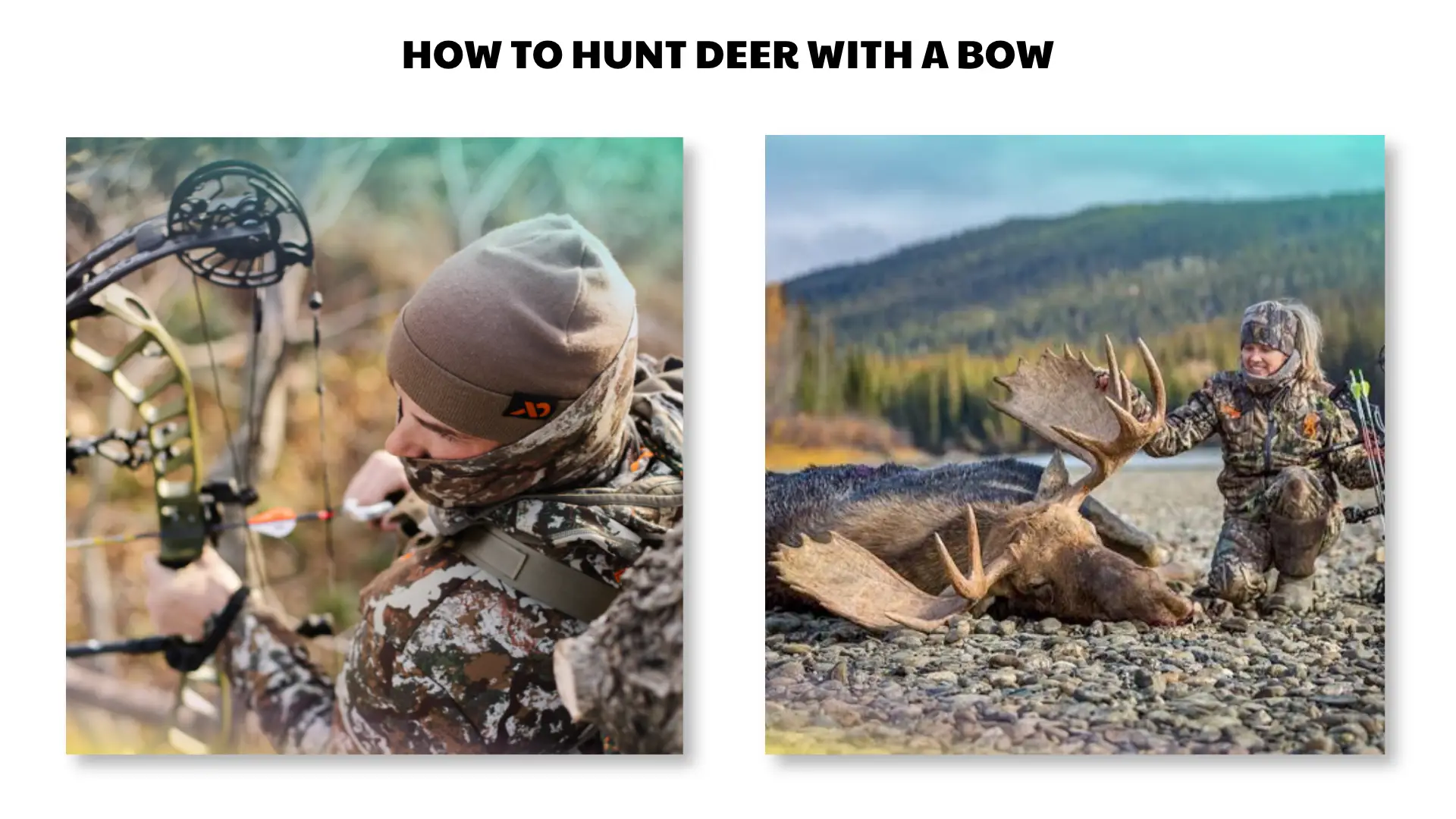

Hunting laws vary by location, season, land type, and weapon type. Always confirm current rules with your official wildlife agency before hunting.
Quick Answer
To learn how to hunt deer with a bow, start by checking your local hunting license, deer tag, archery season, legal equipment, land access, and reporting rules. Practice until you know your personal effective range, then scout deer sign, plan for wind direction, and set up near legal travel corridors, food sources, water, or bedding cover without disturbing the area. Take only a safe, legal, and ethical shot opportunity within your practiced ability, and follow all tagging, recovery, reporting, and meat care rules afterward.
Important Legal and Safety Notice Before You Hunt
Hunting regulations vary by country, state, province, county, public land unit, private land agreement, season, species, and hunting method. Before bowhunting deer, verify current rules with your official wildlife agency, local conservation authority, land manager, or hunter education program.
- Confirm your hunting license, archery permit, deer tag, and any required stamps or endorsements.
- Check tagging, harvest reporting, transport, and proof-of-sex rules where applicable.
- Review legal season dates, legal hunting hours, bag limits, and deer identification rules.
- Confirm legal bow type, broadhead requirements, draw weight rules, and equipment restrictions.
- Verify public land access, private land permission, parking rules, and property boundaries.
- Follow blaze orange or visibility clothing rules where required.
- Handle bows, arrows, broadheads, knives, and tree stands carefully.
- Plan for weather, navigation, communication, hydration, first aid, and emergencies.
Understanding the Game Species and Its Habitat
Deer are cautious animals that rely heavily on smell, hearing, and movement detection. A bowhunter usually needs to get closer than a firearm hunter, so understanding deer behavior is especially important.
Beginners should learn how deer use bedding cover, food sources, water, travel corridors, field edges, timber edges, creek bottoms, ridges, funnels, and thick escape cover. Deer movement can change with weather, hunting pressure, available food, breeding activity, and human disturbance.
Useful deer sign includes tracks, droppings, trails, rubs, scrapes, feeding sign, beds, and repeated travel routes. Sign does not guarantee a deer will appear, but it helps you choose better setup locations.
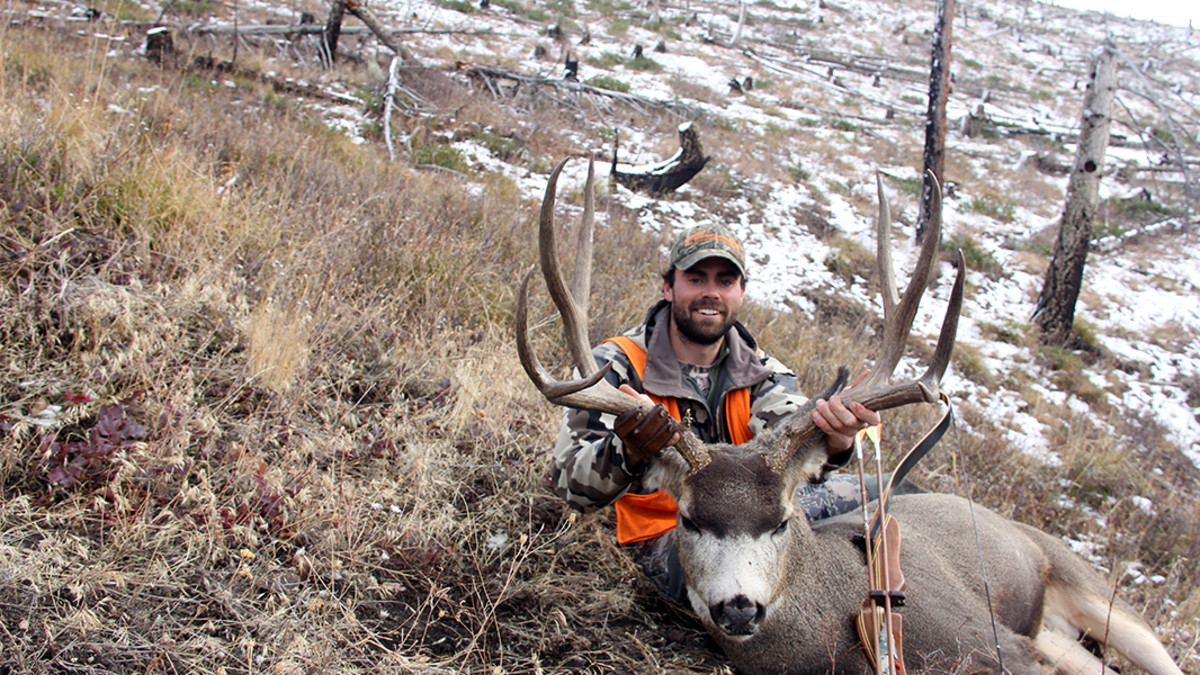
What You Need Before You Start
- Valid hunting license, archery permit, deer tag, and current regulation knowledge
- Legal bow setup allowed in your area, properly fitted and inspected
- Arrows and broadheads that match your bow and comply with local rules
- Release aid, finger tab, arm guard, quiver, and bow maintenance items if needed
- Hunter orange or required visibility clothing where applicable
- Quiet, weather-appropriate clothing and broken-in boots
- Navigation tools such as a map, compass, GPS, or hunting app
- First aid kit, water, snacks, emergency communication, and a trip plan
- Rangefinder or binoculars where legal and useful
- Full-body safety harness if hunting from an elevated stand
- Game bags, gloves, cooler, clean knife, and basic meat care supplies if relevant
How to Hunt Deer With a Bow: Step-by-Step Guide
Step 1: Check Local Hunting Laws First
Before planning any hunt, confirm license requirements, archery season dates, deer tag rules, bag limits, legal hunting hours, legal equipment, harvest reporting, and land access rules. Do not rely on old information or advice from a friend if it has not been checked against current official regulations.
Step 2: Learn the Animal’s Patterns
Study how deer move between bedding areas, food sources, water, and cover. In many areas, deer movement is strongest around low-light periods, but weather, hunting pressure, and season timing can change patterns.
Step 3: Choose a Legal Hunting Area
Use official maps and land access resources to identify legal public hunting areas or obtain permission for private land. Respect boundaries, posted signs, gates, livestock, crops, trails, and other users.
Step 4: Scout Before the Hunt
Scout for tracks, trails, droppings, feeding sign, bedding cover, rubs, scrapes, crossings, and natural funnels. Mark promising locations, but avoid over-walking the area right before the hunt because excessive disturbance can change deer movement.
Step 5: Prepare Your Gear Safely
Inspect your bowstring, cams, limbs, arrows, broadheads, release, quiver, and sight. Practice with the exact setup you plan to hunt with, and confirm that your arrows fly consistently. Keep broadheads covered and handle them carefully.
Step 6: Plan for Wind, Weather, and Entry Route
Wind direction matters because deer can detect human scent. Plan a route that keeps your scent away from expected deer movement when possible. Also consider rain, temperature, storms, darkness, and safe walking conditions.
Step 7: Set Up Carefully
Choose a setup that gives you a safe view, legal access, good cover, and a clear but responsible shooting lane. Tree stands require a full-body safety harness and strict manufacturer instructions. Ground blinds should be placed so you can draw safely without obstruction.
Step 8: Stay Patient and Observe
Bowhunting often requires long periods of stillness. Move slowly, keep gear quiet, watch downwind areas, and listen carefully. Avoid unnecessary phone use, fidgeting, or sudden movement.
Step 9: Take Only a Safe, Legal, and Ethical Shot Opportunity
Only take a shot when the deer is clearly identified, legal to harvest, within your practiced range, and positioned for a responsible attempt. Make sure the background is safe. Never shoot toward roads, homes, livestock, people, vehicles, trails, or unclear movement.
Step 10: Follow Legal Recovery and Reporting Rules
After a shot, follow ethical recovery practices and local regulations. Use patience, mark the location, and seek experienced help where legal and appropriate if recovery becomes difficult. Complete tagging and harvest reporting as required.
Step 11: Handle the Game Responsibly
Use clean tools, gloves, proper cooling, and legal transport methods. Keep the meat clean and cool as soon as practical, and learn from a mentor, hunter education resource, or processor if you are new to game care.
Best Time, Place, and Conditions for This Hunt
The best bowhunting conditions depend on local deer behavior, legal season, food availability, weather, pressure, and terrain. Many hunters focus on morning and evening movement, but midday movement can occur, especially during certain seasonal periods or low-pressure conditions.
- Time of day: Follow legal hunting hours and focus on periods when deer naturally move through your area.
- Seasonality: Food sources, cover, and deer behavior can shift through early season, breeding periods, and late season.
- Weather: Cold fronts, wind, rain, and storms can influence movement and safety.
- Wind direction: Choose setups that reduce the chance of your scent reaching deer first.
- Food and water: Identify legal travel routes between bedding cover and feeding or watering areas.
- Hunting pressure: Public land deer may react strongly to human activity, parking areas, and common access trails.
- Private land: Permission, landowner communication, and low-impact access can improve safety and courtesy.
Helpful Tips for Better Results
- Complete hunter education and learn from an ethical mentor when possible.
- Practice from realistic bowhunting positions before the season.
- Know your personal effective range and do not exceed it in the field.
- Use wind direction to choose your stand, blind, and entry route.
- Scout legal areas before the season and reduce disturbance close to hunting day.
- Keep your gear organized, quiet, and easy to reach.
- Pass on shots that are rushed, unclear, too far, or outside your ability.
- Carry first aid, navigation, water, communication, and weather protection.
- Leave the land cleaner than you found it.
Common Mistakes to Avoid
Most beginner problems come from poor preparation rather than lack of expensive gear. Avoid these common mistakes when learning how to hunt deer with a bow.
- Not checking current regulations before hunting
- Hunting without the proper license, tag, season, or permission
- Ignoring wind direction and entry routes
- Practicing only at a range and not from realistic positions
- Taking shots beyond personal ability
- Moving too much or making unnecessary noise
- Choosing a stand or blind location without considering safety
- Using an elevated stand without a full-body safety harness
- Failing to prepare for recovery, reporting, and meat care
- Trespassing or crossing unclear property lines
- Ignoring weather, navigation, and emergency risks
Troubleshooting Common Problems
| Problem | Possible Cause | What to Do |
|---|---|---|
| You are not seeing deer | Poor location, wrong timing, hunting pressure, wind issues, or limited scouting | Scout more sign, adjust your setup, check wind, and try different legal access points. |
| Deer keep detecting you | Wind blowing toward deer, too much movement, noisy gear, or exposed setup | Change wind strategy, reduce movement, secure noisy items, and improve cover. |
| Your shooting confidence is low | Not enough practice, poor bow fit, or unclear effective range | Practice more, get help from an archery technician, and limit shots to a closer distance. |
| Property boundaries are unclear | Outdated map, poor signage, or uncertain land ownership | Verify official maps, contact land managers, and do not enter land unless access is legal. |
| Weather becomes unsafe | Storms, high winds, extreme cold, heat, lightning, or poor visibility | End the hunt, move to safety, and avoid tree stands or exposed areas in dangerous conditions. |
| Gear fails in the field | Poor inspection, loose parts, damaged string, broken arrow, or missing backup item | Stop using unsafe gear, return home if needed, and have equipment inspected or repaired. |
| You feel nervous before a shot | Beginner pressure, rushing, or uncertainty about the situation | Breathe, slow down, and pass if anything is unsafe, illegal, unclear, or beyond your ability. |
| Recovery is uncertain | Lost sign, poor marking, heavy cover, or lack of experience | Follow legal recovery guidance, mark the location, seek experienced help where allowed, and contact authorities if required. |
Ethical Hunting and Conservation
Ethical bowhunting means respecting wildlife, landowners, other hunters, and the law. It also means practicing enough to make responsible decisions and being willing to pass on unsafe or uncertain opportunities.
- Respect wildlife and avoid unnecessary disturbance.
- Obey seasons, bag limits, tagging rules, and reporting requirements.
- Ask permission and respect private land boundaries.
- Use the harvest responsibly and avoid waste.
- Practice before hunting and know your limits.
- Pass on unsafe, rushed, or uncertain shots.
- Support conservation through licenses, habitat programs, and responsible participation.
- Pack out trash and leave the area cleaner than you found it.
When to Get More Training or Professional Guidance
Beginners should seek more training or professional guidance when they are unsure about safety, legality, equipment, or recovery responsibilities.
- You have never handled a bow, broadheads, or hunting equipment.
- You have not completed hunter education.
- You are unsure about licensing, tags, season dates, or legal equipment.
- You do not understand public land boundaries or private land access.
- You are not confident in safe shooting or shot discipline.
- You are hunting unfamiliar terrain or remote public land.
- You need legal and ethical help with tracking or recovery.
- You need help with meat care, processing, or transport rules.
Good sources of help include official hunter education courses, state or provincial wildlife agencies, certified archery instructors, experienced ethical mentors, conservation groups, and reputable hunting clubs.
After the Hunt: Follow-Up, Gear Care, and Learning
After each hunt, clean and store your gear safely. Inspect your bow, arrows, broadheads, clothing, boots, pack, safety harness, knife, and first aid supplies. Replace damaged or questionable items before your next trip.
Keep notes about weather, wind, deer sign, deer movement, hunting pressure, entry routes, and what you learned. If you harvested a deer, complete required tagging, reporting, and meat care steps. If you did not, review what worked and what you can improve.
Recommended Hunting Gear and Tools to Consider
You do not always need expensive gear to hunt responsibly. Choose gear based on your local laws, hunting method, species, terrain, weather, safety needs, skill level, and budget.
- Legal bow setup allowed in your area
- Matched arrows, covered broadheads, quiver, and release aid if used
- Quality boots for your terrain and weather
- Quiet, weather-appropriate clothing and required visibility gear
- Binoculars or a rangefinder where legal and useful
- Navigation tools such as a map, compass, GPS, or hunting app
- First aid kit, water, headlamp, emergency communication, and trip plan
- Full-body safety harness for elevated stand hunting
- Game bags, gloves, cooler, clean knife, and meat care supplies if relevant
Final Thoughts
Learning how to hunt deer with a bow takes time, practice, patience, and respect for the law. Start by understanding regulations, practicing safely, scouting carefully, choosing legal access, planning for wind, and setting up where deer naturally travel.
The best beginner bowhunters are not the ones who rush. They are the ones who prepare, pass on questionable shots, respect wildlife, care for the land, and keep learning after every hunt.
FAQs
1. How long does it take to learn how to hunt deer with a bow?
Most beginners need months of practice before feeling ready for a bowhunt. Start with hunter education, regular archery practice, scouting, and short practice sessions from realistic hunting positions.
2. Do I need a license to bowhunt deer?
Yes, in most places you need a hunting license and the correct deer tag or permit. Always verify current rules with your official wildlife agency before hunting.
3. Is bowhunting deer hard for beginners?
Bowhunting deer can be challenging because it requires close-range setups, quiet movement, wind awareness, and strong shot discipline. A mentor, hunter education course, and practice can make the learning curve safer.
4. What bow is best for beginner deer hunters?
The best bow is one you can draw safely, shoot accurately, and maintain properly. Many beginners choose a compound bow with professional fitting, but local laws and personal comfort matter.
5. What draw weight do I need for deer hunting?
Legal draw weight rules vary by location. Use a bow setup that meets local regulations and that you can draw smoothly without unsafe movement or strain.
6. How far should a beginner shoot at a deer with a bow?
A beginner should only take shots within their proven practice range under realistic conditions. If the distance, angle, wind, or animal position is uncertain, pass the shot.
7. What is an ethical shot opportunity in bowhunting?
An ethical shot opportunity means the deer is legal, clearly identified, within your practiced range, and positioned so you can make a responsible attempt with a safe background.
8. Should I hunt from a tree stand or ground blind?
Both can work. Tree stands help with visibility and scent control but require strict fall protection, while ground blinds can be more comfortable and beginner-friendly when placed carefully.
9. Do I need a safety harness in a tree stand?
Yes. Use a full-body safety harness and follow the stand manufacturer’s instructions whenever hunting from an elevated stand.
10. What should I scout for before bowhunting deer?
Look for tracks, trails, feeding areas, bedding cover, water, rubs, scrapes, and travel corridors. Confirm that the area is legal to access before scouting or hunting.
11. When is the best time of day to bowhunt deer?
Deer often move near morning and evening, but patterns vary by season, weather, pressure, and local habitat. Follow legal hunting hours in your area.
12. How important is wind direction for bowhunting deer?
Wind direction is very important because deer rely heavily on smell. Plan your setup so your scent is less likely to blow toward expected deer travel routes.
13. Can I bowhunt deer on public land?
Yes where legal, but you must verify access, boundaries, season rules, weapon rules, and other public land restrictions. Respect other hunters and public land users.
14. Can I bowhunt deer on private land?
Only with proper permission from the landowner. Written permission is wise where required or recommended, and you should respect gates, livestock, crops, and property boundaries.
15. What clothing should I wear for bowhunting deer?
Wear quiet, weather-appropriate layers and any required visibility clothing. Avoid clothing that restricts your draw, catches the bowstring, or makes excess noise.
16. Do I need camouflage to hunt deer with a bow?
Camouflage can help, but wind, stillness, good setup, and legal visibility requirements matter more. Always follow blaze orange or hunter visibility rules where they apply.
17. What gear should every bowhunter carry?
Carry license and tags, bow and arrows, release or tab if used, rangefinder if legal, knife, first aid kit, navigation, water, headlamp, communication, and weather protection.
18. Do I need a rangefinder for bowhunting deer?
A rangefinder can help estimate distance accurately, but check local rules and practice judging distance without depending completely on electronics.
19. How do I practice for deer bowhunting?
Practice consistently from standing, kneeling, seated, and elevated angles if safe and legal. Use broadhead-compatible targets and follow all range safety rules.
20. Should I practice with broadheads?
You should verify that your hunting setup flies correctly with the broadheads you plan to use, following manufacturer instructions and safe target practices.
21. How do I transport broadheads safely?
Keep broadheads covered in a secure quiver or case. Handle them carefully, store them away from children, and follow transport laws.
22. What should I do if I am unsure about a shot?
Do not take it. Passing uncertain shots is part of ethical bowhunting and helps protect wildlife, safety, and your confidence.
23. How close do you need to be to bowhunt deer?
Bowhunting is usually a close-range method compared with firearm hunting. Your practical distance depends on your skill, equipment, conditions, and legal rules.
24. How do deer use bedding areas?
Deer often rest in cover that gives security from wind, visibility, and human pressure. Avoid disturbing bedding areas too often while scouting.
25. How do food sources affect bowhunting setup?
Food sources can shape deer movement, especially near dawn and dusk. Use trails between feeding and bedding areas while keeping wind and access routes in mind.
26. What are deer rubs and scrapes?
Rubs are marks on trees, and scrapes are cleared areas on the ground often associated with deer communication. They can help identify travel areas but do not guarantee deer will appear.
27. How can I reduce noise while bowhunting?
Pack quietly, secure loose gear, move slowly, avoid noisy clothing, and practice drawing without scraping or clanking equipment.
28. Should beginners hunt alone?
Beginners are safer with an experienced mentor. If you hunt alone, leave a trip plan, carry communication, and know the area and emergency options.
29. What should I do before entering the woods?
Check regulations, weather, maps, wind, property boundaries, gear, safety equipment, and communication. Tell someone where you are going and when you expect to return.
30. What is a good bowhunting setup location?
A good setup is legal, safe, downwind or crosswind of expected deer movement, close to sign, and accessible without disturbing the area too much.
31. How do I choose between a blind and natural cover?
A blind can hide movement, while natural cover is lighter and more flexible. Choose based on terrain, legality, wind, visibility, and your ability to draw safely.
32. Can weather affect deer movement?
Yes. Temperature, wind, rain, storms, and pressure changes can affect deer movement and hunter safety. Do not hunt in unsafe weather.
33. What should I do if other hunters are nearby?
Stay visible where required, avoid crowding, communicate politely when appropriate, and choose another legal location if safety or courtesy is a concern.
34. What if I cannot find deer sign?
Move slowly through legal areas, study maps, check edges, water, food sources, and trails, and consider scouting at different times.
35. What if deer keep detecting me?
Check wind direction, entry route, noise, movement, and setup height or cover. Small changes in approach can make a big difference.
36. How do I know if a deer is legal to harvest?
Study your local regulations and learn species, sex, age-class, antler, tag, and season rules before hunting. Do not shoot if identification is uncertain.
37. What happens after a successful bowhunt?
Follow local tagging, reporting, recovery, and transport rules. Handle the meat cleanly, cool it properly, and use the harvest responsibly.
38. Do I need to report a deer harvest?
Many areas require harvest reporting or tagging, but rules vary. Check your official wildlife agency for exact requirements.
39. What are common beginner bowhunting mistakes?
Common mistakes include poor practice, ignoring wind, hunting without legal knowledge, noisy movement, unsafe tree stand use, and taking shots beyond skill level.
40. How much does bowhunting gear cost?
Costs vary widely. Start with safe, legal, properly fitted essentials rather than buying every accessory at once.
41. Can youth hunters learn bowhunting?
Yes, where legal and supervised. Youth hunters need age-appropriate training, safe equipment, adult guidance, and compliance with youth hunting rules.
42. Is bowhunting safe?
Bowhunting can be safe when hunters follow laws, complete hunter education, handle bows and broadheads carefully, use tree stand protection, and make cautious decisions.
43. Do I need hunter education?
Many areas require hunter education, and it is strongly recommended for beginners even where not required. It teaches safety, ethics, and legal basics.
44. What should be in a bowhunting first aid kit?
Include basic wound care, blister supplies, gloves, emergency blanket, personal medications, and any items recommended by first aid training. A kit does not replace medical care.
45. How do I stay safe walking in before daylight?
Use a light where legal and appropriate, know your route, move slowly, mark hazards, avoid unsafe terrain, and respect other hunters.
46. Should I use a hunting app?
A hunting app can help with maps and boundaries, but do not rely on it alone. Carry backup navigation and verify official land access information.
47. How do I avoid trespassing while bowhunting?
Study official maps, confirm boundaries, get written permission where needed, and avoid crossing private land without permission.
48. What if I wound a deer and cannot recover it?
Follow local laws and ethical recovery practices. Seek help from experienced hunters or legal tracking resources where allowed, and contact wildlife authorities when required.
49. Can I use bait for bowhunting deer?
Baiting rules vary widely and may be illegal in many areas or seasons. Check your official wildlife agency before using any attractant or feeding strategy.
50. Are trail cameras useful for bowhunting deer?
Trail cameras can help identify movement patterns where legal. Use them responsibly and follow public land and private land rules.
51. How do I keep improving as a bowhunter?
Keep a hunting journal, practice year-round, study deer behavior, learn from mentors, and review each hunt honestly.
52. What should I never do while bowhunting deer?
Never hunt without legal permission, ignore safety rules, shoot at unclear movement, take reckless shots, trespass, or use illegal methods.
53. When should I call a game warden or wildlife agency?
Call when you are unsure about regulations, reporting, legal access, recovery rules, disease concerns, or any situation that may involve wildlife law.
54. Can bowhunting help conservation?
Legal hunting supports conservation through licenses, habitat funding, population management, and responsible participation when hunters follow regulations.
55. What is the most important tip for learning how to hunt deer with a bow?
Practice before the season, learn the laws, scout carefully, respect wind direction, and only take safe, legal, ethical shots within your ability.
Read more: How to Hunt Safely: A Beginner-Friendly Field Guide