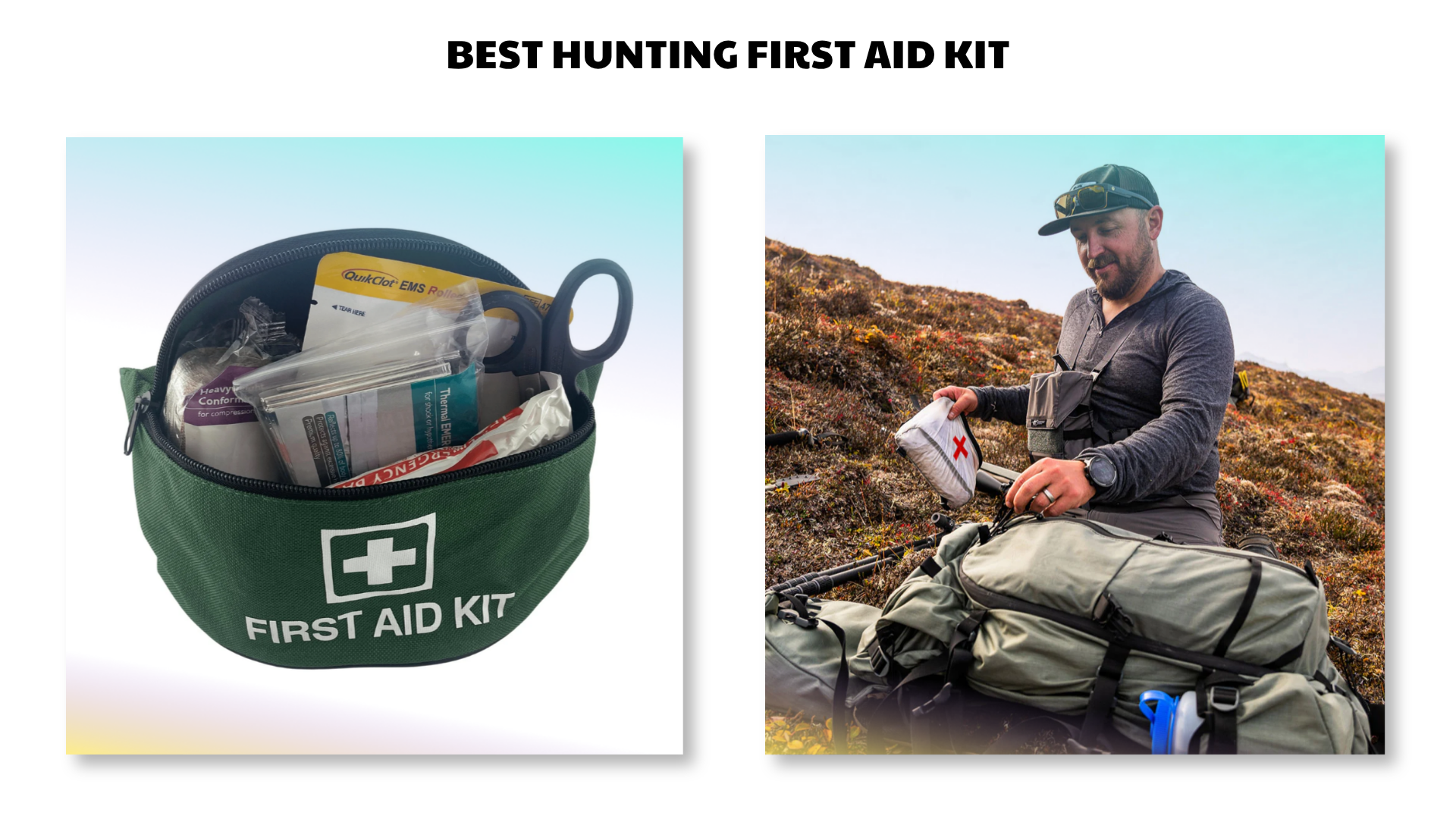
Choosing the best hunting first aid kit is not about buying the biggest pouch or the product with the highest piece count. Hunters need a kit that is compact enough to carry, organized enough to use quickly, durable enough for field conditions, and practical enough for common outdoor injuries.
This guide is written for deer hunters, elk hunters, bowhunters, waterfowl hunters, backcountry hunters, new hunters, camp leaders, and anyone building a safer hunting gear system. You will learn how to compare first aid kits, what features matter, which kits fit different hunting styles, and how to use first aid gear responsibly.
Safety comes first. A hunting first aid kit does not replace medical training, emergency services, sound judgment, firearm safety, legal hunting practices, or a reliable communication plan. Always follow local hunting laws, land access rules, firearm and archery safety rules, manufacturer instructions, and current medical guidance.
Quick Picks
- Best Overall: Adventure Medical Kits Mountain Series Hiker
- Best Organized Kit: Surviveware Small First Aid Kit
- Best for Beginners: MyMedic Hiker Medic
- Best for Hunting Camps: Adventure Medical Kits Sportsman Series
- Best Value Option: RHINO RESCUE Outdoor First Aid Kit
Product Comparison Table: Best Hunting First Aid Kit Options
| Product | Best For | Key Features | Important Notes | Check Details |
|---|---|---|---|---|
| Adventure Medical Kits Mountain Series Hiker | Day hunts, scouting trips, and compact backpack carry | Compact outdoor-focused kit, organized pouch, supplies for common trail injuries | Verify the current contents list and restock after every use. | Check Price |
| Surviveware Small First Aid Kit | Hunters who want labeled compartments | Labeled pockets, portable case, general outdoor first aid supplies | Confirm size, contents, and mounting options before ordering. | Check Price |
| MyMedic Hiker Medic | New hunters and casual day hikers | Beginner-friendly layout, compact size, supplies for minor incidents | A kit does not replace first aid training or emergency care. | Check Price |
| Adventure Medical Kits Sportsman Series | Small groups, vehicle kits, and base camps | Larger kit format, outdoor-use focus, more supplies than pocket kits | Choose the size that matches group size and trip length. | Check Price |
| RHINO RESCUE Outdoor First Aid Kit | Budget-minded hunters building a safety setup | Portable case, general emergency supplies, outdoor-friendly organization | Check the product listing carefully and supplement as needed. | Check Price |
| VSSL First Aid Mini | Minimalist hunters and ultralight packs | Compact capsule-style carry, packable design, basic first aid contents | Best as a compact kit, not a complete backcountry medical system. | Check Price |
| Coleman All Purpose Mini First Aid Kit | Glove box, blind bag, and backup pockets | Very compact, simple first aid basics, easy to stash | Use as a backup, not the only kit for remote hunts. | Check Price |
| DeftGet First Aid Kit | Hunters who want a broad general-purpose kit | Assorted supplies, portable case, emergency basics | Review the current contents because kits can change over time. | Check Price |
| EVERLIT Survival First Aid Kit | Vehicle kits, camping, and general outdoor preparedness | First aid supplies plus survival-oriented extras, portable case | Avoid relying on extras you have not practiced with. | Check Price |
| Swiss Safe First Aid Kit | Hunters who also want a home or truck kit | General first aid assortment, organized case, everyday emergency supplies | Add hunting-specific items based on your terrain and risks. | Check Price |
Best Hunting First Aid Kit Reviews
1. Adventure Medical Kits Mountain Series Hiker
Adventure Medical Kits Mountain Series Hiker is a practical option to consider when you want a hunting first aid kit that fits a specific role: day hunts, scouting trips, and compact backpack carry. The best hunting first aid kit is not simply the one with the most pieces. It is the kit you can carry, understand, open quickly, keep stocked, and match to your hunt.
Key Features
- Compact outdoor-focused kit, organized pouch, supplies for common trail injuries
- Designed for portable outdoor or travel use, depending on the current product version.
- Works best when paired with training, a trip plan, navigation, communication, water, and weather protection.
Pros
- Useful for hunters who want a ready-made starting point instead of building every item from scratch.
- Can be easier to organize than loose supplies in a pack pocket.
- Good candidate for a day pack, truck kit, camp box, or backup outdoor emergency setup.
Cons
- Contents may not match every hunting style, climate, group size, or medical need.
- You should verify the current product details, expiration dates, and missing items before relying on it.
Field Notes
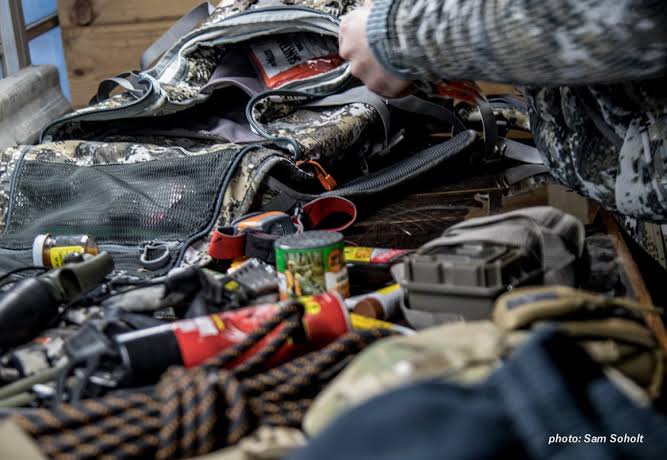
For hunting use, think about how quickly you can reach the kit while wearing gloves, sitting in a blind, carrying a bow, or packing meat. A first aid kit buried under extra clothing may not help when time matters. Keep critical supplies easy to access, dry, and organized.
Safety and Legal Notes
A first aid kit does not replace medical training, emergency services, a satellite messenger, a hunting partner, or sound judgment. Follow local hunting laws, firearm safety rules, land access rules, and manufacturer instructions. For serious bleeding, head injury, chest pain, breathing problems, allergic reaction, broken bones, hypothermia, heat illness, or any life-threatening emergency, contact emergency services as soon as possible.
Best For
This option is best for hunters who need day hunts, scouting trips, and compact backpack carry and are willing to inspect, customize, and restock the kit before the season.
2. Surviveware Small First Aid Kit
Surviveware Small First Aid Kit is a practical option to consider when you want a hunting first aid kit that fits a specific role: hunters who want labeled compartments. The best hunting first aid kit is not simply the one with the most pieces. It is the kit you can carry, understand, open quickly, keep stocked, and match to your hunt.
Key Features
- Labeled pockets, portable case, general outdoor first aid supplies
- Designed for portable outdoor or travel use, depending on the current product version.
- Works best when paired with training, a trip plan, navigation, communication, water, and weather protection.
Pros
- Useful for hunters who want a ready-made starting point instead of building every item from scratch.
- Can be easier to organize than loose supplies in a pack pocket.
- Good candidate for a day pack, truck kit, camp box, or backup outdoor emergency setup.
Cons
- Contents may not match every hunting style, climate, group size, or medical need.
- You should verify the current product details, expiration dates, and missing items before relying on it.
Field Notes
For hunting use, think about how quickly you can reach the kit while wearing gloves, sitting in a blind, carrying a bow, or packing meat. A first aid kit buried under extra clothing may not help when time matters. Keep critical supplies easy to access, dry, and organized.
Safety and Legal Notes
A first aid kit does not replace medical training, emergency services, a satellite messenger, a hunting partner, or sound judgment. Follow local hunting laws, firearm safety rules, land access rules, and manufacturer instructions. For serious bleeding, head injury, chest pain, breathing problems, allergic reaction, broken bones, hypothermia, heat illness, or any life-threatening emergency, contact emergency services as soon as possible.
Best For
This option is best for hunters who need hunters who want labeled compartments and are willing to inspect, customize, and restock the kit before the season.
3. MyMedic Hiker Medic
MyMedic Hiker Medic is a practical option to consider when you want a hunting first aid kit that fits a specific role: new hunters and casual day hikers. The best hunting first aid kit is not simply the one with the most pieces. It is the kit you can carry, understand, open quickly, keep stocked, and match to your hunt.
Key Features
- Beginner-friendly layout, compact size, supplies for minor incidents
- Designed for portable outdoor or travel use, depending on the current product version.
- Works best when paired with training, a trip plan, navigation, communication, water, and weather protection.
Pros
- Useful for hunters who want a ready-made starting point instead of building every item from scratch.
- Can be easier to organize than loose supplies in a pack pocket.
- Good candidate for a day pack, truck kit, camp box, or backup outdoor emergency setup.
Cons
- Contents may not match every hunting style, climate, group size, or medical need.
- You should verify the current product details, expiration dates, and missing items before relying on it.
Field Notes
For hunting use, think about how quickly you can reach the kit while wearing gloves, sitting in a blind, carrying a bow, or packing meat. A first aid kit buried under extra clothing may not help when time matters. Keep critical supplies easy to access, dry, and organized.
Safety and Legal Notes
A first aid kit does not replace medical training, emergency services, a satellite messenger, a hunting partner, or sound judgment. Follow local hunting laws, firearm safety rules, land access rules, and manufacturer instructions. For serious bleeding, head injury, chest pain, breathing problems, allergic reaction, broken bones, hypothermia, heat illness, or any life-threatening emergency, contact emergency services as soon as possible.
Best For
This option is best for hunters who need new hunters and casual day hikers and are willing to inspect, customize, and restock the kit before the season.
4. Adventure Medical Kits Sportsman Series
Adventure Medical Kits Sportsman Series is a practical option to consider when you want a hunting first aid kit that fits a specific role: small groups, vehicle kits, and base camps. The best hunting first aid kit is not simply the one with the most pieces. It is the kit you can carry, understand, open quickly, keep stocked, and match to your hunt.
Key Features
- Larger kit format, outdoor-use focus, more supplies than pocket kits
- Designed for portable outdoor or travel use, depending on the current product version.
- Works best when paired with training, a trip plan, navigation, communication, water, and weather protection.
Pros
- Useful for hunters who want a ready-made starting point instead of building every item from scratch.
- Can be easier to organize than loose supplies in a pack pocket.
- Good candidate for a day pack, truck kit, camp box, or backup outdoor emergency setup.
Cons
- Contents may not match every hunting style, climate, group size, or medical need.
- You should verify the current product details, expiration dates, and missing items before relying on it.
Field Notes
For hunting use, think about how quickly you can reach the kit while wearing gloves, sitting in a blind, carrying a bow, or packing meat. A first aid kit buried under extra clothing may not help when time matters. Keep critical supplies easy to access, dry, and organized.
Safety and Legal Notes
A first aid kit does not replace medical training, emergency services, a satellite messenger, a hunting partner, or sound judgment. Follow local hunting laws, firearm safety rules, land access rules, and manufacturer instructions. For serious bleeding, head injury, chest pain, breathing problems, allergic reaction, broken bones, hypothermia, heat illness, or any life-threatening emergency, contact emergency services as soon as possible.
Best For
This option is best for hunters who need small groups, vehicle kits, and base camps and are willing to inspect, customize, and restock the kit before the season.
5. RHINO RESCUE Outdoor First Aid Kit
RHINO RESCUE Outdoor First Aid Kit is a practical option to consider when you want a hunting first aid kit that fits a specific role: budget-minded hunters building a safety setup. The best hunting first aid kit is not simply the one with the most pieces. It is the kit you can carry, understand, open quickly, keep stocked, and match to your hunt.
Key Features
- Portable case, general emergency supplies, outdoor-friendly organization
- Designed for portable outdoor or travel use, depending on the current product version.
- Works best when paired with training, a trip plan, navigation, communication, water, and weather protection.
Pros
- Useful for hunters who want a ready-made starting point instead of building every item from scratch.
- Can be easier to organize than loose supplies in a pack pocket.
- Good candidate for a day pack, truck kit, camp box, or backup outdoor emergency setup.
Cons
- Contents may not match every hunting style, climate, group size, or medical need.
- You should verify the current product details, expiration dates, and missing items before relying on it.
Field Notes
For hunting use, think about how quickly you can reach the kit while wearing gloves, sitting in a blind, carrying a bow, or packing meat. A first aid kit buried under extra clothing may not help when time matters. Keep critical supplies easy to access, dry, and organized.
Safety and Legal Notes
A first aid kit does not replace medical training, emergency services, a satellite messenger, a hunting partner, or sound judgment. Follow local hunting laws, firearm safety rules, land access rules, and manufacturer instructions. For serious bleeding, head injury, chest pain, breathing problems, allergic reaction, broken bones, hypothermia, heat illness, or any life-threatening emergency, contact emergency services as soon as possible.
Best For
This option is best for hunters who need budget-minded hunters building a safety setup and are willing to inspect, customize, and restock the kit before the season.
6. VSSL First Aid Mini
VSSL First Aid Mini is a practical option to consider when you want a hunting first aid kit that fits a specific role: minimalist hunters and ultralight packs. The best hunting first aid kit is not simply the one with the most pieces. It is the kit you can carry, understand, open quickly, keep stocked, and match to your hunt.
Key Features
- Compact capsule-style carry, packable design, basic first aid contents
- Designed for portable outdoor or travel use, depending on the current product version.
- Works best when paired with training, a trip plan, navigation, communication, water, and weather protection.
Pros
- Useful for hunters who want a ready-made starting point instead of building every item from scratch.
- Can be easier to organize than loose supplies in a pack pocket.
- Good candidate for a day pack, truck kit, camp box, or backup outdoor emergency setup.
Cons
- Contents may not match every hunting style, climate, group size, or medical need.
- You should verify the current product details, expiration dates, and missing items before relying on it.
Field Notes
For hunting use, think about how quickly you can reach the kit while wearing gloves, sitting in a blind, carrying a bow, or packing meat. A first aid kit buried under extra clothing may not help when time matters. Keep critical supplies easy to access, dry, and organized.
Safety and Legal Notes
A first aid kit does not replace medical training, emergency services, a satellite messenger, a hunting partner, or sound judgment. Follow local hunting laws, firearm safety rules, land access rules, and manufacturer instructions. For serious bleeding, head injury, chest pain, breathing problems, allergic reaction, broken bones, hypothermia, heat illness, or any life-threatening emergency, contact emergency services as soon as possible.
Best For
This option is best for hunters who need minimalist hunters and ultralight packs and are willing to inspect, customize, and restock the kit before the season.
7. Coleman All Purpose Mini First Aid Kit
Coleman All Purpose Mini First Aid Kit is a practical option to consider when you want a hunting first aid kit that fits a specific role: glove box, blind bag, and backup pockets. The best hunting first aid kit is not simply the one with the most pieces. It is the kit you can carry, understand, open quickly, keep stocked, and match to your hunt.
Key Features
- Very compact, simple first aid basics, easy to stash
- Designed for portable outdoor or travel use, depending on the current product version.
- Works best when paired with training, a trip plan, navigation, communication, water, and weather protection.
Pros
- Useful for hunters who want a ready-made starting point instead of building every item from scratch.
- Can be easier to organize than loose supplies in a pack pocket.
- Good candidate for a day pack, truck kit, camp box, or backup outdoor emergency setup.
Cons
- Contents may not match every hunting style, climate, group size, or medical need.
- You should verify the current product details, expiration dates, and missing items before relying on it.
Field Notes
For hunting use, think about how quickly you can reach the kit while wearing gloves, sitting in a blind, carrying a bow, or packing meat. A first aid kit buried under extra clothing may not help when time matters. Keep critical supplies easy to access, dry, and organized.
Safety and Legal Notes
A first aid kit does not replace medical training, emergency services, a satellite messenger, a hunting partner, or sound judgment. Follow local hunting laws, firearm safety rules, land access rules, and manufacturer instructions. For serious bleeding, head injury, chest pain, breathing problems, allergic reaction, broken bones, hypothermia, heat illness, or any life-threatening emergency, contact emergency services as soon as possible.
Best For
This option is best for hunters who need glove box, blind bag, and backup pockets and are willing to inspect, customize, and restock the kit before the season.
8. DeftGet First Aid Kit
DeftGet First Aid Kit is a practical option to consider when you want a hunting first aid kit that fits a specific role: hunters who want a broad general-purpose kit. The best hunting first aid kit is not simply the one with the most pieces. It is the kit you can carry, understand, open quickly, keep stocked, and match to your hunt.
Key Features
- Assorted supplies, portable case, emergency basics
- Designed for portable outdoor or travel use, depending on the current product version.
- Works best when paired with training, a trip plan, navigation, communication, water, and weather protection.
Pros
- Useful for hunters who want a ready-made starting point instead of building every item from scratch.
- Can be easier to organize than loose supplies in a pack pocket.
- Good candidate for a day pack, truck kit, camp box, or backup outdoor emergency setup.
Cons
- Contents may not match every hunting style, climate, group size, or medical need.
- You should verify the current product details, expiration dates, and missing items before relying on it.
Field Notes
For hunting use, think about how quickly you can reach the kit while wearing gloves, sitting in a blind, carrying a bow, or packing meat. A first aid kit buried under extra clothing may not help when time matters. Keep critical supplies easy to access, dry, and organized.
Safety and Legal Notes
A first aid kit does not replace medical training, emergency services, a satellite messenger, a hunting partner, or sound judgment. Follow local hunting laws, firearm safety rules, land access rules, and manufacturer instructions. For serious bleeding, head injury, chest pain, breathing problems, allergic reaction, broken bones, hypothermia, heat illness, or any life-threatening emergency, contact emergency services as soon as possible.
Best For
This option is best for hunters who need hunters who want a broad general-purpose kit and are willing to inspect, customize, and restock the kit before the season.
9. EVERLIT Survival First Aid Kit
EVERLIT Survival First Aid Kit is a practical option to consider when you want a hunting first aid kit that fits a specific role: vehicle kits, camping, and general outdoor preparedness. The best hunting first aid kit is not simply the one with the most pieces. It is the kit you can carry, understand, open quickly, keep stocked, and match to your hunt.
Key Features
- First aid supplies plus survival-oriented extras, portable case
- Designed for portable outdoor or travel use, depending on the current product version.
- Works best when paired with training, a trip plan, navigation, communication, water, and weather protection.
Pros
- Useful for hunters who want a ready-made starting point instead of building every item from scratch.
- Can be easier to organize than loose supplies in a pack pocket.
- Good candidate for a day pack, truck kit, camp box, or backup outdoor emergency setup.
Cons
- Contents may not match every hunting style, climate, group size, or medical need.
- You should verify the current product details, expiration dates, and missing items before relying on it.
Field Notes
For hunting use, think about how quickly you can reach the kit while wearing gloves, sitting in a blind, carrying a bow, or packing meat. A first aid kit buried under extra clothing may not help when time matters. Keep critical supplies easy to access, dry, and organized.
Safety and Legal Notes
A first aid kit does not replace medical training, emergency services, a satellite messenger, a hunting partner, or sound judgment. Follow local hunting laws, firearm safety rules, land access rules, and manufacturer instructions. For serious bleeding, head injury, chest pain, breathing problems, allergic reaction, broken bones, hypothermia, heat illness, or any life-threatening emergency, contact emergency services as soon as possible.
Best For
This option is best for hunters who need vehicle kits, camping, and general outdoor preparedness and are willing to inspect, customize, and restock the kit before the season.
10. Swiss Safe First Aid Kit
Swiss Safe First Aid Kit is a practical option to consider when you want a hunting first aid kit that fits a specific role: hunters who also want a home or truck kit. The best hunting first aid kit is not simply the one with the most pieces. It is the kit you can carry, understand, open quickly, keep stocked, and match to your hunt.
Key Features
- General first aid assortment, organized case, everyday emergency supplies
- Designed for portable outdoor or travel use, depending on the current product version.
- Works best when paired with training, a trip plan, navigation, communication, water, and weather protection.
Pros
- Useful for hunters who want a ready-made starting point instead of building every item from scratch.
- Can be easier to organize than loose supplies in a pack pocket.
- Good candidate for a day pack, truck kit, camp box, or backup outdoor emergency setup.
Cons
- Contents may not match every hunting style, climate, group size, or medical need.
- You should verify the current product details, expiration dates, and missing items before relying on it.
Field Notes
For hunting use, think about how quickly you can reach the kit while wearing gloves, sitting in a blind, carrying a bow, or packing meat. A first aid kit buried under extra clothing may not help when time matters. Keep critical supplies easy to access, dry, and organized.
Safety and Legal Notes
A first aid kit does not replace medical training, emergency services, a satellite messenger, a hunting partner, or sound judgment. Follow local hunting laws, firearm safety rules, land access rules, and manufacturer instructions. For serious bleeding, head injury, chest pain, breathing problems, allergic reaction, broken bones, hypothermia, heat illness, or any life-threatening emergency, contact emergency services as soon as possible.
Best For
This option is best for hunters who need hunters who also want a home or truck kit and are willing to inspect, customize, and restock the kit before the season.
How to Choose the Best Hunting First Aid Kit
Choose the Right Type
Small first aid kits are best for short day hunts, scouting trips, and hunters who want the lightest practical option. Medium kits work well for longer days, public land hunts, deer camps, and two-person outings. Larger kits are better for base camps, vehicles, group hunts, and multi-day trips where weight matters less than supply depth.
Match the Kit to Your Hunting Style
A whitetail hunter in a ladder stand may need a compact kit that is easy to reach from a pack or blind bag. A backcountry elk hunter may need a more complete kit with blister care, wound care, emergency warmth, and enough supplies for long miles. A waterfowl hunter should think about wet conditions, cold hands, and dry storage. A bowhunter should keep the kit quiet, compact, and accessible.
Check Size, Weight, and Packability
The best kit is one you will actually carry. If a first aid kit is too large, many hunters leave it in the truck. If it is too small, it may not support your trip. Balance weight against likely risks, distance from help, group size, season, weather, and terrain.
Look at Organization and Accessibility
Good organization matters when stress is high. Labeled compartments, clear pockets, compact pouches, and logical supply groups help you find items faster. Before relying on any kit, open it, learn the layout, and practice finding key supplies with gloves on.
Think About Weather Protection
Rain, snow, sweat, mud, and river crossings can damage supplies. Choose a kit with a durable pouch or store it in a dry bag. Check adhesive bandages, gloves, dressings, and medications after wet hunts.
Consider Medical Needs and Personal Medications
Premade kits are general tools. Add personal medications, allergy information, emergency contacts, and any items recommended by your healthcare professional. Never assume a store-bought kit covers your specific medical needs.
Check Compatibility With Your Pack and Trip Plan
A hunting first aid kit should fit your pack, bino harness, blind bag, kayak crate, camp box, or truck storage without being buried. If your group separates, each hunter should carry personal basics instead of relying on one shared kit.
Understand Safety and Legal Requirements
Hunters should check season dates, licenses, tags, legal equipment rules, blaze orange requirements, firearm storage and transport rules, public land restrictions, private land permission, and local emergency guidance. First aid supplies do not remove the need to hunt legally and responsibly.
Understand the Product’s Limits
No first aid kit can guarantee safety, replace emergency rescue, or make up for poor planning. It can support initial care for common problems, but serious injuries require professional medical help as soon as possible.
Important Hunting, Outdoor, and Firearm Safety Tips Before You Buy
- Follow local hunting laws, public land rules, private land access rules, firearm safety rules, archery safety rules, and manufacturer instructions.
- Check season dates, licenses, tags, legal equipment rules, blaze orange requirements, transport rules, firearm storage laws, and land access rules before hunting.
- Carry basic safety gear such as navigation, first aid, water, weather protection, communication tools, a light source, and a trip plan.
- Practice with your first aid kit before relying on it in the field.
- Do not use outdoor gear as a substitute for training, judgment, preparation, and safe hunting practices.
- Follow firearm, archery, tree stand, ladder stand, range, boating, and backcountry safety rules when relevant.
- Store firearms, knives, and sharp tools securely and away from children or unauthorized users.
- Contact a qualified professional, local wildlife agency, medical professional, or local authority if you are unsure about legal requirements, emergency care, or safe setup.
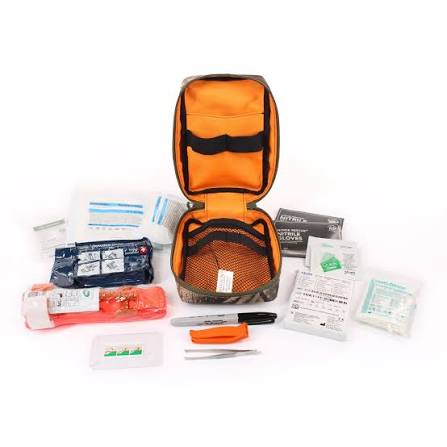
Common Mistakes to Avoid
Many hunters buy a first aid kit once, throw it into a pack, and forget about it. That is a mistake. A kit should be inspected, customized, practiced with, and restocked.
- Buying based only on piece count instead of useful contents.
- Leaving the kit in the truck during long hikes.
- Not adding personal medications or emergency contact information.
- Ignoring expiration dates, damaged packaging, or wet supplies.
- Carrying medical supplies you do not know how to use.
- Assuming a kit replaces first aid training or emergency services.
- Not telling your hunting partner where the kit is located.
- Buying a kit that is too bulky for your actual hunting style.
- Forgetting blister care on long walking hunts.
- Ignoring local hunting laws, firearm safety rules, land access rules, and weather conditions.
Troubleshooting Common Problems
| Problem | Possible Cause | What to Do |
|---|---|---|
| The kit is too bulky to carry | You bought a camp or vehicle kit for a mobile hunt | Use a smaller field kit in your pack and keep the larger kit at camp or in the truck. |
| Supplies are hard to find | Poor organization or unfamiliar layout | Repack by category, label sections, and practice opening the kit before the hunt. |
| Bandages will not stick | Moisture, dirt, sweat, or old adhesive | Replace old items, keep supplies dry, and carry tape or wraps when appropriate. |
| The kit got wet | Rain, snow, leaking hydration bladder, or kayak use | Dry the pouch, discard compromised sterile items, and use waterproof storage next time. |
| You are unsure how to use an item | No training or unclear instructions | Get first aid training and do not rely on unfamiliar supplies in an emergency. |
| The kit is missing personal medication | Premade kits are general-purpose | Add personal medication and medical information after consulting the appropriate healthcare guidance. |
When to Get Professional Help
Contact emergency services or a medical professional for serious injuries, heavy bleeding, head injury, broken bones, breathing problems, chest pain, severe allergic reactions, burns, eye injuries, hypothermia, heat illness, deep wounds, or any situation that feels life-threatening or unclear.
Before the season, consider first aid, CPR, wilderness first aid, or stop-the-bleed training from qualified instructors. Contact a local wildlife agency or land manager for hunting law questions, a firearms instructor for safe firearm handling, an archery technician for bow setup, a boot fitter for persistent foot problems, and the gear manufacturer for product defects or unclear instructions.
Maintenance and Care Tips
- Open and inspect your first aid kit before each season and before major trips.
- Replace expired, opened, crushed, wet, dirty, or missing supplies.
- Store the kit in a dry, easy-to-reach location in your pack, truck, camp box, or blind bag.
- Keep a simple inventory list so you know what needs restocking.
- Add personal medications, emergency contacts, and medical information when appropriate.
- Practice finding supplies quickly while wearing gloves or low-light gear.
- Keep sharp tools, knives, and firearm-related gear stored safely away from children and unauthorized users.
- Review your kit after every hunt and update it as your hunting style changes.
Final Verdict
The best hunting first aid kit is the one that fits your hunt, your pack, your training level, your group size, and your distance from help. For most hunters, a compact organized outdoor kit is a smart starting point, while backcountry hunters and group camps may need deeper supplies and stronger emergency planning.
Choose carefully, verify the current product contents, customize the kit for your needs, and practice with it before the season. Most importantly, pair your first aid kit with responsible hunting, legal compliance, safe firearm or archery handling, communication tools, weather planning, and professional medical help when needed.
Frequently Asked Questions
1. What is the best hunting first aid kit for most hunters?
For most hunters, the best hunting first aid kit is a compact, organized outdoor kit that covers common injuries, fits your pack, and can be customized for your terrain, group size, medical needs, and trip length.
2. How do I know if a hunting first aid kit is worth buying?
A kit is worth buying when it is organized, portable, easy to open, stocked with useful supplies, clearly labeled, and simple to restock. It should also leave room for personal medication and hunt-specific additions.
3. Do I need a first aid kit for a short day hunt?
Yes. Even short hunts can involve cuts, falls, blisters, weather exposure, allergic reactions, or long walks back to the truck. A small kit is better than having no supplies at all.
4. Is a hunting first aid kit different from a regular first aid kit?
Often, yes. Hunting kits should be durable, packable, weather-aware, and suitable for remote outdoor use. You may also need blister care, gloves, wound care, emergency blanket, and communication planning.
5. Can a first aid kit replace medical training?
No. A first aid kit is only a tool. Basic first aid, CPR, wilderness first aid, and stop-the-bleed training can help you use supplies more safely and effectively.
6. What should a hunting first aid kit include?
Useful basics often include bandages, wound dressings, medical tape, gloves, antiseptic wipes, blister care, tweezers, elastic wrap, emergency blanket, and personal medications. Match the contents to your trip.
7. Should hunters carry a trauma kit?
Some hunters choose to carry trauma supplies, especially in remote areas. If you carry advanced items, get proper training and understand their limitations. Do not rely on gear you do not know how to use.
8. What is the best first aid kit for backcountry hunting?
For backcountry hunting, look for a kit with stronger organization, weather protection, enough supplies for multiple days, blister care, wound care, and room for personal medications and emergency communication tools.
9. What is the best first aid kit for deer hunting?
For deer hunting, a compact kit that fits in a day pack or stand bag is usually practical. Include wound care, blister care, gloves, emergency warmth, and a way to call for help.
10. What is the best first aid kit for elk hunting?
Elk hunts often involve steep terrain and long pack-outs, so choose a durable kit with blister care, wrap support, wound supplies, emergency warmth, and enough capacity for longer days.
11. What is the best first aid kit for duck hunting?
For waterfowl hunting, consider a kit in a water-resistant pouch or dry bag. Add hand warmth, blister care, cuts and scrapes supplies, and make sure it stays above wet gear.
12. What is the best first aid kit for bow hunting?
Bowhunters should choose a quiet, compact kit that fits the pack and does not interfere with climbing, drawing, or moving safely. Follow archery safety rules at all times.
13. What is the best first aid kit for rifle hunting?
Rifle hunters should focus on responsible firearm safety, secure transport, weather-ready supplies, wound care, and emergency communication. A first aid kit does not replace safe firearm handling.
14. Should a first aid kit be waterproof?
Water resistance is helpful, especially for rain, snow, kayaks, and wet packs. If the kit is not waterproof, store it in a sealed bag or dry pouch.
15. How heavy should a hunting first aid kit be?
It should be light enough that you always carry it, but complete enough for likely problems. Ultralight kits are easy to carry but may need extra supplies for remote hunts.
16. Can I build my own hunting first aid kit?
Yes. Building your own can work well if you know what to include, keep it organized, label items, check expiration dates, and match supplies to your hunt.
17. Should I buy a premade kit or build one?
Premade kits are convenient starting points. Building your own gives more control. Many hunters buy a premade kit and then customize it.
18. What personal items should I add?
Add prescription medications, allergy medication if appropriate, personal medical information, emergency contacts, blister products that fit your feet, and any items recommended by your healthcare professional.
19. Should I include a tourniquet?
Only carry and use a tourniquet if you have proper training and understand when it is appropriate. Serious bleeding requires emergency medical help as soon as possible.
20. Do hunting first aid kits expire?
Some items can expire, dry out, lose sterility, or become damaged. Check dates, packaging, adhesives, medications, and gloves before every season.
21. How often should I inspect my kit?
Inspect it before each season, before every major trip, and after every use. Replace anything opened, wet, expired, crushed, contaminated, or missing.
22. Where should I carry the kit?
Carry it where you can reach it quickly. Good places include an outside pack pocket, top lid, belt pouch, blind bag, or truck kit, depending on the hunt.
23. Should I keep a kit in my truck?
Yes, a truck kit is useful, but it should not be your only kit if you hike far from the vehicle. Carry a smaller kit with you in the field.
24. Do I need a separate kit for camp?
For group camps or multi-day trips, a larger camp kit is smart. Keep a smaller kit in your day pack and a more complete kit at camp.
25. What should I carry for blisters?
Blister pads, tape, moleskin-style products, clean dressings, and dry socks can be helpful. Break in boots before the hunt to reduce blister risk.
26. What should I carry for cuts?
Basic wound care may include gloves, antiseptic wipes, gauze, bandages, and tape. Deep wounds, heavy bleeding, or contaminated injuries need medical attention.
27. What should I carry for cold weather?
Consider an emergency blanket, hand warmers, dry gloves, and weather protection. Learn the signs of hypothermia and do not rely on a kit alone for warmth.
28. What should I carry for hot weather?
Plan for water, electrolytes if appropriate, sun protection, and heat illness awareness. A first aid kit should support your plan, not replace hydration and rest.
29. Should I include pain relievers?
Some hunters include over-the-counter medicine, but you should follow labels, know your medical restrictions, and avoid sharing medication irresponsibly.
30. Should I include allergy medicine?
If allergies are a concern, talk with a healthcare professional about what to carry. Severe allergic reactions require emergency medical care.
31. Is a snake bite kit useful for hunting?
Many modern first aid educators discourage old-style snake bite kits. Follow current medical guidance, avoid handling snakes, keep the person calm, and seek emergency care.
32. What should I do for a serious injury in the field?
Make the scene safe, call emergency services or use emergency communication, give first aid within your training, keep the person warm or cooled as appropriate, and avoid risky movement unless necessary.
33. Do I need a satellite messenger with my first aid kit?
For remote hunting, a satellite messenger or emergency locator can be very helpful. A first aid kit is more useful when you also have a way to call for help.
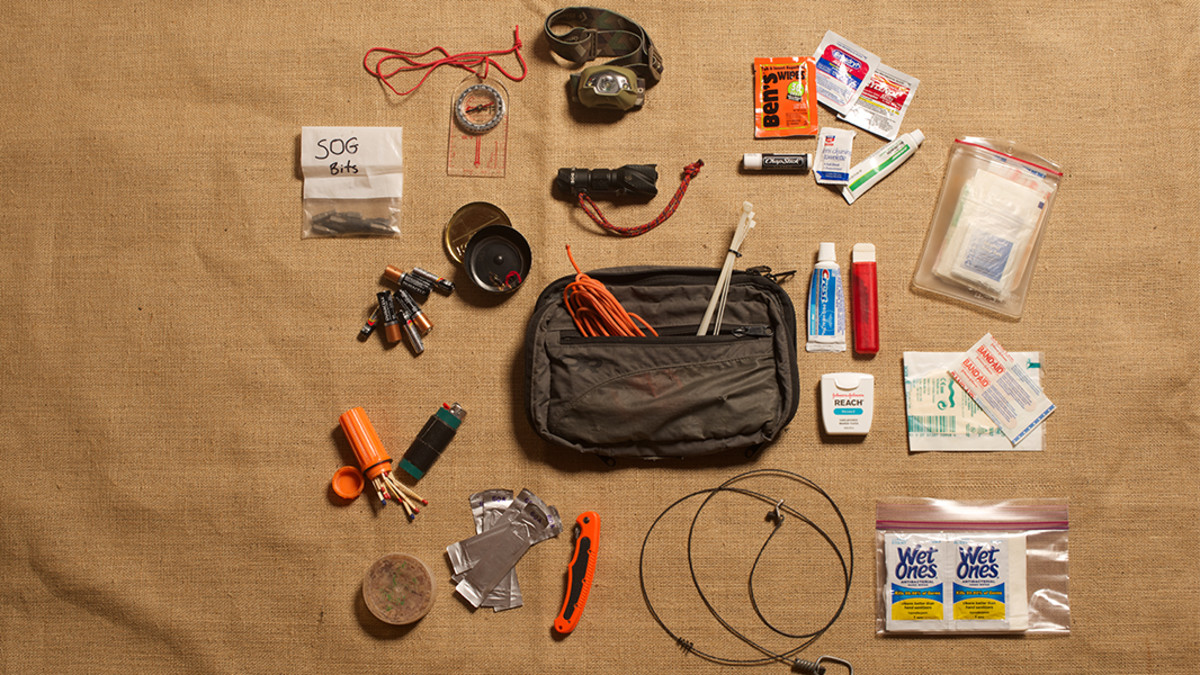
34. Should I include a first aid guide?
A small first aid guide can help with reminders, but it should not be your only training. Practice before the hunt.
35. What is the best first aid kit for beginners?
Beginners often do best with a clearly organized premade outdoor kit, then adding personal medications, blister care, emergency contacts, and trip-specific items.
36. What is the best budget hunting first aid kit?
The best budget kit is the one that covers common needs, is easy to carry, and can be restocked. Avoid buying only by piece count because many pieces may be duplicates.
37. Are expensive first aid kits always better?
No. Higher price can mean better organization or more supplies, but the right kit depends on your hunt, training, and ability to carry and maintain it.
38. How many first aid kits should a hunting group carry?
Each hunter should carry personal basics, and the group should consider a larger shared kit. Do not rely on one person if the group may split up.
39. Should kids or youth hunters carry a kit?
Youth hunters should be supervised and taught basic safety. A responsible adult should carry a proper kit, and the young hunter can carry simple personal supplies if appropriate.
40. Do women need a different hunting first aid kit?
Usually the core supplies are similar, but personal medication, hygiene needs, fit-related blister care, and pack access may differ. Customize the kit to the person.
41. What should I add for tree stand hunting?
Carry basic first aid, but also focus on prevention: inspect stands, use a full-body safety harness, follow manufacturer instructions, and never climb unsafely.
42. What should I add for kayak hunting?
Use a dry bag, wear a proper PFD, check weather and water conditions, and follow boating rules. Include waterproofed first aid supplies and communication tools.
43. Can I use a home first aid kit for hunting?
A home kit can be a starting point, but it may not be durable, weather-resistant, compact, or complete enough for field use.
44. Should I include fire-starting tools in a first aid kit?
Fire-starting tools are survival gear, not medical supplies, but they may belong in your emergency kit. Follow local fire restrictions and safe outdoor practices.
45. Should I include a knife in a first aid kit?
A small cutting tool can be useful, but knives require safe handling and local law awareness. Many kits use medical shears instead.
46. How do I keep my kit dry?
Use a water-resistant pouch, dry bag, sealed inner bags, or pack pocket away from hydration leaks. Dry and inspect the kit after wet hunts.
47. How do I organize a hunting first aid kit?
Group items by use: wound care, blister care, medications, tools, emergency warmth, and personal documents. Label sections so you can find supplies quickly.
48. What should I remove from a premade kit?
Remove items you cannot legally carry, do not understand, or will not use safely. Replace low-quality or unclear items with supplies you trust and know how to use.
49. What should I add to a premade kit?
Common additions include personal medications, extra gloves, blister care, emergency blanket, waterproof storage, a whistle, and emergency contact information.
50. Can I share my first aid supplies with another hunter?
You can help within your training, but avoid sharing medication irresponsibly. Use gloves and keep supplies clean to reduce contamination.
51. What if my first aid kit gets contaminated?
Discard contaminated disposable supplies and replace them. Clean or replace the pouch if needed and follow manufacturer guidance.
52. Should I label my first aid kit?
Yes. A visible label helps hunting partners find it quickly. Tell your group where your kit is before the hunt starts.
53. What should I do before every hunt?
Check the kit, tell someone your plan, confirm communication, review weather, follow hunting laws, inspect gear, and make sure your first aid supplies are reachable.
54. What should I not do with a hunting first aid kit?
Do not bury it in your pack, ignore expiration dates, carry tools you cannot use safely, or let it replace training, emergency communication, and responsible planning.
55. When should I call a medical professional?
Call a medical professional or emergency services for serious injuries, heavy bleeding, head injuries, breathing problems, chest pain, severe allergic reactions, suspected fractures, deep wounds, heat illness, or hypothermia.
56. What are the limits of a hunting first aid kit?
A kit can help with initial care, but it cannot diagnose injuries, replace rescue, fix poor planning, guarantee safety, or substitute for medical training.
57. What is the final advice for choosing the best hunting first aid kit?
Choose a kit you will actually carry, understand, restock, and customize. Pair it with training, emergency communication, safe hunting habits, and local law compliance.
Read more: 15 Best Hunting Equipment Picks for Safer, Smarter Hunts