
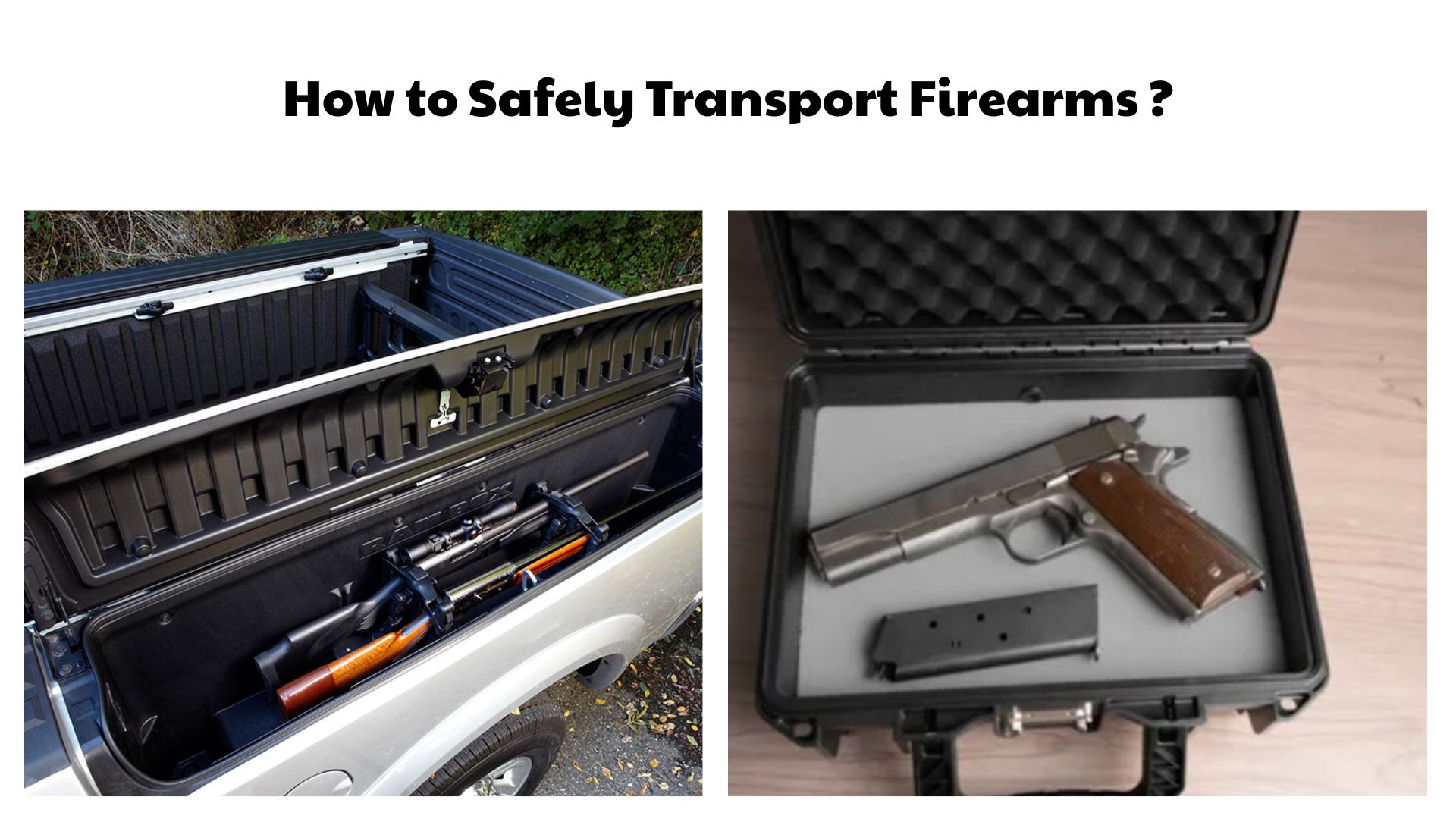

Safe firearm transportation is a fundamental responsibility for every gun owner, whether you’re heading to the shooting range, traveling for a hunting trip, or relocating firearms between residences. Improper handling during transport not only increases the risk of accidental discharge but also exposes you to serious legal consequences that can vary widely depending on your location.
Understanding the legal risks is just as important as knowing basic safety rules. Different states and countries enforce strict regulations regarding how firearms must be transported—covering factors such as whether the gun must be unloaded, how it should be stored, and where it can be placed inside a vehicle. Failing to comply with these laws can result in fines, confiscation of your firearm, or even criminal charges.
At its core, safe firearm transportation revolves around three key principles: legality, safety, and responsibility. Legality ensures that you are following all applicable laws across jurisdictions. Safety focuses on preventing accidents by keeping firearms unloaded, secured, and inaccessible. Responsibility means taking proactive steps to protect not only yourself but also others around you from potential harm.
This guide is designed for a wide range of firearm owners, including hunters, recreational shooters, competitive marksmen, and travelers who need to transport firearms across different regions. Whether you are new to gun ownership or an experienced enthusiast, understanding and applying these principles is essential for safe and lawful firearm transport.
Understanding Firearm Transportation Laws
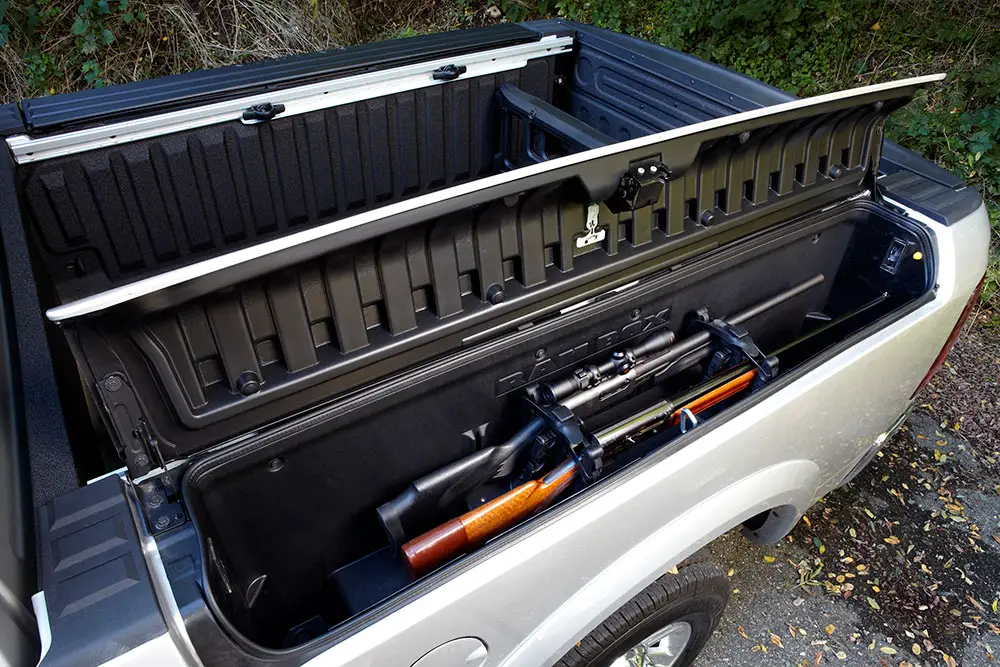
Federal vs State and Local Laws
Firearm transportation laws can vary significantly depending on where you are. At the federal level, there are baseline regulations that provide general guidance on how firearms should be transported, particularly when crossing state lines. However, individual states—and even local jurisdictions—often impose stricter rules that go beyond federal requirements.
For example, some states require firearms to be stored in locked containers, while others may have additional rules regarding ammunition storage or vehicle placement. Because of these differences, it is essential to research and understand the laws in every jurisdiction you plan to travel through, not just your starting point or destination.
Transporting vs Carrying a Firearm
There is a clear legal distinction between transporting and carrying a firearm. Transporting generally refers to moving a firearm from one location to another in a non-accessible, secured condition—typically unloaded and stored in a case. Carrying, on the other hand, involves having a firearm readily accessible for immediate use, either openly or concealed.
Transport rules are usually stricter because they are designed to minimize risk during movement. Authorities often require firearms to be unloaded, locked, and stored away from passengers to prevent unauthorized access or accidental discharge during transit.
Who Can Legally Transport a Firearm
Not everyone is legally allowed to transport a firearm. Eligibility is generally determined by federal and state laws, which outline who may possess or handle firearms. Legal firearm owners must typically meet age requirements, pass background checks, and comply with licensing or permit regulations where applicable.
Certain individuals are prohibited from transporting firearms under federal law. These may include convicted felons, individuals with certain restraining orders, or those deemed mentally unfit. Understanding your legal status before transporting a firearm is critical to avoiding serious legal consequences.
Core Principles of Safe Firearm Transportation
Always Keep the Firearm Unloaded
One of the most important safety rules is to always transport firearms in an unloaded condition. This means there should be no round in the chamber and no ammunition in the magazine. This practice significantly reduces the risk of accidental discharge.
Keeping firearms unloaded is a universally accepted safety standard across most jurisdictions and is often a legal requirement when transporting firearms in a vehicle.
Use a Locked Hard-Sided Case
A secure, hard-sided case is strongly recommended—and often required—when transporting firearms. These cases provide physical protection and prevent unauthorized access. Many are designed with locking mechanisms that add an extra layer of security.
Storing a firearm in a glove compartment or center console is generally not acceptable, as these areas are not considered secure or compliant with most legal standards.
Separate Firearm and Ammunition
For maximum safety and legal compliance, firearms and ammunition should be stored separately during transport. Ammunition should be placed in its own container, ideally also secured or locked.
This separation reduces the likelihood of accidental use and is required by law in some jurisdictions, especially when traveling across state lines or through restricted areas.
Keep Firearms Inaccessible
Firearms should always be stored in a location that is not easily accessible to the driver or passengers. The trunk of a vehicle is typically the safest and most compliant option.
In vehicles without a trunk, such as SUVs or trucks, firearms should be placed in a locked case and positioned as far away from occupants as possible. Additional precautions, such as cable locks or vehicle safes, can further enhance security.
Best Practices for Transporting Firearms in Vehicles
Proper Placement Inside the Vehicle
Proper placement of a firearm inside a vehicle is critical for both safety and legal compliance. The safest and most widely recommended option is to store the firearm in the trunk, where it is completely separated from the driver and passengers. This reduces accessibility and lowers the risk of accidental handling.
For vehicles without a traditional trunk, such as SUVs, hatchbacks, or trucks, firearms should be stored in a locked hard-sided case and placed as far away from occupants as possible. Positioning the case in the rear cargo area and using additional locking mechanisms can help maintain a high level of security.
Avoid Visibility and Theft Risks
Firearms should never be visible inside a vehicle. Displaying firearms, even unintentionally, can attract unwanted attention and significantly increase the risk of theft. Gun racks or open displays may be legal in some areas, but they are generally discouraged due to safety concerns.
Keeping firearms out of sight not only protects your property but also prevents public alarm and reduces the likelihood of being targeted by criminals. A concealed and secured firearm is always the safest approach during transport.
Use Additional Security Measures
Beyond basic storage practices, using additional security devices can greatly enhance firearm safety during transport. Options such as portable gun safes, lockboxes, and cable locks provide an extra layer of protection against unauthorized access.
A layered security approach—combining a locked case, secure vehicle placement, and secondary locking devices—offers the highest level of protection. This is especially important when leaving firearms unattended in a vehicle, even for a short period.
Prevent Accidental Damage or Discharge
Ensuring that firearms remain stable during transport is essential to prevent both physical damage and accidental discharge. Firearms should be securely placed inside a case that prevents movement, impact, or shifting while the vehicle is in motion.
Avoid leaning firearms against surfaces or leaving them loosely positioned, as sudden stops or turns could cause them to fall or shift. Properly securing the firearm helps maintain its condition and ensures safe handling upon arrival.
Transporting Firearms Across State Lines
Firearm Owners Protection Act (FOPA)
The Firearm Owners Protection Act (FOPA) provides legal protection for individuals transporting firearms across state lines, as long as specific conditions are met. Under this law, firearms must be unloaded and stored in a locked container, separate from ammunition.
FOPA’s “safe passage” provision allows lawful gun owners to travel from one legal location to another, even if they pass through states with stricter firearm laws, provided they comply with all requirements during transit.
Limitations of Federal Protection
While FOPA offers important protections, it has limitations that firearm owners must understand. One key requirement is continuous travel—meaning you should not make unnecessary or extended stops in jurisdictions with restrictive laws.
Detours, overnight stays, or deviations from your route may expose you to local laws that do not recognize federal protections. Planning your trip carefully and minimizing stops can help reduce legal risks.
Reciprocity of Permits
Concealed carry permits and firearm licenses are not universally recognized across all states. Reciprocity agreements determine whether one state honors another state’s permit, and these agreements can vary widely.
Before traveling, it is essential to verify whether your permit is valid in each state along your route. Failure to do so could result in legal complications, even if you are compliant in your home state.
Required Documentation and Legal Preparation
Essential Documents
Carrying the proper documentation is a key part of lawful firearm transportation. This may include a valid driver’s license, firearm permits, registration documents, and, in some states, a Firearm Owner’s Identification (FOID) card.
Documentation requirements vary by jurisdiction, so it is important to research and ensure that you have all necessary paperwork before beginning your trip.
Pre-Travel Checklist
Proper preparation can prevent legal issues and ensure a smooth journey. Before transporting a firearm, confirm that it is legal to possess and transport at both your departure point and destination.
Additionally, review your travel route for any restricted areas, such as government buildings, schools, or states with strict firearm regulations. Taking the time to plan ahead helps ensure compliance and enhances overall safety during transport.
Safe Transportation for Different Scenarios
Transporting Firearms to the Shooting Range
Transporting firearms to the shooting range is one of the most common scenarios for gun owners. To remain compliant, firearms should always be unloaded, placed in a locked case, and stored in a location that is not easily accessible from the passenger compartment.
Common mistakes to avoid include leaving a loaded magazine inserted, failing to lock the case, or placing the firearm within easy reach. Even short trips to the range require full adherence to safety and legal standards.
Traveling by Air with Firearms
Air travel with firearms is strictly regulated and requires careful preparation. Firearms must be unloaded and stored in a locked, hard-sided case. At the airport, you are required to declare the firearm to the airline during check-in.
Transportation Security Administration (TSA) guidelines also require that only the passenger retains the key or combination to the locked case. Ammunition must be properly packed according to airline and federal regulations, often in separate, approved containers.
Hunting and Outdoor Transport
When transporting firearms in hunting or outdoor environments, additional considerations come into play. Firearms should remain unloaded while moving between locations, especially when crossing obstacles such as fences or rough terrain.
Protecting the firearm from environmental damage—such as moisture, dirt, and impact—is equally important. Using protective cases or covers helps maintain the firearm’s condition and ensures reliable performance when needed.
Common Mistakes to Avoid
- Transporting a loaded firearm, which significantly increases the risk of accidental discharge and may violate the law.
- Using improper storage locations such as glove compartments or center consoles, which are not considered secure.
- Mixing ammunition with firearms instead of storing them separately, reducing safety and potentially violating regulations.
- Ignoring state-specific laws, especially when traveling across jurisdictions with different legal requirements.
- Leaving firearms visible or unsecured inside a vehicle, increasing the risk of theft or public concern.
Advanced Safety Tips from Experts
“Safe vs Secure” Concept
Experts often distinguish between “safe” and “secure” when discussing firearm transportation. A firearm is considered safe when it is unloaded, with no round in the chamber and no ammunition in the magazine.
A firearm is considered secure when it is locked in a case and inaccessible to unauthorized individuals. Both conditions must be met to ensure maximum safety during transport.
Layered Security Approach
A layered security approach combines multiple protective measures to reduce risks. This typically includes placing the firearm in a locked case, securing it with additional locks or cable systems, and positioning it strategically within the vehicle.
By using multiple layers of protection, you significantly reduce the chances of theft, unauthorized access, or accidental handling. This approach is especially important when transporting firearms over long distances or leaving them unattended for any period.
Legal Consequences of Improper Transport
Failing to follow proper firearm transportation laws can lead to serious legal consequences. Depending on the severity of the violation and the jurisdiction, penalties may include fines, confiscation of the firearm, and even criminal charges. Law enforcement agencies take these violations seriously, especially when public safety is at risk.
There is a clear distinction between minor infractions and more serious offenses. Minor violations—such as improper storage or failure to separate ammunition—may result in warnings or fines. However, more severe violations, such as transporting a loaded firearm illegally or possessing a firearm without proper authorization, can lead to felony charges, potential imprisonment, and permanent loss of firearm rights.
Because laws vary widely between states and regions, compliance is essential. Understanding and adhering to all applicable regulations not only protects you legally but also ensures the safety of those around you. Ignorance of the law is not considered a valid defense, making preparation and awareness critical.
Conclusion
Transporting firearms safely and legally requires a combination of knowledge, preparation, and responsibility. Key safety rules—such as keeping firearms unloaded, using locked cases, separating ammunition, and ensuring inaccessibility—form the foundation of proper firearm transport.
Beyond basic safety practices, legal awareness plays a crucial role. Gun owners must stay informed about federal, state, and local laws, especially when traveling across jurisdictions. Responsible firearm transportation is not just about following rules—it is about protecting yourself, others, and your rights as a gun owner.
As a final piece of advice, always verify the laws of your departure point, destination, and any areas in between before transporting a firearm. Taking the time to plan ahead ensures a safe, lawful, and stress-free journey.
Frequently Asked Questions (FAQ) About Safe Firearm Transportation
1. Is it legal to transport a loaded firearm?
In most jurisdictions, transporting a loaded firearm is either heavily restricted or completely prohibited. Laws typically require firearms to be unloaded during transport to reduce the risk of accidental discharge. Some states may allow loaded firearms under specific conditions, such as with a valid concealed carry permit, but even then, restrictions apply. Always check local laws before transporting a firearm.
2. Can I keep a firearm in my glove compartment?
No, glove compartments and center consoles are generally not considered secure storage locations for firearms. Many laws explicitly prohibit storing firearms in these areas because they are easily accessible. Instead, firearms should be stored in a locked, hard-sided case, preferably in the trunk or a secured area of the vehicle.
3. Do I need a permit to transport a firearm?
This depends on your location. In many places, you do not need a special permit just to transport a firearm if you legally own it. However, some jurisdictions require permits, licenses, or firearm owner identification cards. It is essential to verify the specific requirements in your area.
4. How should I transport a firearm in an SUV or truck?
In vehicles without a trunk, firearms should be placed in a locked case and stored in the rear cargo area. Additional security measures, such as cable locks or portable safes, are recommended to ensure the firearm is inaccessible to passengers.
5. Can I transport ammunition in the same case as my firearm?
While some jurisdictions allow it, many recommend or require storing ammunition separately from the firearm. Keeping them in separate containers reduces the risk of accidental discharge and may help ensure legal compliance in stricter regions.
6. What is the safest way to transport a firearm in a vehicle?
The safest method is to ensure the firearm is unloaded, placed in a locked hard-sided case, and stored in the trunk or a location inaccessible to passengers. Ammunition should be stored separately, and the firearm should not be visible from outside the vehicle.
7. What happens if I cross state lines with a firearm?
Federal law may protect you under certain conditions, such as the Firearm Owners Protection Act (FOPA), but you must comply with strict requirements. The firearm must be unloaded, locked, and inaccessible. However, state laws can still create complications, so careful planning is necessary.
8. Can I leave a firearm in my car unattended?
While it may be legal in some areas, it is strongly discouraged. Leaving a firearm unattended increases the risk of theft. If necessary, the firearm should be locked in a secure case and hidden from view, preferably in a vehicle safe.
9. Do I have to declare a firearm when flying?
Yes, when traveling by air, you must declare your firearm to the airline during check-in. It must be unloaded, stored in a locked hard-sided case, and comply with airline and TSA regulations. Failure to declare can result in severe penalties.
10. What type of case is best for transporting firearms?
A hard-sided, lockable case is considered the best option. These cases provide physical protection and prevent unauthorized access. Some cases are specifically designed to meet airline and legal requirements.
11. Why must firearms be unloaded during transport?
Keeping firearms unloaded significantly reduces the risk of accidental discharge. It is a universal safety standard and often a legal requirement in many jurisdictions.
12. Can passengers access the firearm during transport?
No, firearms should be stored in a way that prevents access by passengers. This is both a safety precaution and a legal requirement in many areas.
13. Are gun racks safe for transporting firearms?
Although legal in some regions, gun racks are generally not recommended. They leave firearms visible and accessible, increasing the risk of theft and public concern.
14. What documents should I carry when transporting a firearm?
You should carry a valid ID, firearm permits (if required), registration documents, and any applicable licenses. Requirements vary by jurisdiction.
15. What is FOPA and how does it protect me?
The Firearm Owners Protection Act allows legal firearm owners to transport firearms across state lines under specific conditions. However, it requires strict compliance, including keeping the firearm unloaded and locked.
16. Can I transport firearms internationally?
Yes, but international transport is highly regulated. You must comply with both the departure and destination country’s laws, as well as airline regulations.
17. What is the difference between “safe” and “secure”?
“Safe” means the firearm is unloaded, while “secure” means it is locked and inaccessible. Both conditions must be met for proper transport.
18. Can I transport multiple firearms at once?
Yes, as long as all firearms are unloaded, properly secured, and transported according to applicable laws.
19. Do laws change depending on the type of firearm?
Yes, some jurisdictions have stricter rules for certain types of firearms, such as handguns or rifles. Always check specific regulations.
20. What should I do if stopped by law enforcement?
Remain calm, follow instructions, and be honest if required by law. Some jurisdictions require you to inform officers if you are transporting a firearm.
21. Is it legal to transport firearms at night?
Generally, yes. However, the same safety and legal rules apply regardless of time.
22. Can minors transport firearms?
In most cases, minors are not allowed to transport firearms without adult supervision. Laws vary significantly by region.
23. How do I prevent theft during transport?
Use locked cases, avoid visibility, and never leave firearms unattended for long periods.
24. Can I transport firearms on public transportation?
This is often restricted or prohibited. Always check local regulations before attempting to do so.
25. What are the penalties for improper transport?
Penalties can include fines, confiscation, and criminal charges depending on the severity of the violation.
26. Should I use a cable lock in addition to a case?
Yes, using a cable lock adds an extra layer of security and helps prevent unauthorized access.
27. Can I transport a firearm for self-defense purposes?
This depends on local laws and whether you have a valid carry permit. Transport rules are usually stricter than carry laws.
28. What is the safest way to store firearms during long trips?
Use a locked case, keep firearms unloaded, separate ammunition, and store them in the least accessible part of the vehicle.
29. Can I transport firearms between homes?
Yes, but you must follow all applicable transportation laws during the move.
30. How do I transport firearms in bad weather?
Use waterproof cases and ensure firearms are protected from moisture and corrosion.
31. Are soft cases acceptable?
Soft cases may be acceptable in some areas, but hard-sided locked cases are generally recommended for better security.
32. Can I transport firearms for repair?
Yes, but you must follow standard transportation laws and ensure the firearm is unloaded and secured.
33. What is the role of ammunition storage?
Separating ammunition reduces risk and may be required by law in some jurisdictions.
34. Can I transport firearms through school zones?
This is heavily restricted. Federal and state laws often prohibit firearms in school zones unless specific conditions are met.
35. What is a vehicle gun safe?
A vehicle gun safe is a portable lockbox designed to secure firearms inside a vehicle.
36. Do I need to inform passengers?
While not always legally required, informing passengers can improve safety awareness.
37. Can I transport antique firearms?
Antique firearms may be subject to different regulations, but safety practices should still be followed.
38. What if my firearm is stolen from my vehicle?
You should report it to law enforcement immediately. Failure to secure the firearm properly may result in liability.
39. Can I transport firearms in a rental car?
Yes, but you must still follow all applicable laws and ensure proper storage.
40. Are there restrictions in national parks?
Yes, firearm laws in national parks depend on state laws but may have additional federal restrictions.
41. How do I check state laws before traveling?
Consult official government websites or legal resources to verify current regulations.
42. Can I transport firearms during a road trip?
Yes, but you must plan your route carefully and comply with laws in each state you pass through.
43. What is considered “inaccessible”?
“Inaccessible” means the firearm cannot be reached easily by the driver or passengers during transport.
44. Can I store firearms under a seat?
This is generally not recommended, as it may be considered accessible and unsafe.
45. What is the best way to transport firearms for competitions?
Use a locked case, separate ammunition, and carry all required documentation.
46. Can I transport firearms with children in the car?
Yes, but extra precautions must be taken to ensure firearms are completely inaccessible.
47. What is the safest route planning strategy?
Choose routes that minimize travel through restrictive jurisdictions and avoid unnecessary stops.
48. Can I transport firearms for gifting purposes?
Yes, but the transfer must comply with all applicable laws.
49. Are there different rules for handguns vs rifles?
Yes, some jurisdictions impose stricter rules for handguns.
50. Why is planning so important?
Proper planning ensures compliance with laws, reduces risks, and prevents legal complications.
51. What is the most important rule of firearm transport?
Always keep the firearm unloaded, secured, and inaccessible while complying with all applicable laws.
Read more: