
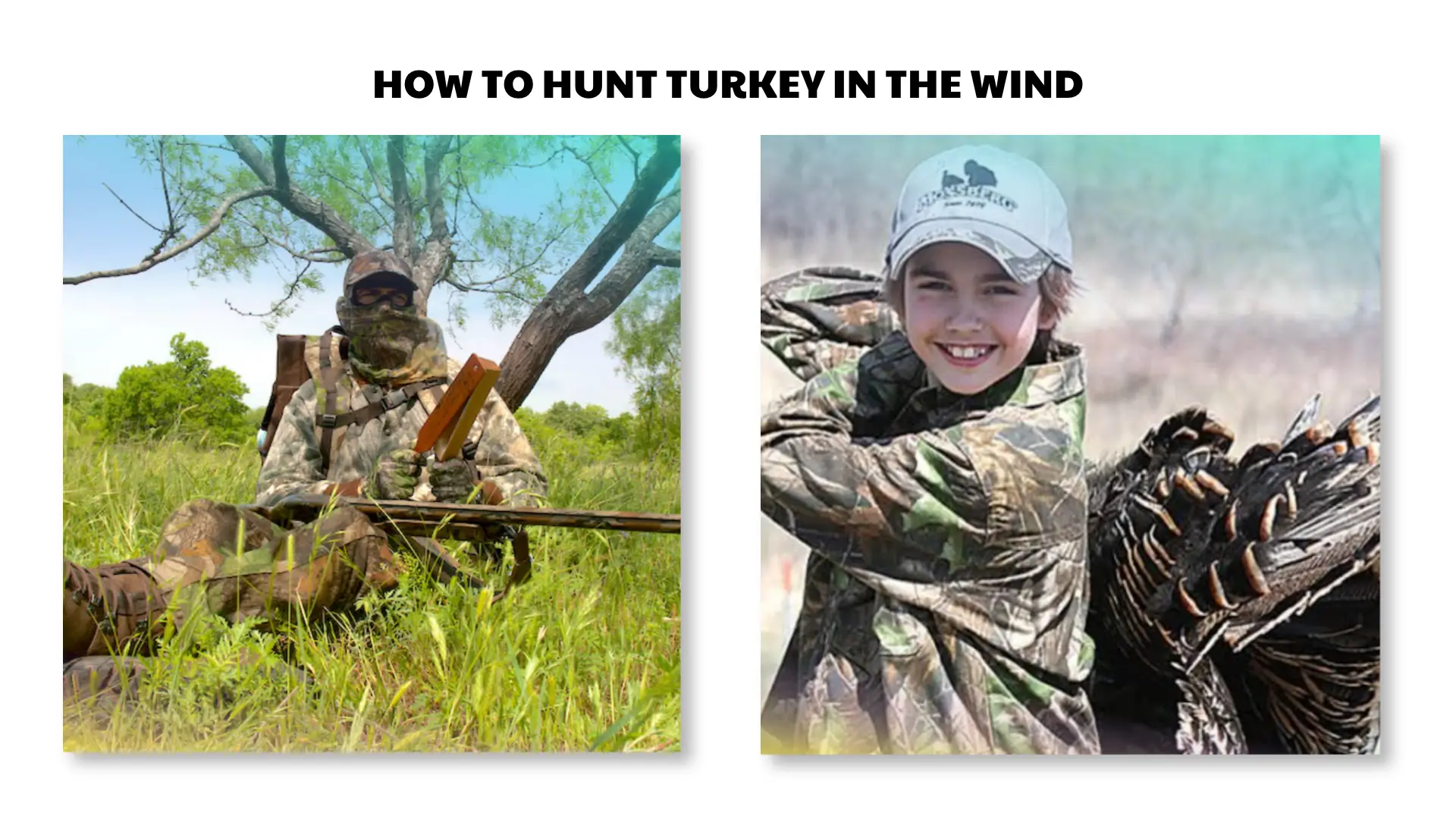

Quick Answer
To hunt turkey in the wind, first confirm your license, turkey tag or permit, season dates, weapon rules, legal hours, land access, and harvest reporting requirements with your official wildlife agency. Then focus on sheltered terrain such as leeward slopes, creek bottoms, timber edges, field corners, and low areas where turkeys can hear and see better. Use calls that carry in wind, but avoid nonstop calling because birds may approach quietly. Set up with a safe background, identify the turkey clearly, and take only a legal and ethical shot within your practiced ability.
Important Legal and Safety Notice Before You Hunt
Hunting regulations vary by country, state, province, county, season, land type, species, and weapon type. Before hunting, verify the current rules with your official wildlife agency. Do not rely on old regulations, general advice, or another hunter’s memory. Confirm all license, permit, tag, season, weapon, bag limit, land access, reporting, transport, and safety rules before entering the field.
- Hunting license and permits: Carry the required license, turkey permit, and any required stamps or authorizations.
- Tags or harvest reporting: Know whether you must tag, check in, register, or report a turkey harvest.
- Legal season and legal hours: Confirm spring or fall dates, daily hunting hours, and any unit-specific restrictions.
- Legal weapons and ammunition: Verify shotgun, bow, crossbow, shot size, broadhead, and ammunition rules for your area.
- Public land or private land access: Use accurate maps and get written permission before hunting private land.
- Required clothing or visibility rules: Follow blaze orange or other visibility requirements, especially when moving or hunting public land.
- Safe firearm or bow handling: Keep the muzzle pointed in a safe direction, keep your finger off the trigger until ready, and never shoot at sound or movement.
- Weather, navigation, and emergency planning: Carry water, first aid, communication, a map, and a plan for changing weather.
Understanding the Game Species and Its Habitat
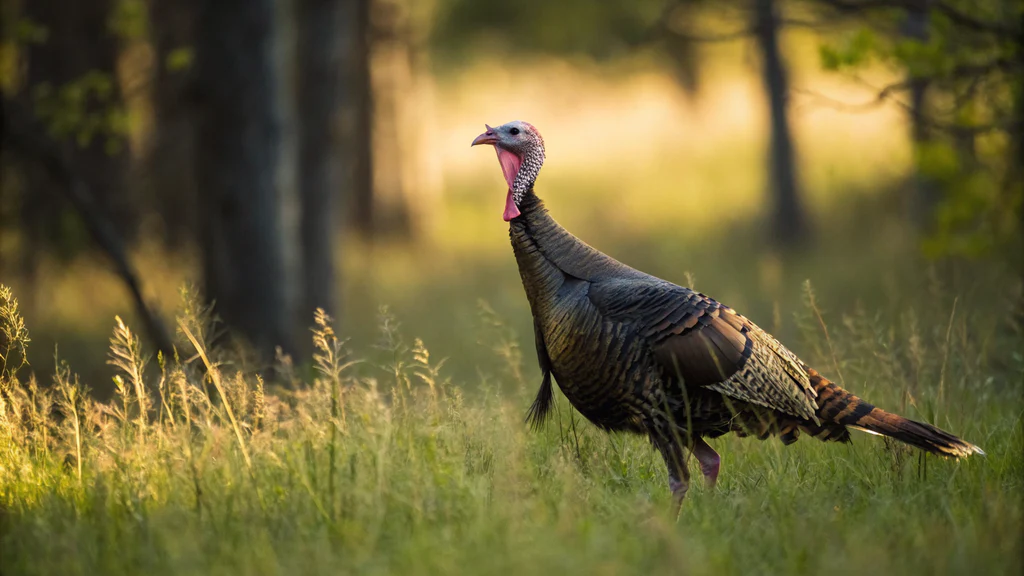
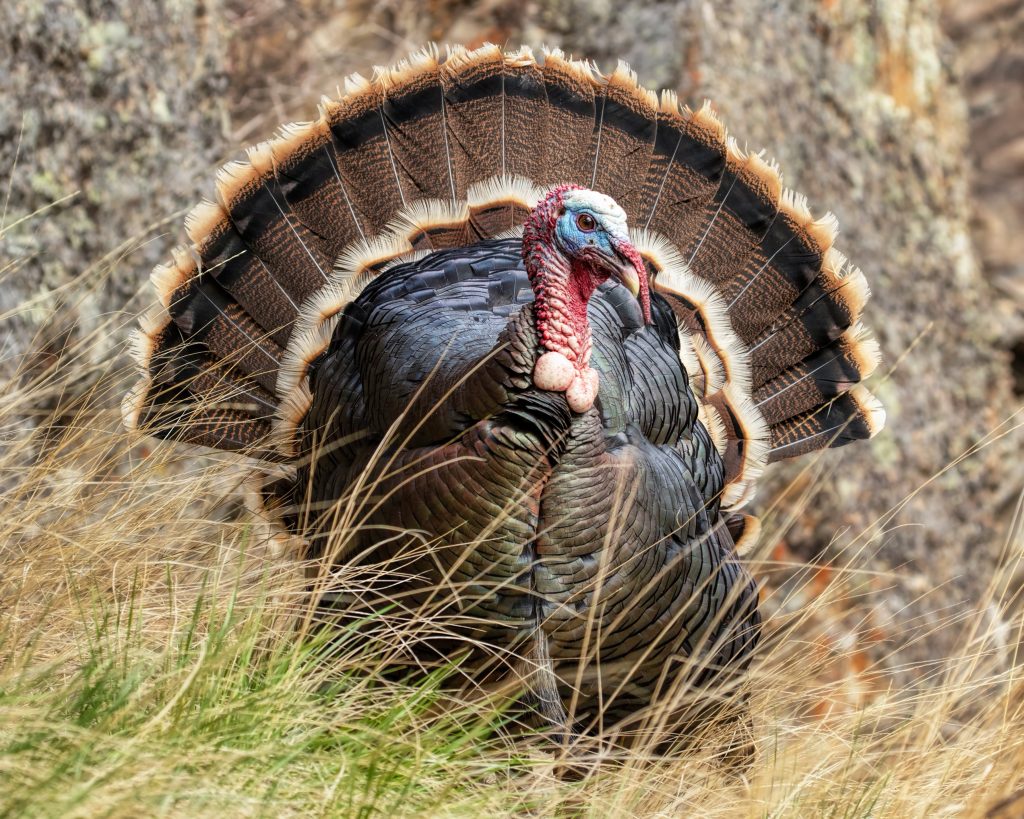
The target species is the wild turkey. Turkeys are cautious birds with strong eyesight and sharp hearing. They often roost in trees, feed in fields, open woods, mast areas, grass edges, agricultural openings, and forest clearings, and travel between roosting, feeding, loafing, and strutting areas.
In spring, many hunters focus on gobbling males and breeding behavior. In fall, turkey hunting may focus more on flocks, feeding patterns, and travel routes. Local rules may differ between spring and fall, so confirm which birds are legal before hunting.
Wind affects turkey behavior. Strong gusts can make open ridges and exposed fields less comfortable. Birds may shift into protected timber, hollows, benches, creek bottoms, field corners, and leeward slopes. They may gobble less because they cannot hear as well, and they may depend more on vision. This is why patient setups, sheltered terrain, and careful observation matter.
Beginner hunters should learn to recognize turkey tracks, droppings, feathers, scratching, dusting bowls, strut marks, roost trees, and repeated field use. These signs help when windy conditions make vocal responses unreliable.
What You Need Before You Start
- Valid hunting license, turkey permits, tags, and current regulation knowledge
- Legal hunting weapon or method allowed in your area
- Turkey calls such as a box call, pot call, diaphragm call, or push-button call
- Secure decoys if legal and useful for your setup
- Hunter orange or required visibility clothing if applicable
- Quiet, weather-appropriate hunting clothing and sturdy boots
- Navigation tools such as map, compass, GPS, or hunting app
- First aid kit, water, snacks, and emergency communication
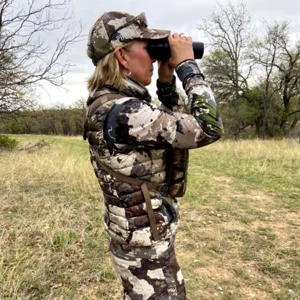
- Binoculars or optics for safe observation
- Seat cushion, gloves, face covering, and rain or wind layer
- Game bags, gloves, cooler, and basic meat care supplies if relevant
How To Bunt Turkey In The Wind: Step-by-Step Guide
Step 1: Check Local Hunting Laws First
Start with the official regulations for your area. Confirm season dates, legal hunting hours, turkey tag rules, bag limits, legal weapons, ammunition restrictions, public land rules, private land permission, baiting rules, electronic call rules, decoy rules, and harvest reporting. Turkey hunting rules can change, and public land areas may have special regulations.
Step 2: Learn the Animal’s Patterns
Study how turkeys use your hunting area. Look for roosting sites, feeding openings, strut zones, dusting areas, tracks, droppings, and travel routes. On windy days, expect some birds to use terrain that blocks gusts. Sheltered slopes, creek bottoms, timber pockets, and protected field corners can be more useful than exposed ridge tops.
Step 3: Choose a Legal Hunting Area
Use current maps to identify public land boundaries, access points, parking areas, closed zones, and private property lines. On private land, get permission before scouting or hunting, respect gates and livestock, and leave the property cleaner than you found it. Never cross unclear property lines or assume access is legal.
Step 4: Scout Before the Hunt
Scout before the season and during legal times. Listen from a distance at dawn or evening, glass fields, and look for turkey sign. In windy conditions, do not depend only on gobbling. Tracks in soft soil, scratching in leaves, feathers under roost trees, droppings, and repeated field use can tell you where to set up even when birds are quiet.
Step 5: Prepare Your Gear Safely
Check your legal weapon, calls, clothing, decoys, map, first aid kit, water, and communication before leaving. Shotgun hunters should pattern their shotgun before season using legal ammunition. Bowhunters should practice from realistic positions and know their personal effective range. Do not modify weapons or ammunition outside manufacturer instructions and legal rules.
Step 6: Plan for Wind, Weather, and Entry Route
Wind direction matters because it affects sound, comfort, and bird movement. Plan an entry route that keeps you quiet, avoids crossing open areas near birds, and lets you reach a sheltered setup before turkeys move. Watch for falling limbs, lightning, flooding, and poor visibility. If weather creates unsafe conditions, leave the field.
Step 7: Set Up Carefully
Choose a safe setup with a wide tree, natural cover, or secure ground blind behind you. Make sure your field of view is clear and your background is safe. Avoid setups near roads, homes, livestock, trails, parking areas, or other hunters. If using decoys, place them where they help turkeys focus away from you and where other hunters will not be placed at risk.
Step 8: Stay Patient and Observe
Windy turkeys may approach without gobbling. Call in short, realistic sequences, then watch carefully. Scan slowly with your eyes before moving your head. Use binoculars for observation, not a weapon-mounted optic. Stay patient in sheltered travel zones because birds may take longer to arrive.
Step 9: Take Only a Safe, Legal, and Ethical Shot Opportunity
Only act when the turkey is clearly identified, legal to harvest, and within your practiced effective range. Confirm what is beyond the target. Never shoot toward roads, homes, livestock, people, vehicles, trails, buildings, or unclear movement. If the shot angle, distance, background, or identification is uncertain, pass.
Step 10: Follow Legal Recovery and Reporting Rules
After a successful hunt, follow your local tagging, registration, check-in, and transport rules. Some areas require immediate tagging or electronic harvest reporting. Handle the turkey respectfully, keep your tools clean, and complete required records before leaving the area if regulations require it.
Step 11: Handle the Game Responsibly
Use clean gloves and tools, keep the meat clean and cool, and transport the bird according to local rules. Avoid waste and plan ahead for processing, storage, or sharing where legal. Responsible meat care is part of ethical hunting.
Best Time, Place, and Conditions for This Hunt
The best time to hunt turkey in windy weather depends on local season rules and turkey behavior. Early morning can still work, especially near roost areas, but birds may gobble less. Midmorning can be productive when turkeys move to feeding areas or sheltered travel routes after leaving the roost.
Look for places where wind is reduced. Leeward slopes, low timber, creek bottoms, hollows, protected field corners, logging roads, small openings, and edge cover can all be useful. Avoid assuming the windiest ridge or largest open field is the best option simply because it is easy to see.
Windy weather can increase the importance of visual confirmation. Turkeys may rely more on sight, so decoys can help where legal and safe. However, decoys must be used carefully on public land because other hunters may be nearby. Always prioritize safety over convenience.
Public land may have more pressure, especially near obvious parking areas and easy field access. Private land can be quieter, but only if you have clear permission. In both cases, local regulations and local bird behavior matter more than broad general rules.
Helpful Tips for Better Results
- Scout sheltered terrain before the hunt so you are not guessing when the wind starts.
- Use louder calls only when needed, then pause and listen carefully.
- Carry more than one type of call because some calls carry better in wind than others.
- Set up where turkeys can approach visually instead of forcing them into thick, noisy cover.
- Secure decoys and blind fabric so wind does not create unnatural movement or noise.
- Use terrain to block wind, but keep a safe shooting lane and a safe background.
- Keep a hunting journal with wind direction, bird movement, calling response, and setup notes.
Common Mistakes to Avoid
Windy turkey hunting becomes frustrating when beginners treat it like a calm morning. The biggest mistake is expecting constant gobbling. Turkeys may still be nearby, but they may move quietly and use different terrain.
- Not checking current regulations before hunting
- Hunting without the proper license, tag, permit, or land permission
- Ignoring sheltered terrain and staying only on exposed ridges
- Calling nonstop because the hunter cannot hear well
- Moving too quickly when birds may be approaching silently
- Using decoys carelessly on pressured public land
- Failing to secure a blind or decoy in gusty conditions
- Underpacking safety essentials such as water, first aid, map, and communication
- Taking unsafe, uncertain, or unethical shot opportunities
- Forgetting harvest reporting, tagging, transport, and meat care rules
Troubleshooting Common Problems
| Problem | Possible Cause | What to Do |
|---|---|---|
| You are not hearing gobbles | Wind is masking sound, birds are quiet, or pressure is high | Hunt sign and sheltered travel routes instead of depending only on sound. |
| You are not seeing turkeys | Poor location, wrong timing, exposed setup, or limited scouting | Scout tracks, scratching, roosts, and field use; move to protected terrain legally and safely. |
| Birds answer but do not come closer | They cannot locate the call, see no visual cue, or are blocked by terrain | Adjust to a better travel corridor, use a legal decoy carefully, and reduce unnecessary calling. |
| Turkeys detect your movement | You are exposed, moving too much, or setting up too late | Use better cover, arrive earlier, sit still, and scan slowly with your eyes. |
| Too much hunting pressure | Obvious access points and field edges are crowded | Choose overlooked legal access, hunt later in the morning, and avoid crowding other hunters. |
| Unclear property boundaries | Old maps, poor signage, or uncertain access | Leave the area until you verify boundaries through official maps or landowner permission. |
| Bad weather becomes unsafe | Lightning, falling limbs, flooding, extreme wind, or poor visibility | End the hunt and move to safety. No turkey is worth a weather emergency. |
| Gear failure | Wet calls, loose decoys, dead batteries, or untested equipment | Test gear before leaving, carry simple backups, and keep calls dry. |
| Poor visibility | Brush, rain, low light, or unsafe background | Do not act until the bird is clearly identified and the background is safe. |
| Beginner nervousness | Lack of practice or uncertainty about range and rules | Practice before season, hunt with a mentor, and pass any opportunity that feels rushed. |
| Recovery concerns | Uncertain shot, poor marking, or confusing terrain | Follow legal recovery practices, mark the location, move carefully, and ask for lawful help if needed. |
Ethical Hunting and Conservation
Ethical hunting means more than following the minimum legal rule. It means respecting wildlife, landowners, other hunters, non-hunters, and the land itself. A responsible turkey hunter practices before the season, learns local regulations, passes unsafe opportunities, avoids waste, and uses the harvest respectfully.
License fees and regulated hunting can support wildlife management and conservation. Hunters help protect the future of hunting by obeying seasons and limits, reporting harvests where required, leaving no trash, respecting access rules, and treating every hunt as a responsibility rather than a guarantee.
When to Get More Training or Professional Guidance
Beginners should seek more training when they have never handled a firearm or bow, have not completed hunter education, are unsure about local laws, do not understand land boundaries, are not confident in safe shooting, are hunting unfamiliar terrain, need help with legal game recovery, or need guidance on meat care and transport rules.
Good learning sources include official hunter education courses, state or provincial wildlife agencies, certified instructors, experienced ethical mentors, local conservation organizations, and reputable hunting clubs. A mentor can help you learn safe setup choices, calling restraint, map reading, and ethical decision-making faster than trial and error alone.
After the Hunt: Follow-Up, Gear Care, and Learning
After the hunt, clean and store your calls, clothing, boots, decoys, blind, optics, and weapon according to manufacturer instructions and safety rules. Keep ammunition, firearms, bows, and broadheads secured during transport and storage.
Review what worked and what did not. Write down wind speed, wind direction, temperature, rain, gobbling activity, tracks, sightings, hunting pressure, setup location, and how birds responded. These notes help you understand local patterns and improve future hunts.
Complete any required harvest report or legal record. If you harvested a turkey, care for the meat responsibly, keep it cool, follow transport rules, and plan for proper processing or use.
Recommended Hunting Gear and Tools to Consider
You do not always need expensive gear to hunt responsibly. Choose gear based on your local laws, hunting method, species, terrain, weather, safety needs, skill level, and budget.
- Legal hunting weapon or method allowed in your area
- Turkey calls that you can use confidently in wind
- Secure, legal decoys if appropriate for your hunting area
- Quality boots for your terrain and weather
- Weather-appropriate clothing and required visibility gear
- Binoculars or optics for safe observation
- Navigation tools such as a map, compass, GPS, or hunting app
- First aid kit and emergency communication
- Game bags, gloves, cooler, and meat care supplies if relevant
Final Thoughts
Learning how to hunt turkey in the wind starts with legal preparation, safe field habits, and realistic expectations. Wind changes turkey behavior, makes sound harder to judge, and rewards hunters who understand terrain, scouting, patient setups, and ethical shot discipline.
Check current regulations, practice with your legal hunting method, scout sheltered areas, use calls carefully, and respect wildlife and other people outdoors. Choose gear and methods based on your local laws, terrain, skill level, weather, and conservation responsibilities.
FAQs
1. How long does it take to learn how to hunt turkey in the wind?
Most beginners can learn the basic ideas in a few hunts, but becoming consistent takes practice. Windy turkey hunting requires extra patience, better setup choices, and careful listening because gobbles and movement cues are harder to hear.
2. Do I need a hunting license to hunt turkey?
Yes, in most places you need a valid hunting license and a turkey permit, tag, or harvest authorization. Requirements vary, so check your official wildlife agency before hunting.
3. Are turkey hunting seasons the same everywhere?
No. Turkey seasons vary by state, province, county, public land unit, weapon type, and spring or fall season. Always confirm current season dates and legal hours before planning a hunt.
4. Is wind good or bad for turkey hunting?
Wind can make turkey hunting harder because birds may gobble less, hear poorly, and avoid exposed areas. It can also help cover small hunter noises, so a careful setup can still work.
5. Where do turkeys go when it is windy?
Turkeys often use lower ground, timber edges, creek bottoms, hollows, field corners, and sheltered slopes where they can see and move without fighting strong gusts. Local terrain and pressure still matter.
6. Should I call louder on windy days?
You may need slightly louder or sharper calls so sound carries, but do not call nonstop. Use realistic yelps, clucks, cuts, and purrs, then pause long enough for birds to respond or approach quietly.
7. What turkey calls work best in the wind?
Box calls, pot calls, and louder diaphragm calls often carry better than very soft calls. Keep a quieter call ready for close birds so you do not overcall at short range.
8. Can turkeys hear calls in strong wind?
Yes, but sound direction and distance become harder for both turkeys and hunters. Set up where wind is blocked by terrain or timber so your calling is easier for a bird to locate.
9. What time of day is best for windy turkey hunting?
Early morning can still be productive, but birds may be quieter on the roost. Midmorning and late morning can improve when birds move to sheltered feeding and strutting areas.
10. Should I hunt fields or woods when it is windy?
Large open fields can be difficult in heavy wind, but sheltered field corners, timber edges, logging roads, and small openings can be useful. Choose places where turkeys can see and hear better.
11. Do decoys help when hunting turkey in the wind?
Decoys can help because visual cues matter more when sound is distorted. Use decoys carefully, stake them securely, and avoid unsafe decoy placement where another hunter might mistake movement for a bird.
12. How should I set up a blind in windy weather?
Place the blind in a sheltered spot, stake it securely, and avoid flapping fabric or loose windows. Make sure your shooting lane is safe and legal before the hunt begins.
13. Is a ground blind safer for windy turkey hunting?
A ground blind can help hide movement and block wind, but it must be set up safely. Never shoot unless the turkey is clearly identified and the background is safe.
14. Do I need blaze orange while turkey hunting?
Visibility clothing rules vary. Some areas require orange when moving, on public land, or during overlapping seasons, so verify local rules before hunting.
15. Can I bowhunt turkeys in the wind?
Bowhunting in wind is possible, but wind affects arrow flight, body stability, and shot confidence. Practice in realistic conditions and only take shots within your proven effective range.
16. Can I use a shotgun for turkey in windy conditions?
Shotguns are commonly used where legal, but you must follow local rules for gauge, shot type, ammunition, and safety. Pattern your shotgun before the season and never shoot at sound or movement.
17. How far should I shoot at a turkey?
Only shoot within your practiced, legal, and ethical effective range. Your range depends on your weapon, pattern or accuracy, conditions, and personal skill.
18. How do I stay safe on public land during turkey season?
Know boundaries, park respectfully, avoid crowding other hunters, use clear communication, and never stalk turkey sounds. Assume other hunters may be nearby.
19. Is it safe to stalk a gobbling turkey?
Stalking turkey sounds can be dangerous because another hunter may be calling. A safer approach is to set up, identify the bird visually, and wait for a clear legal opportunity.
20. How do I avoid trespassing while turkey hunting?
Use current maps, confirm property lines, respect signs and fences, and get written permission for private land. Do not cross private land to reach public land unless you have legal access.
21. What signs should I scout for before a windy turkey hunt?
Look for tracks, droppings, scratching, dusting areas, feathers, roost trees, strut marks, field use, and travel corridors between feeding and roosting areas.
22. How important is roosting before the hunt?
Roosting can help you learn where turkeys start the day. On windy evenings, listen from sheltered areas and watch likely roost edges without disturbing birds.
23. What should I do if turkeys are not gobbling?
Focus on sign, sheltered travel routes, and patient setups. Call occasionally, watch carefully, and remember that birds may approach silently in windy weather.
24. How often should I call when the wind is strong?
Call enough to be heard, then wait. A good rhythm is a short calling sequence followed by several minutes of listening and scanning, but adjust to bird behavior.
25. Can wind cover my movement?
Wind can hide small sounds and movement, but turkeys still have excellent eyesight. Move slowly, stay behind cover, and set up before birds are close.
26. Does scent control matter for turkey hunting?
Turkeys rely more on eyesight and hearing than scent, but clean clothing and good field habits still matter. Avoid unnecessary odors around landowners, vehicles, and gear.
27. What clothing is best for windy turkey hunting?
Wear quiet, weather-appropriate layers that reduce flapping. Choose camouflage or visibility gear that matches legal requirements and your hunting environment.
28. What boots should I wear for turkey hunting in the wind?
Wear comfortable boots with traction for your terrain. Windy spring mornings can be cold and wet, so waterproof or water-resistant boots may help.
29. What gear should beginners bring?
Bring your license and tags, legal weapon, calls, seat pad, first aid kit, water, map, compass or GPS, required clothing, gloves, and basic meat care supplies.
30. Should I use binoculars for turkey hunting?
Binoculars can help you identify birds and scan fields safely. Never use a rifle scope or weapon-mounted optic as a general spotting tool.
31. How do I choose a safe setup spot?
Sit against a wide tree or solid backdrop, keep your view open, and make sure no roads, homes, livestock, trails, vehicles, or people are beyond your target area.
32. What is the best wind direction for turkey hunting?
Unlike deer hunting, scent is less important, but wind direction still affects sound and comfort. Set up so your calls carry into likely turkey areas and gusts do not blow directly into your face all morning.
33. Do turkeys avoid windy ridges?
They may avoid the most exposed ridges during strong wind and use leeward slopes, benches, and protected timber instead. Scout your local terrain to confirm patterns.
34. Are creek bottoms good on windy days?
Creek bottoms can be productive because they often block wind and offer travel cover. Check access, safety, water crossings, and legal boundaries before hunting them.
35. How do I hunt pressured public land in the wind?
Start with overlooked sheltered pockets away from obvious parking areas. Move only when safe, call sparingly, and avoid interfering with other hunters.
36. Can rain and wind still produce turkey movement?
Light rain with wind may push turkeys to open areas or sheltered edges, while severe weather can reduce movement. Avoid dangerous storms and follow weather alerts.
37. When should I stop hunting because of weather?
Stop or leave when lightning, extreme wind, flooding, falling limbs, poor visibility, or unsafe travel conditions create risk. Safety is more important than staying in the field.
38. How do I keep my calls working in bad weather?
Carry calls in a dry pouch and bring backups. Some box and pot calls perform poorly when wet, so a diaphragm call or waterproof option may help.
39. What if my decoy blows over?
Retrieve it only when safe and legal to move. Stake decoys firmly, use fewer decoys in high wind, and avoid setups where moving decoys could create safety confusion.
40. How do I know if a turkey is legal to harvest?
Learn local sex, age, beard, and tag rules before the hunt. Do not act unless you can clearly identify that the bird meets legal requirements.
41. What should I do after harvesting a turkey?
Follow local tagging and reporting rules, recover the bird responsibly, keep the meat clean and cool, and transport it according to regulations.
42. Do I have to report a turkey harvest?
Many places require harvest reporting or check-in, but rules vary. Check your permit, tag, agency app, or official wildlife website before hunting.
43. How should turkey meat be cared for?
Keep tools clean, use gloves when appropriate, cool the meat promptly, and avoid contamination. Follow local transport and processing rules.
44. Is turkey hunting expensive for beginners?
It can be affordable if you start with essential legal and safety gear. Avoid buying unnecessary equipment until you understand your local hunting style and conditions.
45. Can I hunt turkey without a mentor?
You can in many places if you are licensed and educated, but a safe, ethical mentor can shorten the learning curve. Hunter education courses are strongly recommended.
46. Should I take a hunter education course?
Yes. Many places require hunter education, and even where it is not required, it teaches safety, ethics, regulations, and field responsibility.
47. What is the biggest beginner mistake in windy turkey hunting?
The biggest mistake is assuming no gobbling means no turkeys are present. In wind, birds may move silently, so scouting and patient observation become more important.
48. How can I avoid overcalling?
Make a short calling sequence, then wait and watch. If a bird is coming, quiet down and let the setup work.
49. What if another hunter is nearby?
Do not call aggressively, wave, stalk, or move toward turkey sounds. Leave calmly or choose another legal area to avoid conflict and danger.
50. Should I use electronic calls for turkey?
Electronic call rules vary and are illegal for turkey hunting in many areas. Check your local regulations before using any electronic device.
51. Can I bait turkeys?
Baiting rules vary widely and may be illegal. Do not use bait unless your official wildlife agency clearly allows it for your season and location.
52. How do I practice before turkey season?
Practice safe weapon handling, patterning or accuracy within legal rules, calling basics, map reading, and setup drills. Build confidence before entering the field.
53. What should I write in a hunting journal?
Record date, wind speed, wind direction, temperature, rain, gobbling activity, tracks, sightings, pressure, setup location, and what you learned.
54. How do I improve if I keep failing?
Scout more, hunt sheltered areas, simplify your setup, call less, learn from local sign, and consider a mentor or hunter education workshop.
55. Why does ethical turkey hunting matter?
Ethical hunting protects wildlife, supports conservation, respects other people, reduces waste, and helps maintain public trust in hunting.
Read more: How to Hunt Turkey in the Rain: A Beginner-Friendly Guide